
养老金融

Search documents
管理规模超513亿元!贝莱德建信理财论道下半年组合配置
券商中国· 2025-07-19 02:03
Core Viewpoint - The article highlights the significant growth of foreign-controlled joint wealth management companies in China, particularly in a low-interest-rate environment, leveraging global resources and local strategies to outperform the industry average in asset management growth [1]. Group 1: Company Performance - BlackRock Jianxin Wealth Management has demonstrated remarkable growth, doubling its asset scale nearly every year since its inception, growing from an initial team of 5 and 2.6 billion yuan in assets to over 51.3 billion yuan and 240,000 clients [2][3]. - The company aims to double its management scale again in 2024, indicating strong confidence in future growth [3]. Group 2: Fixed Income Strategy - The fixed income market is experiencing a unique split, with current conditions characterized by strong expectations but weak realities, leading to compressed yield spreads [5]. - The company is focusing on short-term debt management strategies to enhance returns, given the current low yield environment and the expectation of continued liquidity support from the People's Bank of China [5][6]. Group 3: Equity Market Outlook - The company expresses caution regarding equity assets, noting a lack of strong buying signals across asset classes, including gold, while maintaining a long-term investment perspective [7]. - The U.S. stock market is highlighted as having solid fundamental support, despite slightly high valuations, with expectations for strong earnings in the AI sector [7]. Group 4: Pension Business - BlackRock Jianxin Wealth Management is uniquely positioned in the pension finance sector, being the only joint wealth management company with dual qualifications for "pension wealth management pilot" and "personal pension product issuance" [9]. - The company has launched three pension products, including the first 10-year pension wealth management product, which has shown promising returns and risk management metrics [10][12]. Group 5: Risk Management and Global Strategy - The company emphasizes the importance of aligning risk with target clients in pension product design, aiming to prevent short-term volatility from causing investor redemptions [12]. - The application of BlackRock's global investment strategies in their products aims to enhance returns while managing risk effectively [12].


齐鲁银行:做好金融“五大篇文章” 护航区域经济发展
Zhong Guo Jin Rong Xin Xi Wang· 2025-07-18 13:47
Core Viewpoint - Qilu Bank, as the first local joint-stock commercial bank in Shandong Province, focuses on serving urban and rural residents, small and medium-sized enterprises, and local economic development through various financial services, including technology finance, green finance, inclusive finance, pension finance, and digital finance [1] Group 1: Technology Finance - Qilu Bank has developed a dual-direction mechanism between technology and finance, launching products like "KeChuang YiDai" to serve 61% of "specialized, refined, unique, and innovative" enterprises in Jinan [2] - The bank has established 2 technology branches, 3 specialty branches, and 10 technology finance centers to enhance the quality and efficiency of technology finance [2] - In 2024, the loan balance for technology enterprises reached 34.7 billion yuan, a 47% increase from the beginning of the year, continuing to grow to 38.8 billion yuan in Q1 2025 [3] Group 2: Green Finance - Qilu Bank prioritizes green finance in its annual credit policy, creating a product matrix that includes carbon assets and sustainable development-linked loans [4] - The bank's green loan balance reached 35.1 billion yuan in 2024, increasing by 10.9 billion yuan, and continued to grow to 42.2 billion yuan in Q1 2025 [5] Group 3: Inclusive Finance - Qilu Bank has launched the "Bearing Village Loan" to support the bearing industry in Linqing City, addressing funding gaps for over 5,400 related enterprises [6][7] - The bank has implemented a county financial development strategy, introducing over 80 specialized products, with inclusive loans accounting for over 20% of its total loans [7] Group 4: Pension Finance - The bank has developed a wealth management brand for pension finance, offering various products and achieving nearly 1 billion yuan in sales for its pension-related financial products [8] - Qilu Bank is actively involved in building a smart elderly care service system, integrating multiple resources to create a new model for elderly services [8] Group 5: Digital Finance - Qilu Bank is focusing on digital transformation by establishing a digital banking department and implementing various projects to enhance data processing efficiency and flexibility [9] - The bank is developing AI applications for various financial services, including intelligent contract review and customer analysis, to improve service delivery [9]

财经短波 | 建设银行大力发展绿色金融
Ren Min Ri Bao· 2025-07-17 21:52
Group 1: China Construction Bank's Green Finance Development - China Construction Bank's Hubei branch launched the "Green New Pioneer Equity Investment Fund," the first green low-carbon equity investment fund of the group, with a total scale of 1.5 billion yuan [1] - The fund focuses on ecological environmental protection and high-quality development along the Yangtze River Economic Belt, targeting emerging industries in ecological protection, clean energy, and green transportation [1] - The bank plans to leverage its integrated commercial and investment banking advantages to explore the green finance development potential along the Yangtze River Economic Belt through its 13 first-level branches in 11 provinces and cities [1] Group 2: China UnionPay's "Vital Life Card" - China UnionPay launched the "Vital Life Card," a card product tailored for the elderly and those preparing for retirement, in collaboration with commercial banks and industry partners [2] - The card product matrix includes debit and credit cards issued by commercial banks aimed at the elderly, as well as social security cards that meet bank criteria [2] - The initial offering includes 12 benefits across six categories related to high-frequency consumption scenarios such as healthcare, nursing care, retirement communities, daily life, high-end vacations, and high-end medical services [2]


养老贷“闪电下架”调查!金融创新遇尴尬,有银行称:如恢复会通知各个村
Hua Xia Shi Bao· 2025-07-17 15:38
Core Viewpoint - The rapid withdrawal of "pension loans" by several rural commercial banks in Hunan reflects the challenges and explorations of innovation in the banking industry under current operational pressures [1][2]. Group 1: Background and Definition - "Pension loans" are designed for individuals who need to make one-time payments to catch up on their pension insurance contributions due to interruptions or insufficient payment periods [2]. - The Hunan Rural Credit Union issued a notice on July 10, requiring local banks to suspend the "pension loan" business and remove related promotional materials [2]. - The loans were initially promoted to help local residents meet pension insurance requirements, with terms including a maximum loan amount of 90,000 yuan and a repayment period of up to 15 years [3]. Group 2: Reasons for Suspension - The interest rate for "pension loans" was set at a minimum of 3.1%, which is higher than the current first-home loan rate of 3.05%, raising concerns about its affordability for elderly borrowers [4]. - The long repayment term of 15 years introduces uncertainties, such as potential health issues or changes in pension policies that could affect repayment ability [4]. - Similar products have been offered by banks in other regions, indicating a broader trend in the banking sector [4]. Group 3: Market Context and Demand - The banking industry is under increasing pressure due to narrowing net interest margins and a decline in traditional lending demand, necessitating the search for new growth points [7]. - "Pension loans" emerged as a response to the growing demand for pension-related financial products amid an aging population [8]. - Regulatory bodies have emphasized the importance of pension finance, with initiatives aimed at enhancing financial support for service consumption and the pension industry [8]. Group 4: Recommendations and Future Directions - Financial regulators are encouraged to adopt a more flexible approach to support and encourage banks in innovating products like "pension loans" to meet the urgent needs of low-income groups [9]. - Institutions should carefully assess borrowers' actual situations and repayment capabilities while enhancing risk management mechanisms [9]. - The compliance of "pension loans" with existing personal loan regulations remains ambiguous, highlighting the need for clearer guidelines [10][11].
河南上半年金融运行情况发布
Sou Hu Cai Jing· 2025-07-17 13:42
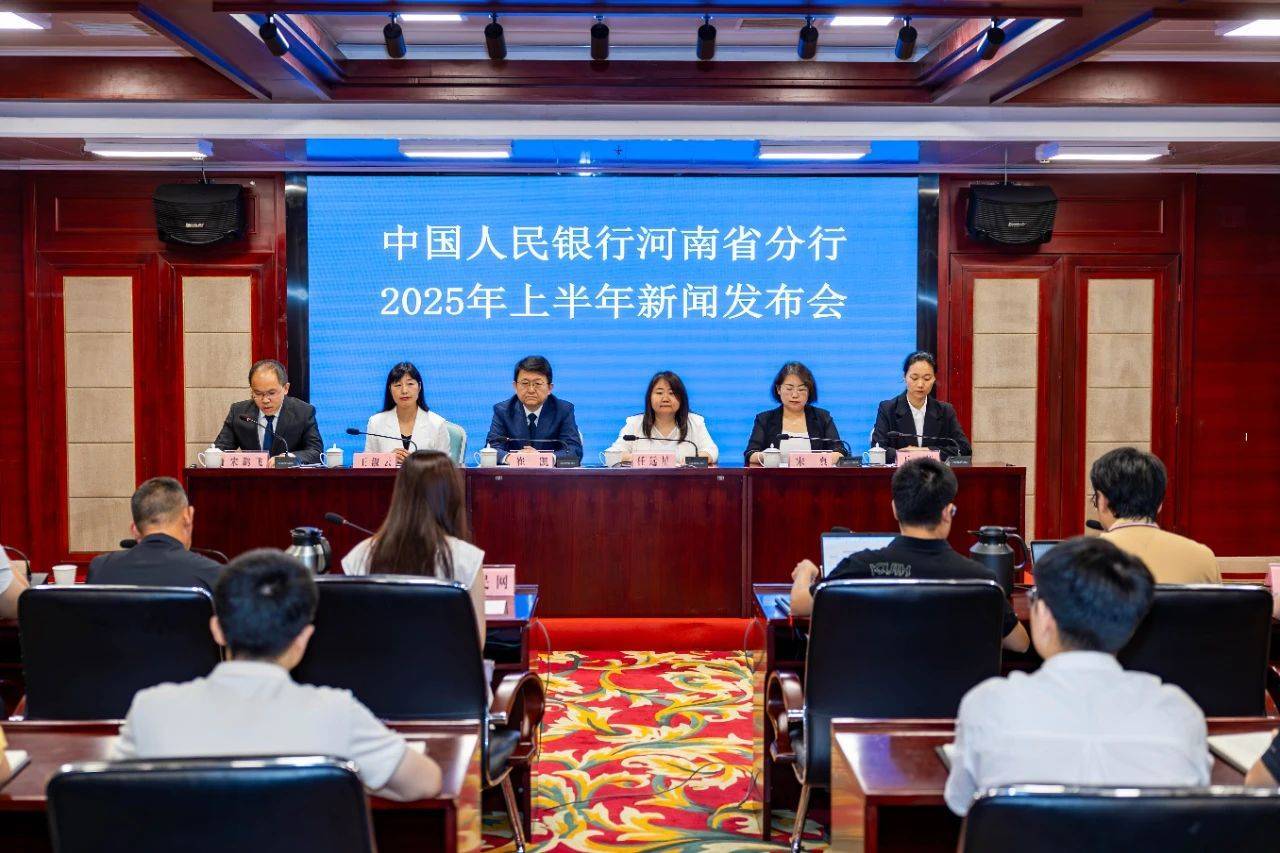
【大河财立方 记者 杨萨】今年以来,一揽子金融政策相继出台落地,全力巩固经济回升向好的基本面。河南作为经济大省,金融运行情况如何? 6月末,全省本外币各项存款余额11.7万亿元,同比增长9.2%,增速高于全国平均水平0.6个百分点;较年初增加7259.2亿元,同比多增998.4亿元。本外币各 项贷款余额9.4万亿元,同比增长6.9%,增速高于全国平均水平0.1个百分点;较年初增加4516亿元,同比多增378.3亿元。社会融资规模保持同比多增。据初 步统计,上半年,全省社会融资规模增量为6829.5亿元,同比多90.1亿元。 亮点二:重点领域和薄弱环节的金融支持进一步加强 7月17日,中国人民银行河南省分行举行2025年上半年新闻发布会,介绍上半年河南省金融运行情况、货币政策传导执行情况、推进金融"五篇大文章"工作 情况、支持涉外经济发展有关情况及开展跨境人民币业务情况。 全省社会融资规模增量6829.5亿元, 同比多90.1亿元 上半年,全省金融运行持续向好,金融总量平稳增长,融资结构持续优化,融资成本保持历史低位,为全省经济延续稳中向好的发展态势提供了有力支撑。 亮点一:金融总量平稳增长 一是涉农贷款平稳增 ...
数字化转型进行时:消费金融机构如何用AI重构普惠金融服务?
Jing Ji Guan Cha Bao· 2025-07-17 08:29
Group 1: Digital Transformation in Consumer Finance - The implementation of the "High-Quality Development Implementation Plan for Inclusive Finance" aims to establish a comprehensive inclusive financial system within five years, promoting common prosperity [1] - Financial institutions are focusing on technology finance, green finance, and digital finance to enhance service quality and support economic development [1] - Companies like Ma Shang Consumer Finance have built a research team of over 3,200 people, representing more than 70% of their workforce, and developed over 1,000 core technology systems [2][3] Group 2: AI and Technology Integration - Haier Consumer Finance has invested 2 billion yuan in technology research and development, with over 70% of its workforce dedicated to technology [3] - The introduction of AI-driven models, such as "Zhaolian Zhilu," enhances financial service efficiency and user experience [2] - Companies are transitioning from labor-intensive to intelligence-intensive models, fundamentally changing the logic of financial services [3] Group 3: Risk Management and Innovation - Centralized risk management models combining data, algorithms, and strategies are being established to enhance risk identification and fraud prevention [5] - Companies are actively applying for patents and developing software to support their technological innovations, with a total of 146 patents filed by one company [4] - The focus on digital transformation is aimed at optimizing business processes and improving service experiences in a competitive market [5] Group 4: Inclusive Finance and Consumer Services - Licensed consumer finance institutions are designing differentiated products to lower service thresholds and enhance accessibility [6] - Companies like Zhongyuan Consumer Finance have served over 3 million new citizens, providing loans exceeding 4.7 billion yuan [6] - Ma Shang Consumer Finance targets new citizens and students, offering flexible small retail financial products and achieving over 2 billion users by the end of 2024 [7] Group 5: Green and Elderly Finance - Consumer finance institutions are integrating green finance initiatives to support sustainable development and promote green consumption [8] - Innovations in elderly finance include identity verification systems and financial literacy programs to protect older adults from fraud [9] - Companies are leveraging technology to enhance financial services for rural populations, improving access to credit [10]
聚焦五大金融领域 《金融强国之路:如何写好做实“五篇大文章”》发布
Zhong Guo Jing Ji Wang· 2025-07-17 08:04
Core Insights - The book "The Road to a Financial Powerhouse: How to Write and Implement the 'Five Major Articles'" analyzes the development and significant achievements in five key areas of finance in China: technology finance, green finance, inclusive finance, pension finance, and digital finance [1][2] - The president of Central University of Finance and Economics emphasized the importance of technology finance as a crucial driver for economic transformation and upgrading [1] - Green finance is highlighted as an essential tool for economic structural adjustment in response to challenges like climate change and resource scarcity [1] - Inclusive finance aims to achieve fairness and accessibility in financial services, playing a vital role in promoting social equity [1] - The development of pension finance is critical for economic stability and social welfare in the context of an aging population [1] - The rapid growth of digital finance is reshaping the global financial competitive landscape [1] Academic Discussion - A panel of ten experts and scholars from various universities discussed the construction of a financial powerhouse and the importance of talent cultivation in achieving this goal [2]
上海全球资管中心建设|中保投资副总裁陈子昊:私募股权投资在上海国际金融中心建设中的功能发挥
Sou Hu Cai Jing· 2025-07-17 00:44
Group 1 - Private equity investment serves as a crucial bridge connecting the innovation needs of the real economy with the effective supply of social capital, playing an indispensable role in enhancing the global resource allocation capability of Shanghai as an international financial center [2][29] - The recent Central Financial Work Conference emphasized accelerating the construction of a financial powerhouse, focusing on five key areas: technology finance, green finance, inclusive finance, pension finance, and digital finance, which will guide the future development of the financial industry in China [2][8] - Shanghai aims to become a leading global financial center by 2035, characterized by an open modern financial market system and a global RMB asset allocation center, competing with New York and London [2][9] Group 2 - Private equity investment is a vital component of the direct financing system, guiding social capital towards the real economy, particularly innovative enterprises and strategic emerging industries [3][4] - The development level and activity of private equity investment are important indicators of the maturity and competitiveness of an international financial center [3][4] - Private equity investment enhances corporate governance and operational efficiency by actively participating in major decisions of invested companies, promoting the establishment of standardized governance structures [7] Group 3 - The "five key areas" outlined in the recent financial strategy highlight the historical mission of private equity investment to support national strategies, including technological self-reliance, green low-carbon development, and regional coordinated development [8][21] - Private equity investment must return to its core purpose of enhancing the quality and efficiency of financial services to the real economy, avoiding short-term speculation [8][21] - Promoting the healthy development of private equity investment is essential for preventing and mitigating financial risks, which includes improving fundraising, investment, management, and exit mechanisms [8][21] Group 4 - Shanghai's financial market is characterized by a high concentration of financial resources, talent, information, and technology, providing favorable conditions for private equity fund operations [9] - The city has been at the forefront of financial innovation in China, implementing pilot programs for qualified foreign and domestic limited partners, which fosters a conducive policy environment for private equity investment [9] - Strategic emerging industries in Shanghai, such as integrated circuits and biomedicine, offer a rich pool of quality investment targets for private equity [9][13] Group 5 - Private equity investment can significantly contribute to the development of technology finance by providing funding support across the entire chain of technological innovation [10][11] - The focus on "hard technology" projects in key sectors like integrated circuits and artificial intelligence is essential for Shanghai's goal of becoming a global technology innovation center [10][11] - Private equity investment should enhance post-investment support and management for technology enterprises, facilitating their growth and addressing challenges [11] Group 6 - Private equity investment plays a critical role in promoting green finance by directing capital towards environmentally sustainable projects and supporting the transition to a low-carbon economy [12] - Establishing green-themed funds and participating in carbon markets are key strategies for private equity firms to engage in green finance [12] - The transformation of traditional industries towards greener practices can be facilitated through private equity investment, which can help upgrade production methods [12] Group 7 - Private equity investment is essential for inclusive finance, aiming to provide affordable financial services to underserved groups, including small and micro enterprises [14][15] - Collaborating with government-led funds can enhance the reach of private equity investment in the inclusive finance sector [14][15] - Focusing on specific areas of inclusive finance, such as agricultural modernization and community businesses, can further support social equity [14] Group 8 - The development of pension finance is crucial for addressing the aging population in Shanghai, with private equity investment playing a role in creating specialized funds for the elderly care industry [16][17] - Collaborating with insurance capital to invest in the pension sector can leverage resources for better outcomes [16][17] - Exploring asset securitization in the elderly care sector can improve capital efficiency and support the development of sustainable pension services [17] Group 9 - Digital finance is a strategic focus for Shanghai, aiming to enhance the efficiency and inclusivity of financial services through technological innovation [19][20] - Private equity investment can support the digital transformation of traditional financial institutions and invest in foundational technologies for digital finance [19][20] - Engaging in the development of digital financial infrastructure is essential for creating a robust digital finance ecosystem [20]
马海涛:科技金融是推动经济转型升级的关键动力
Sou Hu Cai Jing· 2025-07-16 14:36
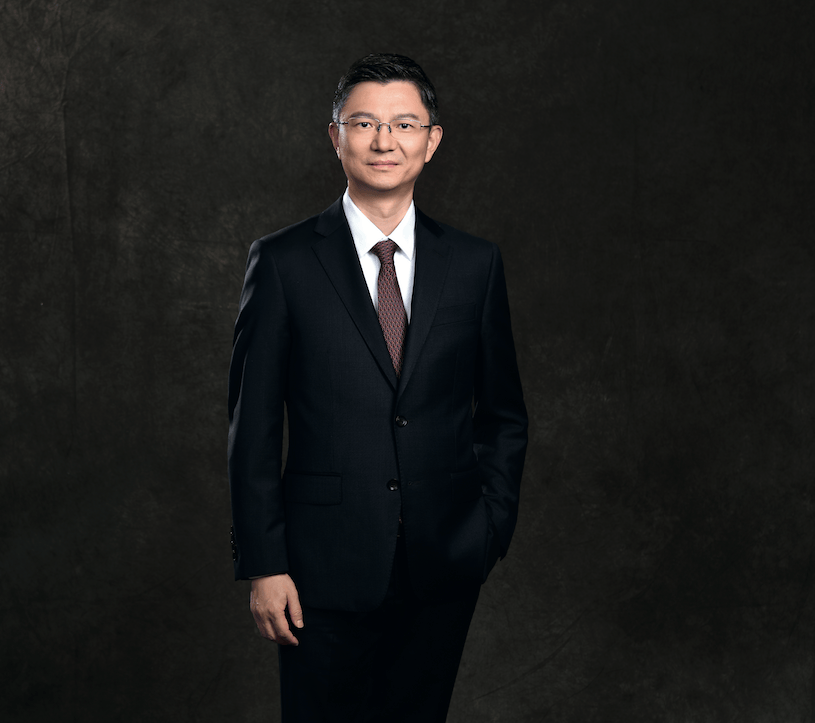
Core Insights - The book "The Road to a Financial Strong Nation: How to Write and Implement the 'Five Major Articles'" was released, showcasing the comprehensive development of five key financial areas in China [2][5] - The book emphasizes the importance of technology finance, green finance, inclusive finance, pension finance, and digital finance in driving economic transformation and addressing contemporary challenges [5][6] Group 1: Financial Areas - Technology finance is highlighted as a crucial driver for economic transformation and innovation support [5] - Green finance is identified as an essential tool for economic structure adjustment in response to climate change and resource scarcity [5] - Inclusive finance aims to achieve fairness and accessibility in financial services, contributing to social equity and common prosperity [5] - Pension finance is critical for economic stability and social welfare in the context of an aging population [5] - The rapid development of digital finance is reshaping the global financial competitive landscape [5] Group 2: Academic and Practical Implications - The book serves as a resource for understanding the evolution of the modern financial system, providing theoretical support and practical guidance for building a financial strong nation [5] - The initiative encourages scholars to engage with industry to identify real-world problems and contribute solutions [6] - The event included discussions among experts and scholars on talent cultivation and strategies for building a financial strong nation [6]
中信银行深圳分行:“幸福+”守护特区“拓荒牛”
Ren Min Wang· 2025-07-16 10:25
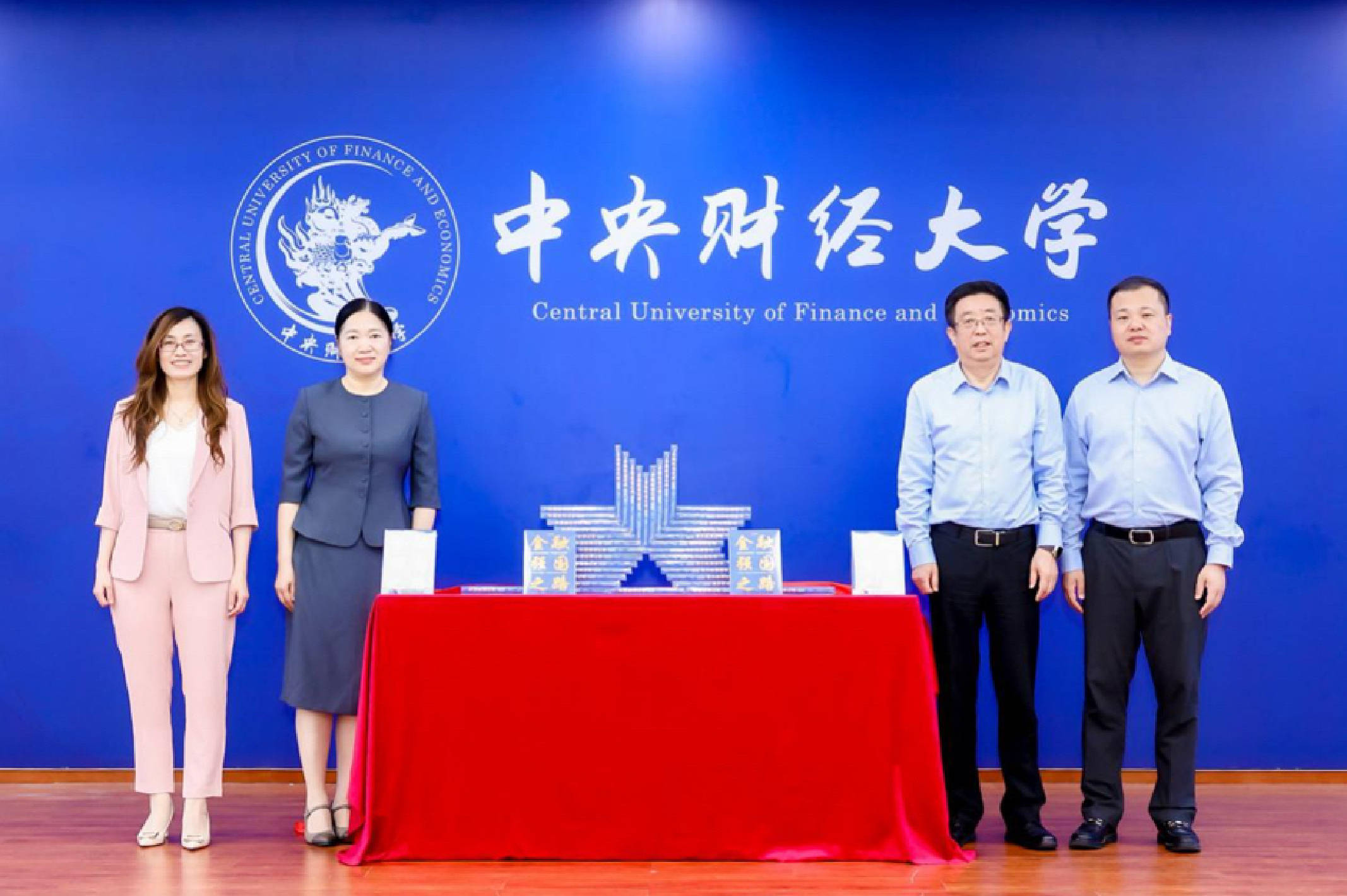
Core Viewpoint - The article highlights the comprehensive efforts of CITIC Bank Shenzhen Branch in enhancing the pension financial services, particularly through the "Happiness+" brand, to support the aging population in Shenzhen as the city celebrates its 45th anniversary as an economic special zone [1][2]. Group 1: Pension Financial Services Development - CITIC Bank Shenzhen Branch has opened over 100,000 personal pension accounts, significantly improving the coverage rate of the third pillar of pension [1]. - Since 2024, the branch has organized over 600 pension financial theme activities, contributing to the high-quality development of the pension industry and enhancing the well-being of residents [1]. Group 2: "Six Ones" Service System - The bank has established a "Six Ones" service system, which includes "one account, one ledger, one set of products, one set of services, one team, and one platform," to simplify pension planning for clients [2]. - The intelligent "pension ledger" and "asset planning system" are key digital tools that support this service model, allowing for comprehensive pension solutions tailored to client needs [2]. - Approximately 10,000 clients have received professional pension planning reports through this system, helping families build a solid financial foundation [2]. Group 3: Comprehensive "Age-Friendly" Ecosystem - CITIC Bank Shenzhen Branch focuses on building a professional team for pension financial services, ensuring 100% coverage of pension policy knowledge among employees through training programs [3]. - The branch has implemented "age-friendly" renovations in its service outlets, equipping them with necessary facilities and creating spaces that cater to the needs of elderly clients [3]. - The digital platform supports intelligent systems for account management and planning, enhancing the overall service experience [3]. Group 4: Community and Industry Integration - The bank actively engages in community service, conducting various activities such as financial fraud awareness sessions for the elderly and organizing immersive experiences in pension communities [4]. - CITIC Bank provides comprehensive credit support to medical and rehabilitation institutions in Shenzhen, facilitating the stable development of the industry [5]. - The bank has introduced an integrated trust pension service that combines banking, insurance, trust, and industry, addressing key client needs for professional fund management and wealth transfer [6].
