
十五五

Search documents
华泰证券今日早参-20260107
HTSC· 2026-01-07 03:17
Group 1: Macroeconomic Overview - The report anticipates a slight decline in actual GDP growth to approximately 4.5% year-on-year in Q4, with an annual growth rate of around 5% for the year [2] - Domestic demand is expected to remain weak, while export resilience is projected to continue, supported by reduced tariff disruptions and global cyclical improvements [2] - The report highlights the importance of monitoring fiscal expansion in Q1 of the current year to support the "15th Five-Year Plan" [2] Group 2: Fixed Income and Consumption Trends - High travel activity during the New Year period indicates strong consumer sentiment, with a notable recovery in inbound tourism and a narrowing decline in automotive consumption [3] - The real estate sector shows slight recovery in transaction heat, although year-on-year figures remain weaker than in the first three quarters of 2025 [3] - Industrial production indicators show a widening decline in freight volume, with most production rates remaining weak, particularly in the steel and chemical sectors [3] Group 3: Real Estate and REITs Development - The introduction of 30 REITs-related policies marks the official entry of C-REITs into a comprehensive development era for "infrastructure + commercial real estate" [4] - Commercial real estate REITs are expected to significantly enhance asset liquidity and facilitate value reassessment for related enterprises [4] - Companies deeply involved in commercial real estate and management services are likely to benefit from these developments [4] Group 4: ETF Market Trends - By the end of 2025, China's ETF market surpassed 6 trillion yuan, with stock ETFs dominating the market, reaching a total scale of 4.24 trillion yuan, a 42% increase [5] - There is a notable divergence in the performance of broad-based ETFs and thematic industry ETFs, with the latter experiencing continuous inflows [5] Group 5: Aerospace and Aviation Manufacturing - The report emphasizes that civil aviation will become a significant growth area for China's aerospace manufacturing, driven by the scaling up of C919 aircraft deliveries [6] - The development of domestic aviation materials is expected to lower procurement costs and enhance supply chain capabilities for airlines [6] Group 6: Investment Opportunities in Specific Companies - The report initiates coverage on Jizhi Technology (极智嘉-W) with a "Buy" rating and a target price of 36.39 HKD, highlighting its strong growth potential in the flexible warehousing sector [7] - Wanwu Xinxing (万物新生) is also rated "Buy" with a target price of 7.64 USD, recognized for its comprehensive integration in the second-hand recycling industry [10] - Huaming Equipment (华明装备) receives a "Buy" rating with a target price of 29.50 CNY, benefiting from global power grid investments and expected rapid growth in overseas markets [10]
马不停蹄开新局,从“新年第一会”看“十五五”奋进姿态
Xin Lang Cai Jing· 2026-01-06 10:13
来源:荔枝新闻 编辑:张云帆 转自:荔枝新闻 特约评论员/周军2026年是"十五五"开局之年,以什么样的姿态开局起步,决定着这一年我们将收获什 么样的事业。1月4日,新年第一个工作日,多地纷纷召开"新年第一会",将一年来要重点完成的任务布 置下去,呈现出"马不停蹄"抓落实的实干姿态。上海召开新一年的优化营商环境大会,而在过去的8年 里,这个全市大会都在春节之后召开,今年首次"提前"召开;江苏省委常委会召开会议,总结学习贯彻 习近平总书记对江苏工作重要讲话精神进展情况,研究部署一季度经济工作;辽宁省也召开了全省优化 营商环境大会,明确将举全省之力优化营商环境,向营商环境顽瘴痼疾"亮剑",以更大决心和力度铁腕 攻坚……新年开新局,各地不等不靠、起而行之,展现出"起跑就是冲刺,开局就是决战"的奋进姿态, 为跑好"十五五"开局之年的"第一棒",注入了强劲动能。"新年第一会",是第一棒,更是发令枪。起跑 的时刻能否保持状态,尤其重要。元旦假期后,各地迅速收心归位,把干部从各行各业集中起来,开 好"第一会",大张旗鼓表彰先进,对有功人员进行嘉奖,传递出"重实干""以实绩论英雄"的导向,目的 就是要让每一领域都保持"在线" ...
赵刚主持召开省政府第一次常务会议
Shan Xi Ri Bao· 2026-01-06 00:56
会议强调,要深入学习贯彻中央经济工作会议精神,落实省委经济工作会议部署,准确把握今年经 济工作的总体目标和重点任务,细化任务分工、创新工作举措、持续攻坚克难,确保高质量完成各项任 务,推动经济实现质的有效提升和量的合理增长。要紧盯重点领域,扎实做好农业生产,狠抓能源工 业,扩大电力外送规模,促进重点制造业发展,大力提振消费,提升建筑业质效,持续做大营利性服务 业,进一步做优增量、盘活存量,为经济稳增长打牢坚实基础。要夯实各方责任,加强部门协同和工作 督导,强化经济运行调度和偏离度管理,及时调整优化政策举措,集中力量解决各类难点堵点问题,努 力争取经济社会发展更好结果,实现"十五五"良好开局。 1月5日,省长赵刚主持召开省政府第一次常务会议,研究稳增长、项目谋划储备工作。 会议强调,要抢抓政策机遇,聚焦国家"十五五"时期经济发展的主要方向与重点领域,把握政策导 向,立足陕西实际,围绕促发展、守底线、惠民生,集中力量谋划储备一批具有战略性、引领性和支撑 性的高质量项目,为陕西高质量发展提供有力支撑。要严格做好项目审核把关,把好项目准入关口,实 事求是确定建设内容和投资规模,加强督办检查,强化资金监管,完善项目后评 ...
开好局起好步 多地“新年第一会”释出新信息丨“十五五”开局新气象
Zheng Quan Shi Bao· 2026-01-06 00:44
(原标题:开好局起好步 多地"新年第一会"释出新信息丨"十五五"开局新气象) 编者按: "十五五"是我国基本实现社会主义现代化的关键时期,具有承前启后的重要地位。2026年是"十五五"开 局之年,如何开好局起好步、引领现代化建设迈向壮阔新征程?本报今起推出"'十五五'开局新气象"栏 目,探访各地突破奋进的创新举措,记录产业升级焕新的澎湃动能,展现一线企业奋勇争先的生动实 践。 2026年是"十五五"开局之年。元旦假期后,多地召开"新年第一会",对全年的重点工作和"十五五"开局 作出部署。 证券时报记者注意到,与往年相比,今年各地"新年第一会"释放出诸多新信息。湖北、南京等地的"新 年第一会"围绕科技驱动、产业创新等关键词,福建、上海等地强调打造一流营商环境,苏州、济南等 城市则聚焦"人工智能""数智"等新兴赛道,剑指产业集群升级、新兴产业培育。 中国经济体制改革研究会城乡统筹与共同富裕专委会特约研究员李萌在接受证券时报记者采访时表示, 2026年各地"新年第一会"强调了提升领导干部及公共部门工作人员驾驭经济发展的专业能力。当前,科 技创新与产业深度融合催生出大量新产业、新场景、新业态、新模式,传统知识和能力已 ...
开好局起好步 多地“新年第一会”释出新信息
Xin Lang Cai Jing· 2026-01-05 18:44
证券时报记者 陈雨康 2026年是"十五五"开局之年。元旦假期后,多地召开"新年第一会",对全年的重点工作和"十五五"开局作出部署。 证券时报记者注意到,与往年相比,今年各地"新年第一会"释放出诸多新信息。湖北、南京等地的"新年第一会"围 绕科技驱动、产业创新等关键词,福建、上海等地强调打造一流营商环境,苏州、济南等城市则聚焦"人工智 能""数智"等新兴赛道,剑指产业集群升级、新兴产业培育。 编者按:"十五五"是我国基本实现社会主义现代化的关键时期,具有承前启后的重要地位。2026年是"十五五"开局 之年,如何开好局起好步、引领现代化建设迈向壮阔新征程?本报今起推出"'十五五'开局新气象"栏目,探访各地 突破奋进的创新举措,记录产业升级焕新的澎湃动能,展现一线企业奋勇争先的生动实践。 营商环境的优化没有休止符。2026年伊始,福建、上海、辽宁等多个省市都将优化营商环境作为"新年第一会"的 核心主题。 福建1月4日召开全省优化营商环境大会。福建省委书记、省人大常委会主任周祖翼表示,要紧盯市场准入这个关 键环节,聚焦"公平"二字靶向发力、综合施策,推动市场准入"透明化",坚决破除各类"卷帘门""玻璃门""旋转 门 ...


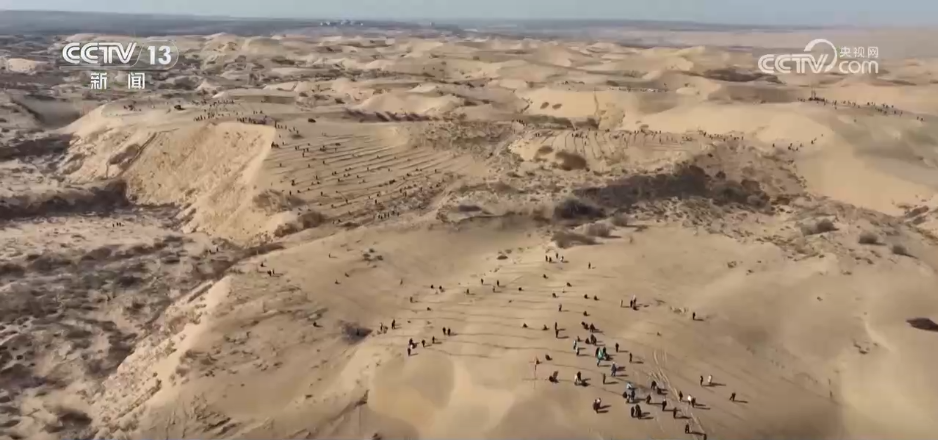
“十四五”我国林草种苗工作取得新进展 “三北”工程完成建设任务超2亿亩
Yang Shi Wang· 2026-01-05 03:06
Core Insights - The "14th Five-Year Plan" period has seen significant progress in China's forestry and grass seedling work [1] Group 1: "Three-North" Project Achievements - The "Three-North" project has completed a total construction task of 34.9 million acres [5] - Since the launch of the major battles on June 6, 2023, 415 projects have been implemented, completing over 20 million acres of construction tasks [5] Group 2: Ongoing and Future Plans - The period from 2021 to 2030 marks the construction phase of the "Three-North" Phase VI project, with over half of the planned construction tasks already completed [7] - In 2023, as the first year of the "15th Five-Year Plan," the focus will be on scientific protection, systematic governance, and rational utilization, aiming to complete over 70% of the Phase VI planning tasks by the end of 2027 [10]
以实干打拼出更加美好的未来
Xin Hua Ri Bao· 2026-01-04 22:18
Group 1 - The core message emphasizes the importance of setting clear goals and planning from the beginning to ensure success in the new year [1] - The provincial committee meeting focused on summarizing the progress made in implementing the key speeches of General Secretary Xi Jinping regarding Jiangsu's work, while also outlining the economic priorities and responsibilities for the first quarter [1] - The meeting highlighted the need for a sense of urgency and responsibility in executing tasks, particularly in the first quarter, to ensure a strong start for the "14th Five-Year Plan" [1] Group 2 - The first quarter is deemed crucial as it serves as a barometer for the entire year's economic performance, influencing social expectations and market confidence [2] - The provincial committee's meeting detailed 29 specific measures across 9 areas to promote economic activities, including consumer spending and support for enterprises, with clear departmental responsibilities assigned [2] - The focus on practical implementation is seen as essential for bridging the gap between ideals and reality, especially in the context of transitioning from the "14th Five-Year Plan" to the "15th Five-Year Plan" [2]
产业经济周观点:看好恒科-20260104
Huafu Securities· 2026-01-04 12:55
Group 1 - The report highlights that the Chinese economy is showing signs of improvement, with the three major PMI indices rising into the expansion zone. In December 2025, the manufacturing PMI, non-manufacturing business activity index, and composite PMI output index were 50.1%, 50.2%, and 50.7%, respectively, marking increases of 0.9, 0.7, and 1 percentage points from the previous month [8]. - The manufacturing PMI has returned to expansion, with significant improvements in both production and demand. The production index was at 51.7% (+1.7), and the new orders index was at 50.8% (+1.6), both surpassing the critical point [8]. - The report indicates that policy coordination is expected to strengthen economic recovery, with a focus on fiscal preemptive measures and continued liquidity easing. This is anticipated to enhance market confidence in the ongoing economic recovery [8]. Group 2 - The report notes that the Hong Kong stock market experienced a decline in December 2025, with the Hang Seng Index falling by 0.88%, the Hang Seng China Enterprises Index down by 2.37%, and the Hang Seng Technology Index decreasing by 1.48% [15]. - Despite the overall decline, the military industry sector, commercial aerospace, and rare earth permanent magnets showed strong performance, leading the market [16]. - The report emphasizes that the advanced manufacturing sector, cyclical industries, and technology sectors saw significant gains, while the pharmaceutical and medical sectors experienced deeper declines [22][31]. Group 3 - The report highlights that foreign capital index futures positions weakened, with net short positions in IC, IF, and IM expanding, while IH net positions remained at zero [42]. - The report also mentions that the onshore and offshore RMB swap rates have declined, with the domestic bond plus swap yield lower than the US Treasury yield [45]. Group 4 - Upcoming key events include the US non-farm payroll and ISM PMI data, which are expected to be closely monitored in the coming week [47].
以联学凝聚共识 以共建推动发展
Xin Lang Cai Jing· 2026-01-04 06:38
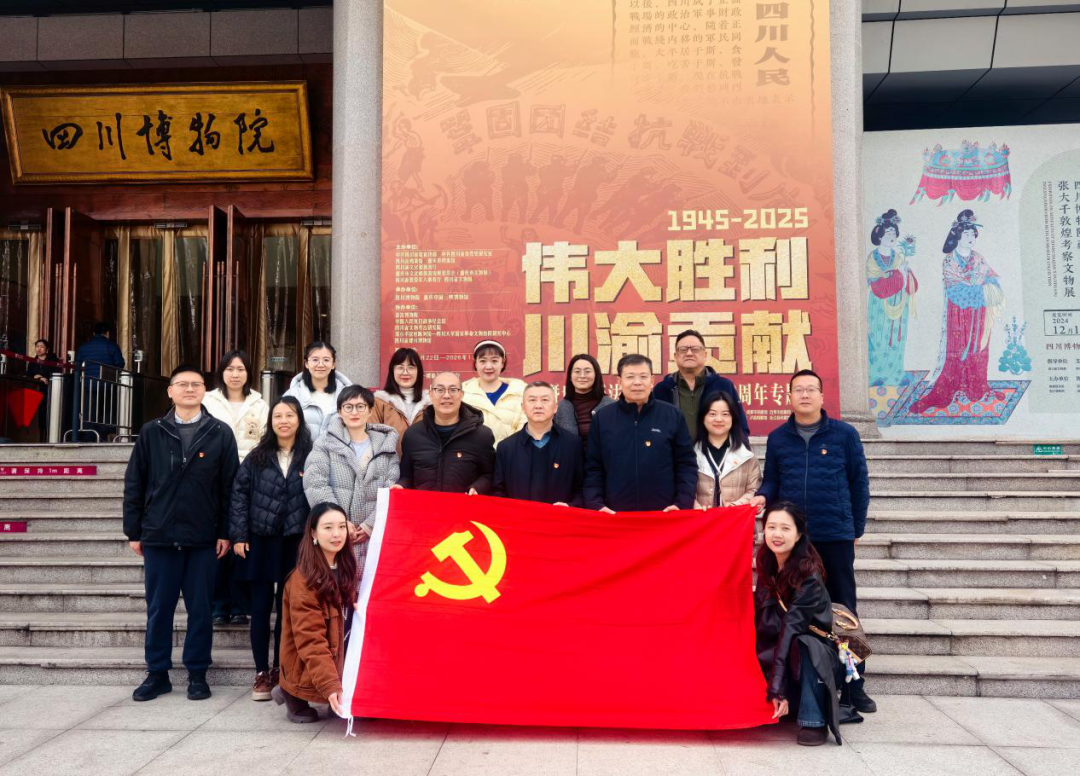
转自:审计署 安徽省审计厅在蚌审计组临时党支部与蚌埠市审计局机关党支部,联合组织党建活动。全体党员走进蚌埠市博物馆,聆听淮上儿女英勇抗击日本侵略者的 事迹,深刻感悟革命先辈在民族危亡之际所展现出的不怕牺牲、英勇斗争、矢志报国的崇高精神与坚定信念。随后,全体党员前往龙子湖东南片区改造项 目现场,切身感受重点项目建设在提升城市功能品质、激发区域经济活力、创造美好生活方面的积极成效。 审计署成都特派办党员干部赴四川博物院开展党支部联学共建主题党日活动,参观"伟大胜利 川渝贡献——纪念中国人民抗日战争暨世界反法西斯战争胜 利80周年专题展"。展厅内,大家在一幅幅图片、一段段影像前驻足沉思,深刻缅怀那些为抗日战争作出巨大牺牲与贡献的川渝儿女。党员干部们纷纷表 示,此次参观是一次深刻的精神洗礼,要永远铭记历史,以"功成不必在我"的精神境界和"功成必定有我"的历史担当,为经济社会高质量发展贡献审计力 量。 江苏省南京市审计局与市财政局联合开展"党建引领聚合力,监管协同提质效"主题党日活动,推动党建与业务深度融合,提升财政资金监管协同效能。活 动围绕"资金分配管理"与"外部审计监督"两大职能,组织双方人员开展系列专题学习与研 ...
广州市委常委会扩大会议传达学习贯彻省委主要领导到广州调研时的讲话要求
Guang Zhou Ri Bao· 2026-01-04 02:11
坚定扛起走在前作示范挑大梁的责任担当 会议指出,在"十五五"开局之年的第一天,黄坤明书记专程来到广州调研,以实际行动深入贯彻习近平 总书记重要讲话重要指示精神,充分体现了省委坚定拥护"两个确立"、坚决做到"两个维护"的政治自 觉,为我们学思践悟习近平新时代中国特色社会主义思想,坚持"开局就要冲刺、全域全年发力"树立了 榜样。黄坤明书记对广州工作给予充分肯定,为广州发展精准把脉开方,必将有力指导我们跑好"十五 五"关键时期第一程。全市各级各部门要深入学习贯彻习近平总书记对广东、广州系列重要讲话重要指 示精神,始终牢记总书记殷殷嘱托,深刻体悟省委对广州的重视支持和殷切期待,认真落实省委十三届 七次全会、八次全会暨省委经济工作会议精神及黄坤明书记调研时的讲话要求,切实扛起沉甸甸的历史 使命,强化走在前、作示范、挑大梁的责任担当,以当仁不让、舍我其谁的格局气魄,风雨兼程、只争 朝夕的奋斗姿态,守正创新、苦干实干,奋力跑出加速度、干出新业绩,在新起点上增创新优势、实现 新突破,加快实现老城市新活力、"四个出新出彩",继续在高质量发展方面发挥领头羊和火车头作用, 为全国全省发展大局作出更大贡献。 全力以赴推动"十五五"开 ...