
双碳目标

Search documents
梅雁吉祥减持计划稳步实施,优化资本结构锚定增长新局
Quan Jing Wang· 2026-02-26 09:51
Core Viewpoint - Meiyang Jixiang (600868.SH) has announced a share repurchase reduction, selling 18.98 million shares for approximately 79.06 million yuan, with plans to sell up to 23.8797 million shares from December 12, 2025, to June 11, 2026, marking the start of its implementation phase [1] Group 1: Share Reduction Details - The share reduction is based on a repurchase operation conducted between June and September 2024, and the funds raised will be used to support the company's cash flow and business expansion for 2026 [1] - The reduction adheres to the Shanghai Stock Exchange's regulations and is part of the company's planned capital operations [1] Group 2: Rationale Behind the Reduction - The decision to reduce shares at a price range of 4.12-4.22 yuan per share was influenced by market trading volume and stability considerations, avoiding significant price fluctuations that could arise from larger reductions at higher prices [2] - The shares being reduced are from a previous buyback aimed at stabilizing the stock price, ensuring that core business operations remain unaffected [2] Group 3: Use of Funds - The funds from the share reduction will support the company's strategic transformation, including optimizing existing hydropower operations and expanding into new business areas [3] - The company has invested in acquiring equity in Shanghai Xinjiyu to enter the BPO sector, alongside ongoing investments in enhancing its energy business [3] - The Songxi Silver Antimony Mine project is a key strategic resource for the company, with potential funding from the share reduction to support its development, although specific plans and funding details have not yet been disclosed [3] Group 4: Strategic Development Goals - Meiyang Jixiang is transitioning from a traditional energy company to a comprehensive enterprise, with the share reduction seen as a significant step in this strategic upgrade [4] - The company aims to leverage its hydropower advantages to support its digital and resource development initiatives, aligning with the "dual carbon" goals [4] - 2026 is identified as a critical year for the company's strategy implementation, with the effectiveness of the share reduction and fund utilization being key indicators of its strategic execution [4]

可再生能源实现历史性突破,绿电板块上扬,绿色电力ETF国泰涨超1%
Mei Ri Jing Ji Xin Wen· 2026-02-26 07:29
Core Insights - The renewable energy sector in China has achieved historic breakthroughs, with significant growth in renewable energy capacity and a shift towards new energy as the main power supply source [1] Group 1: Renewable Energy Development - In 2025, China's newly installed renewable energy capacity reached 452 million kilowatts, a year-on-year increase of 21%, accounting for 83% of the country's new power installations [1] - Cumulative installed capacity of wind and solar power has historically surpassed that of thermal power [1] Group 2: Energy Storage and Market Reform - By the end of December 2025, the cumulative installed capacity of operational energy storage projects in China grew by 54% year-on-year, with new energy storage capacity increasing by 85% [1] - The top-level design for a unified national electricity market has been introduced, marking a new phase in the systematic promotion of electricity market reform [1] Group 3: Green Power ETF - The Green Power ETF (159669) tracks the Green Power Index (399438), which selects companies in the clean energy sector, including hydropower, wind power, and solar power, reflecting the overall performance of listed companies in clean energy generation [1] - The index is characterized by strong anti-cyclicality and abundant cash flow, making it an effective tool for investing in the "dual carbon" goals [1]
可再生能源实现历史性突破,绿电板块上扬,绿色电力ETF国泰(159669)涨超1%
Mei Ri Jing Ji Xin Wen· 2026-02-26 05:48
Core Viewpoint - The renewable energy sector in China has achieved historic breakthroughs, with significant growth in renewable energy capacity and a shift towards new energy as the main power supply source [1] Group 1: Renewable Energy Development - In 2025, China's newly installed renewable energy capacity reached 452 million kilowatts, a year-on-year increase of 21%, accounting for 83% of the country's new power installations [1] - Cumulative installed capacity of wind and solar power has historically surpassed that of thermal power [1] Group 2: Energy Storage and Market Reform - By the end of December 2025, the cumulative installed capacity of energy storage projects in China increased by 54% year-on-year, with new energy storage capacity growing by 85% [1] - The top-level design for a unified national electricity market has been introduced, marking a new phase in the systematic promotion of electricity market reform [1] Group 3: Green Power ETF - The Green Power ETF (159669) tracks the Green Power Index (399438), which selects companies in the clean energy sector, including hydropower, wind power, and solar power [1] - The index is characterized by strong anti-cyclicality and abundant cash flow, making it an effective tool for investing in the "dual carbon" goals [1]
易方达绿色电力ETF把握能源转型投资机遇
Xin Lang Cai Jing· 2026-02-26 03:11
炒股就看金麒麟分析师研报,权威,专业,及时,全面,助您挖掘潜力主题机会! 综合来看,当前电力板块的活跃行情并非短期炒作,而是在全球能源转型大趋势、国内"双碳"目标持续 推进、以及新基建带来的实际需求增长等多重因素共同作用下的价值体现。绿色电力作为连接传统能源 保障与新兴战略产业的关键环节,其长期成长空间与确定性兼备。易方达中证绿色电力ETF通过一篮子 配置绿电产业链核心公司,有效分散个股风险,让投资者能够便捷地分享整个行业的成长红利。对于看 好中国能源结构转型前景的投资者而言,可以考虑采取"逢低定投"或"核心配置"的策略进行布局,以平 滑短期市场波动,着眼于绿电产业在中长期维度下的确定性增长机会。 MACD金叉信号形成,这些股涨势不错! (来源:泡财经) 早盘,A股电力板块延续活跃态势,绿电方向领涨。截至上午九点五十分,赣能股份实现2连板,豫能 控股涨停,华银电力、福能股份、闽东电力、金开新能、南网能源等个股纷纷跟涨。电力板块的强势表 现受到多重利好因素驱动。产业层面,AI算力中心建设带动电力设备需求井喷,变压器订单已排至 2027年,国产企业凭借全产业链优势加速出海。政策方面,国家能源局石油天然气司司长刘红 ...
研判2026!中国数码变频发电机组行业产业链、市场规模及发展趋势分析:绿色能源转型与新基建赋能双驱动,推动行业规模增长[图]
Chan Ye Xin Xi Wang· 2026-02-26 01:16
Core Insights - The digital inverter generator industry in China is experiencing significant growth due to the global shift towards green and low-carbon energy consumption, with a market size projected to reach approximately 3.211 billion yuan in 2024, representing a year-on-year increase of 6.57% [1][5]. Industry Overview - Digital inverter generators are a new type of power generation equipment that integrates electronic and frequency conversion technologies, reducing size and weight by about 50% compared to traditional models, and utilizing a dual-layer noise reduction structure to lower noise levels by 3-9 decibels [2][3]. - The industry is categorized into gasoline and diesel digital inverter generators based on fuel type [2]. Industry Chain - The upstream of the digital inverter generator industry includes raw materials and components such as IGBT modules, PCB boards, capacitors, resistors, inductors, magnetic materials, semiconductor devices, and engineering plastics [3]. - The midstream involves the production and manufacturing of digital inverter generators, while the downstream applications include emergency power supply for homes, outdoor camping, small shops, communication base stations, and data centers [3]. Market Size - The demand for clean, low-noise, and high-efficiency power generation equipment is experiencing rigid growth, driven by the "dual carbon" goals in China and the acceleration of the "new infrastructure" strategy, which includes 5G base stations and data centers [1][5]. Key Companies' Performance - The digital inverter generator industry in China has a diverse competitive landscape, with companies like Longxin General and Shenchi Electromechanical leading the market. Longxin General achieved a revenue of 14.557 billion yuan in the first three quarters of 2025, a year-on-year increase of 19.14%, while Shenchi Electromechanical reported a revenue of 2.288 billion yuan, up 17.77% [6][7][9]. Industry Development Trends 1. **Technological Upgrades**: The industry is shifting towards innovation-driven competition, with a focus on smart and green technologies. Companies are developing intelligent digital inverter generators with remote control and data monitoring capabilities [11]. 2. **Diversification of Application Scenarios**: There is a structural change in market demand, with a notable shift from traditional backup power to emerging essential fields, particularly in data centers and communication base stations that require high reliability [12]. 3. **Evolving Competitive Landscape**: The competition is expected to intensify, with a focus on specialized and innovative companies. Leading firms are transitioning from OEM/ODM models to building their own brands and expanding their global presence [13][14].


国泰海通晨报-20260226
GUOTAI HAITONG SECURITIES· 2026-02-26 00:50
Group 1: Non-ferrous Metals - The report emphasizes the importance of the supply-demand balance in the non-ferrous metals sector, highlighting that macroeconomic factors such as monetary policy, geopolitical tensions, and supply disruptions will significantly influence metal prices [2][3] - In the precious metals segment, a decline in risk appetite has led to price adjustments, with the U.S. Treasury Secretary's comments on a strong dollar and expectations of a reduction in the Fed's balance sheet contributing to this trend [2] - For copper, while macro pressures persist, the establishment of a strategic reserve for copper concentrate by the domestic non-ferrous industry association is expected to provide support against overseas supply disruptions [3] Group 2: Energy Metals - The lithium carbonate market has seen strong demand, with a continuous reduction in inventory over the past four weeks, although there are concerns regarding the resumption of production at key mines in Jiangxi [4] - The cobalt sector is facing high prices due to tight raw material supplies, while companies are extending their reach into the electric vehicle supply chain to enhance competitive advantages [4] Group 3: Rare Earths and Strategic Metals - The price of praseodymium and neodymium oxide continues to rise due to a tight supply-demand balance, with pre-holiday stocking needs supporting price increases [5] - Tungsten prices are experiencing upward pressure driven by supply-demand dynamics, with leading companies raising long-term contract prices significantly [5] Group 4: Automotive Industry - The heavy truck market in January showed strong performance, with a year-on-year increase of 46% in domestic heavy truck sales, driven by the successful implementation of the "old-for-new" policy [14][16] - The report forecasts that heavy truck sales in 2026 will reach 760,000 units, with a slight year-on-year decline of 5.3%, while wholesale sales are expected to grow by 1.5% [15] Group 5: Pharmaceutical Industry - The demand for anticoagulant drugs is expanding, with the global market size reaching $52.9 billion in 2023 and projected to exceed $110 billion by 2033, driven by aging populations and increasing cardiovascular disease prevalence [11][12] - The report highlights the emergence of next-generation anticoagulants targeting Factor XI (FXI) as a promising area for development, with several candidates entering clinical trials [12][13] Group 6: Company-Specific Insights - The report on China Giant Glass indicates that the recent price increases in traditional electronic fabrics are expected to significantly enhance the company's profit margins, with a target price adjustment reflecting this trend [27][30] - 聚杰微纤 is positioned to benefit from its transition to high-end industrial applications, with projections indicating substantial revenue growth driven by technological advancements in the ultra-fine fiber sector [31][32]
笨蛋!是氢能,不是氢燃料电池汽车
汽车商业评论· 2026-02-25 23:04
Core Viewpoint - The hydrogen fuel cell vehicle industry is facing significant challenges, with many companies retracting or ceasing operations, indicating a shift in focus towards electric vehicles and alternative energy solutions [5][10][28]. Industry Overview - The hydrogen fuel cell vehicle sector was once seen as the "ultimate energy" solution, attracting substantial investment and policy support, but has since encountered a downturn, with a notable decline in market share [5][8]. - In 2025, the market share of fuel cell heavy trucks dropped from 5.41% in 2024 to 1.65% in the first eleven months, while the penetration rate of new energy vehicles exceeded 60% [8]. Market Dynamics - Major automotive companies, including Stellantis and General Motors, have halted their hydrogen fuel cell development, signaling a broader industry retreat from this technology [10]. - The Chinese government has recognized hydrogen energy as a key component of future industries, alongside nuclear fusion, and emphasizes its role in transportation as part of a diversified energy strategy [10]. Technological Evolution - The development of electric vehicles has progressed significantly since the early 2000s, with advancements in battery technology leading to a clear shift towards pure electric vehicles as the mainstream option [12][15]. - Hydrogen fuel cells are now primarily applicable in specific scenarios such as short-distance transport in ports and industrial areas, rather than widespread automotive use [16]. Future Energy Systems - The integration of hydrogen as a complementary energy source, particularly through methanol as a transport medium, is proposed to address the challenges of energy supply and grid stability [18][20]. - The concept of microgrids is highlighted as a crucial element in the future energy landscape, enabling localized energy solutions and supporting the transition to a more sustainable energy system [30][31]. Strategic Implications - The push towards achieving carbon neutrality by 2060 necessitates a stable and sustainable energy system, with hydrogen playing a vital role in this transition [22][28]. - The development of a new energy system in China is focused on multi-energy integration, emphasizing the importance of renewable energy sources and hydrogen in achieving energy security and sustainability [30].

跨境金融服务助企出海
Xin Lang Cai Jing· 2026-02-25 23:04
Group 1 - A renewable energy technology company in Changxing faced production risks due to short-term funding issues, with over a hundred containers of energy storage battery products awaiting shipment overseas [1] - The company received a timely short-term working capital loan of $350,000 from Min Tai Bank's Changxing branch, which was processed in just 72 hours, alleviating the immediate financial pressure [1][2] - The company specializes in green manufacturing of energy storage batteries and has seen significant growth in orders and production value since the second half of 2025, driven by expanding overseas markets [1] Group 2 - Min Tai Bank's Changxing branch identified the company's financial difficulties during a "thousand enterprises, ten thousand households" visit last year, leading to a tailored foreign currency short-term working capital loan product for import-export businesses [2] - The loan not only eased the company's short-term financial strain but also facilitated better access to international financing opportunities, aligning with the global renewable energy market trends [2] - The demand for cross-border financial services is increasing as Changxing's renewable energy industry accelerates its international expansion, prompting Min Tai Bank to focus on innovative financial products and services for green enterprises [2]

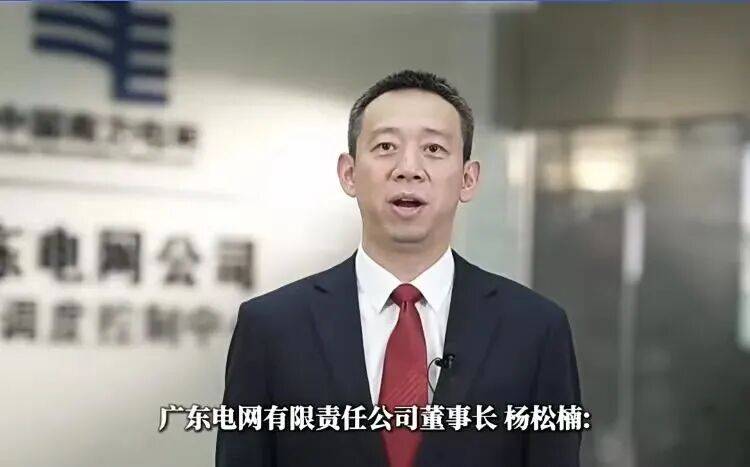
南网广东电网董事长杨松楠:2026年保持年均千亿投资规模不变
Sou Hu Cai Jing· 2026-02-25 16:54
(来源:电能革新) 日前,广东省召开全省高质量发展大会。南方电网广东电网有限责任公司董事长杨松楠在发言中表示,新 的一年,广东电网将保持年均千亿投资规模不变,坚持依湾而立,加快重点工程建设,打造坚强韧性、绿 色低碳、科产融合、电算协同、数智赋能、开放共享的"电力湾区"。坚持向县而兴,深度融入和服务"百千 万工程",打造"现代化电力乡村"。 来源:市场资讯 发言主要内容如下: 一、核心战略与投资规模 紧扣广东省委"1310"具体部署,保持年均千亿投资规模不变,通过三大方向支撑广东高质量发展: 依湾而立:打造"坚强韧性、绿色低碳、科产融合、电算协同、数字赋能、开放共享"的电力湾区。 向县而兴:深度融入"百千万工程",建设现代化电力乡村,保障民生用电与县域产业发展。 创新而强:培育能源电力新质生产力,引领海上风电、新型储能等产业,助力广东"走在前、做示范、挑 大梁"。 二、重点工程进展(2026年关键节点) 1. 藏粤直流工程(±800千伏特高压直流) 定位:世界输电能力最强、技术最先进的柔性直流工程,全国能源电力大循环核心通道。 关键数据:全长约2681公里,额定容量1000万千瓦,总投资约532亿元。 效益:投 ...
丈量生态价值 融通可持续未来——证券公司参与绿色金融的实践与展望
Xin Hua Cai Jing· 2026-02-25 09:08
Core Insights - The central financial work conference in October 2023 emphasized the importance of five key areas in finance: technology finance, green finance, inclusive finance, pension finance, and digital finance, guiding the high-quality development of China's financial industry [1] - The China Securities Regulatory Commission (CSRC) issued implementation opinions in February 2025 to provide clear guidance for capital market participation in green finance practices [1] Group 1: Strategic Planning and Implementation - Securities firms are integrating green finance into their core strategies, with some leading firms establishing specialized departments for professional management of green finance [2] - Companies like Industrial Securities and China Merchants Securities have set up leadership groups to oversee ESG strategies and ensure the integration of green finance into all operational aspects [2] Group 2: Risk Management and Talent Development - Securities firms are embedding ESG factors into their entire business processes, treating them as critical evaluation dimensions alongside financial and market risks [3] - Professional talent development is crucial for green finance, with firms like Industrial Securities launching certification training programs to enhance employee expertise in ESG and green finance [3] Group 3: Business Practices in Green Finance - Securities firms are actively involved in green financing, including underwriting green bonds and equity financing, with CITIC Securities projected to underwrite 51.7 billion yuan in green bonds in 2024 [4] - Firms are also developing ESG-themed financial products, with Industrial Securities introducing over 260 green-themed financial products to meet investor demand [5] Group 4: Carbon Finance and Environmental Rights Trading - Securities firms are exploring carbon finance innovations and environmental rights financing, with Huatai Securities engaging in carbon trading and Industrial Securities completing the first national farmland carbon sink transaction [5][6] - Collaborative efforts with local governments and institutions are enhancing the capabilities of regional securities firms in environmental rights trading [8] Group 5: Research and Standard Setting - Leading securities firms are establishing ESG research teams to provide insights and participate in the formulation of industry standards for green finance [6] - These firms are involved in developing standards to prevent greenwashing and promote market regulation [6] Group 6: Regional Securities Firms' Contributions - Regional securities firms are leveraging local advantages to support green finance initiatives, such as issuing green bonds for urban development projects [7] - Collaborative models within groups are enabling comprehensive green finance solutions, combining various financial services to meet diverse client needs [8] Group 7: Innovation and Future Directions - The integration of digital technologies like AI and blockchain is enhancing the efficiency and transparency of green finance operations [9][10] - The product range in green finance is expanding, with new offerings such as green ABS and REITs being developed to support sustainable investments [10] - Talent development initiatives are being implemented to ensure a skilled workforce capable of navigating the complexities of green finance [11] Conclusion - The securities industry is transitioning from strategic planning to comprehensive implementation in green finance, with a focus on innovation, regional engagement, and international collaboration to support sustainable economic transformation and achieve carbon neutrality goals [12]