能源安全

Search documents
中国做好最坏准备,美国砍石油进口一条腿,另一条也岌岌可危
Sou Hu Cai Jing· 2026-01-19 22:44
Core Viewpoint - The article emphasizes the precarious state of energy security, highlighting the heavy reliance on imported oil and the vulnerabilities associated with global supply routes, particularly in critical maritime chokepoints like the Malacca Strait and the Strait of Hormuz [1][3][9]. Group 1: Energy Dependency and Vulnerabilities - The country relies on over 70% of its oil imports, creating a significant risk if supply routes are disrupted [3]. - The Malacca Strait is identified as a crucial chokepoint for oil imports, with 80% of oil from the Middle East and Africa passing through it [3]. - The potential for geopolitical tensions in regions like the Red Sea and the Strait of Hormuz poses a threat to energy supply, with significant increases in shipping costs due to rerouting [7][9]. Group 2: Strategic Initiatives for Energy Security - The construction of the China-Myanmar oil and gas pipeline aims to bypass the Malacca Strait, providing an alternative route for energy imports [6]. - The partnership with Russia through the East Route Natural Gas Pipeline is a strategic move to secure energy supply directly from a neighboring country, reducing vulnerability to maritime disruptions [13]. - The development of ultra-high voltage power transmission technology allows for efficient energy transfer from renewable sources in the northwest to industrial consumers in the southeast, enhancing energy independence [15]. Group 3: Long-term Energy Strategy - The push for electric vehicles is framed as a critical component of reducing dependence on imported oil, thereby mitigating risks associated with energy supply disruptions [16]. - The article suggests that achieving energy independence is essential for national stability and economic security, as it directly impacts everyday life and industrial operations [22][24]. - The ongoing efforts to secure energy resources and develop alternative energy infrastructure are portrayed as a strategic chess game against global powers, emphasizing the importance of proactive measures in energy policy [18][21].

超临界二氧化碳发电技术实现商业应用
Ren Min Ri Bao· 2026-01-19 07:52
Core Viewpoint - The successful commercial operation of the "Super Carbon No. 1" project, the world's first 2*15 MW supercritical carbon dioxide waste heat power generation system, marks a significant advancement in energy conversion technology in China, utilizing supercritical carbon dioxide instead of steam for power generation [1][4]. Group 1: Technology Overview - The "Super Carbon No. 1" system replaces traditional steam-based power generation with supercritical carbon dioxide, which operates at temperatures above 31 degrees Celsius and pressures around 7.38 MPa, allowing for more efficient energy conversion [2][3]. - This technology offers several advantages, including no water consumption, reduced wastewater generation, a more compact design, and the ability to utilize lower temperature waste heat (350-600 degrees Celsius) effectively [3][6]. Group 2: Economic and Environmental Benefits - The implementation of "Super Carbon No. 1" can increase net power generation efficiency by 20% to 50% compared to traditional steam systems, significantly enhancing the profitability of steel and cement industries by converting waste heat into electricity [3][6]. - The technology is projected to save approximately 4.83 million tons of standard coal and reduce carbon dioxide emissions by 12.85 million tons annually if widely adopted across similar projects in China, contributing to the country's dual carbon goals [6][7]. Group 3: Energy Security and Future Applications - The technology can diversify China's energy supply pathways and can be integrated with renewable energy sources like wind and solar power, addressing the instability issues of these energy forms [7][8]. - The establishment of a comprehensive domestic industrial chain for supercritical carbon dioxide power generation positions China to leverage this technology across various sectors, including steel, chemical, cement, and glass industries, enhancing overall energy efficiency [8].
工业余热变电添新招 超临界二氧化碳发电技术实现商业应用
Jing Ji Ri Bao· 2026-01-18 22:20
Core Viewpoint - The successful commercial operation of the world's first 2×15 MW supercritical carbon dioxide waste heat power generation project, known as "Super Carbon No. 1," in Liupanshui, Guizhou, marks a significant advancement in energy conversion technology, utilizing supercritical carbon dioxide instead of steam for power generation, thus opening a new phase in thermal-electric conversion [1][4]. Group 1: Technological Breakthrough - The core innovation of "Super Carbon No. 1" is the replacement of steam with supercritical carbon dioxide as the energy conversion medium, which operates under specific temperature and pressure conditions to achieve a unique state that combines the properties of gas and liquid [2][3]. - Supercritical carbon dioxide has a higher density, allowing it to store more energy and reduce flow resistance, enabling direct expansion to drive power generation without the phase change process required by water [2][3]. Group 2: Advantages of the Technology - The technology does not consume water resources or produce wastewater, which is particularly beneficial for water-scarce regions and high-water-consumption industries like steel production [3]. - The compact design of "Super Carbon No. 1" significantly reduces the footprint compared to traditional steam power systems, and it can operate efficiently with waste heat in the range of 350 to 600 degrees Celsius [3]. - The net power generation efficiency of "Super Carbon No. 1" can improve by 20% to 50% compared to mainstream waste heat steam power technologies, enhancing the conversion of industrial waste heat into electricity [3]. Group 3: Commercialization and Impact - The technology has been recognized as a revolutionary advancement in thermal-electric conversion, with China becoming the first country to commercialize it, following years of research and development [4][5]. - The commercial operation of "Super Carbon No. 1" is expected to significantly enhance corporate profitability by converting industrial waste heat into usable energy, with projections of generating over 70 million kilowatt-hours annually compared to older systems [6]. - The technology supports China's dual carbon goals by potentially saving approximately 4.83 million tons of standard coal and reducing carbon dioxide emissions by 12.85 million tons if widely adopted across similar projects [6]. Group 4: Future Prospects - The technology can be integrated with renewable energy sources like wind and solar power, addressing the instability of new energy sources by using excess electricity to heat molten salt for energy storage, which can then be converted to electricity using supercritical carbon dioxide [7]. - The project has established a comprehensive industrial chain for supercritical carbon dioxide power generation technology in China, paving the way for its application across various sectors, including steel, chemical, cement, and glass industries [7].
俄罗斯终于摊牌,愿意两大底牌换中国帮助,我国能否答应?
Sou Hu Cai Jing· 2026-01-18 17:56
Core Viewpoint - Russia is seeking to regain market share lost in Europe by leveraging its resources and military capabilities to secure assistance from China, amidst ongoing challenges from Western sanctions and the Ukraine conflict [1][3]. Group 1: Trade and Economic Relations - Russia has adjusted its strategy post-Ukraine conflict, focusing on expanding trade with Asian countries like China and India, which has prevented a total economic collapse despite ongoing military expenditures [3]. - In 2024, trade between China and Russia reached a historic high of $244.8 billion, with energy trade accounting for over one-third of this total, solidifying China's position as Russia's largest trading partner [3]. - To enhance trade efficiency, Russia is accelerating projects like the Power of Siberia 2 gas pipeline, which aims to increase annual gas transport capacity from 38 billion cubic meters to 44 billion cubic meters [3]. Group 2: Resource Strength - Russia possesses vast natural resources, including proven oil reserves of 31.3 billion tons (third globally) and natural gas reserves of 63.4 trillion cubic meters (second globally), which can sustain production for at least another century [6]. - The country also holds significant coal, iron ore, nickel, palladium, copper, lead, and zinc reserves, with most resources located in Siberia and the Far East, facilitating easier cooperation with China [6]. Group 3: Military Cooperation - Despite recent slow progress in military technology, Russia retains a strong legacy in military capabilities, particularly in nuclear power and quantum communication, which could benefit China through collaborative efforts [8]. - China is focused on self-reliance in military development, as evidenced by the impressive display of new weaponry during the recent military parade, indicating a preference for technology exchange rather than dependency on Russian military support [10]. - China's strategic approach emphasizes mutual benefit and cooperation without forming alliances or confrontations, aiming for a balanced relationship that transcends zero-sum dynamics [10].
特朗普石油加价计划失败,中国一桶也不买了,加拿大访华变赢家?
Sou Hu Cai Jing· 2026-01-17 07:33
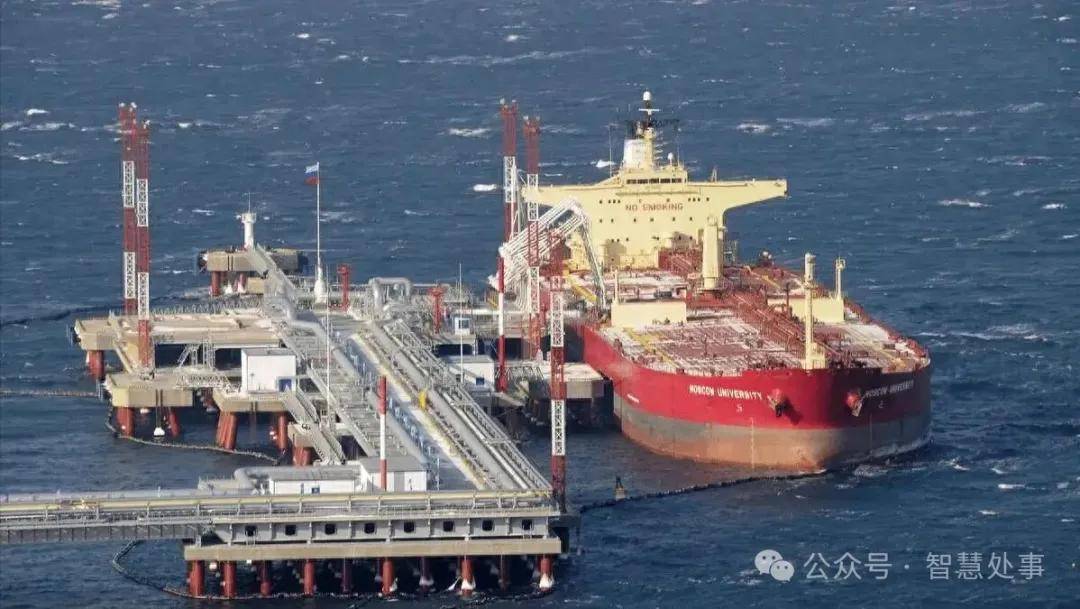
Core Viewpoint - The article discusses the implications of President Trump's announcement regarding the U.S. takeover of Venezuelan offshore oil resources, highlighting the geopolitical tensions and the response from China and Canada [1][3][15]. Group 1: U.S. Actions and Intentions - Trump claims the U.S. has seized 30 to 50 million barrels of oil from Venezuela without negotiation or consent, indicating a direct and aggressive approach to resource control [1][3]. - The U.S. plan involves selling the seized oil to China, expecting a lucrative deal, but underestimates China's stance against such coercive tactics [1][3][13]. Group 2: China's Response - China firmly opposes any form of military intervention in domestic affairs, emphasizing respect for sovereignty and resource security, which reflects its long-term energy strategy [3][13]. - Despite being the largest crude oil importer, China has diversified its energy sources and built strategic reserves, reducing reliance on any single country, including Venezuela [9][11]. Group 3: Canada's Position - Canada quickly positions itself as a more stable and reliable energy partner for China, promoting its oil as a preferable alternative to the U.S. approach [5][9]. - The Canadian proposal aligns with China's energy cooperation philosophy, contrasting sharply with the U.S. strategy of coercion [5][15]. Group 4: Market Dynamics - The article highlights a shift in the global energy market where buyer power, particularly from countries like China, is increasing, challenging traditional resource control methods [17]. - The rejection of the U.S. oil by China sends a clear message that market rules should be built on equality and respect, not coercion [15][17].
美国准备“二打”伊朗?绕不开这三个问题
Zhong Guo Xin Wen Wang· 2026-01-17 02:52
Group 1 - The U.S. is significantly increasing its military presence in the Middle East, preparing for potential strikes against Iran, with a focus on rapid and decisive action to avoid prolonged conflict [1][2] - The U.S. military may utilize long-range weapons such as Tomahawk cruise missiles and Joint Air-to-Surface Standoff Missiles (JASSM), which have ranges exceeding 1,000 kilometers [2][3] - Potential targets for U.S. strikes include Iranian leadership locations, the Islamic Revolutionary Guard Corps (IRGC) command centers, intelligence departments, and military bases, as well as IRGC-affiliated enterprises that dominate various economic sectors in Iran [3][4] Group 2 - Iran's response to potential U.S. strikes is expected to be aggressive, with the regime viewing its survival as at stake, leading to possible large-scale retaliation against U.S. bases and personnel in the region [6][7] - Iran possesses a significant arsenal of short- and medium-range ballistic missiles, which could be used for saturation attacks on U.S. targets, particularly in the Gulf region [8] - The Strait of Hormuz, a critical chokepoint for global oil transportation, could be targeted by Iran to disrupt shipping, potentially causing oil prices to spike by $10 to $20 per barrel and impacting the global economy [8]
不缺电的中国,为何仍在狂建电厂?美媒:中国在造电力能源长城!
Sou Hu Cai Jing· 2026-01-16 08:51
Core Insights - China's electricity generation has reached the top globally, expected to exceed 10 trillion kilowatt-hours in 2024, more than double that of the United States, with an energy self-sufficiency rate above 80% [2] - Despite sufficient electricity supply, new power plant projects continue to be approved due to rapidly increasing electricity demand driven by emerging industries [4][6] - The construction of new coal power plants is primarily for backup and grid stability, while renewable energy sources are being expanded significantly [8][9] Group 1: Electricity Generation and Demand - In 2024, China's total installed power capacity is projected to be approximately 3.32 billion kilowatts, with a total generation of 10 trillion kilowatt-hours and electricity consumption around 9.9 trillion kilowatt-hours, indicating a near balance [4] - The demand for electricity is expected to grow significantly, with predictions that total electricity consumption will exceed 14 trillion kilowatt-hours by 2030, averaging a growth rate of 6.5% per year [4][6] Group 2: Renewable Energy Expansion - China has been a leader in renewable energy, with wind and solar power installations accounting for over 60% of global new capacity in recent years [11][24] - Major projects like the "Solar Wall" in the Kubuqi Desert are transforming landscapes and contributing significantly to clean energy generation, with plans to expand to 400 kilometers in length [13][24] Group 3: Energy Security and Strategic Planning - China's reliance on imported energy, particularly from the Middle East, necessitates a focus on self-sufficiency through the expansion of renewable energy sources [6][8] - The construction of new coal power plants is seen as a strategic reserve to ensure energy security amid global competition and climate change [20][24] Group 4: Technological Innovations in Energy Storage - Advances in energy storage technologies, such as pumped storage and battery storage, are crucial for managing the variability of renewable energy sources [15][16] - Virtual power plants are emerging as a solution to optimize energy distribution and enhance grid stability without the need for new power plants [16] Group 5: Environmental Considerations - While coal power capacity is increasing, the focus is on high-efficiency, low-emission plants to minimize environmental impact [21][23] - The integration of agricultural practices under solar panels in projects like the Solar Wall demonstrates a commitment to sustainable development [21]
国网豪掷4万亿!帮主郑重:新电网背后的黄金赛道
Sou Hu Cai Jing· 2026-01-15 13:27
第二层级,是 "数字化转型的成长性" 。电网的智能化,意味着对海量数据的采集、分析和处理。这利 好电力物联网传感器、电网调度系统软件、网络安全以及为电网提供人工智能解决方案的科技公司。它 们的增长空间,可能比传统硬件更大。 第三层级,是 "关联产业的延伸性" 。一个更强大、更智能的电网,是新能源车大规模普及、虚拟电厂 商业运营、用户侧灵活互动的基础。因此,它长期利好的不仅是电网本身,更是整个新能源生态。 总而言之,国家电网的4万亿计划,是一份写给未来的"超级订单"。它告诉我们,在"十五五"的棋盘 上,以新型电力系统为核心的能源基础设施建设,将是重中之重。作为投资者,我们的任务就是在这张 宏大的蓝图上,找到那些技术领先、市场份额稳固、能够将政策红利转化为实实在在业绩的"卖水 人"和"筑路者"。我是帮主郑重,我们下次再聊。 这场规模空前的投资,背后是国家清晰的双重战略目标。一是 "能源安全"与"绿色转型" :要确保在新 能源装机(预计年均新增2亿千瓦)迅猛发展的背景下,电网能接得住、送得出、用得好,从而兑现碳 达峰承诺。二是 "产业拉动"与"新质生产力" :4万亿的投入,将直接带动从特高压设备、智能配电装置 到电 ...

普京出手了,欧洲最大能源设施遭炸,美英法德紧急行动
Sou Hu Cai Jing· 2026-01-15 12:59
Core Insights - The explosion at the gas storage facility in Lviv, Ukraine, is a strategic-level incident that has disrupted heating for 1.2 million people, raising concerns across Europe [1][3][38] - The use of the Kinzhal hypersonic missile by Russia signifies a shift in warfare tactics, emphasizing energy control as a critical element in modern conflicts [12][39][46] Group 1: Strategic Implications - The Lviv gas storage facility holds nearly half of Ukraine's strategic gas reserves and is a key node in the gas supply network to Western Europe [2] - The explosion has led to a 17% spike in European natural gas prices, indicating the broader economic impact of the attack [3] - Russia's approach of targeting energy infrastructure serves as a strategic deterrent, demonstrating its capability to disrupt essential services in Europe [7][10][39] Group 2: Military Tactics - The Kinzhal missile, capable of flying at Mach 10, was used in a composite strike involving drones and cruise missiles, showcasing a new operational paradigm in warfare [12][14] - The attack on the Lviv facility was not merely tactical but a strategic decapitation, aimed at sending a clear message to Western nations supporting Ukraine [5][8] - The integration of hypersonic weapons into conventional military operations marks a significant evolution in Russia's military strategy [34][46] Group 3: Economic and Humanitarian Impact - The destruction of the gas storage facility has led to systemic failures in heating and electricity supply, affecting hospitals and vulnerable populations [33][45] - The average daily gas shortfall in Lviv is reported at 28 million cubic meters, exacerbating the humanitarian crisis as winter temperatures drop [45] - The economic strain on ordinary citizens is evident, with increased heating costs consuming a significant portion of retirement pensions [45][33] Group 4: Geopolitical Dynamics - The ongoing conflict has led to a fracturing of Western alliances, with differing approaches to the crisis among the U.S., France, Germany, and the U.K. [24][26] - Russia's strategy of maintaining a hardline stance while waiting for Western divisions to emerge reflects a calculated approach to prolonging the conflict [27][30] - The use of energy as a weapon underscores the importance of energy security in national defense strategies, with countries scrambling to bolster their strategic reserves [39][60]
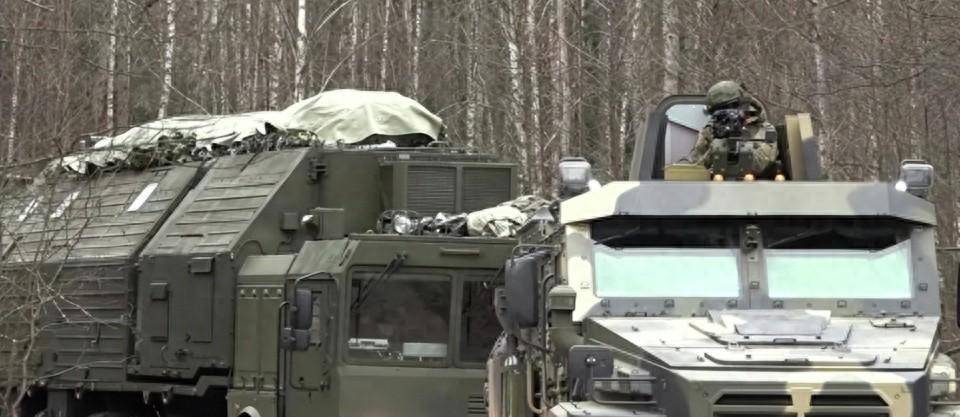
国际油价飙升,金银价格跟涨,背后原因曝光
Sou Hu Cai Jing· 2026-01-15 11:48
Group 1 - The core viewpoint of the article highlights the significant impact of geopolitical events, specifically the U.S. military action against Venezuela, on global oil prices and market dynamics, indicating a shift in supply expectations and increased volatility in energy markets [1][3][5] - Oil prices surged dramatically, with Brent crude rising by 4.26% and WTI by 3.14%, reflecting market reactions to geopolitical tensions and supply chain vulnerabilities [1][3] - The rise in oil prices was accompanied by a spike in precious metals, with gold and silver reaching new highs, indicating a shift in investor sentiment towards safe-haven assets amid rising geopolitical risks [3][5] Group 2 - The U.S. military action is viewed not just as a response to unrest but as a strategic maneuver to influence energy supply and market pricing power, signaling the importance of energy security in global power dynamics [5][12] - The article emphasizes that even minor disruptions in supply can lead to significant price fluctuations, especially in a context of low inventories and rising seasonal demand [6][12] - The internal economic landscape in the U.S. shows mixed signals, with non-farm payroll data reflecting uncertainty, yet the market remains optimistic about potential interest rate cuts, leading to increased volatility in stock indices [8][10] Group 3 - The rising oil and precious metal prices have direct implications for energy import costs, potentially increasing inflationary pressures on consumers in various sectors [12][14] - The article suggests several policy responses to mitigate these impacts, including stabilizing market expectations, enhancing domestic energy efficiency, and monitoring financial risks associated with consumer debt [14][16] - The interconnectedness of global supply chains means that geopolitical events can have far-reaching effects, necessitating a focus on resilience and diversification in energy supply strategies [16]