消费品以旧换新

Search documents
国补政策落地 兰州市城关区消费市场升温
Sou Hu Cai Jing· 2026-01-07 05:42
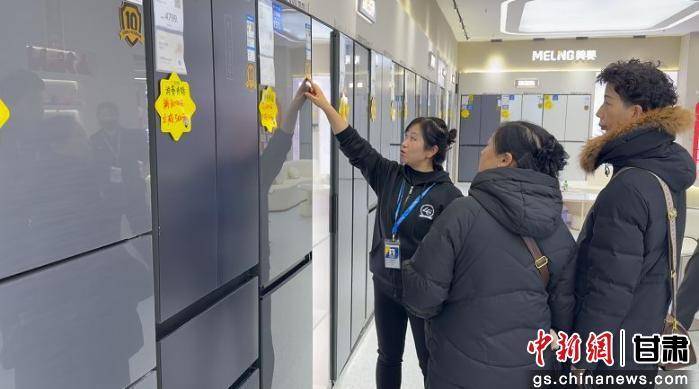
Core Viewpoint - The implementation of the new consumption subsidy policy for replacing old products has significantly boosted the consumer market in Lanzhou's Chengguan District, particularly in the automotive, home appliance, and digital smart product sectors, providing substantial benefits to local households [1][4]. Group 1: Consumer Market Impact - The new policy has led to a rapid increase in consumer activity, with stores like Suning's Super Experience Store seeing a surge in foot traffic and sales due to multiple overlapping discounts [1][4]. - A specific example includes a refrigerator originally priced at 8,299 yuan being sold for only 3,824 yuan after applying various subsidies, showcasing the substantial savings available to consumers [1]. - The store has reported that over 40% of orders are benefiting from the old-for-new subsidy, indicating a strong consumer response to the policy [1]. Group 2: Subsidy Details - The subsidy policy covers three main categories: automotive trade-ins, home appliance replacements, and the purchase of digital and smart products, effectively addressing diverse consumer needs [4]. - For automotive trade-ins, eligible consumers can receive up to 15,000 yuan for new energy vehicles and up to 10,000 yuan for fuel vehicles, significantly lowering the cost of purchasing new cars [4]. - In the home appliance sector, subsidies are focused on energy-efficient products, with a maximum subsidy of 1,500 yuan for first-level energy efficiency appliances [4]. - Digital and smart products priced under 6,000 yuan can receive a subsidy of up to 500 yuan, further encouraging consumer upgrades [4]. Group 3: Policy Implementation and Future Plans - The Chengguan District Commerce Bureau is committed to ongoing policy promotion and implementation, ensuring that the benefits reach both consumers and merchants effectively [5]. - The subsidy qualification codes are distributed weekly through the "Gankuaiban" platform, emphasizing convenience and fairness in the application process [4]. - The policy aims to stimulate market dynamics and enhance the overall quality of consumption in the region [7].


“两新”政策更加注重提质增效
Jin Rong Shi Bao· 2026-01-07 01:46
Core Viewpoint - The National Development and Reform Commission and the Ministry of Finance have issued a notice regarding the implementation of large-scale equipment updates and the old-for-new policy for consumer goods in 2026, emphasizing the importance of domestic demand and optimizing the "two new" policies for better effectiveness [1]. Group 1: Large-Scale Equipment Updates - The 2026 equipment update policy expands its support to include the installation of elevators in old residential areas, equipment updates in elderly care institutions, and fire rescue facilities, while maintaining the overall support scope from 2025 [2]. - The 2026 policy increases support for small and medium-sized enterprises (SMEs) by lowering the investment threshold for project applications, aiming to enhance the effectiveness of investment and ensure that policy benefits reach those who need them [2]. - The policy is expected to stimulate domestic consumption by improving the quality and efficiency of the supply system, thereby creating a positive cycle of investment and consumption [3]. Group 2: Old-for-New Policy for Consumer Goods - The 2026 old-for-new policy will cover a broader range of products, including six major categories of home appliances, and aims to ensure precise allocation of funds to maximize the policy's impact [4]. - The policy will also expand support for digital and smart products, including smart glasses, to meet consumer demand for new technologies and products [4]. - A unified subsidy standard will be implemented nationwide for specified products, which will help prevent market segmentation and promote the free flow of goods and resources across the country [6].
河南推出一系列举措力促一季度消费
Xin Lang Cai Jing· 2026-01-06 22:38
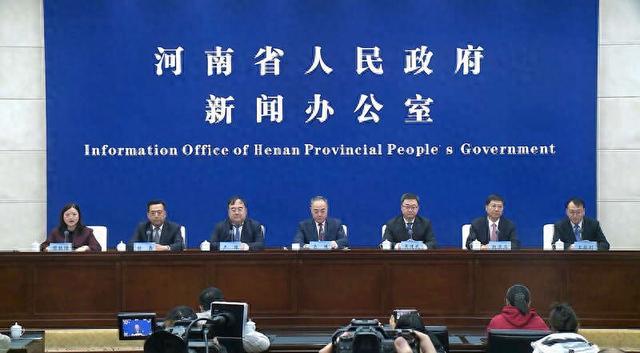
Core Viewpoint - The Henan Provincial Government is implementing targeted measures to promote economic development and consumer spending in the first quarter of 2026, focusing on a combination of policies, activities, and scenarios to stimulate consumption [1][3]. Group 1: Consumer Promotion Measures - The province has initiated a "trade-in" program for consumer goods starting January 1, 2026, providing subsidies for automobiles, home appliances, and digital products, with smart glasses now included in the subsidy list [3]. - Over 1,000 events will be organized during the "Enjoy Henan" New Year consumption season, including activities like "New Year Renewal" and "Online New Year Goods Festival" [3]. - A total of 200 million yuan in consumption vouchers will be distributed by the provincial government, encouraging local governments to issue additional vouchers tailored to their regions [3]. Group 2: New Consumption Scenarios - The government is focusing on cultivating new consumption scenarios by developing key commercial districts, convenient living circles, and characteristic shopping streets to enhance the consumption ecosystem [3]. - Efforts are being made to expedite the implementation of pilot projects for new consumption formats and scenarios in Zhengzhou and Luoyang, aiming to create a demonstration effect [3].
智能眼镜纳入补贴范围 河南2亿元消费券在路上
Sou Hu Cai Jing· 2026-01-06 05:52
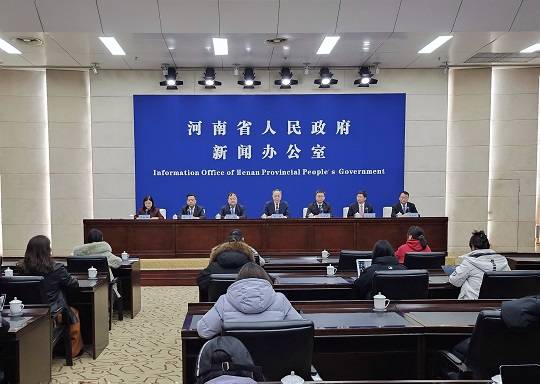
Core Viewpoint - In 2026, Henan Province aims to enhance consumption and stabilize foreign trade, contributing significantly to the province's economic growth, with specific measures announced to support these goals [1]. Group 1: Consumption Promotion - The province will implement a "policy + activities + scenarios" approach to promote consumption, focusing on initiatives like trade-in programs for consumer goods and various promotional activities [3]. - The 2026 consumer goods trade-in program has been launched, including subsidies for automobiles, home appliances, and digital products, with smart glasses now included in the subsidy range [4]. - The "Enjoy Henan" Spring Consumption Season will feature over 1,000 events, with the provincial government issuing 200 million yuan in consumption vouchers to stimulate spending in key sectors such as retail, dining, and tourism [5]. Group 2: Foreign Trade Stabilization - The province will fully implement national policies to stabilize foreign trade, innovating and refining local measures to target key markets, industries, and enterprises [3]. - A total of 300 key international exhibitions will be recommended in the first quarter, with participation in over 50 major exhibitions, including the Cologne Furniture Fair and the Hong Kong International Jewelry Show [7][8]. - Support policies for key industries will be optimized to stabilize mobile phone exports and expand exports of automobiles, computing equipment, agricultural products, and textiles [9]. Group 3: Business Support and New Models - Continuous subsidies will be provided to enterprises for international market expansion and export credit insurance projects, enhancing cooperation between government, banks, and businesses [10]. - A list of 200 cross-border e-commerce source factories will be published in the first quarter, along with 30 "cross-border e-commerce + industrial belt" activities to promote new business models [11].
【图解】一图看懂2026“国补”计划
Yang Shi Xin Wen Ke Hu Duan· 2026-01-06 00:50
Group 1 - The government has initiated a new phase of special long-term treasury bonds, with the first batch of 62.5 billion yuan allocated to support a consumption upgrade program [1] - The focus is on enhancing the coverage of key consumer goods and promoting energy-saving and carbon reduction initiatives [2] - Subsidies will be concentrated on high-efficiency products, particularly in the automotive, digital, and smart home sectors [2] Group 2 - Consumers purchasing certain products, such as smart glasses, will receive a subsidy of 15% of the product price, capped at 500 yuan per item [3] - The subsidy applies to a range of household appliances that meet energy efficiency or water efficiency standards, with a maximum subsidy of 1500 yuan per item for eligible products [6] - The program encourages the replacement of old vehicles, with specific guidelines for subsidies on scrapped vehicles [6]

政策红利精准激活消费活力
Yang Shi Wang· 2026-01-06 00:06
"政策补贴+品牌联动+服务创新"惠及百姓乐享"焕"新 政策红利精准激活消费活力 2026年1月1日起,广西正式启动2026年消费品以旧换新补贴活动。柳州、贵港作为首批上线的城市,消 费者在指定商家购买家电、数码和智能产品可享受补贴直接减免,政策红利精准激活消费活力。 在柳州一家电家居旗舰店,市民谭先生正带着家人选购电视。得知补贴活动启动,他一早便到店下单了 心仪的机型。 依据国家相关政策,本次以旧换新全国统一覆盖4大领域,包括汽车报废与置换更新、6类家电以旧换新 及4类数码智能产品购新。 其中,个人消费者购买一级能效或水效的冰箱、洗衣机等6类家电,以及单价不超6000元的手机、平板 等4类数码和智能产品,可享成交价15%补贴,每人每类限补1件,家电每件补贴不超过1500元,数码和 智能产品每件不超过500元。 柳州某家电家居旗舰店负责人刘荣春介绍,例如购买一台1万元的电视,"国补"最高是补贴1500元,在 这个基础上会追加补贴,接近15%,也会补贴1500元,这样综合就是30个点,让更多消费者能享受到国 家的政策。对商家来说,给他们带来了更多销售信心。 "国补"新政落地 消费市场活力涌现 元旦假期,四川各地消 ...
优化实施“两新”政策,撬动更多市场需求
2 1 Shi Ji Jing Ji Bao Dao· 2026-01-05 22:42
Core Insights - The Ministry of Commerce reports that by 2025, the sales volume of products related to the trade-in program will exceed 2.6 trillion yuan, benefiting over 360 million people [1] - The new "national subsidy" policy, effective from the New Year holiday in 2026, aims to stimulate the consumption market, particularly in smart electronic products, with sales of smart health devices and wearable devices expected to grow by over 20% and 15% respectively [1] Group 1: Equipment Update Policy - The 2026 policy expands and optimizes support for equipment updates, including traditional industries and new areas such as installing elevators in old residential communities and enhancing public safety infrastructure [2] - The policy shifts focus from solely improving manufacturing levels to balancing production and living standards, addressing public safety and consumer experience [2] - Specific adjustments in subsidy mechanisms aim to enhance precision and effectiveness, such as prioritizing the replacement of old operational trucks with new energy electric trucks [2][3] Group 2: Consumer Goods Trade-in Policy - The 2026 policy for consumer goods trade-in has undergone structural optimization, focusing on high-impact categories like automobiles and core home appliances [3][4] - The subsidy mechanism for automobiles has shifted from fixed amounts to a proportional subsidy linked to the new car sales price, aiming for more efficient use of fiscal resources [4] - New emerging consumer fields, such as smart glasses and age-friendly home products, have been included in the support scope, indicating a forward-looking approach to policy adjustments [4] Group 3: Service Consumption Shift - The consumption structure in China is transitioning from goods-led to service-led consumption, with service consumption becoming a key focus for boosting domestic demand [5] - The policy is expected to increase support in areas such as culture, tourism, sports, health, elderly care, and housekeeping services [5] - Further institutional innovation and quality enhancement are needed to unlock the potential of service consumption and promote economic structure optimization [5]
一图读懂:2025年上海市消费品以旧换新取得积极成效
Xin Hua Cai Jing· 2026-01-05 13:53
Core Viewpoint - Since 2025, Shanghai has effectively implemented the "old for new" consumption policy, resulting in significant sales and consumer engagement in various sectors [3][4]. Group 1: Sales Performance - The sales revenue from "old for new" products in Shanghai exceeded 121.23 billion yuan, benefiting over 21.95 million people [4]. - The retail sales of social consumer goods in Shanghai increased by 5% year-on-year from January to November, surpassing the national average by 1 percentage point and accelerating by 8.1% compared to the same period last year [6]. Group 2: Product Categories - The "old for new" program included over 320,000 vehicles, more than 4.5 million digital products, and over 4.9 million home appliances [5]. - The program also facilitated the replacement of over 1.19 million kitchen and bathroom items and more than 330,000 electric bicycles [5]. Group 3: Environmental Impact - The "old for new" initiative contributed to a 2.7 percentage point increase in the total retail sales, promoting green transformation and upgrading of industries [6]. - The proportion of new energy vehicles in the "old for new" car replacement program reached 64%, exceeding the national average, and led to a 21.6% year-on-year increase in new energy vehicle retail sales from January to November [6]. Group 4: Recycling and Consumer Engagement - From January to November 2025, the sales of second-hand cars grew by 36%, and the recycling volume of scrapped vehicles increased by over 80% [7]. - The offline participation in home appliance and furniture exchanges reached 4.65 million people, with 2,105 offline merchants and nearly 7,500 stores, generating sales of 21.2 billion yuan [7].

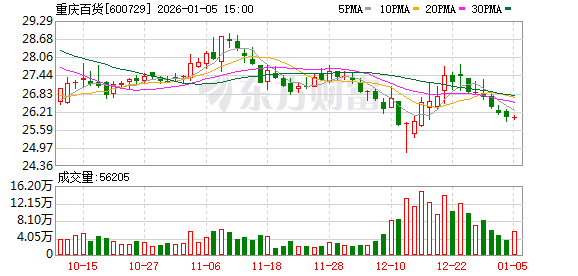
重庆百货:2026年中央财政将继续安排资金支持消费品以旧换新
Zheng Quan Ri Bao· 2026-01-05 13:36
Group 1 - The core viewpoint of the article is that the central government will continue to allocate funds to support the replacement of consumer goods in 2026, focusing on various sectors including automobiles, home appliances, digital and smart products, and consumer facility upgrades [2] Group 2 - The financial support from the central government aims to stimulate consumer spending and promote the upgrading of consumer goods [2]

【行业政策】一周要闻回顾(2025年12月29日-2026年1月4日)
乘联分会· 2026-01-05 08:46
Group 1 - The core viewpoint of the article is the issuance of the "Implementation Plan for Digital Transformation of the Automotive Industry," which aims to enhance the digitalization and intelligent upgrade of the automotive sector in China [3][4]. - The automotive industry is recognized as a crucial pillar of the national economy, with a long industrial chain and significant impact on manufacturing digital transformation [4]. - The plan outlines two development goals: by 2027, significant improvements in smart manufacturing capabilities and digital levels of component enterprises, and by 2030, achieving a high level of overall digital development in the industry [5]. Group 2 - The plan includes six major actions with 15 key tasks, such as improving diagnostic assessment systems, empowering small and medium-sized component enterprises, and promoting typical scenarios and AI applications [6]. - The implementation will be supported by four measures: strengthening organizational collaboration, improving support policies, enhancing talent assurance, and increasing safety supervision [6]. - A list of typical scenarios for digital transformation across five areas—R&D, production, supply chain, sales, and service—has been provided to guide industry practices [6]. Group 3 - The "2026 Large-Scale Equipment Update and Consumer Goods Replacement Policy" aims to promote the replacement of old vehicles and equipment, including support for electric buses and old freight vehicles [10][11]. - Specific subsidies are outlined for consumers who scrap old vehicles and purchase new energy vehicles or low-emission fuel vehicles, with subsidies reaching up to 20,000 yuan for new energy vehicles [11][12]. - The policy emphasizes the importance of a unified national market and standardizes the subsidy process for vehicle replacement and recycling [12]. Group 4 - The "2026 Automotive Replacement Subsidy Implementation Details" document specifies the eligibility criteria for consumers to receive subsidies for scrapping and replacing vehicles, including the requirement for vehicles to be registered before certain dates [19][21]. - The subsidy amounts are set at 12% of the new vehicle price (up to 20,000 yuan) for new energy vehicles and 10% (up to 15,000 yuan) for low-emission fuel vehicles [19][21]. - The document outlines the application process for consumers, including necessary documentation and submission procedures [20][22]. Group 5 - The announcement regarding the "Road Motor Vehicle Production Enterprises and Products" includes a list of approved manufacturers and models eligible for tax exemptions and subsidies [38][39]. - A total of 625 models are included in the directory for energy-saving vehicles, with 553 models classified as new energy vehicles [41]. - The directory aims to support the development of the new energy vehicle market by providing clear guidelines for manufacturers and consumers [39][42].