
软件定义汽车

Search documents
赛力斯前三季净利润53.12亿元 已开启港股招股
Zhong Zheng Wang· 2025-10-30 14:49
Group 1 - The core viewpoint of the articles highlights the strong performance and growth of the company, particularly in the electric vehicle sector, driven by innovative technology and a diverse product lineup [1][2][3] Group 2 - In the first three quarters of 2025, the company achieved a revenue of 110.534 billion yuan and a net profit of 5.312 billion yuan, marking a year-on-year increase of 31.56% [1] - The cumulative sales of the company's new energy vehicles reached 304,629 units from January to September 2025 [1] - The company has accelerated product iteration with multiple models launched this year, including the AITO M9, M5 Ultra, M8, and M7, leading to a total delivery of over 800,000 units [2] - The AITO M9 has set a new record with cumulative deliveries exceeding 250,000 units in 21 months, while the M8 has surpassed 100,000 units in just 4 months [2] - The company has been recognized for its technological innovations, including the "software-defined vehicle" approach and various advanced technology platforms [3] - The company ranked 190th in the China Enterprise 500 list, a significant leap of 270 places from the previous year, indicating rapid growth [3] - The company has initiated its Hong Kong stock offering and plans to list on the Hong Kong Stock Exchange on November 5, 2025, becoming the first luxury new energy vehicle company to be listed in both A-share and H-share markets [3]

赛力斯2025年前三季度实现营收1105.34亿元 净利润53.12亿元
Zheng Quan Ri Bao Wang· 2025-10-30 12:43
Group 1 - The core viewpoint of the articles highlights the strong performance and growth of Seres Group, particularly in the electric vehicle sector, driven by innovative technology and a diverse product lineup [1][3]. Group 2 - Seres Group reported a revenue of 110.53 billion yuan and a net profit of 5.31 billion yuan for the first three quarters of 2025, marking a year-on-year increase of 31.56% [1]. - The cumulative sales of Seres' electric vehicles reached 304,600 units from January to September 2025 [1]. Group 3 - The AITO brand, under Seres, has successfully launched multiple models, including the AITO M9, M5 Ultra, M8, and M7, which have been well-received in the market [2]. - The AITO M9 has set a record with over 250,000 units delivered in 21 months, while the AITO M8 has surpassed 100,000 units in just four months [2]. Group 4 - Seres is recognized for its commitment to technological innovation, focusing on software-defined vehicles and core technologies in electrification and intelligence [3]. - The company has been awarded the "2024 Golden Bull Most Investment Value Award" and has significantly improved its ranking in the China Top 500 Enterprises, moving up 270 places to 190 [3]. Group 5 - Seres has initiated its Hong Kong stock offering on October 27, with plans to list on November 5, aiming to become a dual-listed luxury electric vehicle company [3].
赛力斯Q3营收同比增长15.75%,净利润下降1.74% | 财报见闻
Hua Er Jie Jian Wen· 2025-10-30 11:16
Core Insights - The company reported a 15.75% year-on-year increase in Q3 revenue, reaching 48.13 billion yuan, while net profit slightly declined by 1.74% to 2.37 billion yuan [1][4] - Year-to-date, the company has achieved a robust net profit growth of over 30%, attributed to its commitment to a software-defined automotive technology strategy and a user-oriented market approach [1][2] Financial Performance - Q3 revenue was 48.13 billion yuan, up from 41.58 billion yuan in the same period last year, indicating strong market expansion and product sales [1][4] - Year-to-date revenue totaled 110.53 billion yuan, reflecting a 3.67% increase compared to the previous year [2] - Net profit for the first three quarters reached 5.31 billion yuan, a significant increase of 31.56% year-on-year [2] Profitability Metrics - Basic earnings per share rose from 2.67 yuan to 3.34 yuan, marking a 25.09% increase [2] - The gross margin improvement is attributed to the company's strategic focus on software-defined vehicles and diversified product offerings [2] Asset and Equity Growth - Total assets as of September 30, 2025, reached 1215.1 billion yuan, a 28.76% increase from the previous year [2] - Shareholder equity surged to 278.0 billion yuan, up 126.70% from 122.6 billion yuan at the end of the previous year, driven by asset purchases, minority shareholder investments, and retained earnings [2] Cash Flow and Liquidity - The net cash flow from operating activities for the first three quarters was 22.65 billion yuan, a 13.18% increase year-on-year [3] - The company's cash reserves amounted to 59.54 billion yuan, significantly up from 45.96 billion yuan at the beginning of the year [3]

赛力斯前三季净利润53.12亿元 将成为首家“A+H”豪华新能源车企
Ge Long Hui· 2025-10-30 10:21
Core Insights - Company reported a net profit of 5.312 billion yuan for the first three quarters of 2025, marking a year-on-year increase of 31.56% [1] - Cumulative sales of the company's electric vehicles reached 304,629 units from January to September 2025 [1] Group 1: Financial Performance - Company achieved a total revenue of 110.534 billion yuan in the first three quarters of 2025 [1] - The net profit attributable to shareholders was 5.312 billion yuan, reflecting a growth of 31.56% compared to the previous year [1] Group 2: Product Development and Market Performance - The company has accelerated product iteration this year, launching multiple models including the new M5 Ultra, M9 2025, M8, and the all-new M7 [2][3] - Cumulative deliveries of the entire product line have surpassed 800,000 units, with the M9 model alone achieving over 250,000 deliveries in 21 months, setting a new record for 500,000-level models [3] - The M8 model has exceeded 100,000 deliveries within four months, while the new M7 has delivered over 20,000 units in just 36 days [3] Group 3: Technological Innovation and Industry Position - The company is committed to a "software-defined vehicle" technology strategy, investing heavily in innovation to enhance electric and intelligent core technologies [4][5] - The company has been recognized with the "2024 Golden Bull Most Investment Value Award" and ranked 190th in the China Enterprise 500 list, a significant leap of 270 places from the previous year [5] - The company has initiated its Hong Kong stock offering and plans to list on the Hong Kong Stock Exchange on November 5, 2025, becoming the first luxury electric vehicle company to be listed in both A-share and H-share markets [5]
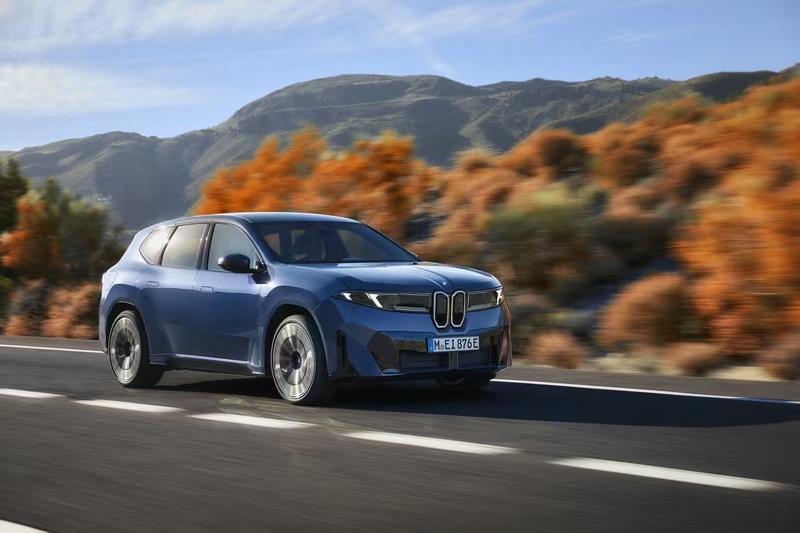
宝马加入“开源创新发展推进中心”,持续深入本土合作2.0战略
Zhong Guo Jing Ji Wang· 2025-10-29 08:56
Core Insights - BMW China officially joined the "Open Source Innovation Development Promotion Center," becoming the first foreign automotive member, marking a significant step in its strategy for "self-innovation and open cooperation" [1][3] - This move signifies BMW's commitment to deepening local cooperation in the era of "software-defined vehicles," accelerating the development of local intelligent and digital R&D systems [1][3] Group 1: Strategic Initiatives - The "Open Source Innovation Development Promotion Center" is a national-level collaborative innovation platform aimed at promoting independent innovation in automotive software technology in China [3] - BMW's participation will leverage over 20 years of software expertise to support industry development and signifies a new chapter in its engagement with software-defined vehicles in China [3][5] Group 2: R&D Infrastructure - BMW has established the largest R&D system outside Germany in China, with four major innovation bases and three software companies across Beijing, Shanghai, Shenyang, and Nanjing [5] - The company has developed a comprehensive stack for intelligent connected vehicle R&D, covering software architecture, in-vehicle operating systems, intelligent driving, and smart cockpit solutions [5] Group 3: Future Outlook - With the arrival of the new generation of domestically produced BMW models in 2026, BMW's software development, intelligent driving, and digital ecosystem in China will undergo a comprehensive upgrade [3][5] - The focus will be on creating unique brand features and integrating optimal digital ecosystem services to enhance the intelligent driving experience for users [6]
200亿科技公司 向AI全面跃迁!
Zhong Guo Ji Jin Bao· 2025-10-28 17:18
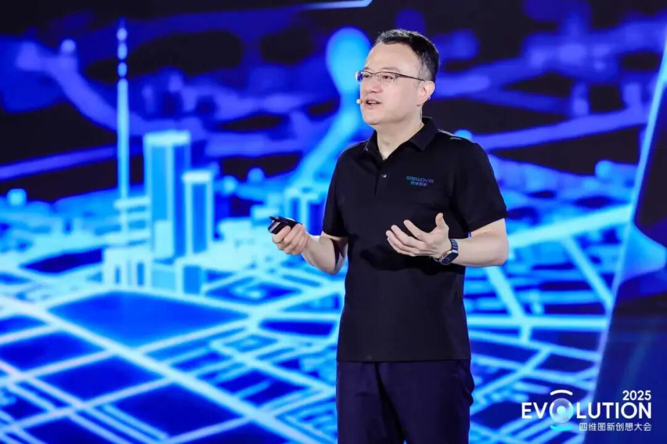
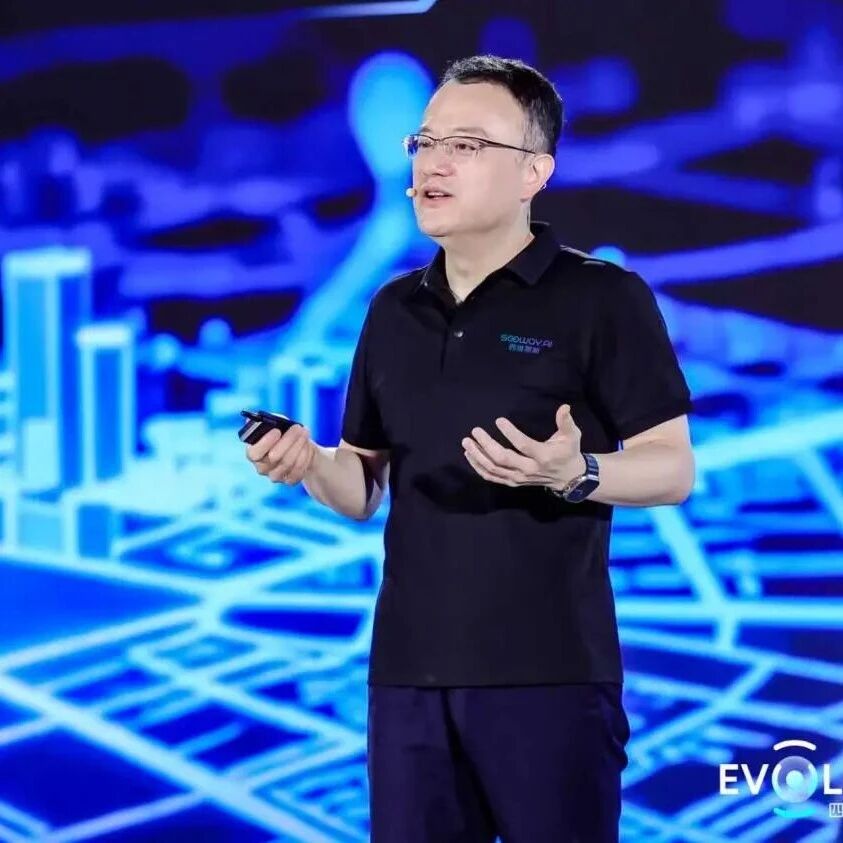
Core Viewpoint - The company is transitioning from being known as a "map provider" and "automotive player" to an "AI player" with the rebranding to "SEEWAY.AI" announced by CEO Cheng Peng at the 2025 EVOLUTION conference [2][3] Strategic Upgrade - The transition signifies a shift in focus towards AI, which is seen as a core driver for evolving vehicles from mere functional carriers to "emotionally intelligent mobile entities" [5] - The company emphasizes the importance of AI in restructuring product logic from functionality to emotional value, marking a key direction for smart vehicle evolution [5] AI Infrastructure - The AI infrastructure consists of three core layers: 1. Data Compliance Layer: Addresses geographic information desensitization, personal privacy protection, and national security [5] 2. Data Enhancement Layer: Automates 90% of data processing tasks through self-developed labeling lines and content recognition models [5] 3. AI Training Layer: Provides a comprehensive toolchain for simulation testing and model iteration, supporting closed-loop optimization [5] Safety and Compliance - As the automotive industry moves towards a "software-defined" era, safety is becoming a fundamental prerequisite for innovation, transitioning from a cost burden to a global market entry qualification [7] Capital Structure and Investments - The company plans to invest in PhiGent Robotics Limited (Jianzhi Cayman), acquiring a 39.14% stake, positioning it as the largest shareholder but not the controlling shareholder [8] - This investment aims to leverage synergies in the intelligent driving sector, enhancing the company's competitive edge [8] - The company has secured 5.85 million new intelligent driving solutions from 2024 to the first half of 2025, covering over 20 mainstream automakers and 100 models [8] IPO Developments - The company’s subsidiary, Siwei Zhili, has submitted an IPO application to the Hong Kong Stock Exchange, with the company holding a 45.32% voting power [9] - Successful IPOs of both Siwei Zhili and Jianzhi Cayman could establish a capital landscape under the "Siwei Tuxin" brand [9] Fastest Growing Subsidiaries - Among the company's investments, the fastest-growing subsidiaries are Liufen Technology and Siwei Zhili, with Liufen Technology having opened up new scenarios through strategic cooperation with Zhiyuan Robotics [10]
四维图新正从“汽车人”跃迁至“AI人”
Zhong Guo Ji Jin Bao· 2025-10-28 16:18
Core Viewpoint - Four-dimensional Tushin is transitioning from "automotive" to "AI" as part of its brand strategy upgrade to "SEEWAY.AI" [1][3] Group 1: Strategic Transition - The company has evolved from "map provider" to "automotive" since 2002 and is now moving towards becoming an "AI" entity [3] - AI is seen as a core driver for transforming vehicles from "functional carriers" to "emotionally intelligent mobile entities" [5] Group 2: AI Infrastructure - The AI infrastructure consists of three core layers: data compliance, data enhancement, and AI training, aimed at optimizing product logic and enhancing data processing [5] - The infrastructure connects the company's vast map data resources and supports the iteration of core products and business model innovation [5] Group 3: Investment and Market Position - The company plans to invest in PhiGent Robotics Limited, acquiring a 39.14% stake, positioning it as the largest shareholder [7][8] - The partnership aims to leverage resources in the intelligent driving sector, with significant contracts already secured for 585,000 intelligent driving solutions [8][9] Group 4: Future Prospects - If the IPOs of both Four-dimensional Tushin's subsidiaries, ZhiLian and JianZhi, are successful, a "Four-dimensional Tushin" capital landscape will emerge [9] - The company anticipates a significant financial data increase by 2027, indicating strong future growth potential [1]

200亿科技公司,向AI全面跃迁!
中国基金报· 2025-10-28 16:06
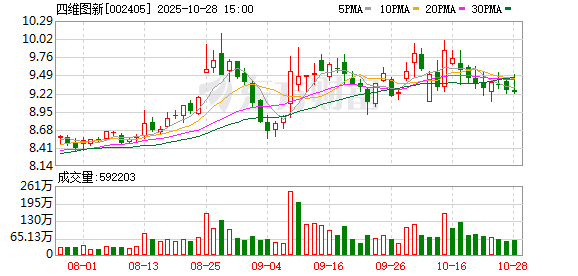
Core Viewpoint - Four-dimensional Map is transitioning from "Automobile People" to "AI People" as part of its brand strategy upgrade to "SEEWAY.AI" [2][4] Strategic Upgrade - The company has evolved from "Map People" to "Automobile People" since 2002, and is now moving towards becoming "AI People" [5] AI Infrastructure - The AI new infrastructure consists of three core layers: 1. Data Compliance Layer: Addresses geographic information desensitization, personal privacy protection, and national security issues 2. Data Enhancement Layer: Automates 90% of data processing tasks through self-developed labeling production lines and content recognition models 3. AI Training Layer: Provides a complete toolchain for simulation testing and model iteration, supporting closed-loop optimization [7] Safety in Software-Defined Era - As the automotive industry transitions to a "software-defined" era, safety is becoming a fundamental prerequisite for innovation, shifting from a cost burden to a global market entry qualification [9] Capital Structure and Acquisitions - The company plans to invest in PhiGent Robotics Limited, acquiring a 39.14% stake, positioning it as the largest shareholder but not the controlling shareholder [11] - The acquisition aims to enhance the company's core competitiveness in the intelligent driving sector, with a projected 585,000 new intelligent driving solutions covering over 20 mainstream automakers [11] - If the IPOs of both Four-dimensional Smart Link and PhiGent Robotics are successful, a "Four-dimensional Map" capital structure will emerge [12] Market Performance - As of September 23, the company's stock price was 9.23 CNY per share, with a market capitalization of 21.9 billion CNY [13]
NXP(NXPI) - 2025 Q3 - Earnings Call Transcript
2025-10-28 13:02
Financial Data and Key Metrics Changes - The company reported third quarter revenue of $3.17 billion, a decline of 2% year-on-year but an increase of 8% sequentially [5][12] - Non-GAAP operating margin was above 34%, down 170 basis points year-on-year but 10 basis points above the midpoint of guidance [5][14] - Non-GAAP earnings per share were $3.11, a penny better than guidance [6][12] - Total debt at the end of Q3 was $12.24 billion, up $757 million sequentially, while cash balance increased to $3.95 billion [15][16] Business Line Data and Key Metrics Changes - Automotive revenue is expected to increase mid-single digits year-on-year and low single digits sequentially in Q4 [8] - Industrial and IoT revenue is projected to rise in the mid-20% range year-on-year and 10% sequentially [8] - Mobile revenue is anticipated to grow in the mid-teens year-on-year and mid-single digits sequentially [9] Market Data and Key Metrics Changes - Distribution inventory remained flat at nine weeks, below the long-term target of 11 weeks [7] - The company noted that inventory levels of NXP-specific products at major Tier 1 partners are below manufacturing cycle time, indicating cautious inventory management in the automotive supply chain [7][9] Company Strategy and Development Direction - The company has closed acquisitions of Kinara and Aviva Links, expecting material revenue impact in 2028 and beyond [10] - The strategy remains focused on product innovation and disciplined investment to drive profitable growth [11][20] - The company aims to consolidate manufacturing and invest in joint ventures to enhance supply resilience and competitive cost structure [20] Management's Comments on Operating Environment and Future Outlook - Management expressed confidence in company-specific growth drivers and signs of cyclical recovery in automotive and industrial markets [9] - There is no expectation of direct customer inventory restocking in the near term due to macroeconomic uncertainties [9] - The company anticipates Q4 revenue to be $3.3 billion, reflecting a 6% year-on-year increase and a 4% sequential increase [18] Other Important Information - The company paid $256 million in cash dividends and repurchased $54 million of shares during Q3, representing a total shareholder return of $2.05 billion [16] - The cash flow from operations was $585 million, with non-GAAP free cash flow at $509 million or 16% of revenue [17] Q&A Session Summary Question: What improved in the last 90 days regarding guidance? - Management noted that risks did not materialize and order books remain strong, particularly in industrial and IoT [24] Question: What is the impact of inventory levels on revenue? - Management indicated that one week of inventory equals approximately $100 million, but emphasized strategic management of channel inventory [26] Question: Are you comfortable with seasonal trends for Q1? - Management suggested modeling Q1 with a high single-digit decline based on historical seasonality [34] Question: What is the outlook for gross margins? - Management expects gross margins to improve due to higher revenues and operational efficiencies, despite some unfavorable product mix [35] Question: How is the automotive sector performing? - Management highlighted strong growth in the automotive sector driven by software-defined vehicles and core growth drivers [66] Question: What is the situation in the China auto market? - Management reported that the China auto market remains strong with lean inventory levels and good customer traction [93]

奔驰开启最大规模裁员,中国市场从“增长极”变“修罗场”?
3 6 Ke· 2025-10-28 01:55
Core Viewpoint - Mercedes-Benz is undergoing its largest-ever layoff, aiming for approximately 30,000 voluntary departures, which represents about 10% of its global indirect workforce, in response to significant challenges in the luxury automotive sector, including slow electrification, high costs, and increased competition [1][2][4] Group 1: Layoff Strategy - The layoff plan features a "high compensation + voluntary exit" strategy, with severance packages linked to employee rank and tenure, offering up to €500,000 for senior management [2][4] - The initiative aims to save approximately €5 billion annually by 2027 through layoffs, outsourcing, and not filling vacancies, with a target of reducing production and fixed costs by 10% [2][4] Group 2: Market Performance - Mercedes-Benz's global sales for Q3 2025 were 525,300 units, a 12% year-over-year decline, and a 9% drop in cumulative sales for the first three quarters [4][5] - The company is facing intense competition in the Chinese market, where it still leads among luxury brands, but growth has stagnated, and it is being pressured by new entrants like BYD and NIO [4][5][10] Group 3: Electrification Challenges - The company plans to launch 36 new models by 2027, including 17 electric vehicles, but currently, electric vehicle sales account for less than 20% of total sales [5][6] - Mercedes-Benz's electric vehicle business has not yet achieved profitability, with gross margins declining from 12.3% in 2021 to 8.7% in 2024 [6][7] Group 4: Competitive Landscape - The traditional luxury automotive model is becoming a burden in the electric vehicle era, as high costs and complex management structures hinder competitiveness [6][7] - Competitors like Tesla have significantly reduced manufacturing and sales costs, maintaining a gross margin above 18%, while Mercedes struggles with a heavier cost structure [6][7] Group 5: Technological Lag - Mercedes-Benz is falling behind in key areas such as smart driving and software-defined vehicles, with its MBUX system lagging in updates and functionality compared to competitors [7][9] - The company's L3 autonomous driving system is limited in application and high in cost, while rivals have achieved broader commercial deployment of their systems [9] Group 6: Strategic Importance of China - China was once a major growth engine for Mercedes-Benz, accounting for nearly one-third of global sales in 2020, but is now a highly competitive market [10] - The company is launching seven "China-exclusive models" to cater to local consumer preferences, reflecting its reliance on the Chinese market [10] Group 7: Future Outlook - The layoffs are part of Mercedes-Benz's "2025 strategy" and "Electric First" plan, aiming to streamline operations and regain market competitiveness [10] - The success of the layoff strategy and subsequent restructuring will determine whether Mercedes can create globally competitive electric smart vehicles by 2027 [10]
