
高端制造

Search documents
同比增长5.6% 河南经济发展新势力正蓬勃崛起
Yang Shi Xin Wen· 2026-01-23 22:28
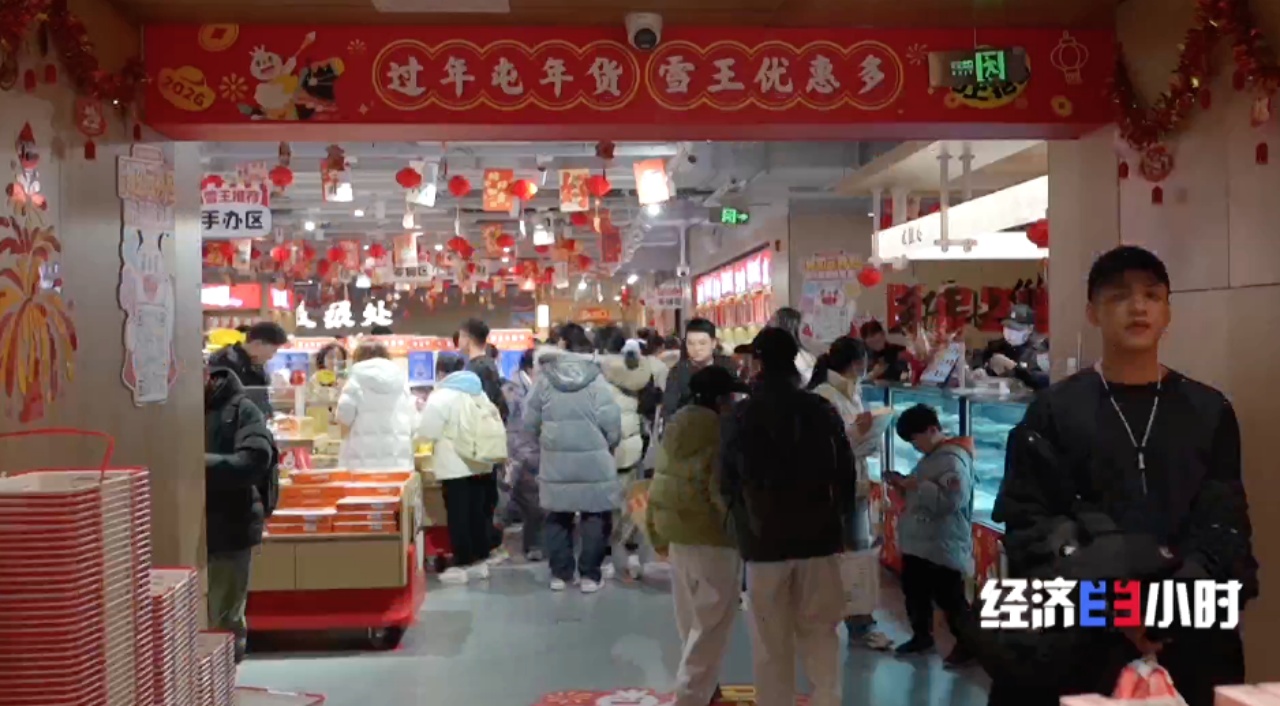
Economic Overview - In 2025, Henan's GDP reached 66,633 billion yuan, with a year-on-year growth of 5.6% [1] - The total retail sales of social consumer goods in Henan for 2025 amounted to 29,090.5 billion yuan, also growing by 5.6%, surpassing the national average by 1.9 percentage points [8] Consumer Market Dynamics - A notable trend in Henan's consumer market is the rise of new consumption forces, exemplified by a popular tea drink flagship store in Zhengzhou, which emphasizes affordability with products like 2.5 yuan ice cream cones and 4 yuan lemonades [1][3] - The global beverage company has over 50,000 stores worldwide, becoming the largest fresh beverage enterprise, reflecting the emergence of new consumption forces in Henan [3] Manufacturing Sector Developments - Henan is home to 270,000 manufacturing enterprises, positioning itself as a "world factory" with a focus on high-end manufacturing [9] - The production capabilities in Henan have advanced significantly, with a coal machinery factory utilizing digital twin systems and achieving a production capacity increase from 8,000 tons to 20,000 tons for hydraulic supports [15][23] New Materials and Innovations - The rise of nylon production in Henan, particularly nylon 66, is transforming the region into a significant player in the new materials industry, with production capacity expected to reach 100,000 tons by 2025 [20][23] - The local industry is overcoming previous reliance on imported raw materials, marking a significant breakthrough in domestic production capabilities [23] Export and Global Integration - Henan's enterprises are increasingly integrating into global supply chains, with notable examples including a food company preparing to establish a factory in Malaysia and a crane manufacturing company expanding its international operations [26][28] - The diversification of Henan's foreign trade market is evident, with a significant increase in the quality and innovation of exported products [32]

外资机构看好中国资产 科技板块引力突显
Xin Lang Cai Jing· 2026-01-23 15:50
Group 1 - The core viewpoint of the articles is that China's financial capital market is expected to regain global attention in 2026, with foreign institutions expressing confidence in the long-term investment value of Chinese assets [1][2] - The technology sector, particularly AI, semiconductors, and biomedicine, is highlighted as having strong appeal for investment [1][5] - The consumption sector, especially in new consumption areas, is also seen as presenting more investment opportunities [1][8] Group 2 - Factors contributing to the attractiveness of Chinese assets include a favorable economic outlook and a stable policy environment, which are expected to support a structural recovery in the market [2] - The expectation of a rebound in fixed asset investment, supported by government funding and new projects, is anticipated to solidify growth foundations and benefit related industries [2] - The valuation of A-shares and H-shares remains attractive compared to developed markets, with foreign capital expected to increase its allocation to Chinese assets [2][4] Group 3 - The influx of overseas funds into the A-share market is anticipated due to the decline of the "dollar siphon" effect and subsequent interest rate cuts [3] - There are already signs of foreign capital accelerating its allocation to Chinese assets, with significant recovery noted in Hong Kong stock issuance [4] - The current foreign investment in China is below 10%, indicating substantial room for growth as governance structures improve [4] Group 4 - The AI sector is viewed as a core investment theme, with expectations for significant growth in applications and market potential in 2026 [5][6] - The differentiation between Chinese and U.S. AI companies is noted, with Chinese firms focusing on algorithmic advantages, which may mitigate concerns about investment bubbles [7] - Long-term improvements in profitability and operational efficiency in Chinese tech firms are expected to support their valuations [7] Group 5 - The new consumption sector is undergoing profound changes, driven by younger consumers who prioritize experience and emotional value in their purchasing decisions [8] - The characteristics of "light spending and high feedback" are emerging, leading to more diversified market demands [8] - The consumer sector is projected to experience a "K" shaped recovery, with essential and high-end consumer goods expected to rebound [8]
山鹰国际2025年业绩预亏 主动调整经营策略夯实安全底线
Zheng Quan Shi Bao Wang· 2026-01-23 12:57
Core Viewpoint - Company expects a net loss of 850 million to 1 billion yuan for 2025, indicating an expansion in loss compared to the previous year [1] Group 1: Financial Performance - Company reported a decrease in gross profit margin due to credit impairment before the maturity of convertible bonds, which pressured short-term profit margins [1] - Financial expenses decreased by 23.38% year-on-year, and operating net cash flow remained healthy at 2.125 billion yuan [2] Group 2: Strategic Adjustments - Company is actively adjusting its operational strategy, focusing on synchronizing production and sales in the paperboard sector [1] - Management emphasizes "exchanging profit for safety" to ensure cash flow security during the critical period of bond repayment [1] Group 3: Future Development - Company aims to accelerate its transition to high-end manufacturing, particularly through the implementation of high-end fiber wood pulp projects to enhance cost competitiveness [2] - A new partnership, Wuhu Shengying Enterprise Management Consulting Partnership, was established with a total investment of 2.977 billion yuan, aimed at resource integration and structural optimization [3]

中信建投红利智选混合A:2025年第四季度利润74.46万元 净值增长率1.12%
Sou Hu Cai Jing· 2026-01-23 11:36
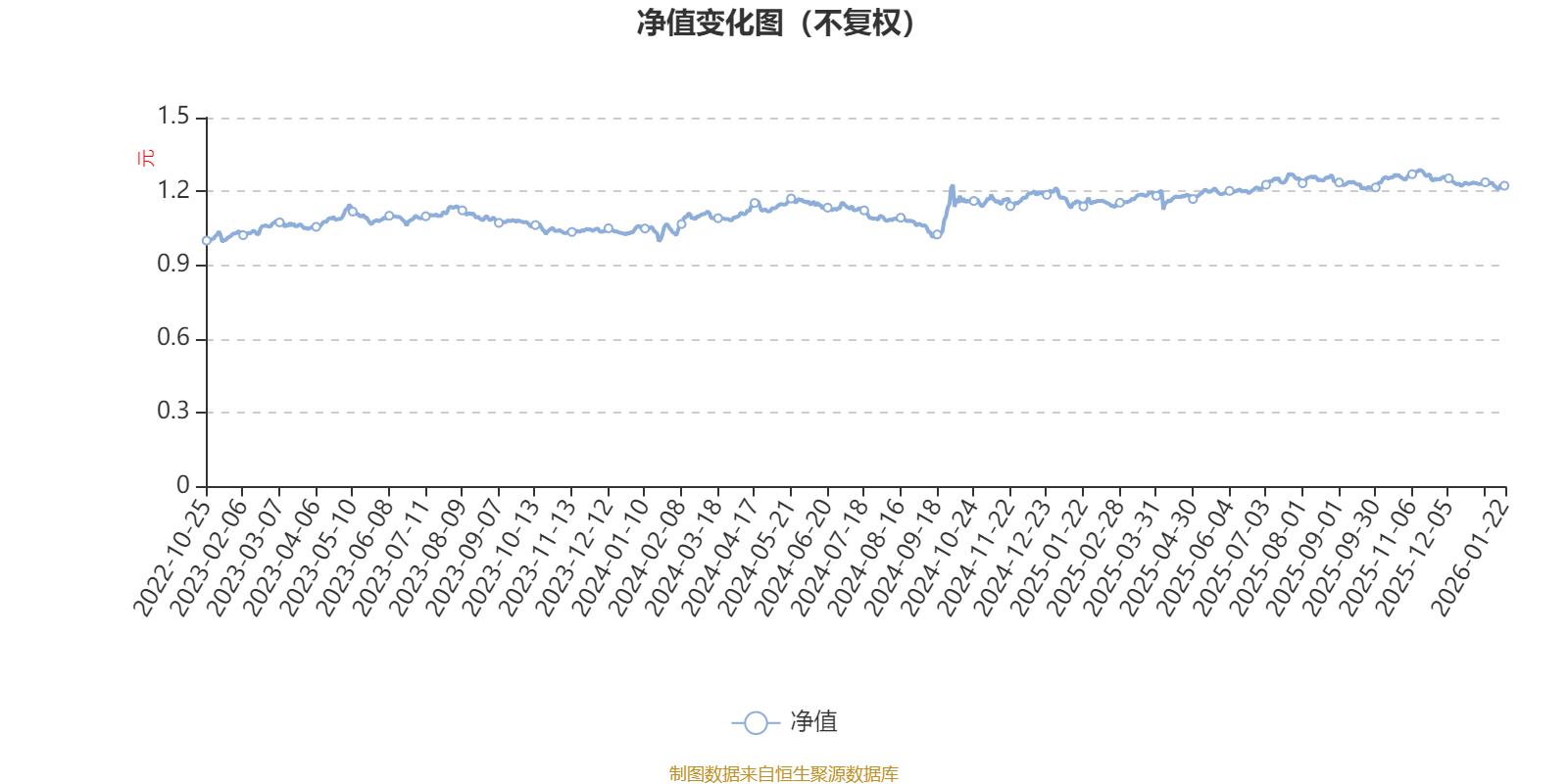
Core Viewpoint - The AI Fund, CITIC Securities Dividend Smart Selection Mixed A (016774), reported a profit of 744,600 yuan for Q4 2025, with a weighted average profit per fund share of 0.0216 yuan, and a net value growth rate of 1.12% for the period [4]. Fund Performance - As of January 22, the fund's unit net value was 1.223 yuan, with a total fund size of 30.8486 million yuan [4][16]. - The fund manager, Wang Peng, oversees 8 funds, with the highest one-year return of 47.34% for CITIC Securities CSI 1000 Index Enhanced A, while CITIC Securities Dividend Smart Selection Mixed A had the lowest at 7.38% [4]. Market Outlook - The fund management anticipates a transition from "repair-type growth" to "high-quality growth" in the Chinese economy, with increasing internal momentum [5]. - Key sectors expected to drive growth include artificial intelligence, high-end manufacturing, biotechnology, and advanced materials, supported by policy and industry developments [5]. - Consumer-related sectors are projected to experience moderate recovery due to improving income expectations and ongoing policy support, favoring companies with strong brand power and stable cash flow [5]. Fund Metrics - As of January 22, the fund's performance metrics include a three-month return of -2.74%, a six-month return of -3.82%, a one-year return of 7.38%, and a three-year return of 19.12%, ranking it within the respective peer groups [5]. - The fund's Sharpe ratio over the past three years is 0.6169, ranking 120 out of 383 comparable funds [10]. - The maximum drawdown over the past three years is 13.44%, with the largest quarterly drawdown occurring in Q3 2024 at 12.16% [12]. Investment Strategy - The fund maintained an average stock position of 89.82% over the past three years, with a peak of 93.32% at the end of Q1 2025 and a low of 67.38% at the end of 2022 [15]. - The top holdings of the fund include COFCO Sugar, Nanjing Bank, China Ping An, Agricultural Bank of China, Gree Electric Appliances, China Petroleum, China Construction Bank, Fuanna, Bank of Communications, and China Shenhua Energy [19].

权重下跌,资金流入中小盘,该怎么办?【下周展望2026-1-23】
Xin Lang Cai Jing· 2026-01-23 10:42
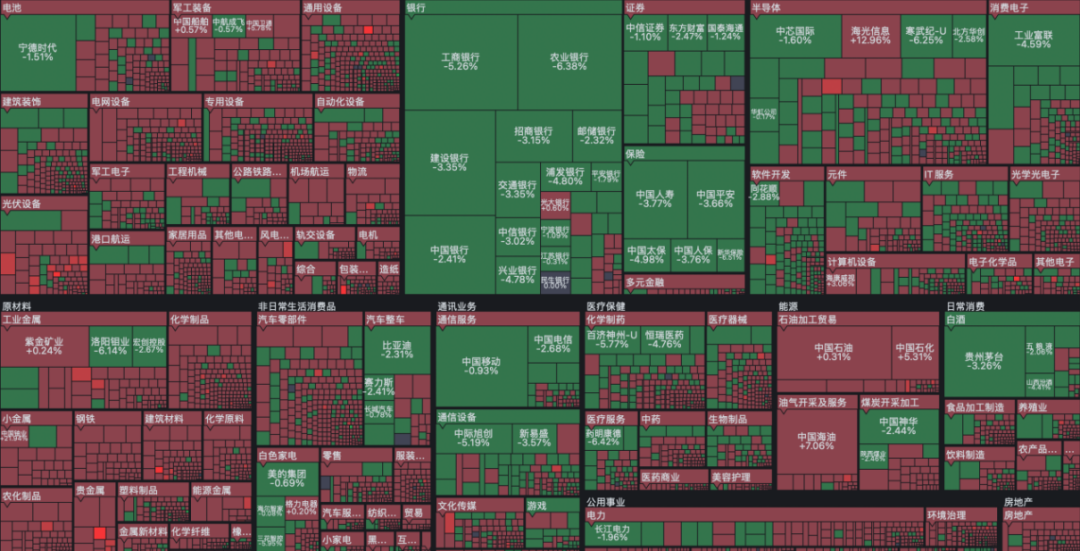
Market Overview - The Shanghai Composite Index closed at approximately 4136 points, up 0.33%, while the Shenzhen Component Index rose by 0.79% and the ChiNext Index increased by 0.63%. The total market turnover exceeded 3 trillion, with nearly 4000 stocks rising [1] - Despite a slight increase in indices, there is significant rotation of funds in sectors such as solar energy, commercial aerospace, precious metals, and oil and gas. However, there has been a noticeable net outflow of funds from stock ETFs, indicating strong selling pressure from institutional investors [1][3] Policy and Market Sentiment - Current policies are aimed at suppressing index growth to prevent excessive leverage, aligning with a regulatory focus on stability and risk prevention. However, there is clear support for technology, AI, and high-end manufacturing sectors [3] - The market is expected to maintain a range-bound movement until the end of the year, with no significant breakthroughs anticipated. While short-term sentiment may decline, it is not expected to end completely [3][4] Sector Performance - The main driving force remains the technology sector, particularly driven by AI expansion. The market is advised to stay focused on this long-term trend despite short-term pressures [4] - In the Hong Kong market, the Hang Seng Index has risen by 4% and the Hang Seng Tech Index by 5% year-to-date. However, the market is characterized by individual stock performance rather than broad index movements [6] - The U.S. Nasdaq has not reached new highs but has also not seen significant declines, indicating a period of structural differentiation. Strong performance is noted in the Dow Jones index, particularly in consumer and banking sectors [9] Commodity Market - The commodity market is largely stagnant, with the exception of precious metals, indicating a lack of movement towards inflation. The expectation is for a gradual recovery in prices, which aligns with the government's policy direction [10][11] - The BT market has seen a decline of 6.5% this week, with a price of 88900, and is expected to remain stagnant throughout the year [12]
又是中国!20万一吨的“黄金”干成白菜价,美日垄断巨头彻夜难眠
Sou Hu Cai Jing· 2026-01-23 04:59
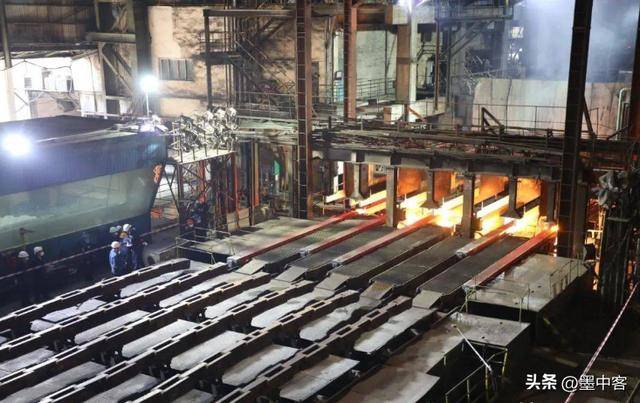
Core Viewpoint - The global special materials market is experiencing a significant downturn, primarily driven by a drastic drop in orders from Japanese companies and a price war initiated to regain market share, leading to prices being slashed to one-third of their original levels [1][31]. Group 1: Market Dynamics - Japanese companies are facing a sharp decline in orders, with long-term contracts becoming burdensome [1]. - The U.S. is actively seeking collaboration with China after being pressured in its previously monopolized sectors [1]. - The catalyst for this global supply chain disruption is not rare earths but rather high-purity iron, which is essential for advanced manufacturing [1]. Group 2: High-Purity Iron Significance - High-purity iron, specifically at the "5N" level, is crucial for high-end manufacturing, with impurities needing to be limited to 4.5 parts per million [3][9]. - The presence of even minor impurities in high-purity iron can lead to catastrophic failures in semiconductor manufacturing and aerospace applications [11][13]. Group 3: Historical Context and Challenges - Historically, only the U.S. and Japan possessed the technology for extreme purification of iron, leading to high prices and strict contractual limitations [5][7]. - These limitations included prohibitions on the use of high-purity iron for critical applications, effectively stifling China's manufacturing capabilities [7][14]. Group 4: Technological Breakthroughs - A Chinese research team developed a novel approach to produce high-purity iron by sourcing higher purity raw materials instead of relying solely on complex purification processes [16][18]. - The team achieved a significant breakthrough by creating a production line capable of generating 4N purity iron, with plans to reach 5N purity [21][29]. Group 5: Competitive Landscape - By 2025, the Chinese team successfully produced 200 tons of 5N high-purity iron, significantly undercutting Japanese prices, which were previously set at 200,000 RMB per ton [31]. - This shift in production capabilities has forced Japanese companies to lower their prices and prompted U.S. firms to seek partnerships with China [31][32]. Group 6: Broader Implications - The advancements in high-purity iron production are expected to have a ripple effect across the entire high-end manufacturing supply chain, establishing a comprehensive patent protection system that could hinder U.S. and Japanese attempts to replicate the technology [34].
北证50强势涨超3.2%,板块汇聚“专精特新”标的具有结构性机会
Sou Hu Cai Jing· 2026-01-23 03:31
Group 1 - The Beizheng 50 index continues its strong momentum from the end of 2025, showing a "volume increase and price rise" pattern, with a notable increase of 3.29% as of January 23, 2026 [1] - Key stocks contributing to this rise include Liancheng Numerical Control, which increased by 25.85%, Minshida by 14.89%, and Xingtum Measurement and Control by 13.55% [1] - The Beizheng 50 index is heavily concentrated in strategic emerging industries such as power equipment, machinery, computers, and electronics, which are aligned with advanced manufacturing and are expected to benefit from policy support and market demand [1] Group 2 - Since the implementation of the "19 measures for the deep reform of the Beijiao Exchange," the institutional supply has been continuously optimized, including a "small and fast" review channel for mergers and acquisitions, significantly shortening resource integration cycles [2] - The introduction of differentiated institutional frameworks aligns with the growth patterns of small and medium-sized enterprises, enhancing liquidity through the launch of market-making transactions [2] - Structural opportunities remain for "specialized, refined, unique, and innovative" companies in sectors like semiconductors and robotics, with a focus on strong performance certainty and clear policy benefits [2]
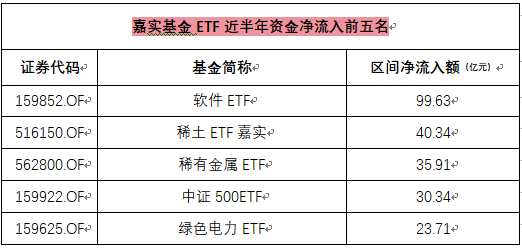
聪明钱涌入细分赛道 嘉实基金ETF前瞻布局把握高质量发展机遇
Zhong Guo Jing Ji Wang· 2026-01-23 03:22
Core Insights - The year 2025 marks a milestone for China's ETF market, with the overall scale surging from 3.73 trillion yuan at the end of 2024 to 6.02 trillion yuan, reflecting a growth rate of 61.4% [1] - The fund flow shows significant characteristics, with industry-themed ETFs and broad-based ETFs leading the way, highlighting a dual strategy of technology innovation and high dividend yields [1] Group 1: ETF Market Growth - By the end of 2025, the ETF market in China is projected to reach 6.02 trillion yuan, a substantial increase from 3.73 trillion yuan in 2024 [1] - The growth is driven by favorable policies and market recognition, indicating a robust future for ETF investments [1] Group 2: Performance of Jiashi Fund - Jiashi Fund's ETF products have diversified, with a total scale exceeding 369.6 billion yuan and 61 ETF products, of which 24 rank first in their respective categories [1] - The flagship product, the CSI 300 ETF, has a scale of 197.12 billion yuan, ranking first among similar products on the Shenzhen Stock Exchange [2] - The Jiashi Fund's innovative bond ETFs, particularly the Sci-Tech Bond ETF, have surpassed 43.67 billion yuan, becoming the largest in its category [2] Group 3: Thematic and Sector ETFs - Jiashi Fund's software ETF has reached a scale of nearly 14.5 billion yuan, becoming the largest in its index category, reflecting the growth potential of the software industry in the digital economy [3] - The rare metals ETF and rare earth ETF have also seen significant growth, with scales of 6.36 billion yuan and 9.26 billion yuan respectively, providing crucial links for investments in new energy and high-end manufacturing [3] - The Sci-Tech Chip ETF has a scale of 46.91 billion yuan, leading in its category and showcasing Jiashi Fund's strategic positioning in the semiconductor industry [3] Group 4: Cross-Border ETF Development - By the end of 2025, Jiashi Fund's cross-border ETF products have expanded, with the NASDAQ ETF reaching 10.07 billion yuan and the Germany ETF exceeding 2 billion yuan [4] - These products facilitate investments in U.S. tech stocks and European core economies, enhancing the fund's global investment matrix [4] Group 5: Future Outlook - Jiashi Fund aims to refine its index investment capabilities and continuously optimize its ETF product line to align with national strategies and technological innovations [5] - The focus is on providing efficient, precise, and high-quality investment tools to help investors seize market opportunities and achieve long-term wealth growth [5]
高端制造行业ETF双周报(20260105-20260116):航空主机增长趋势明确,商业航天关注业务壁垒
金融街证券· 2026-01-23 00:30
Investment Rating - The industry is rated as "Outperform" [3] Core Views - The core factory of Shenyang Aircraft Corporation (SAC) has been completed, and the scale of related transactions is expected to increase, indicating a faster production and delivery pace for 2026 [3][11] - The construction of the Shenyang Aerospace City is progressing rapidly, forming an aviation industry cluster [9] - China has submitted an application for frequency and orbital resources for 203,000 new satellites, indicating a significant opportunity in the commercial aerospace sector [12][13] Industry Performance - As of January 16, 2026, the Shanghai Composite Index rose by 3.35%, and the CSI 300 Index increased by 2.20% [19][24] - The defense and military industry index rose by 8.04%, ranking 6th out of 31 sectors [24] - The aerospace and defense sectors have shown strong performance, with the military leading the way with a 10.31% increase [19][22] Company Dynamics - Shenyang Aircraft Corporation expects its daily related transaction scale to reach 54.663 billion yuan in 2026, a 10.53% increase from 2025 [11] - Huafeng Co., Ltd. is focusing on solid-state batteries and backup power systems for intelligent computing centers, while its core component business has seen a decline [41] - Tianhe Defense is developing a low-altitude defense system and expanding into underwater and RF chip businesses [41] - Fuxin Technology has begun mass shipments of Micro TEC products for 400G/800G optical modules, with 1.6T optical modules in the validation stage [42]

四方达:公司目前也在持续关注PCD微钻在PCB板等高端制造领域的应用方向
Zheng Quan Ri Bao Wang· 2026-01-22 06:48
Core Viewpoint - The company, Sifangda (300179), emphasizes the advantages of its PCD micro-drills, which include long lifespan, high processing precision, and good surface finish, indicating a potential reduction in reliance on imported precision and ultra-precision machining tools in China's high-end manufacturing sector [1] Group 1 - The PCD micro-drills produced by the company are characterized by their longevity, high processing accuracy, and excellent surface quality [1] - The ongoing development of the PCD micro-drill industry is expected to gradually decrease the dependence of domestic high-end manufacturing on imported tools [1] - The company is actively monitoring the application of PCD micro-drills in high-end manufacturing areas such as PCB boards [1]
