
SaaS

Search documents
Avalon GloboCare Board Director Highlights RPM Interactive’s Automated Generative AI Video Creation Platform in Interview with ProactiveInvestors.com
Globenewswire· 2025-12-30 14:00
Core Viewpoint - Avalon GloboCare Corp. has acquired RPM Interactive, Inc., a generative AI publishing and software company, and is focusing on the development and commercialization of the Catch-Up platform, a SaaS solution for automated video generation [1][2]. Group 1: Acquisition and Leadership - Michael Mathews, CEO of RPM and a board member of Avalon, discussed the acquisition and its implications during an interview [1]. - The acquisition of RPM is part of Avalon's strategy to enhance its product offerings in the precision diagnostic consumer products sector [1]. Group 2: Catch-Up Platform Development - The Catch-Up platform is designed to automatically generate recap-style videos using generative AI applications and large language models [2]. - This platform will be marketed to content creators, media companies, and brands, allowing them to produce videos without manual editing or technical expertise [3]. Group 3: Marketing and Product Integration - Avalon plans to utilize the Catch-Up platform to support marketing initiatives for its KetoAir™ breathalyzer, which is FDA-registered and aimed at helping consumers manage their wellness [4]. - The integration of the Catch-Up platform is expected to enhance the volume of video content produced by content creators, thereby increasing engagement and visibility [3].



2025:中国ToB告别“幻觉时代”
3 6 Ke· 2025-12-26 01:35
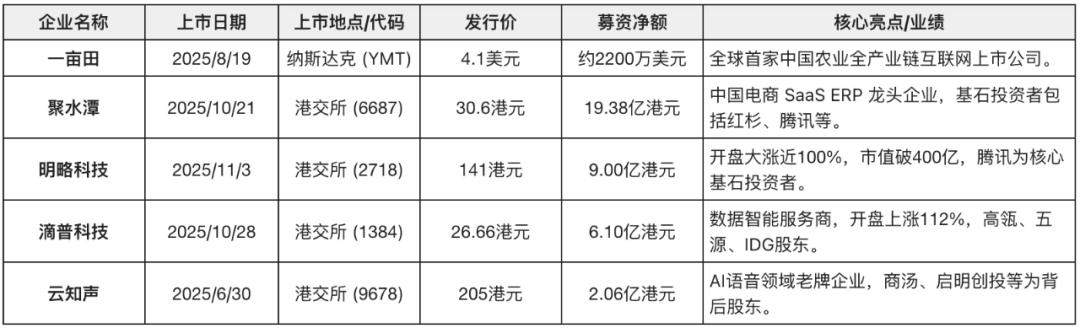
Core Insights - The Chinese ToB industry is undergoing a significant transformation, moving from a phase of "default growth" to a more competitive environment where survival requires proven operational capabilities [1][2][24] - The year 2025 marks a critical turning point, with many companies either successfully listing or facing bankruptcy, highlighting the stark realities of the market [1][4][24] Group 1: Market Dynamics - The ToB sector is experiencing a shift from "story premium" to quality-driven listings, with several companies successfully going public, including Yizhitian and Jushuitan [3][4] - The capital market is no longer rewarding mere narratives; companies must demonstrate self-sustainability and explore various exit strategies to attract investment [2][5] Group 2: Listing Trends - A wave of IPOs and listing preparations is evident in 2025, with companies like Yizhitian and Jushuitan leading the charge, indicating a reconnection with capital markets after years of adjustment [4][5] - The current IPO cycle differs from previous ones, focusing on established revenue models and customer bases rather than just high growth potential [4][5] Group 3: Exit Strategies - New exit pathways are emerging, such as control transfers, which provide alternative options for companies beyond traditional IPOs and mergers [5][6] - The case of Zhenai Meijia illustrates a shift towards control transactions, offering a new model for software companies and their early investors [5][6] Group 4: Strategic Investments - Companies like Pinming Technology are introducing strategic investors while maintaining control, reflecting a trend towards non-control capital infusion in a tightening capital environment [7][8] - This approach allows companies to secure long-term funding without altering governance structures, presenting a viable option for growth [8] Group 5: Mergers and Acquisitions - The focus of mergers is shifting from mere scale expansion to enhancing core capabilities and customer value through strategic integrations [10][11] - Notable acquisitions, such as Beisen's purchase of Cool Academy, demonstrate a trend towards integrating complementary services rather than just expanding product lines [9][10] Group 6: Major Corporate Moves - Tencent's acquisition of a controlling stake in SalesEasy marks a significant shift in its involvement in the SaaS sector, moving from an investor to a direct operational role [11][12] - This move provides SalesEasy with a more stable growth trajectory and access to Tencent's resources, setting a precedent for other SaaS companies [12] Group 7: Financial Performance - Companies like Beisen and Youzan are showing signs of financial recovery, with improved revenue and profitability metrics, indicating a broader trend towards financial health in the sector [15][16] - The industry is witnessing a collective movement towards achieving profitability, with many firms reporting reduced losses and positive cash flow [16][18] Group 8: AI Integration - Manus, an AI-native product, achieved remarkable success with a rapid international expansion and significant annual recurring revenue (ARR) growth, showcasing the potential of AI in the software market [19][21] - The swift transition of Manus from product launch to global market presence exemplifies a new standard for success in the AI sector [21] Group 9: Industry Challenges - The year 2025 has revealed the harsh realities of the industry, where companies must prove their ability to survive amidst tightening capital and increasing operational pressures [13][14][24] - The competitive landscape is forcing companies to reassess their cost structures and customer quality, emphasizing the need for sustainable business practices [14][24]

一片录音卡,重写大厂硬件故事
3 6 Ke· 2025-12-25 06:37
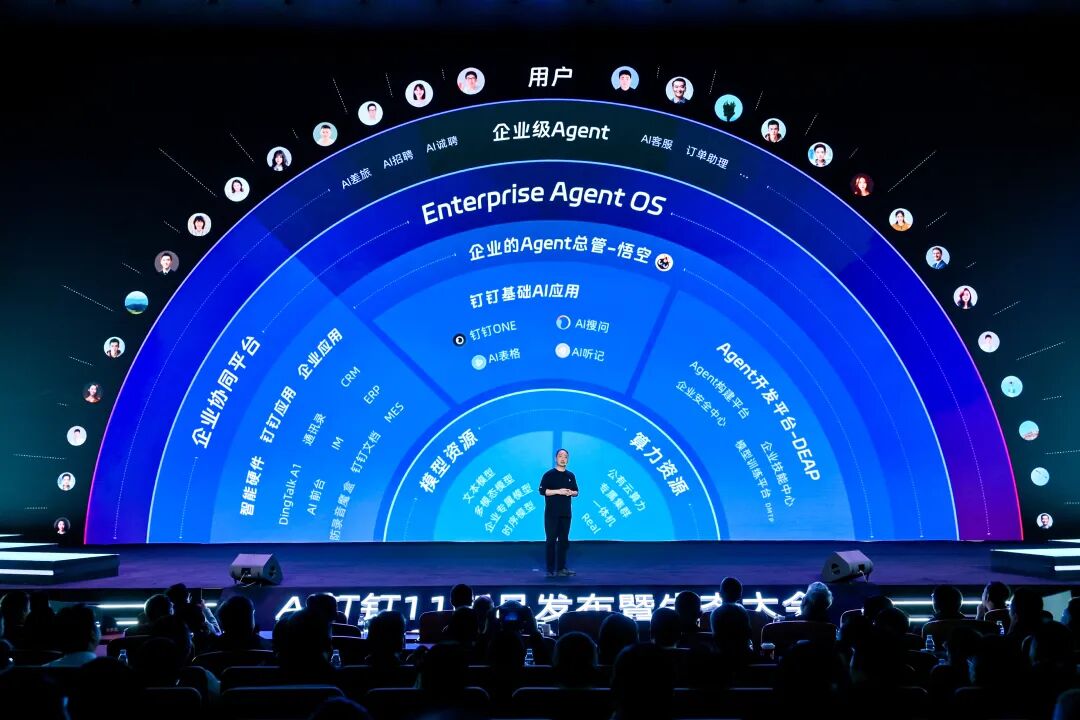
Group 1: AI Hardware Industry Trends - The AI hardware industry continues to thrive, with significant investments and developments occurring throughout 2025, including OpenAI's acquisition of io Products for $6.5 billion and the emergence of companies like YingShi Innovation, which reached a market cap of over 100 billion [1] - In the first half of 2025, there were 114 financing events in China's embodied intelligence and AI hardware sector, totaling over 14.5 billion yuan, with May alone seeing over 50% of all funding directed towards AI hardware [1] - Major companies like Alibaba, ByteDance, and Meituan have launched their own hardware products, marking the beginning of a competitive landscape in China's AI hardware industry [1] Group 2: DingTalk's AI Hardware Launch - DingTalk held its second product launch in six months, introducing Agent OS and the DingTalk Real hardware, which enables AI agents to perform tasks securely in enterprise environments [2] - The DingTalk A1 has quickly gained popularity, becoming a leading product in the domestic AI hardware market, challenging the notion that internet companies cannot successfully produce hardware [2][4] - The A1's development was rapid, with the team identifying the recording card product within a week, aiming for a successful transition to AI hardware [5] Group 3: Market Competition and Product Development - The recording card market is competitive, with players like Plaud dominating overseas and other companies like iFlytek and 360 entering the domestic market [6] - DingTalk must address key questions regarding the unique characteristics of AI hardware, the value of data generated, and the reasons for consumers to choose their products [6] - The A1 product faced initial criticism as a "half-finished product," prompting the team to engage in rapid iterations and user feedback to improve its reputation [7] Group 4: AI Integration and Data Utilization - The A1 is positioned as a data collection device within DingTalk's AI ecosystem, transforming recorded data into valuable assets for enterprises [10][11] - The integration of AI into business workflows allows for real-time data analysis and actionable insights, enhancing operational efficiency [11] - The A1's design includes a physical button for easy access to AI capabilities, indicating a strategic move towards seamless user interaction with AI agents [12][13] Group 5: Future Outlook and Industry Impact - DingTalk's AI hardware initiative represents a significant step towards making AI accessible for all, particularly for small and medium enterprises [17] - The competitive landscape is shifting, with major companies focusing on hardware that aligns with their core business strengths, as seen with DingTalk's approach [18] - The success of DingTalk A1 and similar products may redefine user interactions with AI in office environments, leading to a potential reshaping of the industry [16][19]

Cheniere Energy Partners: Strong Income Play, With Potential For More In The Future
Seeking Alpha· 2025-12-22 13:30
Core Insights - Cheniere Energy Partners (CQP) is a partnership formed by Cheniere Energy, focusing primarily on the assets at Sabine Pass, which is a strategic LNG facility [1] Company Overview - Cheniere Energy is recognized as one of the largest energy companies in the United States [1] - The partnership CQP is specifically involved with the operations and assets related to liquefied natural gas (LNG) [1] Analyst Background - The analyst has over a decade of experience in financial markets, primarily in hedge funds, with a focus on sectors like technology, particularly SaaS and cloud businesses [1] - The analyst emphasizes rigorous standards in investment decisions and conducts independent research [1]


天下苦SaaS已久,企业级AI得靠「结果」说话
量子位· 2025-12-22 04:41
Core Viewpoint - The article discusses the shift from traditional SaaS models to RaaS (Result as a Service) in the AI industry, highlighting the challenges and opportunities in deploying AI solutions for enterprises [2][35]. Group 1: Challenges in SaaS and AI Deployment - Service providers are struggling with high inference costs and inconsistent delivery quality, leading to a decline in the attractiveness of SaaS in the AI era [2][8]. - Traditional paths for deploying AI involve high upfront costs and significant trial-and-error expenses, which deter many potential customers from adopting AI solutions [11][15]. - The complexity of integrating new AI systems with existing infrastructure adds to the challenges faced by enterprises [12][17]. Group 2: Emergence of RaaS - RaaS is seen as a promising alternative to SaaS, focusing on paying for results rather than just tools, which aligns better with customer needs [39][40]. - The Results Cloud by BaiRongYunChuang offers a comprehensive solution that includes infrastructure, an operating system, and an application store, addressing the pain points of traditional AI deployment [16][34]. - RaaS encourages a collaborative relationship between service providers and clients, transforming the dynamic from a client-vendor relationship to a partnership [42][44]. Group 3: Results Cloud Architecture - The Results Cloud is structured in three layers: BaiJi (infrastructure), BaiGong (operating system), and BaiHui (application store), each serving a specific purpose in the AI deployment process [19][29]. - BaiJi provides a marketplace for AI infrastructure, offering pre-packaged models and computing power without exposing the underlying complexity to clients [20][21]. - BaiGong acts as a central hub that filters and optimizes the combination of models and computing resources, significantly reducing decision-making costs for clients [25][26]. Group 4: Performance Measurement and Compensation - The Results Cloud aligns the performance metrics of AI employees with human employees, allowing for a more straightforward evaluation of effectiveness [46]. - Compensation models for AI employees can include task-based pricing, value-sharing agreements, or fixed salaries, ensuring that clients only pay for actual results [48][49]. - This approach mitigates concerns about upfront costs, encouraging clients to trial AI solutions without financial risk [52]. Group 5: Ecosystem Development - BaiRongYunChuang emphasizes the importance of building an ecosystem for AI solutions, inviting third-party developers to contribute to the platform [57][59]. - The company aims to create a "Silicon-based Productivity Alliance" to foster collaboration and innovation in the AI space [59][60]. - By leveraging its established technology and client base, BaiRongYunChuang seeks to facilitate market opportunities for developers and enhance the overall AI ecosystem [62][63].

This Software Stock Is Down 20% in a Year and Just Became One Fund's $6 Million Bet
The Motley Fool· 2025-12-21 00:15
Company Overview - Clearwater Analytics is a leading provider of cloud-based investment accounting and analytics software, serving a diverse institutional client base [6] - The company leverages a scalable SaaS platform to deliver automated, real-time investment data solutions that streamline compliance, performance measurement, and risk management [6] - Clearwater Analytics operates a subscription-based business model, generating recurring revenue from cloud-based software offerings tailored for investment data management and analytics [9] Financial Performance - For the third quarter, Clearwater Analytics reported revenue of $205.1 million, up 77% year over year, and adjusted EBITDA increased 84% to $70.7 million, with margins expanding to 34.5% [10] - Annualized recurring revenue reached $807.5 million, up 77%, while net revenue retention held at a solid 108% [10] - The company has strong cash flow, allowing for $40 million in debt repayment during the quarter, and management reiterated full-year guidance of approximately $730 million in revenue and $247 million in adjusted EBITDA [10] Market Position - Clearwater Analytics' stock price as of the last market close was $22.25, reflecting a 20% decline over the past year, underperforming the S&P 500, which is up 16.5% in the same period [3][4] - The new position taken by TFJ Management in Clearwater Analytics, acquiring 357,043 shares valued at $6.43 million, represents 4.3% of the fund's reportable assets at quarter-end [2][3] - The investment by TFJ Management suggests a focus on the quality of the business rather than a short-term stock price movement, indicating confidence in Clearwater Analytics' long-term growth potential [7]


小摩:首予聚水潭(06687)“增持”评级 目标价37港元
智通财经网· 2025-12-19 06:13
Core Viewpoint - Morgan Stanley initiates coverage on Jushuitan (06687) with an "Overweight" rating and a target price of HKD 37, highlighting its standout growth in China's fragmented e-commerce sector [1] Group 1: Company Performance - Jushuitan is noted for its ability to outperform most software peers and its vertical sector, while maintaining strong profitability [1] - The company is one of the few SaaS providers in China with a high customer retention rate, indicating sustainable revenue growth and profitability [1] Group 2: Financial Projections - Revenue is expected to grow at a compound annual growth rate (CAGR) of 23% from 2024 to 2027 [1] - By 2027, the non-International Financial Reporting Standards (IFRS) net profit margin is projected to reach 29% [1] Group 3: Valuation and Investment Outlook - The valuation of Jushuitan is considered attractive, positioning it as one of the preferred stocks in the industry [1]
The Williams Companies: Overlooked Midstream Champion (NYSE:WMB)
Seeking Alpha· 2025-12-17 22:06
Core Insights - The Williams Companies, Inc. (WMB) is often overlooked in discussions about midstream companies, despite its reliable revenue generation in the industry [1] Company Overview - Williams Companies operates in the midstream sector, which is characterized by stable revenue streams [1] Analyst Background - The analyst has over a decade of experience in financial markets, primarily in hedge funds, and emphasizes a rigorous research approach [1]


The Williams Companies: Overlooked Midstream Champion
Seeking Alpha· 2025-12-17 22:06
Core Insights - The Williams Companies, Inc. (WMB) is often overlooked in discussions about midstream companies, despite its reliable revenue generation in the industry [1]. Company Overview - Williams Companies operates within the midstream sector, which is characterized by stable revenue streams [1]. Analyst Background - The analyst has over a decade of experience in financial markets, primarily in hedge funds, and emphasizes a rigorous research approach [1]. - The analyst specializes in technology sectors, particularly SaaS and cloud businesses, which are noted for their growth potential [1].

Block, Inc (XYZ) Discussed Multiple Times By Analysts
Yahoo Finance· 2025-12-17 20:24
Group 1 - Block, Inc. (NYSE:XYZ) is recognized as one of the best SaaS stocks trading at a discount [1] - TD Cowen maintains a Buy rating with a $91 share price target, calling Block a "Best Idea for 2026" due to expected mid-teen percentage growth in gross profit [2] - RBC Capital expressed optimism after Block's Investor Day, maintaining a $90 share price target and an Outperform rating, highlighting the potential of Block's Proto mining business [3] Group 2 - UBS also kept a Buy rating and a $90 share price target, citing confidence in growth from Square and CashApp, and noted that Block has expanded to 26 revenue streams generating $100 million in gross profit, a significant increase from five revenue streams in 2020 [4]