绿色低碳转型

Search documents
上半年电力消费平稳回升 供需总体平衡转型加快
Jing Ji Ri Bao· 2025-08-08 03:51
电力是经济社会高质量发展的关键变量。中国电力企业联合会近日发布的《2025年上半年全国电力供需 形势分析预测报告》显示,上半年,电力行业企业全力以赴抓好保电保暖保供工作,全国电力系统安全 稳定运行。 一季度,气温整体偏暖,电力供应整体充足,全国供需平衡有余。二季度,共有3轮高温过程影响华 北、西南等地区,中东部地区出现区域性高温过程,拉动部分省份用电负荷屡创新高,电力供应方面整 体充足,供需总体平衡。 电力消费平稳回升 面对日益增长的用电需求和"双碳"目标,我国大力推进新型电力系统建设,电力供给保障能力持续提 升,新能源持续快速发展,电力行业绿色低碳转型成效显著。 风电和太阳能发电继续保持电力新增装机的主力军地位。上半年,全国新增发电装机容量2.9亿千瓦, 其中新增风电和太阳能发电装机容量分别达到0.5亿千瓦、2.1亿千瓦,二者合计新增装机容量较上年同 期翻了一番。从结构来看,新增太阳能发电装机占全国总量的比重超过七成,风电和太阳能发电合计新 增装机占比近九成,达到89.9%,继续在电力新增装机中发挥主力作用。 用电量是国民经济发展的"晴雨表"。今年上半年,全国全社会用电量4.84万亿千瓦时,同比增长3.7% ...
辽河石化公司:以“稳优新特”作答半年考
Zhong Guo Hua Gong Bao· 2025-08-08 03:09
Core Viewpoint - Liaohe Petrochemical Company has actively responded to market changes in 2023, leveraging its unique resources and technological advantages to focus on "stability, optimization, innovation, and specialty" in its operations, achieving significant production milestones in the first half of the year [1] Group 1: Stability - The company emphasizes stability as a foundation for development, implementing strict management and quality control measures, and enhancing safety and environmental standards [2] - Liaohe Petrochemical has made progress in addressing issues raised by central environmental inspections and is committed to improving its QHSE (Quality, Health, Safety, and Environment) management system [2] Group 2: Optimization - The company focuses on optimizing crude oil resource allocation and production management, achieving a 100% operational stability rate, the highest in China's petroleum refining sector [3] - Liaohe Petrochemical has made significant strides in quality improvement and efficiency enhancement, completing 65.56% of its annual targets in these areas by mid-year [3] - The company has implemented cost control measures and energy-saving initiatives, maintaining a gasoline and diesel yield of 30.82%, the best among China National Petroleum Corporation [3] Group 3: Innovation - Liaohe Petrochemical has increased its investment in research and development, achieving notable technological advancements, including the industrial trial production of low-temperature refrigerants and the development of new products [4] - The company is advancing key projects, such as the hydrogen production carbon dioxide recovery project, and has successfully launched a centralized ERP system [4] Group 4: Specialty - By 2025, Liaohe Petrochemical aims to deepen its "reduce oil and increase specialty" strategy, focusing on the development of specialty products and enhancing product value and market competitiveness [5] - The company has made significant improvements in asphalt performance and has successfully applied its products in various high-profile projects, demonstrating its commitment to quality and customer satisfaction [5]
光伏行业密集利好持续,光伏ETF基金(159863)上涨近1%
Xin Lang Cai Jing· 2025-08-08 03:08
Core Viewpoint - The photovoltaic industry is experiencing positive developments driven by new regulatory measures aimed at energy consumption standards, which are expected to lead to industry transformation and consolidation [1][2][3]. Group 1: Regulatory Developments - The National Development and Reform Commission and the State Administration for Market Regulation have drafted a consultation document on the revision of the Price Law, which is currently open for public feedback [1]. - The Ministry of Industry and Information Technology has issued a special energy-saving inspection task list for the polysilicon industry for 2025, focusing on "comprehensive energy consumption per unit product" as a key inspection criterion [2]. Group 2: Industry Transformation - The energy consumption standards and strict inspections are expected to accelerate the elimination of outdated production capacity, optimizing industry competition structure and resource allocation [2]. - Companies that fail to meet new energy consumption standards may face elimination or mandatory rectification, which will enhance overall industry efficiency [1][2]. Group 3: Technological Upgrades - The push for higher energy consumption standards will compel companies to invest more in cost reduction and efficiency-enhancing technologies, as well as to adopt green electricity to lower carbon emissions [2][3]. - This shift is anticipated to increase the proportion of green electricity used in the industry, supporting the overall green and low-carbon development goals of the photovoltaic sector [2]. Group 4: Market Dynamics - The exit of inefficient production capacity and potential tightening of new capacity approvals are expected to suppress the supply expansion of polysilicon, while global photovoltaic installation demand remains robust [3]. - This dynamic improvement in supply and demand is likely to reverse the recent trend of oversupply and declining prices, leading to a recovery in product prices and profitability for companies in the photovoltaic industry [3]. Group 5: Industry Index and ETF - The CSI Photovoltaic Industry Index (931151) has shown a positive performance, with significant gains in constituent stocks such as Sungrow Power (300274) and LONGi Green Energy (601012) [1][4]. - The index reflects the overall performance of listed companies involved in the photovoltaic industry chain, with the top ten weighted stocks accounting for 56.16% of the index [4].




南钢股份股价微跌0.87% 钢铁行业利润同比改善63%
Jin Rong Jie· 2025-08-07 17:39
Group 1 - The stock price of Nanjing Steel Co., Ltd. closed at 4.54 yuan on August 7, 2025, down 0.87% from the previous trading day, with a trading volume of 119 million yuan [1] - Nanjing Steel operates in the steel industry, focusing on steel smelting, processing, and sales, with applications in construction, machinery, and energy sectors [1] - The company is advancing its green low-carbon transformation and exploring digital technology applications, recently launching the "Yuan Ye · Steel Big Model" to integrate AI with industrial scenarios [1] Group 2 - In the first half of 2025, the total profit of the steel industry increased by 63.26% year-on-year, driven by self-discipline in production and improved supply-demand relationships [1] - Key steel enterprises have steel inventory at a near four-year low, with structural growth in demand for steel in high-end manufacturing and new energy sectors [1] - On August 7, Nanjing Steel experienced a net outflow of 5.33 million yuan in main funds, but had a cumulative net inflow of 20.52 million yuan over the past five days [2]

中国海油: 中国海洋石油有限公司关于2024年度“提质增效重回报”行动方案评估报告暨2025年度“提质增效重回报”行动方案的公告
Zheng Quan Zhi Xing· 2025-08-07 11:10
证券代码:600938 证券简称:中国海油 公告编号:2025-023 中国海洋石油有限公司 关于 2024 年度"提质增效重回报"行动方案 评估报告暨 2025 年度"提质增效重回报" 行动方案的公告 本公司董事会及全体董事保证本公告内容不存在任何虚假记载、误导性陈述或者 重大遗漏,并对其内容的真实性、准确性和完整性承担法律责任。 中国海洋石油有限公司("公司")践行"以投资者为本"的理念,为积极 响应上海证券交易所《关于开展沪市公司"提质增效重回报"专项行动的倡议》, 公司于 2024 年 7 月制定并发布了《2024 年度"提质增效重回报"行动方案》, 将提质增效与投资者回报纳入常态化经营管理,进一步推动公司高质量发展,切 实履行上市公司责任,保障投资者权益。公司董事会于 2025 年 8 月 7 日以书面 决议方式审议通过 2024 年度"提质增效重回报"行动方案评估报告暨 2025 年度 "提质增效重回报"行动方案,现报告如下: 第一部分 2024 年度"提质增效重回报"行动方案评估报告 一、 坚持增储上产与成本管控,持续提升资产创效能力 一是增储上产成效显著,油气开发再创佳绩。公司坚持以寻找大中型 ...

"新石油"有望改写能源版图
Jing Ji Ri Bao· 2025-08-07 05:22
Group 1 - The global first green ship fuel ammonia refueling operation was successfully completed in Dalian, marking a significant step towards the "new oil" era [1] - The fuel used in this operation comes from the world's largest green hydrogen project developed by Envision Energy in Inner Mongolia, demonstrating the feasibility of green ammonia as a substitute for fossil fuels [1] - The energy landscape is shifting as countries seek alternatives to oil, with green hydrogen, green ammonia, and other renewable energy sources being positioned as key options for sustainable development [2][3] Group 2 - The term "new oil" refers to renewable energy sources such as green hydrogen, green ammonia, and biofuels, which have high energy density and are environmentally friendly [2] - The global push for green fuels is being accelerated by the EU and resource-rich countries like Saudi Arabia and Australia, with China emerging as a leader in the development of green hydrogen projects [3] - The transition to "new oil" requires advanced intelligent power systems to stabilize production from variable renewable energy sources, as exemplified by the intelligent control systems used in the Envision project [3] Group 3 - The competitive landscape for energy is undergoing profound changes, with a need for strategic investment in innovation and the establishment of low-cost pathways across the entire supply chain for "new oil" [4] - Enhancing the supply and application capabilities of "new oil" and fostering international cooperation are essential for making it a globally accessible green energy source [4]
中经评论:“新石油”有望改写能源版图
Jing Ji Ri Bao· 2025-08-07 00:09
Core Insights - The successful completion of the world's first green ship fuel ammonia refueling operation in Dalian marks a significant step towards the "new oil" era, utilizing green ammonia as a substitute for fossil fuels [1][2] - The term "new oil" refers to renewable energy sources such as green hydrogen, green ammonia, green methanol, and bio-aviation fuel, which are seen as viable alternatives to traditional fossil fuels [2][3] - China is positioned as a leader in the development of green hydrogen and ammonia projects, with significant investments and advancements in technology to stabilize production from renewable energy sources [3][4] Group 1 - The green ammonia refueling operation was conducted by Sinopec and CNOOC, utilizing fuel from a large green hydrogen project in Inner Mongolia [1] - The transition to "new oil" is driven by the need for energy security and sustainable development in the context of global climate change [2] - The energy density and environmental benefits of green hydrogen and ammonia make them suitable for industries like aviation and shipping [2][3] Group 2 - The production of "new oil" requires advanced intelligent power systems to convert unstable renewable energy into stable fuel sources [3] - China’s advancements in smart control systems allow for real-time monitoring and flexible production, enhancing the stability of "new oil" production [3] - Challenges remain, including high production costs for green hydrogen and the need for improved infrastructure and unified international standards [3][4] Group 3 - The global competition for "new oil" is reshaping the energy landscape, necessitating strategic investments and innovation to enhance supply and application capabilities [4] - There is a call for deepening international cooperation to ensure that "new oil" becomes a globally accessible green energy source [4]
单菁菁:建设绿色低碳的美丽城市
Jing Ji Ri Bao· 2025-08-07 00:02
Group 1 - The core viewpoint emphasizes the importance of building green and low-carbon beautiful cities as a key practice of Xi Jinping's ecological civilization thought, which is essential for sustainable development in China [1][2] - The shift from a materialistic to a human-centered approach in urban development is highlighted, focusing on creating a harmonious living environment for people [2][3] - The need for optimizing urban spatial structure is stressed, advocating for a systematic approach to urban planning that integrates production, living, and ecological spaces [3][4] Group 2 - The transition to a green and low-carbon model is identified as a core pathway for building beautiful cities, emphasizing ecological priority and green development throughout urban planning and management [4] - The promotion of renewable energy sources and the development of efficient public transportation systems are crucial for achieving low-carbon urban environments [4] - The importance of transforming industrial structures and fostering circular economies is underscored to enhance urban sustainability [4]
“新石油”有望改写能源版图
Jing Ji Ri Bao· 2025-08-06 21:58
Core Viewpoint - The successful completion of the world's first green ship fuel ammonia refueling operation in Dalian marks a significant step towards the era of "new oil," which refers to renewable energy sources like green hydrogen, green ammonia, and biofuels that can replace fossil fuels [1][2]. Group 1: New Energy Development - The green ammonia used in the operation comes from the world's largest green hydrogen project developed by Envision Energy in Inner Mongolia, demonstrating the feasibility of an end-to-end green ammonia supply chain [1]. - The term "new oil" encompasses renewable energy sources produced from renewable electricity, including green hydrogen, green ammonia, green methanol, and biofuels, which are seen as key options for ensuring energy security and sustainable development [2]. Group 2: Competitive Advantages - "New oil" has a relatively high energy density, making it suitable for industries like aviation and shipping, and is produced using renewable energy, aligning with global low-carbon development goals [2]. - The availability of raw materials for producing "new oil" is abundant, with hydrogen generated through water electrolysis and ammonia synthesized from nitrogen and hydrogen [2]. Group 3: Global Energy Landscape - The rise of "new oil" is expected to reshape the global energy landscape, allowing countries to reduce dependence on specific fossil fuel regions and utilize local renewable resources for production [2][3]. - China is positioned as a leader in the "new oil" sector, with significant investments in green hydrogen and ammonia projects, and is developing smart power systems to stabilize production from variable renewable energy sources [3]. Group 4: Challenges Ahead - Despite the momentum, challenges remain, including the high cost of green hydrogen, the need for improved infrastructure, and the lack of unified international standards, which complicate trade and application [3]. - Continuous innovation and strategic investment are necessary to enhance the supply and application capabilities of "new oil" and to foster international cooperation [4].
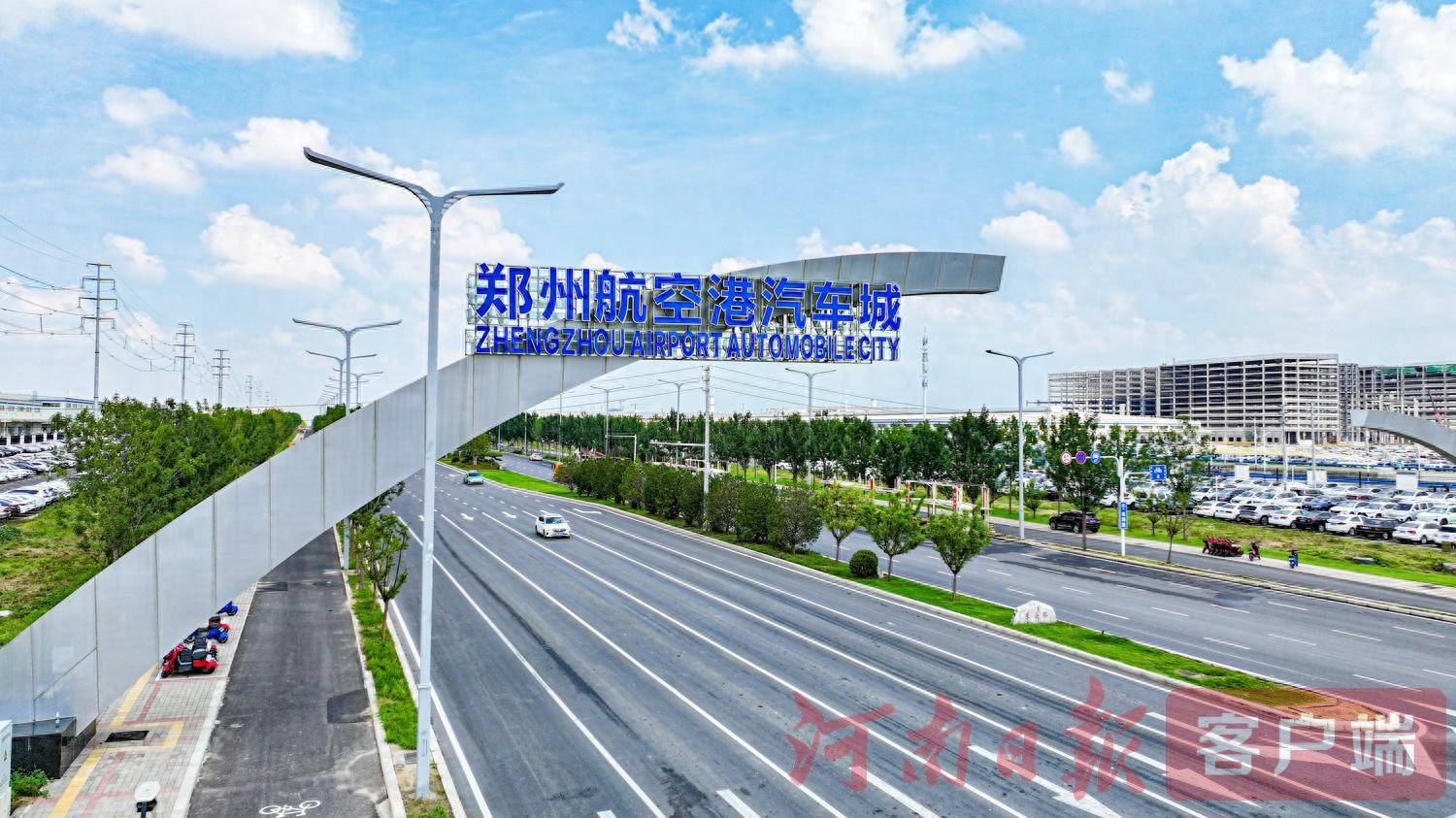
计划投资超23亿!汉象环能加码郑州航空港汽车城
Sou Hu Cai Jing· 2025-08-06 12:18
Group 1 - Hanxiang Environmental Energy recently established a wholly-owned subsidiary in Zhengzhou Airport Economic Comprehensive Experimental Zone, marking a significant step in attracting high-quality foreign investment and advancing green low-carbon industries in the region [1][4][10] - The new subsidiary, Zhengzhou Qingyun Zhenqing Energy Storage Co., Ltd., has a registered capital of 13 million Singapore dollars (approximately 70 million RMB) and focuses on green smart energy and ecological environment project investments [6][4] - The project aims to invest approximately 2.35 billion RMB, covering around 100 acres, primarily serving the automotive parts manufacturing and logistics enterprises in Zhengzhou Airport [7][9] Group 2 - The core of the project involves constructing large-scale energy storage facilities, including lithium iron phosphate battery storage systems and all-vanadium flow battery storage systems, enhancing grid flexibility and stability [9] - The project will also establish a dedicated charging network with 150 heavy-duty truck charging stations that support vehicle-to-grid (V2G) technology, aiming for large-scale application breakthroughs in the heavy-duty truck sector [9] - Upon completion, the project is expected to generate an annual revenue of 690 million RMB and contribute 70 million RMB in taxes, significantly reducing energy costs for local enterprises and increasing their compliance with green electricity usage [9][12] Group 3 - Zhengzhou Airport is actively optimizing its business environment and developing strategic emerging industries, evidenced by the establishment of Hanxiang Environmental Energy's project [10][12] - The local government is providing tailored support for the project, including policy consultation and resource coordination, to ensure the successful establishment and retention of foreign enterprises [12][13] - The project is anticipated to bring considerable investment, tax revenue, and job opportunities to the region, while also contributing to the green low-carbon transformation and industrial upgrading in Henan Province [13][10] Group 4 - Zhengzhou Airport has become a favored investment destination for foreign capital, with Hanxiang Environmental Energy's investment providing new momentum for the automotive city’s development [10][15] - The region has seen a rapid increase in the electric vehicle industry, with over twenty automotive industry chain enterprises established by early 2025, covering various sectors such as battery production and automotive components [15][17] - The local government is committed to fostering a competitive environment for the new energy vehicle industry, aiming to create a trillion-level industrial cluster [17]