人工智能(AI)

Search documents
专访沙特交易所CEO:中国在AI等领域吸引了全球资本
Zheng Quan Shi Bao· 2025-11-14 11:19
Core Insights - The Saudi Stock Exchange (Tadawul) is actively inviting Chinese investment institutions to participate in its capital market, highlighting the increasing bilateral interaction between China and Saudi Arabia's capital markets [1][2][3] - The collaboration has progressed to practical stages, including the launch of cross-border ETF products and ongoing discussions about dual listings and cross-listing of companies [1][3][5] - The CEO of Tadawul emphasized the importance of China's economic characteristics and its leading position in high-tech industries as focal points for collaboration [2][3] Group 1: Market Collaboration - The Saudi Stock Exchange has signed memorandums of understanding with both the Shanghai and Shenzhen stock exchanges, as well as the Hong Kong Stock Exchange, to explore joint listings and fintech cooperation [1][3] - The market capitalization of the Saudi Stock Exchange has reached $2.6 trillion, with over $100 billion of investments coming from international investors [3] - There has been a notable increase in interest from top Chinese asset management companies regarding the Saudi capital market [3][5] Group 2: ETF and Cross-Listing Developments - The Saudi Stock Exchange has introduced several ETFs linked to Saudi securities, with one becoming the largest ETF product in Saudi Arabia [3][5] - Recent regulatory approvals for Saudi Depositary Receipts (SDRs) have opened doors for Chinese companies to pursue cross-listing in Saudi Arabia [5] - The exchange is working on launching more ETFs that cover various dimensions of the China-Saudi capital markets [3][5] Group 3: Future Cooperation and Industry Focus - The CEO of Tadawul expressed optimism about future cooperation, particularly in the areas of artificial intelligence (AI) and complementary industries [6] - There is a strong focus on aligning the development strategies of companies seeking to cross-list in Saudi Arabia with the Saudi Vision 2030 [5] - Ongoing discussions with various Chinese exchanges aim to expand cooperation and facilitate bilateral investments [6]
专访沙特交易所CEO:中国在AI等领域吸引了全球资本
证券时报· 2025-11-14 11:10
Core Viewpoint - The article emphasizes the growing collaboration between China and Saudi Arabia in capital markets, particularly in high-tech sectors and financial technology, with a focus on cross-listing and ETF products [1][2][5]. Group 1: Capital Market Cooperation - The Saudi Stock Exchange (Tadawul) has signed memorandums of understanding with both Shanghai and Shenzhen stock exchanges, as well as the Hong Kong Stock Exchange, to explore joint listings and fintech collaborations [2][6]. - There has been significant progress in cross-border ETF products, with multiple ETFs launched that link the two markets, indicating a solid foundation for future cooperation [6][8]. - The market capitalization of the Saudi Stock Exchange has reached $2.6 trillion, with over $100 billion in investments from international investors, highlighting its attractiveness to foreign capital [5][6]. Group 2: Investment Opportunities - Saudi Arabia's Vision 2030 is a key driver for attracting Chinese investment, with the country positioning itself as a prime investment destination [5][7]. - The introduction of regulations for Saudi Depositary Receipts (SDRs) has opened doors for Chinese companies to consider cross-listing in Saudi Arabia, aligning with the Vision 2030 goals [8][9]. - The article mentions that there is a growing interest from top Chinese asset management firms in the Saudi capital market, indicating a potential increase in bilateral investments [5][6]. Group 3: Future Prospects - The future collaboration between China and Saudi Arabia is expected to expand into more ETF products and further open investment channels between the two markets [9]. - There is a strong focus on artificial intelligence (AI) as a complementary industry for collaboration, with both countries recognizing its potential for growth and investment [9]. - The Saudi Stock Exchange is actively engaging with Chinese exchanges to explore further cooperation, with potential agreements on the horizon [9].

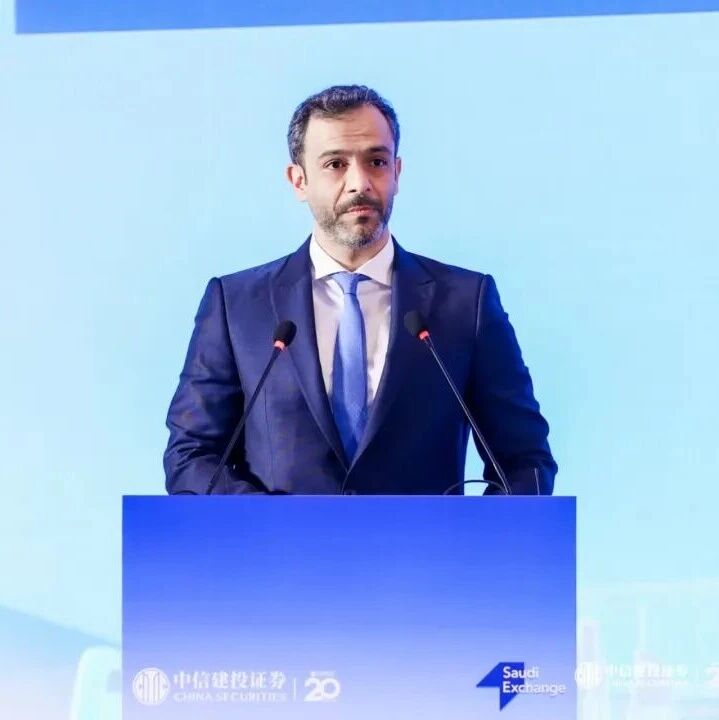
G20国家受关税影响贸易额创WTO观测史上最大增幅,后续会怎样?|全球贸易观察
Di Yi Cai Jing· 2025-11-14 10:35
Group 1 - The trade volume affected by tariffs among G20 countries has increased approximately fourfold compared to the previous reporting period, marking the largest increase in WTO trade monitoring history [1][4] - During the period from mid-October 2024 to mid-October 2025, 14.3% of imported goods in G20 countries (approximately $2.599 trillion) are impacted by tariffs and other measures, which is more than four times the previous record of $599 billion [4] - The WTO reported that a total of 185 measures are affecting trade valued at approximately $2.9 trillion, compared to $829 billion in the previous G20 report [4] Group 2 - G20 countries have implemented 184 new trade facilitation measures covering about $2.055 trillion in trade, nearly double the previous report's $1.07 trillion [5] - In the services trade sector, G20 countries introduced 52 new measures, with over two-thirds aimed at promoting trade [5] - The WTO noted that despite rising trade barriers, there is a continued dialogue among members rather than retaliatory actions [5] Group 3 - The WTO economists predict a global goods trade growth rate of 2.4% for 2025, but this forecast has been significantly downgraded to 0.5% for 2026 [6] - Oxford Economics reported a slowdown in global trade growth from 4% in 2025 to 1% in 2026, with U.S. tariffs impacting trade performance differently across countries [7] - The uncertainty surrounding trade policies is expected to have a negative impact on investment, with trade policy uncertainty remaining above long-term averages [7][8]
软银集团押注AI,对OpenAI出资比例将达11%
日经中文网· 2025-11-14 08:00
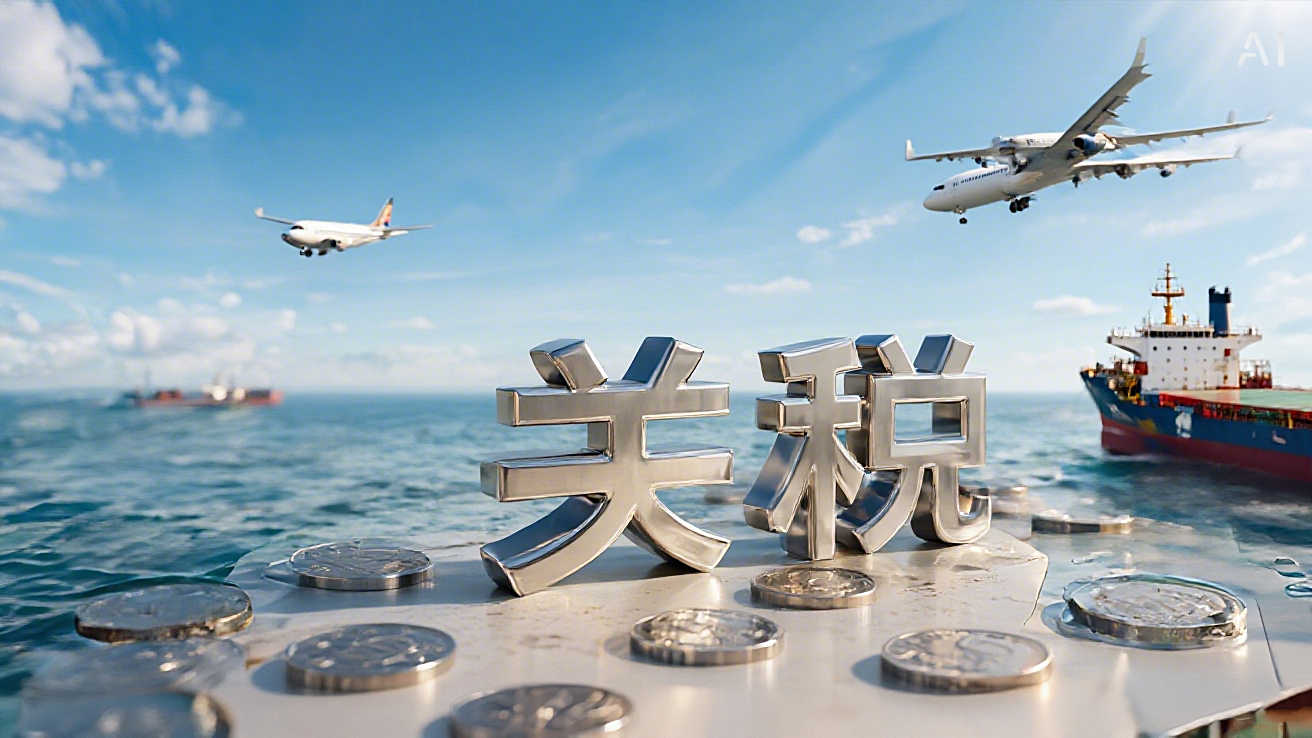
Core Viewpoint - SoftBank Group is increasing its investment in OpenAI, aiming to become a "platform provider" that generates revenue through AI infrastructure, despite the lack of a clear path to profitability in AI-related businesses [2][4]. Investment Strategy - SoftBank Group plans to invest an additional $22.5 billion in OpenAI in December, bringing its total investment to $34.7 billion, making it the largest shareholder with an approximate 11% stake [5]. - The investment has already yielded significant returns, with SoftBank reporting an investment gain of 21.567 trillion yen from its investments in OpenAI during the April to September period [4]. Collaboration and Future Plans - SoftBank is collaborating with OpenAI on the "Stargate" project, which involves building large data centers across the U.S., and is also supporting OpenAI in semiconductor and energy supply [4][7]. - The company is also planning to acquire semiconductor firms and establish its own power supply system to support AI development [7]. Market Position and Competition - OpenAI is preparing for an IPO, with its valuation potentially reaching $1 trillion, which could further increase the value of SoftBank's holdings [5]. - Despite the optimistic outlook, there are concerns about OpenAI's ability to maintain its leading position in the face of competition from companies like Google, Amazon, and emerging Chinese firms [9]. Leadership Vision - SoftBank's CEO Masayoshi Son believes that the global AI market, estimated at around 600 trillion yen, will be shared among a few key players, with SoftBank and OpenAI positioned at the core [7]. - The company is also investing in robotics, having announced an 800 billion yen acquisition of ABB's robotics business, which is seen as a strategic move to enhance its capabilities in AI and robotics integration [7].

沙特交易所CEO独家回应!
Zheng Quan Shi Bao Wang· 2025-11-14 07:51
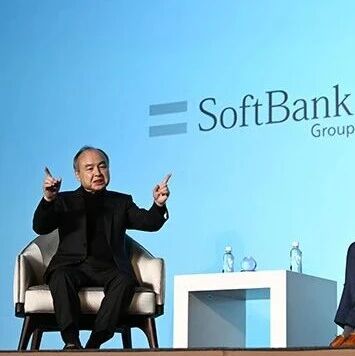
Core Viewpoint - The Saudi Stock Exchange is actively inviting Chinese investment institutions to participate in its capital market, highlighting the growing bilateral cooperation between China and Saudi Arabia, particularly in high-tech sectors [1][2][3]. Group 1: Bilateral Cooperation - The Saudi Stock Exchange has signed memorandums of understanding with both the Shanghai and Shenzhen stock exchanges, as well as the Hong Kong Stock Exchange, to explore joint listings and fintech collaborations [1][3]. - The collaboration has progressed to the launch of cross-border ETF products and ongoing discussions about dual listings and cross-listing of companies [1][3][5]. Group 2: Market Dynamics - The market capitalization of the Saudi Stock Exchange has reached $2.6 trillion, with over $100 billion of investments coming from international investors [3]. - The exchange completes more than 40 listings annually, attracting significant international capital and interest from top Chinese asset management firms [3][4]. Group 3: Future Prospects - The Saudi Stock Exchange aims to deepen cooperation with China by launching more ETF products and expanding investment channels between the two markets [5][6]. - There is a focus on artificial intelligence (AI) as a key area for collaboration, with both countries recognizing its potential for mutual growth [6].
AI热潮下一站:对冲巨头Point72锁定中韩等亚洲货币为明年最大赢家
Zhi Tong Cai Jing· 2025-11-14 07:43
Group 1 - The core viewpoint is that Asian currencies, particularly those of China and South Korea, are expected to benefit significantly from the weakening US dollar, which is projected to continue until 2026 [1][2] - The US dollar has depreciated by 7.1% this year, and while the decline is expected to slow, the trend will persist, making Asian currencies potential winners [1] - The South Korean stock market has surged approximately 70% this year, and the Chinese stock market has risen over 35%, yet their currencies, the won and yuan, have not appreciated correspondingly, indicating potential for future gains [1] Group 2 - The South Korean won has only increased by about 1% in 2025 after four consecutive years of decline, while the offshore yuan has risen over 3%, ranking fifth among Asian currencies this year [2] - The easing of US-China trade tensions and the potential for the Federal Reserve to lower interest rates in December could further weaken the dollar [2] - Despite strong performance in the US economy, other countries are showing even better results, leading global investors to seek valuation advantages in these markets [2]

沙特交易所CEO独家回应!
券商中国· 2025-11-14 07:32
Core Viewpoint - The article emphasizes the growing collaboration between China and Saudi Arabia in capital markets, particularly in high-tech sectors, and highlights the potential for mutual investment opportunities [1][5]. Group 1: Capital Market Cooperation - The Saudi Stock Exchange (Tadawul) has signed memorandums of understanding with both the Shanghai and Shenzhen stock exchanges, as well as the Hong Kong Stock Exchange, to explore joint listings and fintech collaborations [2]. - The cooperation has progressed to the launch of cross-border ETF products and ongoing discussions about cross-listing and dual listing of companies [2][5]. - The market capitalization of the Saudi Stock Exchange has reached $2.6 trillion, with over $100 billion of investments coming from international investors [5]. Group 2: Investment Opportunities - The Saudi Stock Exchange is inviting Chinese investment institutions to participate in its capital market, leveraging the success of Saudi Arabia's Vision 2030 [5][6]. - There is a significant interest from top Chinese asset management companies in understanding the Saudi capital market and investment details [5]. - The introduction of Saudi Depositary Receipts (SDRs) has been approved, facilitating cross-listing opportunities for Chinese companies [6][7]. Group 3: Future Prospects - The article discusses the potential for further collaboration in the next three to five years, focusing on launching more ETF products and enhancing investment channels between the two countries [8]. - There is a strong emphasis on deepening cooperation in complementary industries, particularly in artificial intelligence (AI), where both countries see significant growth potential [8].
机构:到2030年,AI累积的经济收入将占到全球GDP的3.7%
Xin Lang Cai Jing· 2025-11-14 05:11
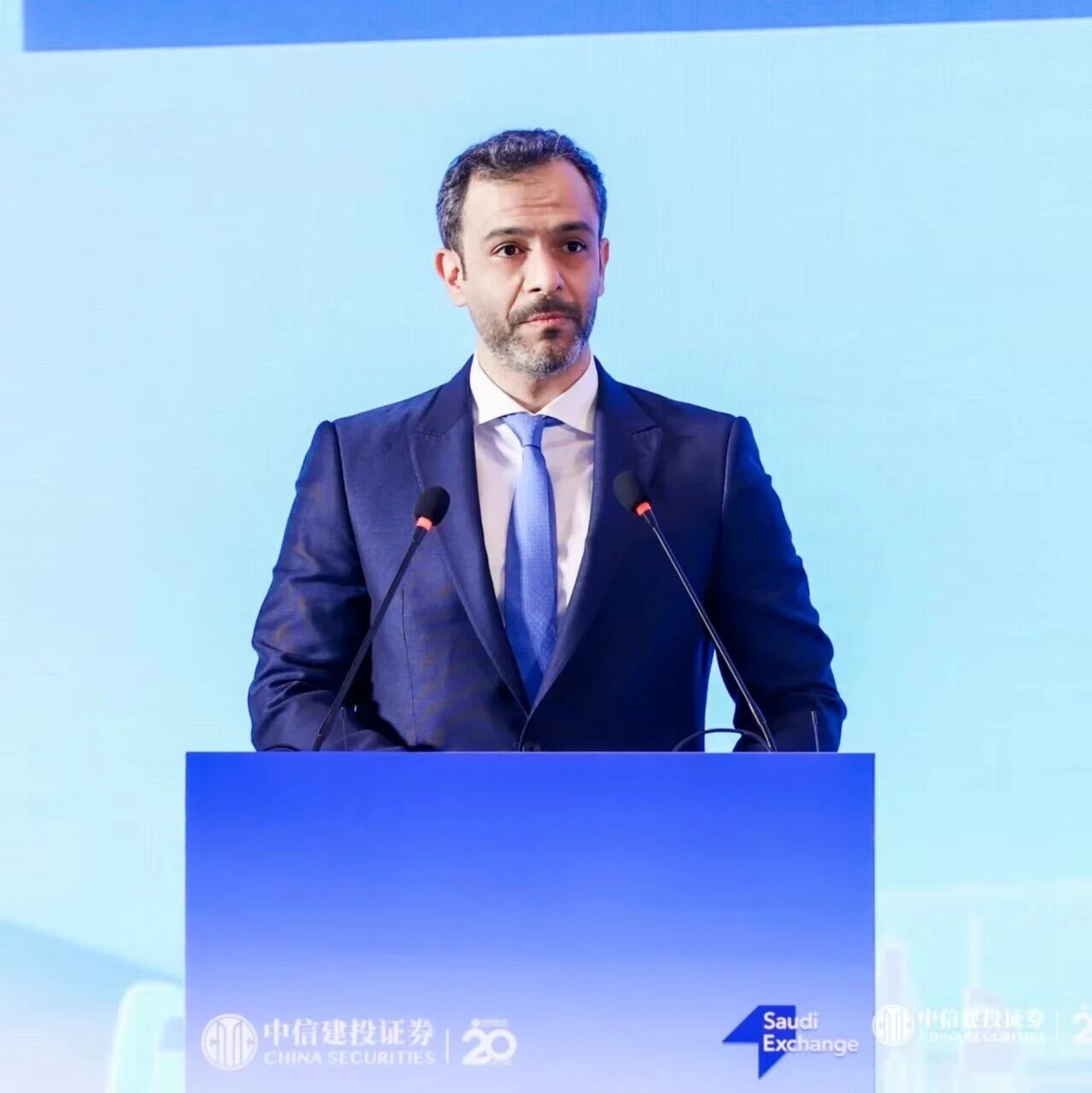
IDC最新的全球宏观经济预测显示,到2030年,AI会累积带来近22.3万亿美元的经济收入,这将占到全 球GDP的3.7%。 ...
精鼎医药:赋能中国药企出海,以全球视野与AI驱动引领临床研发新周期
Cai Jing Wang· 2025-11-14 03:40
Core Insights - The collective "going global" movement of Chinese innovative pharmaceutical companies is becoming a significant trend in the reshaped global biopharmaceutical landscape [1] - International CRO giants are transitioning from being "behind-the-scenes supporters" to becoming key "globalization promoters" [1] Group 1: Company Strategy and Positioning - The Asia-Pacific region plays a crucial role in the global strategy of the company, with nearly 9,000 out of 24,000 global employees based there, indicating a strategic focus on this area [2] - The company serves as a dual hub: supporting local biotech firms in their global expansion and facilitating multinational pharmaceutical companies in conducting global multi-center clinical trials in the Asia-Pacific [2] - The company emphasizes a unique competitive advantage through a combination of "local service" and "global delivery," focusing on data management and drug safety in key cities in China and India [2] Group 2: Market Trends and Opportunities - The past two decades have seen a remarkable transformation in the Chinese pharmaceutical industry, with dozens of innovative companies emerging in the global R&D ecosystem [2] - In the previous year, 30% of licensing agreements from large global pharmaceutical companies originated from China, highlighting the country's growing importance in the global market [3] - The reactivation of the Hong Kong IPO market provides new financing channels for innovative pharmaceutical companies [3] Group 3: Clinical Trial Innovations - Integrated early clinical trials are becoming a trend, allowing simultaneous research in China and overseas to maximize operational efficiency [5] - The choice of overseas clinical trial sites is often determined by target markets, with the U.S. and Europe being preferred for companies aiming for those markets, while Australia is favored for its quick startup times [6] - The company possesses a deep understanding of international regulations and operational experience across regions, which is crucial for pharmaceutical companies during their global expansion [6] Group 4: Future Focus Areas - The company is focusing on disease areas such as neurological and metabolic diseases, which are closely related to modern lifestyles, as well as on advanced therapies like ADCs and gene therapy [7] - The application of AI is evolving from an "efficiency tool" to a "scientific tool," enhancing both operational efficiency and scientific decision-making [8] - The company is developing predictive models to help clients assess success probabilities in early drug development stages, optimizing trial pathways [8] Group 5: Strategic Partnerships and AI Integration - The company adopts an open strategy for AI, forming extensive collaborative networks to leverage external resources while providing regulatory and clinical trial expertise [8] - The integration of AI and advanced technologies into the R&D process aims to create new industry barriers and enhance decision-making capabilities [8] - The evolving role of CROs is shifting from service providers to strategic partners, reflecting the changing dynamics in the pharmaceutical industry as Chinese companies transition from "going global" to "leading" [8]
蔡崇信的家办启动对外募资,目标7.5亿美元
3 6 Ke· 2025-11-14 03:39
Core Insights - Blue Pool Capital, supported by Alibaba's co-founder Joe Tsai, has launched its first external fundraising private equity fund with a target size of $750 million [1][2][5] Fundraising Details - The fund, named Riverside, aims to invest in mid-sized companies valued between $100 million and $1 billion, focusing on three main sectors: high-end retail and lifestyle brands, fintech and digital banking solutions, and technology fields such as AI and SaaS [2][3] - Target Limited Partners (LPs) for Riverside include family offices, sovereign wealth funds, and pension funds, with the first round of fundraising expected to be completed by early 2026 [3] Strategic Shift - This fundraising marks a significant strategic shift for Blue Pool, transitioning from managing internal capital to establishing an "external capital management platform" to seek new growth paths and larger transaction opportunities [5][10] - Blue Pool is also raising an additional $500 million for its Harborside fund, which focuses on hedge funds and private credit funds [5] Market Context - The fundraising occurs as global investors reassess their allocations to the Chinese market, with signs of capital inflow returning in the first half of 2025, exceeding $50 billion [5] - Notable figures, such as EQT's Asia Chairman, have expressed optimism about the Chinese market, indicating a trend towards diversification in investments, particularly benefiting regions like Hong Kong and mainland China [5] Company Background - Blue Pool was established in 2014 by Joe Tsai in Hong Kong, initially managing wealth from Alibaba's IPO [6] - The firm holds a Type 9 license from the Hong Kong Securities and Futures Commission and has over $50 billion in assets under management as of 2022 [6] - Blue Pool has made significant investments in various sectors, including healthcare, technology, and luxury real estate, and has recently increased its focus on the technology sector [6][8] Leadership and Expertise - The transition to external fundraising is led by CEO Oliver Weisberg, who has extensive experience in the capital markets and a strong network in both the U.S. and China [10][12] - Weisberg's background includes significant roles at Goldman Sachs and Citadel, enhancing Blue Pool's competitive edge in the investment landscape [10][12] Investment Focus - Blue Pool has diversified its investments, including luxury hotels, real estate, and blockchain technology, with notable investments in fintech and high-end fashion brands [8][9] - The firm has also made strategic investments in sports, including ownership stakes in the Brooklyn Nets and New York Liberty, reflecting Tsai's passion for sports and its commercial potential [14][16]