制度型开放

Search documents
《瞭望》新闻周刊连刊四文关注海南自贸港建设
Hai Nan Ri Bao· 2026-01-20 01:29
Core Insights - The articles highlight the mission and achievements of the Hainan Free Trade Port (FTP) as it marks one month since its closure, emphasizing its role in promoting a higher level of institutional openness in China [3][4]. Group 1: Institutional Reforms and Economic Strategy - The Hainan FTP is designed to explore a new path of high-quality development through institutional openness, focusing on nurturing new growth drivers rather than merely pursuing economic volume growth [4]. - The FTP operates under a system of "open on the first line, controlled on the second line, and free within the island," facilitating deep reforms in key areas such as taxation, trade, investment, finance, and personnel flow [3][4]. - Hainan's geographical position as a strategic hub connecting China and Southeast Asia enhances its potential for global resource allocation and cross-border flow [3]. Group 2: Governance and Legal Framework - The establishment of a systematic, transparent, and rule-of-law environment post-closure represents a new height in China's institutional openness [4]. - The FTP aims to transition from merely being a participant in international rules to becoming a rule-maker and standard-setter in the future [4][5]. - The legal authority of the Hainan FTP is positioned above that of economic special zones, allowing for flexible regulations that adapt to global economic rules [5]. Group 3: Community Engagement and Development - The policies of the FTP are gradually translating into increased confidence among entrepreneurs and builders, with support measures aimed at reducing costs for startups and research [5]. - The FTP is seen as providing new opportunities for global investors, with efficient customs processes facilitating smoother movement of goods and resources [5]. - Stakeholders express a desire for more policies that align with actual needs, ensuring that the benefits of reforms are tangible and widely shared [5].

新视野丨坚持改革攻坚 增强高质量发展动力活力
Zhong Yang Ji Wei Guo Jia Jian Wei Wang Zhan· 2026-01-20 00:37
Group 1 - The core viewpoint emphasizes the importance of reform as a key driver for social productivity and national development, highlighting the need for comprehensive deepening of reforms during the "14th Five-Year Plan" period [2][3] - The article discusses the necessity of systematic and coordinated institutional innovation to address existing challenges in economic development, particularly in light of complex internal and external environments [4][5] - It stresses that high-quality development is fundamentally driven by innovation across all sectors, including state-owned, private, and foreign enterprises, and calls for the establishment of a fair and open market environment [5][6] Group 2 - The article outlines the internal requirements for reform, emphasizing that reforms must be systematic and problem-oriented, with a focus on the leadership of the Communist Party to ensure effective implementation [6][7] - It highlights the need for a comprehensive approach to reform that considers the interconnections between various sectors, such as education, technology, and market economy [6][10] - The importance of addressing the needs and interests of the people in the reform process is underscored, ensuring that reforms lead to tangible benefits for the public [8][11] Group 3 - The article advocates for a focus on enhancing new quality productivity as a priority in reform efforts, particularly through technological self-reliance and innovation in key sectors [9][10] - It calls for the construction of a high-level socialist market economy, emphasizing the need to eliminate local protectionism and ensure equal opportunities for all market participants [10] - The need for proactive engagement in global economic integration and the expansion of international cooperation is highlighted, particularly in the context of the Belt and Road Initiative [10][11]
制度型开放赋能福建海洋经济高质量发展
Xin Lang Cai Jing· 2026-01-19 23:20
Core Viewpoint - The 20th Central Committee of the Communist Party of China has established "steadily expanding institutional openness" as the core path for deepening reform and expanding openness, emphasizing the need to "enhance maritime capabilities and promote high-quality development of the marine economy," providing fundamental guidance for coastal provinces to build a higher-level open marine economic system [1]. Historical Logic of Institutional Openness Empowering Fujian's Marine Economic Development - The development trajectory of Fujian's marine economy is essentially a process of deepening and evolving institutional openness, with historical roots in ancient maritime trade traditions and modern port openings [2]. - Fujian's historical maritime trade, particularly during the Tang and Song dynasties, established a foundation for an open and inclusive marine culture, which has been further strengthened by modern advancements in maritime technology and management [2]. Theoretical Logic of Institutional Openness Empowering Fujian's Marine Economic Development - Institutional openness, characterized by the alignment of rules, regulations, management, and standards, is essential for the high-quality development of the marine economy, which inherently requires support from institutional frameworks [3]. Practical Logic of Institutional Openness Empowering Fujian's Marine Economic Development - Fujian aims to leverage unique marine resources and strategic positioning through institutional innovation in customs facilitation, industrial clustering, regional collaboration, and ecological protection to establish a high-quality development path for its marine economy [6]. Key Initiatives for Institutional Innovation - **Customs Service Innovation**: Aiming to overcome bottlenecks in marine trade facilitation by promoting integrated customs processes and optimizing cross-border trade mechanisms [7]. - **Industrial Policy Innovation**: Focused on enhancing the capabilities of emerging marine industries through dynamic policy adjustments and collaborative mechanisms for technology transfer [8]. - **Regional Collaboration**: Enhancing the efficiency of land-sea hubs and establishing information-sharing networks to facilitate the flow of marine products [8]. - **Ecological Innovation**: Strengthening the foundation for green development in the marine economy by improving carbon trading systems and enhancing marine environmental protection measures [8].
“四中心”引擎 制度型开放突破“十五五”启幕千年商都新纪元
Nan Fang Du Shi Bao· 2026-01-19 23:12
Core Viewpoint - The construction of an international consumption center city and high-quality foreign trade development are key supports for Guangzhou's economic stability and progress during the transition from the "14th Five-Year Plan" to the "15th Five-Year Plan" [4]. Group 1: Consumption Enhancement - Guangzhou's retail sales are projected to grow by 5.5% in 2025, following a 26% increase over the past five years [6]. - The "Yangcheng New Eight Scenic Spots" initiative aims to boost consumption through over 2,000 themed events, including international shopping festivals and gourmet weeks, generating over 900 billion yuan in sales [6][7]. - The city will continue to optimize the consumption environment by expanding the number of tax refund stores to 1,620 and enhancing cross-border payment options [7]. Group 2: Foreign Trade Growth - Guangzhou's foreign trade is expected to reach 1.2 trillion yuan in 2025, with a growth rate of 10.4%, driven by a 17.3% increase in trade with non-U.S. markets [8]. - The "New Three Samples" products have seen an export increase of nearly 70%, becoming a new growth engine for the economy [8][9]. - Key strategies for 2026 include diversifying markets, supporting leading enterprises, and enhancing new foreign trade formats [9]. Group 3: Open Upgrades - Guangzhou aims to enhance its high-level opening-up system, focusing on the Guangdong-Hong Kong-Macao Greater Bay Area and expanding the service industry [10]. - The city has established a robust open matrix, including one free trade zone and multiple national-level economic development zones [10][11]. - Future initiatives will include platform innovation, port upgrades, and leveraging the exhibition economy to stimulate industrial upgrades [11].
紧抓“四区联动” 打造开放前沿
Xin Lang Cai Jing· 2026-01-19 22:17
Core Insights - The Kunming Municipal Committee's 12th Plenary Session has outlined a grand blueprint for the city's development over the next five years, emphasizing the need for unified action to implement the decisions made during the session [1] Group 1: Economic Development - During the 14th Five-Year Plan, the Kunming Economic Development Zone (Kunming Free Trade Zone) achieved a regional GDP exceeding 60 billion yuan, with the number of operating entities surpassing 108,000, a growth of over three times compared to the end of the 13th Five-Year Plan [1] - The zone has cultivated 12 national-level specialized and innovative "little giant" enterprises, 180 provincial-level specialized and innovative small and medium-sized enterprises, and 376 high-tech enterprises, ranking first among provincial development zones [1] Group 2: Infrastructure and Connectivity - The completion of the China-Laos Railway and the operation of six freight train routes have facilitated the transportation of over 73 million tons of goods and 63 million passengers [2] - The Kunming International Port is accelerating its construction, with the first phase of the customs supervision facility for international railway freight trains successfully completed [2] Group 3: Industrial Transformation - The municipal committee has called for accelerating industrial transformation and upgrading, focusing on major industries such as equipment manufacturing, biomedicine, and modern logistics [3] - The Kunming Economic Development Zone aims to enhance the quality and efficiency of industrial development, integrating innovation and industrial chains [3] Group 4: Open Economy - The Kunming Economic Development Zone plans to implement a free trade zone enhancement strategy, aiming for breakthroughs in institutional openness and the establishment of high-level open platforms [4] - The focus will be on creating a new development pattern for the Mohan-Moten cooperation zone, leveraging its advantages in ports, channels, and policies [5] Group 5: Future Goals - The Mohan-Moten cooperation zone aims to enhance customs clearance efficiency, with plans to increase the number of freight channels and improve customs capacity by 2 to 3 times [6] - The zone is set to construct new standardized factories and initiate 49 new projects by 2026, aiming for a significant transformation in both efficiency and infrastructure [6]
魏敏:消费提质、外贸增效、开放升级,千年商都开启新纪元
Nan Fang Du Shi Bao· 2026-01-19 16:00
Group 1 - The core viewpoint of the article emphasizes the importance of Guangzhou's economic development strategies during the "14th Five-Year Plan" and the transition into the "15th Five-Year Plan," focusing on enhancing domestic demand and building a modern industrial system [2][3] - The 2026 Guangzhou government work report outlines ten key areas for economic and social development, including deepening consumption potential, accelerating the construction of a modern industrial system, and promoting education and talent development [2] - The article highlights the role of the "International Consumption Center City" and high-quality foreign trade development as critical supports for Guangzhou's economic stability and growth [3][8] Group 2 - Guangzhou's retail sales and import-export indicators have shown growth rates exceeding national and provincial averages, contributing positively to the city's economic growth [6] - The city plans to implement special actions to boost consumption and enhance foreign trade quality, aiming to build a more resilient international trade center [7][8] - The "New Eight Scenic Spots of Consumption" initiative aims to stimulate new consumption trends through various promotional activities, with a projected retail sales growth of 5.5% in 2025 [9][10] Group 3 - In 2025, Guangzhou's foreign trade is expected to reach 1.2 trillion, with a growth rate of 10.4%, driven by strong performance in non-U.S. markets [11][12] - The city aims to diversify its market by expanding into non-U.S. markets and organizing procurement activities, while also supporting leading enterprises in the foreign trade sector [12] - Key measures for enhancing foreign trade include promoting new business models, improving export quality, and establishing national-level import trade innovation demonstration zones [12][13] Group 4 - Guangzhou is focusing on institutional openness to drive high-quality development, with plans to deepen service industry reforms and enhance connectivity with Hong Kong and Macau [13][14] - The city aims to upgrade its port facilities and improve the business environment to facilitate smoother internal and external circulation [14] - The article discusses the importance of the exhibition economy in promoting industrial upgrades and fostering a favorable ecosystem for trade and consumption [14]

构建“有效市场”与“有为政府”新范式
Guo Ji Jin Rong Bao· 2026-01-19 14:55
党的二十大提出了中国式现代化的理论与战略方向,为我国区域经济发展描绘了崭新蓝图。 党的二十届四中全会为"十五五"时期擘画蓝图,并将"坚持有效市场和有为政府相结合"确立为经济 社会发展必须遵循的根本原则。这不仅是对社会主义市场经济规律认识的深化,更是在全球变局与国内 转型交织的关键阶段,推动区域经济实现系统性升级、支撑中国式现代化行稳致远的战略总纲。面向新 征程,如何将这一核心原则转化为构建优势互补、高质量发展区域经济新格局的具体实践,已成为支撑 中国式现代化行稳致远的时代命题与决胜关键。 中国式现代化开启了国家区域经济发展的崭新场景和复式赛道 第一,科技创新领域正以自立自强为重点,形成全球创新竞争新优势。通过构建教育、科技、人才 三位一体发展格局,强化基础研究布局,聚焦集成电路等"卡脖子"技术协同攻关,实施"人工智能+"行 动,推动技术赋能实体经济。 第二,产业发展领域正聚焦新质生产力,构建现代化产业体系新支柱。以智能化、绿色化、融合化 为方向,重点培育新能源、航空航天等战略性新兴产业,前瞻布局量子科技、生命科学等未来产业,深 入实施"专精特新"企业培育工程。 第三,改革开放领域正突出制度攻坚,激发高质量发展 ...
从长三角一体化,看上海“十五五”规划建议
Guo Ji Jin Rong Bao· 2026-01-19 12:39
Core Viewpoint - The Shanghai Municipal Party Committee has released a proposal for the 15th Five-Year Plan, aiming to transform Shanghai into a world-class socialist modern international metropolis by 2035, with a focus on high-quality development and regional integration in the Yangtze River Delta [1]. Group 1: Five Centers Upgrade - Shanghai aims to upgrade its "Five Centers" by 2035, achieving international leading levels in key development indicators, including doubling per capita GDP from 2020 levels [2]. - During the 14th Five-Year Plan, Shanghai's GDP surpassed 5 trillion yuan, becoming the first city in China to achieve this milestone and ranking among the top five global cities [2]. - The upgrade of the "Five Centers" will enhance resource allocation for the Yangtze River Delta, transitioning from single-function enhancement to system integration [2][3]. Group 2: Implementation Paths - The proposal outlines three implementation paths: leveraging financial support for innovation, creating regulatory innovations, and fostering new productive forces to reshape industrial chains [3]. - Shanghai's economic growth is projected to remain reasonable and synchronized with national trends, with a steady increase in total factor productivity [3]. Group 3: Key Industries - The three leading industries—integrated circuits, biomedicine, and artificial intelligence—will further solidify their positions, focusing on overall breakthroughs in the industrial chain [4]. - The artificial intelligence sector is expected to grow significantly, with projected revenues exceeding 550 billion yuan by 2025, reflecting a growth rate of over 30% [4]. Group 4: Institutional Innovation - High-level openness is a core advantage for Shanghai, with institutional innovations aimed at enhancing regional development dynamics [6]. - The proposal emphasizes the role of the Pudong New Area and Lingang New Area in driving institutional innovation and creating replicable models for the Yangtze River Delta [6][7]. Group 5: Collaborative Development - The proposal aims to establish a "power community" in the Yangtze River Delta, focusing on collaborative technological innovation, ecological protection, and spatial optimization [10]. - Specific paths for collaboration include deepening the integration of innovation chains and enhancing cooperation in key technology areas [11]. Group 6: Environmental and Spatial Optimization - The proposal highlights the importance of ecological protection and spatial layout optimization to enhance collaborative capacity in the Yangtze River Delta [12]. - Shanghai will promote the construction of a metropolitan area with a multi-node structure, facilitating coordinated development with surrounding regions [12]. Group 7: Social Welfare and Integration - The proposal emphasizes the sharing of public services across the Yangtze River Delta, enhancing the quality of life for residents in education, healthcare, and other areas [13]. - Shanghai's successful experiences in community services will be extended to the Yangtze River Delta, ensuring that high-quality development benefits a broader population [13].
瞭望 | 自贸港探路示范
Sou Hu Cai Jing· 2026-01-19 08:17
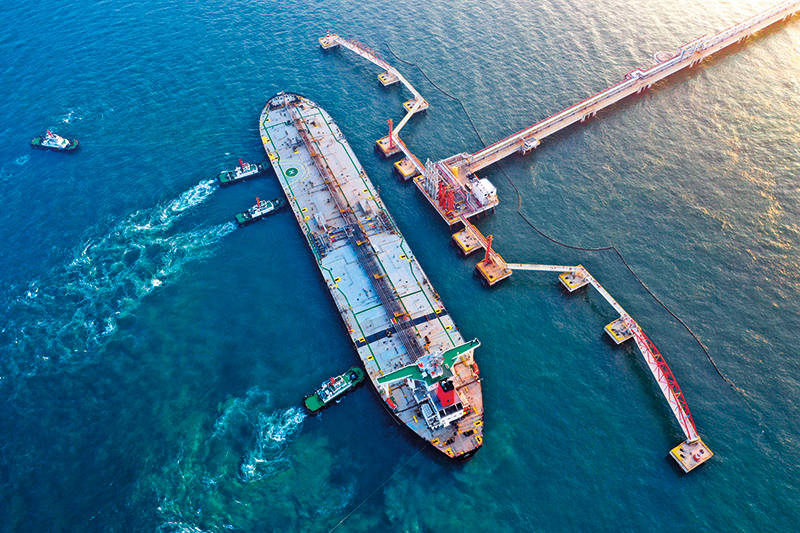
Core Viewpoint - The establishment of Hainan Free Trade Port represents a significant step in China's commitment to high-level opening-up and serves as a model for institutional innovation in reform and opening-up efforts [2][9]. Group 1: Policy and Institutional Framework - Hainan Free Trade Port has developed a policy system focused on trade and investment freedom, marking a transition to a more mature operational model with the full island closure set for December 18, 2025 [2][6]. - The policy framework includes "zero tariffs, low tax rates, and simplified tax systems," with the proportion of zero-tariff goods increasing from 21% to 74% post-closure [6][12]. - Hainan is aligning its regulations with international standards, such as the Comprehensive and Progressive Agreement for Trans-Pacific Partnership (CPTPP) and the Digital Economy Partnership Agreement (DEPA) [7]. Group 2: Economic Impact and Growth - From 2020 to 2024, Hainan's total trade in goods and services grew at an average annual rate of 31.3% and 32.3%, respectively, with trade with ASEAN countries increasing from 23.7 billion yuan to 57.9 billion yuan [11]. - The actual foreign investment in Hainan reached 102.5 billion yuan from 2020 to 2024, with an average annual growth rate of 14.6% [12]. - By the end of 2025, Hainan is expected to have imported goods worth 29.22 billion yuan under the zero-tariff policy, benefiting over 560 enterprises [13]. Group 3: Strategic Positioning and Global Integration - Hainan's geographical location positions it as a strategic hub connecting China with ASEAN and the broader global market, enhancing cross-border resource flow [10]. - The Free Trade Port is seen as a bridge for economic cooperation, facilitating deeper ties between China and other countries, thus promoting a new model of global economic integration [13]. - Hainan's development is not just about local growth but aims to contribute to national strategies, including becoming a center for international tourism and a hub for modern service industries [14][15]. Group 4: Innovation and Future Development - Hainan is focusing on high-quality development through institutional innovation, aiming to create a modern industrial system centered on tourism, high-tech industries, and efficient agriculture [14]. - The Free Trade Port is expected to foster a competitive environment for global production factors, attracting advanced technologies and high-end talent [16]. - Collaborative initiatives with other regions, such as the Guangdong-Hainan advanced manufacturing cooperation, are being developed to enhance regional economic integration [16].
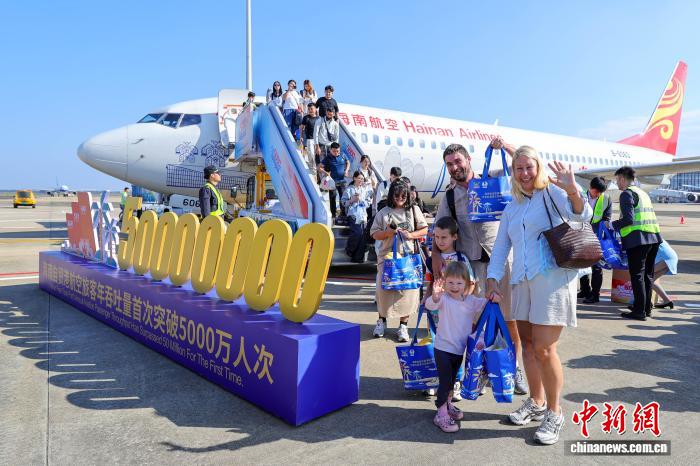
海南封关满月看变化:入境游“开门红” 现三大变化
Zhong Guo Xin Wen Wang· 2026-01-19 06:58
Core Insights - The Hainan Free Trade Port has seen significant growth in its inbound tourism market since its closure on December 18, 2025, achieving a strong start in the first month of operation [1][4] Group 1: Market Performance - In December 2025, Hainan welcomed 773,000 overnight inbound tourists, a 59.5% increase compared to 2024, surpassing pre-pandemic levels [1] - Total inbound tourism expenditure reached $14,140 million in December 2025, marking a 63% year-on-year increase [2] Group 2: Market Structure - The source market structure has diversified, with stable growth from traditional markets like Russia and Southeast Asia, and notable increases from distant markets such as the UK (56%), France (83%), Italy (144%), Spain (62%), and Australia (52%) [1][2] Group 3: Consumer Behavior - There is a shift in tourism consumption patterns towards deeper vacation experiences, with the average length of stay increasing from 3.37 nights in 2024 to 3.96 nights in 2025 [2] - The focus of spending is moving from single shopping experiences to more comprehensive and immersive activities, highlighting Hainan's appeal as a high-quality vacation destination [2] Group 4: Future Strategies - Hainan's tourism department plans to enhance inbound tourism by focusing on deepening source market engagement, strengthening promotional efforts, and solidifying service foundations [4] - The province aims to conduct at least 10 promotional activities in key source markets and invite international travel agencies and airlines for collaboration [4]