
新型能源体系

Search documents
2025年可再生能源发电量达到约4万亿千瓦时 超过欧盟27国用电量之和
Zhong Guo Dian Li Bao· 2026-02-02 01:56
Core Viewpoint - The National Energy Administration (NEA) emphasizes that by 2025, China's energy supply security will be significantly enhanced, leading to a generally relaxed supply-demand situation and a healthy development of the industry, with a solid foundation for the construction of a new energy system to support the continuous recovery of the economy [1] Group 1: Energy Supply and Production - By 2025, the annual power generation from renewable energy will exceed the total electricity consumption of the 27 EU countries, reaching approximately 4 trillion kilowatt-hours [2] - The production of major industrial raw coal increased by 1.2% year-on-year, while crude oil and natural gas production reached historical highs, with year-on-year increases of 1.5% and 6.2%, respectively [2] - The price of 5500 kcal thermal coal at the Qinhuangdao port is expected to reach 690 yuan per ton by the end of 2025, reflecting a 75 yuan increase from the lowest point of the year [2] Group 2: System Resilience and Weather Impact - The maximum electricity load in China exceeded 1.4 billion kilowatts for three consecutive days due to extreme cold weather, setting a new winter record [3] - The NEA has implemented a "one province, one policy" approach to enhance supply security measures and optimize electricity grid arrangements [3] Group 3: Natural Gas Supply - During the heating season, the cumulative natural gas consumption reached 119.52 billion cubic meters, a year-on-year increase of 4.6%, with stable domestic and imported gas supply [4] Group 4: New Energy Grid Development - The construction of a new energy grid platform is accelerating, with the establishment of the world's largest and most complex AC/DC hybrid power grid, enhancing nationwide electricity resource allocation [5] - By 2030, a new energy grid platform will be established, focusing on a robust backbone grid and smart microgrids to support high proportions of renewable energy integration [6] Group 5: Future Energy Planning - By 2030, non-fossil energy consumption is expected to account for 25% of total energy consumption, with renewable energy generation capacity exceeding 50% [7] - The NEA plans to promote a diversified supply of energy sources, including wind, solar, and nuclear, while enhancing energy efficiency in key sectors [8] - A comprehensive energy planning framework is being developed, with the new energy system and renewable energy planning expected to be released in the first half of this year [9]
南网能源(003035) - 003035南网能源投资者关系管理信息20260202
2026-02-02 01:14
Group 1: Business Strategy and Transformation - The company aims to implement "service doubling" and "energy-saving doubling" initiatives to expand market opportunities and enhance service capabilities [2][3] - Establishment of a digital service company to focus on comprehensive energy digital operations and maintenance services, transitioning from a single "investment holding" model to a dual focus on "lean investment + high-end services" [3][4] - The company is enhancing its core competencies in comprehensive energy engineering services and digitalization through strategic partnerships and acquisitions [3][6] Group 2: Zero Carbon Initiatives - The company is actively developing multiple zero-carbon projects, including the Guangzhou Industrial Control Zero Carbon Park and the Guizhou Power Grid Innovation Park [4][5] - National policies are supporting the development of zero-carbon parks, aligning with the company's strategic shift towards "lean investment + high-end services" and expanding its energy-saving and carbon reduction business [5][6] - The company has established a strong brand in energy-saving services, supported by a team of experts and a comprehensive service experience [5][6] Group 3: Financial Performance and Growth Projections - The company expects to achieve profitability by 2025, driven by stable growth in the energy-saving business and improved performance of biomass projects [6][7] - The company plans to strengthen its core business and identify new growth areas by establishing a tiered industrial system that integrates mature, incremental, and new business models [7][8] Group 4: Future Business Development Plans - In 2026, the company will focus on expanding its mature business, optimizing marketing channels, and enhancing project management efficiency to solidify its market position [8][9] - The company aims to deepen its incremental business by developing green building solutions and innovative business models that leverage technology and service integration [9][10] - Exploration of new business avenues such as hydrogen energy and the establishment of a future business incubation mechanism to extend into high-value industries [9][10]
两部门发文完善发电侧容量电价机制
Xin Lang Cai Jing· 2026-02-01 23:26
Core Viewpoint - The National Development and Reform Commission and the National Energy Administration have issued a notice to improve the capacity pricing mechanism for power generation, aiming to support the construction of a new energy system and ensure the stable operation of the power system while promoting green economic development [1]. Group 1 - The notice aims to guide the reasonable construction of adjustable power sources and support their role in power regulation during the 14th Five-Year Plan period, establishing capacity pricing mechanisms for coal power and pumped storage, while some provinces are exploring mechanisms for gas power and new energy storage [1][2]. - The current capacity pricing mechanism faces challenges, including a rapid decline in coal power generation hours in some regions and insufficient support from existing pricing levels, which may hinder the scientific layout and cost-effectiveness of pumped storage projects [2]. - The notice specifies that the proportion of fixed cost recovery for coal power units through capacity pricing will be raised to no less than 50%, equating to 165 yuan per kilowatt annually, and a capacity pricing mechanism for gas power will be established based on coal power pricing methods [2][3]. Group 2 - The notice requires the orderly establishment of a reliable capacity compensation mechanism, which measures the peak capacity of power generation units during peak demand periods, allowing for fair compensation based on this metric without differentiating between types of units [3]. - The establishment of a reliable capacity compensation mechanism is expected to promote fair competition among different technology types and drive high-quality development in the industry, aligning with practices in mature electricity markets [3].
能源供应保障能力有效提升(锐财经)
Ren Min Ri Bao Hai Wai Ban· 2026-02-01 22:56
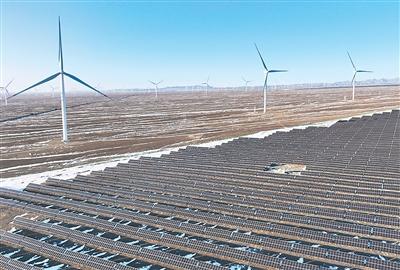
图为新疆生产建设兵团第六师北塔山牧场风光电场。近年来,当地深挖资源优势,利用荒山坡地大力发 展风光电产业,有力推动新能源产业高质量发展。 李华北摄(人民视觉) 国家能源局近日举行新闻发布会,介绍2025年全国能源形势。国家能源局发展规划司副司长邢翼腾在会 上表示,2025年,我国能源供应保障能力有效提升,供需总体宽松,多项重要政策举措密集出台,行业 健康有序发展,新型能源体系建设基础持续夯实,助力我国经济持续回升向好。 绿色低碳转型步伐加快 谈及2025年能源行业,邢翼腾重点介绍了3方面成效: 能源安全保障有力有效。2025年是"十四五"以来能源保供成效最好的一年。原煤生产保持稳定,规上工 业原煤产量同比增长1.2%。油、气产量双创历史新高,规上工业原油产量同比增长1.5%,规上工业天 然气产量同比增长6.2%。电力供应平稳有序,一批特高压直流输电工程投产送电,电力系统互补互济 水平持续提升。 绿色低碳转型步伐加快。有关部门制定出台新能源集成融合发展、促进新能源消纳和调控等一系列政策 措施,助力新能源发展提质增效。全年风电光伏新增装机超过4.3亿千瓦、累计装机规模突破18亿千 瓦,可再生能源发电装机占比超过六 ...

经济日报丨构筑能源强国新格局
国家能源局· 2026-02-01 02:10
Core Viewpoint - The article emphasizes the importance of building a strong energy nation in China, highlighting the need for comprehensive improvements in energy technology, industrial chains, and system capabilities to enhance international competitiveness and support sustainable economic development [2]. Group 1: New Energy System Construction - The new energy system is a central theme in the transition to an energy powerhouse, with a focus on accelerating the construction of this system and achieving carbon peak goals [3]. - The development of non-fossil energy sources will be prioritized, with significant expansions in wind and solar power capacity, aiming for an additional 200 million kilowatts of installed capacity by 2026 [3]. - The integration of various energy sources, including biomass, geothermal, and marine energy, will complement the new energy system [3]. Group 2: Clean and Efficient Use of Fossil Fuels - The transition to cleaner and more efficient use of fossil fuels is essential during the period when new energy sources are not yet dominant [4]. - Coal power will be transformed into a flexible and clean energy source through technological upgrades and innovative mechanisms, ensuring energy supply security [4]. - By 2026, initiatives will be implemented to promote carbon capture and utilization in the oil and gas sector, facilitating the integration of fossil fuels with new energy [5]. Group 3: New Power System Development - A new power system must be established to ensure the efficient transmission and management of clean energy, requiring the construction of high-voltage transmission lines and smart grid systems [5]. - By 2026, a power supply alert mechanism will be established to enhance the interconnection of power grids and improve user-side responsiveness [5]. Group 4: Overcoming Bottlenecks in New Energy Development - China aims to lead global energy transformation, with a target of achieving a total installed capacity of wind and solar power reaching six times that of 2020 by 2035 [6]. - The challenges faced by the power system, such as the inability to transmit green energy from the west to the east and the volatility of renewable energy generation, need to be addressed through integrated and innovative development [6][7]. - The focus will shift from mere scale expansion to value creation through system collaboration, enhancing the reliability and market competitiveness of new energy [7]. Group 5: Coal Consumption Trends - Coal consumption in China has shown signs of decline, with a notable negative growth for the first time since 2017, but short-term demand remains resilient due to various factors [10]. - The long-term trend indicates a gradual reduction in coal consumption, with a peak expected around 2027, transitioning coal's role from a primary energy source to a backup energy source [11]. - The integration of coal and new energy will be emphasized, promoting the development of clean energy alternatives in coal mining areas [12][13]. Group 6: Future Industry Development - The "14th Five-Year Plan" outlines the need to cultivate future industries such as quantum technology, hydrogen energy, and nuclear fusion, which are crucial for energy security and sustainable development [15]. - Hydrogen energy is seen as a key component of the future energy system, with efforts to promote its commercialization and integration into the energy landscape [16]. - Nuclear fusion is positioned as a long-term solution for energy challenges, with significant investments and research expected to accelerate its development [17].

【展望二〇二六】构筑能源强国新格局
Jing Ji Ri Bao· 2026-01-31 23:03
Core Viewpoint - The development of a strong energy nation is crucial for China's economic and social progress, emphasizing the need for comprehensive enhancement of energy technology, industrial chains, and system capabilities to boost international competitiveness and support sustainable development [1]. Group 1: New Energy System Construction - The new energy system is the main focus in building a strong energy nation, with a shift from top-level design to comprehensive construction during the "14th Five-Year Plan" and "15th Five-Year Plan" periods [2]. - The goal is to significantly increase the share of non-fossil energy, with plans to add over 20 million kilowatts of wind and solar power capacity annually by 2026 [2]. - The development of clean energy sources such as wind, solar, hydro, and nuclear power will be prioritized, while also promoting biomass, geothermal, and marine energy as supplementary sources [2]. Group 2: Clean Utilization of Fossil Energy - The transition to cleaner and more efficient use of fossil energy is essential during the transitional period, with coal power being upgraded to serve as a flexible and stable backup for renewable energy [3]. - By 2026, initiatives will be implemented to enhance coal power's low-carbon development through technology upgrades and innovative mechanisms [3]. - A new electric power system will be established to ensure efficient distribution and utilization of clean energy, including the construction of high-voltage lines and smart grids [3]. Group 3: Challenges in New Energy Development - The rapid growth of new energy capacity has led to challenges in the power system, including difficulties in transmitting green electricity from western regions to eastern cities and the volatility of renewable energy generation [6]. - The National Energy Administration aims to promote integrated development of new energy by 2030, enhancing reliability and market competitiveness [6][7]. - The optimization of power system regulation capabilities is crucial, with a goal to significantly improve these capabilities by 2027 to support the integration of over 20 million kilowatts of new energy annually [8]. Group 4: Coal Consumption Trends - Coal consumption in China has shown signs of decline, with a negative growth rate for the first time since 2017, but short-term demand is expected to remain resilient due to the need for coal in power generation and chemical industries [10]. - The long-term trend indicates a gradual reduction in coal consumption as part of the carbon peak strategy, with coal's role shifting from a primary energy source to a backup energy source [11]. - The integration of coal and new energy is emphasized, with initiatives to develop renewable energy in coal-producing regions and promote clean energy alternatives [11][12]. Group 5: Future Energy Technologies - The "15th Five-Year Plan" highlights the importance of future industries such as hydrogen energy and nuclear fusion, which are seen as key components for ensuring energy security and sustainable development [14]. - Hydrogen energy is recognized for its potential but faces challenges in achieving market competitiveness due to a lack of sufficient application scenarios [15]. - The development of nuclear fusion is positioned as a long-term goal, with significant investments and research needed to overcome technical and commercial hurdles [16]. Group 6: Overall Energy Strategy - Building a strong energy nation is a strategic task for the "15th Five-Year Plan" and is essential for China's modernization efforts, requiring collaboration among government, enterprises, and society [17].
构筑能源强国新格局
Jing Ji Ri Bao· 2026-01-31 22:09
Core Viewpoint - The development of a strong energy nation is crucial for China's economic and social progress, emphasizing the need for comprehensive enhancement of energy technology, industrial chains, and system capabilities to boost international competitiveness and support sustainable development [1]. Group 1: New Energy System Construction - The new energy system is the main focus in building a strong energy nation, with a shift from top-level design to comprehensive construction during the "15th Five-Year Plan" period [2]. - The goal is to significantly increase the share of non-fossil energy, with plans to add over 200 million kilowatts of wind and solar power capacity annually by 2026 [2]. - The integration of various energy sources, including biomass, geothermal, and marine energy, will complement the new energy system [2]. Group 2: Clean and Efficient Use of Fossil Energy - The transition to cleaner and more flexible coal power is essential during the transition period, with coal power expected to act as a stabilizer for energy supply [3]. - By 2026, efforts will focus on upgrading coal power technology and promoting carbon capture and utilization in the oil and gas sector [3]. - The construction of a new power system will require the establishment of high-voltage lines and smart grids to ensure efficient energy distribution [3]. Group 3: Overcoming Bottlenecks in New Energy Development - China aims to lead global energy transformation, with a target of achieving six times the wind and solar power capacity by 2035 compared to 2020 levels [5]. - Challenges such as the inability to transmit green electricity from western regions to eastern cities and the volatility of renewable energy generation need to be addressed [6]. - The focus will shift from simple capacity expansion to system collaboration and value creation in new energy development [6]. Group 4: Coal Consumption Trends - Coal consumption in China has shown signs of decline, with a negative growth rate for the first time since 2017, but short-term demand is expected to remain resilient [9]. - The long-term trend indicates a gradual reduction in coal consumption, with a peak expected around 2027, after which a more significant decline is anticipated [10]. - The integration of coal and new energy is essential for the sustainable development of the coal industry, with initiatives to develop renewable energy in coal mining areas [11]. Group 5: Future Industry Development - The "15th Five-Year Plan" emphasizes the need to cultivate future industries such as hydrogen energy and nuclear fusion, which are critical for energy security and sustainable development [14]. - Hydrogen energy is seen as a key component of the future energy system, with efforts to support pilot projects and promote large-scale applications [15]. - Nuclear fusion is positioned as a long-term solution for energy challenges, with significant investments and research needed to overcome commercialization hurdles [16][17].
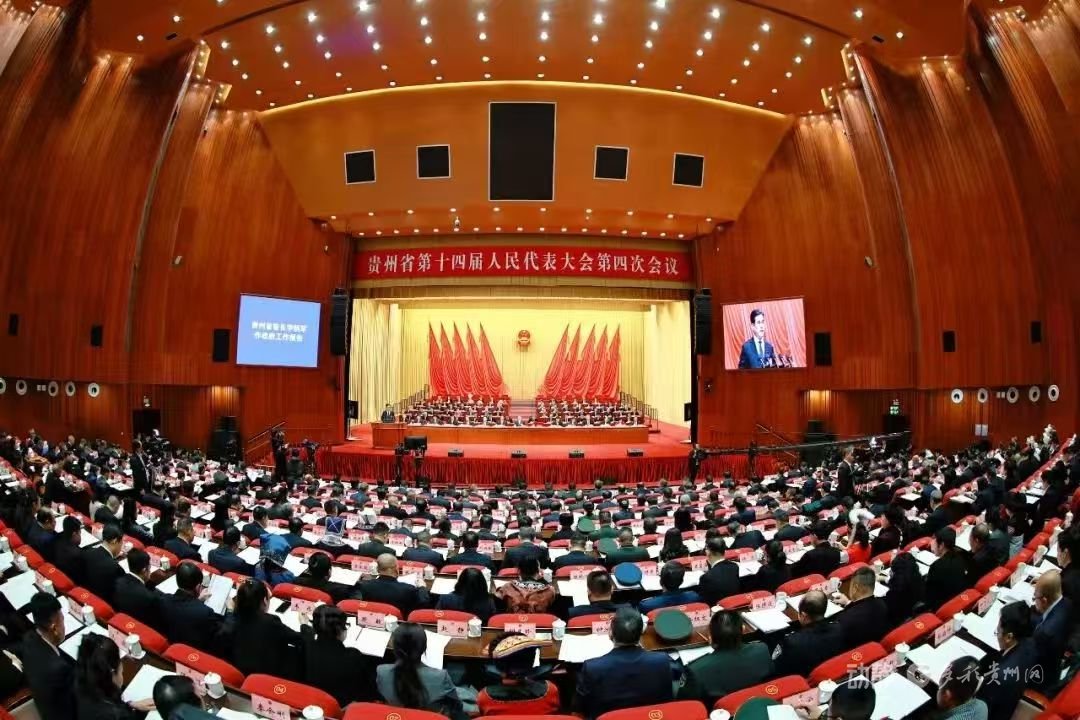
把省两会精神带回工作岗位,推动贵州经济社会高质量发展!
Xin Lang Cai Jing· 2026-01-31 14:19
Group 1 - The government work report emphasizes the importance of safeguarding arable land and ensuring food security, with a focus on enhancing grain production capacity [1] - The representatives from Guizhou are committed to implementing the conference's spirit in their respective fields to contribute to the province's high-quality economic and social development [1] Group 2 - The "Village BA" initiative in Taijiang has gained significant exposure, with over 120 billion views and 11.84 million visitors, becoming a leading rural cultural tourism brand [3] - The focus for the "Village BA" initiative is on transforming online traffic into economic growth through innovative event activities that enhance visitor interaction [3] Group 3 - Increased investment in R&D funding is seen as beneficial for pharmaceutical companies, with specific developments in Guizhou, including the construction of R&D headquarters and production lines [7] - Collaboration among local pharmaceutical companies is aimed at secondary innovation and development of new drugs [7] Group 4 - Guizhou's new energy system has seen significant progress, with installed power capacity exceeding 100 million kilowatts and renewable energy sources accounting for 43.3% of electricity generation [8] - There is a focus on cultivating skilled workers to support the construction of a new comprehensive energy base [8]
国家能源局组织召开风电和光伏发电资源普查试点工作总结会议
国家能源局· 2026-01-31 00:34
Core Viewpoint - The meeting organized by the National Energy Administration aimed to summarize the achievements and experiences of pilot work on wind and solar resource surveys, enhancing guidance for nationwide surveys and promoting the application of survey results to better serve industry development [2][4]. Group 1: Pilot Work Achievements - Six pilot provinces (Hebei, Inner Mongolia, Shanghai, Zhejiang, Tibet, and Qinghai) presented their work progress, showcasing the collaborative efforts of energy and meteorological authorities, technical support units, and the National Energy Administration [4]. - The pilot work has established a scientific and efficient survey methodology, developed a set of core technologies, and built a capable professional team, accumulating valuable experience for future wind and solar resource surveys [4]. Group 2: Future Directions - The meeting emphasized the need to leverage survey results to enhance industry management, shifting from "experience-based estimation" to "scientific decision-making," from "fragmented management" to "systematic collaboration," and from "focusing on scale" to "valuing outcomes" [4]. - There is a call to further refine the technical methods and work mechanisms, expedite the formulation of a national wind and solar resource survey plan, and increase the promotion and application of survey results within the industry to contribute to the establishment of a new energy system and the realization of energy power strategy goals [4].
2026年陕西省能源工作会议在西安召开
Zhong Guo Fa Zhan Wang· 2026-01-30 13:42
Core Viewpoint - The 2026 Shaanxi Province Energy Work Conference emphasized the importance of energy security and the transition to a green energy system, aiming to enhance the province's energy development and support high-quality economic growth [1][4]. Group 1: Achievements in 2025 - The energy system in Shaanxi made significant progress in 2025, with enhanced energy security and a notable role of coal as a stabilizing force, alongside successful completion of the oil and gas "seven-year action plan" [3]. - Major project construction accelerated, with effective investment growth in the energy sector and a shift towards greener energy structures, including advancements in coal, oil, and gas production capacities [3]. - Renewable energy saw historic growth, surpassing thermal power in installed capacity, with significant developments in hydropower, hydrogen, and energy storage industries [3]. - Innovations in the energy sector led to new production capabilities and technological breakthroughs, with a focus on digital transformation [3]. - The conference highlighted improvements in energy-related public services, including clean heating initiatives and the development of distributed photovoltaic systems [3]. Group 2: Goals for 2026 - The energy work for 2026 will focus on high-quality planning and implementation of the "14th Five-Year" energy plan, aiming to establish a new energy system with regional collaborative development [4]. - Strengthening energy production and supply capabilities is a priority, with plans to enhance coal production, optimize oil and gas pipeline layouts, and improve electricity supply security [4]. - The transition to a green and low-carbon energy system will be accelerated, with an emphasis on expanding renewable energy supply and enhancing electric vehicle charging infrastructure [4]. - The conference called for deepening reforms in energy governance and market mechanisms to improve efficiency and ensure energy security [4]. - Continuous development of a high-quality energy workforce and strengthening of political loyalty and integrity within the energy sector were also emphasized [4].