
科技成果转化

Search documents
成都“线上科创通+线下科创岛”驱动科技成果转化
Xin Lang Cai Jing· 2026-01-20 17:50
转自:成都日报锦观 成都"线上科创通+线下科创岛"驱动科技成果转化 □张萌 党的二十届四中全会明确提出,要"加快重大科技成果高效转化应用,布局建设概念验证、中试验证平 台,加大应用场景建设和开放力度,加强知识产权保护和运用"。科技成果转化是一个复杂的系统工 程,涉及创新主体、资源配置、市场环境、制度保障等多个维度,其核心在于构建一个高效协同、充满 活力的创新生态系统。 成都作为西部地区的创新引擎,紧扣建设西部科技创新中心的战略定位,全面落实习近平总书记来川视 察关于在科技创新和科技成果转化上同时发力的重要指示精神,将科技创新作为城市高质量发展的主要 引擎,体系化推进科技创新和科技成果转化。在此背景下,成都创新构建"线上科创通+线下科创岛"双 轮驱动体系,旨在通过体制机制与组织模式变革,系统化推进科技创新和科技成果转化。成都的"线上 科创通+线下科创岛"探索实践,本质上是将数字赋能与空间承载相结合,构建一个覆盖创新策源、概 念验证、中试熟化、产业孵化的全链条、网络化创新生态。 数字赋能,打造智慧平台 科创通通过数字化重塑了科技服务的供给方式,实现了从被动响应到主动服务、从粗放管理到精准治理 的转变 科创通以全国 ...
聚焦科技创新与产业创新深度融合,11部门联合印发“三年行动方案”
Xin Lang Cai Jing· 2026-01-19 12:02
一是完善科技成果转化制度。聚焦职务科技成果转化"中梗阻"问题,推出深化职务科技成果赋权改革、 推行职务科技成果资产单列管理改革、推进"先使用后付费"试点工作、支持横向科研项目结余经费出资 成果转化、推动科研单位健全科技成果转化机制等一系列突破性举措。科研人员可通过"现金入股+技 术入股"模式创办科技型企业,与所在单位共享转化收益,这一行为将被明确认定为职务科技成果转 化。同时,鼓励高校、科研院所依托现有国有资产管理公司或成果转化公司搭建持股平台,实现科技成 果股权代持、托管运营的规范化运作,激发创新内生动力。 二是提升科技成果转化效能。着力推动科技创新与产业需求精准对接,支持校企共建联合研发机制,围 绕企业实际场景需求凝练科研课题。对国有企业转化科技成果成立的新公司,鼓励通过股权激励、分红 激励等方式留住核心技术人才,筑牢人才支撑。在应用场景拓展上,内蒙古将每年遴选5至10个标杆应 用场景,认定一批场景应用友好单位,为新技术、新产品提供"试错场"和"练兵地"。 三是激发科技成果转化要素活力。内蒙古将构建多层次科技金融服务体系,坚持"投早、投小、投长 期、投硬科技"导向,完善科创孵化与产业投融资机制。同时,推动 ...
广州2026年GDP预期增长5%左右
Shang Hai Zheng Quan Bao· 2026-01-19 08:26
Core Viewpoint - Guangzhou aims for a GDP growth of approximately 5% by 2026, with similar growth targets for industrial value-added, fixed asset investment, retail sales, and total import-export value [1]. Group 1: Economic Development Goals - The main economic and social development target for Guangzhou by 2026 includes a GDP growth of around 5% and similar growth rates for major economic indicators [1]. - The city plans to initiate 100 projects with investments exceeding 1 billion yuan each [4]. Group 2: Strategic Focus Areas - Guangzhou will focus on seven key areas to create new advantages and achieve breakthroughs, including the establishment of a modern industrial system, promoting high-level technological self-reliance, and enhancing urban cultural strength [3]. - The city aims to strengthen emerging future industries and will continue to implement special actions for capital expansion [4]. Group 3: Investment and Infrastructure - Guangzhou plans to achieve an annual investment of over 380 billion yuan, with a focus on 851 key projects [6]. - Infrastructure improvements will include the expansion of Baiyun Airport and major port projects, as well as the development of urban rail transit systems [6]. Group 4: Support for State-Owned Enterprises - The report emphasizes the need for strategic restructuring and professional integration of state-owned enterprises, encouraging them to focus on strategic emerging industries and increase mergers and acquisitions [8]. - Measures will be taken to enhance the effectiveness of state asset supervision and promote innovation through improved assessment mechanisms [8].
细胞工厂的 “调试中枢” 华熙生物中试转化平台激活产业新动能
Jin Rong Jie· 2026-01-19 01:55
Core Insights - The announcement of the first batch of "Biomanufacturing Pilot Capability Construction Platform List" by the Ministry of Industry and Information Technology highlights Huaxi Biological Technology (Tianjin) Co., Ltd. as a leading player, achieving the highest "five-star" rating and being one of only five such units in the country [1] - The recognition emphasizes the importance of pilot platforms in bridging the gap between research and industrialization in biomanufacturing, addressing the low technology transfer rate in China compared to developed countries [1][2] Group 1: Company Achievements - Huaxi Biological has invested over 3 billion yuan to create the world's largest synthetic biology pilot transformation platform, featuring 64 pilot production lines across a 40,000 square meter facility [2] - The platform supports the scale-up of six categories of bioactive substances, serving multiple strategic emerging industries including pharmaceuticals, cosmetics, and functional foods [2][3] Group 2: Industry Context - The pilot platform is crucial for overcoming the challenges of scaling up from laboratory to industrial production, addressing issues such as process optimization, quality control, and cost accounting [2] - The Chinese government aims to cultivate over 20 biomanufacturing pilot platforms by 2027, recognizing biomanufacturing as a key aspect of the Fourth Industrial Revolution, with a projected global market size exceeding $390 billion by 2030 [3][4] Group 3: Collaborative Efforts - The pilot transformation platform is designed to be an industry-level infrastructure, providing comprehensive services to universities and startups, thus promoting the integration of government, industry, academia, research, finance, and application [4] - Huaxi Biological aims to enhance the overall capabilities of China's biomanufacturing sector through collaboration and the development of a robust platform ecosystem [4]

教育科技人才一体改革持续激发创新活力
Shan Xi Ri Bao· 2026-01-19 00:35
Group 1 - Since 2025, Shaanxi has focused on deepening the "Three-Year" initiative to enhance the synergy between education and technology, promote the integration of industry, academia, and research, and accelerate the transformation of scientific and technological achievements [1][2] - Shaanxi has over 110 universities, 1800 research institutions, and more than 2 million professional technical talents, showcasing strong comprehensive innovation capabilities [2] - The province has established 11 future technology colleges and 3 national excellent engineer colleges, with 26 modern industry colleges under construction to meet local and industry needs [3] Group 2 - In 2025, the provincial science and technology department revised the guidelines for the "Project Leader" mechanism, promoting a collaborative approach where enterprises propose challenges and young scientists take on significant responsibilities [4] - Shaanxi has allocated 2.65 billion yuan to support key technology projects in industries such as equipment manufacturing, electronic information, and new materials, achieving breakthroughs in 761 technical challenges in the industrial chain [4][5] - The province has made significant advancements in fields like new materials, new energy vehicles, and solar photovoltaics, with high-value invention patents reaching 13.01 per 10,000 people by June 2025 [5] Group 3 - To facilitate the transformation of scientific achievements, Shaanxi has implemented the Qin Chuang Yuan innovation-driven platform and three reform measures to streamline the process from research to market [6][7] - Since the implementation of the reforms, 110,000 technology achievements have been managed as assets, with 46,000 successfully transferred and 2,972 new technology transfer companies established by the end of December 2025 [8] - The integration of education, talent, innovation, and industry chains has activated a robust environment for technological innovation, driving high-quality development [9]
制度破冰,让更多创新成果敢转化能落地
Xin Lang Cai Jing· 2026-01-18 21:30
Core Insights - The article emphasizes the transformation of scientific research outcomes into practical applications, highlighting the establishment of a pilot production line for polarized volume holographic (PVG) optical waveguides, which is crucial for scaling AR glasses manufacturing [1] - The shift in focus towards the commercialization of research results is becoming a core institutional and evaluative mechanism in universities, moving from theoretical discussions to addressing real industry needs [2] - Recent reforms in Jiangsu province, including the implementation of the "Empowerment Reform 2.0 Action" and the new regulations promoting technology transfer, are facilitating a more efficient and supportive environment for innovation [3] Summary by Sections Section 1: Pilot Production Line - The first pilot production line for PVG optical waveguides was launched on December 23, marking a significant step towards large-scale manufacturing of AR glasses [1] - The production line is a result of collaborative efforts led by Professor Zhang Yuning from Southeast University, transforming concepts into tangible industrial products [1] Section 2: Institutional Changes - Southeast University introduced a pioneering policy called "Ten Measures for Technology Transfer," which allocates over 70% of revenue from research outcomes to incentivize researchers [1] - The establishment of a "one-stop" service window and a 100 million yuan innovation fund aims to alleviate concerns among students and faculty regarding technology transfer [1] Section 3: Enhanced Collaboration - The collaboration between universities and industries has been strengthened, with project initiation cycles reduced to three months and commercialization timelines shortened by 6 to 8 months [2] - The establishment of innovation joint bodies allows for direct communication between industry needs and research teams, enhancing the efficiency of knowledge transfer [2] Section 4: Regulatory Support - The Jiangsu provincial government has enacted reforms to support technology transfer, including the separation of management for research outcomes and the establishment of supportive legal frameworks [3] - These reforms aim to encourage innovation and provide a safety net for failures, thus streamlining the technology transfer process [3] Section 5: Systemic Transformation - The approach to technology transfer has evolved from individual efforts to a systemic strategy, creating a "super platform" that integrates research outcomes, industry needs, and financial resources [4][5] - The "Double High Coordination" mechanism promotes deep partnerships between high-tech zones and universities, resulting in numerous collaborative projects and significant contract values [5] Section 6: Future Outlook - The ongoing improvements in institutional frameworks, professional platforms, and financial support are gradually bridging the gap between laboratory innovations and market applications [6] - The maturation of the regional innovation ecosystem is crucial for ensuring that scientific advancements reach their intended markets effectively [6]
智谱1000亿 , 清华赚翻了
3 6 Ke· 2026-01-18 09:22
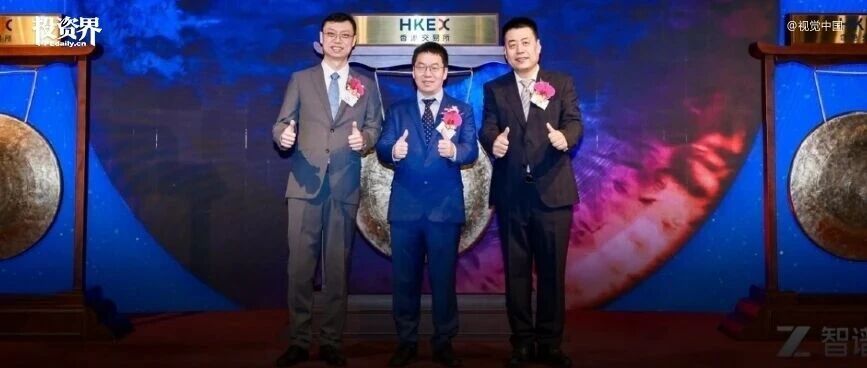
Group 1 - The core point of the article highlights the remarkable market performance of Zhipu, which has seen its market value increase by over 500 billion HKD within a week of its listing on the Hong Kong Stock Exchange, reaching a total market value of 1.1 trillion HKD [1][2] - Zhipu was established in 2019, leveraging the technological foundation laid by Tsinghua University's KEG laboratory, which developed the AMiner product in 2006, focusing on AI-driven research insights [2][3] - The initial shareholding structure of Zhipu included significant stakeholders such as Huakong Technology, which held 11.99% of shares at the time of establishment, and has since seen its stake value rise to approximately 38.83 billion HKD [2][3] Group 2 - The company has completed at least 8 rounds of financing, raising over 8.3 billion CNY, and has attracted more than 50 institutional investors, indicating strong backing from the investment community [4][5] - Following its IPO, Zhipu's stock price surged by over 126% within the first seven trading days, driven by strategic partnerships and technological advancements, including a collaboration with Didi and the launch of a new image generation model with Huawei [5][6] - The success of Zhipu is part of a broader trend in China where university-led technology transfer initiatives are yielding significant financial returns, with Tsinghua University leading in technology commercialization efforts [7][9]
智谱1000亿,清华赚翻了
投资界· 2026-01-18 08:31
Core Viewpoint - The article highlights the remarkable success of Zhipu, a company that has achieved a market value of HKD 1,100 billion shortly after its IPO, showcasing the potential of technology transfer from universities, particularly Tsinghua University [2][3]. Group 1: Company Overview - Zhipu was established in 2019, leveraging technology from Tsinghua University's Knowledge Engineering Group, which dates back to 2006 with the development of the AMiner product [3]. - The company has completed at least 8 rounds of financing, raising over HKD 8.3 billion, and has attracted more than 50 institutional investors, resulting in a total of 87 shareholders [2][6]. - The initial shareholding structure included Huakong Technology, which held 11.99% of Zhipu's shares at the time of its founding [4]. Group 2: Financial Performance - On its first day of trading, Zhipu's market value exceeded HKD 500 billion, and within a week, it surged to over HKD 1,100 billion, marking a 126% increase in stock price [6][7]. - The company has established strategic partnerships, including collaborations with Didi and Huawei, which have contributed to its stock price increase [6][7]. Group 3: Technology Transfer and Impact - Huakong Technology, established in 2014, serves as a platform for technology transfer from Tsinghua University, managing and holding equity from various projects [4][5]. - Tsinghua University has successfully incubated numerous projects, including Zhipu, and has established a comprehensive system for technology transfer, leading to significant financial returns [9][10]. - The university has completed approximately 450 technology transfer projects in the past three years, generating over HKD 1.5 billion in total [9].

四中全会精神在基层|在科创岛上,打开未来产业之门
Xin Hua She· 2026-01-18 02:15
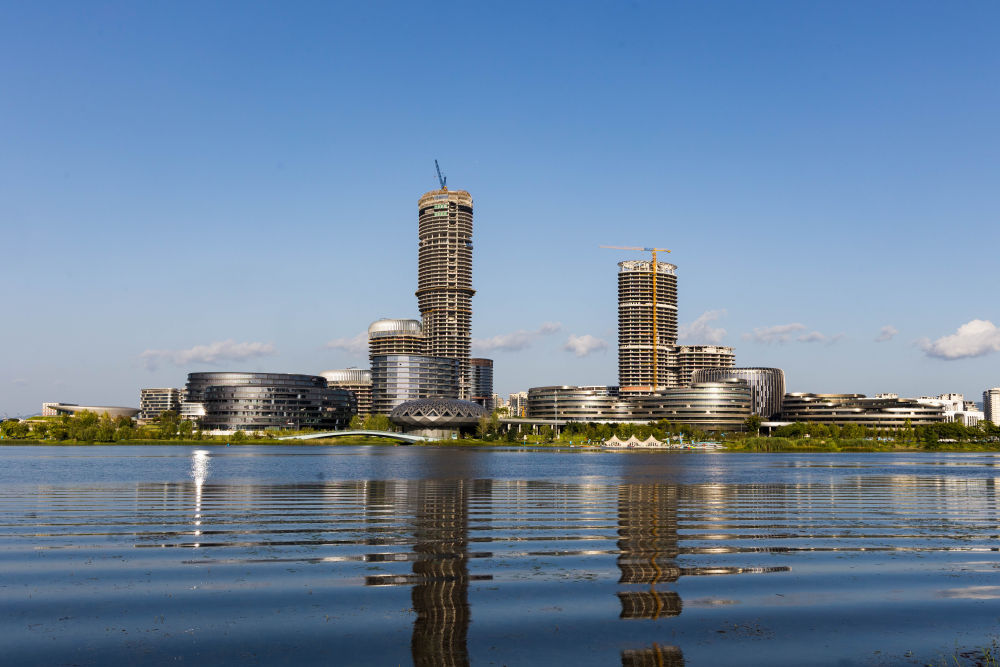
Core Insights - Chengdu's Innovation Ecological Island has welcomed its first three resident companies in 2026, focusing on robotics, machine vision, and biotechnology, bringing the total number of companies to over 50 [1] - The "14th Five-Year Plan" emphasizes the need for a complete industrial ecosystem and large-scale application demonstrations of new technologies and products, accelerating the development of emerging industries [1] Group 1: Infrastructure and Operations - The Chengdu Innovation Ecological Island covers approximately 1006 acres and is divided into three main areas: innovation transformation service area, emerging industry cultivation area, and ecological vitality gathering area [2] - The island features advanced logistics solutions, such as drone delivery for coffee and an L4 level autonomous boat for passenger transport, showcasing practical applications of low-altitude logistics [2] Group 2: Ecosystem and Collaboration - The island serves as a "testing ground" for technology commercialization, leveraging its unique spatial resources and comprehensive services to facilitate market entry for innovative products [4] - Over the past year, the island has hosted more than 200 innovation activities and opened over 100 technology application scenarios, including 38 operational scenarios like autonomous delivery vehicles and smart building logistics [4] Group 3: Industry Impact and Growth - The surrounding area includes key innovation bases such as the National Supercomputing Center in Chengdu and the Tianfu Laboratory, with over 120 innovation service institutions and 273 pilot platforms available [7] - The island has attracted high-quality companies, with 13% being unicorns and 50% classified as hidden champions or specialized "little giants," indicating a robust industrial ecosystem [7] - The satellite island network is expanding rapidly, with new locations in Chengdu, Eastern New District, Ya'an, and Deyang, having identified 150 convertible results and successfully implementing 35 [7]
在科创岛上 打开未来产业之门
Xin Hua She· 2026-01-18 02:14
Group 1 - Chengdu's Innovation Ecological Island has welcomed its first three resident companies in 2026, focusing on robotics, machine vision, and biotechnology, bringing the total number of companies on the island to over 50 [1] - The island covers approximately 1006 acres and is divided into three areas: innovation transformation service area, emerging industry cultivation area, and ecological vitality gathering area [1] - The island features advanced technologies such as L4 autonomous driving for smart boats and low-altitude logistics using drones for delivery [1][2] Group 2 - The island has hosted over 200 innovation activities in the past year and has opened more than 100 technology application scenarios, including 38 that have been implemented and demonstrated [2] - The surrounding area includes key innovation bases such as the National Supercomputing Center in Chengdu and the Tianfu Laboratory, with over 120 innovation service institutions and 273 pilot test platforms [3] - The island's ecosystem has attracted high-quality companies, with 13% being unicorns and 50% classified as "invisible champions" or specialized "little giants" [3]