
自动驾驶商业化

Search documents
百度涨超8%,萝卜快跑搭上Uber快车,这些国家率先“发车”
Di Yi Cai Jing· 2025-07-15 14:36
Group 1 - Baidu's autonomous driving service, "萝卜快跑," has formed a strategic partnership with Uber to expand its services globally, with plans to deploy thousands of vehicles in Asia and the Middle East by the end of this year [1][2] - The partnership marks a renewed effort by Baidu to pursue its global ambitions in the autonomous driving sector, following its previous investment in Uber in 2014 [2][3] - Uber, as the largest global mobility platform, provides a robust operational network and user base, making it a suitable partner for Baidu's international expansion [3] Group 2 - The autonomous driving industry is witnessing increased competition, with other companies like Momenta and 小马智行 also partnering with Uber to enter international markets [3][4] - "萝卜快跑" has already begun testing in Dubai and Abu Dhabi, with plans to deploy over 1,000 fully autonomous vehicles in Dubai as part of its collaboration with the Dubai Roads and Transport Authority [4] - The technology maturity and supportive policies in China have allowed "萝卜快跑" to validate its business model and prepare for rapid replication in international markets [4]


特斯拉无人出租上线两周就撞了,起步剐蹭路边车辆,纯视觉方案受争议
3 6 Ke· 2025-07-09 11:21
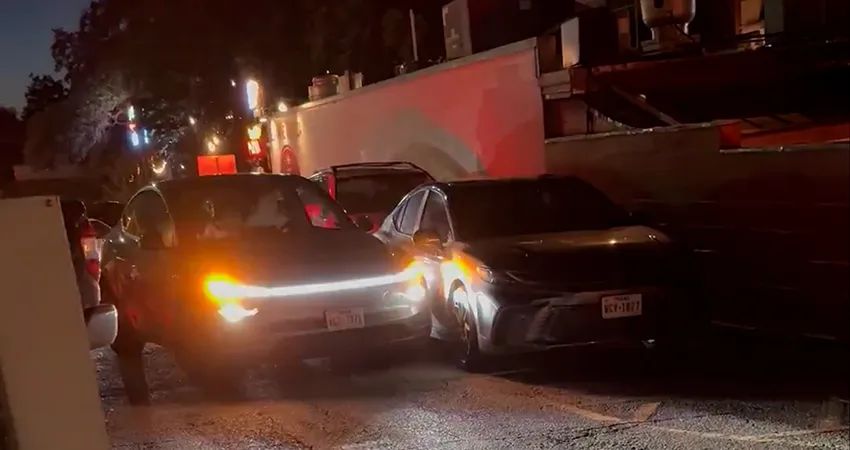
Core Viewpoint - The first collision involving Tesla's Robotaxi occurred in Austin, Texas, shortly after its launch, raising concerns about the system's limitations and safety [1][4][18] Group 1: Incident Details - A Tesla Robotaxi made contact with a parked vehicle in Austin, Texas, without causing injuries [1] - The incident was captured on video, showing the Robotaxi turning suddenly and lightly hitting a Toyota Camry after attempting to park [7][8] - The collision is attributed to the limitations of the vehicle's visual perception system, particularly in low-light conditions and obstructed views [8][5] Group 2: System Limitations - The Robotaxi has faced multiple issues since its launch, prompting an investigation by the National Highway Traffic Safety Administration (NHTSA) [4][12] - Key problems identified include lane deviation, sudden braking without obstacles, speeding, and misjudgment of the environment [12][13][14] - The incident highlights the need for improvements in the Robotaxi's perception, control, and rule-following capabilities [14] Group 3: Industry Context - The challenges faced by Tesla's Robotaxi are not unique, as other companies like Waymo have encountered similar issues with their autonomous vehicles [15][17] - Waymo's experience includes a recall of 1,200 Robotaxis due to frequent minor collisions with ground obstacles, indicating a broader industry challenge in recognizing low-profile, non-standard obstacles [17] - The incident serves as a reminder that the commercialization of autonomous driving technology must prioritize safety to avoid potential setbacks [18]


Robotaxi在德州登场,特斯拉能止住下滑吗?
Zhong Guo Qi Che Bao Wang· 2025-06-25 00:40
Core Viewpoint - Tesla's launch of Robotaxi service in Austin, Texas, marks a significant step in the commercialization of autonomous driving, but the company faces declining global sales and intense competition in the electric vehicle market [1][5][9] Group 1: Robotaxi Launch and Features - The Robotaxi service officially started on June 22, 2025, with approximately 10 modified Model Y vehicles operating without a steering wheel [1] - The initial service area is limited to a specific geographic zone in South Austin, avoiding complex intersections, and operates within a 50 square kilometer area [3] - The vehicles utilize a pure vision technology approach, equipped with 4D millimeter-wave radar and 12 high-definition cameras, powered by Tesla's Dojo supercomputer [3] Group 2: Market Challenges - Tesla's global delivery volume fell to 336,700 units in Q1 2025, a 13% year-over-year decline, marking the worst performance since Q2 2022 [5] - The demand for Tesla's main models, Model 3 and Model Y, has weakened, with European sales plummeting by 53.7% and continuous declines in the Chinese market [5] - Increased competition from traditional automakers and Chinese EV brands, along with slow product updates, have contributed to Tesla's market struggles [5] Group 3: Regulatory and Technical Challenges - The commercialization of Robotaxi faces regulatory hurdles, including investigations by the National Highway Traffic Safety Administration (NHTSA) regarding the system's performance in low visibility conditions [7] - Tesla's Full Self-Driving (FSD) system requires human intervention in real-world testing, with a significantly lower mileage per intervention compared to competitors like Waymo [7][8] - New regulations in Texas require operators to obtain state licenses and provide detailed safety data, adding pressure on Tesla to comply [7] Group 4: Future Outlook - While Robotaxi could enhance Tesla's brand influence and potentially increase FSD subscription rates, its commercial success is uncertain due to technical reliability and market competition [8][9] - The long-term potential of Robotaxi hinges on overcoming technological challenges, establishing a robust regulatory framework, and developing a sustainable business model [8][9] - The success of Robotaxi could significantly impact Tesla's future growth and the broader autonomous driving industry landscape [9]
Robotaxi上路,特斯拉股价暴涨8%!下一站$500?
Sou Hu Cai Jing· 2025-06-25 00:18
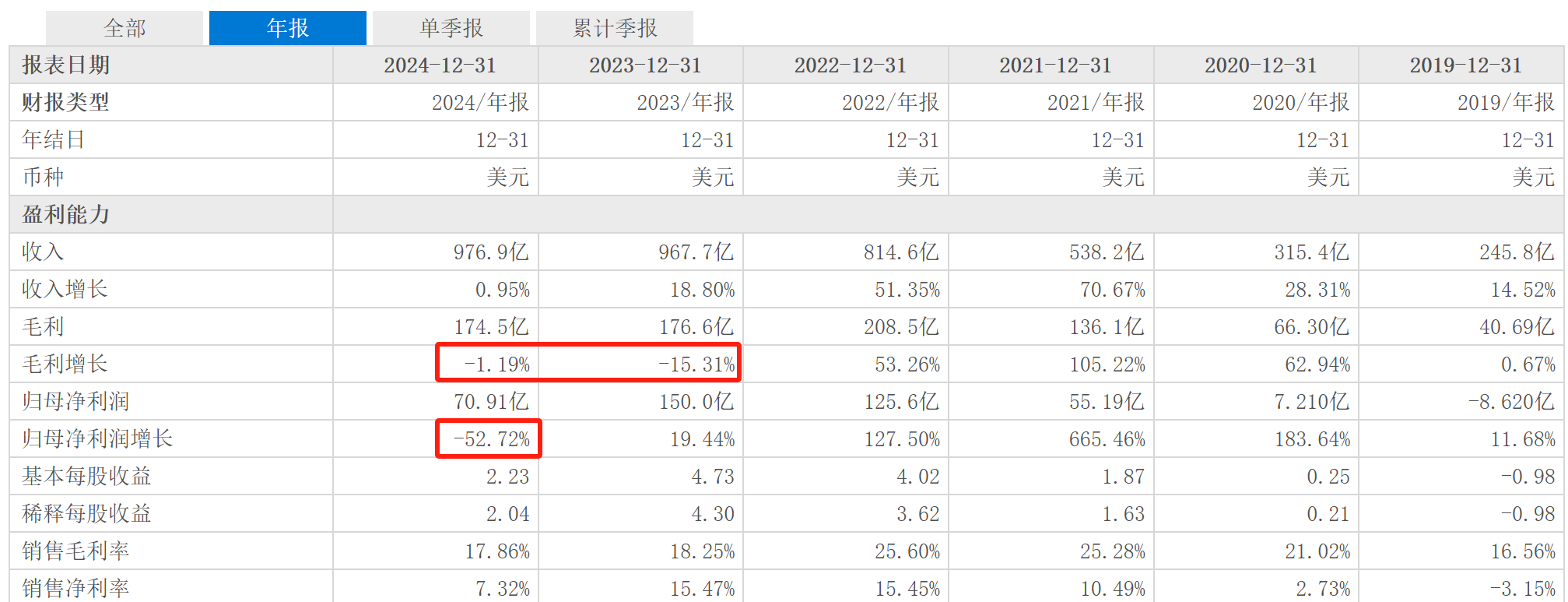
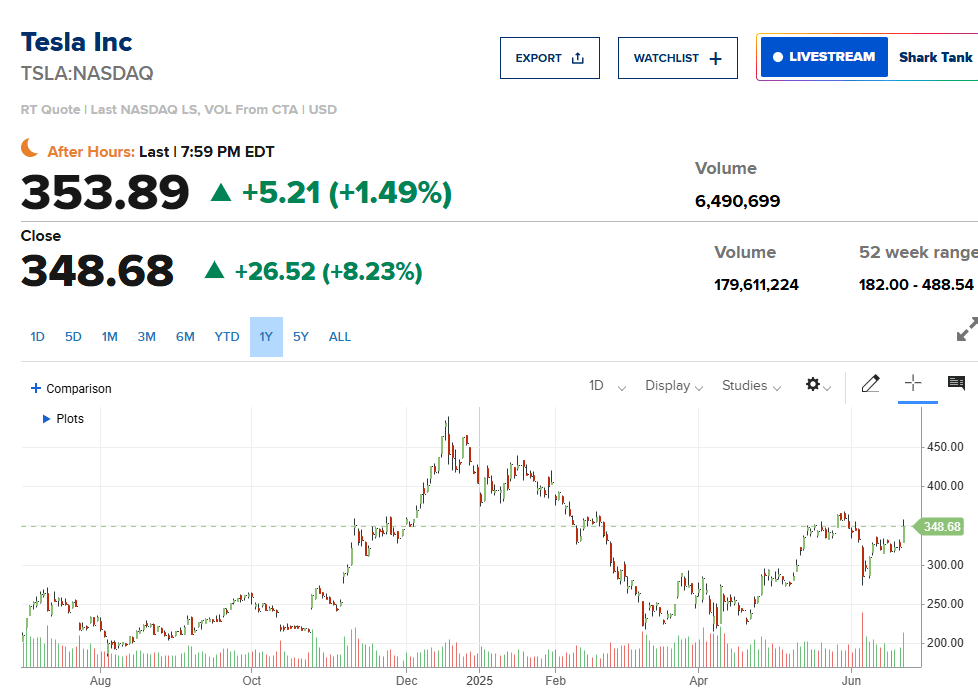
Core Viewpoint - Tesla officially launched its Robotaxi pilot operation in Austin, Texas, marking its entry into the Robotaxi commercialization sector, which Elon Musk described as the result of "ten years of effort" and the beginning of Tesla's AI roadmap implementation [1][10]. Group 1: Market Reaction - Following the announcement, Tesla's stock surged by 8.23%, closing at $348.68, the largest single-day increase since April 28. The stock continued to rise in after-hours trading, reaching $353.89, an additional increase of 1.49% [1]. Group 2: Valuation Reassessment - The launch of Robotaxi signifies a viable, replicable, and commercial business model, altering investors' valuation benchmarks for Tesla. Previously, Tesla's high valuation was largely based on "growth" and "vision" without stable cash flows [3][4]. - Musk aims to expand Robotaxi to more cities by the end of the year, with a target of having millions of Tesla vehicles operational by 2026 [3]. Group 3: Analyst Perspectives - Analyst Daniel Ives from Wedbush praised the Robotaxi experience, calling it "safe, comfortable, and nearly imperceptible autonomous driving," maintaining a "outperform" rating with a target price of $500, the highest on Wall Street [6]. - Conversely, UBS retained a "sell" rating with a target price of $215, suggesting that the market has already priced in the Robotaxi's potential [6]. - The average target price among Wall Street analysts stands at $287, below the current stock price of $348.68, indicating a divergence in market valuations [7]. Group 4: Future Outlook - The current market sentiment remains strong, with expectations of continued upward momentum for Tesla's stock, supported by a robust AI sector outlook and institutional buying interest [8]. - The upcoming delivery of the first fully autonomous vehicle on June 28, coinciding with Musk's birthday, is anticipated to attract significant media attention and potentially boost market sentiment further [9]. Group 5: Conclusion - The Robotaxi initiative represents more than just a product launch; it signifies Tesla's first major step into AI commercialization. This development could redefine Tesla's identity from merely an electric vehicle manufacturer to an AI-driven mobility platform [10].
本周精华总结:特斯拉迎来一把政策钥匙+一次技术跃迁
老徐抓AI趋势· 2025-06-19 17:12
Core Viewpoint - China has officially allowed the export of autonomous driving data, indicating a significant shift in the regulatory stance towards data security and market openness [4]. Group 1: Impact on Tesla - The new policy is a clear benefit for Tesla, as it can now access real road condition data, which was previously restricted, enhancing its Full Self-Driving (FSD) training capabilities [4]. - With the data access, Tesla is expected to rapidly train models for FSD, potentially introducing a subscription model to lower the entry barrier for consumers [5]. - The anticipated improvements in FSD experience in China, combined with Tesla's strategy for a cheaper model, may lead to a significant sales surge in the fourth quarter [5]. Group 2: Implications for Domestic Companies - Domestic autonomous driving companies like Huawei, Xpeng, and Li Auto may feel uncomfortable as their accumulated data will now be shared with foreign competitors [4]. - This policy could pressure local firms in the short term but may also encourage a shift from price and marketing wars to genuine technological competition [4]. Group 3: Global Competitive Landscape - The policy reflects a balanced approach to market governance, treating both domestic and foreign companies equally, which enhances China's international image [4]. - The move is seen as a strategic step for China to position itself as a leading player in the global autonomous driving industry [4]. Group 4: Robotaxi Developments - Tesla's Robotaxi testing has generated significant attention, marking a potential paradigm shift in transportation and creating substantial industry restructuring opportunities [11]. - The successful deployment of Robotaxi could redefine not only personal transportation but also the broader logistics and mobility landscape [11]. - Tesla's approach, relying on pure visual AI rather than high-definition maps, allows for greater adaptability and scalability compared to competitors like Waymo [12].

全球主要Robotaxi运营商情况梳理
2025-06-12 15:07
Summary of Robotaxi Industry and Key Players Industry Overview - Robotaxi represents the ultimate model for commercializing Level 4 (L4) and above autonomous driving, facing safety and pricing concerns but expected to lower costs through technological maturity and economies of scale [1][2][3] - The Robotaxi operation is projected to generate an additional $260 billion in the domestic market by 2030, with a penetration rate of at least 10% [1][3] Key Players and Developments - **Waymo**: - Increased sensor configurations and partnered with Zeekr, capturing a significant market share in the San Francisco ride-hailing market with a 20% order market share, fleet size of 1,500 vehicles, and over 10 million paid rides [1][3] - **Xiaoma Zhixing (Pony.ai)**: - Collaborated with GAC Aion to reduce new model costs by 70%, with an operational area exceeding 2,000 square kilometers and a 200% year-on-year revenue increase in Q1 [1][3][6] - Plans to have 1,000 vehicles operational by the end of the year and has initiated RoboTaxi road tests in Seoul, South Korea [4][6] - **Tesla**: - Announced the official launch of Robotaxi on June 22, 2025, focusing on the feasibility of pure vision technology and significant cost reduction potential [2][8] Market Dynamics - Robotaxi is expected to create new demand in the transportation market, similar to how ride-hailing services expanded the market through differentiated services [2][3] - The current market concerns about Robotaxi affecting traditional taxi and ride-hailing services are countered by the expectation that it will expand the overall market [2][3] Regulatory Environment - Both China and the U.S. are leading in autonomous driving regulations, with multiple cities allowing paid autonomous driving operations [5][7] - Recent regulations in China, such as the promotion of intelligent connected vehicles and the release of technical guidelines, support the deployment of L3 and above autonomous driving [7] Future Trends - The automotive sector is expected to continue focusing on smart technology, with the launch of Tesla's Robotaxi likely to further stimulate the smart vehicle theme [9] - The penetration rate of intelligent driving in domestic cities is anticipated to rise rapidly, driven by the focus on vehicles priced between 100,000 to 200,000 yuan [9] Investment Recommendations - Recommended stocks include Xiaopeng Motors, Tesla, Li Auto, and Xiaoma Zhixing, with a focus on parts supplier, Aptiv [10]
华尔街聚焦自动驾驶,2030年北美Robotaxi市场或达70亿美元
Huan Qiu Wang· 2025-06-10 03:15
Group 1 - The core viewpoint is that North America's autonomous driving vehicles have officially entered the commercialization phase, with expectations of capturing a $7 billion share in the U.S. ride-sharing market by 2030, shifting investor focus from "technical feasibility" to "growth speed and market size" [1] Group 2 - Goldman Sachs predicts that the U.S. ride-sharing market will surge from $58 billion to over $336 billion by 2030, with Robotaxi expected to account for approximately $7 billion, representing about 8% of total bookings [3] - The North American Robotaxi market is projected to be around $300 million in 2025, making up less than 1% of the ride-hailing market, but with a remarkable compound annual growth rate of nearly 90% from 2025 to 2030 [3] - Waymo leads the competition with over 1,500 vehicles in its fleet, completing over 250,000 paid rides weekly, and plans to expand to seven U.S. cities by the end of 2026 [3] - Tesla is set to launch its Robotaxi service in Austin, Texas, aiming to compete directly with Waymo, with differentiation in scale and technology being key to long-term profitability [3] Group 3 - The commercialization of autonomous driving is reshaping the industry landscape, with traditional ride-hailing platforms like Uber and Lyft potentially shifting to a light-asset model by integrating third-party autonomous vehicle fleets [3] - Uber has partnered with 18 autonomous technology companies, while Lyft has also collaborated with multiple firms [3] Group 4 - Cost reduction is a critical factor driving the large-scale expansion of autonomous vehicles, with expectations of over 1,800 commercial autonomous vehicles in the U.S. by the end of 2025, increasing to 35,000 by 2030 [3] - The cost per mile for autonomous vehicles is expected to continue declining, establishing an economic foundation for massive scale expansion [3] Group 5 - Goldman Sachs also highlights the potential of the Level 8 heavy truck market, predicting that by 2030, there will be 25,000 autonomous trucks on the road, capturing an $18 billion share of the freight market, which would account for about 3% of total truck mileage [4]

高盛“无人驾驶”深度报告:北美Robotaxi已进入商业化阶段,下一步是大规模扩展
Hua Er Jie Jian Wen· 2025-06-10 01:23
当街头巷尾还在讨论无人驾驶汽车何时到来时,华尔街已经开始计算这个市场的真金白银。 据追风交易台消息,高盛分析师团队6月9日研报显示,北美自动驾驶汽车已正式跨入商业化阶段,预计到2030年将在美国共享出行市场中占据70亿美元份 额。这一转折点的到来,意味着投资者关注焦点应从"技术是否可行"转向"增长速度有多快、市场规模有多大"。 以Mark Delaney为首的高盛分析师团队在报告中明确表示:"目前美国道路上已有超过1500辆Waymo Robotaxi在运营,特斯拉希望在6月于奥斯汀开始商业 化Robotaxi运营。" 市场爆发在即:2030年规模70亿美元 高盛预测显示,美国共享出行市场将从目前的580亿美元规模激增至2030年的超过3360亿美元。在这一巨大增量中,Robotaxi预计将占据约70亿美元份 额,相当于总共享出行预订量的8%。而2025年北美Robotaxi市场约3亿美元,占580亿美元网约车市场总量不足1%。 尽管这一比例看似温和,但其增长轨迹令人瞩目:从2025年预计的3亿美元跃升至2030年的70亿美元,复合年增长率接近90%。Delaney预测: 随着Waymo的推广,加上包括特斯拉 ...
Robotaxi要谈盈利了?
Zhong Guo Qi Che Bao Wang· 2025-06-09 07:06
小马智行Robotaxi订单暴涨800%,第七代系统成本骤降70%,实现单车盈利;2025年一季度,文远知行 Robotaxi营收达1610万元,已进入单车盈亏平衡阶段;百度也宣称,萝卜快跑将在2025年实现盈利。业内普遍认 为,2025年Robotaxi将迎来量产元年,随着规模的增长、成本的下降,Robotaxi距离盈利期已经不远了。 头部企业Robotaxi业务营收快速增长 5月21日,文远知行WeRide发布2025年一季度财务报告,报告显示,一季度总收入达7244万元,较2024年同期的 7120万元实现温和增长;毛利率维持在35.0%的健康水平。其中,Robotaxi业务收入达1610万元,在整体营收中的 占比显著提升至22.3%。 文远知行的Robotaxi业务商业化进程正在加速。4月,文远知行宣布将通过迪拜道路交通管理局(RTA)和优步将 其自动驾驶出租车整合到迪拜的公共交通系统中;5月,文远知行在广州市中心引入了8条Robotaxi自动驾驶出租车 试点运营路线,构建了24小时自动驾驶网约车网络,覆盖广州塔、广交会展馆、花园酒店、珠江新城等广州主要 地标建筑,以及广州白云国际机场、广州南站等交通 ...

政策持续优化,Robotaxi商业化落地加速
2025-06-06 02:37
Summary of Robotaxi Industry and Company Developments Industry Overview - The Robotaxi industry is experiencing rapid commercialization in the United States, with San Francisco approving all-weather commercial operations and states actively advancing autonomous driving legislation to support testing and commercialization [1][2] - China has defined 2025 as the year for Robotaxi commercialization, with ongoing improvements in high-level autonomous driving legislation and pilot projects for integrated vehicle-road-cloud systems [1][4] Key Companies and Developments Tesla - Tesla is leveraging its large fleet to accumulate data, optimize models, and innovate its Robotaxi business model, planning to deploy unmanned test vehicles in Austin, Texas, with an expected operational fleet of 110,000 vehicles by 2026 [1][5][6] - The company aims to enhance its Full Self-Driving (FSD) software monetization and has changed the landscape of partnerships in the autonomous driving sector, allowing better cost control [5][6] Baidu - Baidu's Robotaxi service, "Luobo Kuaipao," has launched in 11 cities, providing over 11.4 million global rides in Q1 2025, a 75% year-on-year increase, and has penetrated 36 cities in total [1][7] Pony.ai and WeRide - Pony.ai is entering its production year, planning to deploy around 1,000 vehicles by the end of 2025 and has formed a strategic partnership with Uber for testing in the Middle East [1][8] - WeRide has also received a commercial license for all-weather operations in San Francisco, marking a significant milestone for Robotaxi commercialization in the U.S. [2] Other Companies - Companies like Zhongyuan Zhixin, Yunnei Power, and Baixingniu are advancing L3-level autonomous driving in the unmanned logistics sector, creating investment opportunities in the upstream supply chain [3][11] - GAC Group, BAIC Blue Valley, and Dongfeng Technology are also making strides in the Robotaxi space, with GAC's ride-hailing service and BAIC's collaboration with Pony.ai for vehicle production [9] Legislative and Technological Support - The U.S. National Highway Traffic Safety Administration is set to release a regulatory framework for Robotaxi operations, addressing key issues such as operational qualifications and accident liability [2] - In China, the government is enhancing regulations and infrastructure to support high-level autonomous driving, with significant investments in technology development and cost reduction for L2+ level driving assistance [4][6] Investment Opportunities - The commercialization of Robotaxi is expected to create investment opportunities in upstream industries, particularly in areas like line control braking, line control steering, and domain controllers [3][12][13][14] - Companies such as Boteli, Nissin, Desay SV, and Jingwei Hengrun are positioned to benefit from the growing demand for advanced driving technologies [12][14] Conclusion - The Robotaxi industry is on the brink of significant growth, driven by technological advancements, regulatory support, and strategic partnerships among key players. The developments in both the U.S. and China indicate a robust future for autonomous driving services and related investments [1][17]