区块链

Search documents
近半提案聚焦经济建设,多位委员建言上海“十五五”开局发力点
第一财经· 2026-02-02 14:49
Core Viewpoint - The article emphasizes the importance of optimizing and upgrading the industrial system in Shanghai, particularly focusing on the three leading industries: integrated circuits, biomedicine, and artificial intelligence, and their role in driving the transformation of traditional industries [2][3]. Group 1: Leading Industries - The three leading industries in Shanghai are expected to perform well by 2025, with a projected manufacturing output growth of 9.6%, including a 15.1% increase in integrated circuits and a 13.6% increase in artificial intelligence [4]. - The biomedicine sector is highlighted as a key area for innovation, with a historical high in the licensing-out of innovative drugs, indicating strong market potential [3][4]. - Talent acquisition is crucial for the success of these industries, as they are capital and talent-intensive, necessitating Shanghai to attract top global tech talent, especially in AI [3]. Group 2: Modern Industrial System - The "2+3+6+6" modern industrial system framework aims to enhance Shanghai's international economic status by promoting the digital and green transformation of traditional industries and developing six emerging pillar industry clusters [4]. - The construction of this modern industrial system requires a multi-layered approach, focusing on mature, growth, and frontier sectors, alongside strengthening financial support through diverse funding services [6]. Group 3: AI and Emerging Technologies - AI, big data, and blockchain are identified as key focus areas, with AI's rapid development being driven by advancements in data quality and GPU companies gaining market recognition [7]. - The article discusses the need for standardized systems in GPU technology to facilitate software development and programming, which is essential for the growth of the AI sector [8]. - Blockchain technology is proposed as a solution for ensuring data security and compliance in AI applications, with potential opportunities in data processing services and compliance auditing tools [8].


天阳科技:公司主要聚焦于人工智能、区块链、云计算和大数据等新一代金融科技领域
Zheng Quan Ri Bao Zhi Sheng· 2026-02-02 12:07
Core Viewpoint - Tianyang Technology focuses on new-generation financial technology fields such as artificial intelligence, blockchain, cloud computing, and big data, providing solutions and services to clients while also engaging in deep research and development in quantum computing, AI agents, and large models [1] Group 1 - The company is primarily concentrated on artificial intelligence, blockchain, cloud computing, and big data [1] - Tianyang Technology is involved in extensive research and development in quantum computing, AI agents, and large models [1]
数字货币全球博弈升级,人民币飞跃新关口
3 6 Ke· 2026-02-02 11:19
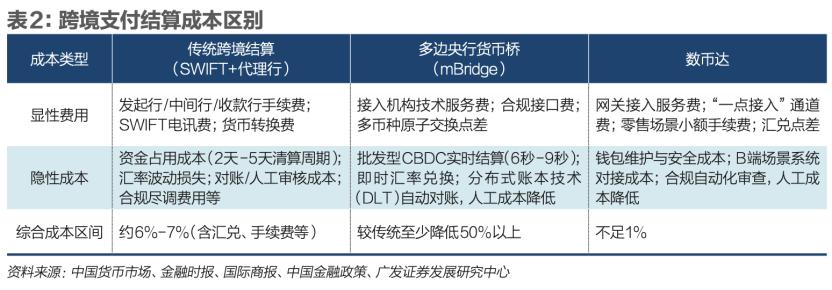
Core Viewpoint - The introduction of interest on digital renminbi marks a significant transformation from "digital cash" to "digital deposits," initiating a new era for China's central bank digital currency (CBDC) [2][15][18]. Group 1: Digital Renminbi Mechanism and Framework - The digital renminbi interest mechanism will officially launch on January 1, 2026, allowing banks to pay interest on customer balances in digital renminbi wallets at a rate of 0.05% [1][18]. - The "Action Plan" outlines a new measurement framework that redefines the value attributes of digital renminbi, transitioning it from M0 (cash) to M1 (narrow money) and potentially M2 (broad money) [3][16][21]. - The digital renminbi will now be treated as a liability of commercial banks, allowing for asset-liability management and providing the same safety guarantees as traditional deposits through deposit insurance [3][21]. Group 2: Commercial Bank Involvement and Product Innovation - Commercial banks are expected to develop new business models based on digital renminbi, enhancing its application and integration into existing financial products [4][19]. - The number of digital renminbi operating institutions is anticipated to expand, with more commercial banks likely to join the current list of ten [5][31]. - Financial institutions are exploring innovative financial products that leverage the interest-bearing feature of digital renminbi, aiming to enhance user engagement and asset value [4][19]. Group 3: Cross-Border Payment and International Cooperation - The mBridge project, which facilitates cross-border payments using digital renminbi, has shown significant efficiency improvements, reducing transaction times from days to seconds [9][12]. - The digital renminbi international operating center has launched platforms to support cross-border digital payments, enhancing the internationalization of the renminbi [12][39]. - Cooperation with foreign central banks, such as the agreement with Laos, aims to streamline cross-border digital payment processes and enhance the usability of digital renminbi [13][39]. Group 4: Global Context and Competitive Landscape - The divergence in digital currency paths between China and the U.S. highlights differing approaches to monetary sovereignty and financial governance, with China firmly supporting CBDC development while the U.S. leans towards private stablecoins [6][33][35]. - The ongoing evolution of digital currencies is expected to reshape the international monetary system, with digital renminbi positioned as a key player in promoting the internationalization of the renminbi [39][40]. - The regulatory landscape for stablecoins in the U.S. is evolving, which may impact the competitive dynamics between digital renminbi and private digital currencies [34][38].
近半提案聚焦经济建设 多位委员建言上海“十五五”开局发力点
Di Yi Cai Jing· 2026-02-02 09:08
Core Viewpoint - The Shanghai Municipal Political Consultative Conference emphasizes the continuous optimization and upgrading of the industrial system, focusing on the three leading industries: integrated circuits, biomedicine, and artificial intelligence, to drive traditional industries' transformation and upgrade [1][3]. Group 1: Industry Development - The three leading industries in Shanghai are expected to show significant performance by 2025, with manufacturing output projected to grow by 9.6%, including a 15.1% increase in integrated circuits and a 13.6% increase in artificial intelligence [4]. - The biomedicine sector is shifting focus towards innovative drugs and medical devices, with a historical high in the licensing-out of innovative drugs, indicating a strong potential for international market expansion [4][5]. Group 2: Talent and Financial Support - Attracting high-quality talent is crucial for the three leading industries, which are capital and talent-intensive. Shanghai aims to leverage its advantages to attract top global tech talent, particularly in AI [3]. - Financial support is essential for the development of emerging industries, with suggestions for establishing future industry funds to provide diverse financing services [6]. Group 3: AI and New Technologies - AI, big data, and blockchain are highlighted as key areas of focus, with AI's rapid development creating opportunities for traditional industries to transform and upgrade [7]. - The need for standardized systems in GPU and software development is emphasized, along with the importance of ensuring data security and compliance in AI applications through blockchain technology [8]. Group 4: Strategic Recommendations - A multi-layered approach is recommended for building a modern industrial system, focusing on accelerating mature sectors, nurturing growth sectors, and precisely identifying and rapidly deploying in frontier sectors [6]. - The integration of blockchain with AI is suggested to enhance data security and create new market opportunities, particularly in data processing services and compliance auditing tools [8].

近半提案聚焦经济建设,多位委员建言上海“十五五”开局发力点
Di Yi Cai Jing· 2026-02-02 09:03
Core Viewpoint - The Shanghai Municipal Political Consultative Conference emphasizes the continuous optimization and upgrading of the industrial system, focusing on the development of three leading industries and six emerging pillar industry clusters as part of the "14th Five-Year Plan" [1][3]. Group 1: Leading Industries - The three leading industries in Shanghai—integrated circuits, biomedicine, and artificial intelligence—are expected to perform well by 2025, with a focus on transmitting advantages to upstream and downstream industries and transforming traditional industries [3][4]. - By 2025, the manufacturing output value of the three leading industries is projected to grow by 9.6% year-on-year, with integrated circuits expected to increase by 15.1% and artificial intelligence by 13.6% [4]. Group 2: Biomedicine Sector - The biomedicine sector is experiencing a transition from chemical generic drugs to innovative drugs, with a focus on international market expansion for innovative drug products [5]. - Shanghai aims to encourage the gathering of companies aspiring to become global biomedicine enterprises, enhancing their commercialization capabilities [5]. Group 3: Emerging Pillar Industries - The construction of a modern industrial system involves multi-layered development, with mature sectors needing acceleration, growth sectors requiring nurturing, and frontier sectors needing precise identification and rapid layout [6]. - Financial support is crucial, including the establishment of future industry funds to provide diverse financing services [6]. Group 4: AI and Data Technologies - AI, big data, and blockchain are highlighted as key areas of focus, with AI expected to transition from trial phases to widespread application in various industries [7]. - The development of GPU companies and the need for standardized software development and system programming are emphasized, with calls for industry leadership to establish unified standards [8]. Group 5: Data Security and Blockchain - Blockchain technology is proposed as a solution for ensuring data security and compliance in AI applications, with potential opportunities in data processing services and tokenized data trading platforms [8].

三未信安20260130
2026-02-02 02:22
Summary of the Conference Call for Sanwei Xinan Company Overview - **Company**: Sanwei Xinan - **Industry**: Commercial Cryptography Key Points Financial Performance - In 2025, Sanwei Xinan's revenue increased but net profit declined due to significant rises in R&D and sales expenses, attributed to investments in AI, IoT, quantum computing, and blockchain [2][3] - The increase in revenue was partly due to the consolidation of acquired companies, but delays in government projects impacted expected growth [3] Future Outlook - The company is optimistic about 2026, expecting positive impacts from the resumption of delayed government projects, user accumulation in post-quantum technology and IoT demonstration projects, and progress in the Hong Kong market [2][5] - A significant number of orders are in hand, particularly in the government sector, which is expected to positively influence 2026 performance [5] Industry Dynamics - The commercial cryptography industry is evolving with the advancement of security evaluations and innovation tasks, despite previous funding shortages causing project delays [6] - There is a growing demand for cryptographic upgrades in state-owned enterprises and internet companies, driven by the development of data services and AI [6] R&D Focus - In 2026, R&D will focus on chip development, integrated solutions for robotics and IoT, Web 3 digital asset management, AI and cryptography integration, and optimization of post-quantum cryptography [4][11] - R&D expenses are expected to decrease as many products enter production, allowing for a greater focus on market promotion and delivery [11] International Expansion - Sanwei Xinan is promoting hardware security modules (HSM) and cloud cryptography services in overseas markets, with subsidiaries established in Hong Kong and Singapore [9] - The strategy includes consolidating the Hong Kong market before expanding into Southeast Asia, with plans to provide voice cryptography services to Chinese manufacturing enterprises [9] Collaboration and Product Offerings - The company collaborates with robotics and autonomous vehicle firms to provide security solutions, including identity authentication and cloud management services [4][9] - Most domestic cloud platforms utilize Sanwei Xinan's cloud cryptography machines, and the company has established public cloud services in Singapore [9] Cost Management and Profitability - The company has recognized excessive spending in 2025 and is implementing internal adjustments to control costs, focusing on reducing R&D and sales expenses [14] - A rapid turnaround to profitability is anticipated in 2026, supported by completed pilot projects and a strong order backlog [14][17] Market Demand - The financial sector shows high demand for cryptographic products, with Sanwei Xinan holding a significant market share [15] - The company is a major supplier to leading cloud operators, including Huawei, Alibaba, Tencent, ByteDance, and JD, with a market share exceeding 60% [15] Cash Flow and Receivables - In 2026, the company improved accounts receivable management, resulting in a significant increase in operating cash flow by approximately 400% [16] - The overall quality of operations has improved, with a notable decrease in accounts receivable balance [16] Asset Impairment - The actual loss for 2025, after accounting for impairment, is projected to be under 10 million yuan [17] - Confidence in 2026's business development is high, with a substantial increase in orders and contracts in place despite previous delays [17]

彻底崩盘!睿盛环球Golden Link40万会员数10亿资金灰飞烟灭!
Sou Hu Cai Jing· 2026-02-01 23:23
Group 1 - The platform "Gold Link" operates as a Ponzi scheme, promising high returns without actual business activities or investments in real projects [2][4] - The scheme relies on new investments to pay returns to earlier investors, creating a cycle of dependency on continuous new funding [2][4] - The platform has recently announced a transition to "RWA" (Real World Assets) to give the illusion of legitimacy, but this is seen as a deceptive tactic [4] Group 2 - The scheme has affected approximately 400,000 members, with total involvement amounting to billions, leading to widespread financial loss [4][7] - Victims are now collecting evidence and initiating legal actions, but the chances of recovering lost funds are minimal [7] - The situation serves as a warning against high-return promises and the importance of due diligence in investment decisions [7][8]

广东省网商协会:外贸组织与跨境电子商务领域的标杆力量
Sou Hu Cai Jing· 2026-02-01 16:52
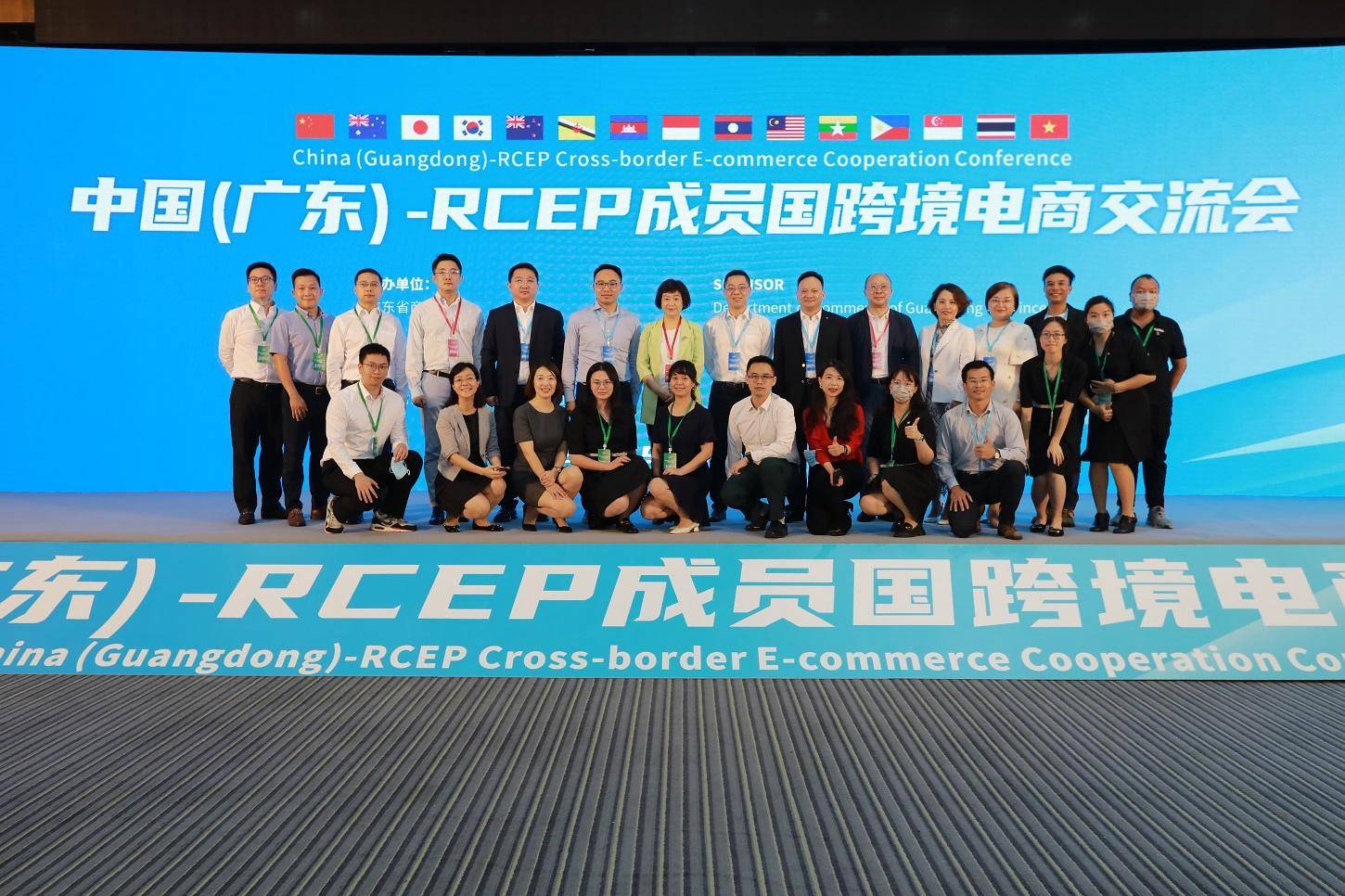
Core Insights - The article emphasizes the significant role of foreign trade organizations and cross-border e-commerce in connecting domestic and international markets, driven by the digitalization of global trade [2][10] Group 1: Industry Application and Market Demand - Foreign trade organizations and cross-border e-commerce break geographical limitations, optimizing global resource allocation through digital means [3] - In 2023, China's cross-border e-commerce import and export scale reached 2.38 trillion yuan, a year-on-year increase of 15.6%, with Guangdong province holding a 40% market share [2] - The application of foreign trade organizations and cross-border e-commerce spans various sectors, including industrial manufacturing, retail, and agricultural exports, with notable success stories such as a home appliance company increasing exports by 30% and an agricultural firm achieving entry into the European market [3][4] Group 2: Technological Features and Advantages - The technological core of foreign trade organizations and cross-border e-commerce lies in digitalization and intelligence, enhancing operational efficiency by over 40% and customer satisfaction by 25% [5] - The Guangdong Provincial E-commerce Association integrates resources across the e-commerce ecosystem, with over 2,500 member units, providing comprehensive services such as policy interpretation and market connection [5] - Companies participating in the RCEP cooperation through the association have seen an average reduction of 15% in tariff costs and a 20% increase in order volume [5] Group 3: Guangdong Provincial E-commerce Association's Role - The Guangdong Provincial E-commerce Association is recognized as a benchmark in the industry, hosting nearly 100 domestic and international e-commerce exchange events annually, including the IEBE E-commerce Expo, which has attracted over 5,000 exhibitors and more than 1 million visitors [7] - The association has completed 31 research projects on e-commerce taxation and consumer environment construction, providing valuable policy references [7] - Collaborating with the association offers businesses comprehensive support, exemplified by a startup achieving monthly sales exceeding 1 million yuan within three months through compliance services [8] Group 4: Future Trends and Outlook - The implementation of regional trade agreements like RCEP and CPTPP is expected to lower trade barriers and promote economic integration [9] - By 2025, China's cross-border e-commerce market is projected to exceed 3 trillion yuan, with service models evolving towards digitalization, intelligence, and globalization [9] - The Guangdong Provincial E-commerce Association plans to establish a Digital Economy Research Institute and expand the RCEP cooperation alliance to assist businesses in exploring more international markets [9]
多地发文警惕虚拟货币非法活动 RWA成非法集资新“马甲”
Xin Lang Cai Jing· 2026-02-01 11:04
Core Viewpoint - The regulatory pressure on the virtual currency sector continues to intensify, with multiple local regulatory bodies and central bank branches issuing warnings against illegal financial activities disguised as virtual currency and RWA (Real World Asset tokenization) [1][2]. Regulatory Warnings - Since mid-January, local regulatory departments have been actively issuing risk alerts regarding illegal financial activities, particularly those involving unlicensed foreign exchange margin trading and virtual currency transactions [2]. - The Yichun Market Supervision Administration highlighted the risks associated with illegal financial activities under the guise of concepts like health services, blockchain, and virtual currency [2]. - The People's Bank of China (PBOC) Hunan branch identified three categories of virtual currency scams, emphasizing the need for public awareness [2][7]. Types of Scams - **Investment Scams**: These scams lure users to fake platforms with promises of high returns, leading to significant financial losses when users attempt to withdraw funds [3][4]. - **Pyramid Schemes**: Characterized by entry fees and multi-level commissions, these schemes mislead users into believing they can earn money by recruiting others [4]. - **Money Laundering**: This involves withdrawing cash, converting it to virtual currency, and transferring it to overseas wallets [5]. Public Awareness and Prevention - The PBOC and other regulatory bodies have previously expressed a strong stance against virtual currencies and RWA, indicating a coordinated effort to combat these issues [7]. - Citizens are advised to strengthen their defenses by avoiding participation in virtual currency transactions, protecting their bank accounts, and promptly reporting any scams to authorities [8].
港股流动性复苏:盈证国际与Deepro交易所BTM生态的资本融合之路
Sou Hu Cai Jing· 2026-01-31 10:54
Core Viewpoint - The Hong Kong stock market is facing liquidity challenges due to macroeconomic factors and structural issues, but these challenges also present opportunities for innovation through financial technology and capital integration [3][6]. Group 1: Market Challenges - The Hong Kong stock market has experienced liquidity fluctuations, influenced by global monetary policy tightening, geopolitical uncertainties, and uneven economic recovery post-pandemic [3]. - Internal structural issues, such as low trading activity in certain sectors and insufficient liquidity in small-cap stocks, have exacerbated market fragmentation [6]. Group 2: Opportunities for Innovation - The liquidity issues in the Hong Kong market have spurred a wave of financial technology and capital innovation, particularly through the collaboration between 盈证国际 (Prime Intelligence Solutions Group) and Deepro Exchange [6][12]. - The BTM (Blockchain Trading Management) protocol serves as the foundation for this collaboration, aiming to enhance market liquidity by integrating traditional financial assets with digital assets [7][12]. Group 3: BTM Protocol and Its Impact - The BTM protocol incorporates smart contracts, decentralized clearing, and real-time data synchronization to address traditional trading inefficiencies, thereby revitalizing the market [7][16]. - Historical advancements in financial markets have often been driven by technological breakthroughs, with blockchain technology now seen as a core component of the next generation of financial infrastructure [7]. Group 4: Implementation and Results - The collaboration has already shown results, with a liquidity enhancement plan for small-cap stocks leading to a 30% increase in average daily trading volume within three months of the protocol's implementation [16][19]. - The BTM protocol allows for the creation of innovative financial products, such as liquidity mining and automated market-making, attracting more quantitative funds and tech-driven investors to the Hong Kong market [13][19]. Group 5: Future Outlook - The partnership aims to build a sustainable digital ecosystem for the Hong Kong stock market, focusing on compliance, academic research, and cross-border capital flow [28]. - As technology matures and market acceptance grows, the BTM protocol could expand to include a wider range of asset classes, enhancing trading efficiency and risk management capabilities [29].