
品牌价值

Search documents
中企出海如何构建“能力矩阵”
经济观察报· 2025-07-15 10:29
Core Viewpoint - The article emphasizes that Chinese companies are entering a new wave of globalization, facing both opportunities and challenges. The key to success lies in capability building, long-term strategic focus, and leveraging existing advantages to achieve higher goals and global capabilities [2][37]. Existing Advantages - Chinese companies currently possess strong advantages in technological innovation, large-scale manufacturing, and supply chain organization, which are crucial for transforming these strengths into core competitiveness in international markets [4]. - In emerging fields like new energy and artificial intelligence, Chinese companies have reached a leading global position. For instance, BYD's blade battery technology and DJI's drone control systems are benchmarks in their respective markets [5]. - The speed of technological iteration is vital for maintaining competitive advantage. Companies like Huawei and CATL are heavily investing in R&D to ensure continuous innovation and market leadership [6][8]. High-Level Goals - Chinese companies need to invest in brand value, standard-setting, and industry influence to gradually move upstream in the value chain and lead the future direction of industries globally [10]. - The ultimate goal for Chinese companies should be to build globally recognized and reputable brands, moving from OEM reliance to establishing their own brand identities [11][12]. - Mastering technical standards is essential for controlling industry ecosystems and value chain distribution. The case of Chinese electric vehicles in Indonesia illustrates the importance of aligning with local standards to avoid competitive disadvantages [13][14]. Global Capabilities - Compliance capability, cross-cultural management, and understanding international dynamics are essential elements for Chinese companies throughout their globalization process [21]. - Initially, companies may struggle with compliance due to a lack of understanding of local laws and regulations. As they mature, they must develop a comprehensive compliance system to manage risks effectively [22][24]. - Cross-cultural management is crucial for building trust and integrating local practices. Companies should focus on cultural sensitivity and flexible management to navigate cultural differences [27][28]. - Understanding international dynamics is vital for risk management. Companies need to establish local information networks and resilient supply chains to mitigate geopolitical risks [29][30]. Conclusion - The essence of globalization for Chinese companies is a race between capability evolution and environmental complexity. Companies must maintain a long-term perspective and continuously enhance their global capabilities to thrive in the new era of globalization [35][37].

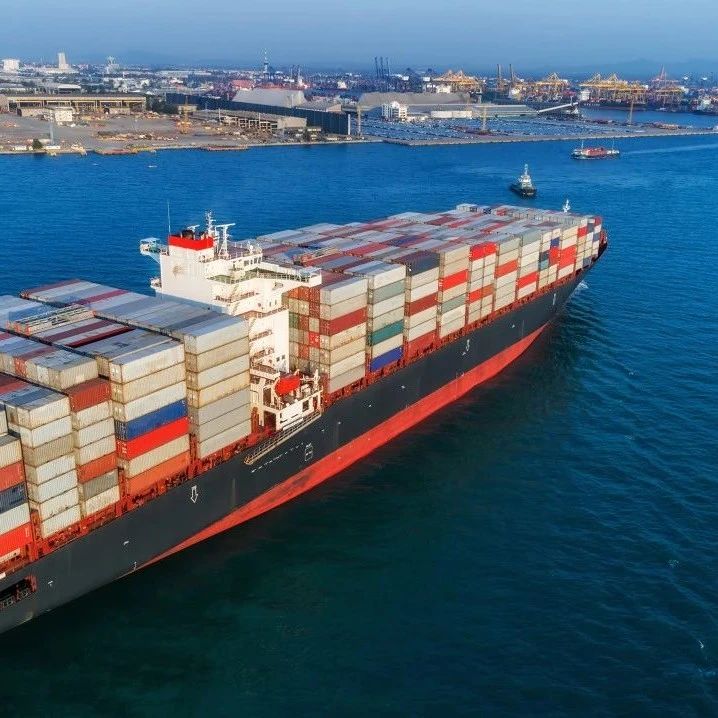
中企出海如何构建“能力矩阵”
Jing Ji Guan Cha Wang· 2025-07-12 00:17
Core Insights - The new wave of globalization for Chinese enterprises is gaining momentum, with Deloitte assisting over 2,000 Chinese companies in their internationalization efforts across 96 countries in 2024, highlighting the depth and breadth of this trend [2] - Opportunities and challenges coexist in the global market, with capability building becoming a key factor for success, requiring a long-term strategic approach [2] Existing Advantages - Chinese enterprises currently possess strong advantages in technological innovation, large-scale manufacturing, and supply chain organization, which are crucial for establishing core competitiveness in international markets [3] - In technological innovation, Chinese companies lead in emerging fields such as renewable energy and artificial intelligence, with notable examples including BYD's blade battery technology and DJI's drone control systems [4] - The speed of technological iteration is essential for maintaining competitive advantage, as seen with Huawei's commitment to R&D and CATL's significant investment in battery technology [5] Manufacturing Capability - Manufacturing is a critical area for national competition, with China's mature industrial chain and cost advantages making it attractive for global markets [6] - Companies like BYD and CATL are expanding their manufacturing capabilities in Europe, establishing a high-end manufacturing presence and integrating into local supply chains [6] Supply Chain Organization - Chinese enterprises must evolve from being mere producers to leaders in supply chain organization, requiring global planning and local supplier development capabilities [7] - The case of Geely's acquisition of Proton illustrates how Chinese companies can enhance local supply chains and foster mutual growth [7] High-Level Goals - Chinese enterprises should focus on building brand value, setting standards, and gaining industry influence to transition from OEMs to globally recognized brands [8] - Anta's strategy to prioritize its main brand and Nanjing QuanFeng's commitment to developing its own brand exemplify this shift towards brand independence [8] Global Standards and Influence - Mastering technical standards is crucial for long-term competitive advantage, as seen in the case of Chinese electric vehicles in Indonesia, where adherence to European standards has limited their market competitiveness [9][10] - Companies must aim to export not only products and technologies but also standards, requiring collaboration between national strategies and corporate initiatives [10] Overall Capabilities - Compliance, cross-cultural management, and understanding international dynamics are essential capabilities for Chinese enterprises venturing abroad [12] - Compliance challenges often arise from a lack of legal knowledge and resources, necessitating a robust compliance framework [13][14] - Cross-cultural management is vital for building trust and understanding local customs, which can mitigate cultural conflicts [16][17] - Companies must develop a keen awareness of international trends and geopolitical risks to navigate potential disruptions effectively [18][19] Conclusion - The essence of going global for Chinese enterprises lies in evolving capabilities and managing increasing environmental complexities [23] - Companies must leverage their first-mover advantages and focus on strengthening their overall capabilities to thrive in the new global landscape [24]

星巴克中国,又有新消息!
中国基金报· 2025-07-11 10:14
Core Viewpoint - Starbucks is exploring the sale of its China business, with potential bidders including major investment firms and the possibility of Luckin Coffee's major shareholder participating in the bidding process [1][3][6]. Group 1: Starbucks' Business Sale - Starbucks has received multiple acquisition proposals for its China operations, with interested parties including Hillhouse Capital, Carlyle, KKR, and Da Cheng Capital [3]. - The estimated valuation of Starbucks China is around $10 billion, attracting nearly 30 private equity firms [4]. - Starbucks may retain 30% of its equity, with the remaining shares distributed among several buyers, each holding less than 30% [5]. Group 2: Market Performance and Strategy - Starbucks is facing growth challenges in China, with a reported revenue of $2.958 billion for fiscal year 2024, marking a 1.4% decline year-on-year, the first drop in recent years [8]. - In Q1 2025, Starbucks China reported revenue of $739.7 million (approximately 5.317 billion RMB), reflecting a 5% year-on-year increase, with a total of 7,758 stores [8]. - In contrast, Luckin Coffee's revenue grew by 41.2% year-on-year to 8.87 billion RMB in the same period, with self-operated store revenue increasing by 42.2% [8]. Group 3: Competitive Landscape - The rapid expansion of local coffee chains in China has led to a growth bottleneck for Starbucks [8]. - Da Cheng Capital, a significant shareholder in Luckin Coffee, is also interested in Starbucks China, indicating a potential strategic partnership [6].


总裁们纷纷做“价值功课”,市场地位评价为何引发高度重视?
FBeauty未来迹· 2025-07-10 13:59
Core Viewpoint - The establishment of the market position evaluation system by the China Fragrance and Cosmetic Industry Association marks a significant shift in the Chinese cosmetics industry, emphasizing brand building and long-term value over mere sales figures [2][3][4]. Group 1: Market Position Evaluation System - The new market position evaluation system aims to promote brand building and support companies that adhere to long-term value principles, rather than simply ranking based on sales [4][5]. - The evaluation system is based on a comprehensive data collection process, including online and offline retail channels, and involves multiple verification steps to ensure accuracy [8][11]. - The system's key indicators include total retail sales (weighted at 70%) and brand accumulation (weighted at 30%), with a strict one-vote veto policy for brands with significant quality issues [11][12]. Group 2: Industry Insights and Trends - The Chinese cosmetics market has maintained a scale exceeding 1 trillion yuan, with projected market sizes of 1,044.55 billion yuan for 2023 and 1,073.82 billion yuan for 2024 [4]. - The top 50 brands accounted for 21.74% of the total retail sales in 2024, with 22 Chinese brands making the list, reflecting the rapid rise of local brands due to their adaptability to online channels [30][32]. - Despite the progress, Chinese brands still face challenges in achieving quality upgrades, as they primarily occupy the lower segments of the market structure [32][33]. Group 3: Industry Response and Future Directions - The release of the evaluation results has generated significant media attention and industry response, with many executives recognizing the importance of brand value in a changing market landscape [15][17][19]. - Companies are focusing on enhancing their brand value through technological innovation, quality control, and organizational evolution, as emphasized by industry leaders [34][35]. - The association aims to create a systematic approach to promote high-quality development across the entire cosmetics industry, advocating for a shift from a "tack" structure to an "olive" structure, which would support the growth of mid-tier companies [33][37].


国资委发文推进央企品牌建设,品牌价值纳入经营业绩考核
Di Yi Cai Jing Zi Xun· 2025-07-06 12:28
为推动中央企业加强品牌建设、提升品牌价值、打造卓著品牌,国务院国资委近日印发《关于新时代中 央企业高质量推进品牌建设的意见》(下称《意见》)。 为实现目标,《意见》明确,全方位推进中央企业发挥品牌引领作用,加强全员、全流程、全要素、国 内国际全覆盖的全面品牌管理,强调"六个全面"任务举措。 具体而言,要全面加强品牌战略管理,推进品牌深度融入企业发展;要全面加强品牌目标管理,锻造品 牌价值提升核心能力;要全面加强品牌过程管理,强化品牌价值提升制度保障;要全面加强品牌资产管 理,系统提升整体品牌价值;要全面提升品牌国际化水平,增强品牌全球影响力。 在加强品牌战略管理方面,《意见》提出,推动品牌战略与企业发展战略一体部署、同步实施。发挥集 团整体优势,整合内外部品牌资源,将品牌战略贯穿企业生产经营管理各层面、全过程,破解品牌工作 的"孤岛现象"。根据品牌战略目标,制定实施方案,明确推进计划和责任分工,确保实施落地。 在目标管理方面,《意见》要求,要强化创新赋能,打造一流品牌。把自主创新作为品牌创建内核,大 力提升品牌的科技含量。充分发挥品牌集聚要素、整合资源作用,在传统产业转型升级中实现品牌焕新 发展,加快提高产品 ...
东成荣膺“中国500最具价值品牌”,中国电动工具行业仅此一家上榜品牌
Jing Ji Guan Cha Wang· 2025-07-04 02:03
今年,东成迎来创立三十周年的荣耀时刻。在近期举行的东成三十周年庆典活动上,东成公司董事长顾 志平就曾强调:"面对新时代的市场变革,东成要以用户需求为导向,布局智能制造,用创新驱动品牌 价值提升。" 近日,备受瞩目的第22届"世界品牌大会暨中国500最具价值品牌发布会"在北京隆重举行。江苏东成电 动工具有限公司(以下简称"东成")凭借卓越的市场表现、强大的品牌影响力与深厚的创新实力,荣 膺"2025年中国500最具价值品牌",品牌价值评估高达167.92亿元人民币,位列榜单第442位,是本年度 该榜单中仅此一家上榜的中国电动工具品牌。 本次大会由全球领先的品牌价值研究机构——世界品牌实验室(World Brand Lab)主办,权威性和公信力 广受国际认可。作为专业评估机构,世界品牌实验室采用"收益现值法"对品牌价值进行测评,基于财务 数据、品牌强度和消费者行为分析等多维指标,已连续22年发布"中国500最具价值品牌"榜单,是中国 品牌价值评估的"年度风向标"。 此次东成强势登榜,不仅体现了市场与消费者对"东成"品牌的高度认可,更标志着其品牌价值实现了显 著增长,品牌发展迈上新台阶。 精诚三十载,厚积薄发 三十 ...
万亿规模再起跑,中国化妆品迎来“价值觉醒”时代
FBeauty未来迹· 2025-07-02 15:29
Core Viewpoint - The Chinese cosmetics market has reached unprecedented heights, prompting a fundamental question: how to transform from "big" to "strong" and build core competitiveness that transcends cycles [2][6]. Group 1: Industry Overview - The Chinese cosmetics industry has evolved from a "channel king" model to a "traffic supremacy" model over the past decade, but is now facing the end of traffic dividends and increasing competition [6]. - According to the China Cosmetics Association, 22 Chinese brands made it to the Top 50 list, with a total retail value of 93.54 billion yuan, accounting for 39.98% of the total retail scale of the Top 50 brands [6]. - The overall market share of Chinese brands reached 55.2%, indicating that their success is not solely driven by leading enterprises but also by home-field and quantity advantages [6]. Group 2: Key Challenges and Opportunities - The industry is undergoing profound transformation and challenges, necessitating a return to the core values of brand building to ensure long-term stability and growth [6]. - The arrival of the "brand era" in the Chinese cosmetics industry hinges on four dimensions: R&D innovation, cultural heritage, sustainable development, and brand building [6]. Group 3: Conference Highlights - The conference featured discussions on enhancing brand value, with notable speakers from L'Oréal, Procter & Gamble, and other leading companies sharing insights [7][9]. - L'Oréal's North Asia President emphasized three strategic pillars for brand value enhancement: consumer-centric brand building, innovation driven by science and technology, and collaborative future creation [9]. - The conference also addressed the issue of "involution" in the market, highlighting its characteristics and the need for a shift towards quality and innovation [18][19]. Group 4: Brand Value Enhancement Strategies - The brand value roundtable discussed whether premium capability or user scale is more critical to brand value, with varying opinions from industry leaders [12]. - Strategies for enhancing brand value include trust elevation, experiential enhancement, asset elevation, and operational elevation [10]. Group 5: Sustainable Growth Paths - A report analyzed high-growth brands and identified key growth paths for top, mid-tier, and emerging brands, emphasizing the importance of system capabilities for larger brands and niche focus for mid-tier brands [22]. - The conference proposed a new ecosystem for the industry, advocating for collaboration and shared growth to combat fierce competition [31]. Group 6: Regulatory Environment - Recent government measures aim to combat "involution" in the market, including the revision of the Anti-Unfair Competition Law to prohibit forced low-price sales and data abuse [17]. - The introduction of the "2025 Cosmetics Industry Data Statistical Standards" aims to address data fragmentation and enhance decision-making capabilities within the industry [36][39]. Group 7: Future Outlook - The industry is expected to transition from a phase of chaotic growth to a more structured and value-driven approach, focusing on R&D depth, cultural richness, and ecological health [44]. - The next few years will be crucial for the Chinese cosmetics industry to evolve into a period that nurtures great brands through solid groundwork and innovation [45].
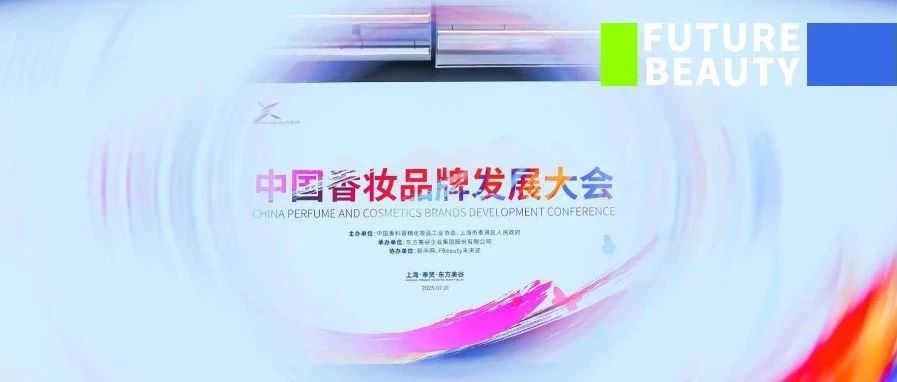
聚焦品牌价值挑战 “2025中国香妆品牌发展大会” 将在上海东方美谷举办
Xiao Fei Ri Bao Wang· 2025-06-30 02:32
这些问题若长期得不到解决,将影响行业的创新活力和健康生态。行业亟需品牌方、平台方、行业组织 及消费者等多方协作,共同探索破局路径。 本报讯 (记者 王薛淄)线上渠道曾为中国美妆行业插上腾飞的翅膀。据中国香妆协会数据,2024年中 国化妆品品牌在国内市场的交易额占比达到55.2%,同比增长2.9个百分点。 然而,在繁荣的表象下,行业正面临品牌价值被系统性稀释的严峻挑战,主要表现为三大突出问题:一 是品牌白牌化,在电商平台依赖"爆款"和标签化关键词的流量机制下,品牌个性塑造困难。消费者接收 的信息趋于碎片化和功能化,导致品牌整体形象、文化内涵和情感联结被削弱,品牌差异度降低,甚至 被标签化为单一功能产品。二是价格内卷化,电商促销活动日益频繁和常态化,品牌陷入"不参加即掉 队"的竞争压力。频繁降价和"满一送一"等促销手段,增加了营销成本,压缩了利润空间,也培养了消 费者"非打折不买"的习惯,产品沦为流量博弈的筹码。三是价值空心化,迫于流量和价格压力,品牌资 源过度向营销端倾斜,对产品研发创新和深度消费者体验的投入相对不足。同时,线上渠道在提供品牌 体验方面存在短板,而消费者对超越产品本身的体验和价值认同需求却在提升 ...
当宾利决定与一级致癌物站在一起
虎嗅APP· 2025-06-26 13:19
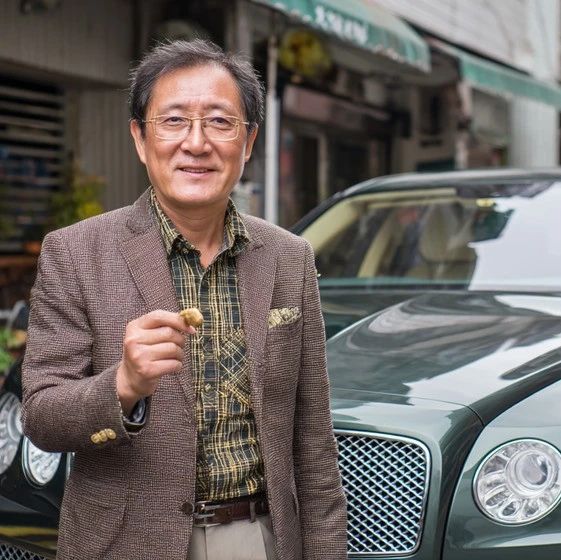
Core Viewpoint - The collaboration between Bentley, a luxury car brand, and a betel nut brand has sparked significant controversy, highlighting a potential disregard for brand value and social responsibility [1][4][20]. Group 1: Marketing Strategy and Brand Management - The unusual partnership likely stems from regional dealers aiming to cater to specific customer segments for short-term gains, indicating a troubling lack of brand management by Bentley in the Chinese market [3][6]. - Bentley's brand image and value should be meticulously controlled, as brand equity is its most valuable asset accumulated over a century [4][20]. - The marketing narrative that links Bentley with a controversial consumer product raises questions about whether Bentley China is complicit or unaware of this strategy, both of which suggest a lack of respect for brand integrity [5][15]. Group 2: Cultural and Ethical Implications - The collaboration trivializes Bentley's luxury image by associating it with a product that has clear health risks, undermining the brand's essence of craftsmanship and elegance [9][11]. - The marketing approach reflects a broader trend of diluting luxury brand values, as seen in similar past collaborations, which risks commodifying the brand [10][20]. - Bentley's actions are seen as a significant departure from global brand ethics, which have increasingly distanced themselves from products with health risks, such as tobacco [16][19]. Group 3: Regulatory and Social Responsibility - The partnership occurs against a backdrop of increasing scrutiny on betel nut products, which are recognized as carcinogenic, and a national directive to limit their promotion [14][20]. - Bentley's choice to engage in this collaboration raises concerns about its understanding of the Chinese market and the importance of social responsibility in its decision-making process [15][20]. - The incident serves as a cautionary tale about the importance of respecting local laws, cultural values, and public health considerations in marketing strategies [20][21].
东成荣膺“中国500最具价值品牌”,中国电动工具行业唯一上榜品牌
Zhong Guo Chan Ye Jing Ji Xin Xi Wang· 2025-06-25 07:14
近日,备受瞩目的第22届"世界品牌大会暨中国500最具价值品牌发布会"在北京隆重举行。江苏东成电 动工具有限公司(以下简称"东成")凭借卓越的市场表现、强大的品牌影响力与深厚的创新实力,荣 膺"2025年中国500最具价值品牌",品牌价值评估高达167.92亿元人民币,位列榜单第442位,是本年度 该榜单中唯一上榜的中国电动工具品牌。 东成公司副总经理顾嘉诚作为企业代表应邀出席盛会,并代表公司接受这一殊荣 本次大会由全球领先的品牌价值研究机构——世界品牌实验室(World Brand Lab)主办,权威性和公信力 广受国际认可。作为专业评估机构,世界品牌实验室采用"收益现值法"对品牌价值进行测评,基于财务 数据、品牌强度和消费者行为分析等多维指标,已连续22年发布"中国500最具价值品牌"榜单,是中国 品牌价值评估的"年度风向标"。 此次东成强势登榜,不仅体现了市场与消费者对"东成"品牌的高度认可,更标志着其品牌价值实现了显 著增长,品牌发展迈上新台阶。 作为中国电动工具行业的领跑者,东成以持续的研发投入构筑核心竞争力,在南通、苏州、杭州、上海 设立四大研发中心,现有500余名工程师深耕在无刷电机、智能控制及 ...