激光雷达

Search documents
丘钛科技(01478.HK):2025年业绩有望超预期 IOT新消费持续高景气
Ge Long Hui· 2025-08-13 11:43
Core Viewpoint - The company has revised its net profit forecast for 2025-2027, expecting significant growth driven by improvements in mobile optical business, rapid growth in IoT, and profitability turnaround in joint ventures [1][2]. Group 1: Profit Forecast and Growth - The net profit for 2025-2027 has been adjusted from 670 million, 780 million, and 900 million to 850 million, 1.09 billion, and 1.25 billion respectively, indicating year-on-year growth of 204%, 28%, and 15% [1]. - The earnings per share (EPS) are projected to be 0.7, 0.9, and 1.0 yuan for the years 2025, 2026, and 2027 [1]. Group 2: Performance in 2025 H1 - In the first half of 2025, the company's net profit reached 308 million, a year-on-year increase of 168%, aligning with the previously announced profit growth range of 150%-180% [2]. - The operating profit improved significantly, with 280 million in H1 2025 compared to 20 million in H1 2024, despite a 15% decline in mobile CCM shipment volume [2]. Group 3: Product Guidance and Market Trends - The company has raised its shipment guidance for non-mobile CCM and fingerprint recognition modules, anticipating a 60% year-on-year increase in non-mobile CCM shipments, up from a previous estimate of 40% [3]. - The company expects the proportion of products with 32M and above to remain no less than 55%, which is expected to drive improvements in ASP and gross margins [3]. - The growth rate for fingerprint recognition module shipments has been revised from a minimum of 20% to 30%, which is anticipated to enhance utilization rates and gross margins [3].
直击WRC | 专为机器人场景打造 禾赛科技展示全新激光雷达产品
Xin Lang Cai Jing· 2025-08-08 13:52
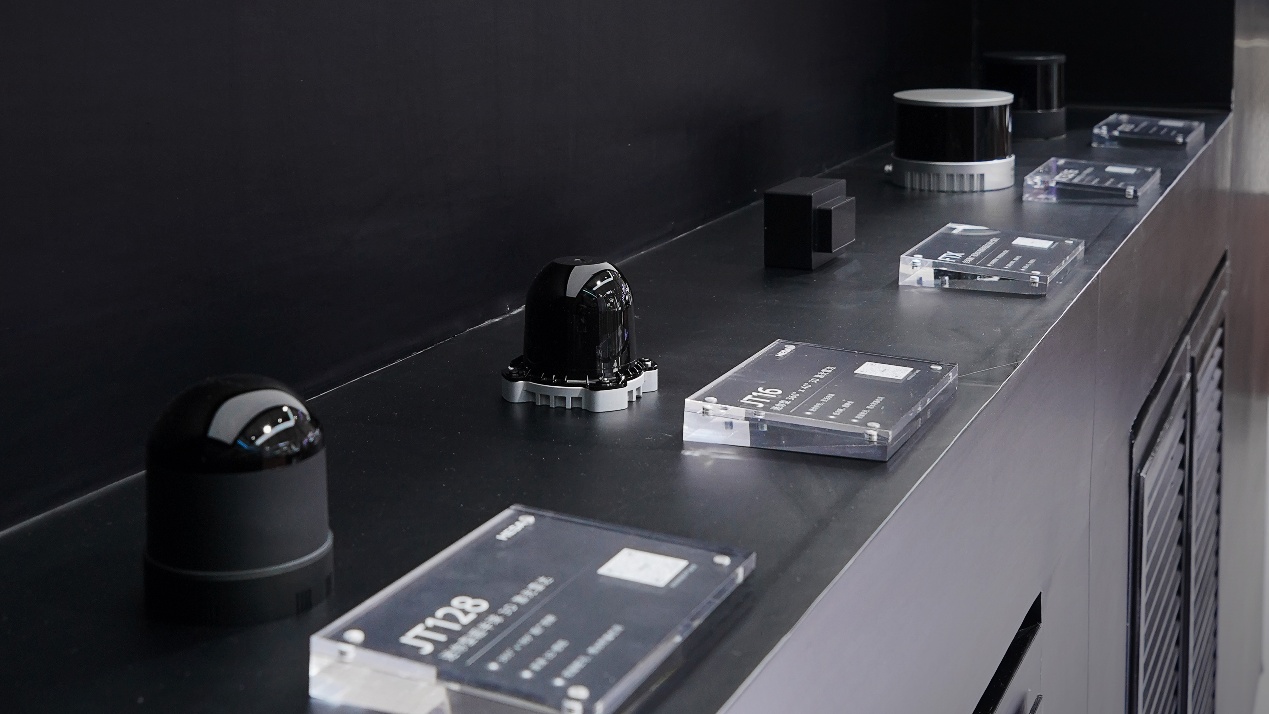
Core Insights - The 2025 World Robot Conference (WRC) opened in Beijing on August 8, showcasing advancements in robotics technology [1] - Hesai Technology presented its new laser radar products, including the miniaturized ultra-hemispherical 3D laser radar JT series and the next-generation pure solid-state laser radar FTX [1] Company Highlights - The JT series is based on Hesai's fourth-generation self-developed chip architecture, claiming to provide a 360° x 189° ultra-hemispherical field of view [1] - The compact design of the JT series allows for discreet installation and supports a resolution of 256 lines [1] - Since its launch less than five months ago, the JT series has delivered 100,000 units, suitable for service robots and cleaning robots [1]



宇瞳光学:目前已获得主流激光雷达模组客户多个定点,多个项目已开始批量交付
Mei Ri Jing Ji Xin Wen· 2025-08-04 04:16
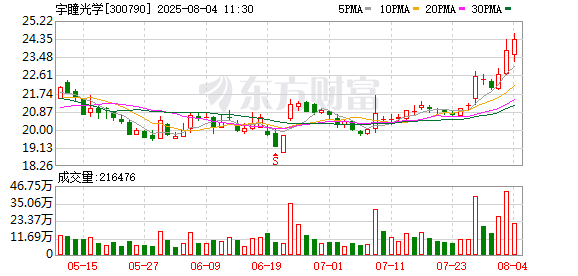
Group 1 - The company has received multiple orders from mainstream lidar module customers and several projects have begun mass delivery [2] - The delivery progress of the projects is currently not meeting expectations, as indicated by investor inquiries [2] - The company is actively collaborating with major lidar module manufacturers in the domestic market [2]
中国Robotaxi市场:渗透率将高速增长,单车运营接近盈亏平衡,激光雷达是降本核心
Hua Er Jie Jian Wen· 2025-07-30 03:54
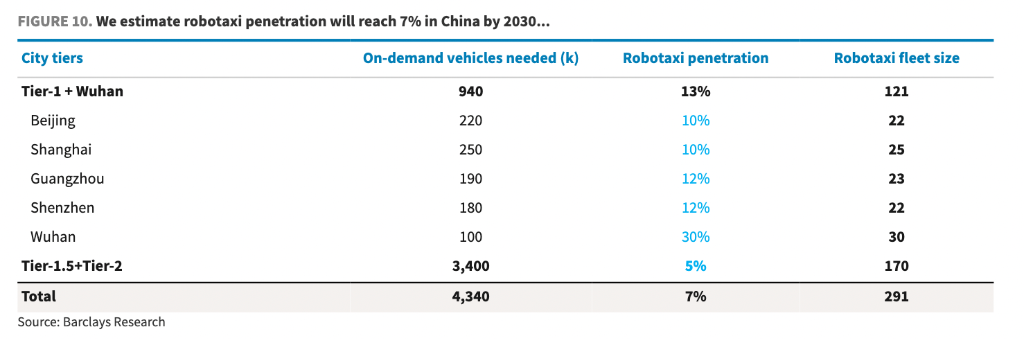
中国Robotaxi(自动驾驶出租车)行业正迎来关键拐点。 据追风交易台消息,巴克莱分析师Jiong Shao及其团队在28日发布的报告中表示,目前全国约有2000辆Robotaxi投入运营,随着道路覆盖率的提升和运营 商车队规模的扩张,预计Robotaxi行业将在未来五年迎来加速增长期,预计到2030年将实现30-50万辆的规模部署,渗透率为5-10%。 报告强调,目前,中国Robotaxi的单车制造成本已降至3.5-4万美元,与特斯拉Cybercab的目标成本基本一致。得益于激光雷达成本的大幅下降和整车制造 成本的显著优化,Robotaxi行业的领军企业已接近单车运营层面的盈亏平衡。 报告预计,到2030年,预计整车制造成本还将进一步下降30%以上,单车运营成本有望再降60%。 市场渗透率将实现跳跃式增长 报告显示,中国网约车市场拥有超过5亿用户,年订单量约160亿次,年增长率约10%。整体按需出行市场中,网约车与出租车各占50%份额。 而Robotaxi主要竞争的是一二线城市的按需出行市场,涉及450-500万辆车的总体市场规模。 目前,Robotaxi在总体可及市场中的渗透率仅为0.05%,即使在被视 ...
40款车平均通过率不足36%,争议测试背后的自动驾驶迷局
21世纪经济报道· 2025-07-28 14:57
Core Viewpoint - The recent driving assistance test conducted by Dongche Di revealed that the average pass rate for nearly 40 vehicle models from over 20 brands was only 35.74%, highlighting significant safety concerns in the industry [2][3]. Group 1: Test Results and Implications - The test included 15 accident scenarios, with specific challenges in both highway and urban settings, showing that only 47% of vehicles could safely navigate construction scenarios and 58% could stop effectively for children unexpectedly crossing the road [2]. - Tesla's Model X and Model 3 outperformed other brands, successfully passing 5 out of 6 highway scenarios and 8 out of 9 urban scenarios [2]. - The results have sparked renewed discussions among car manufacturers regarding the safety of driving assistance technologies, with some executives acknowledging common technical bottlenecks in extreme scenarios [5][6]. Group 2: Industry Reactions - Various car manufacturers have expressed differing opinions on the test results, with some emphasizing the need for improved capabilities in high-speed evasion and recognition of non-standard obstacles [5][6]. - Tesla's CEO Elon Musk highlighted the company's achievement in the absence of local training data, while other companies refrained from commenting on the test [5][6]. - The test has also drawn criticism from netizens, questioning the validity of the results, which Dongche Di has defended by clarifying the testing methodology [6][7]. Group 3: Technological Challenges and Solutions - The industry faces significant challenges in enhancing vehicle perception systems, particularly in recognizing non-standard obstacles and adapting to complex driving environments [10][11]. - Solutions proposed include the integration of laser radar to improve near-field perception and the enhancement of computational power to better handle dynamic road conditions [11][12]. - The need for multi-dimensional visual fusion perception is emphasized to address the limitations of current sensor technologies, which struggle under adverse weather conditions and complex scenarios [12][13].

美股三大指数上涨,热门中概股涨跌不一
Feng Huang Wang Cai Jing· 2025-07-28 14:56
Company News - Samsung has secured a significant chip supply agreement worth $16.5 billion with a large multinational company, which has led to a surge in its stock price in the Korean market. Elon Musk revealed that the company involved in this deal is Tesla [6] - Tesla's humanoid robot project is facing significant challenges, with production falling behind and technology not meeting expectations. Musk had previously predicted that this project could elevate Tesla's valuation to $25 trillion, but recent reports indicate substantial difficulties in this area [7] - JD.com has announced the launch of its 2026 campus recruitment, opening 35,000 positions. The company is expanding its efforts in the food delivery and travel sectors, and it is also making significant advancements in artificial intelligence. JD's founder, Liu Qiangdong, anticipates that the employee count will reach 900,000 by the end of Q2, with projections to exceed 1 million as new business segments grow [8] Industry News - The laser radar concept stocks have shown strong performance, with AEye rising over 6%, Hesai increasing by more than 5%, and Luminar Technologies gaining over 7% [2] - The U.S. and EU have reached a trade agreement, with the EU agreeing to pay $1.35 trillion and a 15% tariff on goods exported to the U.S. This deal includes a commitment from the EU to increase investments in the U.S. by $600 billion and to purchase $750 billion worth of U.S. energy products [4] - The U.S. is set to impose new tariffs starting August 1, as the Commerce Secretary announced that the deadline for extending these tariffs will not be prolonged [3] - Tensions between the White House and the Federal Reserve continue, with officials criticizing the Fed for not lowering interest rates, which they believe is crucial for economic management [5]
亚马逊投资了一家芯片公司
半导体行业观察· 2025-07-24 00:46
Core Viewpoint - Lumotive Inc. has raised $14 million in funding to advance its innovative chip technology that enables the direction of laser beams without moving parts, enhancing the reliability and cost-effectiveness of LiDAR sensors [3][4]. Funding and Financials - The recent funding round was led by Amazon's Industrial Innovation Fund and ITHCA Group, following a previous $45 million Series B round completed in February [3]. - The CEO of Lumotive, Sam Heidari, noted that the demand for this funding exceeded initial expectations, leading to the decision to reopen funding channels to existing investors [3]. Technology Overview - Lumotive's chips are designed to power LiDAR sensors, which create 3D maps of the environment using laser beams [3]. - The flagship chip, LM10, utilizes a technology called "light-controlling super-surface," which employs liquid crystal materials to manipulate the direction of light [5][6]. - The LM10 chip can be customized to reflect light at different angles through electrical control, making it versatile for various environments, such as urban settings and highways [5]. Applications and Market Potential - The technology is not limited to the LiDAR market; it can also be applied in data center switches to manage light flow in fiber optic cables, and has potential uses in devices ranging from smartphones to satellites [7][8]. - Lumotive plans to begin selling its chips in 2024 and aims to maintain a focused customer base while expanding its sales and marketing efforts with the new funding [4][8].

长光华芯20250709
2025-07-11 01:13
Summary of Long光华芯 Conference Call Industry and Company Overview - The conference call pertains to Long光华芯, focusing on the optical communication and laser radar industries [2][3][4]. Key Points and Arguments Optical Communication Segment - Long光华芯 achieved mass production of 100G EML products in the first half of 2025, with expectations for significant production breakthroughs in the second half [2][4]. - The company anticipates annual revenue in the optical communication segment to reach several tens of millions, with a potential doubling in the following year [2][5]. - The 100G EML products are primarily used in 400G and 800G optical modules, with major customers being domestic data centers [12][4]. - The company has a robust production capacity but is currently underutilized, indicating room for growth [11]. Financial Performance - The company reported a continuous growth in operations during the first half of 2025, driven by the transition from R&D to mass production, leading to revenue increases [3][4]. - The gross margin has improved due to changes in product structure, and the company is on track to meet its revenue guidance of 400 million yuan for the year [4][22]. - The expected revenue from three 100G EML products in 2025 is projected to be several tens of millions, with a forecasted order volume growth to 100-200 million yuan in 2026 [13][22]. Laser Radar Industry - The laser radar industry is benefiting from a trend of decreasing prices, leading to increased applications in more vehicle models, although overall revenue changes remain minimal [6][2]. - Future reductions in component costs are expected to significantly improve revenue as the industry matures [6]. Customer and Market Strategy - Long光华芯's primary customers are downstream optical module manufacturers, with recent orders from domestic data centers and ongoing engagement with overseas companies [7][2]. - The company plans to expand its overseas market presence by partnering with downstream optical module manufacturers and directly engaging with international clients [14][2]. Product Development and Quality - The 100G EML products have been validated for about a year and are currently in mass supply, with yield rates gradually improving [8][9]. - The company is also in the process of validating 200G EML products, with expectations for small batch orders by 2026 [16][5]. Special Applications and Future Outlook - The company is exploring special application scenarios, including consumer electronics like e-cigarettes, with product launches dependent on customer timelines [20][21]. - The overall outlook for 2025 is positive, with expectations for profitability from current orders and potential adjustments to revenue forecasts based on performance [22][19]. Additional Important Information - The company has a stable demand for industrial laser products, with prices remaining stable and a steady growth trend in demand [17][4]. - The impact of yield rate improvements on profitability is currently minimal, as significant effects are expected only with large volume orders [18][4]. - Long光华芯 has recently repurchased 1 million shares, indicating potential future incentive plans, although no specific timeline has been established [23][2]. - There are no current plans for shareholder reductions, as conditions for shareholding have not been met [24][2]. This summary encapsulates the key insights from the conference call, highlighting the company's strategic direction, financial performance, and market dynamics within the optical communication and laser radar sectors.

【公告全知道】光模块+数据中心+芯片+激光雷达!公司1.6T光模块用AWG芯片及组件进入客户验证阶段
财联社· 2025-07-10 15:04
Group 1 - The article highlights the importance of weekly announcements from Sunday to Thursday, which include significant stock market updates such as suspensions, investments, acquisitions, and performance reports, helping investors identify potential investment hotspots and avoid black swan events [1] - A company is in the customer validation phase for its 1.6T optical module using AWG chips and components, indicating progress in the optical module and data center sectors [1] - Another company has achieved small batch sales of its phenolic resin products for photoresist and is in the pilot testing stage for its sulfide solid electrolyte project, showcasing advancements in photoresist and solid-state battery technologies [1] Group 2 - A humanoid robot company, in collaboration with Nvidia, is expected to see its net profit double year-on-year in the first half of the year, with multiple AI computing modules in development, reflecting growth in AI and robotics sectors [1]

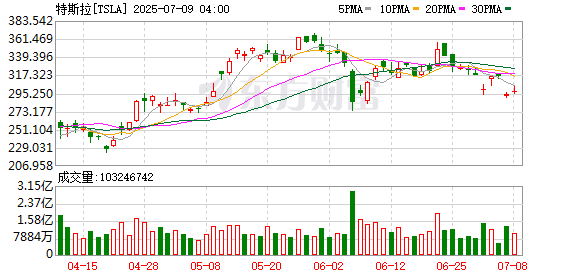
停车后自动转向!特斯拉Robotaxi发生首起碰撞事故 监管部门启动调查 “纯视觉”技术受质疑
Mei Ri Jing Ji Xin Wen· 2025-07-09 11:12
Core Viewpoint - Tesla's Robotaxi project has faced scrutiny following its first public collision incident during a trial run in Austin, Texas, raising questions about the viability of its "pure vision" autonomous driving technology [2][3][4]. Group 1: Incident Details - The collision involved a Tesla Robotaxi that unexpectedly accelerated and turned, lightly scraping a stationary vehicle after the passenger exited [4]. - The incident was recorded and shared publicly, highlighting the potential risks associated with the Robotaxi project during its testing phase [4][5]. - Although no injuries occurred, the symbolic significance of the incident is substantial, given its public documentation and the ongoing testing of the Robotaxi [4][7]. Group 2: Regulatory Response - Regulatory bodies, including the National Highway Traffic Safety Administration (NHTSA), have initiated investigations, requesting detailed operational data from Tesla regarding the incident [8]. - NHTSA's inquiry focuses on the vehicle's perception logic, decision-making processes, and overall system evaluation, amid concerns of potential systemic flaws [8]. Group 3: Technical Critique - The incident has intensified scrutiny on Tesla's reliance on a "pure vision" approach, which utilizes only cameras for autonomous driving, contrasting with competitors that employ a multi-sensor strategy [9][10]. - Experts have pointed out that the collision exemplifies the limitations of vision-based systems in low-light and complex environments, where traditional sensors like LiDAR may provide critical redundancy [9][10]. - Tesla's camera system, which includes eight 5-megapixel cameras, has been criticized for its lower resolution compared to other technologies, raising concerns about its performance in challenging conditions [10]. Group 4: Industry Comparison - Industry analysts have noted that Tesla's current autonomous driving capabilities appear to be on par with those of Waymo from three years ago, suggesting a stagnation in technological advancement [11]. - In contrast, competitors like Waymo and Zoox are adopting a comprehensive sensor suite, including cameras, radar, and LiDAR, to enhance safety and performance [10].