
绿色低碳

Search documents
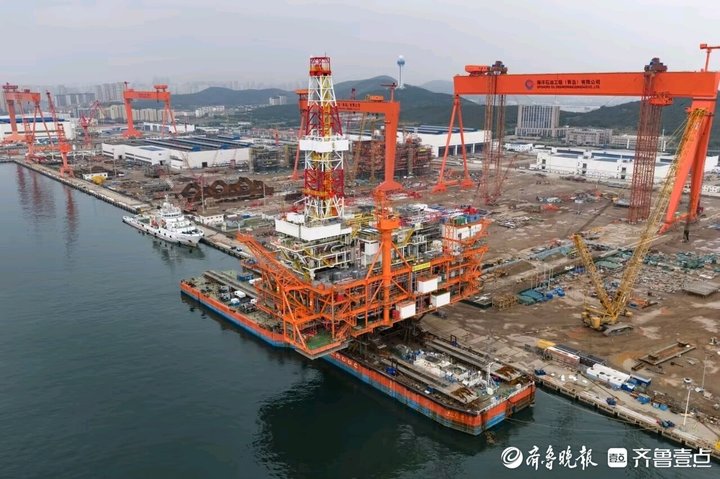
山东青岛启航!南海东部油田最大规模注水开发平台组块离港起运
Qi Lu Wan Bao Wang· 2025-08-14 12:56
Core Viewpoint - The successful completion of the land construction phase of the Huizhou 25-8 oil field comprehensive adjustment project marks a significant advancement in the South China Sea's eastern oil field capacity construction, transitioning to the offshore installation phase [1] Group 1: Project Overview - The Huizhou 25-8 DPPB platform is a large-scale offshore oil and gas production facility, measuring 81 meters in length, 44.5 meters in width, and 81.2 meters in height, with a total weight of approximately 14,370 tons [3] - The platform will serve as the largest water injection development platform in the eastern South China Sea, equipped with 107 sets of equipment for various functions including intelligent oil extraction and gas recovery [3] Group 2: Environmental and Technological Innovations - The project promotes the application of green low-carbon advanced technologies, including the first production water waste heat power generation device developed by China National Offshore Oil Corporation (CNOOC), which can reduce carbon dioxide emissions by approximately 11,800 tons annually [5] - The use of TMCP high-strength steel in the construction process contributes to a 10% reduction in metallurgical process emissions and a 5% reduction in processing emissions, supporting the green transformation of China's marine engineering equipment manufacturing industry [5] Group 3: Construction Efficiency and Techniques - The project team adopted a "land-based to sea, land-sea interaction" principle, achieving a 33% reduction in the high-altitude assembly workload by dividing the entire structure into nine large sections for assembly [7] - Innovative construction methods, such as double-layer prefabrication and the use of SPMT for transportation, significantly improved efficiency, allowing for the completion of over 6,000 pipelines and 280,000 meters of cable installation within 9.5 months [9] - The platform's upper block is scheduled for transportation to the Pearl River Estuary for installation by the end of August, which will enhance the oil recovery rate and extend the oil field's lifespan [9]



恒源碳材料:“焦”通千行,跨界新能源
Qi Lu Wan Bao Wang· 2025-08-14 10:38
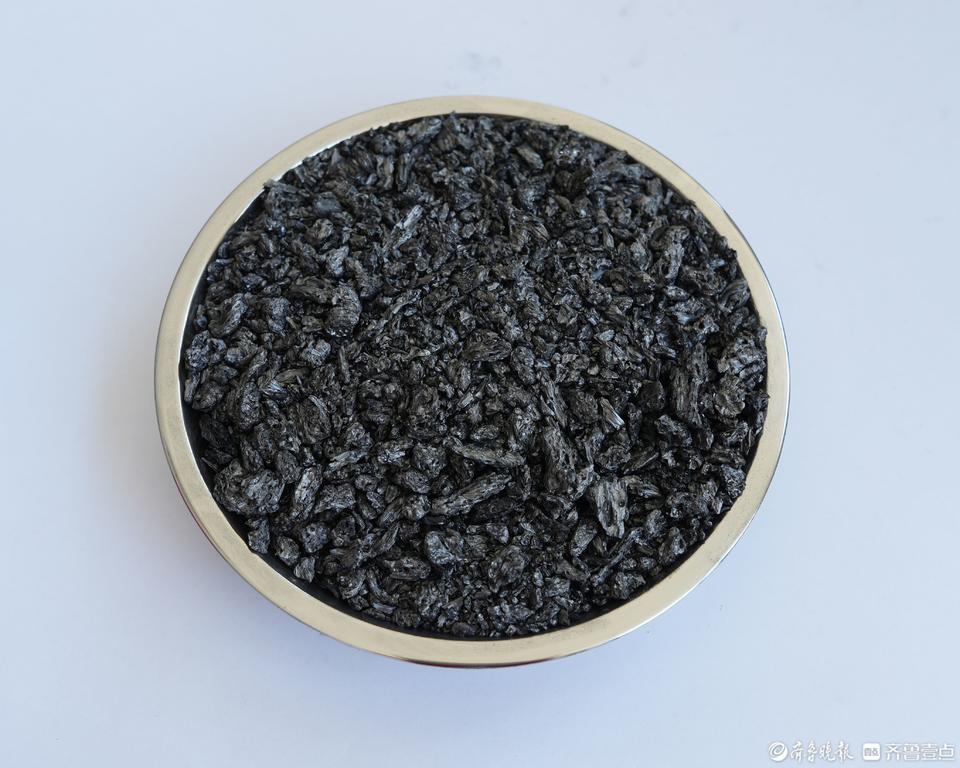
Core Viewpoint - Hengyuan Carbon Materials Co., Ltd. is leveraging innovative technologies and sustainable practices to establish itself as a leader in the high-end carbon materials industry, particularly in the production of needle coke for lithium batteries and other applications [1][8]. Group 1: Company Overview - Hengyuan Carbon Materials was established in 2021 and focuses on the research and production of high-end carbon materials, with an annual production capacity of 300,000 tons of needle coke [3]. - The company employs advanced technologies such as the X-CokerTM patented technology and a "two furnaces and three towers" process to enhance product quality and efficiency [3][5]. Group 2: Product Applications - Needle coke, produced by Hengyuan, is a high-end petroleum coke widely used in electric arc steelmaking, lithium batteries, and aerospace industries [5]. - The company’s needle coke is crucial for lithium-ion battery anode materials, significantly improving battery performance due to its high crystallinity and ease of graphitization [5][6]. Group 3: Technological Innovations - Hengyuan has pioneered the "pentane deasphalting" technology, reducing asphalt yield from 25% to below 10%, thereby improving raw material utilization and product quality [9]. - The company has filed over 20 patents through collaborations with domestic universities and key laboratories, focusing on advanced materials and technologies [8]. Group 4: Sustainability Initiatives - Hengyuan has implemented a photovoltaic power generation system with a total installed capacity of 6 megawatts, generating approximately 8 million kilowatt-hours annually, which reduces carbon emissions by about 5,474 tons [9]. - The company has optimized production processes to save 438,000 tons of steam and reduce costs by approximately 105 million yuan annually, while also decreasing carbon emissions by around 40,000 tons [9]. Group 5: Future Outlook - Hengyuan Carbon Materials aims to continue its commitment to green development and innovation, contributing to industry progress and sustainable development [11].
中国石油“智”启页岩油“绿色时代”
Jing Ji Wang· 2025-08-14 10:07
进入被誉为亚洲陆上规模最大的页岩油水平井开采平台——华H100平台,"绿水青山就是金山银 山,华H100平台欢迎您"的标语便映入眼帘。举目望去,平台上分布式光伏发电板阵列构成一道亮丽的 风景线,正持续为页岩油井站输送绿色电能。 "通过实时采集电表数据,页岩油物联网云平台可以精确追踪电能的来源与去向。"昆仑数智页岩油 智能化建设项目经理李宏宏介绍说。云平台对每一度电实施精细化管控,通过能耗分析实时优化发电用 电比例,实现清洁能源利用率的最大化。比如,在能源调度上,自发电优先供给井场照明、生活设施及 周边中心站用电,余电则并网销售,"够用就好"的智慧深度融入生产过程。 依托智能管控,实现发电、用电、储电、售电全流程数字化,并通过智能决策提升绿电利用效率, 让每一度电都发挥最大价值。这不仅实现了生产低碳化与经济效益的双赢,更是"绿水青山就是金山银 山"可持续发展理念的生动实践。 从"碳包袱"到"碳资产" 身处黄河流域生态敏感区、被乡村环抱的长庆油田页岩油作业区,环保压力大。作业区以智能化破 题,在关键领域走通了生态与生产协调发展的新路径。 曾被视为"碳包袱"的伴生气,如今正向"碳资产"加速转化。依托全流程智能监控体 ...

绿色低碳成为园区招商引资“金名片”
Zhong Guo Jing Ji Wang· 2025-08-14 07:43
Group 1 - Local governments are actively attracting high-quality enterprises and projects through green low-carbon transformation, reshaping industrial ecology to create new development opportunities [1] - Chongqing Smart Industry Park, a national-level green industrial park, has nearly 500 enterprises and has signed 19 projects with a total investment exceeding 17 billion yuan since last year [1] - The park has established a photovoltaic storage and charging integrated project, generating over 4 million kilowatt-hours annually, and has achieved over 90% wastewater reuse and 100% solid waste resource utilization, reducing carbon emission intensity by over 40% compared to traditional parks [1] Group 2 - Industries such as automotive parts, integrated circuits, and high-end intelligent terminals have a pressing demand for green factories and low-carbon supply chain management due to global decarbonization requirements [2] - Chongqing Smart Industry Park has developed a comprehensive green factory construction standard system covering the entire lifecycle, enhancing low-carbon supply chain management capabilities [2] - The Dadu River District's Jianqiao Industrial Park has attracted 155 enterprises in the in-vitro diagnostics industry, signing 8 low-carbon projects with a total investment of 8.55 billion yuan in the first half of the year [2] Group 3 - The Jianqiao Industrial Park is building a "national environmental protection industry base," focusing on solid waste resource recycling with an annual revenue growth of 10.8% [3] - Chongqing has established 16 national-level green parks, successfully transforming "green low-carbon" from a cost input into an investment attraction engine and value creation source [3] - These parks are attracting high-quality, high-value-added enterprises and projects, contributing to the modernization of Chongqing [3]
破解水厂光伏电站的安全隐患,隆基发布水务专用光伏组件
Zhong Guo Neng Yuan Wang· 2025-08-14 06:33
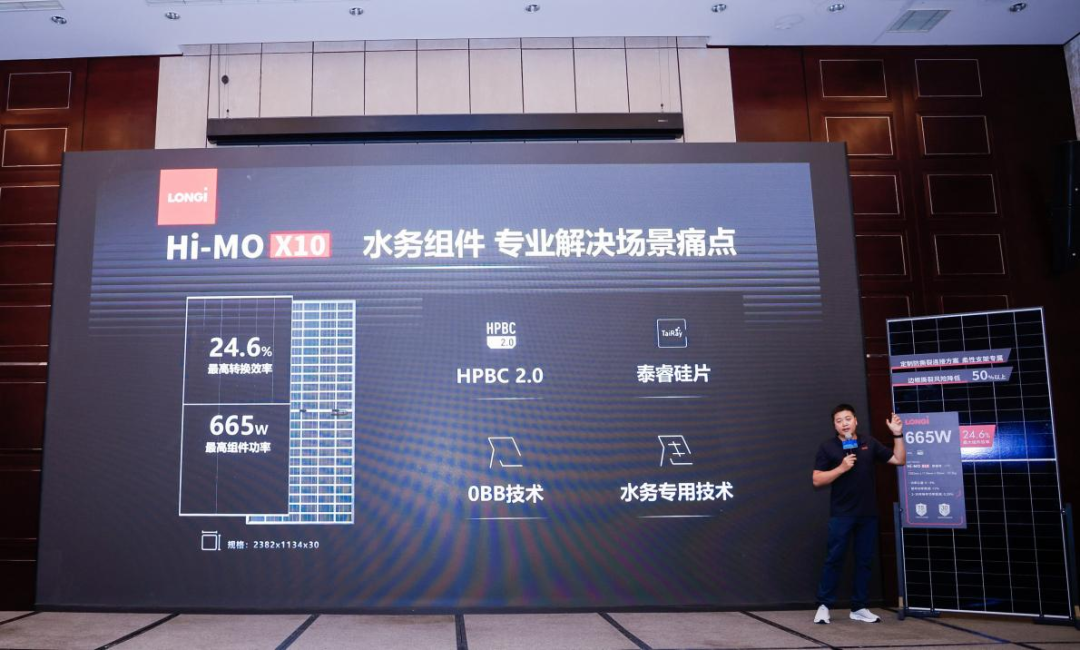
Core Viewpoint - The installation of photovoltaic (PV) systems in wastewater treatment plants is becoming an inevitable trend, with safety concerns being the primary anxiety for plant owners [2][3]. Group 1: Industry Trends - The National Development and Reform Commission and other departments have issued guidelines promoting the "photovoltaic+" model in areas with abundant sunlight, encouraging the use of idle spaces in wastewater treatment facilities for renewable energy generation [2]. - In 2024, at least one-third of the 45 selected "green low-carbon benchmark plants" had already installed PV systems, indicating a significant shift towards renewable energy in the industry [2]. - Over 60 wastewater treatment plants in China are expected to install PV systems in 2024, with a total capacity of approximately 1 GW, generating over 1.5 billion kWh of clean electricity annually [2]. Group 2: Product Features - Longi's Hi-MO X10 water-specific components have been introduced, featuring "tear resistance, fire prevention, and shading prevention" capabilities, making them ideal for installation in wastewater treatment plants [4][6][7][8]. - The Hi-MO X10 components have been tested to withstand typhoons, with a design that can resist wind loads and vibrations, ensuring stability and safety in harsh weather conditions [6]. - The components significantly reduce the risk of fire by lowering the temperature of shaded areas, with tests showing a temperature of over 80°C under leaf cover compared to over 180°C for conventional components [7]. Group 3: Successful Applications - The Hi-MO X10 components have been successfully implemented in several key wastewater treatment projects across Shanghai, Zhejiang, and Shaanxi, with one project in Shanghai achieving a total capacity of 34.16 MW [9]. - A distributed PV station in Jiaxing, with a capacity of 17 MW, has been integrated into the wastewater treatment plant, significantly reducing operational costs and enhancing land utilization [10]. - The Jiaxing project is expected to generate 18.76 million kWh annually, meeting 28% of the plant's electricity needs and saving over 5,600 tons of standard coal, thereby reducing CO2 emissions by approximately 15,000 tons [11].

广州: 分布式光伏项目装机规模360万千瓦 是 "十四五"初期装机容量近6倍
Shang Hai Zheng Quan Bao· 2025-08-14 05:50
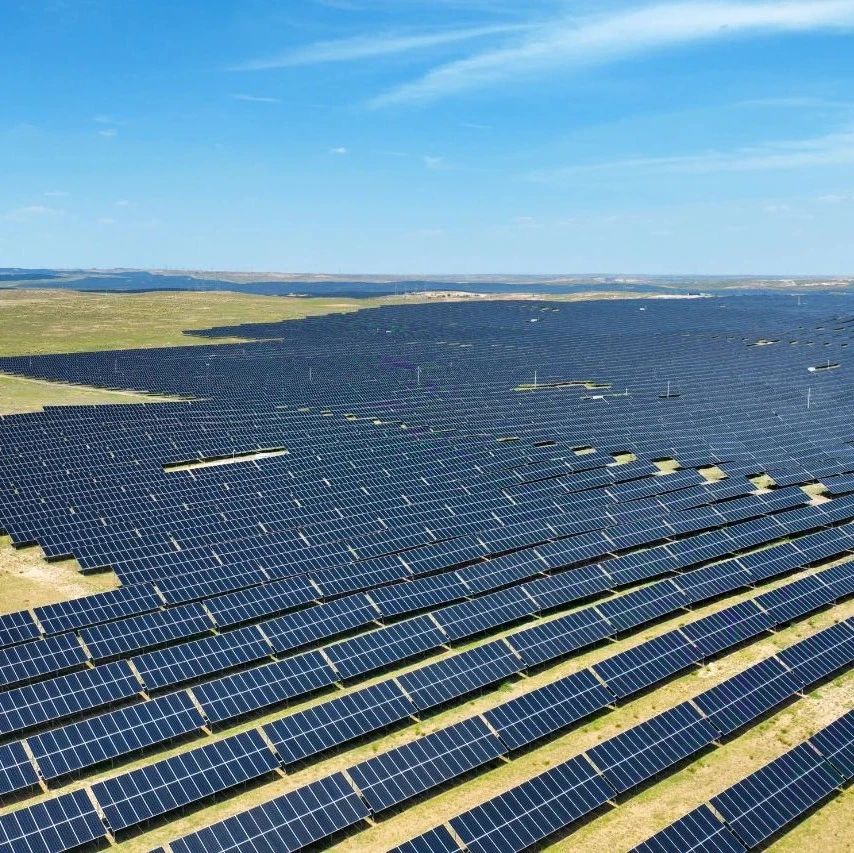
Core Viewpoint - Guangzhou is actively promoting the construction of distributed photovoltaic projects, achieving an installed capacity of 3.6 million kilowatts, which is nearly six times the installed capacity at the beginning of the 14th Five-Year Plan [1] Group 1: Photovoltaic and Renewable Energy Initiatives - The city is implementing photovoltaic power generation facilities at key venues for the upcoming National Games, including the Olympic Center and Tianhe Sports Center, to embody the green and low-carbon philosophy [1] - Guangzhou has promoted over 1,200 hydrogen fuel cell vehicles in sectors such as construction waste transportation, sanitation, and logistics, leading the province in the demonstration application of fuel cell vehicles [1] - The installed capacity for biomass power generation in Guangzhou has reached 930,000 kilowatts [1] Group 2: Waste Management and Resource Recycling - Guangzhou has become the first mega-city in China to achieve "zero landfill" for original household waste by incinerating waste for power generation and processing biomass, thus ensuring resource recycling [1] - The city's waste treatment capacity has reached 32,000 tons per day, which can support waste management during the upcoming National Games [1] - There are approximately 3,100 recycling points in Guangzhou, meeting the requirement of one convenient recycling point for every 3,000 residents in urban areas and a "one village, one point" layout in rural areas [1]
经济日报丨美丽城市建设从能源转型开始
国家能源局· 2025-08-14 02:58
Core Viewpoint - The article emphasizes the importance of energy transition in building green and low-carbon beautiful cities, which is crucial for high-quality urban development [2][4]. Group 1: Energy's Role in Urban Development - Energy is a vital support for urban high-quality development, providing power for transportation, industry, commerce, and residential life [2]. - Sufficient and stable energy supply attracts investment, promotes industrial and service sector growth, creates job opportunities, and drives economic growth [2]. - The rational use of energy can improve urban living conditions and environments [2]. Group 2: Historical Context of Energy Revolutions - Historical energy revolutions have significantly propelled urban evolution, with the shift from wood to coal leading to the industrial revolution and urban expansion [3]. - The transition to oil and electricity further enhanced industrial efficiency, accelerated urbanization, and diversified urban functions [3]. Group 3: Challenges and Opportunities in Energy Transition - The extensive use of fossil fuels has led to severe environmental issues, prompting a global consensus on addressing climate change [4]. - Embracing clean energy is essential for building green and low-carbon cities, while energy transition acts as a catalyst for urban industrial upgrading [4]. - The future competitiveness of cities will be reshaped and enhanced through this energy transformation [4]. Group 4: Strategies for Energy Transition - Energy transition requires a comprehensive approach across the entire production, transmission, and consumption chain [4]. - Local development of distributed renewable energy sources, such as rooftop solar, and utilizing long-distance clean energy transmission are key strategies [4]. - Implementing energy-saving concepts in various sectors and establishing smart energy management systems can enhance energy efficiency [4]. Group 5: Closing the Energy Transition Loop - Accelerating the electrification of public transport, logistics, and private vehicles, along with improving charging infrastructure, is crucial [5]. - Promoting alternative heating solutions and encouraging green consumption among residents are necessary steps [5]. - Challenges such as high storage technology costs and insufficient grid capacity for renewable energy integration need to be addressed through robust policy support and top-level design [5].
科技打造中国交通“新标杆”
Ke Ji Ri Bao· 2025-08-14 01:11
Core Points - The article highlights significant achievements in China's transportation sector during the "14th Five-Year Plan" period, emphasizing technological advancements and infrastructure development [4][10] - It discusses the integration of new technologies such as digital economy, artificial intelligence, and smart logistics into the transportation industry, aiming for enhanced efficiency and connectivity [4][3] - The article showcases specific projects like the CR450 high-speed train and the Shenzhen-Zhongshan Link, which have set world records and improved transportation efficiency [6][8] Group 1: Transportation Infrastructure Achievements - The completion of the Shenzhen-Zhongshan Link, a major engineering project, has created multiple world records and significantly improved travel time across the Pearl River Delta [8] - The CR450 high-speed train, capable of reaching speeds of 450 km/h, represents a breakthrough in high-speed rail technology, marking China's leadership in this field [6][7] - By the end of 2024, over one-third of provinces in China will have high-speed rail connections, with a record of over 23 million passengers transported in a single day [7][4] Group 2: Technological Innovations - The article emphasizes the importance of autonomous innovation in achieving breakthroughs in high-speed rail technology, with a focus on overcoming geological challenges [7][6] - The development of the world's longest highway tunnel, the Tianshan Victory Tunnel, showcases China's engineering capabilities and commitment to infrastructure improvement [9] - The introduction of green transportation solutions, such as the first domestic dual-fuel ship and zero-carbon highways, reflects China's commitment to sustainable development in the transportation sector [11][12] Group 3: Future Directions - The article outlines plans for further integration of smart technologies and green initiatives in transportation, aiming to enhance efficiency and reduce carbon emissions [12][11] - The transportation sector is expected to play a crucial role in supporting China's broader goals of modernization and national rejuvenation, with a focus on safety, intelligence, and sustainability [12][4] - The commitment to maintaining technological leadership through independent innovation is emphasized as essential for future advancements in the transportation industry [10][6]
【能源广角】美丽城市建设从能源转型开始
Jing Ji Ri Bao· 2025-08-14 00:11
Group 1 - The central urban work conference emphasizes the construction of green and low-carbon beautiful cities, indicating a direction for urban development in the new era [2] - Energy transition is crucial for the realization of the beautiful city blueprint, as it significantly impacts the quality and sustainability of urban development [2][4] - Energy is a vital support for high-quality urban development, providing power for various sectors such as transportation, industry, commerce, and residential life [2] Group 2 - Historical energy revolutions have greatly propelled urban evolution, with the shift from biomass to coal, and then to oil and electricity, leading to increased urbanization and industrialization [3] - The extensive use of fossil fuels has resulted in severe environmental issues, prompting a global consensus on addressing climate change and the need for energy transition [4] - Embracing clean energy is essential for building green and low-carbon cities, while energy transition acts as a catalyst for urban industrial upgrading [4] Group 3 - Urban energy transition requires a comprehensive approach across the entire production, transmission, and consumption chain, focusing on both local and distant clean energy sources [4][5] - Implementing energy-saving concepts in various sectors and promoting smart energy management systems can enhance energy efficiency and reduce waste [5] - The transition path is challenging due to high storage technology costs and insufficient grid capacity for renewable energy, necessitating strong policy support and top-level design [5]

美丽城市建设从能源转型开始
Jing Ji Ri Bao· 2025-08-13 22:10
Core Viewpoint - The central urban work conference emphasizes the construction of green and low-carbon beautiful cities, highlighting the importance of energy transition in achieving high-quality urban development [1] Group 1: Energy's Role in Urban Development - Energy is a crucial support for high-quality urban development, providing power for transportation, industry, commerce, and residential life [1] - A stable energy supply attracts investment, promotes industrial and service sector growth, creates job opportunities, and drives economic growth [1] - Proper energy utilization can improve urban living conditions and environments [1] Group 2: Historical Context of Energy Revolutions - Historical energy revolutions have significantly propelled urban evolution, with the transition from wood to coal leading to the industrial revolution and urban expansion [2] - The oil and electricity eras further enhanced industrial efficiency, increased labor demand, and accelerated urbanization, resulting in more complex urban functions [2] Group 3: Challenges and Opportunities in Energy Transition - The extensive use of fossil fuels has led to severe environmental issues, prompting a global consensus on addressing climate change through energy transition [3] - Embracing clean energy is essential for building green and low-carbon cities, while energy transition acts as a catalyst for urban industrial upgrading [3] - The future competitiveness of cities will be reshaped and enhanced through this energy transformation [3] Group 4: Systematic Approach to Energy Transition - Urban energy transition requires a comprehensive approach across the entire production, transmission, and consumption chain [3] - Local development of distributed renewable energy sources and the utilization of long-distance clean energy transmission are crucial for reducing carbon emissions [3] - Implementing energy-saving concepts in various sectors and establishing smart energy management systems can optimize energy use [3] Group 5: Closing the Energy Transition Loop - Accelerating the electrification of public transport, logistics, and private vehicles, along with improving charging infrastructure, is vital [4] - Promoting alternative heating solutions and encouraging green consumption among residents are necessary steps [4] - Challenges such as high storage technology costs and insufficient grid capacity for renewable energy need to be addressed through robust policy support and top-level design [4]