
针状焦

Search documents
永东股份(002753) - 002753永东股份投资者关系管理信息20260320
2026-03-20 07:34
Group 1: Company Operations - The company is currently operating at full capacity, with normal production and only routine maintenance occurring [2] - The main products include carbon black, modified asphalt, and industrial naphthalene, with applications in various industries such as rubber, electrical cables, and fine chemicals [2][3] Group 2: Product Applications - Carbon black products are categorized into rubber carbon black, conductive carbon black, and pigment carbon black, primarily used in tire manufacturing and cable shielding [2] - Modified asphalt is mainly used in the production of prebaked anode blocks for the electrolytic aluminum industry, while industrial naphthalene is utilized in synthetic fibers, resins, and various chemical products [2][3] Group 3: Project Development - The company is currently constructing a "2×10,000 tons/year anthracene oil deep processing project," with a planned construction period of 18 months [3] - The project aims to produce 190,000 tons of decrystallized anthracene oil, 5,000 tons of anthraquinone, and 2,000 tons of carbazole annually, with the decrystallized anthracene oil being for internal use only [3]

中东乱局冲击锂电:多项材料涨价,铁锂成本抬升
高工锂电· 2026-03-18 10:25
Core Viewpoint - The article discusses the impact of rising material prices, particularly in the lithium battery materials industry, driven by geopolitical tensions in the Middle East and fluctuations in oil prices, leading to a cost reassessment across the supply chain [3][5][30]. Group 1: Price Increases in Solvents and Phosphorus Sources - Since March, the prices of electrolyte solvents have significantly increased, with some varieties rising over 20% within the month [4]. - The price of core solvents like DMC has risen by approximately 25% since March, driven by upstream oil price increases and supply chain disruptions [8]. - Sulfur prices have also increased due to high dependency on imports from the Middle East, affecting the production of phosphoric acid, which is crucial for iron phosphate [12][13]. Group 2: Cost Transmission Dynamics - The current price increases are not uniform across the industry; they are driven by upstream pressures and vary across different materials and regions [5][9]. - Iron phosphate prices have shown a slight increase, but they lag behind the rapid increases in upstream phosphorus sources, indicating a passive cost transfer rather than a recovery in industry profits [20]. - The price of lithium iron phosphate has begun to rise, reflecting a shift from stagnation to tentative increases, although the transmission of costs remains slower compared to upstream materials [21][22]. Group 3: Market Discrepancies and Future Outlook - The market is experiencing asymmetric price movements, with not all lithium battery intermediates rising simultaneously; for instance, lithium hexafluorophosphate remains weak [27][28]. - The article emphasizes that the current situation is characterized by localized price increases rather than a broad-based surge, indicating a redistribution of pricing power within the supply chain [29]. - Geopolitical factors are reshaping the pricing logic of lithium battery materials, moving away from traditional drivers like lithium prices and battery production rates [30][31].

针状焦板块强势 云煤能源涨幅居前
Xin Lang Zheng Quan· 2026-02-24 05:18
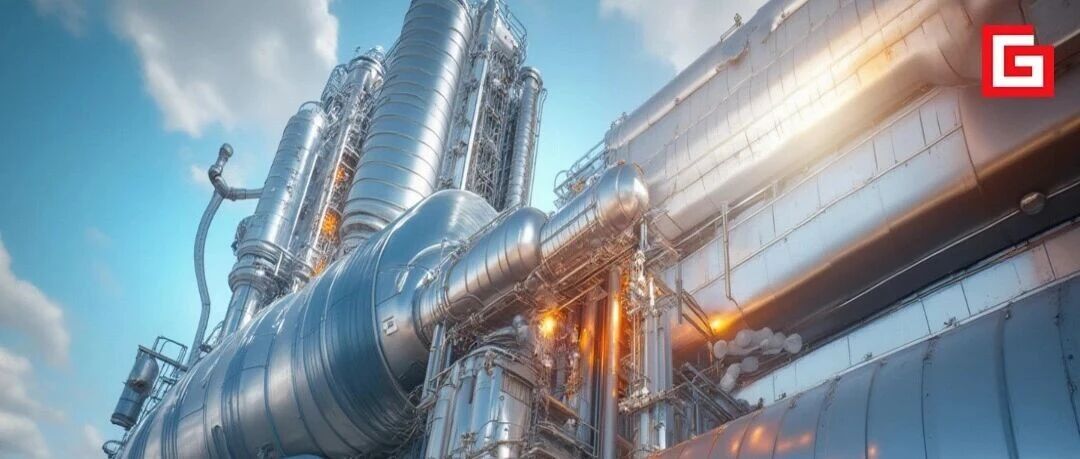
Group 1 - The needle coke sector is experiencing strong performance, with companies such as Yunmei Energy, Baotailong, and Yicheng New Energy showing significant gains [1] - The article highlights that these stocks are among the top gainers in the market as of 13:05 on February 24 [1] - The overall market sentiment appears to be positive for the needle coke industry at this time [1]


化工巨头又退出一项业务
Zhong Guo Hua Gong Bao· 2026-02-07 05:42
Core Viewpoint - Mitsubishi Chemical announced its exit from the coking and carbon materials business operated by its subsidiary, which includes needle coke and pitch coke products, due to a prolonged downturn in the overseas coking market [1] Group 1: Business Exit Details - The company expects a non-recurring loss of approximately 85 billion yen from this business exit [1] - Production of related products is scheduled to cease in the second half of 2027, with sales gradually reducing and equipment to be dismantled promptly after production halts [1] - The exited business generated revenue of 115.7 billion yen for the fiscal year ending March 2025 and employed around 600 staff as of February 2, 2026 [1] Group 2: Market Conditions - The decision to exit is attributed to a persistent slump in steel demand and oversupply in the global coking market, leading to a supply-demand imbalance [1] - The carbon materials production system is closely tied to coke oven operations, meaning that the cessation of coke production will directly impact the cost structure of the carbon materials business [1] - Given the ongoing oversupply and weak demand in the industry, Mitsubishi Chemical believes that stopping coke production is the most viable development option [1] Group 3: Strategic Shift - In recent years, Mitsubishi Chemical has accelerated its exit from traditional petrochemical businesses, having decided at the end of 2021 to phase out oil and coal chemical operations over several years [1] - The company has also announced exits from the PET bottle business and has undertaken a series of restructuring actions, including the closure of the Mitsubishi Chemical Shimonoseki and Shinryo Hama factories [1]
三菱化学将退出焦炭及炭素材料业务
Zhong Guo Hua Gong Bao· 2026-02-06 03:47
Group 1 - Mitsubishi Chemical announced the exit from its coal division's operations in the coking and carbon materials business, including needle coke and pitch coke products [1] - The company expects a non-recurring loss of approximately 85 billion yen from this business exit [1] - The production plan for related products is set to cease in the second half of 2027, with sales gradually reducing and equipment to be dismantled post-production [1] Group 2 - The exited business generated revenue of 115.7 billion yen for the fiscal year ending March 2025 and employed around 600 staff as of February 2, 2026 [1] - The decision to exit was influenced by a prolonged downturn in the overseas coking coal market, characterized by weak steel demand and oversupply of competing products [1] - The carbon materials production system is closely tied to coke oven operations, and the cessation of coke production will directly impact the cost structure of the carbon materials business [1]
针状焦板块大涨 山西焦化涨停
Xin Lang Cai Jing· 2026-02-04 03:13
Group 1 - The needle coke sector experienced a significant surge, with Shanxi Coking Coal and Yunmei Energy hitting the daily limit up [1] - Other stocks such as Baotailong and Yicheng New Energy also showed notable gains [1]

巨头撤离!三菱化学退出焦炭及炭素材料业务!
起点锂电· 2026-02-03 04:07
Group 1 - Mitsubishi Chemical Group announced a complete exit from the coking coal and carbon materials business, expecting a non-recurring loss of approximately 85 billion yen (about 4.1 billion RMB) [2] - The decline in the overseas coking coal market is attributed to weak steel demand in China and oversupply due to new capacities in Indonesia [2] - Despite quality advantages and various measures to improve profitability, Mitsubishi Chemical acknowledged the inability to reverse the structural challenges in the coking coal sector [2] Group 2 - For the first half of the fiscal year 2025 (April-September), Mitsubishi Chemical reported sales revenue of 1,799.12 billion yen (approximately 11.5 billion USD), a 10.5% decrease from the previous year [2] - The operating profit for the same period was 86.49 billion yen, down 19.6% year-on-year [2] - The net profit attributable to the parent company's shareholders was 110.13 billion yen, showing a significant increase of 169% compared to the previous year [2]
巨头撤离!三菱化学退出焦炭及炭素材料业务!
鑫椤锂电· 2026-02-03 01:50
Group 1 - The core viewpoint of the article highlights Mitsubishi Chemical Group's decision to exit the coking and carbon materials business, resulting in an expected non-recurring loss of approximately 85 billion yen (around 4.1 billion RMB) [1] - The immediate trigger for Mitsubishi Chemical's exit is the "perfect storm" faced by the global coking market, characterized by weak steel demand in China and oversupply due to new capacities in Indonesia [2] - Despite having quality advantages in its coking products, Mitsubishi Chemical has been unable to reverse the structural difficulties in profitability, leading to the conclusion that long-term growth in this business area is no longer sustainable [2] Group 2 - In 2025, China's import of Mitsubishi Chemical's needle coke is estimated to be around 5,000 tons, indicating the significance of this product in the market [2] - The company's carbon materials business, including needle coke and pitch coke, shares production facilities with coking operations, meaning that ceasing coking production will immediately collapse the cost structure of carbon materials [2]

固态电池产业化进程加速
Xin Lang Cai Jing· 2026-01-04 19:01
Group 1 - Solid-state batteries surpass existing liquid lithium-ion batteries in energy density, safety, lifespan, and performance potential, marking a significant technological revolution in electric vehicles, energy storage, and consumer electronics [1] - Ulaanbaatar City is focusing on solid-state battery materials and equipment manufacturing as a key direction for transformation, aiming to create a distinctive industrial cluster [1] - The city has established a coal tar deep processing production line with an annual capacity of 300,000 tons and a needle coke production facility with a capacity of 50,000 tons, forming a competitive industrial chain for battery anode materials [1] Group 2 - Qingtao (Ulaanbaatar) Energy Technology Co., Ltd. is set to produce 50,000 tons of solid-state battery materials and 10 GWh of solid-state batteries and energy storage systems, significantly boosting the local solid-state battery industry [2] - Ulaanbaatar's climate is ideal for solid-state battery production due to its dry environment, and the region offers significant advantages in electricity costs and supporting industries [2] - The city has a planned solid-state battery industrial park covering over 1,700 acres, with expectations that the industry chain's output value will exceed 21.5 billion yuan by 2030, with anode and cathode material capacities reaching 200,000 tons and solid-state battery capacity reaching 30 GWh [2] Group 3 - Ulaanbaatar aims to develop two industrial clusters focused on solid-state battery materials and equipment manufacturing, as well as biodegradable new materials, to create a modern industrial system that is small yet strong [3]
杉杉集团重整再生变数
Di Yi Cai Jing· 2025-11-25 12:36
Core Viewpoint - The lithium battery materials industry is gradually recovering, prompting increased capital activities among listed companies, with Fangda Carbon (600516.SH) actively participating in the restructuring of Shanshan Group, which is the controlling shareholder of Shanshan Co., Ltd. (600884.SH) [2] Group 1: Fangda Carbon's Involvement - On November 24, Fangda Carbon announced its intention to participate as an industrial partner in the substantive merger and restructuring of Shanshan Group and its wholly-owned subsidiary, Ningbo Pengze Trading Co., Ltd. [2] - Fangda Carbon's involvement is seen as a strategic move to accelerate its entry into the lithium battery anode materials sector, especially as it faces declining performance in recent years [2][5] - The company has experienced continuous revenue and net profit declines since 2023, with a 55.89% year-on-year drop in net profit for the first three quarters of 2025 [2][5] Group 2: Shanshan Group's Restructuring - Shanshan Group entered bankruptcy restructuring in February 2025, with a court ruling in March for the substantive merger of Shanshan Group and Pengze Trading [3] - The restructuring plan previously signed with a consortium of investors was not approved by the creditors' meeting and was legally terminated in early November, leading to a restart of the investor recruitment process [4][6] - The main assets involved in the restructuring include Shanshan Group's shares in Shanshan Co., Ltd., which total 525 million shares, accounting for 23.36% of the company's total equity [4] Group 3: Market Context and Opportunities - The lithium battery anode materials sector is entering a new cycle of prosperity, driven by the commercialization of solid-state battery technology and increasing demand for power and energy storage batteries [6] - Shanshan Co., Ltd. has a strong position in the lithium battery materials market, being the first company in China to engage in the research and production of artificial graphite anode materials [6] - In the first three quarters of 2025, Shanshan Co., Ltd. achieved revenue of 14.809 billion yuan, a year-on-year increase of 11.48%, and a net profit of 284 million yuan, a significant year-on-year increase of 1121.72% [6] Group 4: Strategic Implications for Fangda Carbon - If Fangda Carbon successfully becomes the restructuring investor, it could acquire a controlling stake in Shanshan Co., Ltd. at a relatively low cost and integrate its production advantages in precursor materials with Shanshan's application capabilities [7] - The market has responded positively to Fangda Carbon's strategic move, as evidenced by a stock price surge following the announcement [7]


