银发经济

Search documents
全国首单含数据知识产权的银发经济专题ABS成功发行
Zhong Zheng Wang· 2025-09-29 11:55
Core Viewpoint - The successful issuance of the "Caitong-Hangzhou Binjiang Intellectual Property Phase 2 Asset-Backed Special Plan (Technology Innovation)" marks a significant development in the asset-backed securities (ABS) market, being the first nationwide ABS product focused on data intellectual property in the silver economy sector [1][2]. Group 1: Project Details - The issuance scale of the project is 102.5 million yuan, and it includes 71 patents from 14 high-quality technology innovation enterprises located in the Hangzhou High-tech Zone (Binjiang) [1]. - The financing cost for the participating enterprises is only 1.195%, significantly reducing their financing expenses [1]. Group 2: Background and Strategic Importance - This project is part of a broader initiative by Caitong Asset Management to apply for multiple phases of the asset-backed special plan, with the first phase already listed on the Shenzhen Stock Exchange in January, which was the first to include game and animation copyrights [1]. - Caitong Asset Management has established a comprehensive product matrix covering ABS, Pre-ABS, private REITs, and public REITs, providing full-chain services from asset selection to financing design and subsequent operations [2]. Group 3: Market Impact and Future Prospects - The project aims to facilitate the conversion of data resources into financial capital, effectively serving technology innovation enterprises in the pharmaceutical, health, and medical product sectors [2]. - The success of this initiative has generated interest from more small and micro technology enterprises and financial institutions, with local governments encouraged to use this as a branding tool for future investment attraction [2].
全国首单!含数据知识产权的银发经济专题ABS发行
Zheng Quan Ri Bao Wang· 2025-09-29 10:11
Core Viewpoint - The successful issuance of the "Caitong-Hangzhou Binjiang Intellectual Property Phase 2 Asset-Backed Special Plan (Technology Innovation)" marks a significant milestone as the first ABS product in the silver economy sector that includes data intellectual property in China [1][2] Group 1: Project Details - The issuance scale of the project is 102.5 million yuan, and it is part of a series of plans where Caitong Asset Management aims to apply for five phases of asset-backed special plans in 2024 [1] - The underlying assets include 71 patents from 14 high-quality technology innovation enterprises located in the Hangzhou High-tech Zone (Binjiang) [1] - The financing cost for the enterprises is only 1.195%, significantly reducing their financing expenses [1] Group 2: Company Strategy and Market Position - Caitong Asset Management has established a comprehensive product matrix covering ABS, Pre-ABS, private REITs, and public REITs, providing full-chain services from asset selection to financing design and subsequent operations [1] - The company has issued 51 ABS products this year, totaling over 39 billion yuan, ranking 8th in the industry for both the number and scale of issued products [2] - Since its establishment, Caitong has cumulatively issued 224 ABS products, amounting to over 178 billion yuan [2] Group 3: Industry Impact and Future Outlook - The project effectively connects data resources to financial capital, serving technology innovation enterprises in the pharmaceutical, health, and medical product sectors, aligning with national strategies to address population aging [2] - The successful implementation of this project has generated interest from more small and micro technology enterprises and financial institutions, indicating a positive response to Caitong's efforts in serving Zhejiang businesses and the technology finance sector [2]
六部门印发方案,事关机械行业稳增长
Zhong Guo Zheng Quan Bao· 2025-09-29 08:38
Core Insights - The Ministry of Industry and Information Technology, along with five other departments, has jointly issued the "Mechanical Industry Steady Growth Work Plan (2025-2026)" aiming for stable growth in the mechanical industry [1] - The plan targets an average annual revenue growth rate of approximately 3.5%, with total revenue expected to exceed 10 trillion yuan by 2026 [1] Summary by Categories Economic Growth Targets - The mechanical industry is expected to maintain a stable and positive operational trend from 2025 to 2026, with a focus on enhancing the resilience and safety of key industrial chains and supply chains [1] - The plan aims for an average annual revenue growth rate of around 3.5%, with total revenue projected to surpass 10 trillion yuan [1] Demand Expansion Strategies - The plan emphasizes the need to comprehensively expand effective demand to strengthen the growth traction of the mechanical industry [1] - Key initiatives include accelerating the upgrade and technological transformation of outdated equipment that has high energy consumption, heavy pollution, and low safety [1] - Policies such as subsidies for agricultural machinery purchases and scrapping old equipment are highlighted to promote the application of advanced agricultural machinery [1] New Demand Cultivation - The plan aims to cultivate and expand new demand by developing emerging economies and new business formats, including the "first launch economy," "ice and snow economy," "silver economy," and "smart tourism" [1] - It also focuses on expanding applications for service and special robots, elderly rehabilitation equipment, ice and snow equipment, cultural tourism equipment, educational equipment, and additive manufacturing equipment [1]
六部门:发展首发经济、冰雪经济、银发经济、智慧旅游等新经济新业态
Xin Lang Cai Jing· 2025-09-29 07:20
Core Viewpoint - The Ministry of Industry and Information Technology, along with five other departments, has released the "Mechanical Industry Growth Stabilization Work Plan (2025-2026)", focusing on fostering new demand and promoting various emerging economic sectors and applications [1] Group 1: New Economic Sectors - Development of new economic sectors such as the primary economy, ice and snow economy, silver economy, and smart tourism is emphasized [1] - Expansion of applications for service and special robots, elderly rehabilitation equipment, ice and snow equipment, cultural tourism equipment, educational equipment, and additive manufacturing equipment is encouraged [1] Group 2: Logistics and Smart Technology - Implementation of the "Action Plan for Effectively Reducing Logistics Costs" aims to accelerate the construction of smart logistics hubs and parks [1] - Development of "Artificial Intelligence + Modern Logistics" is promoted, including the use of unmanned vehicles, warehouses, and loading/unloading equipment [1] Group 3: Smart Agriculture - Encouragement for conducting unmanned agricultural operation trials to cultivate smart farms, pastures, and fishing grounds [1] - Promotion of intelligent power and agricultural machinery, including planting, harvesting, and facility horticulture equipment [1] Group 4: Medical Equipment - Launch of high-end medical equipment promotion actions to facilitate the integration of artificial intelligence with medical equipment [1] - Development of smart medical scenarios such as medical imaging assistance and remote consultations, along with the application of medical robots and health care equipment [1] Group 5: Green Transition - Focus on the comprehensive green transition of the economy and society, promoting energy-saving, environmental protection, clean production, and clean energy industries [1] - Development of green carbon reduction technology and equipment is aimed at driving the growth of these sectors [1]
亿万老人的孤独,被会说话的洋娃娃填补?
投中网· 2025-09-29 06:59
Core Viewpoint - The article discusses the potential of AI companionship in elderly care, highlighting the emotional needs of seniors and the current market landscape for AI companionship products [4][10][20]. Market Potential - The global smart companionship market is projected to reach $28.19 billion in 2024, with a compound annual growth rate (CAGR) of 30.8%, potentially reaching $140.75 billion by 2030 [6]. - In China, the potential market demand for companionship robots among the elderly is estimated at approximately 420 billion RMB [6]. Demographic Trends - The global population aged 60 and above surpassed the number of children under 5 in 2020, with China expected to have over 400 million seniors by 2035 [7]. - The proportion of elderly individuals living alone in China has reached 14.2%, indicating a growing need for companionship solutions [8]. Emotional Needs - Beyond physical safety, the emotional needs of the elderly are critical, with a significant portion of seniors experiencing social isolation and loneliness [8][9]. - Data shows that 42% of Chinese women and 29% of men are at high risk of depression, emphasizing the importance of addressing emotional well-being [9]. Current Product Landscape - Existing AI companionship products primarily focus on safety features rather than emotional engagement, often failing to provide meaningful interaction [9][12]. - Many current products are not designed for genuine emotional companionship, limiting their effectiveness in alleviating loneliness among seniors [9][12]. Technological Challenges - Advanced AI technologies, such as large language models, are necessary for creating effective companionship solutions that can understand and respond to emotional cues [12][18]. - The complexity of elderly emotional needs and communication styles poses challenges for AI developers, as many existing models lack the necessary training data to engage effectively with seniors [19]. Ethical Considerations - The use of AI in elderly care raises ethical and legal concerns, particularly regarding privacy and the potential for over-reliance on technology [19][20]. - Incidents involving AI companions leading to risky behaviors highlight the need for careful consideration of safety and ethical implications in product design [19]. Industry Outlook - Despite current challenges, there is ongoing investment in AI companionship technologies, with companies exploring innovative solutions that may eventually benefit the elderly [20]. - The industry is still in an exploratory phase regarding dedicated products for the elderly, with many companies hesitant to fully commit to this market segment [15][18].


昂立教育:教培的尽头是“养老”?
Tai Mei Ti A P P· 2025-09-29 06:51
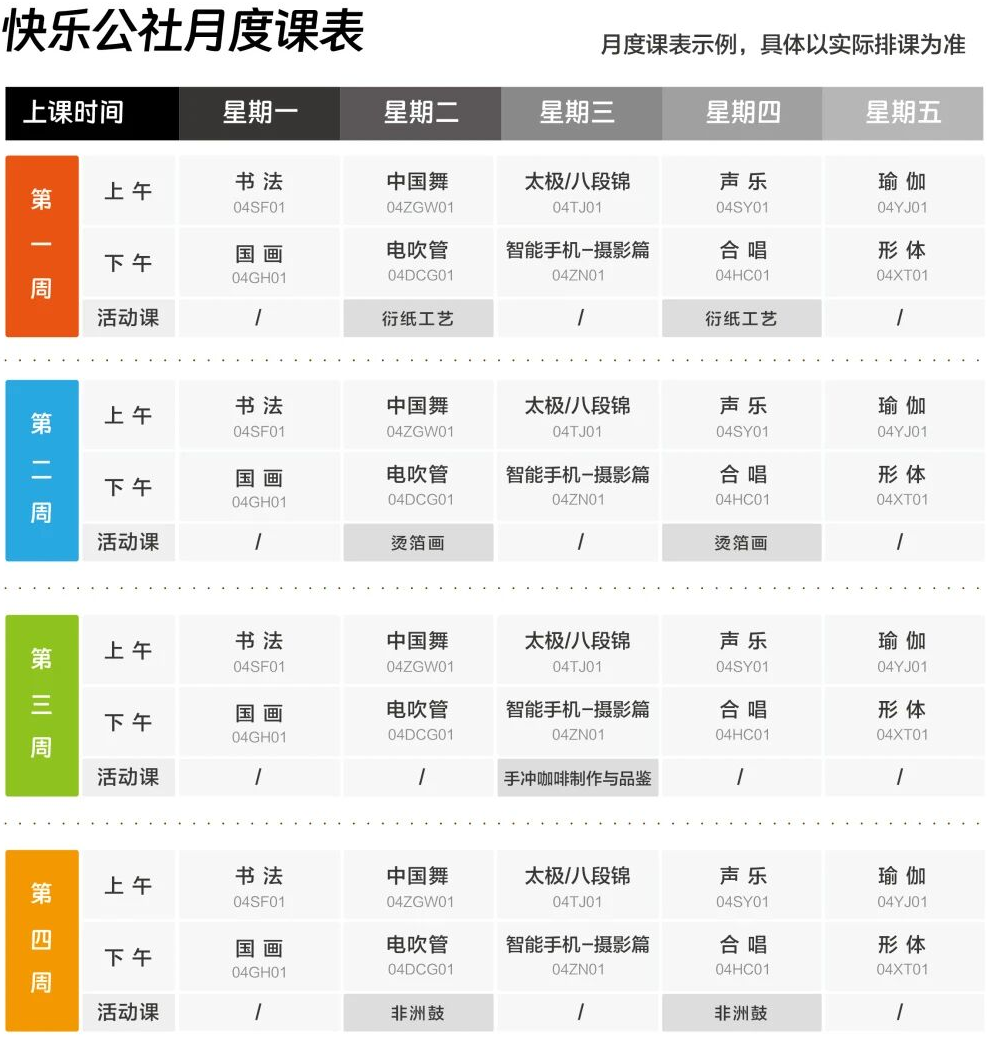
Core Viewpoint - The article discusses the strategic shift of Angli Education from focusing on K12 education to targeting the elderly market, highlighting the potential of the silver economy as a new growth engine for the company [2][3][25]. Financial Performance - In 2024, Angli Education reported a revenue of 1.23 billion yuan, a year-on-year increase of 27.32%, with a net loss of 48.58 million yuan, which is a reduction of 139 million yuan compared to the previous year [4][20]. - The revenue from youth quality education was 598 million yuan, accounting for 48.6% of total revenue, with a year-on-year growth of 36.07% [5]. Market Dynamics - The birth rate in China has significantly declined, with the number of newborns dropping from 17.23 million in 2017 to 9.02 million in 2023, leading to a shrinking core customer base for Angli [6]. - The elderly population aged 60 and above is projected to reach 310 million by the end of 2024, with the silver economy expected to grow to 19.1 trillion yuan by 2035 and 49.9 trillion yuan by 2050 [8]. Strategic Shift - Angli is exploring the silver economy by focusing on elderly interest education and cultural tourism, aiming to establish a business model by 2025 [7]. - The company is leveraging its existing resources, such as teaching spaces and staff, to cater to the elderly demographic, capitalizing on its brand trust built over 40 years [10]. Business Model - The "Happy Community" initiative offers various interest courses for the elderly at a monthly fee of 99 yuan, aiming for mass-market appeal rather than high-end niche education [12][14]. - The business model emphasizes companionship and lifestyle enhancement rather than traditional knowledge payment, targeting the social and emotional needs of the elderly [12][14]. Profitability Considerations - The initial pricing strategy may pose challenges for profitability, but potential scale effects, high customer retention, and additional value-added services could enhance revenue [15][16][17]. - The company aims to create a smart service system that utilizes AI to provide personalized recommendations and health management for elderly learners [21]. Challenges Ahead - The transition to silver education presents challenges in standardization, teacher recruitment, and longer profitability cycles compared to K12 education [18][19]. - Balancing commercial interests with the emotional aspects of companionship is crucial for the success of the "Happy Community" initiative [18][25]. Market Recognition - Despite ongoing losses, Angli's revenue in Q1 2025 reached 309 million yuan, a year-on-year increase of 10.78%, indicating a potential turnaround and market acceptance of its new strategy [20][21].

餐饮微利时代,这些赛道大有“钱景”!
Sou Hu Cai Jing· 2025-09-29 04:46
Core Insights - The restaurant industry is no longer in a "dividend period," and businesses must adapt to new market conditions to survive by moving beyond outdated experiences from 2018 to compete effectively in 2025 [1][3] - The focus should shift to "old industries combined with new trends" and "genuine needs of small demographics" to uncover new business opportunities [4] Market Changes - The restaurant industry has experienced rapid growth over the past 25 years, but many operators are unaware of how they succeeded, as they were merely riding the wave of the industry [3] - The current market requires meticulous cultivation rather than relying on past successes [3] New Opportunities - The "silver economy" presents a significant opportunity as the aging population, particularly those born during the baby boom from 1963 to 1972, is becoming more affluent and health-conscious [6][8] - The integration of health and dining, as exemplified by the success of establishments like Dongjitang, which combines traditional Chinese medicine with modern dining experiences, is a promising direction [7][8] County Economy - A noticeable trend of reverse urbanization is emerging, with many young people returning to smaller cities, creating a demand for upgraded dining experiences in these areas [10][14] - Examples of successful transformations in county restaurants demonstrate that there is substantial potential for growth by applying urban restaurant strategies to smaller markets [12][13] Consumer Behavior - The demand for female-friendly dining experiences, as seen in the success of restaurants catering specifically to women, highlights the importance of addressing the true needs of niche markets [15] - The concept of "third spaces" for socializing and entertainment, as illustrated by the innovative approach of brands like Xingju meeting the demand for social environments, is gaining traction [18] Digital Assets - The importance of digital assets, such as online reviews and social media presence, is emphasized as a critical component of a restaurant's value and marketability [19] - Companies are encouraged to enhance their digital footprint to increase customer engagement and brand recognition [19] Conclusion - The restaurant industry must evolve by understanding market trends and consumer needs, leveraging new opportunities, and enhancing digital capabilities to thrive in a changing landscape [20]

济南养老服务产业交流会暨丽山国际·槿椿泺园启用仪式成功举行
Qi Lu Wan Bao· 2025-09-29 03:18
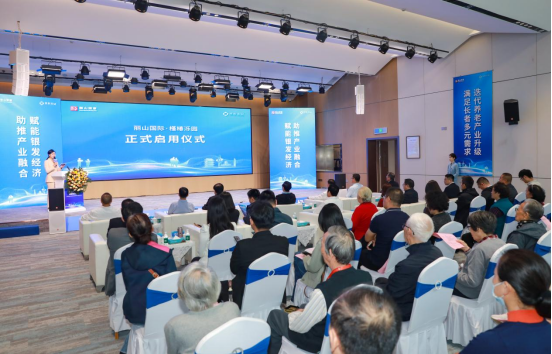
2025年9月28日,"助推产业融合 赋能银发经济"济南养老服务产业发展交流会暨丽山国际·槿椿泺园正式 启用仪式在济南市历下区丽山国际·槿椿泺园成功举办。本次活动在济南市民政局、历下区委区政府指 导下,由济南养老服务发展促进会、济南历下控股集团有限公司主办,丽山健康(山东)集团有限公司 承办。济南市委原常委、秘书长蒋晓光,原中国老龄科学研究中心副主任、国家应对人口老龄化战略研 究秘书组副组长、全国养老服务专家委员会副主任委员党俊武,历下区委书记杨传军,济南养老服务发 展促进会会长张洪武,济南市民政局党组成员、副局长、市社会组织管理局局长王健,历下区副区长、 区公安分局党委书记、局长房星,中国药膳研究会副会长兼秘书长濮传文,济南市民政局老龄工作处副 处长、三级调研员杨昌昊,历下区民政局党组书记、局长李健,历下区千佛山街道党工委书记张保国, 历下控股集团董事长、总经理刘思广,以及济南市民政局、历下区各相关单位领导,丽山国际·槿椿泺 园长者代表,养老行业企业代表,济南护理职业学院、山东商业职业技术学院、山东医学高等专科学校 代表,大众日报、齐鲁壹点、大众网、济南日报等媒体代表共同出席。 聚力银发经济,共话产业融合新 ...
因地制宜发展好养老金融
Jing Ji Ri Bao· 2025-09-28 21:50
Core Viewpoint - The article discusses the financial support for the elderly care industry in China, highlighting the initiatives taken by the People's Bank of China and local banks to enhance financial services for the aging population and promote the development of the silver economy [1][10]. Group 1: Financial Support Initiatives - In May 2023, the People's Bank of China announced a 500 billion yuan re-loan program aimed at boosting financial support for service consumption and the elderly care industry [1]. - Agricultural Bank of China in Linyi has established a tracking mechanism for elderly care projects, resulting in a 67.9% increase in the bank's elderly care loan balance to 329 million yuan by the end of August 2023 [2]. - Local banks, including city commercial banks and rural commercial banks, are actively investing in elderly care services, with strategic partnerships formed to enhance financial support [2]. Group 2: Digitalization and Service Innovation - In Rizhao, the Shanhai Ruiyi Elderly Care Center utilizes digital tools to meet diverse needs, integrating financial technology to improve management and service delivery [4][5]. - The establishment of a "Smart Silver Age" service platform by Rizhao Bank aims to connect various elderly care services, enhancing the quality of life for seniors through a comprehensive service network [5]. Group 3: Industry Growth and Challenges - Rizhao has 66 elderly care institutions with nearly 10,000 beds, and the city is focusing on creating a comprehensive service system that combines health care, tourism, and elderly care [6]. - The financing challenges faced by private elderly care providers, such as Jiahao Yintai, are being addressed through innovative collateral solutions by banks, allowing for loans against social welfare land and facilities [7][8]. - The first loan in the elderly education sector was issued to Rizhao Nursing Vocational College, highlighting the financial support for training professionals in the elderly care industry [9][10]. Group 4: Financial Performance Metrics - As of August 2025, the loan balance for the elderly care industry in Shandong Province reached 16.46 billion yuan, with a year-on-year growth of 44.3%, significantly outpacing the overall loan growth rate [10].
淄博银行业:以金融之力赋能高质量发展,谱写老工业城市转型新篇章
Qi Lu Wan Bao· 2025-09-28 13:23
Core Viewpoint - The banking industry in Zibo is actively supporting high-quality economic development through innovative financial services and products, focusing on technology-driven enterprises, green finance, and small and micro enterprises [1][3][15]. Group 1: Financial Support for Innovation and Technology - Zibo has been recognized as a national innovation city, ranking among the top fifty in both innovation index and capability, largely due to the financial sector's support for technology-driven enterprises [3]. - The Zibo Financial Regulatory Bureau has implemented policies to enhance financial support for technology innovation, including the establishment of a database for technology enterprises and the introduction of specialized loan products [3][4]. - As of June 2025, the total balance of technology loans in Zibo exceeded 628.69 billion yuan, reflecting a strong commitment to financing innovation [3]. Group 2: Green Finance Initiatives - Zibo's banking sector is promoting green finance in alignment with national carbon reduction strategies, with green credit balances reaching 853.98 billion yuan by June 2025, an increase of 133.19 billion yuan from the beginning of the year [16]. - Innovative financial products, such as sustainable development-linked loans, are being introduced to encourage companies to adopt environmentally friendly practices [17]. Group 3: Support for Small and Micro Enterprises - The banking industry in Zibo has established a comprehensive financial service system for small and micro enterprises, with a loan balance of 1,085.29 billion yuan as of June 2025, marking a year-on-year increase of 116.29 billion yuan [21]. - The average interest rate for newly issued loans to small and micro enterprises has decreased to 3.79%, indicating a more favorable lending environment [21]. Group 4: Financial Services for Agriculture and Rural Development - The banking sector is actively supporting rural development and agricultural enterprises, with a focus on enhancing credit systems and providing tailored financial solutions [36][40]. - Specific initiatives include the provision of low-interest loans to support agricultural production and the establishment of credit systems in rural areas [36]. Group 5: Digital Transformation in Banking - Zibo's banking institutions are advancing digital transformation strategies, with a reported loan balance for the digital economy reaching 8.6 billion yuan by June 2025, reflecting a growth rate of 26.47% [29]. - The focus on digital finance aims to enhance compliance management and improve customer engagement with digital financial products [29]. Group 6: Comprehensive Financial Services for Elderly Care - Zibo is developing a multi-layered financial support system for elderly care, including specialized loan products and pension account services, with over 552,448 personal pension accounts opened by June 2025 [33]. - Financial institutions are also providing loans to support the construction and operation of elderly care facilities, enhancing the overall quality of services available to the aging population [33].