
万物互联

Search documents
华为鸿蒙系统本不叫“鸿蒙”,鸿蒙原名竟另有隐情,华为董事长揭秘
Sou Hu Cai Jing· 2025-06-09 01:02
Group 1 - The core viewpoint is that Huawei's HarmonyOS has emerged as a significant third option in the global operating system market, breaking the previous duopoly of Android and iOS, and providing a domestic alternative that is no longer reliant on foreign systems [1][5] - HarmonyOS has achieved substantial growth, with projections indicating that by 2025, devices running HarmonyOS will exceed 700 million, covering 18 major industry categories, and native applications will account for over 60% [5][7] - The open-source model of HarmonyOS has fostered industry collaboration, with companies like Zhongke Chuangda and Runhe Software developing industry solutions based on OpenHarmony, and chip manufacturers like SMIC and Yangtze Memory Technologies deeply adapting to HarmonyOS [7] Group 2 - The name "Harmony" was not originally intended for the operating system; it was initially the name of an internal kernel, and the media's misinterpretation led to its widespread adoption as the system's name [3][5] - The transition from a reliance on Android compatibility to a fully native HarmonyOS has been marked by significant achievements, dispelling earlier doubts about its capabilities [5][6] - Huawei's chairman emphasized that HarmonyOS is not just a Huawei product but a foundational infrastructure for the era of interconnected devices [7]

华为、小米为什么下场做AI手表?
AI研究所· 2025-06-06 10:21
Core Viewpoint - The competition among smartphone manufacturers in the smartwatch market is intensifying, with companies like Xiaomi, Huawei, and Apple launching new products to capture market share amid declining smartphone sales [1][2][4]. Group 1: Market Dynamics - The global smartphone market has seen a continuous decline, with a year-on-year drop of 8% in Q3 2023, marking the worst performance in nearly a decade [5]. - In contrast, the smartwatch market is thriving, with a year-on-year growth of 13% in Q2 2024, indicating a shift in focus for smartphone manufacturers [5]. Group 2: Ecosystem Development - Building a complete ecosystem is crucial for tech giants, with smartwatches becoming an integral part of this strategy due to their connectivity and user engagement [6]. - Apple has sold over 300 million Apple Watches since its launch, creating a strong ecosystem that enhances user loyalty and experience [7][9]. - Huawei's smartwatches, like the WATCH FIT 3, leverage the HarmonyOS to provide seamless integration with other Huawei devices, enhancing user convenience [11]. - Xiaomi's smartwatches contribute to its IoT ecosystem, with a 20.3% year-on-year revenue growth in IoT and lifestyle products, driven by wearable devices [12]. Group 3: Supply Chain and Profitability - Smartphone manufacturers have inherent advantages in supply chain management when entering the smartwatch market, allowing them to reduce costs through existing supplier relationships [14][15]. - Key components like chips and displays are shared between smartphones and smartwatches, enabling manufacturers to leverage their established supply chains for competitive pricing [14][18]. - Apple's proprietary S-series chips provide a performance edge for its smartwatches, while Huawei focuses on developing its Kirin chips to enhance performance and reduce dependency on external suppliers [18][20]. - Market share expansion is vital for long-term profitability, as it allows manufacturers to achieve economies of scale and improve bargaining power with suppliers [21]. - The smartwatch market also offers opportunities for software and service revenue, with companies like Apple and Huawei expanding their ecosystems through paid applications and services [22]. Group 4: Future Outlook - The global smartwatch market is projected to grow, with a 13% year-on-year increase in Q1 2025, driven by various price segments [23]. - In China, the fastest-growing price segments for smartwatches are between ¥500-1000, ¥1000-1500, and ¥1500-2000, with growth rates of 83.1%, 112.3%, and 77.0% respectively [23]. - The competition in the smartwatch market will hinge on meeting user needs, optimizing ecosystems, and innovating business models to succeed in this emerging market [24].



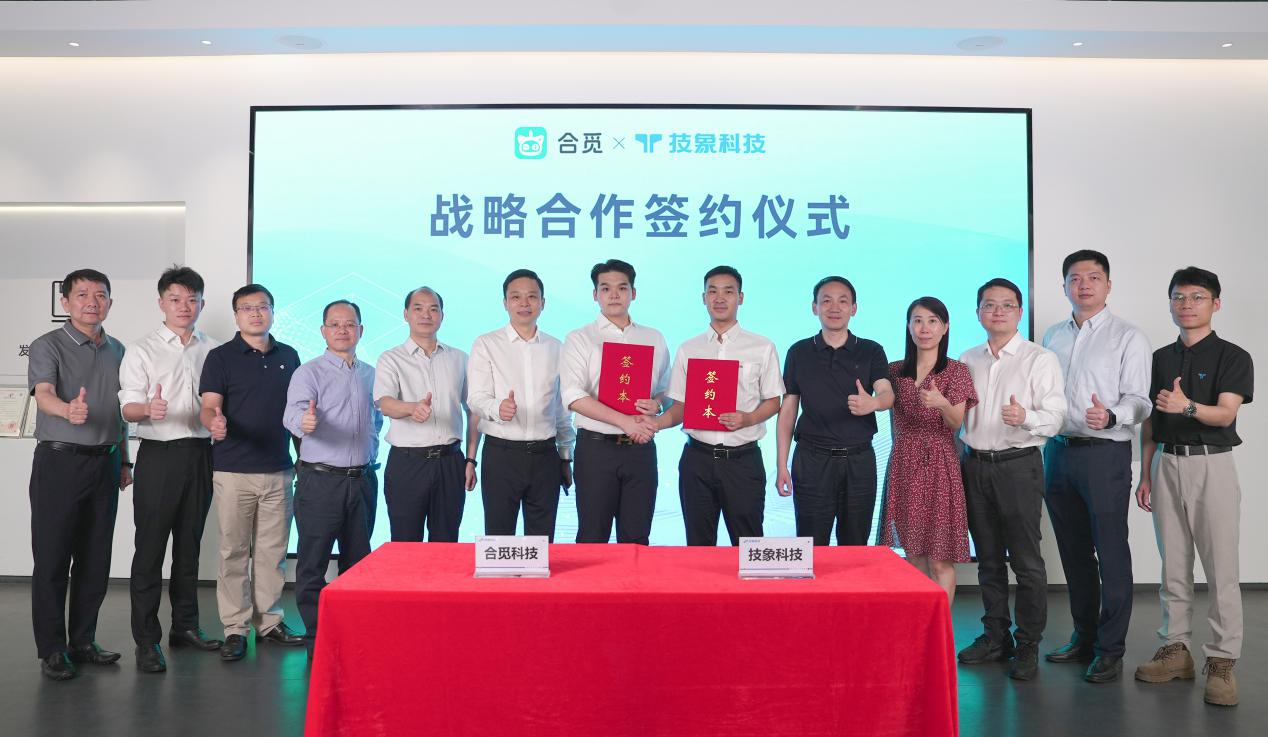
好莱客:控股子公司合觅科技携手技象科技 共创万物互联新生态
Zheng Quan Shi Bao Wang· 2025-06-03 12:36
Core Viewpoint - The strategic partnership between Haoleke's subsidiary HeMi Technology and Jixiang Technology aims to innovate IoT communication technology in the smart home sector, focusing on the development of TPUNB technology to promote domestic IoT solutions [1][4]. Group 1: Company Collaboration - HeMi Technology was established in March this year by Haoleke, Haotaitai, and Fengzhushou, focusing on innovative technology in the smart home field [3]. - The collaboration will integrate Jixiang Technology's communication technology with HeMi Technology's smart home resources to develop TPUNB technology [4]. - The partnership is expected to leverage both companies' strengths, with HeMi Technology providing a smart home product matrix and Jixiang Technology offering advanced IoT communication capabilities [4]. Group 2: Technology Development - TPUNB technology represents a comprehensive IoT narrowband communication system designed from the physical layer to the platform layer, featuring low power consumption and high security [4]. - Jixiang Technology utilizes a proprietary low-power wide-area IoT technology for ultra-long-distance wireless transmission, breaking foreign technology monopolies and achieving independent innovation in China [3][4]. - The collaboration aims to create a secure IoT private network that supports numerous sensing terminals with ultra-low power connections, enhancing the smart home experience [4]. Group 3: Market Impact - The strategic cooperation is anticipated to drive innovation and application of smart home IoT technology, meeting the diverse needs of consumers [4]. - The partnership seeks to create a new ecosystem of interconnected devices, enhancing the overall market landscape for smart home solutions [4].

华为主导新技术,旨在替代HDMI
半导体芯闻· 2025-05-26 10:48
Core Viewpoint - The article discusses the significance of the General-Purpose Multimedia Interface (GPMI) technology, which aims to revolutionize interface technology to meet the demands of future smart applications, particularly in the context of smart homes and industrial IoT [2][24]. Summary by Sections Evolution of Information Storage and Transmission - The progress of civilization is closely linked to the evolution of information storage media and transmission methods, with a notable acceleration in storage technology compared to the slower updates in transmission methods, particularly in interface technology [2]. Introduction to GPMI - GPMI is a restructured interface paradigm designed for smart scenarios, addressing the compatibility issues of existing interfaces in new application contexts. It represents a significant advancement from previous generations of interfaces [3]. GPMI Technical Architecture - The GPMI technology architecture consists of four layers: link layer, tunnel base, adaptation layer, and service layer, with essential components including main and auxiliary links [5]. Core Advantages of GPMI - GPMI boasts seven core advantages: bidirectional multi-stream, bidirectional control, high power supply, ecological compatibility, ultra-fast transmission, quick wake-up, and full-chain security [7]. Bidirectional Multi-Stream Capability - GPMI supports mixed bidirectional transmission of video and data streams, allowing for efficient interconnectivity among multiple devices, with a bandwidth capacity of 192 Gbps and support for up to 128 nodes [10][12]. Bidirectional Control Functionality - The bidirectional control feature enables dynamic reconfiguration of roles between interconnected devices, allowing for enhanced functionality and resource sharing, such as using a TV's network capabilities for other devices [15]. High Power Supply Integration - GPMI integrates power supply capabilities, with Type-B interfaces supporting up to 480W and Type-C interfaces up to 240W, facilitating a unified connection for video, control, data, and power [18]. Ecological Integration - GPMI is compatible with USB standards, ensuring seamless integration with existing devices and laying the groundwork for future standards, which is beneficial for both manufacturers and consumers [21]. Future Opportunities with GPMI - GPMI is expected to unlock new development opportunities in smart scenarios, enhancing multi-screen ecosystems in smart homes and industrial IoT applications, while also fostering new business models such as "display as a service" [24].

蓝牙亚洲大会回归中国背后:蓝牙的“中国身份”与市场新变量
经济观察报· 2025-05-25 11:11
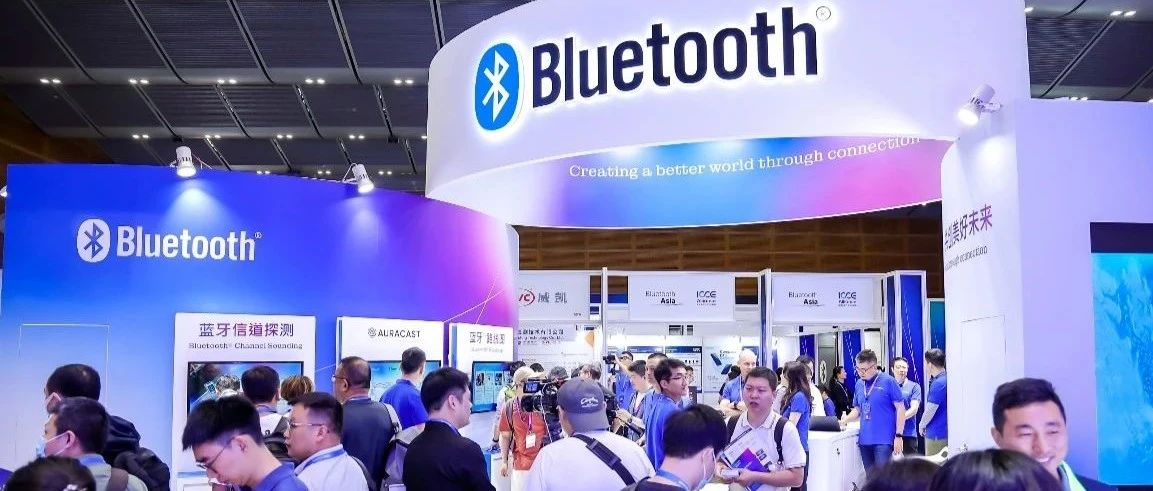
Core Viewpoint - The Bluetooth Special Interest Group (SIG) is re-establishing its presence in China by setting up a local entity and forming a member group to better serve its significant Chinese membership base, which represents about 7% of its global members and produces 50% of Bluetooth chips worldwide [2][4][5]. Group 1: Strategic Importance of China - China plays a crucial and strategic role in the Bluetooth ecosystem, with 6,000 member companies, making it the second-largest country in terms of membership [4]. - The establishment of Bluetooth Technology (Beijing) Co., Ltd. aims to provide new resources and support for Chinese member companies in technology development, product certification, and market promotion [5][6]. - SIG's local team will be empowered to make decisions to better address the unique needs of Chinese members, enhancing operational efficiency [6]. Group 2: Localized Operations and Member Engagement - SIG plans to form a China member group to facilitate collaboration among Chinese companies and gather feedback on market needs [6][10]. - The organization has launched a WeChat account to improve communication and engagement with local members [6]. - The UnPlugFest interoperability testing event was opened to developers for free, indicating SIG's commitment to fostering local innovation [6]. Group 3: Market Dynamics and Competition - The emergence of local wireless connection technologies, such as the StarFlash Alliance led by Huawei, poses a competitive challenge to Bluetooth technology [8][9]. - The StarFlash technology aims to innovate in short-range communication, targeting applications in smart homes, automotive, and manufacturing [9]. - SIG acknowledges the competition and sees it as an opportunity to evolve and adapt in a dynamic market [8]. Group 4: Growth Projections and Application Areas - Bluetooth device shipments are projected to reach 5 billion in 2025 and 8 billion by 2029, indicating significant market growth [13]. - Key application areas for Bluetooth include audio devices, PC peripherals, wearable technology, and industrial applications, with substantial growth expected in each segment [13][14]. - The Bluetooth asset tracking market is anticipated to reach 245 million units in 2025, showcasing its expanding industrial applications [14]. Group 5: Technological Advancements - SIG is focusing on enhancing Bluetooth's core capabilities, including transmission speed, connection distance, and power consumption, to meet evolving market demands [15]. - New technologies such as Auracast™ for audio sharing and Channel Sounding for precise location tracking are being developed to enhance user experience [15][16]. - High Throughput Data (HDT) technology is expected to significantly improve data transmission speeds, with projections of up to 8 Mbps [16][17].
蓝牙亚洲大会回归中国背后:蓝牙的“中国身份”与市场新变量
Jing Ji Guan Cha Bao· 2025-05-25 10:18
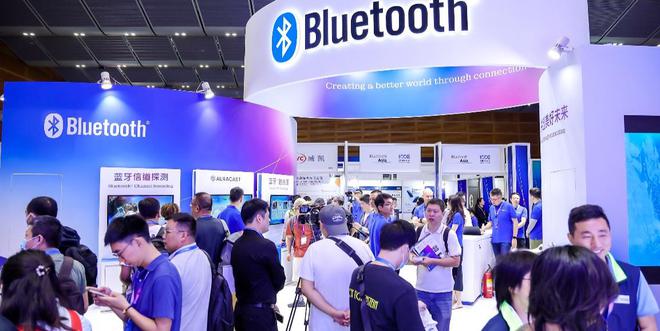
Core Insights - Bluetooth technology is a critical global connectivity standard, with over 5.3 billion devices relying on it annually, supported by the Bluetooth Special Interest Group (SIG) comprising over 41,000 companies [2][3] - The establishment of Bluetooth Technology (Beijing) Co., Ltd. marks SIG's commitment to deepen its engagement in the Chinese market, which is home to approximately 6,000 member companies and produces 50% of the world's Bluetooth chips [2][4] - SIG aims to enhance local support and decision-making through the establishment of a "China Member Group" and a local team that can respond to the unique needs of Chinese members [4][5] Market Dynamics - The Chinese market plays a strategic role in the Bluetooth ecosystem, with SIG recognizing its importance and planning to invest further in local operations [3][4] - The competitive landscape includes emerging local technologies, such as the Star Alliance led by Huawei, which aims to innovate in short-range wireless communication [6][7][8] - SIG's recent initiatives reflect a shift from a remote operational model to a more localized approach, emphasizing collaboration and responsiveness to market changes [5][10] Future Projections - Bluetooth device shipments are projected to reach 8 billion by 2029, with significant growth expected in audio devices, PC peripherals, and wearable technology [10][11] - The Bluetooth asset tracking market is anticipated to see a shipment of 245 million tags by 2025, indicating strong penetration in commercial and industrial applications [11][12] - New technological advancements, such as Auracast™ for audio sharing and enhancements in data transmission speeds, are being developed to maintain Bluetooth's competitive edge [12][13] Strategic Intent - SIG's focus on localizing its organizational structure aims to enhance its ability to adapt to the fast-paced technological landscape in China [10][13] - The organization is exploring new frequency bands to improve Bluetooth's performance, ensuring its relevance in a rapidly evolving market [13] - The success of these strategies will be measured by the ability of Bluetooth member companies in China to leverage these advancements for competitive advantage [13]
转转原总裁,换了个思路搞光伏
Jing Ji Guan Cha Wang· 2025-05-24 04:28
Core Insights - In 2025, Guangyin Technology launched two unexpected products for the photovoltaic industry: the "solar cloak" and the "solar umbrella" [2] - The solar cloak, developed in collaboration with Anker Innovation, features a 30W perovskite solar panel and a 20W heating vest, showcasing innovative applications of solar technology [2] - The perovskite industry is entering a mass production phase, with several companies, including Guangyin Technology, announcing plans for GW-level production lines [3][4] Company Developments - Guangyin Technology's 200MW production line was completed in March 2025, with plans for a GW-level line underway [3][16] - The initial investment for a GW-level perovskite production line is approximately 1 billion yuan [4] - The company aims to differentiate itself by focusing on market needs rather than solely on mass production, as highlighted by its founder, Wen Yanjie [6][8] Market Strategy - Wen Yanjie believes that the traditional photovoltaic industry's reliance on mass production has led to unsustainable profits, advocating for a focus on true market demands [6][9] - The company has established a department named "MAKESENSE" to drive product commercialization [7] - Guangyin Technology is targeting applications in IoT devices, wearables, and smart home products, which are areas where traditional photovoltaic solutions struggle [6][10] Technological Advantages - Perovskite technology offers higher efficiency in smaller areas, with small-area components achieving up to 26.8% efficiency compared to 24.8% for traditional silicon solar panels [12] - Perovskite panels exhibit superior performance in low-light conditions, with a power generation capability that is 200% better than silicon panels in rainy weather [12] - The aesthetic flexibility of perovskite allows for various color options, enhancing product appeal [13] Production and Commercialization - Guangyin Technology has successfully broken multiple efficiency records for perovskite cells and is focused on scaling production while maintaining quality [14][15] - The company has secured significant funding for its production lines, including a multi-million A-round financing [16] - Current production capabilities are in place, but many companies are hesitant to scale due to insufficient orders [18] Customer Engagement - Guangyin Technology collaborates closely with clients to ensure products meet their specific needs, emphasizing a customer-centric approach [24][25] - The company is developing innovative solutions, such as integrating perovskite into camera housings to eliminate wiring, thus enhancing installation flexibility [20][21] - The focus on practical applications, such as solar-powered streetlights, demonstrates the company's commitment to cost-effective and efficient solutions [25] Market Potential - The perovskite market is projected to exceed 100 billion yuan, with significant opportunities in consumer electronics and IoT devices [25] - Guangyin Technology aims to leverage the growing demand for "wireless" solutions in the IoT space, positioning itself as a key player in this emerging market [22][25]
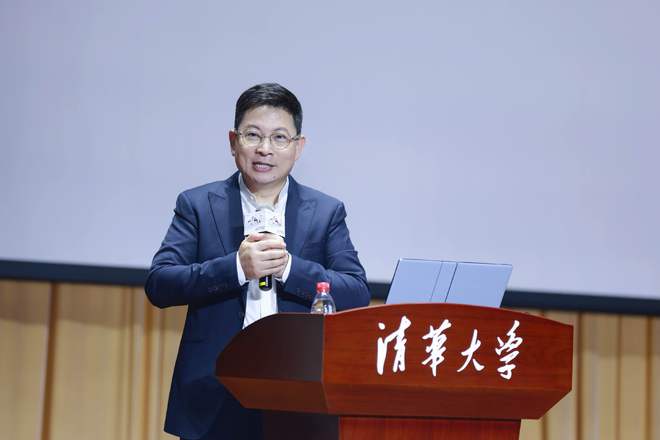
余承东在清华开讲 共建共享鸿蒙新世界
Zhong Guo Jing Ying Bao· 2025-05-23 14:57
中经记者 秦枭 北京报道 5月22日,华为常务董事、终端BG董事长余承东在清华大学开讲鸿蒙公开课。《中国经营报》记者了解 到,华为校园公开课是花粉俱乐部最重要的校园IP之一,自2023年以来,已在全国400多所高校开展近 900场公开课。 在本次公开课上,余承东分享了鸿蒙技术底座与体验创新、从技术视角分析鸿蒙操作系统从底层架构到 全场景体验的系统优势,以及鸿蒙生态进展等。作为全场景智能操作系统,鸿蒙操作系统正在面向全场 景、全连接、全智能时代,搭建一个智能终端设备操作系统的框架和平台,为千行百业构建数字底座, 促进万物互联产业的繁荣发展。 一套系统,统一生态 "现在的系统非常碎片化,使用起来复杂,学习成本高。统一应用生态,打破系统底层对创新的制约非 常重要。"课堂开始,余承东首先指出操作系统的碎片化困境。 余承东表示:"不同的硬件跑不同的操作系统,不同的生态有不同的系统,非常复杂。所以今天我们看 看能不能用一套操作系统,实现所有的设备互联互通,这就是我们鸿蒙设计的初衷。" 记者了解到,鸿蒙系统通过提供HarmonyOS SDK、IDE和开发者服务,以及一次开发、多端部署,应用 可分可合、自由流转、分布式服务等 ...

2025年鸿蒙生态全场景流量分析报告
艾瑞咨询· 2025-05-23 09:42
Core Insights - The article discusses the evolution of the internet traffic ecosystem and the development trends of the HarmonyOS ecosystem, highlighting the challenges faced by the mobile internet and the transformative potential of HarmonyOS in creating a new traffic ecosystem [1][5][7]. Internet Traffic Ecosystem - The mobile internet is experiencing a growth bottleneck, with a compound growth rate of only 0.08% in the number of independent devices over the past five years, indicating a saturation of the market and a decline in user dividends [7]. - The current traffic distribution model is limited by ecological fragmentation and technical bottlenecks, necessitating a shift towards a more integrated and efficient traffic ecosystem [10][11]. HarmonyOS Development Trends - HarmonyOS is positioned as a key player in the next-generation traffic ecosystem, leveraging its distributed architecture to facilitate seamless communication across multiple devices and enhance user experience [19][22]. - The ecosystem's core capabilities include full-scene coverage across multiple devices and AI-driven efficiency improvements, which are essential for creating a smart and interconnected user experience [25][30]. Advantages of HarmonyOS Ecosystem - HarmonyOS has emerged as the third-largest mobile operating system globally, providing a competitive alternative to Android and iOS, and is recognized for its unique technological advantages [28]. - The ecosystem's distributed architecture allows for the integration of various traffic sources, creating a comprehensive commercial monetization loop [30]. - HarmonyOS emphasizes security with the highest industry standards, enhancing user trust and experience [37]. User Insights - The user base of HarmonyOS primarily consists of young to middle-aged professionals, predominantly male, with a high level of education and income, indicating strong purchasing power and a preference for high-quality products [60][62]. - Users exhibit a high acceptance of online advertising, with nearly 70% open to it, and a significant portion likely to make purchases after viewing ads [75][76]. Marketing Solutions - The article outlines various marketing solutions tailored for different industries, including automotive, luxury goods, health, and food and beverage, leveraging the capabilities of the HarmonyOS ecosystem to enhance brand visibility and consumer engagement [95][99][103][105].

打造“人车家”未来生活态,鸿蒙生态如何重塑行业价值链
Nan Fang Du Shi Bao· 2025-05-22 13:22
Core Viewpoint - The 21st China (Shenzhen) International Cultural Industries Fair marks the launch of the "Human-Vehicle-Home" initiative, showcasing the collaboration between GAC Group, Huawei, and the National Radio and Television Administration, emphasizing the integration of culture and technology in future lifestyles [1][4]. Group 1: Human-Vehicle-Home Initiative - The initiative aims to create a seamless living experience by integrating smart devices across various domains, including automotive and home environments, leveraging Huawei's "1+8+N" strategy [1][2]. - GAC Group's GoLife solution transforms vehicles into "mobile home hubs," supporting over 1,000 home appliance brands and 4,000 devices, enhancing the user experience by allowing remote control of home settings from the vehicle [2][3]. Group 2: Huawei's Ecosystem Development - Huawei's HarmonyOS supports 75 native vehicle applications and over 50,000 mobile applications, facilitating a unified user experience across devices [2][3]. - The collaboration with GAC Group is part of a broader trend where multiple automotive companies are partnering with Huawei to enhance their smart vehicle offerings, indicating a shift in the competitive landscape of the smart electric vehicle market [3][7]. Group 3: Technological Advancements - The development of HarmonyOS aims to unify communication between various smart devices, addressing the challenges posed by different operating systems and enhancing the overall smart living experience [5][6]. - Huawei's advancements in AI and multi-device collaboration are reshaping the value chains across industries, including automotive and real estate, by providing a more integrated and efficient user experience [7][8]. Group 4: Market Position and Future Outlook - Huawei's HarmonyOS has achieved over 1 billion device installations and has attracted more than 720,000 developers, indicating a growing ecosystem that supports a wide range of applications and services [9][10]. - The company is actively seeking partnerships with developers and industry leaders to further enhance the Harmony ecosystem, aiming to create a more interconnected and intelligent living environment [10][11].