
绿色低碳转型

Search documents
多维利好共振,AI如何赋能ESG高质量发展
Hua Xia Shi Bao· 2025-05-09 07:01
华夏时报(www.chinatimes.net.cn)记者 张智 北京报道 作为"十四五"收官的关键节点,2025年我国绿色低碳转型的顶层设计持续深化。 中央经济工作会议将全国碳市场扩容、零碳园区的建设、碳足迹管理确立为重点任务,全国两会更将协同推进降 碳、减污、扩绿、增长写进了政府工作报告。随着钢铁、水泥、铝冶炼三大行业正式进入全国碳市场,标志着全 球规模最大的碳市场进入了提质增效的新阶段。 在ESG信息披露监管日益趋严,以及人工智能(AI)技术爆发式增长的双重机遇下,ESG体系正加速与中国新质 生产力发展相融合,成为推动经济高质量发展的关键引擎。 "ESG作为企业高质量发展的必然要求,其价值不仅在于合规,更在于创造长期竞争力。上市公司要争当ESG榜 样,追求经济、社会、环境综合价值最大化。要充分利用数智技术推动ESG创新发展,以更精细智能的方式,将 ESG理念融入企业运营每一个环节。"中国企业改革与发展研究会会长,国务院国资委原党委委员、秘书长彭华岗 在安永举办的第四届"上市公司可持续发展官论坛暨年度最佳奖项评选"活动中对包括《华夏时报》在内的记者表 示。 "绿色金融市场高速创新、投资者对企业ESG表现关 ...


安徽启动产品碳足迹标识认证试点
Zhong Guo Hua Gong Bao· 2025-05-09 02:58
Core Viewpoint - The "Pilot Work Plan for Product Carbon Footprint Labeling Certification in Anhui Province" aims to promote the green and low-carbon transformation of the lithium battery and photovoltaic industries by achieving specific carbon footprint certification goals by 2025 and 2027 [1][2]. Group 1: Goals and Timeline - By 2025, more than 10 lithium battery and photovoltaic products in Anhui Province are expected to obtain carbon footprint labeling certification [1]. - By 2027, over 50 lithium battery and photovoltaic products are targeted for certification, with the formation of more than 5 typical cases to reduce carbon emissions throughout their lifecycle [1]. Group 2: Key Tasks - The plan focuses on three core areas: technology, data, and application, deploying 7 key tasks [1][2]. Technology - Strengthening technical support and improving the carbon measurement traceability system to enhance carbon emission data quality [1]. - Developing national standards for carbon footprint accounting of lithium battery and photovoltaic products [1]. Data - Establishing a comprehensive "dual carbon" management platform in Anhui Province to enhance carbon emission data analysis and expand the carbon footprint database [1]. - Increasing investment in carbon footprint-related production inspection equipment and human resources to manage carbon footprints throughout the product lifecycle [1]. Application - Integrating product carbon footprint into green factory evaluations to encourage upstream and downstream enterprises to enhance carbon footprint management [2]. - Expanding pilot programs to guide enterprises in carbon footprint quantification and management, and promoting data sharing and mutual recognition of carbon footprint data [2].
专家指路石化行业绿色转型
Zhong Guo Hua Gong Bao· 2025-05-09 02:55
Core Viewpoint - The petrochemical industry in China is undergoing a low-carbon transition, focusing on the coupling of renewable energy with petrochemical production systems to achieve technological transformation towards oil conversion, high-end products, and green processes [1][2]. Group 1: Industry Transformation - The petrochemical sector is encouraged to accelerate the development of green low-carbon and new energy businesses as part of its transformation strategy [1]. - The industry faces significant energy and resource consumption, as well as high carbon emissions, necessitating a push towards green low-carbon transformation for high-quality development [1][2]. - The emphasis is on developing green competitiveness by utilizing green hydrogen and coupling various chemical industries with renewable energy sources [1][2]. Group 2: Technological Pathways - Key technological directions include converting crude oil into chemicals, producing high-value-added chemicals, and developing green processes [2]. - Specific pathways involve utilizing by-products from refining for chemical production, recycling waste plastics, and employing advanced low-carbon technologies [2]. - The industry is urged to focus on energy-saving and carbon-reduction modifications in key areas, enhancing efficiency benchmarks, and promoting the construction of environmentally friendly facilities [2]. Group 3: Case Studies and Recognition - The conference highlighted exemplary cases in the petrochemical industry for pollution reduction and carbon emission control, recommending eight units as benchmark cases [3]. - Notable examples include the Shanghai Chemical Industry Park and Sinopec's Jiujiang branch, recognized for their outstanding practices in the sector [3].

贵阳市生态城市发展基金招GP
FOFWEEKLY· 2025-05-08 09:56
Core Viewpoint - The Guizhou Ecological City Development Fund is initiating a public selection process for sub-fund management institutions to enhance financial and social capital support for the city's ecological development initiatives, aligning with the "Ecological City" strategy [1][2]. Group 1: Fund Overview - The fund has a total investment amount of 2 billion 1 million yuan (approximately 20.01 billion yuan) and focuses on new urbanization construction, including integrated urban-rural development, characteristic towns, property services, talent support, and low-altitude economy [2]. - Investment areas also include green and low-carbon ecological construction, covering urban water environment management, hazardous waste treatment, clean energy, and green transformation projects in transportation and construction sectors [2]. - The fund aims to support urban cultural and tourism industry development, including projects related to red tourism, cultural parks, and enterprises with urban development characteristics [2]. Group 2: Investment Guidelines - The Guizhou Ecological City Development Fund will invest no more than 50% of the sub-fund's subscribed scale and no more than 20% of the mother fund's subscribed scale for each sub-fund [2]. - The combined subscribed capital from the sub-fund manager and its affiliates should not be less than 1% of the sub-fund's subscribed scale [2]. - Sub-funds are expected to reinvest at least 1.2 times the amount contributed by the mother fund into enterprises in Guizhou [2]. - Investment performance requirements may be relaxed for those with prior successful projects in Guizhou or significant contributions to the local industry [2].

科技创新引领全面绿色转型
Jing Ji Ri Bao· 2025-05-07 22:46
Core Viewpoint - Green development is essential for high-quality development and is a significant aspect of Xi Jinping's economic thought, emphasizing the importance of green, circular, and low-carbon development as a direction for technological revolution and industrial transformation [1][2]. Group 1: Green Development Achievements - Significant progress has been made in China's green low-carbon development, with 126 steel enterprises completing ultra-low emission transformations by the end of 2024, and 45 partially completing such transformations [3]. - In 2024, clean energy generation reached 37,126 billion kilowatt-hours, a 16.4% increase from the previous year, while the production of new energy vehicles rose to 13.168 million units, marking a 38.7% increase [3]. - The renewable energy installed capacity in China leads globally, with over 300 million kilowatts added in 2024, accounting for 86% of new power installations [3]. Group 2: Role of Technology Innovation - Technology innovation is crucial for driving green transformation across all sectors, enhancing resource efficiency, and addressing environmental constraints [2][4]. - The integration of green technology innovation and industrial innovation is necessary to create a new paradigm for green growth, where technological breakthroughs lead to reduced carbon intensity and improved ecological balance [7][9]. Group 3: Policy and Financial Support - Strengthening the investment mechanisms for key green technologies is essential, including developing favorable fiscal policies and promoting green finance tools to support low-carbon development [10]. - Establishing green technology trading platforms and encouraging collaboration between enterprises and research institutions can enhance the efficiency of green technology transfer and commercialization [11]. Group 4: Industry Transformation - Green industries serve as a critical foundation for comprehensive green transformation, promoting innovation in low-carbon industries, ecological agriculture, and green services [8]. - Encouraging the formation of green industry clusters through collaboration among enterprises can enhance the overall green value of the modern industrial system [12].
中国外贸的韧性,美国早就该看明白了
Sou Hu Cai Jing· 2025-05-07 14:17
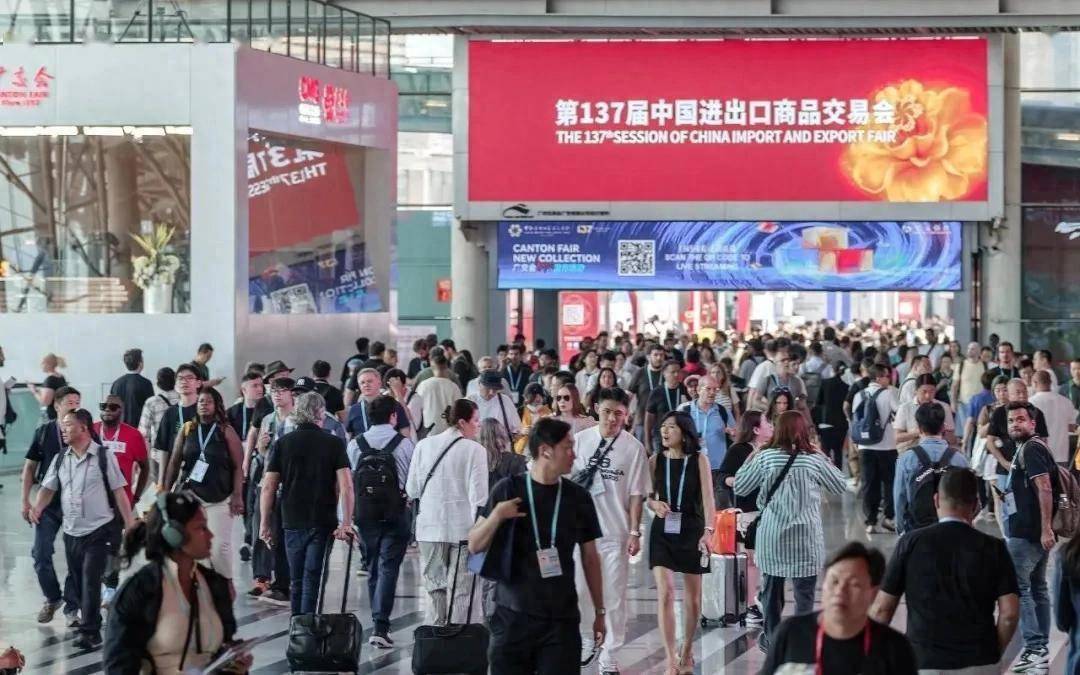
Core Viewpoint - The resilience of China's foreign trade is highlighted despite the challenges posed by U.S. tariffs, showcasing a robust industrial system and innovative capabilities that allow for high-quality development and market diversification [1][3][33] Group 1: Impact of Tariffs - U.S. tariffs have led to increased domestic prices, burdening American consumers, as acknowledged by former President Trump [3][5] - American retailers, including major brands like Nike, are seeking tariff exemptions, indicating the negative impact of tariffs on U.S. businesses [5][7] - Research from prestigious institutions shows that the self-harming effects of the tariff war on the U.S. economy far exceed its impact on China [5][7] Group 2: China's Industrial Strength - China's unique industrial system, characterized by a complete and diverse manufacturing base, has allowed it to withstand tariff pressures [9][11] - The country has maintained its position as the world's largest manufacturing nation for 15 consecutive years, with a comprehensive range of industries [9][12] - The seamless integration of supply chains, as demonstrated at trade fairs like the Canton Fair, is a significant advantage for Chinese exports [9][20] Group 3: Innovation and Green Transition - Innovation is a key driver of China's foreign trade, with the country ranking 11th in the global innovation index and investing heavily in R&D [12][16] - The shift towards green and low-carbon products is evident, with a significant number of eco-friendly products showcased at international trade events [14][16] - Chinese products are increasingly recognized for their technological advancements, making tariffs less impactful [14][16] Group 4: Global Market Engagement - The 137th Canton Fair attracted over 280,000 foreign buyers from 219 countries, reflecting international confidence in Chinese trade despite U.S. tariffs [18][20] - The fair generated a transaction volume of $25.44 billion, with over 60% of deals coming from Belt and Road Initiative countries, highlighting the importance of global partnerships [18][20] - The enthusiasm of international buyers contrasts sharply with the hesitance of some U.S. purchasers, indicating a shift in market dynamics [20][22] Group 5: Brand Development and Entrepreneurial Spirit - The transformation from "Made in China" to "Created in China" signifies a shift in mindset among Chinese exporters towards brand ownership and market control [24][30] - Entrepreneurs are adapting to challenges by seeking new markets and opportunities, demonstrating resilience and innovation in the face of adversity [26][28] - The diversification strategy adopted by many companies is proving effective, with some expecting overall growth despite declines in U.S. exports [28][30] Group 6: Conclusion - The resilience of China's foreign trade is a result of its industrial strength, innovative capacity, market diversification strategies, and entrepreneurial spirit [33] - The ongoing challenges from unilateralism and protectionism highlight the need for open cooperation and global partnerships [33]
粤电力A(000539):主业量价偏弱压制营收表现,成本降幅难以对冲业绩承压
Changjiang Securities· 2025-05-07 13:44
Investment Rating - The investment rating for the company is "Accumulate" [9]. Core Views - The company's revenue performance is under pressure due to weak volume and price in its main business, with a significant decline in both metrics leading to a decrease in revenue [2][6]. - In Q1 2025, the company reported a total electricity generation of 25.292 billion kWh, a year-on-year decrease of 10.32%, and a revenue of 10.573 billion yuan, down 17.33% year-on-year [2][6]. - Despite a decrease in coal prices leading to an 11.14% reduction in operating costs, this was insufficient to offset the revenue decline, resulting in a net loss of 383 million yuan for the quarter, a year-on-year decrease of 403.21% [2][6]. Summary by Sections Revenue and Profitability - The company's Q1 2025 revenue was 10.573 billion yuan, down 17.33% year-on-year, with a net loss of 383 million yuan, reflecting a significant decline in profitability [2][6]. Electricity Generation - The total electricity generation in Q1 2025 was 25.292 billion kWh, a decrease of 10.32% year-on-year, primarily due to increased maintenance and reduced wind intensity in coastal areas [12]. Cost Management - Operating costs decreased by 11.14% year-on-year due to falling coal prices, but this reduction was not enough to counteract the revenue decline [12]. Future Growth Potential - The company is accelerating its green and low-carbon transition, with significant increases in installed capacity for wind and solar energy, which is expected to support future growth [12]. - By the end of 2024, the company had a total installed capacity of 7.276 billion kW for renewable energy, a year-on-year increase of 47.17% [12]. Earnings Forecast - The earnings per share (EPS) forecast for 2025-2027 is adjusted to 0.04 yuan, 0.18 yuan, and 0.31 yuan, respectively, with corresponding price-to-earnings (PE) ratios of 107.96, 25.54, and 14.67 [12].

宇新股份(002986) - 2025年5月7日投资者关系活动记录表
2025-05-07 09:48
Group 1: Financial Performance - The company achieved an operating income of 7.701 billion yuan in 2024, a year-on-year increase of 16.51% [10] - The net profit attributable to shareholders was 307.05 million yuan, a decrease of 32.34% compared to the previous year [10] - The net cash flow from operating activities was 154 million yuan, down 77.14% year-on-year [10] - Total assets at the end of the period reached 7.990 billion yuan, an increase of 24.22% [10] - Net assets attributable to shareholders were 4.043 billion yuan, up 7.55% year-on-year [10] Group 2: Research and Development - R&D expenses in 2024 amounted to 304 million yuan, a 24.93% increase from 243 million yuan in 2023 [3] - R&D investment decreased by 6.92% year-on-year, raising concerns about maintaining technological leadership [3] - The company focuses on new technologies and products related to its main business, including catalyst development and new process innovations [6] Group 3: Project Developments - A 240,000 tons/year maleic anhydride facility was completed and put into operation in April 2025 [4] - Ongoing projects include the first and second phases of the light hydrocarbon comprehensive utilization project and the expansion of maleic anhydride production [4] - The company plans to construct a 200,000 tons/year isopropyl acetate facility, expected to be operational in Q4 2025 [4] Group 4: Market Strategy and Challenges - The company aims to expand its market share by focusing on high value-added, high-tech deep processing products [5] - The green and low-carbon transformation in the chemical industry presents challenges such as increased environmental pressure and urgent innovation needs [4] - The company is diversifying its overseas markets to mitigate risks associated with international trade tensions [8] Group 5: Long-term Goals - The company has set a target to achieve over 1 million tons of capacity, 10 billion yuan in output value, and 10 billion yuan in revenue by 2025 [8] - Future strategies include expanding the carbon four industrial chain and focusing on high-end chemical products [6]

长江电力发电量增加首季净利增30% 财务费两连降累派红利2059亿
Chang Jiang Shang Bao· 2025-05-06 23:28
Core Viewpoint - Yangtze Power, the world's largest publicly listed hydropower company, reported significant growth in its operating performance for the first quarter of 2025, with a revenue of approximately 17 billion yuan and a net profit attributable to shareholders of 5.18 billion yuan, marking a year-on-year increase of over 30% [1][5]. Financial Performance - In Q1 2025, Yangtze Power achieved an operating revenue of approximately 17 billion yuan, representing an 8.68% year-on-year increase [1][5]. - The net profit attributable to shareholders reached 5.18 billion yuan, reflecting a year-on-year growth of 30.56%, the highest growth rate since Q1 2016 [5]. - The company's operating cash flow net amount was 11.85 billion yuan [1][8]. - Financial expenses decreased to 2.48 billion yuan in Q1 2025, continuing a trend of reduction for two consecutive quarters [2][8]. Operational Highlights - The total power generation from the six hydropower stations owned by Yangtze Power was approximately 57.68 billion kWh in Q1 2025, an increase of 9.35% compared to the same period last year [6]. - The Baihetan Hydropower Station saw a significant increase in generation, producing 12.57 billion kWh, a year-on-year growth of 17.10% [6]. - The company reported favorable water inflow conditions, with the total inflow for the Wudongde Reservoir at approximately 16.71 billion cubic meters, a 12.50% increase year-on-year [6]. Dividend Policy - Yangtze Power plans to distribute cash dividends of 23.07 billion yuan for the year 2024, with a dividend payout ratio of 71% [4][10]. - Since its listing in 2003, the company has accumulated profits of 310.04 billion yuan and distributed cash dividends totaling 205.94 billion yuan, with an average dividend payout ratio of 66.42% [4][11]. Market Performance - In 2024, Yangtze Power's stock price reached a new high, with a year-end price of 29.55 yuan per share, reflecting a 26.61% increase for the year [3][10]. - The company's market capitalization remained above 700 billion yuan, peaking at 789.8 billion yuan [3][10]. Strategic Initiatives - Yangtze Power is actively pursuing a diversified business model, focusing on "large hydropower +", "pumped storage +", and "smart integrated energy +" to create new growth points [9][10]. - The company is also investing in renewable energy projects and has made significant progress in green and low-carbon transformation initiatives [10].
2025石化产业发展大会石化与煤化工论坛指出——一次能源利用从燃料转向材料
Zhong Guo Hua Gong Bao· 2025-05-06 02:53
Group 1 - The petrochemical industry is transitioning from fuel to material properties, driven by global energy transformation, leading to breakthroughs in technology and equipment [1] - China's traditional refining capacity is facing oversupply pressure, prompting a focus on the "reduce oil, increase chemicals" strategy to enhance the production capacity of chemical raw materials like ethylene and propylene [1] - The industry is confronted with external pressures such as intensified geopolitical conflicts and cost advantages in the Middle East and North America, necessitating diversification of raw materials and technological innovation [1] Group 2 - The coal chemical industry is accelerating its green and low-carbon transformation, with developments in coal-based specialty fuels and biodegradable materials [1] - The deep coupling of coal chemical and new energy is seen as an inevitable trend, potentially leading to zero-carbon emissions through the use of green electricity and hydrogen [2] - The industry must strengthen supply chain security by replacing imported equipment with domestic alternatives, as demonstrated by the delivery of over 680 sets of equipment for major coal chemical and refining projects [2]