生成式AI

Search documents
美图靠AI半年赚了4亿 ,美图创始人称真正的对手不是大厂是初创
Di Yi Cai Jing· 2025-08-19 02:57
Core Insights - Meitu has leveraged AI to generate a net profit of nearly 400 million yuan in the first half of 2025, surpassing the total profit for the entire year of 2023, primarily driven by AI-powered subscription services [1] - The company's stock price has increased nearly fivefold over the past year, indicating a strong market recovery and renewed interest in its business model [1] - Meitu's founder, Wu Xinhong, emphasizes the importance of agility and responsiveness in the face of competition from startups, which are perceived as a greater threat than larger tech companies [1] Financial Performance - In the first half of 2025, Meitu reported a significant increase in both revenue and profit, with a net profit of approximately 400 million yuan [1] - The growth in profit is attributed to AI-driven paid subscriptions, highlighting the commercial viability of AI applications in the imaging sector [1] Strategic Partnerships - Meitu announced an investment collaboration with Alibaba worth 1.8 billion yuan, aimed at ensuring competitive capabilities in foundational AI models [2] - The partnership with Alibaba is strategic, as it allows Meitu to integrate open-source models effectively with its various vertical models and business scenarios [2]
对话联想ISG黄山:异构算力融合将成为AI应用落地的关键丨ToB产业观察
Tai Mei Ti A P P· 2025-08-19 02:43
Group 1 - The core viewpoint of the article highlights the transition of generative AI from technology to application, indicating that while many application scenarios have emerged, the industry is still far from achieving enterprise-level AI applications akin to the "iPhone moment" [2] - The intelligent computing industry has seen rapid growth since the advent of ChatGPT, with China's intelligent computing scale reaching 748 EFlops by Q1 2025, accounting for 35% of the overall computing scale [3] - IDC forecasts that China's intelligent computing scale will reach 1,037.3 EFlops by 2025 and 2,781.9 EFlops by 2028, with a compound annual growth rate of 46.2% from 2023 to 2028 [3] Group 2 - The demand for computing power is primarily driven by intelligent computing, with the global AI server market expected to grow from $125.1 billion in 2024 to $158.7 billion in 2025, and potentially reaching $222.7 billion by 2028 [4] - The generative AI IaaS market in China saw a year-on-year growth of 203.6% in the first half of 2024, reaching a market size of 5.2 billion RMB, which constitutes 35.6% of the overall intelligent computing service market [4] - The evolution of large model technology is shifting from pre-training to inference and post-training, indicating a change in the industry's computing demand [4][5] Group 3 - The concept of "super-intelligent fusion" is crucial for maximizing resource efficiency and supporting complex scientific problems and industrial upgrades [6] - Supercomputing, intelligent computing, and traditional data centers differ in application scenarios, with supercomputing focusing on large-scale scientific calculations and intelligent computing on AI and machine learning [6] - The integration of supercomputing and intelligent computing is expected to enhance computing efficiency and reduce energy costs, with collaborative efforts improving overall performance [6][7] Group 4 - The super-intelligent fusion approach has shown significant benefits in various applications, such as drug development and manufacturing process upgrades, with notable efficiency improvements reported [7][8] - Challenges remain in the integration of supercomputing and intelligent computing due to differences in hardware architecture and computational paradigms [8][9] - A platform-based solution is emerging as a preferred approach to address the integration challenges, with companies like Lenovo developing heterogeneous intelligent computing platforms to enhance computing resource utilization [9][10] Group 5 - Lenovo's heterogeneous intelligent computing platform has achieved significant compatibility and performance improvements, with a reported 15-fold speed increase compared to traditional CPU clusters [10] - The platform integrates various AI models and optimizes them for different architectures, becoming a core tool for enterprise-level AI deployment [10][11] - The trend towards platformization in the industry is evident, with multiple companies launching their own solutions to enhance the usability of hardware and software [11]



靠AI半年赚了4亿,美图创始人:真正的对手不是大厂是初创
Di Yi Cai Jing· 2025-08-19 02:42
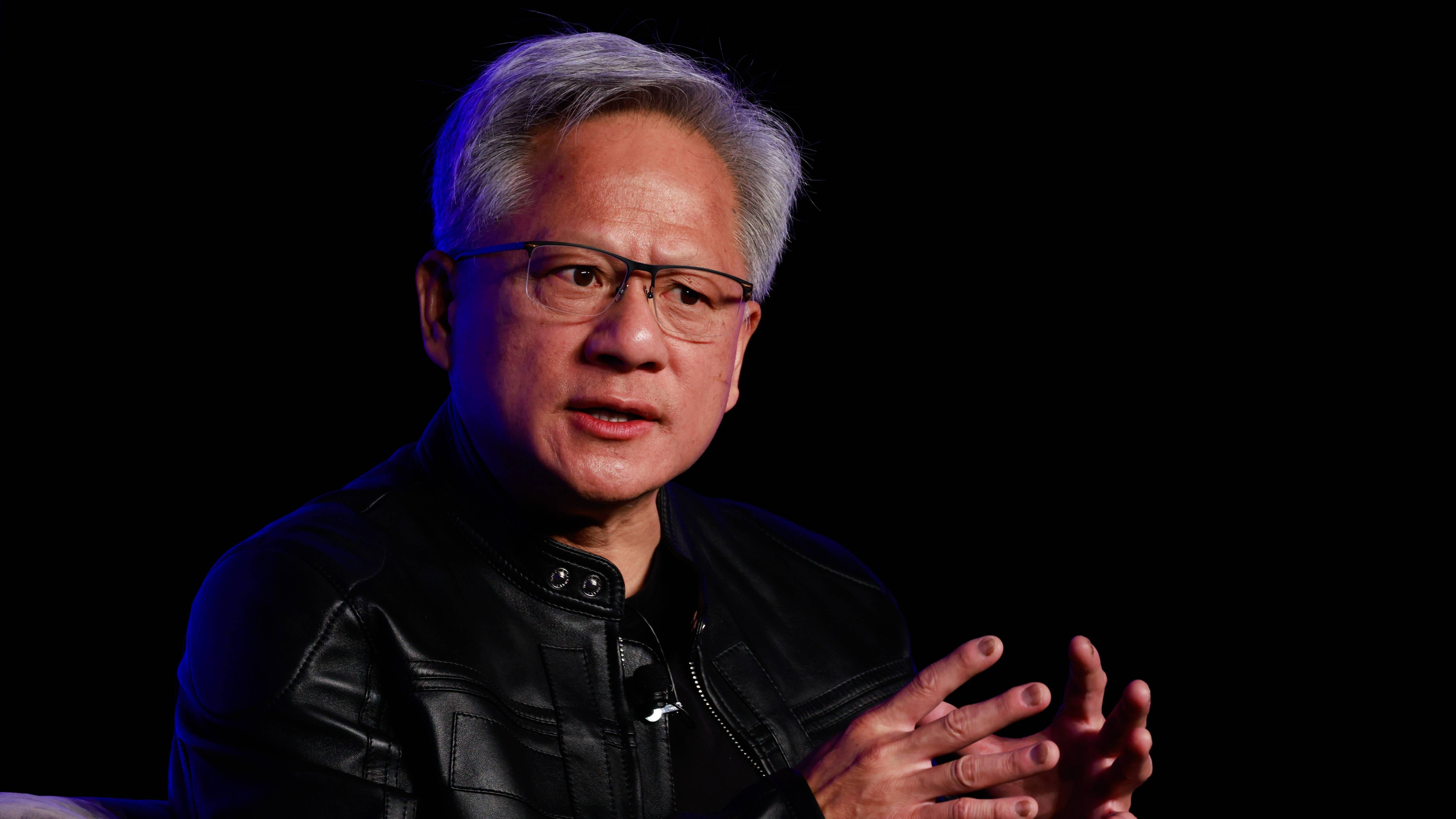
Core Insights - The article highlights the resurgence of Meitu, a company previously seen as outdated, driven by AI advancements, with its stock price increasing nearly fivefold over the past year [1][2] - Meitu's CEO emphasizes the urgency to capitalize on AI opportunities within a limited timeframe, reflecting a shift back to a startup mentality [1][2] Financial Performance - In the first half of 2025, Meitu reported a total revenue of 1.82 billion RMB, a year-on-year increase of 12.3%, and a net profit of approximately 379 million RMB, up 30.8% [3][4] - Adjusted net profit for the same period reached 467 million RMB, marking a 71.3% increase compared to the previous year [2][3] - The company's revenue from image and design products grew by 45.2% to 1.35 billion RMB, accounting for 74% of total revenue [3][4] AI and Strategic Partnerships - Meitu's growth is significantly attributed to breakthroughs in AI applications, particularly in paid subscription services, with the number of paid subscribers reaching approximately 15.4 million, a 42% increase [4][5] - The company announced an 18 billion RMB investment partnership with Alibaba, aimed at enhancing model capabilities and ensuring competitive edge in AI [2][7] - Meitu plans to leverage Alibaba's open-source models to improve product training and efficiency [7][8] Market Position and Competition - The article discusses the competitive landscape in the AI image application sector, noting that many successful applications are emerging from startups rather than large corporations [9][10] - Meitu's CEO expresses a greater sense of urgency regarding competition from agile startups, which can adapt more quickly to market changes [10][11] - The company is adopting a more flexible organizational structure, learning from startup methodologies to enhance decision-making and resource allocation [11][12] Future Growth Strategy - Meitu's future growth strategy focuses on AI-driven productivity tools and global expansion, targeting key user groups such as KOLs and online merchants [5][6] - The company aims to increase its global active user base, which reached 280 million, with significant growth in markets outside mainland China [5][6] - Meitu's investment in R&D remains strong, with 450 million RMB allocated in the first half of 2025, reflecting a commitment to innovation [6][11]
靠 AI起飞的千亿市值公司,如今要被AI“卷死”了?股价因GPT-5瞬间逆转、CEO亲承:我负有责任
3 6 Ke· 2025-08-19 02:15
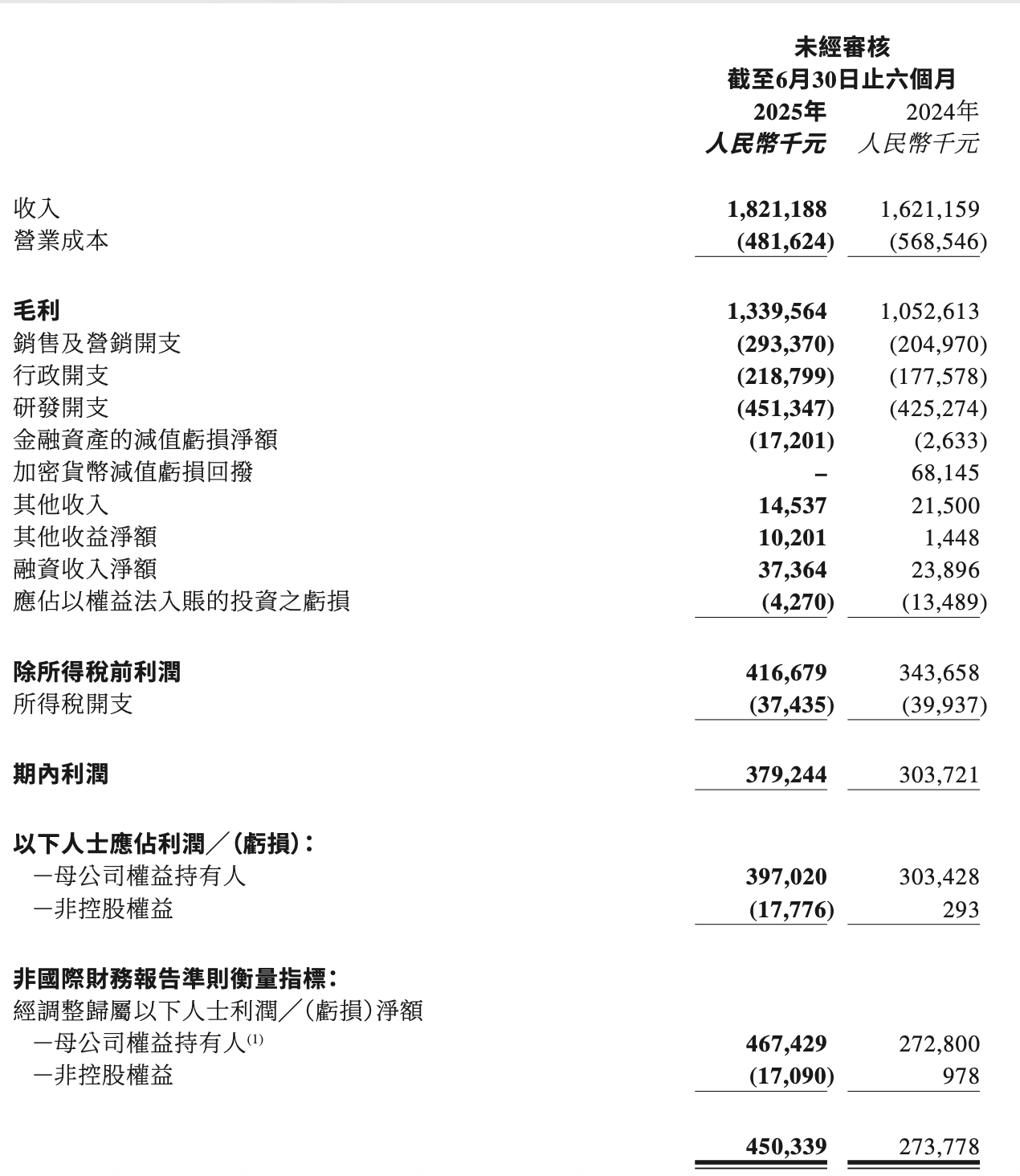
Core Insights - Duolingo's stock price has experienced significant volatility, dropping 38% from its peak of $529.05 per share in May 2023, primarily due to backlash against its "AI-first" strategy and the recent demonstration of OpenAI's GPT-5 capabilities [1][4][6] - Despite public criticism, Duolingo's financial performance has improved, with a 40% year-over-year increase in daily active users, reaching 47.7 million, and a 24% increase in monthly active users to 128.3 million [2][3] - The introduction of 148 new language courses through generative AI has doubled the course offerings, showcasing the company's commitment to rapid content expansion [2] Financial Performance - Duolingo's revenue for the year is projected to exceed $1 billion, indicating strong growth despite the challenges faced [2] - The company's gross margin has exceeded management expectations due to reduced AI-related costs, contributing to its financial success [6] - Following the announcement of better-than-expected quarterly revenue, Duolingo's stock price surged nearly 30% [3] AI Strategy and Public Perception - CEO Luis von Ahn acknowledged the backlash against the AI strategy and emphasized the company's goal to reduce reliance on contractors while maintaining full-time staff levels [8] - The company has implemented weekly sessions to explore efficient AI usage, indicating a proactive approach to integrating AI into its operations [8] - Public sentiment on social media has been mixed, with some users expressing dissatisfaction with the AI features, yet the financial metrics suggest a different narrative [2][3] Competitive Landscape - The launch of OpenAI's GPT-5, which can create language learning tools from simple prompts, poses a competitive threat to Duolingo, highlighting the rapid advancements in AI technology [6][9] - Reports indicate that Google is preparing to launch a competing product that could further challenge Duolingo's market position [7] Legal Considerations - A law firm has announced an investigation into potential securities fraud or illegal business practices involving Duolingo and its executives, adding a layer of scrutiny to the company's operations [9]
一个人被淘汰,是从好奇心退化开始的
3 6 Ke· 2025-08-19 01:34
Group 1 - Curiosity is essential for personal growth, leadership, adaptability, and continuous learning, and it needs to be actively cultivated like a muscle [1][3][4] - Employers highly value curiosity as a key trait in talent selection across various roles and industries, as it enhances employees' ability to learn and adapt to changing job requirements [4][5][6] - The development of curiosity can be achieved through specific strategies such as eliminating excuses, finding appropriate entry points, breaking routines, trying new things, and switching focus when interest wanes [5][6][8][10] Group 2 - Curiosity drives engagement in both professional and personal contexts, prompting individuals to ask fundamental questions that lead to deeper understanding and discovery [3][4][10] - The ability to cultivate curiosity is linked to maintaining competitiveness in the workforce, especially in the face of rapid skill changes due to technological advancements [4][11] - Research indicates that individuals who embrace new experiences and challenge their routines are more likely to enhance their curiosity and creativity [8][10][11]

华泰证券:看好中国在机器人等终端上显著比较优势
Mei Ri Jing Ji Xin Wen· 2025-08-19 00:16
Core Insights - Generative AI is entering a new development stage dominated by AI agents, leading to a coexistence of "no job growth" and "super individuals" [1] - The structural replacement of human labor by "silicon-based life" has already begun [1] - The value creation of software is linked to Token consumption, with Token production deeply tied to physical infrastructure capacities such as semiconductors, data centers, and energy [1] - The software business model characterized by "zero marginal cost" is gradually coming to an end [1] - The development trajectory of AI agents is expected to follow a path from B2B to B2C, ultimately reaching end-users [1] - There is a significant comparative advantage for China in terminal applications such as robotics [1]

2025电博会定档!
Zhong Guo Jing Ji Wang· 2025-08-19 00:14
Core Viewpoint - The 2025 China International Consumer Electronics Expo will be held from September 19 to 21, 2025, in Qingdao, focusing on global consumer electronics trends and providing a platform for international exchange and industry empowerment [1][5]. Group 1: Event Overview - The expo is the only national-level professional exhibition in Shandong Province, successfully held for 21 sessions [1]. - It aims to showcase future smart living experiences and the integration of AI technology with consumer electronics [2][3]. Group 2: Thematic Exhibition Areas - Six major exhibition areas will be featured, including: - **Smart Home Area**: Showcasing intelligent home solutions from brands like Haier and DJI, focusing on products that enhance user comfort and experience [3]. - **International Brand Area**: Highlighting global trends in consumer electronics with products from Hisense, Panasonic, Sony, and Canon [3]. - **Intelligent Connectivity Area**: Demonstrating advancements in 5G, AI, and 6G technologies [3]. - **Green Intelligent Mobility Area**: Featuring smart transportation technologies, including autonomous vehicles and drones [4]. - **Smart Future Area**: Presenting cutting-edge technologies in smart appliances and manufacturing [4]. - **Electronic Consumer Promotion Area**: Engaging in live-streaming sales and showcasing energy-efficient smart home products [4]. Group 3: Economic and Urban Impact - The expo is positioned as a significant driver for Qingdao's "10+1" innovative industrial system and aims to establish the city as an international consumption center [5][6]. - It will serve as a "super engine" for industrial upgrades, attracting global resources and fostering international collaboration [6]. - The event is expected to stimulate local consumption and elevate international consumer trends through immersive experiences and innovative sales models [6][7]. Group 4: Sustainability and Image - The expo emphasizes a green exhibition concept, showcasing Qingdao's commitment to sustainable development [7]. - It aims to present an open, innovative, and vibrant image of Qingdao to the world [7].
华泰证券:生成式AI正迈入以AI智能体为主导的新发展阶段
3 6 Ke· 2025-08-19 00:14
Core Insights - Generative AI is entering a new development stage dominated by AI agents, leading to a coexistence of "no job growth" and "super individuals" phenomena [1] - The structural replacement of human labor by "silicon-based life" has already begun [1] - The value creation of software is now linked to Token consumption, with Token production deeply tied to physical infrastructure capacities such as semiconductors, data centers, and energy [1] - The software business model characterized by "zero marginal cost" is gradually coming to an end [1] - The development trajectory of AI agents is expected to follow a path of "first B2B, then B2C, and finally end-users" [1] - There is significant comparative advantage for China in the terminal markets such as robotics [1]
蔡浩宇首款 AI 游戏正式上线,试玩后我发现最该慌的是多邻国
3 6 Ke· 2025-08-18 23:49
Core Insights - The game "Whisper from the Stars" has generated discussions in the gaming community, particularly for its focus on language learning through gameplay [1][2] - The game features a character named Stella, who engages players in extensive dialogue, enhancing the immersive experience [2][3] - The AI's ability to remember player interactions and emotions contributes positively to the game's engagement [3][4] Game Mechanics - The gameplay relies heavily on dialogue, with players needing to communicate to progress through the story [2][4] - Players experience a sense of connection with Stella, as the game includes elements that can lead to a "game over" scenario [6][8] - As the game progresses, the dialogue becomes more burdensome, with players feeling overwhelmed by the conversational demands [9][19] AI Integration - The game reflects a trend in the industry where AI is used to enhance character interactions, although it is not entirely innovative [11][12] - The developer's vision suggests that AI could revolutionize game development, with a significant portion of developers already using generative AI tools [13][22] - Despite the potential of AI, there are limitations in fully integrating it into gameplay, as evidenced by player feedback on pacing and goal orientation [19][21] Industry Perspective - Major game studios recognize the challenges of using AI for map and level design, indicating that human creativity remains essential [23] - The industry is currently in a phase where AI tools assist in the conceptual stages of game development, but the final product still relies on human input [22][23]
英伟达的“狙击者”
Sou Hu Cai Jing· 2025-08-18 16:22
Core Insights - The AI chip market is currently dominated by Nvidia, particularly in the training chip segment, but the explosive growth of the AI inference market is attracting numerous tech giants and startups to compete for market share [3][4][5] - Rivos, a California-based startup, is seeking to raise $400 million to $500 million, which would bring its total funding since its inception in 2021 to over $870 million, making it one of the highest-funded chip startups without large-scale production [3][4] Market Dynamics - The demand for AI inference is surging, with the inference market projected to grow from $15.8 billion in 2023 to $90.6 billion by 2030, creating a positive feedback loop between market demand and revenue generation [6][8] - The cost of AI inference has dramatically decreased, with costs dropping from $20 per million tokens to $0.07 in just 18 months, and AI hardware costs decreasing by 30% annually [6][7] Competitive Landscape - Major tech companies are increasingly focusing on the inference side to challenge Nvidia's dominance, as inference requires less stringent performance requirements compared to training [9][10] - AWS is promoting its self-developed inference chip, Trainium, to reduce reliance on Nvidia, offering competitive pricing to attract customers [10][11] Startup Innovations - Startups like Rivos and Groq are emerging as significant challengers to Nvidia by developing specialized AI chips (ASICs) that offer cost-effective and efficient processing for specific inference tasks [12][13] - Groq has raised over $1 billion and is expanding into markets with lower Nvidia penetration, emphasizing its unique architecture optimized for AI inference [13][14] Future Considerations - The AI inference market is evolving with diverse and specialized computing needs, moving away from the traditional reliance on general-purpose GPUs, which may not be the only viable solution moving forward [12][14] - The ongoing competition and innovation in the AI chip sector suggest that Nvidia's current monopoly may face challenges as new technologies and players emerge [14]