
循环经济

Search documents
汶川大地震18年后,这个极重灾区要全力冲刺全国“百强县”
第一财经· 2026-01-18 13:07
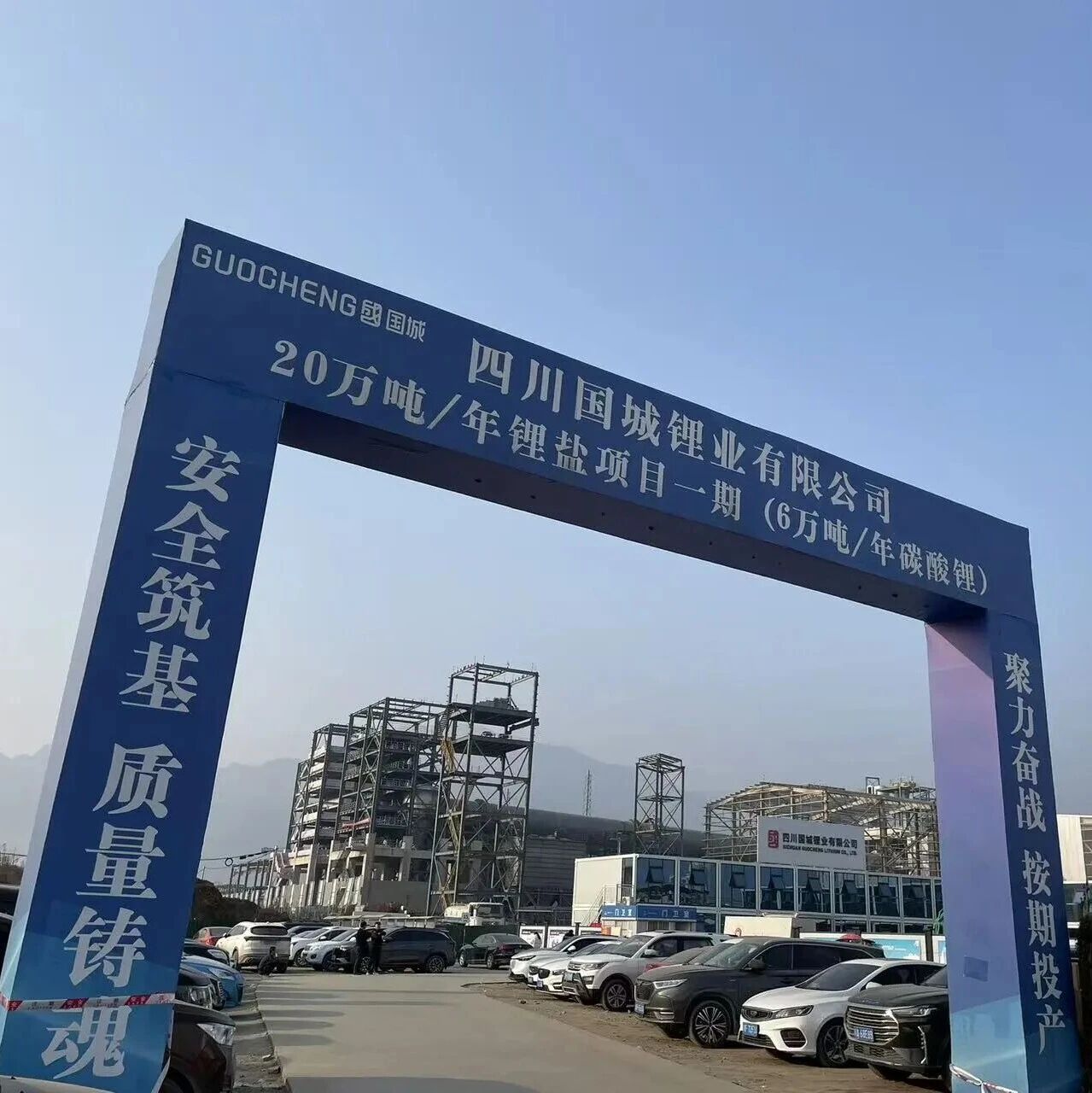
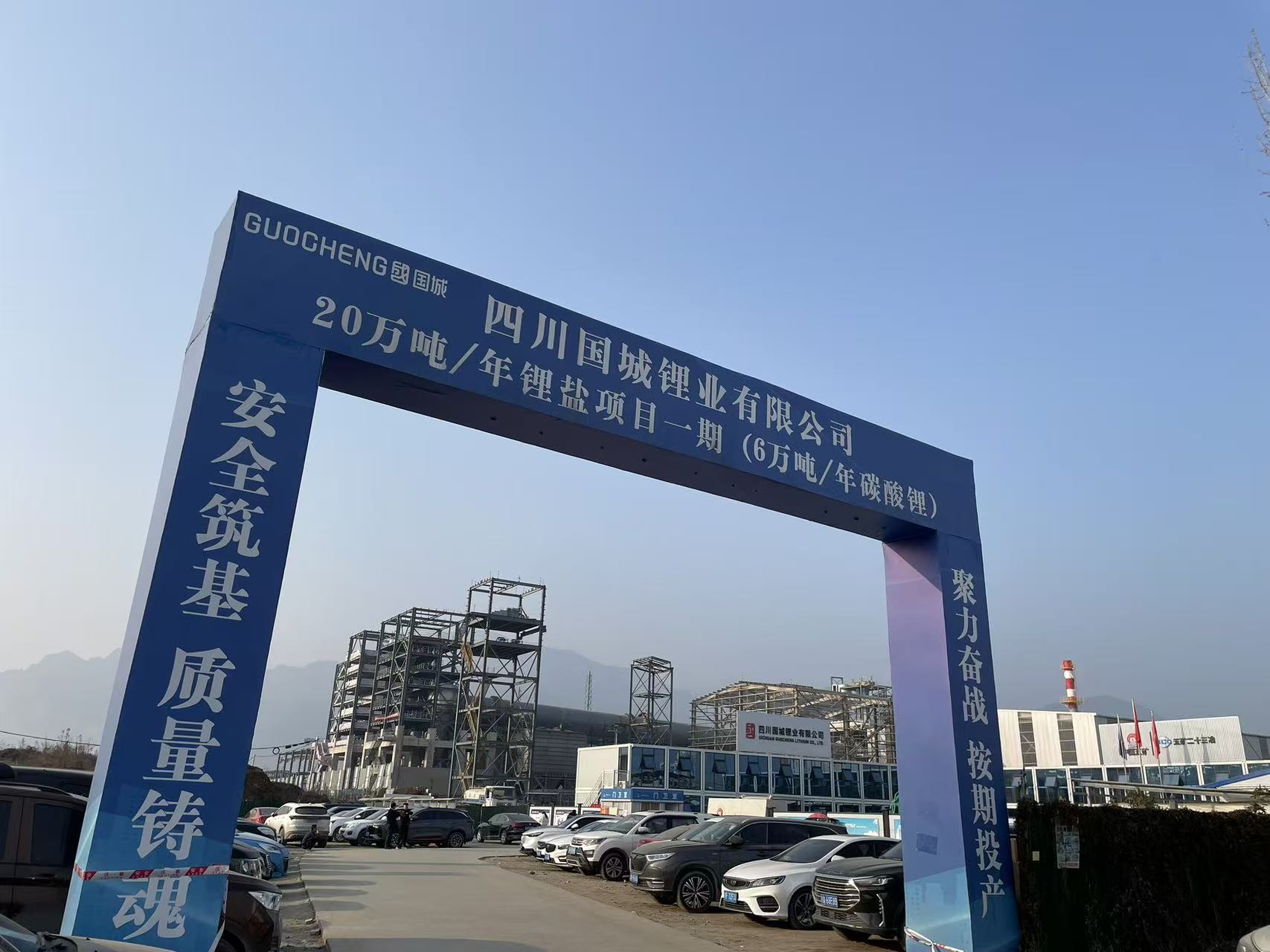
Core Viewpoint - The article discusses the industrial transformation and economic recovery of Mianzhu City, Sichuan Province, focusing on the development of the lithium battery materials industry and the establishment of a strategic base for new energy battery materials in China [3][11]. Group 1: Industrial Development - Sichuan Guocheng Lithium Industry Co., Ltd. plans to produce 200,000 tons of basic lithium salts annually, with the first phase targeting 60,000 tons of lithium carbonate capacity, aiming to become the largest lithium salt production base in China [3][6]. - Mianzhu is transitioning from traditional industries to high-value sectors, leveraging its phosphate resources to develop lithium battery materials, thus reshaping its industrial structure [6][10]. - The local government aims to establish a lithium battery materials industry cluster, with several projects underway, including Guocheng Lithium's 20,000 tons of basic lithium salts and other significant lithium salt projects [7][8]. Group 2: Economic Recovery - Mianzhu's GDP is projected to exceed 50 billion yuan by 2025, with an average annual growth rate of 7.5% during the 14th Five-Year Plan period [11][12]. - The city has experienced a robust recovery post-earthquake, with industrial value-added growth averaging 13.3% annually, and manufacturing value-added accounting for over 50% of GDP [10][11]. - The transformation from relying on external support to fostering internal growth and industrial upgrading is evident, with a focus on converting resource advantages into industrial chain advantages [10][12]. Group 3: Challenges and Future Outlook - Mianzhu faces structural challenges, including the risk of talent and consumer drain to nearby urban centers, as well as the cyclical nature of the lithium and chemical materials industries [13]. - The city aims to regain its status among the top counties in Sichuan, with a strategic focus on becoming a strong industrial city and a renowned cultural tourism destination [11][12].

食品饮料行业周度市场观察-20260118
Ai Rui Zi Xun· 2026-01-18 05:07
Investment Rating - The report does not explicitly provide an investment rating for the food and beverage industry Core Insights - The food and beverage industry is experiencing significant trends, including the rise of health-conscious products and innovative marketing strategies to attract younger consumers Industry Environment - Multiple condiment companies are accelerating their IPOs to tap into overseas markets amidst rising costs and intense competition, with the industry expected to reach a scale of 498.1 billion yuan by 2024 [2] - The popularity of turmeric drinks has surged among young consumers, driven by health benefits such as anti-inflammatory properties, with sales showing strong growth despite higher prices [2] - The emergence of health-focused tea shops in hospitals is attracting young consumers, integrating traditional Chinese medicine concepts into modern beverage offerings [6] - The upcycled food industry is gaining traction as a sustainable solution to food waste, with a projected global market size of 74.8 billion USD by 2029, driven by innovative technologies [6] - The health beverage market is booming, with consumers increasingly favoring low-sugar and natural products, reflecting a shift in consumer behavior towards healthier options [10] Top Brand News - The brand "Guozi Shule" is expanding its product line into electrolyte water after securing a top position in the no-sugar tea market, indicating a strategy of diversification and targeting younger demographics [16] - "Tai Er" is rebranding to focus on fresh ingredients and new dishes, responding to market changes and performance pressures, while maintaining its traditional offerings [16] - Danone's "Pulse" beverage is expected to reach nearly 7 billion yuan in revenue, highlighting the growth potential in the functional bottled water market [17] - "Haidilao" is diversifying into the seafood market with a new model that emphasizes fresh and affordable options, aiming to capture a growing segment of consumers [17] - The brand "Xiaoguan Tea" has successfully launched a new brewing method that caters to the "lazy economy" trend, simplifying tea preparation while maintaining quality [20]
汶川大地震18年后 这个极重灾区要全力冲刺全国“百强县”
Di Yi Cai Jing· 2026-01-18 04:08
Core Viewpoint - Mian Zhu is undergoing a significant industrial transformation, focusing on lithium battery materials, with a goal to become a national strategic base for new energy battery materials by 2025 [1][5][9]. Group 1: Industrial Development - Sichuan Guocheng Lithium Industry plans to produce 200,000 tons of basic lithium salts annually, with the first phase targeting 60,000 tons of lithium carbonate [1]. - The lithium battery materials industry is central to Mian Zhu's new industrial cluster, aiming to support over 5.5 million new energy vehicles [3][5]. - The local government aims for Mian Zhu's GDP to exceed 50 billion yuan by 2025, with an average annual growth rate of 7.5% during the 14th Five-Year Plan [9][10]. Group 2: Economic Recovery Post-Earthquake - The 2008 Wenchuan earthquake severely impacted Mian Zhu, leading to significant economic losses and the relocation of key industries [2][3]. - The loss of the Dongqi Group, a major industrial player, resulted in a "hollowing out" of the local economy, necessitating a complete industrial overhaul [3][8]. - Mian Zhu has shifted from relying on external aid for recovery to developing its own industrial capabilities, focusing on high-value sectors like lithium battery materials [8][11]. Group 3: Environmental and Economic Sustainability - Mian Zhu is implementing a circular economy model, reducing wastewater discharge by over 30% and energy consumption by 25% [6]. - The city is enhancing its industrial structure by focusing on high-end chemical products and new materials, aiming to create a billion-yuan industrial park within 3-5 years [6][7]. Group 4: Future Aspirations - Mian Zhu aims to re-enter the top ranks of county economies in Sichuan, with a strategic focus on becoming a "national top 100 county" [9][10]. - The local government is actively promoting policies to enhance economic quality and competitiveness, with a target GDP threshold for the top counties set around 70 billion yuan [10][11].
汶川大地震18年后,这个极重灾区要全力冲刺全国“百强县”
Di Yi Cai Jing· 2026-01-18 04:03
Core Viewpoint - The evolution of Mianzhu's industrial landscape reflects a transition from external support to self-sustaining growth and ultimately to industrial transformation, focusing on lithium battery materials as a strategic industry [1][9]. Group 1: Industrial Development - Mianzhu aims to establish a lithium salt production base with an annual capacity of 200,000 tons, including lithium carbonate, lithium hydroxide, lithium chloride, and lithium metal, with the first phase targeting 60,000 tons of lithium carbonate [1]. - The city has experienced a significant industrial transformation post the Wenchuan earthquake, shifting from traditional industries to a focus on lithium battery materials, positioning itself as a national strategic base for new energy battery materials [1][5]. - The local government plans to achieve a GDP exceeding 50 billion yuan by 2025, with an average annual growth rate of 7.5% during the 14th Five-Year Plan period [10][11]. Group 2: Economic Recovery and Resilience - Mianzhu was historically a strong economic county in Sichuan, but the Wenchuan earthquake caused severe economic and population losses, leading to a significant decline in its economic standing [3][4]. - The relocation of key industrial players like Dongfang Turbine Factory resulted in a loss of over 10,000 jobs and a disruption of the local industrial chain, exacerbating the economic impact on Mianzhu [4]. - The recovery strategy involved not just rebuilding but also restructuring the economy, focusing on high-value industries such as lithium battery materials, leveraging local resources [5][9]. Group 3: Industrial Upgrading and Innovation - Mianzhu is not only developing new industries but also upgrading traditional sectors, particularly in the phosphate mining industry, by focusing on high-end chemical products and establishing a circular economy [7]. - The city has seen significant investments in lithium projects, such as the Sichuan Energy Investment De'a Lithium Industry's 30,000-ton lithium salt project, which is expected to generate an annual output value of approximately 4.5 billion yuan [6]. - The local government is fostering innovation through technology incubators, with 74 companies currently incubated, aiming to enhance the industrial chain through innovation [8]. Group 4: Strategic Goals and Challenges - Mianzhu's government is committed to becoming one of the top 100 counties in China, with a focus on industrial strength, cultural tourism, and quality of life [10][11]. - The city is approaching a GDP of 50 billion yuan, with the competition for inclusion in the national top 100 counties typically requiring a threshold of around 70 billion yuan in the western region [11]. - Challenges include geographic disadvantages that may lead to talent and consumer outflow to larger cities, as well as the cyclical nature of the lithium and chemical materials industries, which could impact economic stability [12].
锂电回收市场大洗牌!“固废十条” 倒逼行业合规化转型
Zhong Guo Neng Yuan Wang· 2026-01-18 03:13
Core Insights - The State Council has released the "Solid Waste Comprehensive Management Action Plan" (referred to as "Solid Waste Ten Measures"), marking a significant top-level design in pollution control following previous initiatives targeting air, water, and soil pollution [2][4] - The plan aims to enhance solid waste management comprehensively, contributing to ecological protection and supporting a green transformation of the economy and society [2][4] Group 1: Objectives and Goals - By 2030, the plan sets clear targets, including significant improvements in solid waste management, effective control of historical waste stockpiles, and a reduction in illegal dumping [2] - The annual comprehensive utilization of major solid waste is expected to reach 4.5 billion tons, with the recycling of key resources projected at 510 million tons [2] Group 2: Current Challenges - The scale and complexity of solid waste generation in China present significant challenges, with 93.2 billion tons of solid waste produced across 315 cities in 2023 [3] - The breakdown of waste includes 38 billion tons of industrial solid waste, 1 billion tons of hazardous waste, 3.9 billion tons of municipal waste, 24.1 billion tons of construction waste, 25.8 billion tons of agricultural solid waste, and 0.4 billion tons of municipal sludge [3] Group 3: Policy Innovations - The "Solid Waste Ten Measures" introduces groundbreaking regulations, including a requirement for local governments to allocate at least 1% of industrial land for resource recycling projects, addressing long-standing barriers to project implementation [5] - The plan emphasizes the use of fiscal funds and the development of green finance to support projects, creating a "government-led + market-driven" investment mechanism [6] Group 4: Industry Implications - The measures are expected to stimulate demand across the entire waste management and recycling industry, promoting innovation and integration with energy and material sectors [6] - The lithium battery recycling sector is highlighted as a key area for transformation, with the introduction of extended producer responsibility (EPR) expected to enhance the recycling framework and reduce informal collection practices [7] Group 5: Market Dynamics - The current landscape of the lithium battery recycling industry is undergoing significant changes, with compliance and scale becoming the new norms as regulatory pressures increase [7] - Major automotive manufacturers are shifting from passive observation to active participation in recycling, indicating a move towards a closed-loop management approach [7]
济宁聚焦“一个万亿、五个倍增”发展目标,深入实施工业经济“头号工程”
Da Zhong Ri Bao· 2026-01-18 01:19
Core Viewpoint - Jining is focusing on the development goal of "one trillion, five multiples" and is implementing the "number one project" in industrial economy to drive new industrialization through three major leaps [2][3]. Group 1: Industrial Transformation - Jining Energy Development Group has launched five 2000-ton pure electric ships, expected to reduce carbon dioxide emissions by over 1,300 tons annually, marking a shift from coal mining to carbon reduction [2]. - The city aims to transform its traditional coal-dominated industry into a diversified industrial structure, leveraging its unique advantages in photovoltaic development in mining subsidence areas [3]. - The establishment of a 100 billion yuan, 160 GWh battery production base by Shandong Times New Energy is part of Jining's strategy to create a new energy industry cluster [3]. Group 2: Circular Economy and Resource Utilization - The Liangshan Rare Earth New Materials Industrial Park is processing waste materials into high-purity rare earth oxides, creating a complete industrial chain from extraction to processing [4]. - Jining is turning ecological burdens into advantages by focusing on the recycling of rare earth materials, processing nearly 36,000 tons of neodymium-iron-boron waste annually [4]. Group 3: Technological Innovation - Traditional industries are being upgraded through technological transformation, with over 1,000 industrial enterprises selected for projects aimed at enhancing productivity and sustainability [5]. - Shandong Hengxin New Energy has invested 3 billion yuan in technological upgrades, achieving a threefold increase in the added value of methanol through innovative processes [5]. - The total number of high-tech enterprises in Jining has surpassed 2,200, with industrial output value accounting for over 56% of the total [6]. Group 4: Collaborative Development - Jining is fostering a collaborative ecosystem by identifying 15 key industrial chains and implementing a "total chain leader + chain leader + sub-chain leader + chain master enterprise" mechanism [7]. - The establishment of a modern industrial system is supported by the integration of various enterprises, such as the successful deployment of robots in Xiaomi's smart appliance factory [7]. Group 5: Digital Transformation - The digital transformation rate of large-scale enterprises in Jining has reached 92.7%, significantly enhancing operational efficiency and reducing costs [8]. - Jining's industrial added value grew by 7.8% in 2025, with manufacturing value increasing by 10.2%, reflecting the effectiveness of chain thinking and digital empowerment in driving industrial growth [8].
中国重点降碳路径全面落地见效
Xin Hua She· 2026-01-17 11:58
白皮书介绍,中国大力发展循环经济,全面提高资源利用效率,充分发挥减少资源消耗和减少碳排放的 协同效应。截至2024年底,建成废旧物资回收网点约15万个,各类大型分拣中心约1800个。2024年,煤 矸石、粉煤灰、尾矿等七种大宗固废综合利用率达59%,较2020年提高3个百分点。 白皮书指出,中国坚持系统观念,推进山水林田湖草沙一体化保护和系统治理,生态系统碳汇能力持续 增强,在世界范围内率先实现土地退化"零增长"、荒漠化土地和沙化土地面积"双减少",近20年来为全 球贡献了约四分之一的新增绿化面积。2024年,森林覆盖率达25.09%,森林蓄积量达209.88亿立方米, 草原综合植被盖度达50.52%。目前,林草年碳汇量超过12亿吨二氧化碳当量。 国务院新闻办公室近日发布的《碳达峰碳中和的中国行动》白皮书指出,中国重点降碳路径全面落地见 效。中国深入实施节能降碳增效行动、循环经济助力降碳行动、碳汇能力巩固提升行动,取得积极成 效。 白皮书指出,中国始终坚持节能优先方针,推动能源消费革命,着力建设能源节约型社会。扣除原料用 能和非化石能源消费量后,"十四五"前四年中国单位国内生产总值能耗累计下降11.6%。通过 ...
山东宁阳:牧场里的“循环账”
Xin Lang Cai Jing· 2026-01-17 05:22
转自:新华财经 在山东省宁阳县山东圣力牧业有限公司的牧场里,3800余头奶牛在宽敞的牛棚里悠闲踱步,每天为市场 供应70余吨生鲜牛奶。然而,伴随着醇香牛奶而来的,还有一项不容小觑的"副产品"——每头成年牛日 均约三十公斤的粪污。这些曾经让人头疼的养殖废弃物,如今却在这家牧场里开启了一场"变身之旅"。 "其实干牛粪是没有味道的。"牧场负责人王超说,为了最大限度减少异味,牧场安装了自动化清粪设 备,定时将粪污收集起来,送往干湿分离区进行处理。随后,这些物料被送入一个个巨大的分子膜发酵 床——这是循环链条上的第一环。 "我们一个发酵床能装600立方米,大概10天就全部填满了。"王超介绍。在冬季,经过12到15天的密闭 发酵,最初湿黏的粪污会变得蓬松、无异味,内部温度在短短三四天内就能升至70摄氏度以上,经过天 然的"高温消毒",能有效杀灭虫卵和有害微生物,最终产出的,正是柔软干净的牛床垫料。 同时,液体粪污则流入场区内的两个大型厌氧发酵罐,在无氧环境下借助高温,发酵过程中产生的沼气 每天可以转化为1500到2200度电,带动牧场里144台大型风扇,为怕热的奶牛送去阵阵凉风;产生的沼 液则进入氧化塘集中储存,根据牧场 ...
让低残值塑料变成宝
Xin Lang Cai Jing· 2026-01-16 23:09
(来源:湖州日报) 转自:湖州日报 讲述人:市政协委员姚恩亲 市两会召开在即,我将提交一份关于以低残值塑料资源化助力湖州经济生态双赢的提案。我建议,开展 专项调研,精准测算低残值塑料的年产生量、当前处置的财政与环境成本,科学评估资源化利用后带来 的综合效益。同时,完善政策支撑体系,将低残值塑料资源化利用纳入湖州市"无废城市"建设、循环经 济发展等专项规划,明确发展目标、重点任务和扶持政策。 此外,构建农业、商业领域分类回收网络,在乡镇农资点、村级回收站及大型商超、物流园区等地设置 专用回收区或容器,并通过"以旧换新"等激励措施,实现高效收集。在技术攻坚方面,建议重点关注和 扶持"低温绝氧热解"等技术,支持本地企业联合技术团队,在循环经济产业园内规划建设示范项目,打 造一个可复制、可推广的湖州样板。 让每一份资源物尽其用,让生态优势转化为发展优势。低残值塑料的"重生之路",或许就是湖州书 写"无废未来"的又一个精彩章节。我期待,也愿为之共同努力。 (记者 俞黎新 整理) 我是一名来自生态环境保护一线的工作者,也是一名市政协委员。过去一年,我在调研走访中了解到, 湖州塑料制品消费量持续增长,随之产生的塑料废弃物治 ...
“反向开票”利好资源回收企业
Sou Hu Cai Jing· 2026-01-16 22:24
Core Viewpoint - The recent implementation of "reverse invoicing" for resource recovery enterprises selling scrapped products to individuals is a significant reform aimed at addressing industry pain points and promoting comprehensive solid waste management and the circular economy [1][2]. Group 1: Cost Reduction - The previous practice of individuals selling scrapped products without invoices increased operational costs for resource recovery enterprises due to the lack of valid input tax deduction certificates. The introduction of "reverse invoicing" starting April 29, 2024, allows eligible resource recovery enterprises to issue invoices to individual sellers, thereby reducing costs and facilitating industry development [1]. Group 2: Industry Standardization and Confidence - Individuals selling scrapped products through "reverse invoicing" can benefit from tax exemptions and reductions, including a monthly sales threshold of 100,000 yuan for small-scale taxpayers exempt from VAT, a reduced VAT rate of 1%, and a prepayment of individual income tax at 0.5% of sales. This policy not only protects individual rights but also reduces their tax burden, encouraging participation in formal recycling [2]. - Currently, there are 14,800 resource recovery enterprises utilizing "reverse invoicing," with the invoicing amount reaching nearly 900 billion yuan from January to early December 2025. Continuous optimization of tax management systems is underway to enhance tax filing convenience [2].