虚假宣传

Search documents
品牌名称仅是参考?从“多半袋面”看产品名称的错与罚
Sou Hu Cai Jing· 2025-06-23 14:47
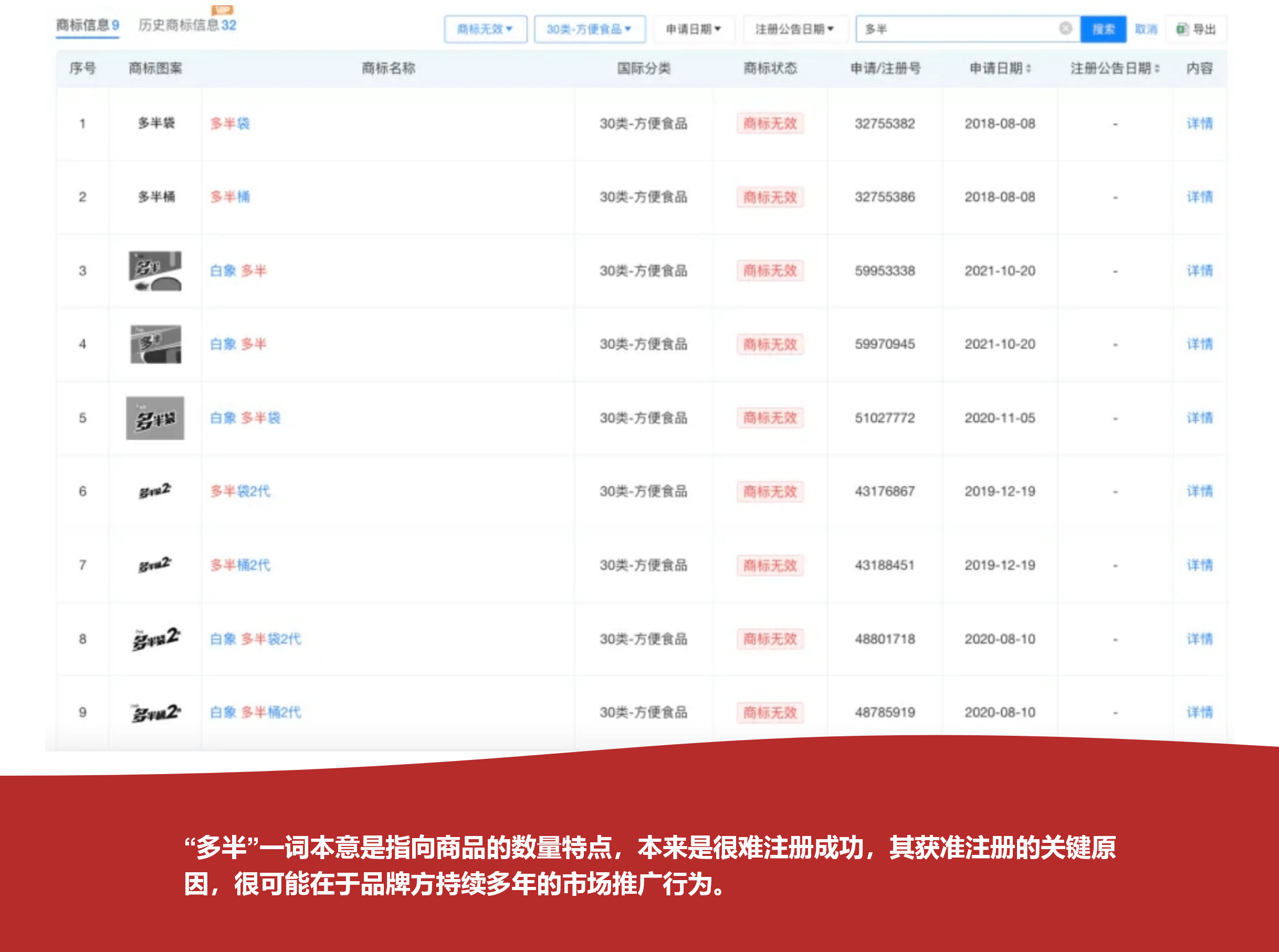
Core Viewpoint - The increasing use of specific words or numbers as trademarks in the food industry raises concerns about the clarity and accuracy of product information conveyed to consumers, as exemplified by the "Duoban" (多半) trademark used by White Elephant Foods, which has led to public debate regarding its implications on product weight perception [1][2][3] Group 1: Trademark Usage and Consumer Perception - The "Duoban" trademark is registered and does not directly describe the product's weight, yet consumers interpret it as indicating a significant increase in quantity, leading to confusion and dissatisfaction [1][2] - White Elephant Foods' "Duoban" products are marketed as larger portions, but the actual weight increase is only about 25 grams compared to standard products, which does not align with consumer expectations of "more than half" [3][4] - The trademark's registration may have been facilitated by extensive marketing efforts, which have established a strong association between the term and the brand, despite its misleading implications [4][5] Group 2: Industry Implications and Regulatory Concerns - The incident highlights a broader issue in the food industry where packaging and branding often mislead consumers, leading to a loss of trust in brands and the industry as a whole [6][10] - There is a call for stricter regulations and standards regarding the use of trademarks that may mislead consumers about product attributes, emphasizing the need for clarity and accuracy in marketing [12][13] - The reliance on misleading marketing tactics can harm long-term brand loyalty and market stability, as consumers may avoid brands that they perceive as deceptive [14][15]

“职业弹幕人”岂能乱弹
Nan Fang Du Shi Bao· 2025-06-22 15:44
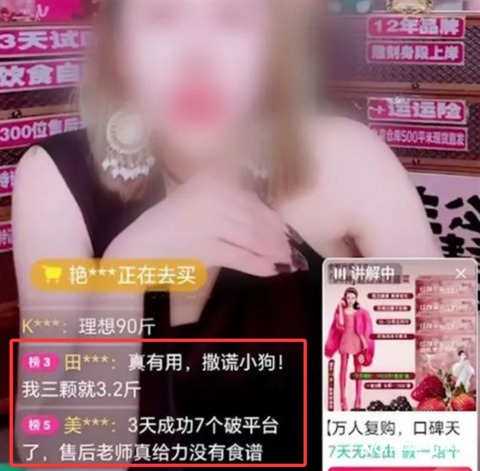
Core Viewpoint - The rise of "professional barrage people" in live streaming commerce has led to legal actions against the practice of fabricating user reviews, highlighting the need for stricter regulations in the industry [2][3][4]. Group 1: Industry Overview - Live streaming commerce has experienced explosive growth, becoming a new shopping choice for consumers, but it has also given rise to the black market of "professional barrage people" who create false traffic [2][3]. - The interaction-driven algorithmic distribution mechanism in live streaming has incentivized merchants to use fake comments to create a false sense of popularity, leading to a distorted market environment [3][4]. Group 2: Legal and Regulatory Framework - The case against a Beijing company for hiring "professional barrage people" to falsely promote a jelly product's weight loss claims marks the first legal action against such practices, setting a precedent for future cases [2][3]. - According to the Anti-Unfair Competition Law, businesses are prohibited from making false or misleading commercial promotions, and the actions of "professional barrage people" violate this law, harming consumer rights and fair market competition [3][4]. Group 3: Consequences and Recommendations - The actions of "professional barrage people" can lead to severe legal consequences, including potential criminal charges for illegal business operations if the financial thresholds are met [4][5]. - To combat the issue, live streaming platforms must take responsibility by utilizing technology to monitor and identify fake comments, while regulatory authorities should increase enforcement efforts against the underlying organizations behind these practices [5][6].
警惕!直播时让人心动的开蚌30秒,可能是主播设计的表演
Yang Shi Xin Wen Ke Hu Duan· 2025-06-22 09:58
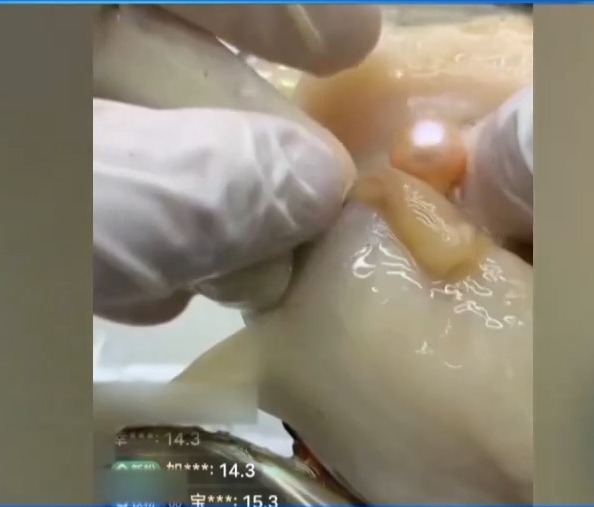
Core Viewpoint - The article highlights the deceptive practices in live-streaming pearl auctions, where the process of opening oysters to reveal pearls is manipulated to create an illusion of authenticity and excitement, ultimately misleading consumers [4][24][29]. Group 1: Live Streaming Pearl Auctions - The live-streaming auction model for pearls has gained popularity, particularly in Zhuji, which accounts for 80% of China's freshwater pearl sales and 70% globally [5][10]. - Consumers are drawn to the excitement of bidding on oysters, with some live streams attracting thousands of viewers, creating a competitive atmosphere [5][10]. - The auction process often involves artificially inflated prices, where the final bid can be significantly higher than the initial starting price due to orchestrated bidding strategies [12][16]. Group 2: Deceptive Practices - Investigations revealed that some live-streamers use pre-prepared pearls hidden in the oysters, creating a false impression of a genuine "live" opening [25][29]. - The practice of "guessing the pearl size" is employed to engage viewers and encourage bidding, further manipulating consumer behavior [18][24]. - Regulatory authorities have identified these practices as misleading and in violation of competition laws, leading to increased scrutiny and enforcement actions against such live-streaming businesses [29][32]. Group 3: Regulatory Response - Since 2019, over 70 live-streaming shops have been penalized for similar deceptive practices in Zhuji, indicating a growing concern over consumer protection in this sector [32]. - Regulatory bodies are implementing stricter guidelines to ensure transparency in live-streaming, including requiring full visibility of the auction process [34]. - The market supervision department is actively educating consumers about common fraudulent practices in the pearl industry to help them make informed purchasing decisions [36][38].
林清轩赴港IPO:虚假宣传数次被罚,高毛利率背后“自导自演”专家认证
Xin Lang Cai Jing· 2025-06-19 10:12
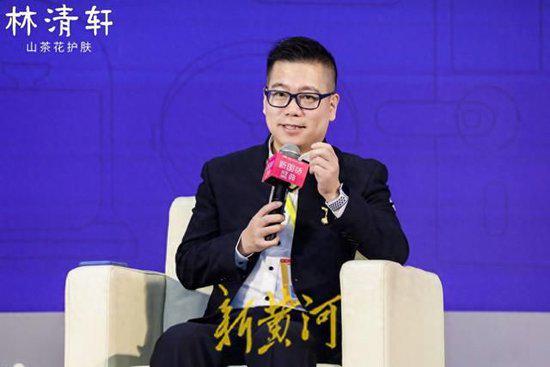
Group 1 - The core viewpoint of the article highlights the contrast between Lin Qingxuan's impressive financial performance and its repeated issues with false advertising, raising questions about the sustainability of its business model [1][2][6] - Lin Qingxuan reported a revenue of 12.1 billion yuan and a net profit of 1.87 billion yuan in 2024, with a gross margin of 82.5%, indicating strong financial growth and market leadership in the high-end domestic skincare sector [2][11] - The company has faced penalties for false advertising, including a recent fine of over 21,000 yuan for claiming its products had anti-aging effects, which were not substantiated [1][3][6] Group 2 - Lin Qingxuan's marketing claims have been scrutinized, particularly the assertion that its products are "anti-aging experts," which was found to be misleading as the products do not possess such efficacy [3][4] - The founder's involvement with the China Anti-Aging Promotion Association raises concerns about conflicts of interest, as the association's endorsement of the company's products lacks credibility [4][5] - The penalties imposed on Lin Qingxuan are minimal compared to its revenue, creating a dangerous precedent where the cost of non-compliance is outweighed by potential profits from misleading claims [6][7] Group 3 - Despite the controversies, Lin Qingxuan is moving forward with its IPO process, having submitted its prospectus to the Hong Kong Stock Exchange, indicating a strong intent to capitalize on its market position [1][11] - The company's ownership structure shows that the founder holds approximately 79.27% of the shares, with external investors like Yagor and Country Garden holding minority stakes [11][12] - The upcoming IPO will test whether investors prioritize financial metrics over ethical business practices, especially in light of the company's history of regulatory issues [12]
宠物险宣传保额15000实际只赔1500?大地财险被指虚假宣传
凤凰网财经· 2025-06-17 13:28
Core Viewpoint - The article highlights a case of potential consumer deception by Dadi Insurance regarding its pet insurance policy, where the advertised coverage amount of 15,000 yuan is contradicted by a hidden clause limiting single claim payouts to 1,500 yuan, raising concerns about transparency and consumer rights [4][15][16]. Summary by Sections Incident Overview - A consumer, Ms. Li, purchased a pet medical insurance policy for her dog, which was advertised with a coverage limit of 15,000 yuan. However, upon filing a claim for a medical procedure costing 12,710.77 yuan, she discovered a hidden clause that limited the single claim payout to 1,500 yuan [4][7][12]. Policy Details - The insurance policy explicitly stated a total coverage amount of 15,000 yuan, but the limitation on single claims was buried in the second page of the policy under special terms, which is not prominently displayed [7][15]. Legal Opinions - Legal experts argue that Dadi Insurance's marketing practices may constitute systematic misleading behavior and fraudulent inducement, as the critical limitation on claims was not adequately disclosed, violating insurance law requirements for key terms [15][16]. - Other consumers have reported similar experiences, indicating a broader issue with Dadi Insurance's policy transparency [15][16]. Consumer Reactions - Ms. Li expressed frustration over the lack of clarity in the policy and the company's unwillingness to address her concerns adequately. She has taken legal steps to assert her rights [14][16].

二手商铺被包装成假公寓销售,50余名业主奔走3年即将开庭
Nan Fang Du Shi Bao· 2025-06-16 14:56
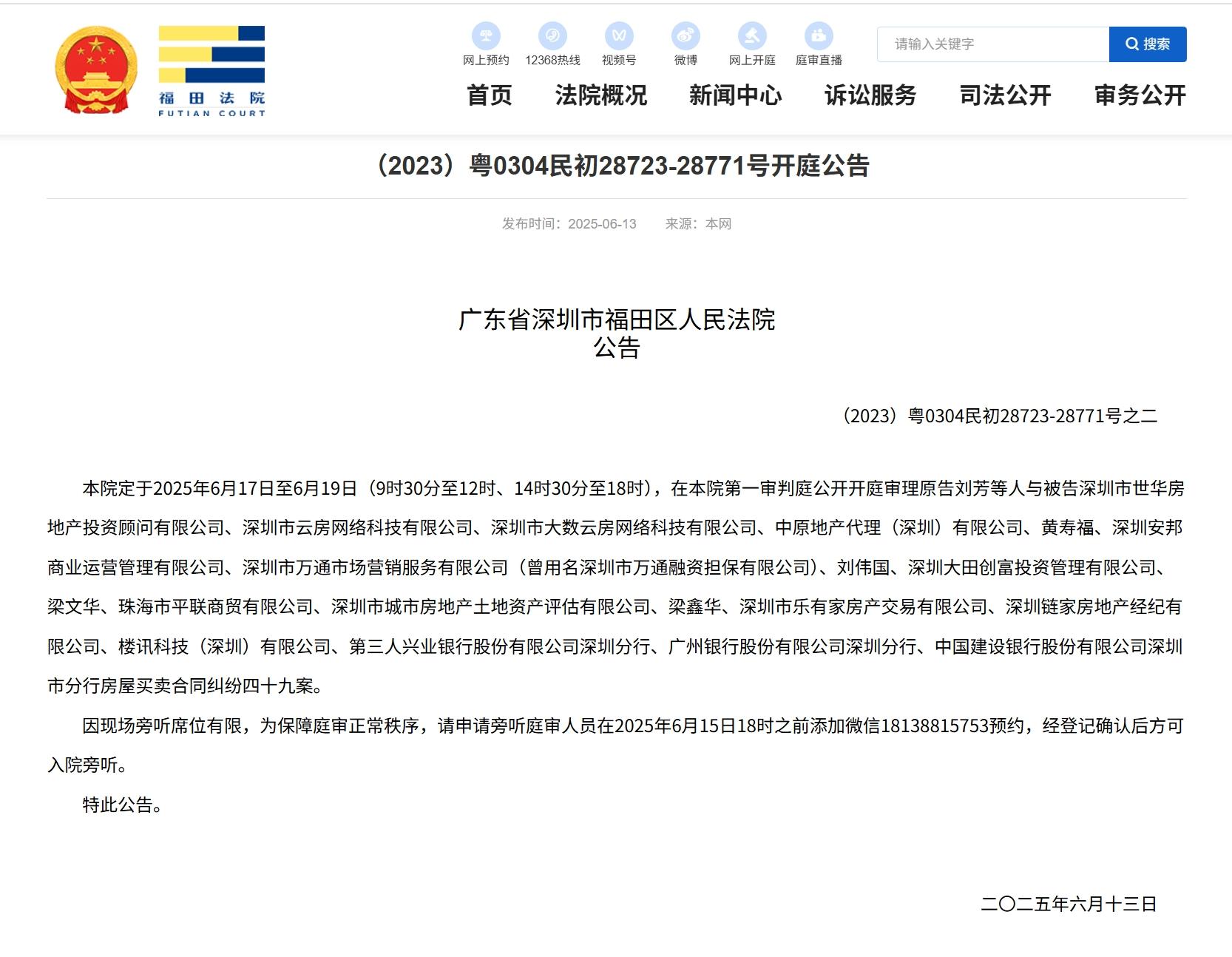
2023年8月,南都·湾财社曾以《得房率25%,深圳一返租公寓变发霉商铺!多位业主提起诉讼》为题,深度曝光深圳福田区嘉汇新城嘉汇城项目违规销售乱 象。 报道显示,中介机构将二手商铺违规包装成精装公寓对外售卖,近600位业主在购房三年后,因返租收益爆雷才惊觉受骗,且部分房源还存在墙体发霉等严 重质量问题,已有业主通过法律途径提起诉讼。 时隔近两年,案件迎来关键进展。2025年6月,南都·湾财社记者从当事人李先生处获悉,广东省深圳市福田区人民法院定于6月17日上午9时30分,公开开庭 审理该起"房屋买卖合同纠纷"案,由于案件较为复杂,法院将连续三天开庭。 当事人李先生向记者透露,此次案件原告方由约50名嘉汇城公寓项目业主组成,他们均深陷此前曝光的"假公寓"骗局。而被告方阵容庞大,涵盖深圳市世华 房地产投资顾问有限公司、深圳市云房网络科技有限公司等涉事企业,以及可能在高评高贷环节存在违规行为的兴业银行股份有限公司深圳分行、中国建设 银行股份有限公司深圳市分行等共计十余家责任主体。 为何二手商铺能被包装成酒店式公寓对外销售?合同售价严重偏离市场的房源,银行又是如何通过贷款审批的?在业主们历时3年多的证据收集与持续投诉 ...
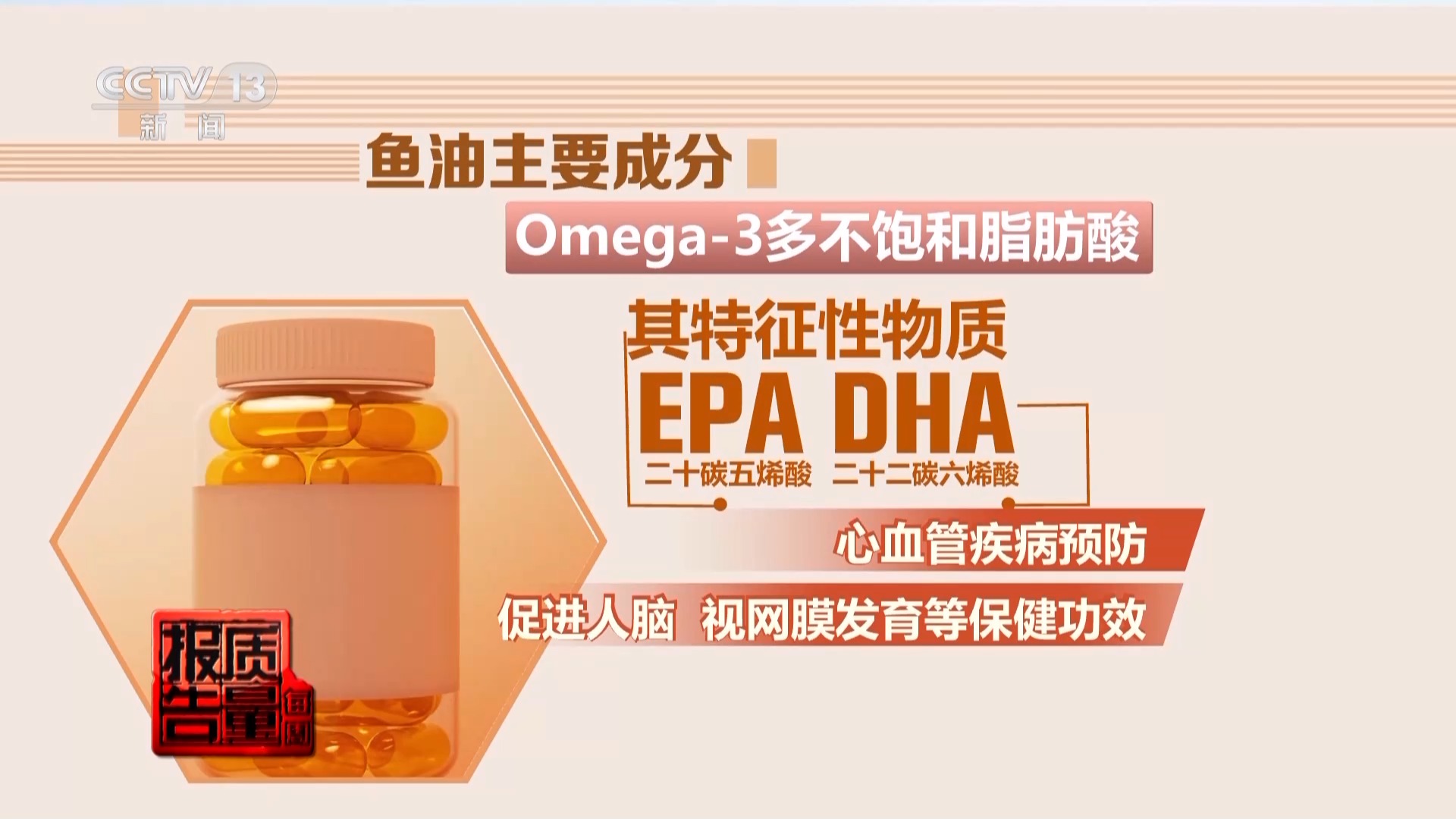
保健品直播间陷阱揭秘:“高纯度鱼油”中的有效成分去哪儿了?
Yang Shi Xin Wen· 2025-06-15 07:30
Core Viewpoint - The article highlights the issue of misleading marketing practices in the fish oil supplement industry, particularly through live streaming platforms, where products are often falsely advertised as having high levels of beneficial ingredients like Omega-3, EPA, and DHA [1][3][11]. Group 1: Product Claims and Testing - A specific fish oil product, marketed as having over 95% Omega-3 content, was found to contain no detectable levels of EPA and DHA, indicating a significant discrepancy between claims and actual content [5][7]. - The product was falsely labeled as being produced by a reputable pharmaceutical company, while it was actually manufactured by a lesser-known entity [7][9]. Group 2: Regulatory Standards and Industry Practices - The current regulatory framework for fish oil products in China lacks stringent requirements, allowing for widespread false advertising and the sale of ordinary food products as health supplements [12][14]. - The absence of mandatory standards for EPA and DHA content in fish oil products contributes to the prevalence of misleading claims in the market [12][14]. Group 3: Consumer Protection and Recommendations - Experts emphasize that consumers should be cautious and prefer purchasing from reputable pharmacies or official online stores, and look for products with the "blue hat" health food label to minimize risks [14][16]. - The article also notes that the recommended daily intake of EPA and DHA for adults ranges from 250 mg to 2000 mg, highlighting the importance of these components for health [16][18]. Group 4: Broader Implications in the Market - The investigation revealed that a significant portion of products sold in live streaming sessions misled consumers regarding their health benefits, with 69 out of 100 monitored products found to have misleading information [31]. - The trend of consumers seeking healthier and more natural food options has led to an increase in misleading marketing practices, necessitating better regulation and consumer education [31].
北大清华回应校内河湖水被标价售卖
证券时报· 2025-06-13 05:56
Core Viewpoint - The bottled water products marketed as "Peking University Weiming Lake Water" and "Tsinghua University River Water" have sparked social concern, with both universities firmly opposing the commercialization of their natural water resources for illegal profit [1]. Summary by Relevant Sections - **University Response**: Both Peking University and Tsinghua University officials stated that the water from their campuses is a valuable resource for maintaining a healthy ecosystem and should not be exploited for profit. They have contacted relevant platforms to urge the removal of these products and encourage reporting of similar cases [1]. - **Legal Perspective**: Legal experts have criticized the marketing claims of "enhancing brain power" and "stimulating wisdom" as blatant deception, potentially constituting false advertising. They have advised consumers to be rational in their purchasing decisions [1].

名校河水网售168元一瓶,“激发智慧”“提神醒脑”?清北回应来了
21世纪经济报道· 2025-06-13 05:45
近日,据极目新闻报道,记者在某线上二手交易平台发现,多位商家售卖北京大学未名湖湖 水、清华大学校河河水,每500毫升标价20元至168元不等,有商家称用"高档矿泉水瓶"包 装,取水时可拍摄视频。 在商品页面上,商家称:"未名湖湖水对多种植物生长具有神奇效果。将装有未名湖湖水的容 器置于室内,有助于调节空气湿度。每日凝视未名湖湖水,可提振精神,激发智慧,EQ飙 升。慎购,仅供观赏。" "清华校河河水对部分植物具有延年益寿的功效。将盛放校河河水的器皿摆放在房间内,有保 持湿度的作用。每天膜拜可提神醒脑,增益脑力,IQ爆表。慎拍,请勿饮用。" 记者注意到,网上不仅售卖支持拍摄视频的北大未名湖水,还有在销售北大校内土。 有业内人士认为,商家利用大众对名校的向往与崇拜心理,利用名校的知名度和文化附加 值,将校内水土包装成具有特殊意义的商品,夸大功效,正是迎合了部分消费者对名校文化 的猎奇心理。 据央视新闻报道,北京大学、清华大学相关部门负责人13日向记者表示,校内河湖水是维系 良好生态系统的宝贵资源,不应成为用以非法牟利的商品,坚决反对这样的行为。同时,这 种行为也违反了校园管理相关规定。 目前,两校已联系相关平台,督 ...

北大、清华回应:坚决反对
券商中国· 2025-06-13 05:28
"增益脑力""激发智慧"?被冠以"北大未名湖湖水""清华校河河水"的瓶装水商品现网络交易平台,引发 社会关注。 北京大学、清华大学相关部门负责人13日向新华社记者表示,校内河湖水是维系良好生态系统的宝贵资 源,不应成为用以非法牟利的商品,坚决反对这样的行为。同时,这种行为也违反了校园管理相关规定。 目前,两校已联系相关平台,督促其下架相关商品。如发现类似情况,可向学校举报。 校对:祝甜婷 百万用户都在看 深夜突发,闪崩! 见证历史!美国、英国,重大变局! 关税突发!美国宣布:23日起加征! 午后,突发!集体飙涨! 李成钢:中美就落实两国元首通话共识及日内瓦会谈共识达成框架 暴增超370%!A股,重磅信号! 违法和不良信息举报电话:0755-83514034 邮箱:bwb@stcn.com 来源:新华社微博 责编: 王璐璐 法律专家表示,"提神醒脑""激发智慧"等商家宣传卖点是赤裸裸的"忽悠",涉嫌虚假宣传,提醒人们理 性消费。 ...