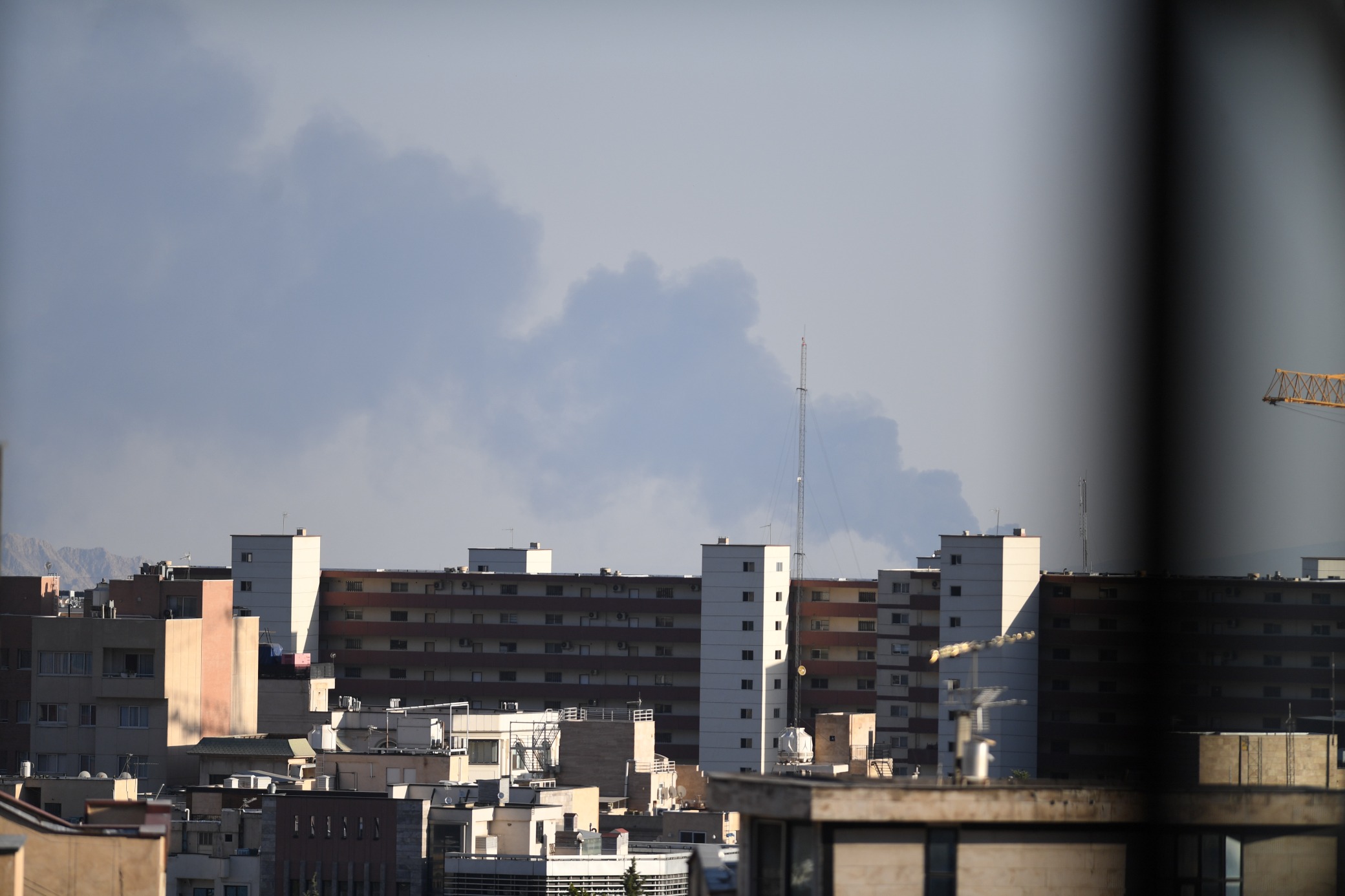
以伊冲突

Search documents
铅:偏强运行
Guo Tai Jun An Qi Huo· 2025-06-26 02:07
Report Summary 1. Industry Investment Rating - The investment rating for the lead industry is "偏强运行" (Relatively strong operation) [1] 2. Core View - The lead market is expected to operate relatively strongly, with a trend strength of 1, indicating a relatively positive outlook [1] 3. Summary by Relevant Catalogs 3.1 Fundamental Tracking - **Prices**: The closing price of the main Shanghai lead futures contract was 17,190 yuan/ton, up 1.36% from the previous day, and the closing price of the LME 3M electronic lead contract was 2,012 dollars/ton, up 0.25% [1] - **Volumes and Positions**: The trading volume of the main Shanghai lead futures contract was 56,352 lots, an increase of 23,555 lots, and the open interest was 48,344 lots, an increase of 4,060 lots. The trading volume of LME lead was 8,788 lots, an increase of 3,488 lots, and the open interest was 152,973 lots, a decrease of 51 lots [1] - **Premiums and Discounts**: The premium/discount of Shanghai 1 lead was -35 yuan/ton, a decrease of 10 yuan/ton, and the LME CASH - 3M premium/discount was -23.5 dollars/ton, an increase of 4.5 dollars/ton [1] - **Inventory**: Shanghai lead futures inventory was 44,667 tons, an increase of 427 tons, and LME lead inventory was 275,250 tons, a decrease of 2,125 tons. The LME lead cancelled warrants were 70,900 tons, a decrease of 2,125 tons [1] - **Recycled Lead**: The price of recycled electric vehicle batteries was 10,250 yuan/ton, an increase of 25 yuan/ton, and the price of recycled refined lead was 16,875 yuan/ton, an increase of 175 yuan/ton. The comprehensive profit and loss of recycled lead was -361 yuan/ton, an increase of 128 yuan/ton [1] 3.2 News - Trump stated that the conflict between Israel and Iran might break out again soon, the cease - fire progress was "very smooth", the US would not tolerate Iran's continued nuclear activities, and the US would hold talks with Iran next week, hinting at possible adjustments to sanctions [1] 3.3 Trend Intensity - The trend intensity of lead is 1, with the range of trend intensity being an integer in the [-2, 2] interval, where -2 represents the most bearish and 2 represents the most bullish [1]
特朗普近期有点忙,要同时处理三大事情,每一件都棘手!
Sou Hu Cai Jing· 2025-06-25 23:34
Group 1: Tariff Negotiations - The tariff negotiations are currently stalled, with little progress made since Trump's announcement to delay "reciprocal tariffs" for 90 days [4] - The U.S. is in a deadlock with Japan over auto tariffs, and no breakthroughs were achieved during the G7 summit [4] - The market is closely watching how Trump will handle the impending expiration of the 90-day delay, with potential for either further delays or a return to "reciprocal tariffs" [4] Group 2: Federal Reserve Rate Cuts - Trump has publicly pressured the Federal Reserve to lower interest rates by 2 to 3 percentage points, claiming it could save the U.S. over $800 billion annually [6] - Fed Chairman Powell indicated a cautious approach, acknowledging that tariffs have raised short-term inflation expectations, but suggested that a weak labor market could lead to earlier rate cuts [6] - Other Fed officials have also signaled support for a rate cut in July, with a consensus forming around the idea that inflation is no longer a primary concern [6] Group 3: Israel-Iran Conflict - The Israel-Iran conflict has escalated again shortly after a ceasefire, with Trump warning Israel against further attacks [9] - The conflict is closely tied to oil prices, and any escalation could lead to significant increases in oil prices, impacting U.S. inflation and the need for rate cuts [9] - Despite Trump's calls for increased shale oil production, U.S. shale producers have been reducing drilling activity due to various market pressures [9] Group 4: Overall Challenges - Trump faces intertwined challenges from tariffs, Federal Reserve rate cuts, and the Israel-Iran conflict, which collectively represent significant hurdles [13] - The decisions made in response to these challenges will have direct implications for the U.S. economy and political landscape in the near future [13]

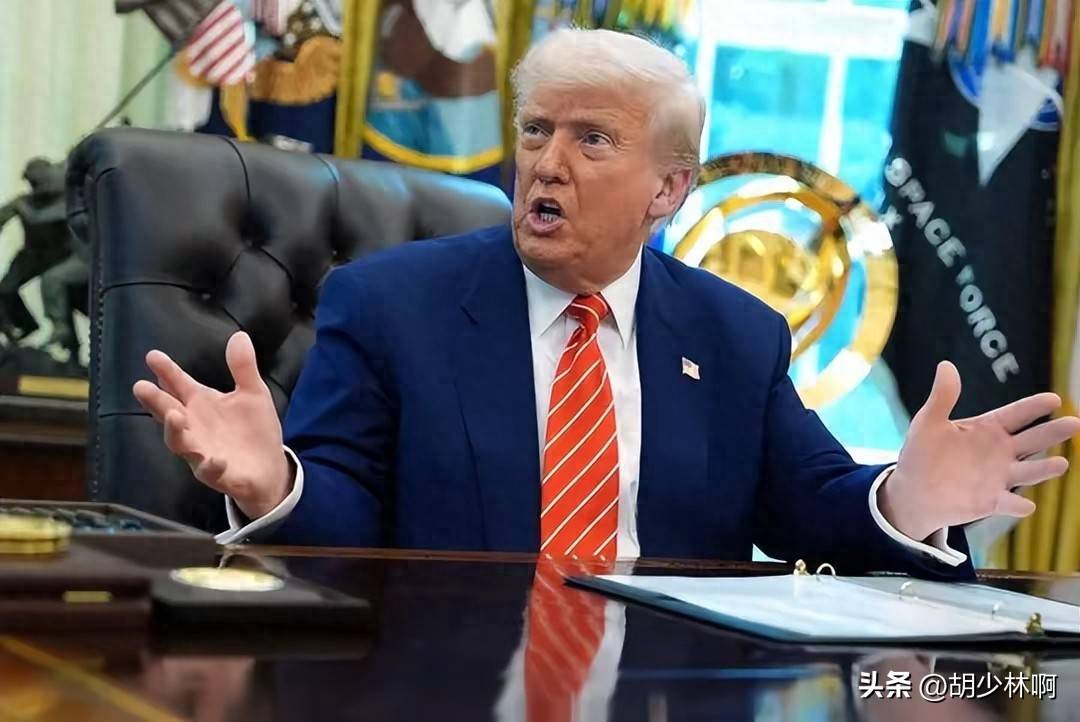
以军地面突击部队冲突期间深入伊朗境内开展行动
news flash· 2025-06-25 18:35
Core Viewpoint - The Israeli Defense Forces (IDF) have conducted operations deep within Iranian territory during the current conflict, targeting and destroying Iran's missile capabilities, including hundreds of launchers and missiles, thereby delaying Iran's military development plans [1] Group 1: Military Actions - The IDF's operations were characterized by a combination of air force and ground assault units, which provided a degree of operational freedom in Iranian airspace and at various locations chosen by the IDF [1] - The IDF Chief of Staff, Aviv Kochavi, stated that these operations were conducted secretly deep within Iranian territory, although specific details of the ground operations were not disclosed [1] Group 2: Impact on Iran - The actions taken by the IDF have reportedly disrupted Iran's missile capabilities and delayed its military development plans, indicating a significant impact on Iran's defense strategy [1] - As of now, there has been no response from the Iranian side regarding these military actions [1]
从G7到北约,两场峰会一样的“面和心不和”
Qi Lu Wan Bao Wang· 2025-06-25 15:32
Group 1 - The NATO summit held in The Hague faced protests from over 20 countries, with demonstrators accusing NATO of being against peace and development [1] - The G7 summit preceding the NATO meeting did not produce a joint communiqué or a unified statement on Ukraine, highlighting internal divisions among Western nations [1][2] - The G7 summit's outcomes were limited, with significant disagreements on key issues, including trade negotiations and military actions regarding Iran [2] Group 2 - The NATO summit focused on military spending as a percentage of GDP, with a push for member countries to increase defense budgets to 5% by 2032, a significant rise from previous standards [4][5] - Some NATO members, like Spain, successfully negotiated to maintain their military spending at 2.1%, avoiding the proposed 5% increase [5] - The U.S. under Trump aimed to extend military spending demands to non-NATO allies like Japan and South Korea, but these countries found the 3.5% target unacceptable, leading to cancellations of planned meetings [5]
突发!特朗普:以伊冲突可能再爆发!美股涨跌不一
Zheng Quan Shi Bao Wang· 2025-06-25 15:26
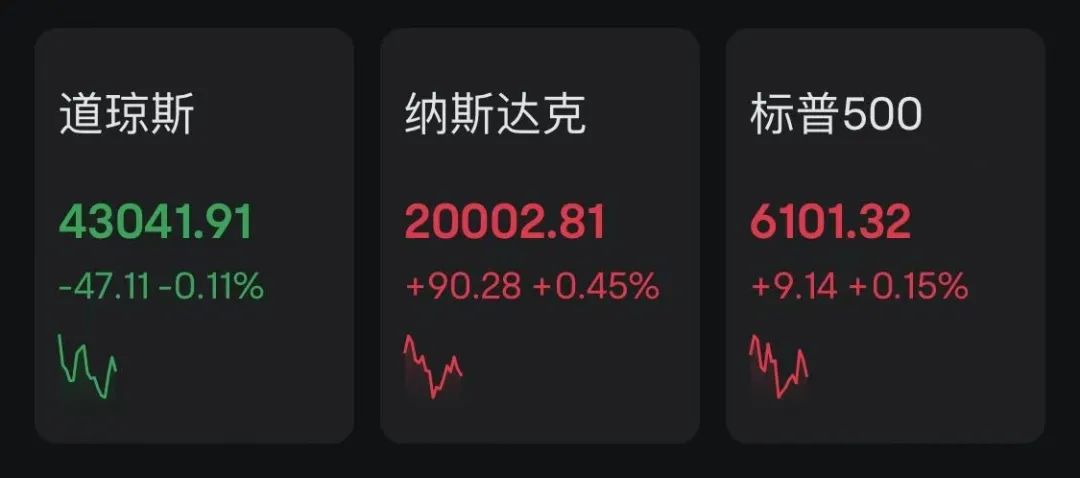
晚间,美股涨跌不一,特朗普消息颇多。除了关于伊以冲突的表态,他还表示,会在三四个人之内选出下一任美联储主席。 截至发稿,纳指与标普500指数飘红,道指下跌。 个股方面,英伟达盘初拉升,现涨超2%,逼近历史新高。今夜零点,英伟达线上股东大会将召开。特斯拉股价跌近5%。该公司5月在欧洲销量同比骤降 四成,且连续第五个月下滑。 中概股方面,经历了昨日的大涨,纳斯达克中国金龙指数飘绿,其中,禾赛科技、再鼎医药等股跌幅居前。 美国总统特朗普表示,下周美方将与伊朗会谈。 特朗普表示,自己"非常确信"以色列与伊朗之间的军事冲突已经结束。以色列和伊朗之间的冲突可能再次爆发,也许很快。他不认为伊朗会重新进行核计 划。 特朗普说,美国不依赖以色列情报,空袭以来收集的情报显示基地已被摧毁。他表示,不会放弃对伊朗施压,也不会接管石油。 此外,特朗普与乌克兰总统泽连斯基在荷兰海牙举行会谈。 据了解,会晤共持续了大约50分钟。这是特朗普4月以来,与泽连斯基的首次面对面会谈。据外交人士透露,会谈内容可能涉及乌克兰拟采购的新防空系 统、对俄制裁以及国际油价上限等关键议题。 泽连斯基表示,其与特朗普进行了一次深刻且富有成果的会谈,涵盖了所有关 ...


以伊冲突冲击航运 有发往中东的货柜运费涨幅约50%
news flash· 2025-06-24 13:58
金十数据6月24日讯,特朗普宣布以伊停火协议生效,局势的反复让国际油价从暴涨变为跳水,对航运 市场的扰动也不可避免。深圳某供应链企业负责人表示,近期中国发往中东的集装箱运输价格不断上 涨,例如运往杰贝阿里的货柜,单个涨幅已达50%左右。有上市公司证券事务部工作人员表示,运费上 涨是由于风险升高。 (一财) 以伊冲突冲击航运 有发往中东的货柜运费涨幅约50% ...
美媒爆:袭击美军基地后,伊朗传信息称不会再打击美方目标,白宫称不会报复
Huan Qiu Wang· 2025-06-24 09:12
【环球网报道】据美国Axios新闻网24日报道,23日袭击美国位于卡塔尔的乌代德军事基地后,伊朗向 白宫传达信息称不会再对美方目标实施任何打击,白宫则回应称不会对伊朗此次袭击行动进行报复。 Axios新闻网补充称,白宫官员表示,特朗普当地时间23日与以色列总理内塔尼亚胡通电话,告诉后者 希望以伊冲突结束。内塔尼亚胡同意停火,并表示只要伊朗停止向以色列发射导弹,以方就不会再发动 任何袭击。 特朗普当地时间21日证实,美军"成功打击"伊朗福尔道、纳坦兹和伊斯法罕三处核设施。伊朗最高国家 安全委员会秘书处23日发表声明称,为回应美国对伊朗核设施的侵略行径,伊朗当天对美国位于卡塔尔 的乌代德空军基地进行了导弹打击。特朗普23日称,伊朗在发动此次袭击前通知了美方。 报道称,伊朗随后对美国位于卡塔尔的乌代德空军基地进行了导弹袭击。一名白宫官员表示,在发动此 次袭击前,伊朗方面曾通过卡塔尔向特朗普政府发出信息,通知了打算袭击的时间和目标。 报道还称,在发动此次袭击后,伊朗方面立即通过有关渠道向白宫传达信息称,不会再对美方目标实施 任何打击。白宫则通过卡塔尔回应称,美方不会对伊朗此次袭击行动进行报复,并重申愿恢复与伊朗的 谈 ...
以伊停火最新进展:伊朗已认可方案 以色列先同意停火
Xin Hua She· 2025-06-24 00:32
新华社北京6月24日电 据外媒报道,一名伊朗高级官员证实,在同卡塔尔首相通话后,伊朗已同意美国 提出的、与以色列冲突停火方案。据知情人士透露,此前美国总统特朗普致电卡塔尔埃米尔(国家元 首)塔米姆,告知以色列方面已同意停火,并请卡塔尔劝说伊朗方面接受该方案。随后,卡塔尔首相同 伊朗方面进行了沟通。 特朗普披露"全面彻底停火"细节 特朗普23日在其社交媒体平台"真实社交"上发文表示,以色列和伊朗以就"全面彻底停火"达成一致。 特朗普在美国东部时间当天18时02分(北京时间24日6时02分)发表的帖文中说,停火将在大约6小时后 正式生效,届时以伊双方将完成各自正在进行的"最后任务"。 他说,根据协议,停火将分阶段实施:伊朗先开始停火,到第12个小时的时候,以色列也开始停火,到 第24个小时的时候,这场"持续12天的战争"将正式结束。 特朗普说,每一阶段的停火期内,另一方将"保持和平与尊重"。 伊朗袭击卡塔尔美军基地提前告知美方 伊朗最高国家安全委员会秘书处23日发表声明说,为回应美国对伊朗核设施的侵略行径,伊朗当天对美 国驻卡塔尔的乌代德空军基地进行了导弹打击。 声明说,伊朗此次行动中使用的导弹数量,与美国袭击伊 ...
王毅会见英国前首相布莱尔
news flash· 2025-06-23 14:28
6月23日,中共中央政治局委员、外交部长王毅在京会见英国前首相布莱尔。关于以伊冲突,王毅表 示,国家间分歧应通过对话协商和平解决。以色列以"未来可能的威胁"为由对伊朗发动先发制人打击, 美国军机轰炸国际原子能机构保障监督下的伊朗核设施,向世界发出以武力而非谈判解决争端的错误信 号,形成恶劣先例,后果影响严重。和平需要实力来保卫,但实力未必能带来真正的和平。所有冲突当 事方应采取措施缓和局势,重返对话谈判的政治解决轨道,促进中东地区恢复和平稳定。布莱尔说,英 方高度关注以伊冲突,呼吁通过对话和外交手段,回到谈判轨道,尽快恢复地区和平、安全与稳定。双 方还就乌克兰危机等问题交换了意见。(外交部) ...
美国“下场”后,三问中东局势走向
Xin Hua She· 2025-06-23 14:18
Core Viewpoint - The recent U.S. military strikes on Iranian nuclear facilities have escalated tensions and raised concerns about potential retaliation from Iran, including the possibility of blocking the Strait of Hormuz, which is crucial for global oil transport [1][5]. Group 1: U.S. Military Actions and Iranian Response - The U.S. has claimed to have "completely destroyed" key Iranian nuclear sites, but Iranian officials assert that their uranium enrichment capabilities remain intact, indicating that the conflict is far from over [1][2]. - Analysts suggest that Iran may respond with limited actions rather than a full-scale retaliation, as the current situation mirrors past events where Iran faced pressure but opted for restraint [2][3]. Group 2: Strait of Hormuz and Oil Supply Concerns - Iranian officials are evaluating the potential for blocking the Strait of Hormuz, a vital passage for oil exports, with daily shipments through the strait averaging around 20 million barrels, accounting for 20% of global oil consumption [5][4]. - Historical context shows that Iran has previously threatened to close the strait during times of heightened tensions but has refrained from taking such drastic measures, suggesting that a full blockade is unlikely unless absolutely necessary [7][4]. Group 3: Long-term Conflict Dynamics - Israeli officials indicate that their military objectives regarding Iran's nuclear and missile programs are nearing completion, and they are not inclined to engage in a prolonged conflict, which would not serve their interests [8][12]. - Both Israel and Iran face significant challenges in sustaining a long-term conflict, with economic and military pressures likely to influence future interactions and potential diplomatic resolutions [12].