动物福利

Search documents
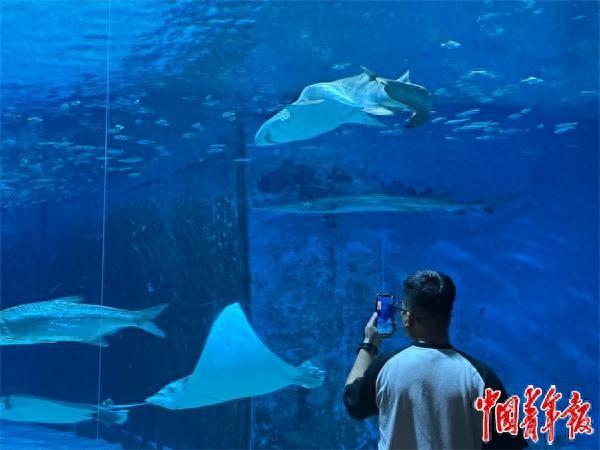
海洋馆,没“鲸”费了
Zhong Guo Qing Nian Bao· 2025-09-23 23:32
Core Insights - The marine park industry is facing significant challenges, including declining visitor numbers and increasing operational costs, leading to closures and financial distress among facilities [2][11][12] - The shift in consumer preferences and regulatory changes, such as the ban on marine mammal performances in France, are exacerbating the crisis [2][3] - The industry is experiencing a transformation, with some facilities pivoting to alternative revenue streams, such as hosting events and offering interactive experiences [8][27] Industry Overview - The closure of "Marine World" in France highlights the broader crisis in the marine park sector, with visitor numbers dropping from 1.2 million to 425,000 over the past decade [28] - In China, major marine parks like Dalian Shengya and Haichang Ocean Park have also faced ownership changes and financial difficulties [2][11] - The operational costs of maintaining marine mammals, such as electricity and food, are substantial, with some facilities reporting annual expenses exceeding 40 million yuan [6][11] Financial Dynamics - The financial model of many marine parks is under strain, with high operational costs and declining revenues leading to unsustainable practices [33][34] - Some facilities have resorted to selling animals to cover costs, as seen with Dalian Shengya selling 52 penguins to meet revenue needs [10][33] - The reliance on animal performances for revenue is being questioned, as facilities explore alternative attractions to draw visitors [22][39] Regulatory and Ethical Considerations - The industry is grappling with ethical concerns regarding animal welfare, particularly in light of increasing public scrutiny and regulatory changes [3][22] - The transition towards non-profit models and educational initiatives is being discussed as a potential path forward for the industry [28][41] - The need for improved animal care and management practices is emphasized, with many facilities lacking the necessary expertise and resources [25][41] Future Outlook - The marine park industry may evolve into a model focused on conservation and education, similar to trends observed in Western countries [28][39] - There is potential for differentiation in the market, with facilities developing unique themes and local attractions to attract visitors [40][41] - The ongoing transformation of the industry will require a shift in management perspectives and a commitment to long-term sustainability [41]

小狗“文身染发”,宠物美容越发离谱了
Hu Xiu· 2025-09-02 04:42
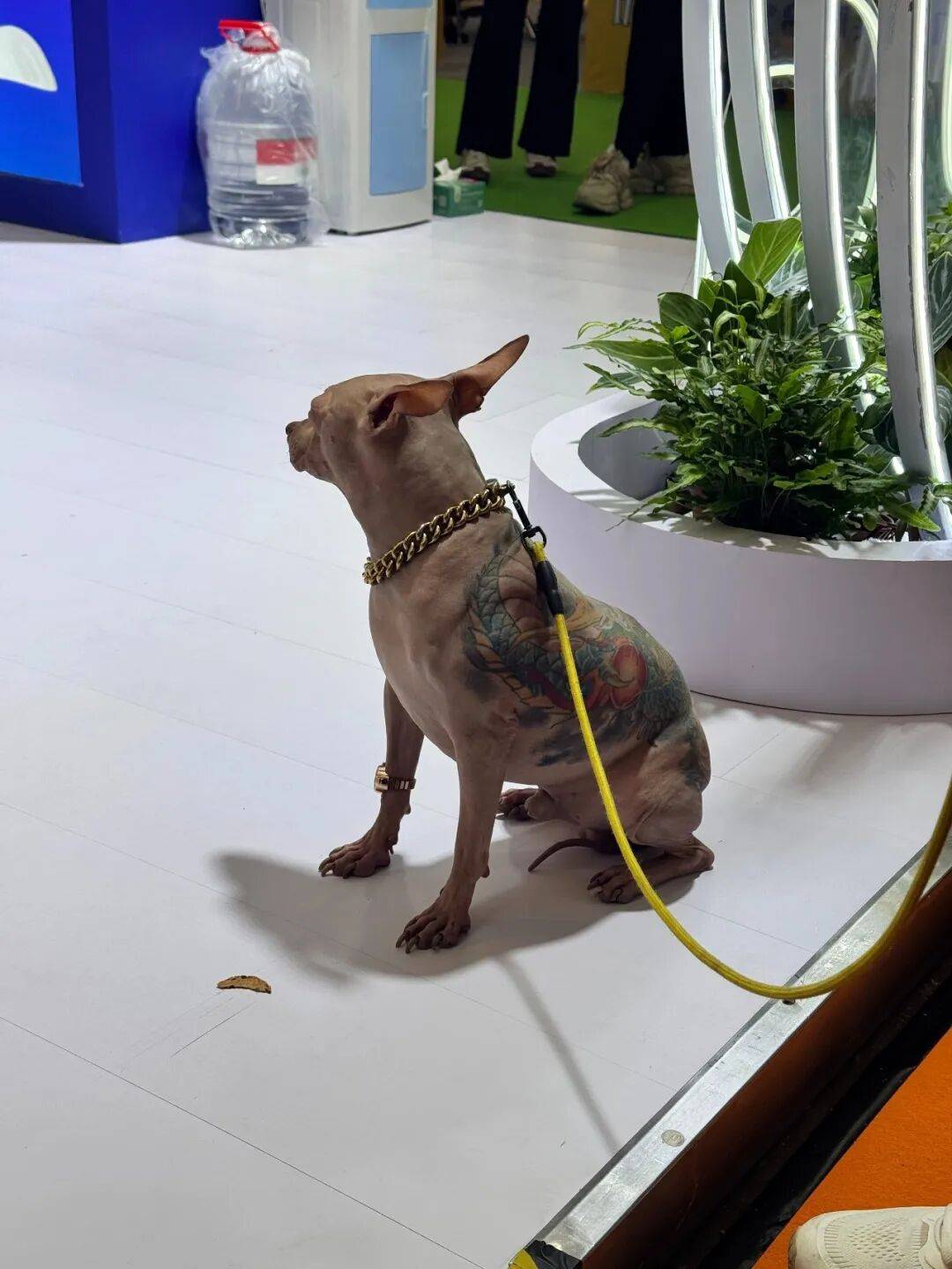
Core Viewpoint - The incident of a tattooed dog at the 27th Asia Pet Exhibition has sparked widespread outrage and discussions about animal welfare, ethics, and the boundaries of pet grooming practices [13][16][57]. Group 1: Incident Overview - A tattooed dog, described as having intricate designs and accessories, was showcased at the Asia Pet Exhibition, raising concerns about animal welfare [1][14]. - The dog's owner claimed that the tattooing process was done without anesthesia, as the dog has no pain receptors in its skin [10][14]. - The incident led to significant social media backlash, with over 20,000 likes and 5,000 comments on a post highlighting the ethical implications of such practices [13]. Group 2: Industry Reactions - The event prompted the exhibition organizers to ban the dog's owner from further participation [14]. - The tattoo artist publicly apologized, acknowledging the act as animal abuse and explaining the process involved [14][16]. - Industry professionals expressed their outrage, emphasizing the pain and stress animals endure during such procedures [18][22]. Group 3: Ethical Discussions - The incident ignited a broader conversation about the ethics of pet grooming and the fine line between care and harm [16][37]. - Experts highlighted that animals experience pain similarly to humans, and any invasive procedure should be approached with caution [22][23]. - The discussion also touched on the changing perceptions of pets, with many owners now viewing them as family members rather than property [38][50]. Group 4: Legal and Regulatory Aspects - Current laws in China classify pets as property, lacking specific animal protection legislation, which complicates the enforcement of animal welfare standards [49][50]. - There is a growing call for improved industry standards and regulations to protect animals from harmful practices [57]. Group 5: Future Implications - The incident serves as a catalyst for ongoing debates about animal welfare, prompting stakeholders to reconsider grooming practices and the responsibilities of pet owners [57][58]. - The need for a shift in societal attitudes towards pets and their treatment is emphasized, advocating for a more compassionate approach to pet care [59][60].
Ulike”买脱毛仪送猫”活动遭疑后下架 致歉称表述错误
Zhong Guo Jing Ji Wang· 2025-08-20 06:20
Group 1 - Ulike's recent marketing campaign offering a free cat with the purchase of a hair removal device has sparked controversy and criticism regarding animal welfare [1] - The company clarified that the promotion was not for actual cats but rather a pet fund, and has since removed the campaign and related materials from its online store [1][2] - Ulike issued two apologies on August 13 and 15, acknowledging the inappropriate wording in their promotional materials and the negative impact it caused [1] Group 2 - Ulike has implemented immediate corrective measures, including the removal of all inappropriate promotional materials and the education and accountability of responsible personnel [2] - The company plans to enhance the review process for future promotional materials to prevent similar incidents from occurring [2] - Founded in 2013, Ulike focuses on innovative home beauty and body care devices, aiming to provide safe and effective home beauty experiences for consumers [2]
网红品牌道歉:下架,删除
Nan Fang Du Shi Bao· 2025-08-19 08:18
Core Viewpoint - Ulike's recent marketing campaign offering a free cat with the purchase of a hair removal device has faced public backlash for perceived insensitivity towards animal welfare [1][3][5] Group 1: Marketing Campaign - Ulike launched a promotional event where customers could win a cat by purchasing a hair removal device, which was criticized for exploiting animals [1] - The campaign included a promise of one year of cat food for the winners, but the execution raised ethical concerns regarding animal welfare [1][3] - Ulike's previous initiative, the "UlikeME Campus Cat Meme Scholarship," initially received positive feedback but was later criticized for its sincerity in animal welfare efforts [3] Group 2: Company Response - On August 15, Ulike issued an apology, acknowledging the miscommunication regarding the "buy a hair removal device, get a cat" promotion, clarifying that it was not intended to offer real cats but rather a pet fund [3][5] - Ulike committed to removing all promotional materials related to the controversial campaign and promised to enhance the review process for future marketing content [5] - The company emphasized its dedication to animal welfare through ongoing initiatives, including partnerships with universities for cat rescue efforts, such as providing food and supporting sterilization [5]

蛋鸡产业非笼养转型的商业价值
Sou Hu Cai Jing· 2025-06-18 01:55
Core Viewpoint - The global egg-laying hen industry is transitioning from traditional caged systems to cage-free models, driven by consumer concerns for animal welfare and food safety, government regulations, and corporate sustainability strategies. Group 1: Commercial Factors - Over 2,500 cage-free commitments have been made globally, with a transition rate of 75% in 2023, particularly notable in Europe (80%) and the U.S. (73%) [1][19][27] - The EU and several countries have banned or plan to phase out caged systems, while 10 states in the U.S. have prohibited battery cages, necessitating proactive planning by companies in regions without such legislation [1][30] - Transitioning to cage-free systems requires capital investment, with lower stocking densities impacting profitability and increasing feed and labor costs. Strategies to mitigate these costs include phased transitions, raising prices, securing contracts, and employee training [1][40][41] Group 2: Animal Welfare - Cage-free systems significantly improve the living conditions of hens, with no significant difference in mortality rates compared to enriched cages, and health issues can be managed through better design and management [3][61] - Cage-free systems allow hens to express natural behaviors such as flapping, dust bathing, and perching, which are severely restricted in caged environments [3][65] - Psychological well-being is enhanced in cage-free systems, with reduced fear and stress levels, leading to increased positive behaviors like exploration and dust bathing [4] Group 3: Human Factors - Consumers are increasingly concerned about hen welfare and are willing to pay a premium for cage-free eggs, believing them to be more nutritious, safe, and natural [5][6] - The nutritional quality of cage-free eggs can be superior under good management, and food safety risks are more related to management practices than the type of system used [6][7] - Farmers face challenges in transitioning due to costs and labor, but consumer demand and market access opportunities drive the shift, with professional training improving success rates [7] Group 4: Environmental Impact - Cage-free systems increase feed, electricity, and land use, with feed being the primary environmental impact source, particularly due to land use changes from soybean and palm oil production [8][9] - Strategies to mitigate environmental impacts include using alternative feeds, optimizing formulations, selecting specific breeds, and adjusting consumption patterns, as demonstrated by companies like Barilla and Kipster [9]

逛动物园治好了我的“社恐”
Hu Xiu· 2025-06-04 06:22
Core Insights - The conversation highlights the unique relationship between zookeepers and animals, emphasizing the emotional and psychological connections that develop over time [3][30][25] - The design of the zoo promotes a more natural behavior in animals, allowing visitors to engage with them in a meaningful way [1][29][78] - The interactions between animals and visitors can lead to personal reflections and social connections, breaking down barriers of social anxiety [44][47][80] Group 1: Zookeeper-Animal Relationship - Zookeepers develop a deep understanding of individual animals, recognizing their emotions and behaviors through eye contact and interaction [10][11][25] - The emotional bond between zookeepers and animals is likened to family relationships, where each animal is seen as a unique individual with its own personality [25][22][21] - The process of overcoming fear of certain animals, such as snakes, illustrates the psychological transformation that can occur through prolonged exposure and care [27][15] Group 2: Zoo Design and Visitor Experience - The zoo's design focuses on creating an environment that allows animals to exhibit natural behaviors, enhancing the visitor experience [1][60][78] - Visitors often engage with animals through a lens of empathy, projecting their feelings onto the animals, which fosters a deeper connection [17][66] - The concept of "not seeing" animals, as in the case of the bear, encourages visitors to share their experiences and observations, creating a communal narrative [69][60][72] Group 3: Social Interaction and Community Building - The zoo serves as a platform for social interaction, where visitors can connect with each other through shared experiences and stories about animals [62][54][51] - The involvement of volunteers and the creation of community events enhance the sense of belonging and engagement among visitors [55][59] - The zoo's role in facilitating interactions among strangers can lead to personal growth and reduced social anxiety, as individuals find common ground through their interest in animals [44][47][80]

韩媒:为拉选民支持,韩总统候选人争打“宠物牌”
Huan Qiu Shi Bao· 2025-05-22 22:51
Group 1 - The core viewpoint of the articles highlights the increasing importance of "pet policies" in the context of South Korea's aging population and rising single-person households, with candidates leveraging these policies to gain voter support [1][2] - As of 2024, 28.6% of households in South Korea are expected to own pets, translating to approximately 6.5 million households, indicating a shift towards a "pet family era" [1] - The average cost of a single pet medical treatment is reported to be 84,000 KRW (approximately 438 RMB), with 82.9% of respondents in a survey indicating that such expenses are burdensome [1] Group 2 - Candidate Lee Jae-myung from the Democratic Party proposes to create an "Animal Welfare Nation" by establishing a basic animal welfare law and integrating related affairs currently spread across multiple departments [2] - Candidate Kim Moon-soo from the People Power Party focuses on a practical approach, advocating for reduced treatment costs and increased price transparency by standardizing all services in animal hospitals [4] - Both candidates' commitments to pet policies have sparked controversy, with animal protection organizations expressing concerns about the feasibility of standardizing treatment due to the diversity of animal species and individual differences [4]

细胞培养肉瞄准高端食材市场
Ke Ji Ri Bao· 2025-05-12 23:26
Core Viewpoint - Cultivated meat, also known as lab-grown or cell-based meat, is emerging as a promising alternative to traditional livestock farming, addressing global issues such as environmental sustainability, animal ethics, and food security [1][2] Industry Overview - The current focus of cell-cultured food is primarily on beef and chicken, but there is a growing trend among startups to target the high-end ingredient market, including rare items like eel, caviar, and foie gras [1][3] - The global cultivated meat market is projected to reach $20.04 billion by 2029, which is 2.2 times the market size in 2024 [2] Technological Advancements - Israeli startup Future Meat Technologies has developed a "mini-organ" cultivation technique that allows cells to form three-dimensional structures autonomously, successfully mimicking the texture of natural eel meat [3] - The company has achieved a cell density of 300 million cells per milliliter in its culture medium, laying the groundwork for scalable production and commercial viability [3] Product Development - Singapore-based Umami Bioworks is also working on cultivated eel and caviar, with plans for trial production in Malaysia by 2026, utilizing AI to optimize cultivation parameters and reducing costs by 95% [4] - The "Miracle Caviar" project, a collaboration between Wageningen University and Geneus Biotech, aims to cultivate top-quality caviar from less endangered sturgeon, addressing both culinary demand and wildlife conservation [4] - French company Gourmey is focusing on cultivating foie gras, having attracted €65 million in venture capital, with plans to supply Michelin-starred restaurants by 2026 [4] Regulatory Landscape - Despite the allure of lab-grown high-end foods, significant safety and regulatory hurdles remain before they can be widely available to consumers [5][6] - As of now, only the United States and Singapore have completed comprehensive approvals for cultivated meat, with Singapore being the first to approve a cultivated meat product in December 2020 [6] - There are concerns regarding the potential for bacterial and viral contamination in cell-cultured environments, as well as the risk of chemical residues from production processes [6] - Social resistance is also evident, with Italy implementing a ban on cultivated meat and other countries potentially following suit, highlighting the need for transparent safety standards and balanced industry interests [6]
荣昌排第一,重庆网红打卡地变了
2 1 Shi Ji Jing Ji Bao Dao· 2025-05-07 06:25
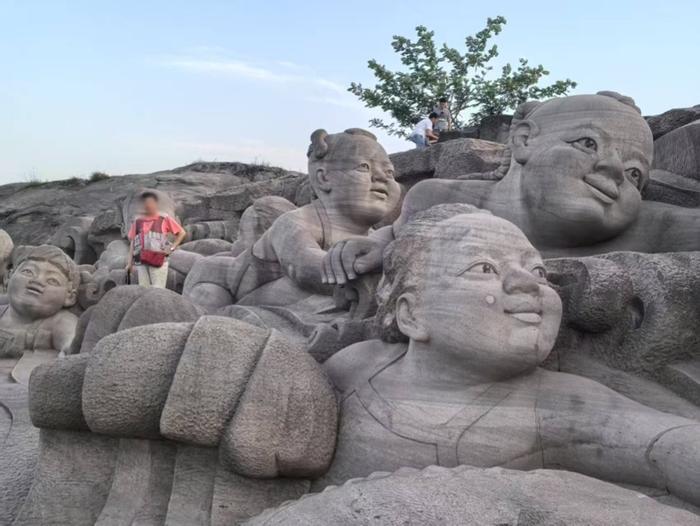
Core Insights - The article highlights the significant increase in domestic tourism in Chongqing, particularly at the newly popular Xia Bu Town, which saw a 743% year-on-year increase in visitor numbers during the May Day holiday [3][5][12] - The rise of Xia Bu Town has shifted the focus from traditional tourist spots like Hongya Cave, which experienced a modest 12% growth, indicating changing consumer preferences in tourism [3][5][15] - The success of local delicacies, particularly the Rongchang Braised Goose, has played a crucial role in attracting tourists, with over 290,000 geese sold during the holiday [6][11][12] Tourism Statistics - Xia Bu Town attracted nearly 900,000 domestic visitors, surpassing Hongya Cave by 200,000 visitors, making it the top A-level scenic area in Chongqing [5][12] - The Rongchang District received a total of 2.345 million visitors during the holiday, reflecting a 168% increase compared to the previous year [5][12] - The Chongqing Animal Park also saw a 147% increase in visitors, reaching 430,000 during the same period, indicating a growing interest in animal-related attractions [16][17] Local Economic Impact - The influx of tourists led to a significant strain on local resources, with the population of Rongchang District being only 660,000, yet accommodating nearly four times that number during the holiday [5][12][14] - Local government initiatives, such as opening public canteens and providing free accommodations, were implemented to manage the surge in visitors [13][14] - The popularity of Rongchang Braised Goose has not only boosted local sales but also created a ripple effect, benefiting nearby tourist spots like Dazu Rock Carvings [14][15] Marketing and Promotion - The rise of social media influencers, particularly the "Rongchang Goose Brother," has been instrumental in promoting local cuisine and attracting tourists [11][15] - The Chongqing Municipal Tourism Commission has been actively promoting local culinary experiences as part of its broader strategy to enhance tourism [15][16] - The article emphasizes the importance of unique local experiences in driving tourism, as seen with the success of the "Yuwai 360 Bowl" campaign [15]
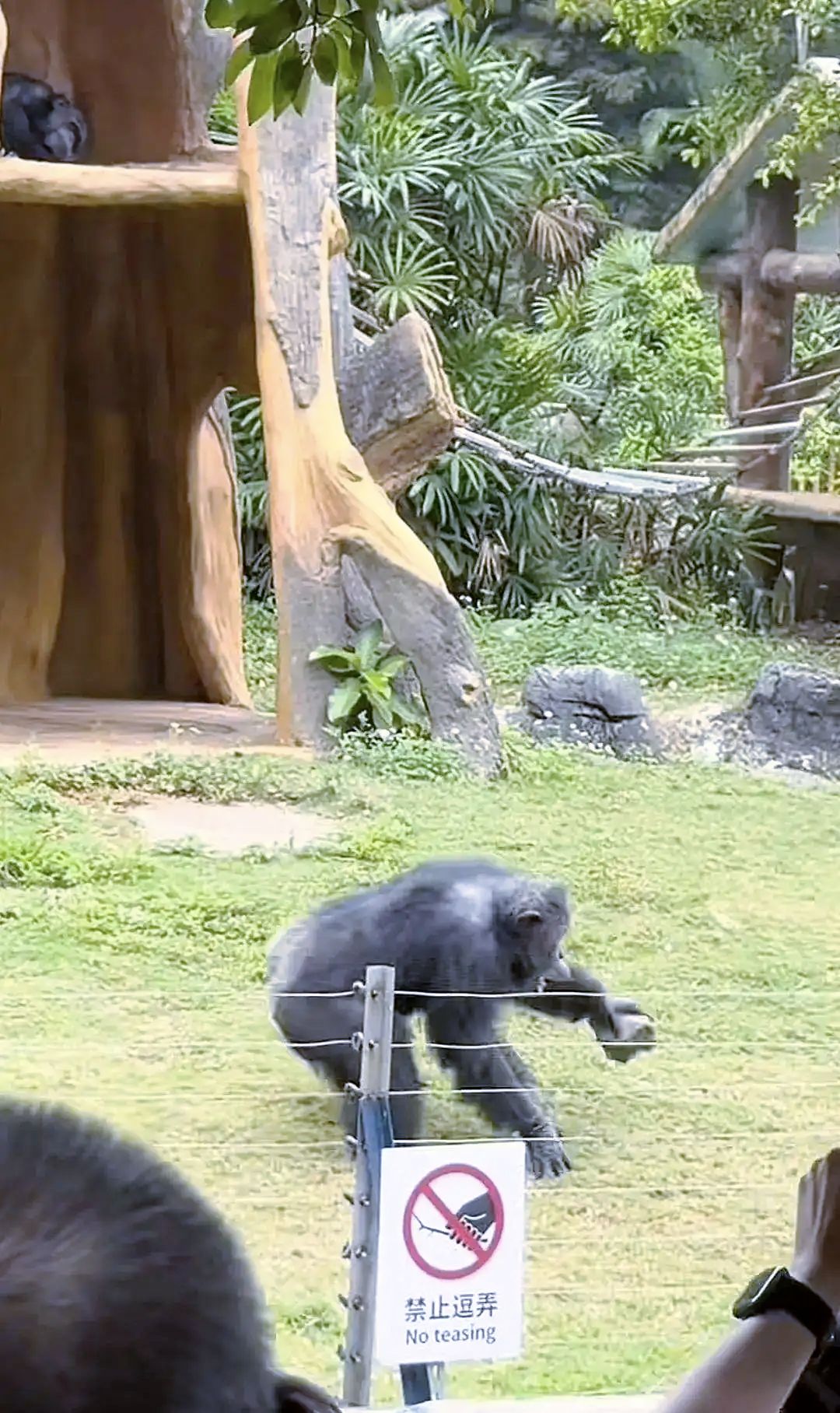
不能将动物的愤怒和攻击包装成网红式“娱乐互动”
Nan Fang Du Shi Bao· 2025-05-04 01:27
Core Viewpoint - The incident involving the chimpanzee "Diu Na Xing" at Nanning Zoo highlights the escalating issue of animal behavior misinterpretation and the consequences of inappropriate human-animal interactions, emphasizing the need for better management and understanding of animal welfare [2][3][4]. Group 1: Incident Overview - During the May Day holiday, the chimpanzee "Diu Na Xing" injured a visitor by throwing a stone, leading to the visitor being taken to the hospital, although the injuries were not severe [2]. - The chimpanzee has a history of throwing objects at visitors, which has evolved from throwing grass and feces to more dangerous items like stones, indicating a troubling trend in its behavior [2][3]. Group 2: Human Interaction and Misinterpretation - Some visitors misinterpret the chimpanzee's aggressive actions as playful interactions, provoking the animal for entertainment and capturing "exciting" footage for social media [3]. - The zoo's previous explanations regarding the chimpanzee's behavior as a response to provocation have not deterred visitors, leading to a cycle of provocation and aggression [3]. Group 3: Management and Ethical Considerations - The zoo's focus on attracting visitors and creating viral content has created a conflict between animal welfare and commercial interests, risking the safety of both animals and visitors [4]. - The repeated incidents of "violent interaction" serve as a warning signal about the misinterpretation of animal emotions and the need for a more respectful approach to human-animal coexistence [4].