半导体短缺

Search documents
本田在华工厂将停产
中国能源报· 2025-12-18 06:27
本田公司在华工厂将停产。 据共同社1 2月17日报道,本田公司1 2月17日透露,由于半导体短缺,计划从12月下旬到 明年1月上旬,日本和中国工厂的整车生产将暂停或减产。此前发生类似情况的北美工厂 虽已恢复正常运转,但生产体制岌岌可危的状态仍在持续。 据本田公司称,与中国国企巨头广汽集团的合资工厂1 2月29日起将停产5天。日本的工厂 将在明年1月5日、6日停产两天,7至9日的产量也低于原计划。 本田未公布具体涉及的日本工厂,但埼玉工厂和铃鹿工厂可能是对象。生产调整的整个规 模尚不清楚。本田说明称今后的生产将视半导体的供应情况等作出判断。 本田在10月和11月暂停了墨西哥工厂的生产,美国和加拿大的工厂也被迫减产,原因是 全球电子元件供应商安世半导体公司(总部位于荷兰,但由中国控股)受到出口管制。本 田未提及此次短缺的半导体是否为安世产品。 本田11月公布的截至2026年3月的财年合并财报预期显示,因半导体短缺导致产量低于预 期,反映主营业务盈利状况的营业利润将缩水1500亿日元(约合人民币6 8亿元)。 来源:参考消息 End 欢迎分享给你的朋友! 出品 | 中国能源报(c n e n e rg y) 责编丨 ...



本田在华工厂将停产
财联社· 2025-12-18 05:48
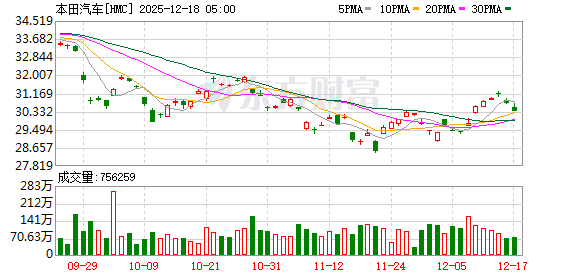
Core Viewpoint - Honda is facing production halts and reductions in Japan and China due to semiconductor shortages, impacting its overall production capacity and financial outlook [1] Group 1: Production Impact - Honda announced that from late December to early January, its vehicle production in Japan and China will be paused or reduced due to semiconductor shortages [1] - The joint venture factory with GAC Group in China will halt production for five days starting December 29, while Japanese factories will stop production for two days on January 5 and 6, with reduced output from January 7 to 9 [1] - The specific Japanese factories affected have not been disclosed, but Saitama and Suzuka factories are likely candidates [1] Group 2: Financial Outlook - Honda's production adjustments are expected to lead to a decrease in operating profit by 150 billion yen (approximately 6.8 billion RMB) for the fiscal year ending March 2026 due to lower-than-expected output caused by semiconductor shortages [1] - The company had previously suspended production in its Mexican factory and reduced output in its North American factories due to supply chain issues linked to semiconductor supplier Nexperia, which is under export controls [1]

本田在华工厂将停产
Zhong Guo Ji Jin Bao· 2025-12-18 05:01
本田未公布具体涉及的日本工厂,但埼玉工厂和铃鹿工厂可能是对象。生产调整的整个规模尚不清楚。 本田说明称今后的生产将视半导体的供应情况等作出判断。 本田在10月和11月暂停了墨西哥工厂的生产,美国和加拿大的工厂也被迫减产,原因是全球电子元件供 应商安世半导体公司(总部位于荷兰,但由中国控股)受到出口管制。本田未提及此次短缺的半导体是 否为安世产品。 本田11月公布的截至2026年3月的财年合并财报预期显示,因半导体短缺导致产量低于预期,反映主营 业务盈利状况的营业利润将缩水1500亿日元(约合人民币68亿元)。 (文章来源:中国基金报) 来源:参考消息 据共同社12月17日报道,本田公司17日透露,由于半导体短缺,计划从12月下旬到明年1月上旬,日本 和中国工厂的整车生产将暂停或减产。此前发生类似情况的北美工厂虽已恢复正常运转,但生产体制岌 岌可危的状态仍在持续。 据本田公司称,与中国国企巨头广汽集团的合资工厂12月29日起将停产5天。日本的工厂将在明年1月5 日、6日停产两天,7至9日的产量也低于原计划。 ...
本田在华工厂将停产
中国基金报· 2025-12-18 04:57
来源:参考消息 据共同社12月17日报道,本田公司17日透露,由于半导体短缺,计划从12月下旬到明年1月上 旬,日本和中国工厂的整车生产将暂停或减产。此前发生类似情况的北美工厂虽已恢复正常运 转,但生产体制岌岌可危的状态仍在持续。 本田未公布具体涉及的日本工厂,但埼玉工厂和铃鹿工厂可能是对象。生产调整的整个规模尚 不清楚。本田说明称今后的生产将视半导体的供应情况等作出判断。 本田在10月和11月暂停了墨西哥工厂的生产,美国和加拿大的工厂也被迫减产,原因是全球电 子元件供应商安世半导体公司(总部位于荷兰,但由中国控股)受到出口管制。本田未提及此 次短缺的半导体是否为安世产品。 本田11月公布的截至2026年3月的财年合并财报预期显示,因半导体短缺导致产量低于预期, 反映主营业务盈利状况的营业利润将缩水1500亿日元(约合人民币68亿元)。 les & FR 点击下载中国基金报客户端 ■ 中国基金报内容矩阵 ■ 据本田公司称,与中国国企巨头广汽集团的合资工厂12月29日起将停产5天。日本的工厂将在 明年1月5日、6日停产两天,7至9日的产量也低于原计划。 巅峰对话 投资热点说 ETF风向标 IPO情报站 fe o ...

因半导体短缺,本田在华工厂将停产5天
Xin Lang Cai Jing· 2025-12-18 04:18
日本共同社12月17日报道,本田公司当天透露,由于半导体零部件短缺,本田在日本和中国工厂的整车 生产计划从12月下旬到明年1月上旬期间暂停或减产。 本田方面称,与中国的广汽集团的合资工厂将从 12月29日起停产5天。日本的工厂将在明年1月5日、6日停产两天,7至9日的产量也低于原计划。(观察 者网) ...
受半导体短缺影响,本田将再次被迫减产停产
Guan Cha Zhe Wang· 2025-12-18 01:40
Core Viewpoint - Honda has announced production halts and reductions at its factories in Japan and China due to a shortage of semiconductor components, impacting its vehicle production plans from late December to early January [1] Group 1: Production Impact - Honda's joint venture factory with GAC Group in China will halt production for five days starting December 29 [1] - Japanese factories will stop production for two days on January 5 and 6, with reduced output from January 7 to 9 [1] - Specific Japanese factories affected may include Saitama and Suzuka plants, although Honda has not disclosed the full scale of the production adjustments [1] Group 2: Financial Implications - The production cuts due to semiconductor shortages have already resulted in significant financial losses for Honda [1] - Honda's consolidated financial forecast for the fiscal year ending March 2026 indicates a reduction in operating profit by 150 billion yen (approximately 6.8 billion RMB) due to lower-than-expected production [1]
本田25年度下半年全球销量预计降至日系车第4
日经中文网· 2025-11-25 05:36
Core Viewpoint - Honda is significantly impacted by the supply halt from Nexperia, leading to a projected 14% decline in global sales in the second half of the year, dropping to 1.66 million units, and a fall in ranking among Japanese automakers from second to fourth place [2][4][5]. Group 1: Sales Impact and Rankings - Honda's global sales for the second half of the year are expected to reach a new low since the Lehman crisis in 2008, with a total of 1.62 million units [5]. - Suzuki's sales have increased by 8% to 1.8 million units, allowing it to rise to the second position, marking Honda's first time out of the top three in the second half since 2005 [6][8]. - The long-standing dominance of Toyota, Nissan, and Honda is beginning to dissolve, with Suzuki capitalizing on growth in the Indian market despite competition [8]. Group 2: Production Adjustments - Due to semiconductor shortages, Honda's North American sales are expected to decrease by 110,000 units from initial forecasts, with production adjustments starting from late October [4]. - Production in Mexico was resumed on November 19, with gradual recovery in Canada and the U.S. starting from November 24 [5]. - Honda is considering measures such as holiday production in North America to boost sales and mitigate the impact of semiconductor shortages [6]. Group 3: Financial Implications - The semiconductor shortage is projected to reduce Honda's operating profit by 150 billion yen, with an expected annual profit decline of 55% to 550 billion yen [6]. - The company is exploring ways to reduce reliance on Nexperia to mitigate future semiconductor risks [6].

日媒:台积电的最大风险
半导体行业观察· 2025-11-03 00:39
Core Viewpoint - The article emphasizes the strategic importance of semiconductors, highlighting Taiwan's critical role in the global semiconductor supply chain, particularly through TSMC's dominance in chip manufacturing [2][3]. Group 1: Semiconductor Industry Dynamics - A semiconductor world war is emerging among Taiwan, South Korea, the US, Japan, and mainland China, with TSMC's management transition raising concerns about its responsiveness to smaller client demands, potentially benefiting Japan's Rapidus [2][6]. - Japan's semiconductor revival is driven by a 2020 semiconductor shortage, leading to government-led initiatives after years of reliance on imports [3][4]. - TSMC's cost advantages stem from a balanced approach to automation, selectively automating profitable processes while retaining manual labor where cost-effective, unlike Japan's previous all-or-nothing automation attempts [3][4]. Group 2: Competitive Landscape - TSMC has become the most automated semiconductor company globally, carefully timing its investments in cutting-edge technology, such as EUV lithography equipment, which can cost hundreds of billions of yen [4]. - The article notes that while South Korean manufacturers also focus on cost control, Japan's corporate culture often hinders frontline decision-making, impacting competitiveness [4][5]. - The US faces challenges in revitalizing its semiconductor industry due to high labor costs and immigration restrictions limiting the influx of skilled engineers [4][5]. Group 3: China's Semiconductor Aspirations - China is making significant strides in its semiconductor industry, with government support aimed at reducing reliance on foreign technology, with predictions suggesting it could lead the sector by 2050 [5][6]. - Despite US regulations prohibiting the sale of advanced semiconductor equipment to China, these measures are expected to slow but not halt China's semiconductor development [5][6]. - The article highlights that possessing manufacturing equipment alone is insufficient for success; technical know-how is crucial, as evidenced by Intel and Samsung's struggles to match TSMC's yield rates despite having similar equipment [5][6]. Group 4: Future of Japan's Semiconductor Industry - Japan's success in the semiconductor sector hinges on attracting buyers, as competing directly with giants like TSMC and Samsung is deemed impractical [6]. - The generational shift in TSMC's management may lead to a less accommodating approach to smaller demands, presenting an opportunity for Rapidus to fill the gap if it can secure Japanese clients [6]. - The article concludes that without collaboration among Japanese companies, Rapidus's efforts may be futile, emphasizing the need for unity in the industry [6].


本田墨西哥工厂因安世半导体争端停产
日经中文网· 2025-10-30 03:19
Core Viewpoint - Honda has halted production at its Mexican plant due to semiconductor shortages caused by geopolitical tensions surrounding Nexperia, a semiconductor manufacturer based in the Netherlands and owned by a Chinese company. This marks the first time a Japanese automaker has explicitly reported being affected by this issue [2][4]. Group 1: Production Impact - Honda stopped production in Mexico on October 28 and began adjusting production in the U.S. and Canada on October 27. The company has not disclosed the scale or duration of the production cuts [4]. - The Mexican plant, located in Celaya, is a crucial facility for Honda, with an annual production capacity of 200,000 vehicles, primarily producing the SUV model HR-V. North America accounts for 40% of Honda's global sales, and prolonged production disruptions in this region could lead to a decline in performance [4][5]. Group 2: Semiconductor Supply Chain Issues - Honda utilizes general semiconductors produced by Nexperia in some of its components. While the motorcycle production facility in Mexico continues to operate normally, the automotive production has been significantly impacted [5]. - The Dutch government has taken control of Nexperia citing national security concerns, while the Chinese government has responded with export controls on products manufactured by Nexperia in China [5].