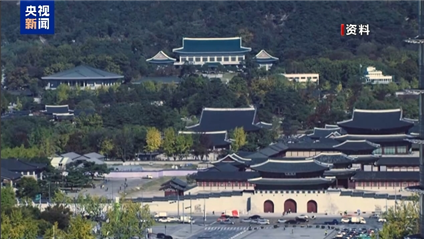
实用外交

Search documents
特朗普杀招立竿见影?李在明掏不出4000亿美元,对华态度果然转变了
Sou Hu Cai Jing· 2025-07-21 02:45
Group 1 - The core issue is that the South Korean economy is under unprecedented pressure due to U.S. tariffs, with a demand for $400 billion in "protection fees" that exceeds 80% of South Korea's annual budget [1][3][5] - The automotive industry is particularly affected, facing threats of additional tariffs on cars and core components, compounding existing challenges [3][5] - South Korea's GDP growth forecast has been halved, with exports to the U.S. down over 15% year-on-year, and the steel industry is in a state of decline [3][7] Group 2 - The U.S. has made provocative demands, including the complete opening of the agricultural market and the establishment of a $400 billion investment fund for South Korean companies to invest in the U.S., which has faced strong opposition domestically [3][5] - In response to these pressures, South Korea is seeking diplomatic breakthroughs, as evidenced by the launch of a certification center for the China-South Korea Free Trade Area, indicating a potential shift in foreign policy [5][7] - The deep economic ties with China complicate South Korea's position, as it must balance its alliance with the U.S. while navigating pressures from China [5][7] Group 3 - The extreme pressure from U.S. tariffs may backfire in the long term, as South Korea is looking to strengthen its economic ties with China through the Free Trade Area, which could alter the economic landscape in Northeast Asia [7] - The ongoing challenges, including the $400 billion demand and the agricultural market opening, create significant governance issues for the South Korean administration [7]

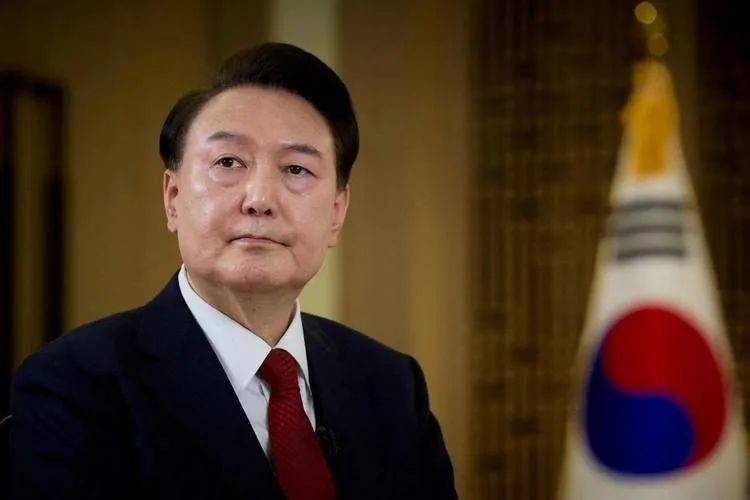
专访韩国前总统顾问:无论经济还是安全,中国对韩国都很重要
Xin Jing Bao· 2025-07-07 13:09
Group 1: Diplomatic and Security Policies - President Lee Jae-myung emphasizes a practical diplomacy centered on national interests, aiming to strengthen the Korea-U.S. alliance while improving relations with China and Russia [1][10] - Lee's administration has taken measures to ease tensions on the Korean Peninsula, including stopping the illegal distribution of leaflets to North Korea and halting loudspeaker broadcasts [3][4] - The importance of restoring summit diplomacy with China is highlighted, as it has been over 11 years since a Chinese president visited South Korea [11] Group 2: Economic Challenges - The South Korean economy is facing significant challenges, including the impact of the COVID-19 pandemic and trade wars, leading to a decline in the economic conditions of ordinary citizens [6] - Lee's government plans to issue universal subsidies to stimulate consumption and address structural economic issues [6] - There is a concern that South Korea is losing competitiveness in key industries such as semiconductors, shipbuilding, and automotive, which are crucial for its economy [6] Group 3: Domestic Political Landscape - The political landscape in South Korea is still recovering from the previous administration's controversies, with ongoing investigations into former President Yoon Suk-yeol and his associates [4][5] - Lee Jae-myung's administration is expected to push for constitutional reforms, including changes to presidential terms and power-sharing arrangements [5] - The process of constitutional reform is anticipated to be lengthy and requires consensus between the ruling and opposition parties [5]
韩国和特朗普没谈拢,李在明转头就找上中方:要加紧修复中韩关系
Sou Hu Cai Jing· 2025-07-07 02:45
Group 1 - The core viewpoint of the article is that South Korean President Lee Jae-myung is seeking to improve relations with China while facing challenges in negotiations with the United States regarding tariffs [1][3][5] - Lee Jae-myung emphasized the importance of the Korea-U.S. alliance and aims to deepen trilateral cooperation with the U.S. and Japan, while also focusing on improving relations with China and Russia [3][10] - The economic situation in South Korea is a significant concern for Lee, as the country has experienced a decline in exports and economic growth due to the tariff issues initiated by Trump [5][7] Group 2 - The automotive industry, a key pillar of the South Korean economy, has been severely impacted by the ongoing tariff disputes, prompting Lee to engage in negotiations with Trump [5][7] - Despite efforts to negotiate, Lee described the discussions with the U.S. as "very difficult," and there is uncertainty about reaching an agreement by the July 8 deadline [5][7] - The political instability in South Korea complicates Lee's ability to address these issues effectively, as opposition forces remain vigilant and influential [7][9] Group 3 - Lee's statements regarding improving relations with China may also be influenced by the need to mitigate the negative impacts of U.S. tariffs on South Korea's economy [7][10] - The improvement of South Korea-China relations is expected to be prioritized once Lee resolves domestic and international challenges [10]
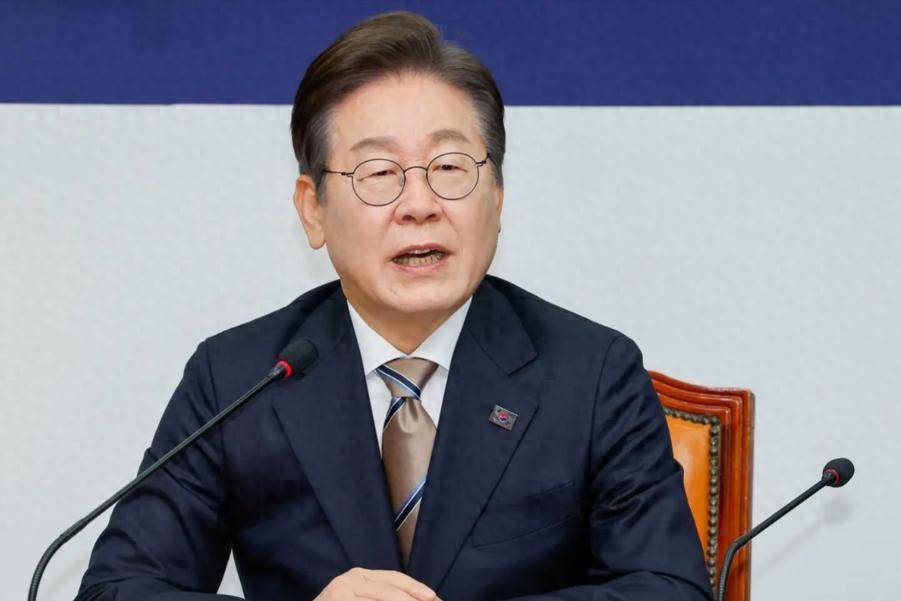
就任满月,韩国总统李在明召开记者会,就外交安全、经济民生等问题发表立场
Huan Qiu Shi Bao· 2025-07-03 22:47
Group 1: Economic Policy - The government plans to implement an expansionary fiscal policy, proposing an additional $14.7 billion in government spending to stimulate domestic demand [3] - President Lee Jae-myung emphasized the need for a multi-faceted approach to stabilize livelihoods and restore the disrupted social order as a top priority [4] - The government aims to promote balanced development and enhance the quality of life through a more robust social security system [4] Group 2: International Relations - President Lee highlighted the importance of strengthening the South Korea-U.S. alliance and deepening cooperation with Japan, despite historical issues [4] - He expressed a commitment to pragmatic diplomacy centered on national interests, while also seeking to improve relations with China and Russia [4] - The ongoing trade negotiations with the U.S. are acknowledged as challenging, with no clear resolution timeline yet established [3] Group 3: Domestic Governance - The recent press conference marked a shift towards more open communication with the public, contrasting with the previous administration's approach [5] - The appointment of Kim Min-sik as the first Prime Minister under Lee's administration was confirmed, emphasizing a focus on overcoming economic crises [6] - The government is committed to judicial reform, with President Lee reiterating his determination to reform the prosecution system [4]
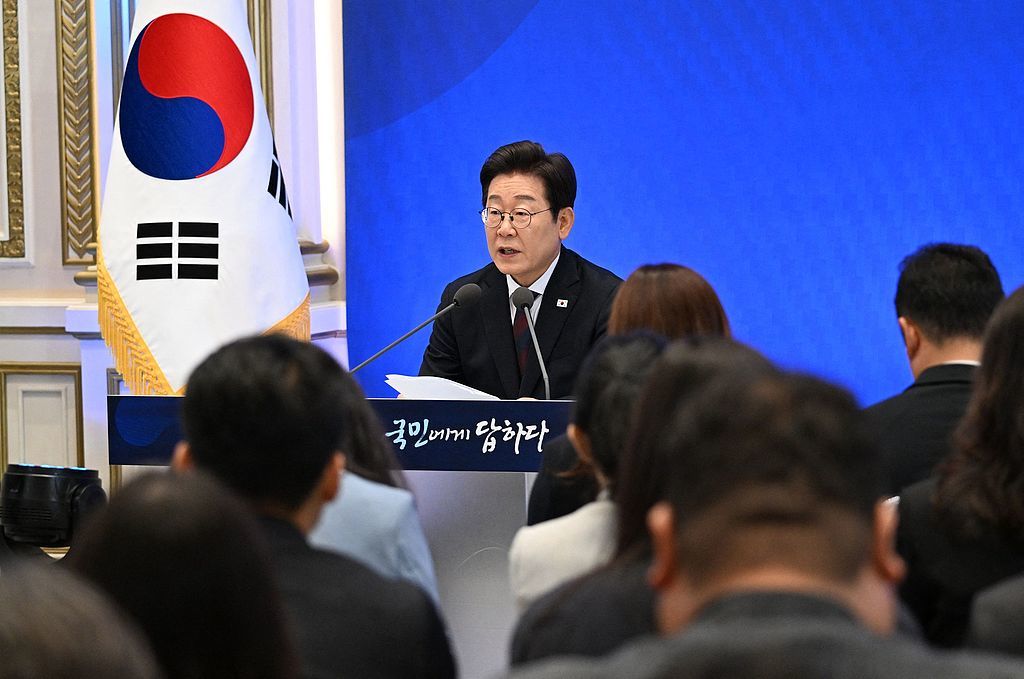
新华财经晚报:6月新能源市场比去年同期增长25%
Xin Hua Cai Jing· 2025-07-03 10:28
Group 1: Semiconductor Industry - The U.S. government has lifted export control requirements for chip design software to China, allowing companies like Siemens, Synopsys, and Cadence to fully restore access to their software and technology for Chinese customers [1][1][1] Group 2: Automotive Industry - In June, the retail sales of new energy vehicles in China reached 1.071 million units, marking a 25% increase compared to June of the previous year, with a penetration rate of 52.7% [2][2][2] - Cumulative retail sales of new energy vehicles in China for the year reached 5.429 million units, reflecting a year-on-year growth of 32% [2][2][2] - Wholesale sales of new energy vehicles in June totaled 1.259 million units, a 28% increase year-on-year, with a penetration rate of 50.9% [2][2][2] Group 3: Real Estate Market - In Shenzhen, the real estate market showed signs of recovery in the first half of the year, with over 65,000 new and second-hand homes sold, a year-on-year increase of 53.2% [2][2][2] - The sales of residential properties in Shenzhen exceeded 51,000 units, representing a 41.8% year-on-year growth [2][2][2] Group 4: International Relations and Economic Policies - South Korean President Lee Jae-myung emphasized the need to improve relations with China and Russia while strengthening ties with the U.S. and Japan [6][6][6] - The U.S. House of Representatives has advanced a significant tax and spending bill, clearing the way for further debate and voting [6][6][6] - The Bank of Japan is considering the possibility of resuming interest rate hikes if U.S. trade negotiations progress [6][6][6]
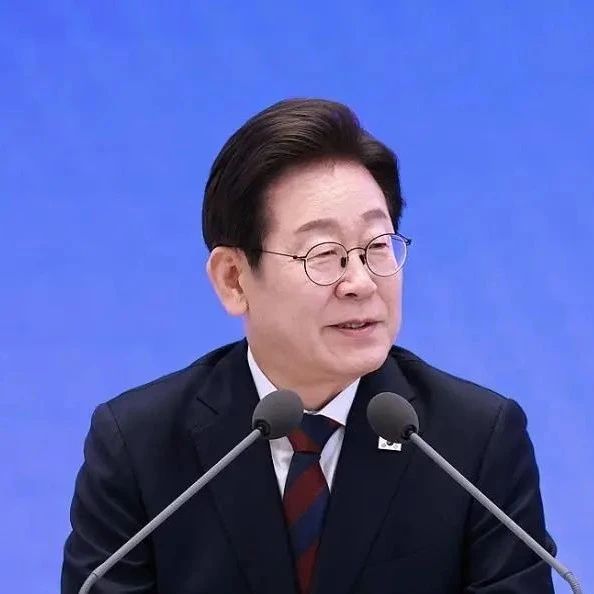
韩总统李在明最新涉华、涉朝表态
证券时报· 2025-07-03 07:57
Group 1 - The core viewpoint of the article emphasizes the urgent need for economic recovery in South Korea, as stated by President Lee Jae-myung during his first month in office [1][2] - President Lee announced the establishment of an "Emergency Economic Inspection Special Group" to gather ideas and solutions for reviving the economy and improving livelihoods [1] - The government has proposed an additional budget to stimulate economic recovery and encourage private consumption, urging the National Assembly to pass it swiftly [1] Group 2 - President Lee highlighted the importance of maintaining communication channels with North Korea, despite the current high levels of hostility and distrust [1] - He indicated that the South Korean government has already taken steps to ease tensions by halting border broadcasts to North Korea, which received a positive response from the North [1] - Lee advocates for a long-term perspective on inter-Korean relations, emphasizing the need for continued dialogue and cooperation for mutual benefit [1] Group 3 - President Lee aims to improve relations with China and Russia, basing this on a strong South Korea-U.S. alliance and close cooperation with Japan [2] - He plans to implement a "pragmatic diplomacy" centered on national interests to safeguard peace and the well-being of the citizens [2]

李在明最新涉华表态
券商中国· 2025-07-03 04:04
Group 1 - The core viewpoint of the article is that South Korean President Lee Jae-myung aims to improve relations with China and Russia while strengthening ties with the United States and Japan, focusing on practical diplomacy centered on national interests [1][2]. - Lee Jae-myung emphasizes the importance of a strong South Korea-U.S. alliance and close cooperation with Japan as foundational elements for his diplomatic strategy [1]. - The President plans to restart communication with North Korea, aiming for dialogue and cooperation to pave the way for peace on the Korean Peninsula [2].
X @外汇交易员
外汇交易员· 2025-07-03 03:19
Geopolitical Strategy - South Korea aims to pursue "pragmatic diplomacy" centered on national interests [1] - The focus includes maintaining a strong South Korea-US alliance and close cooperation between South Korea, the US, and Japan [1] - South Korea intends to improve relations with China and Russia as soon as possible [1] - The goal is to safeguard peace and the lives of South Korean citizens [1]
韩国总统:将尽快改善韩中关系
news flash· 2025-07-03 02:48
Core Viewpoint - The South Korean President Lee Jae-myung emphasized the need to improve South Korea-China relations while maintaining strong alliances with the U.S. and Japan, focusing on practical diplomacy centered on national interests [1] Group 1 - President Lee Jae-myung aims to enhance South Korea's diplomatic relations with China and Russia, indicating a shift towards a more pragmatic approach in foreign policy [1] - The strategy includes reinforcing the South Korea-U.S. alliance and close cooperation with Japan as foundational elements for this diplomatic effort [1] - Lee also highlighted the importance of restarting communication with North Korea to foster peace on the Korean Peninsula, indicating a dual focus on defense and dialogue [1]
韩国总统李在明就任后首次与特朗普通话,时长约20分钟,他们聊了些啥?
Mei Ri Jing Ji Xin Wen· 2025-06-07 01:09
Group 1 - The core viewpoint of the news is the restructuring of the South Korean presidential office under President Lee Jae-myung, focusing on economic growth and the establishment of new positions related to AI and gender equality [1][4][5] - President Lee Jae-myung appointed Kim Yong-bum as the head of the policy office and renamed the economic chief secretary to "Chief Secretary for Economic Growth," indicating a shift towards prioritizing economic issues [1][4] - A temporary organization has been established to facilitate the relocation of the presidential office back to Cheong Wa Dae, reflecting Lee's campaign promise to move the office after renovations [1] Group 2 - President Lee Jae-myung emphasized the need for urgent measures to address economic stagnation during his first state meeting, highlighting the challenges faced by the Korean public [4][5] - In his inaugural speech, President Lee committed to uniting the nation and addressing multiple crises, including economic and diplomatic challenges, while promoting high-tech industries like AI and semiconductors [5][6] - Lee aims to eliminate regional development disparities and enhance the global presence of South Korea's cultural industry, indicating a broader vision for national development [6]