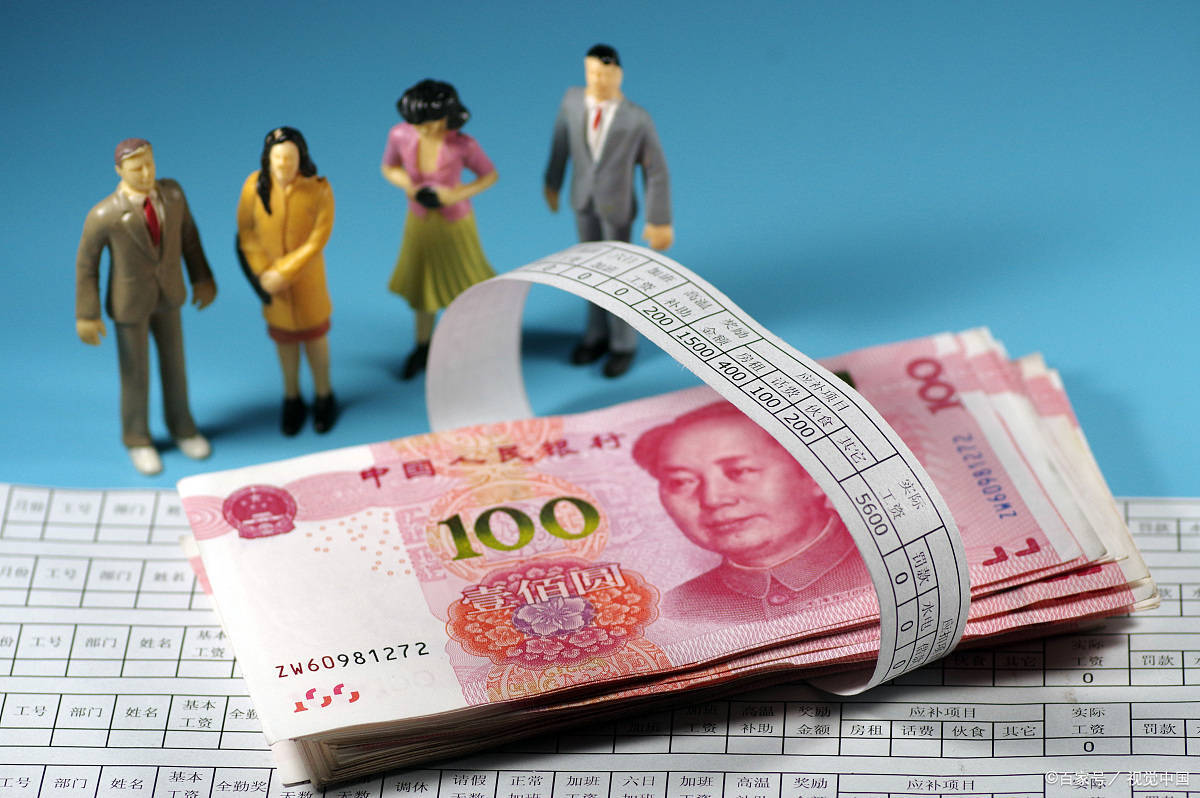
居民存款

Search documents
中国存款暴增,能一次性拿出30万的家庭,有多少?超乎你想象
Sou Hu Cai Jing· 2025-09-04 17:24
Core Insights - The significant increase in Chinese residents' bank deposits, amounting to 10.77 trillion yuan in the first half of 2025, reflects a growing tendency to save money for various reasons [1] - Despite the surge in deposits, the number of families able to withdraw 300,000 yuan at once is surprisingly low, with only 19.3% of households meeting this threshold [3][11] Group 1: Reasons for Increased Savings - Residents are saving to prepare for unexpected events such as unemployment and medical emergencies [1] - Savings are also aimed at future expenses related to children's education and retirement [1] - The rising risks associated with stock markets, funds, and bank wealth management products make bank deposits a safer option for preserving capital [1] Group 2: Challenges in Accumulating Savings - The average income of residents is relatively low, with most earning between 3,000 to 6,000 yuan per month, making it difficult to save substantial amounts [5] - High housing prices force over 90% of families to take out loans, consuming a significant portion of their income, which limits their ability to save [7] - Many young people lack a savings mindset, prioritizing immediate gratification and often resorting to borrowing for consumption [9] Group 3: Wealth Distribution - Wealth is concentrated among a small percentage of affluent individuals, with 2% of customers at a major bank holding 10 trillion yuan in deposits, while 98% hold only 3 trillion yuan [11] - The disparity in wealth distribution contributes to the low percentage of families capable of withdrawing 300,000 yuan at once, highlighting the financial struggles of the majority [11]


宏观:人民币汇率何时破7?
2025-09-01 02:01
Summary of Key Points from Conference Call Industry Overview - The discussion primarily revolves around the **Chinese currency (RMB) exchange rate** and its implications for the **Chinese asset market**. The analysis includes macroeconomic factors, particularly the influence of the **US dollar index** and **Producer Price Index (PPI)** on the RMB's performance. Core Insights and Arguments 1. **RMB Exchange Rate Trends**: The RMB exchange rate exhibits both **trend and cyclical characteristics**. Long-term depreciation is influenced by the US dollar index, while short-term fluctuations align with it. The RMB's actual effective exchange rate is expected to strengthen if the PPI rebounds significantly, which is anticipated in Q2 2026 [1][3][7]. 2. **Impact of PPI on RMB**: A significant rebound in China's PPI is crucial for enhancing market interest in Chinese assets and providing a basis for the RMB's appreciation. The PPI is expected to turn positive in 2026, which will improve the competitive landscape for Chinese enterprises [7][9][10]. 3. **Potential for RMB Appreciation**: The RMB is projected to appreciate significantly against a basket of currencies in 2026, with a potential entry into the "6 era" (6.1 to 6.9 range) depending on the US dollar's performance and PPI trends [11][14][15]. 4. **Foreign Investment and RMB**: The RMB's exchange rate against the USD is a critical observation point, as foreign capital inflows are necessary for the revaluation of Chinese assets. The lack of foreign investment in recent years has hindered this process [2][19]. 5. **Market Style Shift**: The asset style in China is expected to shift from long-duration assets to short-duration assets, focusing more on profitability rather than valuation. Growth sectors such as technology, consumer demand, and cyclical assets are likely to perform well [16][18]. 6. **Federal Reserve's Role**: The anticipated interest rate cuts by the Federal Reserve could catalyze RMB appreciation. The divergence in monetary policies between China and the US may alleviate the interest rate spread, supporting the RMB's strength [12][13][17]. 7. **Current Market Dynamics**: The A-share market has been buoyed by liquidity rather than earnings, with significant support from the central bank. The market is expected to continue its upward trajectory, driven by sectors aligned with the five-year planning cycle, particularly in technology and consumption [19][20][21]. Other Important but Overlooked Content 1. **Liquidity and Market Support**: The central bank's support through increased debt to financial companies has been crucial in stabilizing the market. However, the actual inflow of funds from residents into the stock market remains limited [20][24]. 2. **Investor Behavior**: Historical trends indicate that even in favorable conditions (low interest rates and high returns), significant capital inflows into the stock market have not materialized, suggesting a cautious investor sentiment [27][34]. 3. **Economic Indicators**: The relationship between savings rates and deposit growth is critical. A potential increase in the savings rate could signal a shift in risk appetite among investors, which may influence market dynamics [33][34]. This summary encapsulates the key points discussed in the conference call, focusing on the implications of the RMB exchange rate and the broader economic context affecting Chinese assets.
非银存款飙升2.14万亿,居民存款减少1.11万亿,结构性资金迁移加速
Sou Hu Cai Jing· 2025-08-18 04:00
Group 1 - The core viewpoint of the articles highlights a significant structural change in the financial landscape, with non-bank deposits reaching a record high of 2.14 trillion yuan in July, while resident deposits decreased by 1.11 trillion yuan [1][2] - The surge in non-bank deposits is closely linked to the strong performance of the capital markets, which has led to increased trading activity and higher margin deposits at securities firms [2][3] - There is a noticeable shift in asset allocation among residents, as funds move from traditional bank deposits to non-bank financial institutions, reflecting a changing investment mindset [3] Group 2 - The increase in non-bank deposits is attributed to a decline in deposit rates and a recovery in the capital markets, which has created a "see-saw" effect in asset allocation [3] - Financial products such as wealth management and funds are becoming significant destinations for resident funds, indicating a diversification in investment channels [3] - The capital market's strength since late June has attracted off-balance-sheet funds back into the banking system, further driving the growth of non-bank deposits [2]
房贷数据回升,楼市要起来了?
Sou Hu Cai Jing· 2025-07-26 16:06
Core Insights - The mid-to-long term loans, primarily housing loans, increased by 1.17 trillion yuan in the first half of the year, showing a stabilization compared to the previous year's 1.18 trillion yuan [1][3] - The surge in household deposits reached 10.77 trillion yuan, indicating a collective anxiety among residents, with an increase of 1.5 trillion yuan compared to the same period last year [3][4] - Consumer behavior reflects this anxiety, as short-term loans for daily consumption decreased by 300 million yuan, contrasting sharply with a growth of 276.4 billion yuan in the previous year [4][5] Housing Market Dynamics - The sales revenue of the top 100 real estate companies dropped nearly 12% in the first half of the year, despite the stability in housing loan scales [4][5] - The decline in housing sales is attributed to lower down payment requirements, with many buyers opting for lower initial payments, pushing the financial burden onto banks [4][5] - The second-hand housing market is experiencing increased activity through price reductions, but this is not indicative of a market recovery, as new housing sales continue to decline [5][6] Economic Sentiment - The current surge in deposits is seen as a reflection of the economy's temperature, with consumers acting cautiously and saving more [6][7] - The real recovery in the housing market will depend on improved consumer confidence, willingness to spend, and positive employment expectations [5][7] - The sentiment in the market is fragile, with real estate agents noting a significant drop in successful transactions, indicating a lack of confidence among buyers [7]

澳门金管局:5月广义货币供应量回升 流通货币及活期存款分别上升0.1%及3.4%
Zhi Tong Cai Jing· 2025-07-09 11:25
Group 1: Monetary Supply and Deposits - The broad money supply in Macau increased in May 2025, with M1 rising by 2.4% and M2 increasing by 1.2% to 815.7 billion MOP [1] - Resident deposits rose by 1.3% to 794.7 billion MOP, while non-resident deposits increased by 0.4% to 351.0 billion MOP [2] - The total deposits in the banking system increased by 1.4% to 1,361.7 billion MOP, with the composition of deposits being 19.2% MOP, 47.0% HKD, 8.7% RMB, and 23.4% USD [2] Group 2: Loans - Local private sector loans decreased by 1.4% to 498.5 billion MOP, and external sector loans fell by 7.6% to 495.2 billion MOP [3] - The total private sector loans declined by 4.6% to 993.7 billion MOP, with the currency composition being 22.3% MOP, 43.8% HKD, 8.8% RMB, and 21.8% USD [3] Group 3: Banking Operations - As of the end of May 2025, the loan-to-deposit ratio for local residents dropped to 49.3%, while the overall loan-to-deposit ratio, including non-residents, decreased to 73.0% [4] - The liquidity ratios for one month and three months stood at 65.7% and 57.9%, respectively [4] - The non-performing loan ratio increased to 5.7% due to a decline in total loans [4]
银行经理直言:个人存款超过50万的,就已经超越全国98%的家庭了
Sou Hu Cai Jing· 2025-07-01 05:47
Group 1 - The core viewpoint is that the rising enthusiasm for savings among Chinese residents is significantly influenced by the impact of the three-year pandemic, leading to a preference for safer bank deposits over riskier investment channels [1][3] - There is a stark disparity in the total amount of personal savings, with only 0.37% of households having savings exceeding 500,000 yuan, which translates to approximately 5.18 million households in a population of around 1.4 billion [3][7] - The wealth gap is a major factor contributing to this disparity, with only 2% of the population holding 80% of the savings, while 98% share just 20% [7][10] Group 2 - The difficulty for ordinary families to accumulate 500,000 yuan in savings is highlighted, as most have a monthly income between 3,000 and 6,000 yuan, making it challenging to save significant amounts due to rising living costs [7][10] - High housing prices consume a large portion of family savings, with typical homes in first to third-tier cities costing between 1 million to 2 million yuan, leading to long-term mortgage burdens [7][10] - The emergence of high-risk investment options, such as P2P lending, has diverted funds from families that could otherwise contribute to higher savings, affecting the proportion of families with substantial deposits [8][10]
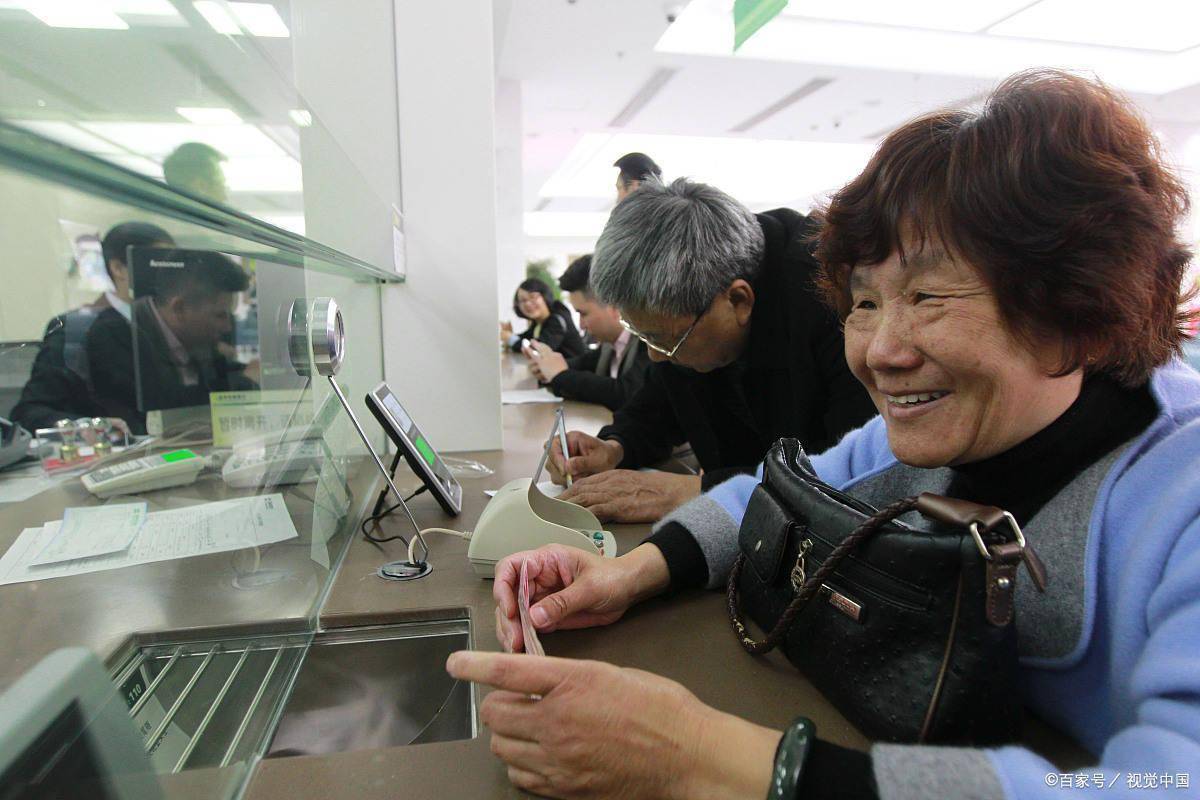
2025年,如果你的存款超过这个数,基本上就超过了全国70%的人!
Sou Hu Cai Jing· 2025-06-24 05:55
Core Viewpoint - The Chinese deposit market has experienced significant fluctuations in 2023, with a record increase in household deposits followed by a sharp decline, reflecting underlying economic uncertainties and financial pressures faced by families [1][3]. Group 1: Deposit Market Trends - From January to September 2023, household deposits surged by 14.42 trillion yuan, reaching a historical high, driven by concerns over unemployment, health issues, and economic downturn risks [1]. - In October 2023, there was a sudden drop in household deposits by 636.9 billion yuan, indicating a reversal in the previously positive trend [1]. Group 2: Factors Influencing Savings Behavior - The continuous reduction in deposit interest rates has diminished the attractiveness of saving, prompting many to shift funds towards consumption or other investment avenues for better returns [3]. - Economic pressures have led to a general decline in household income while living costs remain high, significantly reducing disposable income and making wealth accumulation increasingly difficult [3]. Group 3: Financial Status of Households - Data shows that less than 30% of depositors have savings exceeding 300,000 yuan, highlighting that over 70% of Chinese families have bank deposits below this threshold, which is considered a challenging financial target for most [5][8]. - Many households face low income and high expenses, with monthly incomes typically ranging from 3,000 to 6,000 yuan, while only 3% earn over 7,000 yuan, making it hard to save [5]. - Heavy debt burdens from mortgages, car loans, and consumer loans further strain household finances, leaving minimal disposable income for savings [6]. - The collapse of the P2P lending sector has severely impacted middle-class families, many of whom lost significant savings, further complicating their ability to save [6][8].