
常态化精准帮扶

Search documents
中央一号文件释放重要信号:实施常态化精准帮扶 因地制宜发展农业新质生产力
Jin Rong Shi Bao· 2026-02-06 01:04
Core Viewpoint - The "Opinions" issued by the Central Committee and the State Council emphasize the importance of stabilizing grain and oil production, promoting agricultural modernization, and implementing regular precise assistance to ensure rural revitalization and farmers' income growth [1][2][3]. Group 1: Agricultural Production Capacity and Quality - The "Opinions" aim to stabilize grain production at around 1.4 trillion jin, emphasizing the integration of production capacity, ecological sustainability, and income growth [2]. - The focus is on optimizing agricultural production structure and enhancing grain quality, with projects to improve grain circulation efficiency [2]. - The agricultural development strategy includes increasing the area of high-standard farmland to 75.68 million mu by 2025 and achieving a mechanization rate of 76.7% for crop farming [5][6]. Group 2: Regular Precise Assistance - By the end of 2025, over 7 million monitoring objects will be identified for assistance, with a focus on preventing poverty and promoting stable employment for over 32 million former poverty-stricken laborers [3][4]. - The transition to regular precise assistance marks a shift from temporary measures to a sustainable system that integrates financial and resource policies into rural revitalization [3][4]. Group 3: Farmers' Income Growth - The "Opinions" highlight the goal of increasing farmers' disposable income to 24,456 yuan by 2025, reflecting a 6% real growth compared to the previous year [7]. - Measures to promote income growth include enhancing the quality and efficiency of rural industries and supporting employment stability for migrant workers [8]. - The strategy includes expanding rural consumption through new business models and improving service levels, which is expected to stimulate significant consumer spending [8].
推动乡村全面振兴取得新进展(锐财经)
Ren Min Ri Bao Hai Wai Ban· 2026-02-05 23:00
Core Viewpoint - The central government of China has released the 14th consecutive guiding document on agricultural and rural modernization, emphasizing practical policies to address farmers' urgent needs and promote rural revitalization and agricultural modernization [2][3]. Group 1: Agricultural Production Capacity Enhancement - By 2025, agricultural production capacity is expected to reach new heights, with grain output stabilizing above 1.4 trillion jin for two consecutive years, aiming for 1.43 trillion jin in 2025, setting historical records for total output and yield [3]. - The document stresses the importance of maintaining grain security and outlines measures to enhance agricultural production capacity, focusing on stable acreage and increased yield, as well as optimizing planting structures and improving quality [3][4]. Group 2: Farmers' Income Stability - Increasing farmers' income remains a central task, with policies aimed at stabilizing agricultural earnings through minimum purchase prices and subsidies for key crops [7]. - The government plans to support local economies by promoting county-level industries and ensuring stable employment for migrant workers through various support measures and vocational training [7]. Group 3: Continuous Support for Poverty Alleviation - The document introduces a systematic approach to "regularized precise assistance" to consolidate poverty alleviation achievements, focusing on dynamic management of assistance targets and ensuring early intervention for at-risk populations [8]. - It emphasizes the need for stable financial and resource support for poverty alleviation efforts, maintaining consistent funding levels and integrating assistance into broader rural revitalization strategies [9].

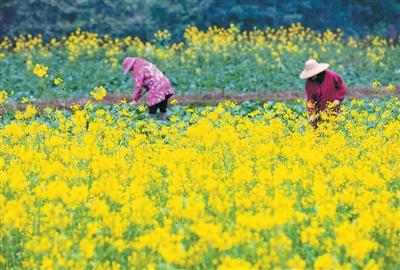
精准帮扶促增收 塑形铸魂两不误
Xin Lang Cai Jing· 2026-02-04 22:38
Core Viewpoint - The central government has introduced the 14th guiding document on "agriculture, rural areas, and farmers" since the 18th National Congress, focusing on modernizing agriculture and rural revitalization with practical policies to address urgent issues faced by farmers [1] Group 1: Key Tasks and Support Measures - The central document emphasizes "four key tasks" and "two major support guarantees" in the agricultural sector, with a focus on practical and effective policy measures [1] - The introduction of "normalized precise assistance" as a key task aims to consolidate and expand the achievements of poverty alleviation, with a five-year transition period from 2021 to 2025 [2] - The document outlines a dynamic management approach for assistance targets, ensuring comprehensive monitoring to prevent poverty and establish a rapid response mechanism [2] Group 2: Income Growth and Employment Stability - The goal is to increase farmers' disposable income to 24,456 yuan by 2025, reflecting a 6% increase from the previous year, while reducing the urban-rural income gap from 2.56:1 in 2020 to 2.31:1 [3] - Measures to stabilize employment for migrant workers and ensure farmers' income from agricultural activities are prioritized, including the use of price, subsidy, and insurance policies [4] - The document encourages the development of local industries and the effective use of rural idle resources to enhance collective economic benefits for farmers [4] Group 3: Cultural and Social Development - The document stresses the importance of both material and spiritual civilization in rural revitalization, advocating for the promotion of cultural reforms and the establishment of correct social values [5] - Continuous efforts to address issues like high bride prices are highlighted, linking economic burdens to the cultivation of a harmonious rural culture [5] - Specific initiatives are outlined to improve living conditions in rural areas, including infrastructure development and enhancement of public services in education, healthcare, and elder care [6]
推动农业农村现代化再上新台阶——中央农办有关负责同志解读中央一号文件精神
Jing Ji Ri Bao· 2026-02-04 22:15
Core Viewpoint - The central government's No. 1 document for this year emphasizes practical policies aimed at addressing urgent issues faced by farmers, signaling a strong commitment to agricultural development and rural welfare [1] Group 1: Key Tasks and Support Mechanisms - The document outlines "four key tasks" which include enhancing agricultural production capacity and quality, implementing regular precise assistance, promoting stable income growth for farmers, and advancing the construction of livable and workable beautiful villages [1] - It also identifies "two major support mechanisms" which focus on strengthening institutional innovation and enhancing the Party's comprehensive leadership over agricultural work [1] Group 2: Food Security and Agricultural Production - Food security is highlighted as a critical national priority, with the current situation described as "generally secure, with a tight balance between supply and demand" [2] - The document stresses the need to maintain production capacity, improve quality, and implement a new round of actions to enhance grain production capacity, aiming for a significant increase in output [2] - It calls for improved disaster prevention and response mechanisms to ensure resilience against extreme weather events [2] Group 3: Income Growth for Farmers - Increasing farmers' income remains a central task, with recent trends showing stable growth in rural incomes, although challenges such as low agricultural product prices and employment pressures persist [3] - The document proposes a comprehensive set of measures to stabilize farmers' income from agriculture, develop county-level industries, and optimize the use of rural idle resources [3] - It emphasizes the goal of modernizing agriculture, focusing on enriching agricultural connotations, enhancing the industry system, and increasing product value [3]
中央农办详解中央一号文件:促进农民增收 多渠道增加财产性收入
2 1 Shi Ji Jing Ji Bao Dao· 2026-02-04 13:35
Core Viewpoint - The recently released Central Document No. 1 outlines major tasks and key work in the "Three Rural Issues" sector for the year, emphasizing four key tasks and two major support guarantees to promote agricultural modernization and rural revitalization [1][2]. Group 1: Key Tasks - The four key tasks focus on enhancing agricultural production capacity and quality, implementing normalized precise assistance, promoting stable income growth for farmers, and advancing the construction of livable and workable beautiful villages [1][2]. - The document emphasizes the need to maintain national food security, consolidate poverty alleviation achievements, and improve rural industry, construction, and governance levels [1]. Group 2: Support Guarantees - The two major support guarantees include strengthening institutional innovation and enhancing the Party's comprehensive leadership over "Three Rural Issues" work [1]. - The document aims to leverage the Party's leadership as a significant advantage and improve the effectiveness of agricultural support policies through reform and innovation [1]. Group 3: Normalized Precise Assistance - The document introduces normalized precise assistance as a new phase in poverty alleviation, emphasizing the need for dynamic management of assistance recipients to prevent poverty [2][4]. - It outlines four design arrangements for normalized assistance, including dynamic management of assistance recipients, precise and efficient assistance methods, stratified and categorized assistance regions, and maintaining overall stability in assistance policies [4][5]. Group 4: Food Security and Technological Innovation - Food security is highlighted as a critical task, with a focus on maintaining stable grain production and enhancing agricultural production capacity through technological innovation [6][7]. - The document outlines three measures to promote agricultural technology innovation, including strengthening integrated innovation, expanding application scenarios, and facilitating the transformation of technological achievements [7][8]. Group 5: Income Growth Measures - The document proposes a comprehensive set of measures to promote stable income growth for farmers, including stabilizing farming income, developing county-level industries, and supporting employment for migrant workers [9][10]. - Specific measures include utilizing price, subsidy, and insurance policies to protect farmers' income, promoting local economic development, and enhancing employment support for migrant workers [9][10]. Group 6: Land Contracting and Management - The document emphasizes the importance of land contracting, stating that the second round of land contracting will be extended for another 30 years, ensuring stability for most farmers [11]. - It highlights the need for standardized management of land use rights and the importance of protecting the legal rights of both parties involved in land transfers [11].
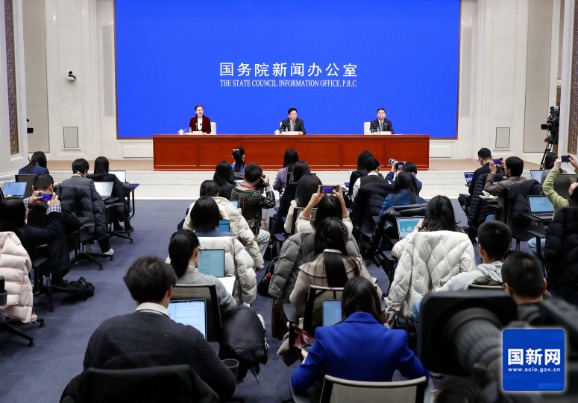
主播说联播丨2026年中央一号文件,新提法有深意
Yang Shi Xin Wen Ke Hu Duan· 2026-02-04 13:29
Core Points - The central document for 2026 emphasizes the importance of increasing farmers' income as a key focus for agricultural and rural work, marking it as a priority in the government's agenda [3][4] - The document introduces the concept of "normalized precise assistance" to ensure the sustainability of poverty alleviation achievements, transitioning into a new phase of support after the five-year transition period [3] - The goal for grain production is set to stabilize at approximately 1.4 trillion jin, with plans for a new round of actions to enhance grain production capacity [3] Summary by Sections Agricultural and Rural Work - The 2026 central document is the first of the "14th" since the 18th National Congress, focusing on agricultural and rural modernization as a crucial part of China's overall modernization strategy [3][4] - The document reiterates that addressing "three rural issues" (agriculture, rural areas, and farmers) is a top priority for the entire party [4] Income Generation - The document outlines strategies to promote stable income growth for farmers, focusing on both operational and wage income [3] - Emphasis is placed on protecting and encouraging farmers' enthusiasm for agricultural production [3] Goals and Implementation - The document sets clear targets and timelines for agricultural modernization, indicating a structured approach to annual work planning [3] - The importance of grain production is highlighted, with a commitment to maintaining a stable output level [3]

中央农办详解中央一号文件:促进农民增收,多渠道增加财产性收入
2 1 Shi Ji Jing Ji Bao Dao· 2026-02-04 13:16
Core Viewpoint - The recently published Central Document No. 1 outlines major tasks and key work in the "Three Rural Issues" sector for the year, emphasizing four key tasks and two major support guarantees to promote agricultural modernization and rural revitalization [2][4]. Group 1: Key Tasks - The four key tasks focus on enhancing agricultural production capacity and quality, implementing normalized precise assistance, promoting stable income growth for farmers, and advancing the construction of livable and workable beautiful villages [2][4]. - The document emphasizes the need for precise policies tailored to local conditions, ensuring food security, consolidating poverty alleviation achievements, and improving rural industry, construction, and governance levels [2][4]. Group 2: Support Guarantees - The two major support guarantees include strengthening institutional innovation and enhancing the Party's comprehensive leadership over "Three Rural Issues" work [2][4]. - The document aims to leverage the Party's leadership advantage and drive reform and innovation to improve the effectiveness of agricultural support policies [2][4]. Group 3: Normalized Precise Assistance - The transition period for poverty alleviation has ended, marking the beginning of a new phase of normalized assistance, which is now integrated into the rural revitalization strategy [4]. - The document outlines four aspects of normalized assistance: dynamic management of assistance targets, precise and efficient assistance methods, stratified and categorized assistance regions, and maintaining overall stability in assistance policies [5][6]. Group 4: Agricultural Production and Technology - Food security is highlighted as a critical task, with a focus on maintaining stable grain production and enhancing agricultural productivity through technological innovation [6][8]. - The document emphasizes the integration of technology in agriculture, promoting the application of AI and other modern technologies to enhance production capacity [6][7]. Group 5: Income Growth Measures - The document proposes a comprehensive set of measures to promote stable income growth for farmers, including stabilizing farming income, developing county-level industries, supporting migrant workers' employment, and utilizing idle rural resources [11][12]. - Specific measures include ensuring farmers' income through price, subsidy, and insurance policies, and promoting the development of local industries based on regional resources [11][12]. Group 6: Land Contracting and Management - The document outlines plans for the second round of land contracting, emphasizing stability and gradual adjustments to ensure that most farmers retain their original contracted land [13]. - It stresses the importance of regulating land transfer rights and protecting the legal rights of both parties involved in land transactions [13].
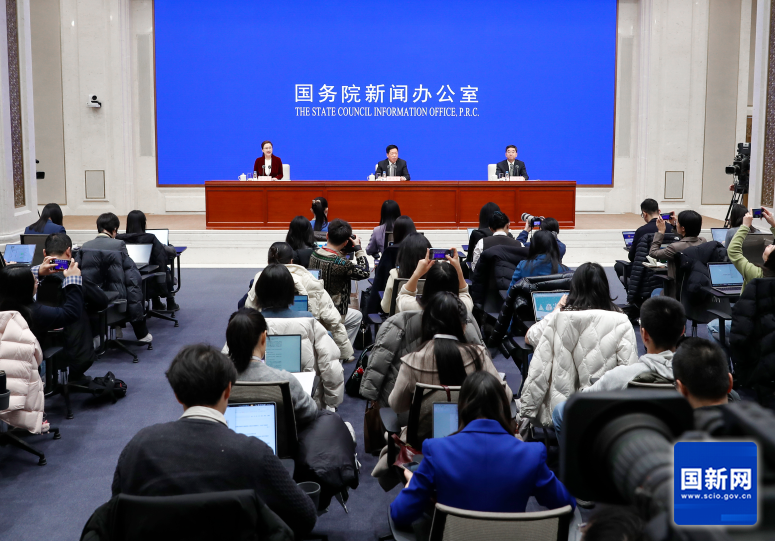
21评论|为何中央一号文件强调“促进农民稳定增收”?
2 1 Shi Ji Jing Ji Bao Dao· 2026-02-04 12:33
钟钰(中国农业科学院农业经济与发展研究所研究员) 2月4日,中央财办副主任、中央农办副主任祝卫东在新闻发布会上表示,近年来,农民收入稳定增长, 城乡居民收入倍差持续缩小。同时也要看到,当前部分农产品价格较为低迷,农民工稳岗就业压力增 大,农民增收形势不容乐观。 对此,近日发布的2026年中央一号文件(《中共中央国务院关于锚定农业农村现代化扎实推进乡村全面 振兴的意见》)提出,积极促进农民稳定增收。从今年的一号文件来看,主要从增产增收一起抓、防止 返贫致贫对象经营增收、新型农业经营主体带动增收等层面精准发力,持续推动农民增收。 (文章来源:21世纪经济报道) 首先,文件明确提出"增产增收一起抓",这表明当前粮食安全保障的重点不仅是"保数量",更要通 过"提质量"和"增效益"来实现粮食增产与农民增收的协调发展。文件所提出的实施新一轮千亿斤粮食产 能提升行动、促进良田良种良机良法集成增效、推进粮油作物大面积提单产,不仅是确保粮食生产能力 稳定提升,更是在稳定农民经营性收入的基本盘;引导农业企业在粮食主产区布局加工产能,做大做强 粮食产业,这能将更多的产业增值收益留在县域、留给农民,为农民收入提高创造更多机会;强化价 ...
中央一号文件发布!乡村振兴迎来新部署
Mei Ri Jing Ji Xin Wen· 2026-02-04 12:31
Core Viewpoint - The document outlines the central government's new policies aimed at modernizing agriculture and rural areas, emphasizing comprehensive rural revitalization and introducing new initiatives such as improving grain circulation efficiency and integrating artificial intelligence in agriculture [1][4]. Grain Circulation Improvement - The policy aims to stabilize grain production at approximately 1.4 trillion jin (700 million tons) and implement a new round of actions to enhance grain production capacity [2]. - The introduction of "grain circulation quality improvement projects" is a significant new initiative, focusing on optimizing agricultural production structures and enhancing grain quality [2][3]. - The emphasis is on meeting the rising quality demands of consumers while ensuring that high-quality grains can achieve better market prices [3]. Artificial Intelligence in Agriculture - The document encourages the integration of artificial intelligence with agriculture, promoting the use of drones, IoT, and robotics to enhance agricultural productivity [4]. - The successful application of these technologies in agriculture is contingent upon their scalability and the tangible benefits they provide to users [5]. Continuous Support for Poverty Alleviation - The policy introduces "normalized precise assistance" to address the transitional period following the end of the poverty alleviation campaign, ensuring ongoing support for vulnerable populations [6]. - Measures include improving the precision and timeliness of assistance, enhancing the effectiveness of industry and employment support, and categorizing aid for underdeveloped areas [6][7]. Expanding Rural Consumption - The document highlights the importance of expanding rural consumption as a means to stimulate domestic demand and enhance economic circulation between urban and rural areas [8][9]. - It supports the development of new consumption models and the improvement of rural consumption infrastructure, aligning with national policies aimed at upgrading consumer goods [9][10]. Area-Based Rural Revitalization - The policy introduces a "regional approach" to rural revitalization, advocating for a more integrated development strategy that transcends administrative boundaries [11][12]. - This approach aims to optimize resource allocation and enhance the quality of rural living conditions by fostering collaboration among neighboring villages [12][13].
@所有人,中央一号文件这些提法与你有关→
Jin Rong Shi Bao· 2026-02-04 11:33
2月3日,《中共中央 国务院关于锚定农业农村现代化 扎实推进乡村全面振兴的意见》(以下简称《意 见》)正式发布。这是党的十八大以来,第14份指导"三农"工作的中央一号文件,也是"十五五"首个中 央一号文件。 粮食安全是"国之大者",确保国家粮食安全是"三农"工作的底线任务。在提升农业综合生产能力和质量 效益方面,《意见》提出,稳定发展粮油生产。粮食产量稳定在1.4万亿斤左右。坚持产量产能、生产 生态、增产增收一起抓,加力实施新一轮千亿斤粮食产能提升行动,促进良田良种良机良法集成增效, 推进粮油作物大面积提单产。 与此同时,《意见》提出,因地制宜优化农业生产结构和区域布局,推动粮食品种培优和品质提升,实 施粮食流通提质增效项目,促进适销对路、优质优价。 总的来看,《意见》着眼于守牢国家粮食安全底线,强调要坚持产量产能、生产生态、增产增收三个一 起抓,对提升农业综合生产能力和质量效益作出了部署。在农业农村部农村经济研究中心主任赵长保看 来,一是保数量,要持续提升农业综合生产能力,稳定粮食播种面积,把粮油作物大面积单产提升作为 关键举措,牢牢掌握粮食安全的主动权;二是提质量,要加快农业发展方式转变,促进农产品供给品 ...