
文化软实力

Search documents
青海不断提升文化软实力
Xin Lang Cai Jing· 2026-01-01 19:47
Core Insights - The "14th Five-Year Plan" period has seen significant achievements in the cultural and ideological sectors of Qinghai Province, marking a five-year journey towards modernization and enhanced cultural soft power [1] Group 1: Cultural and Tourism Development - Qinghai has optimized and launched 8 ecological cultural tourism routes and 6 premium study tourism lines [1] - The Qinghai Lake Ecological Tourism Demonstration Zone has introduced unique products focusing on "viewing the lake, fish, birds, and antelopes" [1] - The Kanbula area has been awarded the title of World Geopark, while Chaka Salt Lake has been included in the "2025 China 100 Must-Visit Attractions" list [1] - The integration of "culture and tourism" has led to the popularity of unique districts such as Leopard Street and South Nan Street, with events, ice and snow activities, and performing arts becoming new highlights in highland tourism [1] Group 2: Investment in Cultural Infrastructure - During the "14th Five-Year Plan" period, Qinghai invested 100 million yuan to equip 2,000 villages and communities with cultural equipment such as performance costumes, sound systems, and musical instruments [1] - The province has implemented a total branch system for 45 county-level cultural centers and 41 county-level libraries, establishing 252 library branches and 231 cultural center branches, achieving near-total coverage across the province [1]
华金证券党委书记、总裁燕文波:以文化软实力铸就高质量发展硬支撑
Zhong Guo Zheng Quan Bao· 2025-12-30 00:46
Core Viewpoint - The competition among securities firms in China has evolved beyond capital and scale to include strategic layout, corporate governance, and cultural "soft power" as key factors for success [1]. Group 1: Corporate Culture and Strategic Layout - The corporate culture of Huajin Securities is deeply influenced by its origins and strategic layout, with its parent company being Zhuhai Huafa Group, a leading state-owned enterprise in Zhuhai, which emphasizes service to the Guangdong-Hong Kong-Macao Greater Bay Area [2]. - The company has established its headquarters in Shanghai, integrating into the Yangtze River Delta development, allowing it to leverage the innovation and industrial advantages of the Greater Bay Area alongside the capital market strengths of the Yangtze River Delta [2]. - Huajin Securities aims to build a distinctive brokerage brand focused on regional and industrial strengths, aligning its cultural system with its strategic vision of becoming a competitive player in the market [2][3]. Group 2: Governance and Compliance - The company has developed a governance structure where the Party Committee leads, the Board makes strategic decisions, and the management is responsible for operations, ensuring that cultural development aligns with national strategies and industry directions [3]. - Huajin Securities emphasizes compliance and risk management as fundamental to its survival and growth, promoting a culture of compliance that is integrated into all levels of the organization [4]. - The company has implemented a comprehensive compliance culture through initiatives like the "Compliance Culture Construction Year," enhancing employee engagement and understanding of compliance responsibilities [4][5]. Group 3: Risk Management - Huajin Securities is committed to a "full staff, full process, full coverage" compliance and risk control culture, viewing it as a solemn commitment to clients and the financial market [4]. - The company has established a risk management culture that emphasizes a "steady" risk appetite, supported by a three-tier risk limit system involving the Board, risk management committee, and business white papers [4]. - Continuous risk management training is conducted to align with regulatory dynamics and business development, reinforcing the importance of risk management within the company [5]. Group 4: Human Resources and Employee Engagement - The company focuses on a "selection, use, training, and retention" mechanism that aligns with its strategic goals, aiming to stimulate talent vitality [6]. - Huajin Securities has developed a performance-based compensation system that balances financial metrics with compliance and risk management indicators, promoting a culture of shared interests and risk [6]. - Employee care is a significant aspect of the corporate culture, with initiatives aimed at enhancing employee belonging and cohesion, contributing to the company's high-quality development [7]. Group 5: Social Responsibility and Brand Management - The ultimate value of corporate culture is to enhance the company's economic and social responsibilities, with Huajin Securities promoting its compliance, integrity, professionalism, and stability through a unified external image [8]. - The company actively engages in investor education and protection, reflecting its commitment to social responsibility and earning recognition for its efforts [9]. - Huajin Securities integrates various cultural dimensions, including compliance, risk, integrity, human resources, brand, reputation, and social responsibility, into a cohesive cultural framework that supports its strategic objectives [9][10]. Group 6: Future Outlook - Looking ahead, Huajin Securities aims to deepen its cultural roots and promote the establishment of a distinctive financial culture in China, contributing to the broader goal of building a strong financial nation [10].
夯实文化软实力 积极履责显担当 | 华金证券党委书记、总裁燕文波:以文化软实力铸就高质量发展硬支撑
Zhong Guo Zheng Quan Bao· 2025-12-29 23:08
Core Viewpoint - The article emphasizes the importance of cultural construction and social responsibility for securities companies in achieving high-quality development, as outlined in the "14th Five-Year Plan" [1] Group 1: Cultural and Strategic Development - The company focuses on optimizing its financial institution system, enhancing governance, and developing a unique brand that aligns with national strategies [2][3] - The strategic layout of the company leverages its unique position in the Guangdong-Hong Kong-Macao Greater Bay Area and the Yangtze River Delta, aiming to create a competitive securities brand [3][4] Group 2: Governance and Compliance - The company has established a governance structure that integrates party leadership with corporate governance, ensuring alignment with national strategies and industry directions [4] - A comprehensive compliance and risk control culture is being developed, emphasizing the importance of compliance as a core value and operational necessity [6][7] Group 3: Human Resources and Employee Engagement - The company is building a talent management system that aligns with its strategic goals, focusing on performance evaluation that balances financial and compliance metrics [8] - Employee care is a key component of the corporate culture, enhancing employee cohesion and commitment to the company's development [9] Group 4: Social Responsibility and Market Engagement - The company aims to fulfill its economic and social responsibilities by promoting its research and business highlights in various financial sectors [10][11] - It actively engages in investor education and protection, reflecting its commitment to social responsibility and community engagement [12]
青海文化软实力显著提升
Xin Lang Cai Jing· 2025-12-26 21:02
Group 1 - The core viewpoint of the article highlights the significant cultural achievements and advancements in Qinghai during the "14th Five-Year Plan" period, emphasizing the province's commitment to enhancing its cultural soft power and promoting ecological civilization [1] Group 2 - During the "14th Five-Year Plan," over 5.8 million people were reached through various theoretical promotion activities, with a 59.12% increase in social science projects compared to the previous five years [2] - Qinghai has been featured in more than 110 segments on CCTV's "News Broadcast" annually, with a substantial increase in media coverage from major national outlets [3] - The province has established 156 patriotic education bases and has been recognized for its efforts in promoting national spirit and cultural values, with numerous awards and recognitions for exemplary individuals and communities [4] Group 3 - Qinghai has achieved national-level awards in various cultural fields, including documentaries and performing arts, with significant grassroots engagement in cultural promotion activities [5] - Cultural activities in Qinghai have reached over 36 million people annually, with a notable increase in film box office revenue and audience attendance [6] Group 4 - Qinghai has successfully hosted international cultural exchange activities, enhancing its global presence and promoting its cultural narrative to various countries [7]
年终特稿|出彩、出圈、出海,中国向世界呈现文化新样貌
Huan Qiu Wang· 2025-12-18 05:55
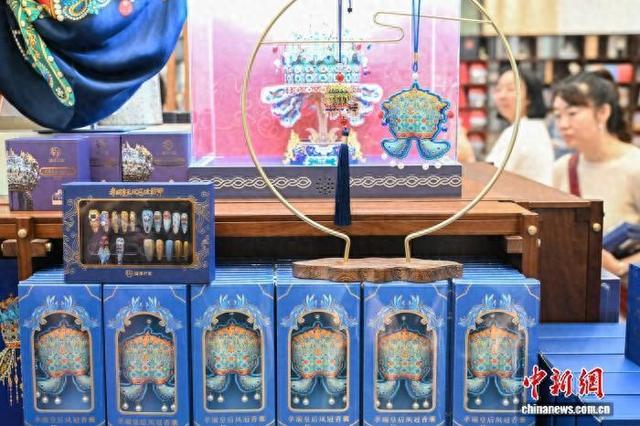
Group 1 - The film "Ne Zha" has broken global animation box office records, showcasing the potential of Chinese cultural IPs in the global market [1][3] - The cumulative sales of the cultural product, the Fengguan refrigerator magnet, have surpassed 2 million units, indicating the strong demand for traditional culture in contemporary consumer markets [3][4] - The success of these cultural products reflects a shift in consumer behavior, where purchases are increasingly driven by emotional satisfaction rather than mere necessity [4][6] Group 2 - The LABUBU character has gained international popularity, with significant sales achievements in various global markets, including a record-breaking first-day revenue of 10 million RMB in Thailand [6] - The emergence of new cultural phenomena in 2025 highlights the innovative transformation of traditional IPs and the impact of technology on cultural expression [6][7] - The international appeal of Chinese cultural products is enhancing the global perception of "Made in China," showcasing the country's cultural soft power [6][7]

出彩、出圈、出海,中国向世界呈现文化新样貌
Huan Qiu Wang· 2025-12-18 02:21
Core Insights - The article highlights the emergence of diverse cultural IPs in China, showcasing their global impact and popularity, such as the animated film "Ne Zha" breaking box office records and the cultural product "Fengguan" refrigerator magnets achieving significant sales milestones [1][3][4]. Group 1: Cultural IP Success - The animated film "Ne Zha" has set a new global box office record for animated films, reflecting the strong influence of Chinese cinema [1][3]. - The film's narrative incorporates modern themes such as generational conflict and self-empowerment, resonating with both local and global audiences [3][4]. - The phrase "助我破鼎" from the film has been recognized as one of the top ten internet buzzwords for 2025, indicating its cultural penetration [3]. Group 2: Cultural Products and Consumer Trends - The "Fengguan" refrigerator magnets, launched by the National Museum of China, have sold over 2 million units, demonstrating the vitality of traditional culture in contemporary consumer markets [3][4]. - The cultural and tourism consumption demands are evolving, with consumers increasingly purchasing for emotional satisfaction rather than mere necessity [4]. - The LABUBU toy has gained international popularity, with significant sales figures reported in various global markets, reflecting the appeal of Chinese cultural products abroad [6]. Group 3: Global Cultural Influence - The success of Chinese brands like Bubble Mart is attributed to their ability to tell local IP stories and present unique aesthetics, enhancing the international image of "Made in China" [6]. - The article emphasizes that the new cultural phenomena are rooted in China's rich cultural heritage and confidence, showcasing innovative transformations of traditional IPs [6][7]. - The pursuit of beauty and quality of life transcends borders, contributing to a more authentic and comprehensive understanding of China on the global stage [7].
(年终特稿)出彩、出圈、出海,中国向世界呈现文化新样貌
Zhong Guo Xin Wen Wang· 2025-12-17 01:51
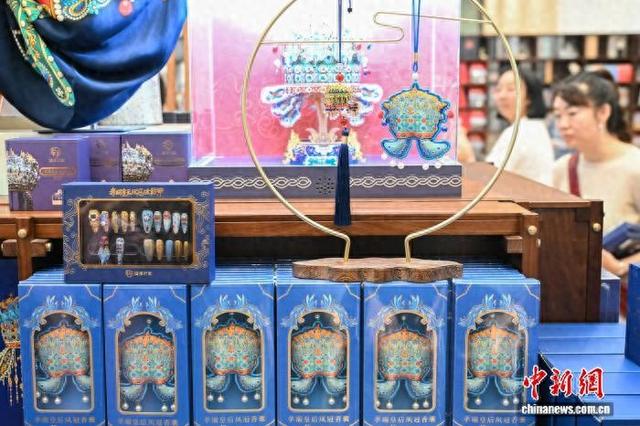
Core Insights - The article highlights the emergence of a new cultural representation of China to the world, showcasing diverse IP forms and their global impact, such as the record-breaking box office of the animated film "Ne Zha" and the successful sales of cultural products like the Fengguan refrigerator magnet [1][3]. Group 1: Cultural Products and Their Impact - The Fengguan refrigerator magnet, launched by the National Museum of China, has achieved cumulative sales of over 2 million units within a year, indicating the vitality of traditional culture in contemporary consumer culture [3][4]. - The film "Ne Zha" has significantly influenced the Chinese film market, with its catchphrase "Help me break the cauldron" becoming one of the top ten internet buzzwords of 2025, reflecting its cultural resonance [3][4]. Group 2: Globalization of Chinese Culture - The character Labubu, representing a new wave of Chinese cultural products, has gained international popularity, with significant sales figures reported in various countries, including a record-breaking single-day revenue of 10 million RMB in Thailand [6]. - The success of these cultural products is attributed to their ability to resonate with both local and global audiences, showcasing a blend of traditional Chinese values and modern narratives [6][7]. Group 3: Cultural Confidence and Innovation - Experts emphasize that the new cultural phenomena emerging by 2025 are rooted in China's cultural heritage and confidence, highlighting the creative transformation and innovative development of traditional culture [6][7]. - The article suggests that the appeal of these products lies in their modern storytelling and strong technological presentation, which attract younger audiences and foster international dialogue [6].

夯实文化软实力 积极履责显担当 | 华宝证券党委书记、董事长刘加海:厚植金融为民底色 深耕乡村振兴实践
Zhong Guo Zheng Quan Bao - Zhong Zheng Wang· 2025-12-13 01:00
Core Viewpoint - The article emphasizes the importance of financial institutions, particularly securities companies, in achieving high-quality development and fulfilling social responsibilities, as outlined in the recent "14th Five-Year Plan" [1][10]. Group 1: Company Strategy and Social Responsibility - Huabao Securities has elevated rural revitalization to a strategic level, viewing it as a political responsibility and a platform for corporate engagement, moving away from short-term donations to a sustainable mechanism [3][12]. - The company has established a closed-loop management system for public donations and assistance, ensuring that projects align with the needs of the supported regions, with a total of 6.5 million yuan allocated for 36 projects in 2024 [3][12]. - Huabao Securities integrates its corporate culture with public welfare activities, fostering employee engagement through various initiatives, thereby creating a positive cycle of participation and shared values [4][14]. Group 2: Collaborative Efforts and Brand Building - The company collaborates within a broader industrial ecosystem, leveraging resources from the steel industry to create a "finance + industry" support model, which effectively mobilizes social resources for rural revitalization [4][13]. - Huabao Securities is committed to building a sustainable public welfare brand, participating in the "Ning Carbon Benefit" initiative, which focuses on ecological product value realization and has been recognized as a model project [6][15]. - The "Ning Carbon Benefit" brand exemplifies the company's commitment to ecological sustainability, supporting local government initiatives and enhancing ecological benefits through various projects [7][16]. Group 3: Education and Long-term Impact - The company has launched the "Smart Classroom" initiative to modernize educational infrastructure in supported regions, emphasizing education as a key factor in breaking the cycle of poverty [8][18]. - Since the transition from poverty alleviation to rural revitalization in 2021, Huabao Securities has signed agreements with five regions, donating a total of 25 million yuan and implementing 78 targeted assistance projects [9][18]. - The company's efforts have successfully attracted over 10 million yuan in market-oriented funding for supported regions, demonstrating its commitment to long-term development and community support [9][18]. Group 4: Future Outlook - Looking ahead, Huabao Securities aims to align its efforts with the "14th Five-Year Plan" for rural revitalization and common prosperity, reinforcing its cultural soft power and commitment to high-quality financial services [20].
热点论文数量问鼎的冷思考
Ren Min Ri Bao· 2025-12-04 03:02
Group 1 - The core viewpoint of the articles highlights the significant growth in China's scientific output, particularly in the number of high-impact papers, which reached 2,342 by August this year, marking a 4.6% increase from the previous year and accounting for 53.2% of the global total [1] - China's rise in the global innovation index, entering the top ten for the first time, and the dominance of its cities in the global research city rankings, with the "Shenzhen-Hong Kong-Guangzhou" innovation cluster now ranked first globally, reflect the country's advancing technological strength [1] - The articles emphasize the need for a balance between "hot" and "cold" research, advocating for more original contributions rather than merely following trends, to foster long-term scientific exploration and innovation [2] Group 2 - There is a call to transform academic advantages into technological and industrial strengths, highlighting the importance of bridging the gap between basic research and its practical applications to ensure that research outputs are effectively utilized [2] - The articles address the issue of China's research being heavily reliant on foreign journals, advocating for the development of high-quality domestic journals to enhance the country's scientific competitiveness and cultural influence [3] - The "14th Five-Year Plan" suggests strengthening the strategic and systematic layout of basic research, emphasizing original innovation in scientific research and technology development to improve the quantity, quality, and impact of China's scientific papers [3]
热点论文数量问鼎的冷思考(人民时评)
Ren Min Ri Bao· 2025-12-03 22:25
Core Insights - The number of hot papers in China reached 2,342 as of August this year, an increase of 4.6% compared to 2024, making China the world leader with a global share of 53.2% [1] - The rapid growth of hot papers reflects China's increasing strength in basic research and its integration into the global innovation landscape [1] - China has entered the top ten in the global innovation index for the first time, with cities like Shenzhen, Hong Kong, and Guangzhou leading in global research city rankings [1] Group 1 - The relationship between "hot" and "cold" research needs to be understood, as there is a tendency for more tracking-style research and fewer original results in China [2] - Encouragement is needed for researchers to engage in long-term explorations and produce more top-tier original results, rather than just following current trends [2] - The transformation of paper advantages into technological and industrial advantages is essential, emphasizing the need for research to address practical problems [2] Group 2 - The issue of "two ends abroad" in basic research highlights the need for domestic journals to publish significant research findings, rather than relying on foreign platforms [3] - Efforts are being made to create world-class scientific journals and platforms to improve the situation, but more work is required [3] - The "14th Five-Year Plan" suggests strengthening the strategic and systematic layout of basic research and enhancing original innovation in scientific research and technology development [3]