物理世界AI

Search documents
苏州又一家!图达通登陆港股
Shang Hai Zheng Quan Bao· 2025-12-10 11:00
Core Viewpoint - The successful listing of TuDatong Intelligent Technology (Suzhou) Co., Ltd. on the Hong Kong Stock Exchange marks a new phase in the global automotive-grade LiDAR industry, with the company raising approximately HKD 1.027 billion [1][3]. Company Overview - TuDatong was founded in 2016 by Dr. Bao Junwei and Dr. Li Yimin, initially operating in the United States before establishing a strong presence in China with R&D and manufacturing bases in Suzhou, Deqing, and Pinghu [5]. - The company has achieved significant milestones in technology and production, including mass production capabilities for both 1550nm high-performance and 905nm cost-effective LiDAR solutions, creating a comprehensive product matrix [6]. Financial Performance - TuDatong's revenue has shown steady growth, with a 7.7% year-on-year increase in the delivery of automotive-grade LiDAR units, totaling approximately 181,000 units in the first nine months of 2025 [9]. - The company's total revenue is projected to grow from USD 66.3 million in 2022 to USD 159 million in 2024, reflecting a compound annual growth rate (CAGR) of 55.1% [9]. Market Dynamics - The global automotive-grade LiDAR market is experiencing rapid growth, with projections estimating the market size to reach USD 3.5 billion by 2025 and USD 41.3 billion by 2030, representing a CAGR of 63.7% [12]. - The ADAS application market is expected to grow from USD 1.9 billion in 2025 to USD 19.7 billion by 2030, with a CAGR of 59.8% [12]. Product and Application Expansion - TuDatong's product applications have expanded beyond passenger vehicles to include commercial vehicles and robotics, securing large-scale orders from leading industry players [14]. - The company aims to leverage its three-dimensional perception technology to connect digital and physical worlds, contributing to the development of AI in the physical world [14].

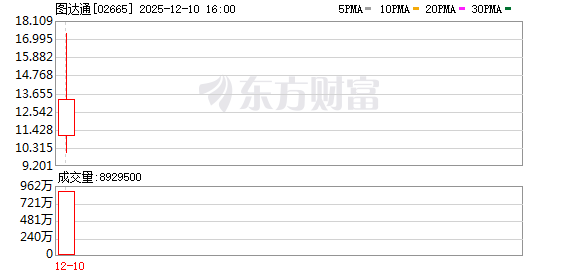
募资超10亿港元 图达通成功登陆港股
Yang Shi Wang· 2025-12-10 09:30
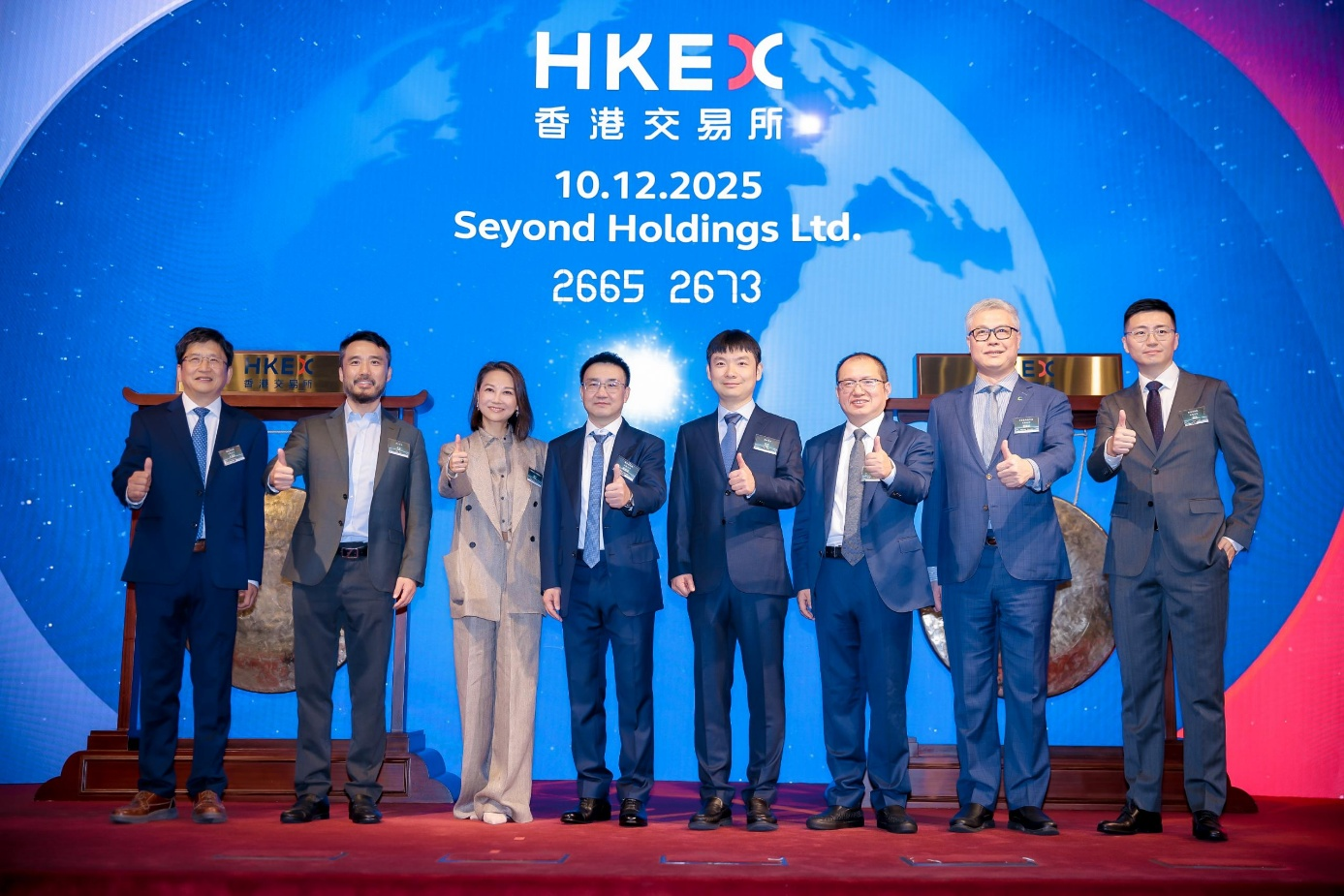
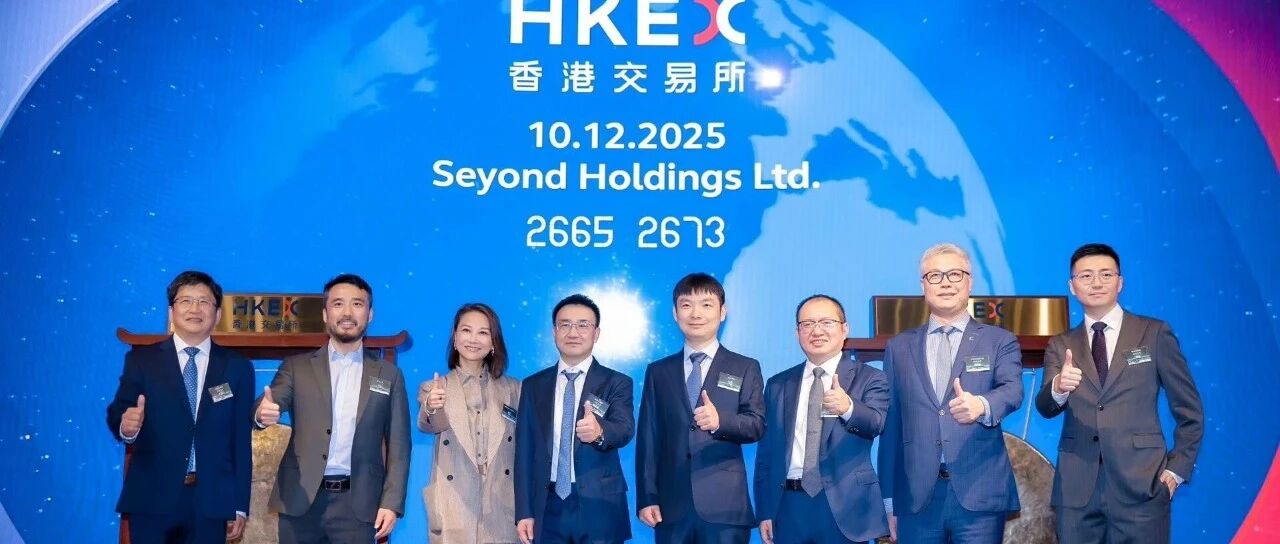
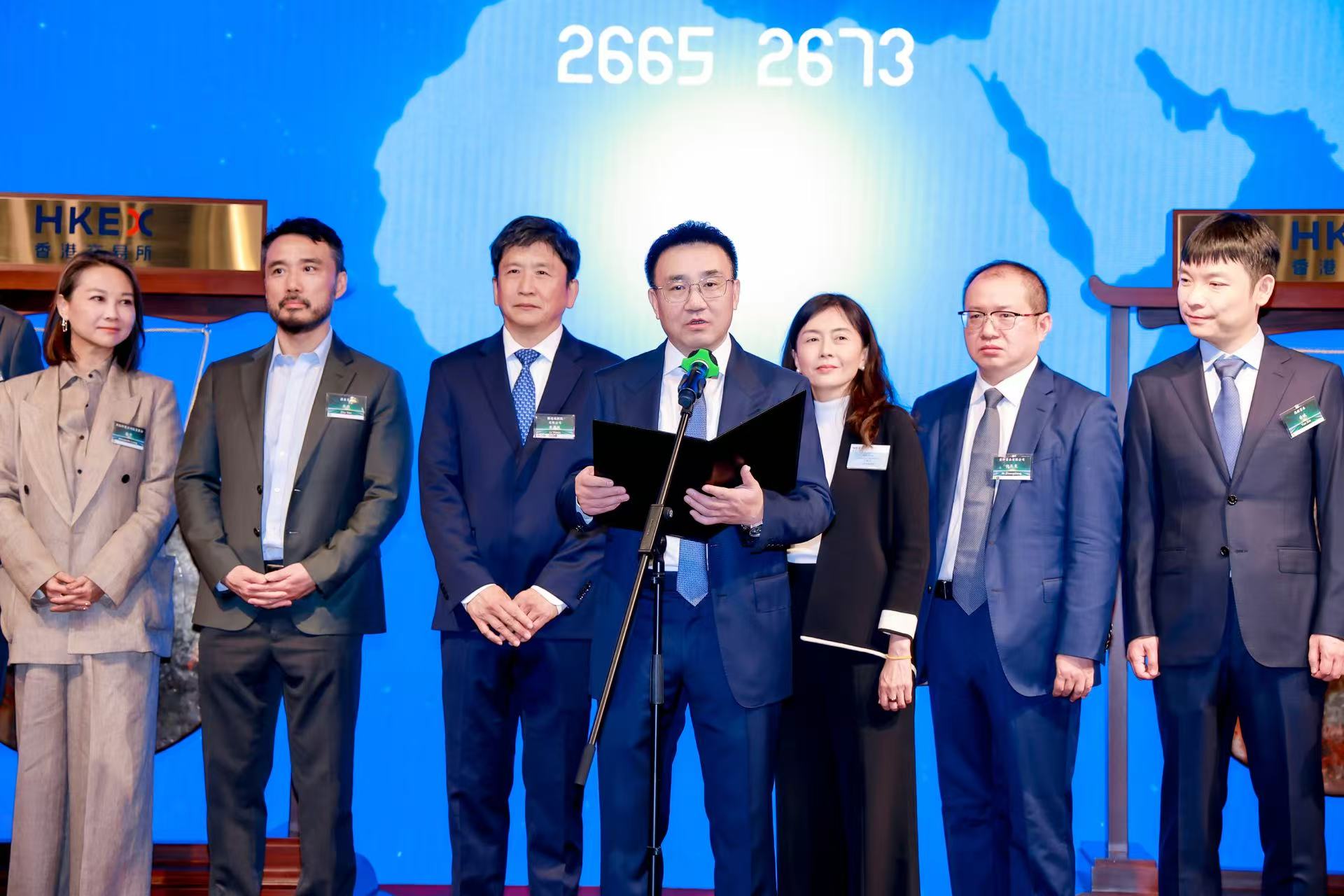
Core Insights - Seyond, a global provider of image-grade LiDAR solutions, successfully listed on the Hong Kong Stock Exchange via a De-SPAC process, raising approximately HKD 1.027 billion [1] - The listing marks a new development phase in the global automotive-grade LiDAR sector, with Seyond's CEO emphasizing the necessity of LiDAR technology for future advancements [3] Company Overview - Founded in 2016, Seyond has achieved several industry-leading milestones through technological breakthroughs and mass production capabilities [3] - Seyond is the first company globally to achieve large-scale production of high-performance 1550nm LiDAR and also has mass production capabilities for cost-effective 905nm LiDAR, creating a comprehensive product matrix [3] - The "Falcon" series, based on the 1550nm platform, has delivered over 600,000 units, validating its high performance and reliability for L3 and above autonomous driving applications [3] Financial Performance - In the first nine months of 2025, Seyond delivered approximately 181,000 automotive-grade LiDAR units, representing a year-on-year growth of 7.7% [3] Market Dynamics - The global automotive-grade LiDAR market is experiencing rapid growth, with the market size expected to increase from USD 3.5 billion in 2025 to USD 41.3 billion by 2030, reflecting a compound annual growth rate (CAGR) of 63.7% [5] - The ADAS application market is projected to grow from USD 1.9 billion in 2025 to USD 19.7 billion by 2030, with a CAGR of 59.8%, driven by the rapid penetration of L2+ and higher-level ADAS [5] - China, as the largest automotive market, is expected to see a significant increase in LiDAR penetration rates, outpacing the global average growth [5] Product Strategy - Seyond leverages its mass production experience in the 1550nm LiDAR field and semi-solid-state scanning architecture to maintain a competitive edge in long-range scenarios [5] - The "Lingque" series addresses mid-range applications, creating a product combination advantage with both long-range and mid-range capabilities [5] - Seyond's product applications have expanded from passenger vehicles to commercial vehicles and robotics, securing large-scale orders from companies like Deepway, Shaanxi Heavy Duty Truck, and others [5] Vision and Future Goals - The CEO of Seyond stated the company's commitment to connecting the digital space and the real world through ubiquitous 3D perception technology, aiming to create a smarter, more convenient, and safer world [6]
图达通成功登陆港股 双路线量产构筑车规激光雷达护城河
Zheng Quan Ri Bao Wang· 2025-12-10 07:45
Core Viewpoint - TuDatong Holdings Limited has successfully listed on the Hong Kong Stock Exchange via a De-SPAC process, raising approximately HKD 1.027 billion, with a market capitalization reaching HKD 17.4 billion, indicating strong investor confidence in the company's growth potential in the lidar market [1][4]. Group 1: Company Overview - TuDatong was founded in 2016 by CEO Bao Junwei and CTO Li Yimin, initially operating in the U.S. before expanding into the Chinese market, establishing R&D and manufacturing bases in Suzhou, Deqing, and Pinghu [4]. - The company is the first globally to achieve mass production of automotive-grade high-performance lidar solutions, ranking second in cumulative sales revenue for ADAS lidar solutions from 2022 to 2024 [4]. Group 2: Product and Performance - TuDatong has successfully mass-produced both 1550nm high-performance and 905nm cost-effective lidar solutions, creating a comprehensive product matrix that covers both high-end and mainstream markets [4]. - The company delivered approximately 181,000 automotive-grade lidar units in the first three quarters of 2025, a year-on-year increase of 7.7%, with significant sales contributions from both the Falcon and Sparrow series [5]. - Revenue has grown from USD 66.3 million in 2022 to USD 159 million in 2024, with a compound annual growth rate of 55.1%, and a gross margin of 12.9% achieved in the first five months of 2025 [5]. Group 3: Market Potential - The global automotive-grade lidar market is experiencing rapid growth, with the market size expected to increase from USD 3.5 billion in 2025 to USD 41.3 billion by 2030, reflecting a compound annual growth rate of 63.7% [6]. - The ADAS application market is projected to grow from USD 1.9 billion in 2025 to USD 19.7 billion by 2030, with a compound annual growth rate of 59.8%, driven by the increasing penetration of L2+ and higher-level ADAS [6]. Group 4: Strategic Expansion - TuDatong's product applications have expanded beyond passenger vehicles to commercial vehicles and robotics, securing large-scale orders from leading industry players, indicating readiness for a second growth curve [7]. - The successful listing enhances TuDatong's capital market recognition, providing financial support for R&D and capacity expansion, and underscores the international competitiveness of Chinese core components in intelligent driving [7].
图达通正式登陆港交所:市值超200亿港元,以三维感知技术助力打造物理世界AI
IPO早知道· 2025-12-10 03:05
Core Viewpoint - The importance and growth potential of LiDAR technology will exceed expectations, becoming essential for the development of AI in the physical world [4][6]. Company Overview - Seyond Holdings Ltd. (Tudatong) is set to be listed on the Hong Kong Stock Exchange on December 10, 2025, under the stock code "2665," raising approximately HKD 1.027 billion [2]. - Founded in 2016 by Dr. Bao Junwei and Dr. Li Yimin, Tudatong has become a leading company in the LiDAR industry, being the first to achieve mass production of automotive-grade high-performance LiDAR solutions [4][6]. Market Position and Performance - Tudatong is the first company globally to achieve large-scale production of 1550nm high-performance LiDAR and also has capabilities for 905nm cost-effective solutions, covering a complete product matrix from high-end to mass-market [6]. - In the first three quarters of this year, Tudatong delivered approximately 181,131 automotive-grade LiDAR units, marking a year-on-year growth of 7.7% [7]. - The company's revenue is projected to grow from USD 66.3 million in 2022 to USD 159 million in 2024, with a compound annual growth rate (CAGR) of 55.1% [7]. Strategic Initiatives - Tudatong has diversified its customer base, securing design points with 14 major automotive and ADAS companies, which are expected to contribute to revenue starting from the end of 2025 [9]. - The company is expanding into new markets such as robotics, smart transportation, and industrial automation, establishing partnerships with leading firms in these sectors [13][14]. Industry Growth Potential - The global automotive-grade LiDAR market is experiencing rapid growth, with the market size expected to increase from USD 3.5 billion in 2025 to USD 41.3 billion by 2030, at a CAGR of 63.7% [11]. - The non-automotive LiDAR solutions market is also projected to grow from USD 1.274 billion in 2025 to USD 9.158 billion by 2030, at a CAGR of 48.4% [13]. Investment and Support - Tudatong has received investments from notable firms including Gao Rong Capital, NIO Capital, and others, which have provided both financial support and strategic industry resources [16][18]. - The company has established a strong relationship with NIO Capital, which has been a significant institutional investor since 2018, aiding in the development and commercialization of LiDAR technology [19].
图达通成功登陆港股,创始人鲍君威:激光雷达是创造未来的必选项
Jing Ji Guan Cha Wang· 2025-12-10 02:28
Core Insights - Seyound Tuda Technology successfully listed on the Hong Kong Stock Exchange via De-SPAC, raising approximately HKD 1.027 billion and achieving a market capitalization of HKD 13.962 billion, marking a new development phase in the global automotive-grade LiDAR sector [1][3] Company Overview - Founded in 2016 by CEO Dr. Bao Junwei and CTO Dr. Li Yimin, Seyound initially operated in the U.S. before establishing a strong presence in China, with R&D and manufacturing bases in Silicon Valley, Suzhou, and Shanghai [3] - The company is recognized as the first global supplier to achieve mass production of automotive-grade high-performance LiDAR solutions, ranking second globally in cumulative sales revenue for ADAS LiDAR solutions from 2022 to 2024 [3][4] Product Development - Seyound is the first company to achieve large-scale production of 1550nm high-performance LiDAR and also has the capability for 905nm high-cost performance LiDAR, creating a comprehensive product matrix that spans from high-end to mainstream markets [4] - The "Falcon" series, based on the 1550nm platform, has delivered over 600,000 units, validating its high performance and reliability for L3 and above autonomous driving applications [4] Financial Performance - The company reported steady revenue growth and improving profitability, with approximately 181,000 automotive-grade LiDAR units delivered in the first nine months of 2025, a year-on-year increase of 7.7% [5] - For the first five months of 2025, Seyound achieved a gross margin of 12.9%, indicating a positive cycle in product profitability [5] - Total revenue grew from USD 66.3 million in 2022 to USD 159 million in 2024, with a compound annual growth rate of 55.1% [5] Market Outlook - The global automotive-grade LiDAR market is experiencing rapid growth, with the market size projected to increase from USD 3.5 billion in 2025 to USD 41.3 billion by 2030, reflecting a compound annual growth rate of 63.7% [6] - The ADAS application market is expected to grow from USD 1.9 billion in 2025 to USD 19.7 billion by 2030, with a compound annual growth rate of 59.8% [6] - Seyound's experience in 1550nm LiDAR production and semi-solid-state scanning architecture positions it well for maintaining a competitive edge in long-range scenarios, while the "Lynx" series addresses mid-range needs, creating a product combination advantage [6] Expansion and Future Growth - Seyound has expanded its product applications beyond passenger vehicles to commercial vehicles and robotics, securing large orders from leading industry players [8] - The company aims to leverage its three-dimensional perception technology to connect digital and physical worlds, contributing to the development of physical world AI and enhancing market opportunities [8]
小鹏汽车-W(09868.HK):亏损进一步收窄 迈向物理世界AI领导者
Ge Long Hui· 2025-11-29 12:04
Core Insights - The company achieved a record high in vehicle deliveries in Q3 2025, with a revenue of 20.38 billion yuan, reflecting a year-on-year increase of 101.8% and a quarter-on-quarter increase of 11.5% [1] - The gross margin improved to 20.1%, up 4.8 percentage points year-on-year and 2.8 percentage points quarter-on-quarter, indicating enhanced profitability [1] - The company reported a net loss of 3.8 billion yuan, with an adjusted net loss of 1.5 billion yuan, but is expected to turn profitable in Q4 2025 [1] Revenue and Profit Forecast - Based on the guidance for Q4 2025 and continuous improvement in profitability, the revenue forecast for 2025-2027 has been adjusted to 77.536 billion yuan (down 29.02%), 129.357 billion yuan (up 2.49%), and 161.166 billion yuan (up 180.37%) respectively [1] - The Non-GAAP net profit is projected to be -3.94 billion yuan (up 6.73%), 2.51 billion yuan (up 14.60%), and 5.105 billion yuan (up 14.26%) for the same period [1] - The price-to-sales ratio is expected to be 1.9, 1.1, and 0.9 for 2025, 2026, and 2027 respectively, while the price-to-earnings ratio for 2026 and 2027 is projected to be 57.4 and 28.2 [1] Business Performance - In the automotive segment, Q3 2025 revenue reached 18.05 billion yuan, with a year-on-year increase of 105.3% and a quarter-on-quarter increase of 6.9% [1] - The company delivered 116,000 vehicles in Q3 2025, marking a year-on-year increase of 149.3% and a quarter-on-quarter increase of 12.4% [1] - The average selling price per vehicle was 156,000 yuan, down 33,400 yuan year-on-year and 8,000 yuan quarter-on-quarter, primarily due to changes in the model mix [1] International Expansion - The company has delivered over 29,000 vehicles in overseas markets from Q1 to Q3 2025, representing a year-on-year increase of 125% [1] - Local production capacity is being established in Austria and Indonesia to support ongoing international business growth [1] Cost Management - The gross margin for automotive operations was 13.1%, with a year-on-year increase of 4.5 percentage points [1] - Research and development expenses and selling, general, and administrative expenses increased by 48.7% and 52.6% year-on-year, respectively, but the growth rate was significantly lower than revenue growth, indicating scale effects supporting profit enhancement [1] Future Product Launches - The company is set to enter the "dual-energy vehicle" cycle in 2026, planning to launch three super-range and four dual-energy new vehicles [2] - The Turing chip will generate revenue from the partnership with Volkswagen, with collaborative models expected to enter mass production in early 2026 [2] - The company aims to launch three Robotaxi models and initiate trial operations in 2026, alongside the introduction of humanoid robots and flying cars by the end of 2026 [2]
小鹏汽车-W(09868):港股公司信息更新报告:亏损进一步收窄,迈向物理世界AI领导者
KAIYUAN SECURITIES· 2025-11-28 08:41
Investment Rating - The investment rating for the company is "Buy" (maintained) [1][11]. Core Insights - The company has shown a significant improvement in its financial performance, with a narrowing of losses and a strong outlook for future profitability, particularly with the upcoming product launches and collaborations [4][6]. - The company is transitioning towards becoming a leader in physical world AI, with plans to introduce multiple new vehicle models and advanced technologies in the coming years [6][7]. Financial Performance Summary - In Q3 2025, the company achieved a revenue of 20.38 billion yuan, representing a year-on-year increase of 101.8% and a quarter-on-quarter increase of 11.5%. The gross margin was 20.1%, with a net loss of 380 million yuan, and an adjusted net loss of 150 million yuan, with expectations of profitability in Q4 2025 [4][5]. - The company expects Q4 2025 revenue to be between 21.5 billion and 23 billion yuan, a year-on-year increase of 33.5% to 42.8%, with vehicle deliveries projected between 125,000 and 132,000 units [6]. Revenue and Profit Forecast - Revenue projections for 2025-2027 are as follows: 77.54 billion yuan in 2025, 129.36 billion yuan in 2026, and 161.17 billion yuan in 2027, with corresponding Non-GAAP net profits expected to be -394 million yuan, 2.51 billion yuan, and 5.11 billion yuan respectively [4][7]. - The company’s price-to-sales (P/S) ratios for 2025, 2026, and 2027 are projected to be 1.9, 1.1, and 0.9 respectively, while the price-to-earnings (P/E) ratios for 2026 and 2027 are expected to be 57.4 and 28.2 respectively [4][7].
自动驾驶,卷到0.01米
汽车商业评论· 2025-11-25 23:06
Core Insights - Point One Navigation, a high-precision positioning startup, raised $35 million in Series C funding led by Khosla Ventures, achieving a post-money valuation of approximately $230 million [4][5] - The company aims to provide centimeter-level tracking for various mobile platforms, including drones, trucks, and autonomous taxis, by integrating its positioning engine with existing vehicle systems [5][7] - Point One's technology is designed to enhance the accuracy of autonomous driving and logistics operations, addressing the industry's growing demand for precise location data [11][18] Funding and Valuation - Point One secured $35 million in Series C funding, with a valuation of around $230 million post-funding [4] - The funding will be used to expand the Polaris RTK network and improve service stability across North America, Europe, and Asia [13] Technology and Applications - The positioning engine developed by Point One can achieve an accuracy of 1 centimeter under ideal conditions, utilizing a combination of GNSS, computer vision, and sensor fusion technologies [7][10] - The company has already integrated its technology into over 150,000 vehicles for a major electric vehicle manufacturer, supporting advanced driver-assistance systems (ADAS) [7][8] Market Expansion - Point One has expanded its market reach beyond passenger vehicles, with a tenfold increase in the number of manufacturers using its positioning platform in the past year [13] - The company is targeting various sectors, including robotics, industrial equipment, and wearable devices, to meet the diverse needs for high-precision positioning [13][14] Infrastructure Development - The Polaris RTK network is crucial for providing continuous positioning correction data, enabling centimeter-level accuracy over larger areas [10][17] - Point One is actively deploying micro base stations globally to enhance coverage, particularly in regions where traditional GNSS signals are weak [10][17] Future Goals - The company aims to achieve seamless indoor and outdoor positioning capabilities, addressing the challenges of maintaining high accuracy in various environments [17] - Point One's advancements in centimeter-level positioning are expected to significantly impact the operational capabilities of autonomous vehicles and logistics systems [18]

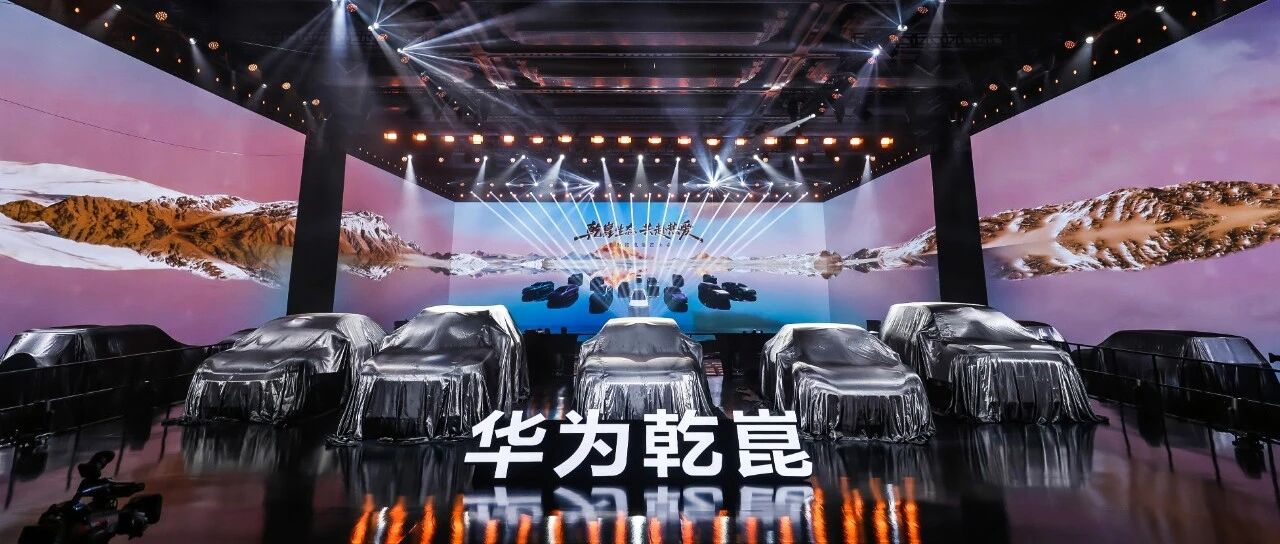
华为乾崑 all in 启境,开启造车新模式
雷峰网· 2025-11-20 14:45
Core Viewpoint - The article discusses the collaboration between Huawei and GAC to establish the Qijing brand, focusing on creating a smart, safe, and stylish vehicle that integrates advanced AI capabilities and IoT connectivity [2][4][23]. Group 1: Product Definition and Vision - Qijing aims to create a vehicle that meets diverse consumer needs without compromise, emphasizing safety, style, and advanced technology [11]. - The long-term vision for Qijing is to develop a "mobile intelligent entity" that can proactively sense user needs and make autonomous decisions [13][23]. Group 2: Technological Integration - Qijing vehicles will utilize Huawei's comprehensive technology suite, including the Kunlun intelligent driving system, HarmonyOS cockpit, and various AI-driven features [4][6]. - The WEWA architecture, which eliminates the language processing step, is designed to reduce latency by 50% and improve traffic efficiency by 20% [6]. Group 3: Team and Process Collaboration - Huawei has integrated its teams and processes with Qijing, ensuring a seamless collaboration in product development, marketing, and decision-making [6][9]. - The introduction of established processes like IPD and IPMS aims to embed Huawei's capabilities within Qijing, fostering long-term growth [6]. Group 4: Strategic Importance - Qijing is positioned as a critical component of GAC's smart transformation and represents a new path for Huawei in the automotive sector [9][23]. - The project has received significant attention from Huawei's leadership, indicating its strategic importance within the company's broader goals [7][9]. Group 5: Future Aspirations - Qijing envisions a future where vehicles serve as intelligent assistants, enhancing user experience through advanced AI capabilities [16][21]. - The integration of IoT devices will allow for seamless communication between the vehicle and home, creating a cohesive smart living environment [21].