生鲜供应链

Search documents
秋风起,蟹正肥:京东七鲜多款活蟹上新,最快30分钟送达
Zhong Guo Zhi Liang Xin Wen Wang· 2025-09-05 09:14
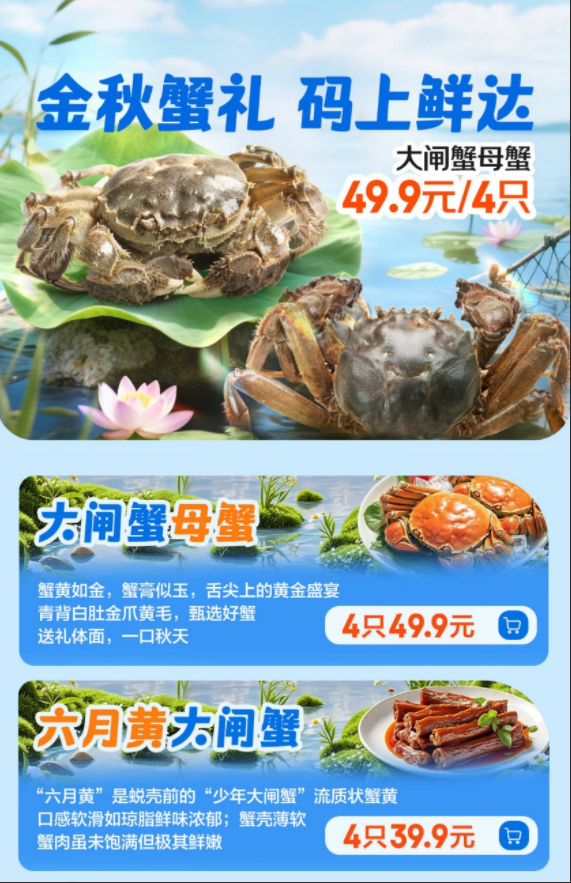
Core Viewpoint - The article highlights the seasonal availability of various crab species and emphasizes the advantages of JD Seven Fresh's supply chain in providing high-quality, cost-effective seafood to consumers during the autumn season [1][9]. Group 1: Product Offering - JD Seven Fresh offers a variety of crab products including live hairy crabs, blue crabs, and bread crabs, catering to different consumer preferences [3][6]. - Specific pricing includes live Northeast cold-water hairy crabs at 49.9 yuan for four (65-80g each), June yellow crabs at 39.9 yuan for four (60-80g each), and live blue crabs at 34.9 yuan each (150-200g) [6]. Group 2: Supply Chain and Delivery - The company utilizes a "sea-catch direct" model, ensuring fresh seafood is delivered to consumers within 16 hours, with an option for 30-minute delivery through online orders [4][7]. - This model reduces intermediaries, maintaining product freshness while passing cost savings onto consumers, thus balancing quality and price [7][9]. Group 3: Consumer Experience - Consumers have praised JD Seven Fresh for the freshness and affordability of its crab products, with many appreciating the convenience of not having to select the crabs themselves [9]. - The company also offers a processing area for customers to have their seafood prepared on-site, enhancing the overall dining experience [9]. Group 4: Promotions and Offers - New users can enjoy promotional prices starting from 0.01 yuan, along with additional discounts for multiple orders and free shipping for JD PLUS members [10].


从海边到餐桌16小时速达 来京东七鲜尝“头网蟹”的第一口鲜
Zhong Jin Zai Xian· 2025-08-08 09:35
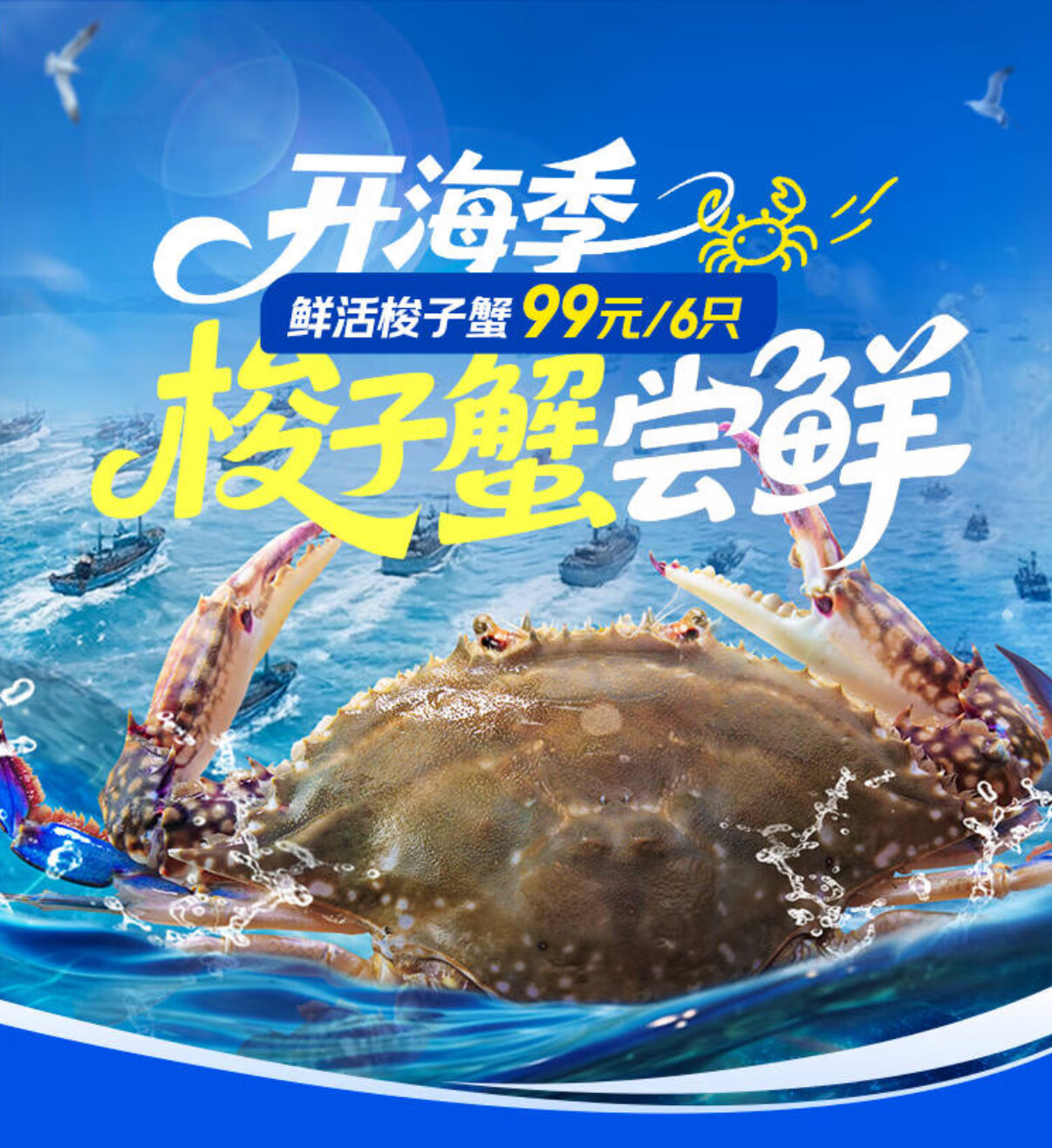
Core Viewpoint - JD Seven Fresh has launched its "first catch" of live hairy crabs, marking the beginning of the sea catching season, emphasizing the freshness and quality of the seafood offered to consumers [1][3][5]. Group 1: Product Offering - The first batch of live hairy crabs is now available in JD Seven Fresh stores, showcasing their vibrant and fresh appearance [1]. - The crabs are sourced from the rich nutrient waters of the Lusi fishing ground, known for its high-quality seafood, particularly during the optimal catching period in early August [7]. - During the sea catching season, live hairy crabs are priced at 99 yuan for six, with each crab carefully selected to ensure quality [7]. Group 2: Supply Chain and Logistics - JD Seven Fresh utilizes a "sea catch direct" model to connect directly with high-quality seafood sources, minimizing intermediaries and ensuring freshness [9]. - The logistics process is designed to maintain the crabs' freshness, with rapid transportation and oxygenation methods implemented immediately after catching [9]. - Consumers can track the entire supply chain process, including catching time and logistics, enhancing transparency and trust in the product's freshness [9].
刘强东谜底揭晓 京东亲自炒菜
经济观察报· 2025-07-23 04:10
Core Viewpoint - JD.com is innovating its food delivery service with the launch of "Qixian Xiaochu," focusing on fresh food supply chains and partnerships with chefs and restaurants to enhance its offerings in the competitive food delivery market [2][5][9]. Group 1: Business Model and Strategy - JD.com announced a cash investment of 1 billion yuan to recruit national restaurant brands and individual chefs for its "Dish Partner" program, where chefs provide recipes and participate in product development [3][15]. - The first Qixian Xiaochu store opened in Beijing, and it has already sold over 1,000 orders since its launch [4]. - The new model aims to differentiate JD's food delivery service from competitors like Meituan by emphasizing fresh ingredients sourced directly from suppliers and prepared in a standardized manner [9][12]. Group 2: Market Position and Competition - Qixian Xiaochu plans to recruit partners for 1,000 signature dishes, allowing chefs to have their recipes cooked and sold through JD's platform [7]. - The service currently has slower delivery times compared to other brands, with delivery times approaching one hour during peak hours [8]. - There are concerns about potential competition between Qixian Xiaochu and other third-party merchants on JD's platform, as the market is already saturated with dining options [17]. Group 3: Future Plans and Investments - JD.com aims to invest over 10 billion yuan in the next three years to establish over 10,000 Qixian Xiaochu stores nationwide, with partners not required to invest in store setup or labor costs [15]. - The company is actively engaging with well-known restaurant brands to explore collaboration opportunities, although some brands are cautious about joining the program until its market viability is proven [16].

刘强东谜底揭晓 京东亲自炒菜
Jing Ji Guan Cha Wang· 2025-07-22 16:58
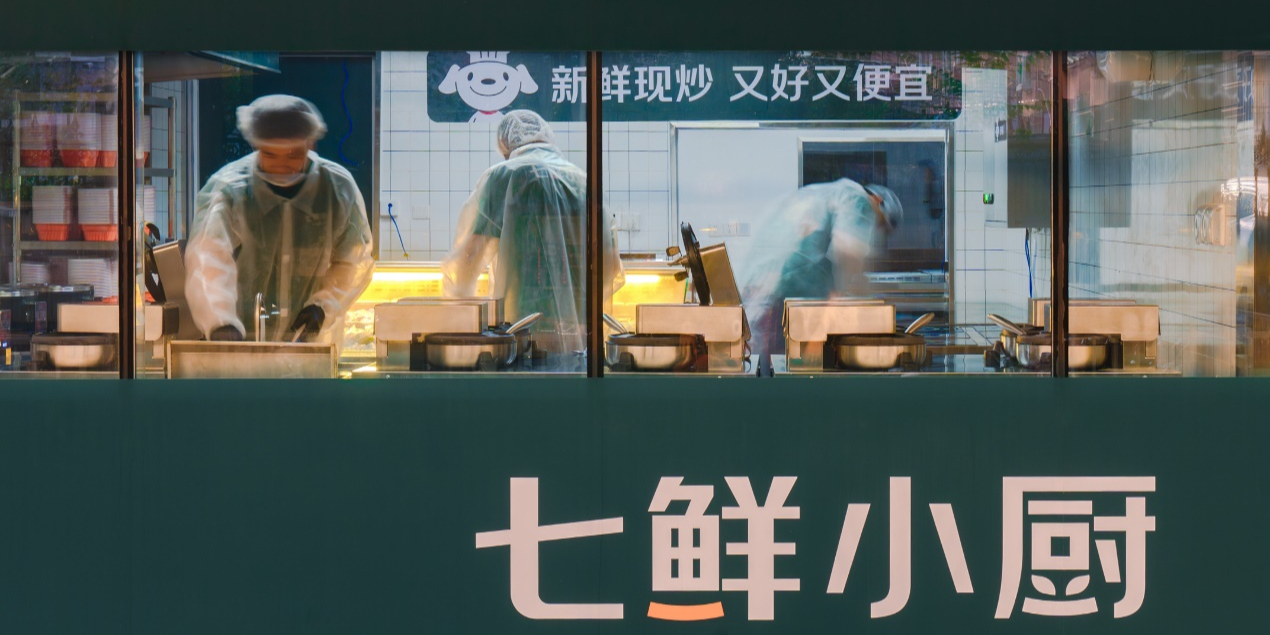
Group 1 - JD.com announced an investment of 1 billion yuan to launch a "Dish Partner" recruitment plan aimed at national catering brands and individual chefs, with the self-operated brand "Seven Fresh Kitchen" serving as the production platform for freshly cooked meals [2] - The first Seven Fresh Kitchen store has opened in Dongcheng District, Beijing, and has already sold over 1,000 orders on the JD.com takeaway platform [2] - JD.com founder Liu Qiangdong indicated that the new delivery model would differ significantly from Meituan's, and the unveiling of Seven Fresh Kitchen marks this innovation [2][3] Group 2 - Seven Fresh Kitchen aims to recruit partners for 1,000 signature dishes, allowing chefs to provide recipes for the platform to prepare and serve [2][4] - The kitchen emphasizes a fresh supply chain, sourcing ingredients directly from suppliers and preparing meals in a transparent kitchen environment [3] - Several well-known restaurant brands have already signed up as initial partners, although specific collaboration plans have yet to be finalized [4][5] Group 3 - The menu at Seven Fresh Kitchen includes a variety of dishes priced between 10 to 40 yuan, with promotional coupons available [6] - JD.com plans to invest over 10 billion yuan over the next three years to establish more than 10,000 Seven Fresh Kitchen locations nationwide, with partners not required to invest in store setup or labor costs [6] - The competitive landscape may shift as Seven Fresh Kitchen operates alongside other third-party merchants on the JD.com platform, leading to potential market challenges [6]
京东首家外卖自营门店上线?页面显示当前已售800多份餐品
Guang Zhou Ri Bao· 2025-07-21 15:30
Group 1 - JD's first self-operated takeaway store "Qixian Xiaochu" officially opened on July 20, marking a significant step in its food delivery business [2] - The store operates on an "online ordering + self-pickup" model, with no dine-in options available [2] - The store is located in Beijing and has already sold over 800 items with a high rating of 4.9 [2] Group 2 - The menu includes a variety of dishes such as stir-fried specialties, pasta snacks, fried rice, and beverages, with prices ranging from 5.8 to 33.8 yuan after discounts [2] - JD's founder Liu Qiangdong indicated that the company's strategy focuses on leveraging the fresh supply chain rather than solely competing in the food delivery market [6] - JD has been accelerating its offline fresh retail layout, including the opening of the first "Qixian Meishi MALL" in Harbin, which combines supermarket and dining experiences [6]
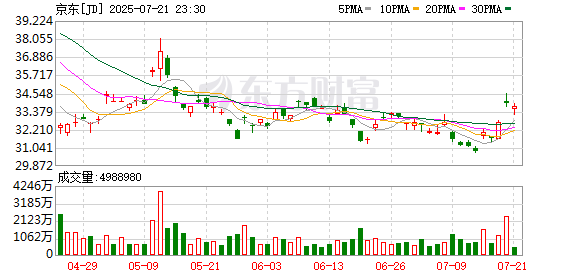
京东外卖新模式:首家自营外卖门店开业!
第一财经· 2025-07-21 11:55
Core Viewpoint - The article discusses the launch of JD's first self-operated takeaway store named "Qixian Xiaochu," indicating JD's strategic move in the takeaway market despite the ongoing competition and subsidy wars in the industry [1][6]. Group 1: Company Developments - JD's "Qixian Xiaochu" officially opened on July 20, 2023, offering a "takeaway + self-pickup" model without dine-in options [1][6]. - The store features a transparent kitchen, allowing customers to see the cooking process, and includes areas for delivery personnel and self-pickup [6]. - The menu includes freshly prepared dishes such as wonton noodles, pork leg rice, Korean mixed rice, and pasta, with prices ranging from 10 to 30 yuan, and it has already sold 800 portions [7]. Group 2: Strategic Insights - JD's founder, Liu Qiangdong, emphasized that the takeaway business is part of a broader strategy to enhance the fresh food supply chain, suggesting that profitability will come from supply chain efficiencies rather than direct sales [8][10]. - The launch of "Qixian Xiaochu" aligns with JD's goal to leverage its supply chain for profitability, indicating a shift in focus from traditional takeaway competition to supply chain management [8][10]. Group 3: Industry Context - The takeaway market is experiencing significant competition, with companies like Meituan and Taobao also enhancing their service offerings to differentiate themselves [10]. - Experts predict that the industry will see more differentiated development, with JD focusing on self-operated models and collaboration with its e-commerce business [10].

独家|京东外卖新模式上线:首家自营外卖门店开业
Di Yi Cai Jing· 2025-07-21 11:42
Core Viewpoint - JD.com is launching a new self-operated food delivery model called "Qixian Kitchen," which aims to differentiate itself from Meituan and address food safety issues [2][6]. Group 1: Company Developments - JD.com has opened its first self-operated food delivery store named "Qixian Kitchen" on July 20, 2023, offering an "online ordering + self-pickup" model without dine-in options [2][5]. - The menu at "Qixian Kitchen" includes freshly prepared dishes such as wontons, pork leg rice, Korean mixed rice, and pasta, with prices ranging from 10 to 30 yuan [5]. - The store features a transparent kitchen, allowing customers to see the cooking process, and has a designated area for delivery personnel to pick up orders [5]. Group 2: Strategic Insights - JD.com's founder, Liu Qiangdong, emphasizes that the company's food delivery business is part of a broader strategy to serve the fresh supply chain, indicating a focus on profitability through supply chain management rather than front-end sales [6]. - The competitive landscape in the food delivery sector is evolving, with JD.com expected to strengthen its self-operated and 3C appliance categories, while also enhancing collaboration with its e-commerce business [6].
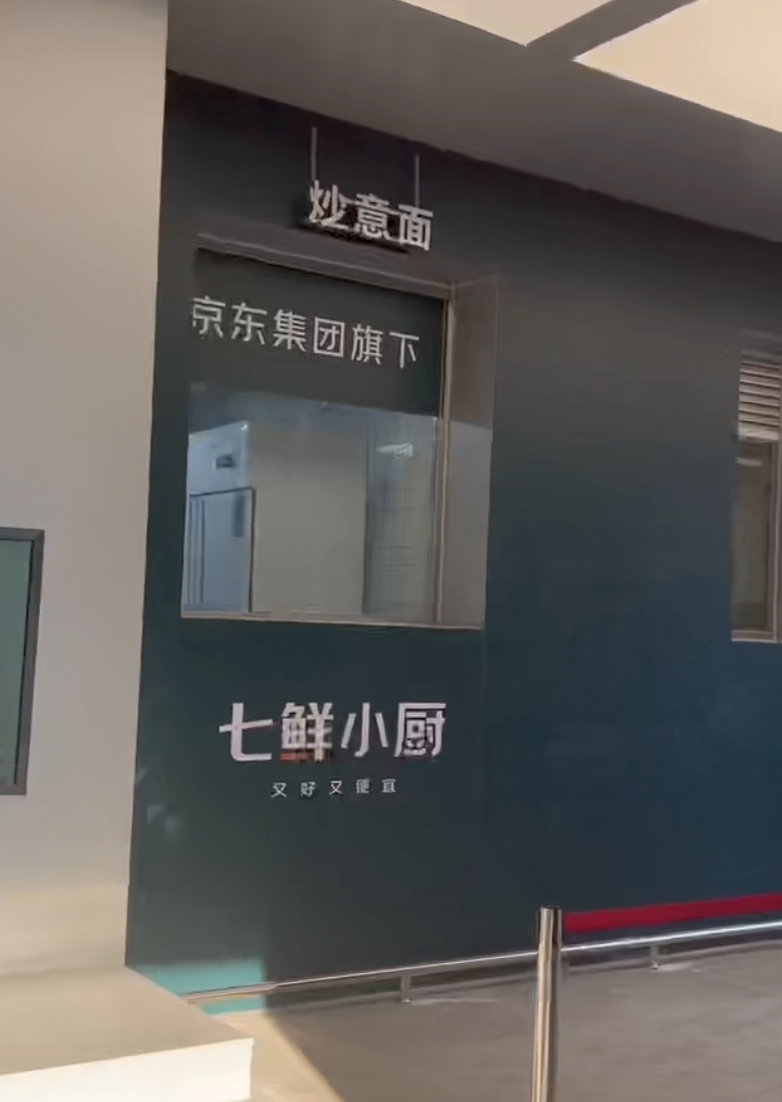
100观察|京东打造一种“与美团完全不同的商业模式”,强化供应链优势
Mei Ri Jing Ji Xin Wen· 2025-06-21 04:01
Group 1: JD Group's Business Model and Strategy - JD Group aims to create a business model distinct from Meituan, focusing on high-quality and safe food for consumers [1][9] - The emphasis is on leveraging the fresh supply chain behind food delivery to generate profits, rather than relying solely on meal orders [9] - The core challenge lies in balancing cost efficiency through technology with the need to enhance rider welfare, testing the company's commitment to social responsibility and commercial efficiency [1] Group 2: Competition Landscape - Future competition will focus on JD's ability to implement a "30-minute delivery" capability for fresh supply chains in the restaurant delivery sector [1] - Meituan faces the challenge of balancing merchant ecosystem health with profitability pressures while countering JD's combination of quality and low prices [1] Group 3: Performance Metrics - JD's "618" sales event saw a user count increase of over 100% year-on-year, with total orders exceeding 2.2 billion [5] - The performance in categories like 3C and home appliances remains strong, with significant growth in high-margin categories such as fashion and beauty [5] Group 4: Technological Innovations - JD's focus on supply chain efficiency aims to redefine the delivery ecosystem in the competitive instant retail market [9]

刘强东:京东外卖商业模式将彻底解决食品安全问题,布局外卖靠供应链赚钱【附外卖行业市场分析】
Qian Zhan Wang· 2025-06-18 11:08
Group 1 - JD's business model is entirely centered around the supply chain, including its new food delivery service, which aims to address food safety issues and provide high-quality, cost-effective food options [2] - JD's founder Liu Qiangdong plans to differentiate JD's food delivery service from Meituan's, focusing on the underlying fresh supply chain rather than just competing in the meal delivery market [2] - JD aims to capture one-third of the food delivery market by offering better products, lower prices, and superior service, thus alleviating the "choose one" dilemma for restaurants [2] Group 2 - As of June 2025, JD's food delivery service has expanded to 142 cities and partnered with over 450,000 quality dining restaurants, with full-time delivery riders exceeding 120,000 [3] - The food delivery market in China is dominated by Meituan and Ele.me, which together hold over 90% of the market share, with Meituan at 68.2% and Ele.me at 25.4% as of mid-2020 [3] - The Chinese food delivery market reached a scale of 1.1 trillion yuan in 2022, with a compound annual growth rate exceeding 20% from 2018 to 2022, and the user base growing by 26.83% during the same period [4] Group 3 - The food delivery sector has evolved into a comprehensive ecosystem, encompassing various stakeholders such as restaurant brands, packaging companies, raw material suppliers, and shared mobility services [5]