直销模式

Search documents
民生调查局 | 同仁堂,金字招牌在“贴牌”
Zhong Guo Xin Wen Wang· 2025-12-23 13:46
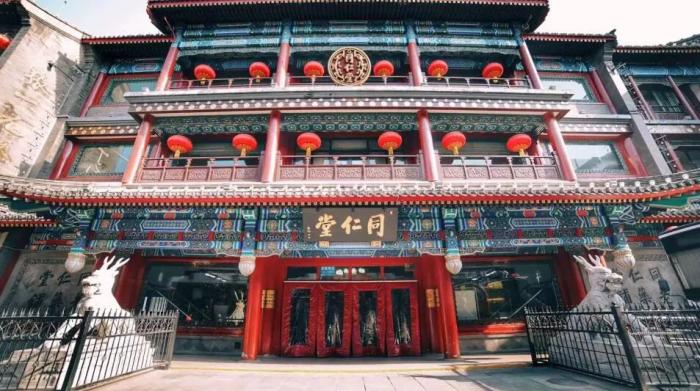
Core Viewpoint - The article discusses the brand integrity issues faced by Beijing Tongrentang, a historic Chinese medicine brand, due to its extensive licensing and outsourcing practices, which have led to product quality concerns and consumer confusion regarding authenticity [2][5][12]. Group 1: Brand Integrity and Licensing Issues - Beijing Tongrentang has faced backlash after a product, "99% High Purity Antarctic Krill Oil," was found to have no phospholipid content, highlighting the risks associated with its brand licensing strategy [2][3]. - The company has a complex network of over 400 subsidiaries, leading to confusion among consumers about which products are genuinely from the original brand [9]. - The brand's licensing practices have resulted in a proliferation of products under the Tongrentang name, often produced by third-party manufacturers, which has diluted the brand's reputation [5][9]. Group 2: Financial Performance and Market Strategy - Beijing Tongrentang's net profit for 2024 is projected to be 1.526 billion yuan, a decline of 8.54% year-on-year, marking the first negative growth in five years [13]. - The company has attempted to modernize and attract younger consumers through new retail initiatives, but these efforts coexist with traditional practices that may undermine brand trust [12][13]. - The brand's expansion into direct sales of health products has raised concerns about the potential risks associated with this business model, which is often viewed negatively in China [12].


同仁堂,金字招牌在“贴牌”
Zhong Guo Xin Wen Wang· 2025-12-23 12:25
Core Viewpoint - The article discusses the potential risks and implications of the brand expansion strategy employed by Beijing Tongrentang, a well-known traditional Chinese medicine brand, highlighting issues related to product quality and brand integrity due to extensive licensing and outsourcing practices [1][3][10]. Group 1: Brand Integrity and Quality Issues - Beijing Tongrentang issued an apology regarding a product quality issue with its "99% high-purity Antarctic krill oil," which claimed a phospholipid content of 43% but was found to be 0% in actual tests [3][10]. - The brand's licensing model has led to a proliferation of products under the Tongrentang name, many of which are produced by third-party manufacturers, raising concerns about the authenticity and quality of these products [3][4][10]. - The complexity of brand ownership and licensing has resulted in confusion among consumers, as multiple entities within the Tongrentang group produce and sell products under similar names, leading to difficulties in distinguishing genuine products from counterfeit ones [6][7][10]. Group 2: Business Model and Market Strategy - The company has expanded its product offerings significantly, including health supplements and daily necessities, which has been referred to as the "Tongrentang Universe," but this expansion raises questions about brand dilution [3][4][10]. - Beijing Tongrentang Health Pharmaceutical has adopted a direct sales model for its health products, which is often associated with negative perceptions in the market, potentially risking the brand's reputation [10][12]. - The company is facing financial challenges, with a reported net profit of 1.526 billion yuan for 2024, marking an 8.54% decline year-on-year, indicating a need for strategic reevaluation amidst its aggressive expansion efforts [12]. Group 3: Consumer Trust and Brand Management - The article emphasizes the importance of establishing modern corporate governance and a robust authorization system to restore consumer trust in the Tongrentang brand, which has been built over a century [12]. - The dual approach of maintaining traditional practices while attempting to attract younger consumers through innovative strategies reflects the internal contradictions faced by the brand during its rapid expansion [12].

康宝莱中国:模式争议与信任危机双重夹击
Jing Ji Guan Cha Bao· 2025-09-26 09:48
Core Insights - Herbalife China is facing multiple controversies including false advertising, refund difficulties, data violations, and product safety issues [1][2] - Consumer complaints on platforms like Black Cat Complaints highlight serious allegations against Herbalife, including claims of misleading recruitment and product ineffectiveness [1] - The company has been previously penalized for illegal direct selling practices, indicating ongoing regulatory challenges [2] Group 1: Consumer Complaints - On September 4, 2025, a consumer accused Herbalife of false recruitment practices, leading to product purchases without refunds, labeling the company as a "pyramid scheme" [1] - Complaints also include adverse health effects experienced after using Herbalife products, such as pain, bloating, headaches, and insomnia [1] - Allegations of inducing consumers to take loans for product purchases have been reported, raising ethical concerns about sales practices [1] Group 2: Data Security Issues - In August 2025, the Shanghai Communications Administration reported that three Herbalife apps violated personal information processing rules, necessitating rectification [1] - This incident highlights vulnerabilities in Herbalife's data governance and compliance with the Personal Information Protection Law [1] Group 3: Product Safety Concerns - In July 2025, Herbalife recalled 5,888 bottles of "Relax Tea" due to incorrect raw materials supplied by a vendor, raising safety concerns among consumers [2] - The ongoing issues with product safety contribute to a growing distrust in the brand [2] Group 4: Regulatory Challenges - Herbalife has a history of regulatory scrutiny, including a significant fine of 5.73 million yuan for illegal direct selling practices in 2018 [2] - The company has been operating in China since 1998 and has received approval to conduct direct selling in over 250 cities, but faces increasing operational and compliance challenges [2] Group 5: Leadership and Strategic Direction - In January 2024, Herbalife appointed Cai Menghong as the General Manager for China, tasked with overseeing market strategy, business development, and sales operations [2] - The effectiveness of this leadership change in addressing the current crises remains to be seen [2]

曾经的PC之王,也扛不住了
凤凰网财经· 2025-09-10 10:39
Core Viewpoint - Dell Technologies is undergoing significant restructuring, including layoffs in China, as part of a broader strategy to optimize operations and respond to market challenges [1][10]. Group 1: Company Background - Dell was founded in 1984 by Michael Dell in Texas, initially focusing on direct sales of PCs, which became a core competitive advantage [3][4]. - The company established a significant presence in China by opening a production base in Xiamen in 1998, becoming a key player in the Chinese market [5]. Group 2: Market Position and Challenges - Dell's global PC market share is projected to decline to 14.5% by Q2 2025, down 3 percentage points from the previous year, with a shipment volume of 9.8 million units [8][10]. - The company has seen a reduction in its workforce from 120,000 to approximately 108,000, marking a 10% decrease [9][10]. - Dell's challenges stem from a combination of external factors, such as weak global PC demand and geopolitical pressures, as well as internal strategic missteps and stiff competition [10][11]. Group 3: Strategic Shifts - Dell is focusing on artificial intelligence as a core growth engine, establishing an AI solutions center in Shenzhen to enhance its infrastructure and product offerings [12]. - The company faces the challenge of integrating its existing hardware with new AI technologies while ensuring compatibility and support for its extensive customer base [12].


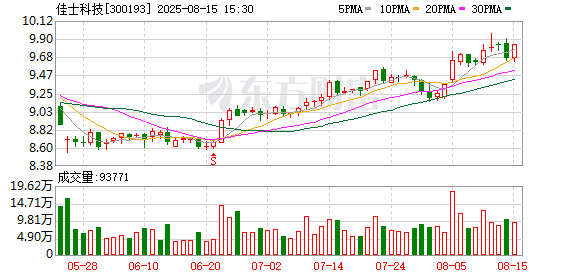
佳士科技:在工业焊机方面,在原有渠道销售模式的基础上,公司也将采取直销模式,目前销售团队已搭建完毕
Mei Ri Jing Ji Xin Wen· 2025-08-15 09:36
Core Viewpoint - The company has transitioned to a direct sales model for its general welding machines and has established a sales team that is already generating orders and delivering products [2]. Group 1 - The company has implemented a direct sales model alongside its existing authorized distribution model for general welding machines [2]. - The sales team has been fully established and has completed the necessary industry client onboarding processes [2]. - The company has signed orders that are currently in the delivery phase [2].

运营新能源车险1年就盈利 比亚迪跑通“车企系”财险公司模式?
Sou Hu Cai Jing· 2025-08-10 12:38
Core Insights - The rapid growth of the new energy vehicle (NEV) market is reshaping the auto insurance landscape, with automaker-backed players accelerating their entry into the sector [1][5] - BYD's insurance subsidiary has made significant strides in the NEV insurance market, achieving profitability within a year of operation, which is notably faster than the typical 5-7 year cycle for insurance companies [4][8] Group 1: Financial Performance - BYD's insurance business reported an insurance revenue of 1.398 billion yuan in the first half of 2025, surpassing the total revenue of 1.351 billion yuan for the entire year of 2024 [3][4] - The company achieved a net profit of 31.34 million yuan in the first half of 2025, a significant turnaround from a loss of 169 million yuan in 2024 [4][5] - The combined cost ratio improved dramatically from 308.81% in 2024 to 101.23% in the first half of 2025, with the combined loss ratio dropping to 95.13% [3][5] Group 2: Business Model and Strategy - BYD's insurance model leverages a "car-insurance-data" closed loop, integrating repair pricing, parts supply, and claims networks to control costs effectively [4][9] - The company utilizes a direct sales model to reduce intermediary costs, enhancing service efficiency and customer satisfaction [6][9] - BYD's strong sales volume and market share in the NEV sector provide a stable customer base for its insurance business, facilitating rapid premium growth [6][9] Group 3: Industry Context and Competitive Advantage - In 2024, the overall NEV insurance industry faced a loss of 5.7 billion yuan, highlighting the challenging environment for insurers [5][6] - BYD's insurance subsidiary has managed to maintain a competitive edge through its shareholder resources and technological capabilities, allowing it to prioritize insuring a large number of BYD brand vehicles [5][6] - The average premium for BYD's insurance in 2024 was 4,500 yuan, slightly decreasing to 4,300 yuan in the first half of 2025, which remains above the industry average but aligns with NEV insurance standards [6][7] Group 4: Implications for Other NEV Manufacturers - The success of BYD's insurance model offers valuable lessons for other NEV manufacturers looking to enter the insurance market, emphasizing the importance of leveraging core competencies and establishing efficient operational models [8][9] - Other automakers are encouraged to view insurance as an integral part of the vehicle lifecycle management rather than a mere financial side business [9][10] - Collaboration with regulatory bodies and a focus on compliance and innovation are essential for new entrants to navigate the insurance landscape effectively [8][9]


明日开抢!茅台70周年纪念酒,限量25568瓶
Sou Hu Cai Jing· 2025-08-07 15:22
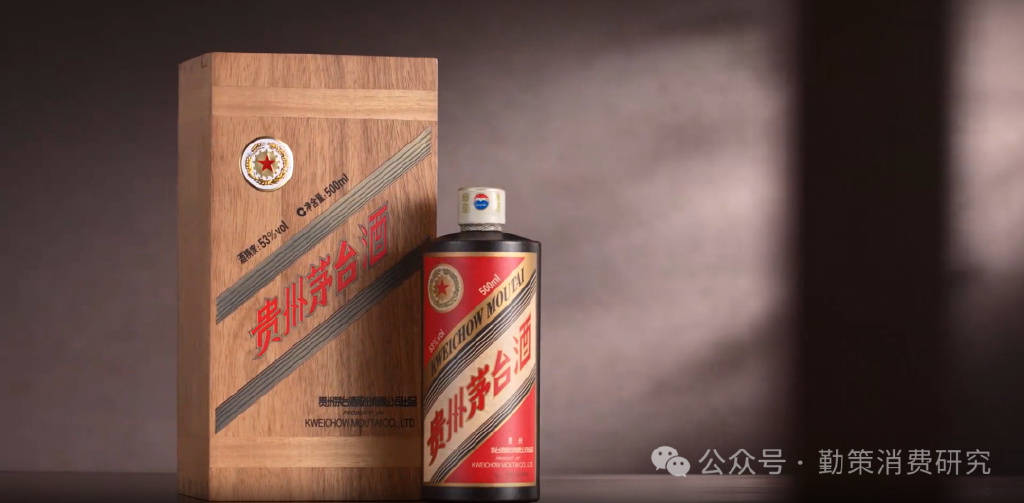
Core Viewpoint - The high-end liquor market in China is facing significant challenges in 2025, characterized by price inversion and consumption differentiation, yet Guizhou Moutai is strategically launching a limited edition commemorative liquor to counteract these trends and reinforce its brand value [1][6]. Group 1: Product Launch Details - Guizhou Moutai will release the "Guizhou Moutai (Five-Star Trademark 70th Anniversary Commemorative) liquor" on August 8, 2025, priced around 7,000 yuan, with a limited quantity of 25,568 bottles, each uniquely coded to represent specific dates from 1954 to 2024 [3][6]. - The unique coding mechanism transforms historical significance into collectible "time assets," enhancing the product's investment value beyond traditional limited editions [10]. Group 2: Strategic Positioning - The launch of the high-end commemorative liquor aims to reconstruct the pricing pyramid, differentiating it from regular products to protect brand value amidst declining prices of standard offerings [6][9]. - The strategy contrasts with previous failures, such as the zodiac liquor, by ensuring scarcity through unique coding, thus avoiding market oversupply and preserving brand image [9]. Group 3: Direct Sales and Channel Control - The sale will be exclusively through the i Moutai app, eliminating traditional distributors and preventing speculative hoarding, which has previously disrupted market prices [12][14]. - Moutai's direct sales model has significantly reduced distributor profits and narrowed price discrepancies, allowing for better control over product distribution and pricing [14]. Group 4: Channel Transformation - Moutai is undergoing a channel transformation, moving from reliance on distributors to direct consumer connections, with a goal of increasing direct sales to over 60% by 2026 [12][16]. - The company is setting higher entry barriers for new distributors and implementing exclusive regional protections to enhance operational efficiency and support quality distributors [16]. Group 5: Digital Infrastructure - The i Moutai app has surpassed 50 million registered users, serving as a crucial platform for product launches and market feedback collection, thereby enhancing consumer engagement [17]. - The app's transparent purchasing mechanism for limited editions ensures orderly sales and strengthens the brand's connection with consumers [17]. Conclusion - The launch of the commemorative liquor represents a significant strategic move for Moutai, showcasing its adaptability and commitment to maintaining brand value amidst market pressures, while also achieving a closed-loop in its ecosystem of industry, product, and channel [18].

茅台这出戏,还能唱多久?
Sou Hu Cai Jing· 2025-08-03 11:40
Core Viewpoint - The stock price of Moutai has been volatile, with significant fluctuations influenced by stock buyback announcements and market dynamics. The company's ability to maintain profitability through its flagship product, Feitian Moutai, is crucial for its valuation and investor confidence [1][3][4]. Group 1: Stock Buyback and Market Reaction - Moutai announced a stock buyback plan worth 30 to 60 billion yuan, leading to a 50% increase in stock price from 1224 yuan to 1844 yuan within a week, adding 770 billion yuan to its market capitalization [1]. - As of June 2023, Moutai had repurchased 0.27% of its shares, resulting in a slight increase in earnings per share from 68.64 yuan to 68.83 yuan [1]. - Currently, Moutai's stock price hovers around 1455 yuan, showing a 21% deviation from both its peak and trough prices over the past year, indicating investor indecision [3]. Group 2: Sales Strategy and Direct Sales - Moutai has shifted its sales strategy from relying solely on distributors to increasing direct sales, which have a significantly higher gross margin of 95.33% compared to 89.42% through agents [7]. - The direct sales approach allows Moutai to better control market prices and reduce reliance on distributors, with direct sales accounting for over 40% of total sales for three consecutive years [7][9]. - Despite fluctuations in direct sales ratios, Moutai aims to balance between distributor reliance and direct sales, reflecting a strategic middle ground [9]. Group 3: Digital Marketing and Product Lines - The iMoutai online platform initially showed strong sales performance, contributing 37% to direct sales, but this was later controlled to 25% to protect the offline pricing structure [10]. - Moutai's series of products, previously seen as secondary, have gained traction, with sales increasing from 11% to 20% of total sales, particularly with the Moutai 1935 product achieving significant sales [11][12]. Group 4: Pricing Strategies - Moutai employs both direct price increases and indirect price hikes through increased direct sales ratios, with the actual ex-factory price rising from 1164 yuan in 2020 to 1415 yuan in 2023 [14][15]. - The company has historically adjusted prices, with notable increases in 2018, but currently faces challenges in maintaining price levels without alienating consumers [14][15]. Group 5: Industry Context and Challenges - The overall white liquor industry is experiencing a decline, with production dropping nearly 70% from 2016 to last year, raising concerns about long-term growth prospects [17]. - Moutai's attempts to attract younger consumers through collaborations have not yielded sustained results, highlighting a disconnect with changing consumer preferences [17][23]. - The company faces a critical juncture, balancing its strong brand equity against the backdrop of a contracting market and shifting consumer habits [21][23].