存储设备

Search documents
春节扰动推升物价——2026年2月通胀数据解读【陈兴团队·华福宏观】
陈兴宏观研究· 2026-03-09 13:23
Core Viewpoint - The overall price level in February shows a significant recovery trend, with both CPI and PPI experiencing notable increases due to concentrated consumer demand during the Spring Festival and structural improvements in the economy [2][5][11]. CPI Analysis - In February, the national CPI increased from 0.2% to 1.3% year-on-year, marking the highest level in nearly three years, while the core CPI rose from 0.8% to 1.8% [5][6]. - Food prices shifted from a decline to an increase of 1.7%, contributing approximately 0.30 percentage points to the CPI increase, driven by heightened demand during the Spring Festival [6][7]. - Service prices surged by 1.6% year-on-year, influenced by concentrated consumer demand during the holiday, contributing about 0.75 percentage points to the CPI [6][7]. PPI Analysis - The PPI decreased by 0.9% year-on-year in February, with the decline narrowing by 0.5 percentage points compared to the previous month, marking the third consecutive month of reduced decline [11]. - The prices of production materials recorded a year-on-year decrease of 0.7%, while living materials saw a decline of 1.6% [11]. - Key industries such as electronic components and high-end equipment manufacturing showed price increases, with notable rises in aviation manufacturing (7.7%) and shipbuilding (0.5%) [11][15]. Price Trends - The PPI increased by 0.4% month-on-month in February, maintaining a five-month upward trend, primarily driven by rising production material prices [13]. - Significant price increases were observed in the energy sector, with oil and gas extraction prices rising by 5.1% and refined petroleum products by 0.7% [4][15]. - The prices of non-food industrial consumer goods expanded by 0.1 percentage points to 0.4% month-on-month, influenced by international geopolitical factors and rising commodity prices [7][15].


未知机构:持续强call存储设备重视机器人催化华西机械11春节-20260224
未知机构· 2026-02-24 02:35
Summary of Key Points from the Conference Call Industry Overview - The conference call focused on the storage device industry, particularly highlighting the performance of major companies such as SK Hynix and Samsung, as well as semiconductor equipment leaders like ASML, AMAT, LAM, and Teradyne [1][2]. Core Insights and Arguments - **Market Performance**: During the Spring Festival holiday, overseas indices saw widespread gains, with many European and East Asian indices reaching new highs [1]. - **Strong Demand in Storage Sector**: The storage sector has shown robust performance, with SK Hynix and Samsung's stock prices hitting new highs. The optimism is driven by a surge in real demand due to AI advancements and disciplined capacity expansion by manufacturers, alongside cleanroom limitations leading to supply imbalances [1][2]. - **Valuation Shift**: The global storage market is currently priced as a typical cyclical asset. However, there is an expectation that it will transition to a growth phase, with valuations potentially increasing from 5X-6X to 10X, 15X, or even 20X [1]. Additional Important Content - **Domestic Expansion**: The expansion of domestic storage capabilities in China is expected to resonate with both market conditions and domestic substitution. Companies like Jin Hua are projected to have expansion plans exceeding one million units, significantly outpacing overseas competitors [2]. - **Investment Recommendations**: Suggested investments include: - Front-end equipment: Precision Electronics, Tuo Jing Technology, Northern Huachuang, Jingyi Equipment, Zhongke Feicai, and Zhongwei Company. - Back-end testing equipment and materials were also mentioned, although specific companies were not detailed in the provided text [2].




ST证通虚假陈述被罚,投资者索赔推进中
Xin Lang Cai Jing· 2026-02-13 04:47
Core Viewpoint - The legal case against ST Zhentong Securities for false statements has progressed, with some cases officially submitted to the court for trial [1][4]. Financial Performance - ST Zhentong reported a significant loss of 30.35 million yuan in Q3 2024, with revenue declining by 18.4% year-on-year [4]. - The company received an administrative penalty notice on November 28, 2024, due to violations of information disclosure laws [4]. Regulatory Violations - The company was found to have false records in its annual reports for 2017 and 2019, leading to substantial penalties for the company and responsible individuals [4]. - In May 2024, ST Zhentong was issued a warning letter for inaccuracies in its 2023 performance forecast and failure to timely disclose external financial assistance [4]. Investor Rights - Two categories of affected investors are eligible to join the legal action: 1. Investors who bought shares between April 15, 2021, and April 29, 2024, and sold or still hold them after April 30, 2024, at a loss [1][2]. 2. Investors who bought shares between April 24, 2018, and May 30, 2024, and sold or still hold them after May 31, 2024, at a loss [2][4]. Specific Violations - The violations trace back to a 2015 acquisition where ST Zhentong acquired 70% of a company, which later engaged in false transactions through fake purchase and sales contracts [2][5]. - The total amount involved in the false transactions was 21.774 million yuan for purchases and 26.4814 million yuan for sales, with no actual delivery of goods [5].

MSCI:数据中心绿色转型迫切 高效服务器及存储设备迎机遇
Zhong Zheng Wang· 2026-01-28 13:25
Core Insights - The carbon emissions from data centers are a growing concern for investors, presenting opportunities for companies in the green transition of data centers [1] - Globally, data centers account for approximately 2% to 5% of total carbon emissions, with significant growth rates predicted, leading investors to focus on the sources of these emissions [1] - About 60% of carbon emissions from data centers come from the power consumption of core equipment like servers and storage devices, while around 40% is attributed to cooling equipment [1] - Many domestic companies are actively positioning themselves in the areas of cooling equipment and more efficient servers and storage devices, integrating these efforts into their green technology strategies, which is a key focus for investors [1] - The global assets under management related to sustainable investments continue to rise, with funds tracking MSCI's sustainable and climate indices surpassing $1 trillion [1]
莆田小伙卖数据线,年入60亿
创业家· 2026-01-22 11:39
Core Viewpoint - The article highlights the entrepreneurial journey of Zhang Qingsen, the founder of Ugreen Technology, who transformed from an ordinary individual into a billionaire by capitalizing on the demand for affordable electronic accessories in China, particularly in the context of rising prices for original Apple chargers [5][7][36]. Group 1: Entrepreneurial Journey - Zhang Qingsen, born in a small town in Fujian, moved to Shenzhen at the age of 24, facing initial challenges in finding stable employment [13][14]. - After working as a grassroots salesman for two years, he identified a market trend indicating the decline of traditional computer assembly businesses and pivoted towards producing transmission lines [19][21]. - In 2011, he founded Ugreen with two partners, focusing on quality and brand development in the competitive electronics market [22][28]. Group 2: Business Strategy and Growth - Ugreen's early success was attributed to its commitment to quality and customer service, including a generous return policy that built consumer trust [28][30]. - The company capitalized on the e-commerce boom by enhancing product presentation and customer engagement, which differentiated it from competitors [28][29]. - By 2015, Ugreen's revenue reached 200 million yuan, and by 2017, it surpassed 2 billion yuan, showcasing rapid growth [33]. Group 3: Market Positioning and Innovations - Ugreen became the first Chinese manufacturer to obtain Apple MFi certification in 2014, which initially did not yield expected sales due to brand perception issues [32][33]. - A strategic decision in 2020 to stockpile chips in anticipation of Apple's announcement to stop including chargers with new iPhones allowed Ugreen to meet market demand effectively, resulting in nearly 4 billion yuan in revenue that year [35][36]. - By 2024, Ugreen's revenue was projected to reach 6.17 billion yuan, with significant international sales, marking its establishment as a key player in the global consumer electronics accessories market [36][37]. Group 4: Leadership and Organizational Culture - Zhang emphasizes the importance of organizational structure and employee engagement, believing that aligning interests leads to a motivated workforce [43]. - Ugreen's growth is attributed to a culture of shared success, where employees are involved in decision-making and benefit from the company's achievements [43][44]. - Zhang's leadership style reflects a focus on long-term value creation rather than short-term profits, positioning Ugreen for sustained growth in a competitive landscape [42][43].

证通电子(002197)投资者索赔再获得法院立案
Xin Lang Cai Jing· 2026-01-22 03:34
Core Viewpoint - The article discusses the ongoing legal actions against Zhengtong Electronics (002197) due to allegations of financial misconduct, including inflated revenues and profits through fictitious transactions [1][2][3]. Group 1: Legal Proceedings - On January 19, 2026, a lawsuit for investor compensation against Zhengtong Electronics was officially filed in Shenzhen Intermediate Court, with multiple previous filings already in place [1]. - The law firm, Shanghai Jiu Cheng, continues to accept claims from other investors affected by the alleged misconduct [1]. Group 2: Allegations of Financial Misconduct - Zhengtong Electronics was found to have inflated its financial statements through fictitious transactions involving Guangzhou Yunshuo, leading to a reported increase in revenue and profits for the years 2017 and 2019 [2][3]. - Specifically, in 2017, the company falsely reported an increase in revenue of 17,641,509.43 yuan and profits of 5,077,406.87 yuan, which constituted 13.78% of the total disclosed profit for that year [2][3]. - In 2019, the inflated revenue was reported at 6,886,194.69 yuan, with profits inflated by 840,040.83 yuan, representing 12.52% of the total disclosed profit for that year [2][3]. Group 3: Investor Compensation Eligibility - Investors who purchased Zhengtong Electronics stock between April 15, 2021, and April 30, 2024, or between April 24, 2018, and May 30, 2024, are eligible to file for compensation if they sold or continued to hold their shares after the respective dates [4].
暴跌超9%!美硬件科技股遭遇抛售潮,“完美风暴”将席卷2026年硬件市场?
Jin Rong Jie· 2026-01-21 03:56
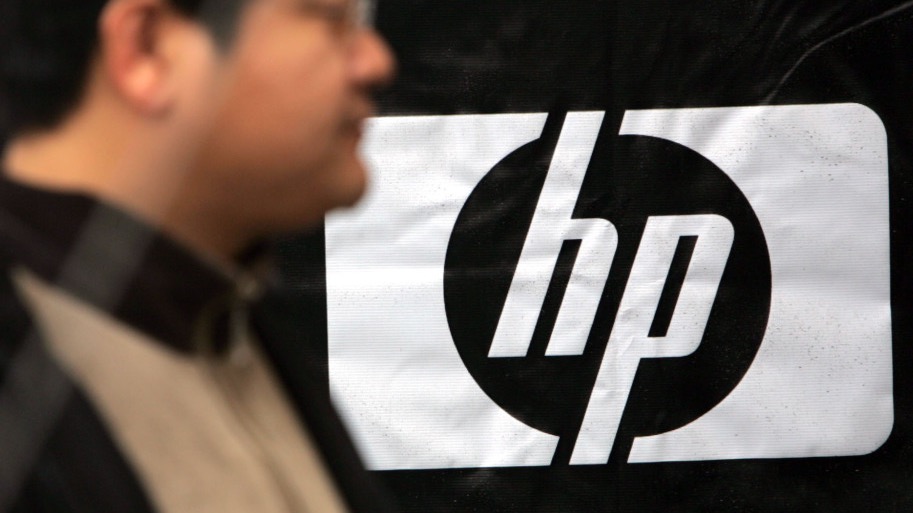
Group 1 - Major US hardware tech companies experienced significant stock sell-offs, with NetApp down over 9%, HP down nearly 3%, Dell down nearly 5%, and Logitech down about 4.5% [1] - Morgan Stanley downgraded the hardware tech sector rating, citing economic uncertainty and rising component costs leading to reduced hardware spending and slowing industry demand [1] - Morgan Stanley's report predicts that global enterprise hardware budgets will grow by only 1% year-on-year by 2026, marking the weakest growth in nearly 15 years, excluding the COVID-19 pandemic period [1] Group 2 - A survey indicated that 30% to 60% of customers might reduce their planned purchases of PCs, servers, and storage devices if component inflation persists [1] - The International Workplace Group's report shows that 95% of CEOs are optimistic about market performance in 2026, but all respondents prioritize cost control as a core focus [2] - Companies are reducing their 2026 budgets by an average of 10%, with many leaders adopting AI technologies and flexible work arrangements to enhance operational efficiency [2] Group 3 - IDC forecasts that global PC shipments could decline by up to 9% in 2026, with a moderate scenario predicting a 5% decrease [2] - The current industry landscape is expected to concentrate market share among leading manufacturers like Dell, HP, Lenovo, and Asus, which have better risk management capabilities compared to smaller firms [2] - Despite some growth support from AI-driven demand, uncertainties from US tariff policies add to the concerns surrounding the hardware tech sector [3]
美国硬件科技股遭大幅抛售
Di Yi Cai Jing Zi Xun· 2026-01-21 03:29
Group 1 - The core viewpoint of the articles indicates a significant downturn in the hardware technology sector, with major companies experiencing substantial stock price declines due to reduced corporate spending amid economic uncertainty and rising component costs [2][3][4] - Morgan Stanley downgraded the hardware technology industry's rating, warning of a "perfect storm" caused by slowing demand, input cost inflation, and overvaluation, leading to a more defensive strategy until 2026 [2][3] - The latest survey by Morgan Stanley predicts that hardware technology budget growth will only increase by 1% in 2026, marking the weakest growth in nearly 15 years, excluding the COVID-19 pandemic period [2] Group 2 - According to the International Workplace Group's report, 95% of CEOs are optimistic about 2026, but CFOs are planning to cut budgets by an average of 10% to control costs, leveraging AI and flexible work solutions to enhance operational efficiency [3] - A separate Morgan Stanley survey indicates that if component inflation continues, 30% to 60% of customers may reduce their planned purchases of PCs, servers, and storage devices, increasing the risk of downward adjustments in profit expectations for 2026 [3][4] - Citigroup analysts noted that hardware companies and distributors are facing fluctuations in enterprise demand, rising memory costs, and a projected decline in PC shipments by up to 9% in 2026, with a moderate scenario predicting a 5% contraction [4]



美国硬件科技股遭大幅抛售
第一财经· 2026-01-21 03:24
Group 1 - The core viewpoint of the article highlights a significant downturn in the hardware technology sector, with major companies experiencing substantial stock price declines due to reduced corporate spending amid economic uncertainty and rising component costs [3] - Morgan Stanley downgraded the hardware technology industry rating, warning of a "perfect storm" formed by slowing demand, rising input cost inflation, and overvaluation, leading to a more defensive strategy until 2026 [3][6] - The latest survey by Morgan Stanley indicates that hardware technology budget growth for 2026 is expected to be only 1% year-on-year, marking the weakest growth in nearly 15 years, excluding the pandemic period [3] Group 2 - According to the International Workplace Group's 2026 Corporate Executive Outlook Report, 95% of CEOs are optimistic about 2026, but all surveyed CEOs believe cost control is crucial, with an average budget cut of 10% planned by CFOs [4] - Companies are actively leveraging AI and flexible working solutions to enhance operational efficiency and unlock investment potential [4] - A separate Morgan Stanley survey revealed that if component inflation continues, 30% to 60% of customers may reduce their planned purchases of PCs, servers, and storage devices [5] Group 3 - Morgan Stanley stated that higher costs and elastic demand increase the risk of downward adjustments in profit expectations for 2026 [6] - Citigroup analysts noted that hardware companies and distributors face fluctuations in corporate demand, rising memory costs, and a decline in PC shipments for 2026 [6] - IDC's recent market outlook predicts a potential decline of up to 9% in PC shipments for 2026, with a moderate scenario indicating a shrinkage of 5% [6] - The current industry landscape may lead to further market share concentration among leading manufacturers like Dell, HP, Lenovo, and ASUS, which are better positioned to withstand market pressures compared to smaller regional brands and white-box manufacturers [6]

美国硬件科技股遭抛售,股价下跌
Di Yi Cai Jing· 2026-01-21 02:54
Core Viewpoint - The hardware technology sector is experiencing significant stock sell-offs and declining share prices due to reduced corporate spending amid economic uncertainty and rising component costs [1][3]. Group 1: Market Performance - Major hardware companies such as NetApp, HP, Dell, and Logitech have seen their stock prices drop significantly, with NetApp falling over 9% [1]. - Morgan Stanley downgraded the hardware technology sector's rating, indicating a slowdown in demand as companies cut back on hardware spending [3]. Group 2: Economic Outlook - A Morgan Stanley report warns of a "perfect storm" due to slowing demand, rising input cost inflation, and overvaluation, leading to a more defensive strategy until 2026 [3]. - The latest survey indicates that hardware technology budget growth for 2026 is expected to be only 1% year-over-year, marking the weakest growth in nearly 15 years, excluding the pandemic period [3]. Group 3: Corporate Sentiment - According to the International Workplace Group's 2026 Corporate Executive Outlook report, 95% of CEOs remain optimistic about 2026, emphasizing the importance of cost control [3]. - CFO surveys reveal that companies are planning to cut their 2026 budgets by an average of 10% to enhance operational efficiency through AI and flexible work solutions [3]. Group 4: Consumer Behavior - A separate Morgan Stanley survey indicates that if component inflation continues, 30% to 60% of customers may reduce their planned purchases of PCs, servers, and storage devices [4]. - Higher costs and fluctuating demand increase the risk of downward adjustments in profit expectations for 2026 [5]. Group 5: Industry Trends - Citigroup analysts note that hardware companies and distributors face challenges from fluctuating enterprise demand, rising memory costs, and a projected decline in PC shipments for 2026 [6]. - IDC forecasts a potential decline in PC shipments of up to 9% in 2026, with a moderate scenario predicting a 5% contraction [6]. - The current industry landscape may lead to further market share concentration among leading manufacturers like Dell, HP, Lenovo, and ASUS, which are better positioned to withstand market pressures compared to smaller brands [6].