
科技向善

Search documents
腾讯司晓:用让人放心的技术,迎接把人放大的未来
腾讯研究院· 2026-01-28 09:33
Core Viewpoint - The core message emphasizes the importance of technology being used for good, particularly in the context of AI, highlighting the need for human oversight and the enhancement of human capabilities and values through technology [2][3][4]. Group 1: Technology and Human Oversight - The rapid advancement of AI has transformed technology from a basic infrastructure to a more human-like entity capable of dialogue and decision-making [3]. - The concept of "reassuring people" involves ensuring that human agency remains central in decision-making processes, especially as AI takes on more responsibilities [4][5]. Group 2: Enhancing Human Capabilities - The first layer of enhancing humanity involves amplifying human abilities, allowing individuals to achieve what was previously unattainable with the support of AI [7]. - AI is envisioned as an extension of human capabilities, enabling ordinary individuals to access powerful digital resources [7]. Group 3: Amplifying Human Value - The second layer focuses on increasing human value, with AI serving as an intellectual partner that enhances creative processes across various fields [8]. - This shift represents a broader trend of transforming intelligence into a service that is readily available to enhance human productivity [8]. Group 4: Elevating Human Spirit - The third and most crucial layer is about elevating the human spirit, where AI takes over mundane tasks, granting humans more freedom to engage in creative and philosophical pursuits [9]. - The vision of "reassuring people and amplifying humanity" is framed as a collective societal effort, with initiatives like the "AI & Society Creation Camp" aimed at fostering community involvement [9]. Conclusion - The overarching goal for 2026 is to utilize technology that reassures people while paving the way for a future that amplifies human potential [10].



腾讯郭凯天:让AI成为尊重人、成就人、有温度的力量
腾讯研究院· 2026-01-27 15:33
Core Viewpoint - The core message emphasizes the importance of "Technology for Good" as a guiding principle for Tencent, shaping its identity and relationships with users, society, and the state [2][3]. Group 1: Technology for Good - "Technology for Good" has allowed Tencent to align its actions with societal values, contributing to areas like rural revitalization, digital education, public emergency response, and smart elderly care [1][2]. - The concept has evolved from an initial idea to a mission that guides Tencent's strategic direction, supported by experts and partners [2]. Group 2: AI and Its Ethical Implications - AI is a central theme in discussions about "Technology for Good," raising ethical questions that need to be addressed as AI continues to develop [2][3]. - The relationship between AI and society is viewed as a long-term journey, requiring patience and a long-term perspective rather than a short-term race [3][4]. Group 3: Long-term Perspective on AI - The development of AI is likened to a marathon rather than a sprint, suggesting that success will not be determined by who reaches milestones first but by how well AI integrates into various sectors [4][5]. - Companies must focus on creating deep connections between technology and user needs, rather than seeking immediate commercial gains [5]. Group 4: Confidence in AI's Role - AI is seen as an amplifier of human capabilities, not a replacement, helping to alleviate fears of job displacement [6][7]. - Real-world applications of AI demonstrate its role in enhancing productivity and collaboration, particularly in sectors like agriculture and e-commerce [8]. Group 5: Addressing Social Inequities - The ethical considerations of AI include ensuring that vulnerable populations are not left behind in the technological advancement [9][10]. - Companies must consider the impact of their technologies on all societal segments, striving to minimize disruption and promote inclusivity [10][11]. Group 6: Commitment to Responsible AI - Establishing a value system for AI that prioritizes social responsibility is deemed essential for its future development [11].

2026科技向善创新节:AI时代“让人放心,把人放大”
Xin Hua She· 2026-01-27 15:12
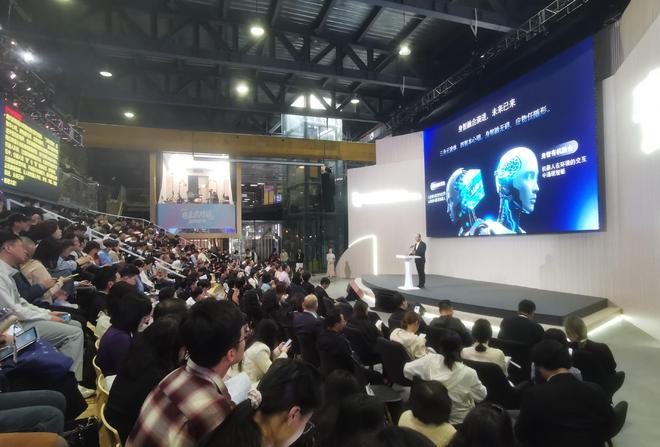
英国剑桥大学社会人类学教授艾伦·麦克法兰分享了其对AI时代的个人价值、教育、工作形态与社会关 系的长期观察与思考。在他看来,尽管人工智能加剧了对不平等和职业替代的担忧,但从历史经验看, 技术最终往往会走向普及,AI有潜力成为一种"分布式能力",为普通人参与创造、创业和自我实现提供 新机会。但他也建议称,未来我们会生活在一个更加流动的社会里,人们需要以更通用的能力结构,来 应对多次职业转换,培养灵活性、自信与终身学习能力。 "2026科技向善创新节"现场。新华社发 新华社深圳1月27日电(记者王丰)27日,腾讯研究院主办的"2026科技向善创新节"在深圳举行,来自 全球科技、人文、艺术、教育等领域的53位专家学者共同探讨AI快速演进背景下,个体生活、产业形 态与社会结构正在发生的深层变化。大家普遍认为,必须为人工智能确立清晰、坚定的"向善"价值观, 并确保其发展始终对人负责、对社会负责。 "AI是一项能力普惠的放大器,我们一定要把它用好、用对。" 腾讯集团高级副总裁郭凯天认为,AI的 价值不在于替代人,而在于放大人、帮助更多普通人获得能力与机会。他分享了一个生动案例:去年, 腾讯做过一次AI助手"元宝"下乡活动 ...
AI发现的25个好故事
腾讯研究院· 2026-01-16 11:24
Core Insights - The article emphasizes the importance of grassroots innovation and the role of technology in solving real-world problems, particularly in underserved communities [4][10] - It highlights 25 stories of companies that are leveraging technology to create meaningful change, often in areas considered unprofitable or mundane [6][8] Group 1: Grassroots Innovation - Companies like Frontier Markets empower rural women in India, known as "Saheli," to sell products and build trust within their communities, showcasing a model that prioritizes human connection over technology [10][11] - ZwitterCo has developed a unique filtration membrane that can process heavily contaminated wastewater, addressing a significant global issue where 80% of wastewater is untreated [6][8] - EcoPeace's solar-powered boats in Korea serve dual purposes of cleaning lakes and collecting data, demonstrating innovative environmental solutions [6] Group 2: Empowerment through Technology - Abridge uses generative AI to improve doctor-patient interactions by streamlining electronic medical records, thus restoring the human element in healthcare [10] - Jibu's franchise model in Africa allows local entrepreneurs to operate water stations, providing clean water while creating jobs and dignity [11] - Buymed in Vietnam builds a robust B2B supply chain for small pharmacies, enhancing the healthcare system without displacing existing businesses [12] Group 3: Sustainable Practices - Companies like TBM in Japan create paper from limestone, reducing deforestation and water usage, while Brenmiller Energy uses stones for thermal energy storage, offering a low-cost, long-lasting solution [7][8] - The transformation of coffee fruit into a superfood by Colombian entrepreneurs exemplifies how waste can be repurposed into valuable products [8] - Kind Designs in the U.S. utilizes 3D printing to create eco-friendly sea walls that support marine life, merging construction with ecological restoration [17] Group 4: The Role of Technology - The article posits that the best technologies are those that enhance human dignity and trust rather than replace human roles [14] - Companies are increasingly focusing on being "pavers" rather than "gold miners," aiming to build systems that support sustainable economic growth [11][12] - The stories presented illustrate that significant change often starts from small, localized initiatives that address specific community needs [16][17]

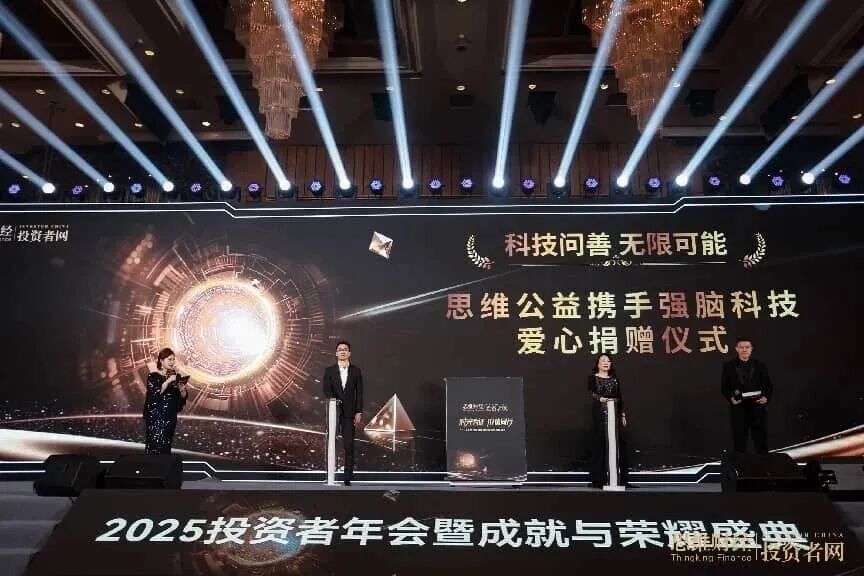
科技向善,无限可能:厚扬投资携手强脑科技共启思维公益2026新篇章
Xin Lang Cai Jing· 2026-01-15 14:09
Core Viewpoint - The initiative "Technology for Good" is transitioning from concept to action, with a focus on empowering disabled individuals through technology, marking a significant expansion of philanthropic efforts into the AI sector by the company [1][3]. Group 1: Philanthropic Initiatives - The company has a long-standing commitment to educational equity and child welfare, having supported various projects such as building hope primary schools in remote areas and donating nearly 280,000 yuan worth of Skechers shoes to rural children [2][6]. - The collaboration with Qiangnao Technology aims to enhance rehabilitation training and social integration for disabled individuals, leveraging Qiangnao's leadership in non-invasive brain-computer interface technology, which has achieved a valuation exceeding $1.3 billion and recently completed strategic financing of approximately 2 billion yuan [2][6]. Group 2: Future Directions - The company is evolving from being a resource supporter to a co-builder of the philanthropic ecosystem, intending to actively connect the Thinking Public Welfare platform with innovative technological forces [3][7]. - The company emphasizes that philanthropy is not just about giving but about co-creating value, aiming to create sustainable and replicable social value through the integration of investment, philanthropy, and technology [2][7].
【回望2025】创新科普形式,赋能未来成长:汽车指数科普践行路上的“责任”答卷
Zhong Guo Qi Che Bao Wang· 2026-01-15 07:59
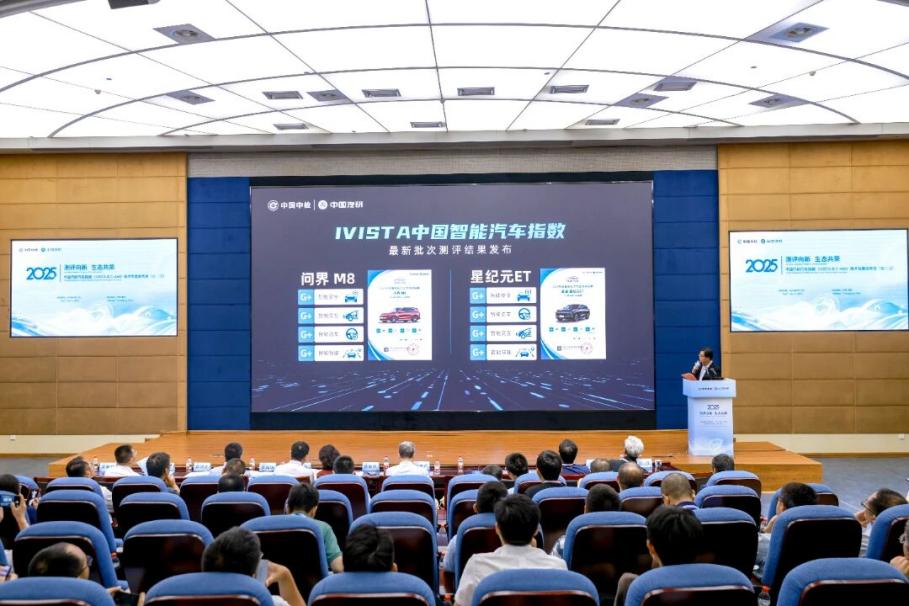
Core Viewpoint - The 2026 New Year message from the national president emphasizes the importance of innovation for high-quality development, the significance of public welfare, and the need for openness to the world. The China Automotive Research Institute (CARI) is committed to these principles through its automotive index, focusing on innovation, responsibility, and a global perspective in 2025 [1]. Group 1: Public Release - CARI prioritizes "public release" as a key action to fulfill social responsibility, aiming to transform rigorous evaluation results into trustworthy consumer references. In 2025, the automotive index published results from 8 evaluation batches, covering over 60 popular market models, providing comprehensive and reliable guidance for consumers [2]. Group 2: Public Science Popularization - CARI is dedicated to creating a new ecosystem for public science popularization, introducing a science popularization IP character named "Little Lion Pointer" to bridge the gap between professional evaluation technology and public understanding. This character, inspired by a lion, aims to make technical knowledge more accessible and relatable [4][6]. Group 3: Public Welfare Activities - CARI's public welfare initiatives have reached various communities, including universities and schools, to spread knowledge. The "University Tour" engaged nearly 3,000 students through technical lectures on topics like automotive safety and intelligent driving evaluation, fostering innovation and talent in the industry [7]. - The "Campus Tour" provided traffic safety education to children through interactive methods, encouraging them to become "safety little supervisors" within their families. This initiative aims to influence entire families through the education of a single child [10]. - CARI participated in national science popularization events, such as the World Intelligent Industry Expo, showcasing the "Little Lion Pointer" and offering immersive evaluation experiences to the public, enhancing understanding of professional evaluation results [15][19].

音爱相连 | 萨摩耶云携手呈现公益新年音乐会,为孤独症儿童传递温暖力量
Sou Hu Wang· 2026-01-13 07:02
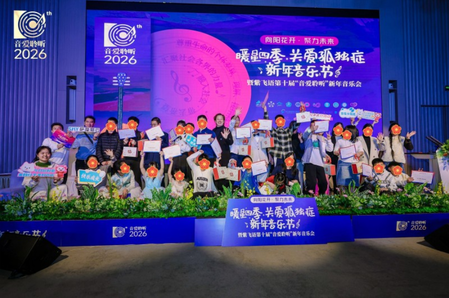
Core Viewpoint - Samoyed Cloud Technology Group, in collaboration with partners, hosted a charity music festival aimed at supporting children with autism, showcasing its commitment to social responsibility and the power of finance for good [1][11]. Group 1: Event Overview - The "Warm Star Four Seasons: Caring for Autism" New Year Music Festival took place in Shenzhen, gathering nearly 200 children with autism, their parents, and caring individuals [1]. - The event featured a performance by the "Star Angel Orchestra" from the Zifeiyu Rehabilitation Institution, where children showcased their musical talents under the guidance of their teachers [5]. Group 2: Community Engagement - Volunteers in yellow vests provided support and distributed items to attendees, fostering a warm and welcoming atmosphere [3]. - An "affection market" displayed artworks and handmade products created by children with autism, with Samoyed Cloud preparing special gifts for these children [7]. Group 3: Corporate Social Responsibility - Since its establishment in 2015, Samoyed Cloud has engaged in various philanthropic efforts, including providing free lunches to remote schools and supporting rural revitalization through educational funding and consumer assistance [10]. - The company has received multiple awards for its contributions to public welfare and consumer rights protection, demonstrating its commitment to social responsibility [10]. Group 4: Future Commitment - The charity music festival represents a continuation of Samoyed Cloud's efforts in public welfare, with plans to integrate charitable actions into its daily operations and focus on education support and care for special groups [10][11].
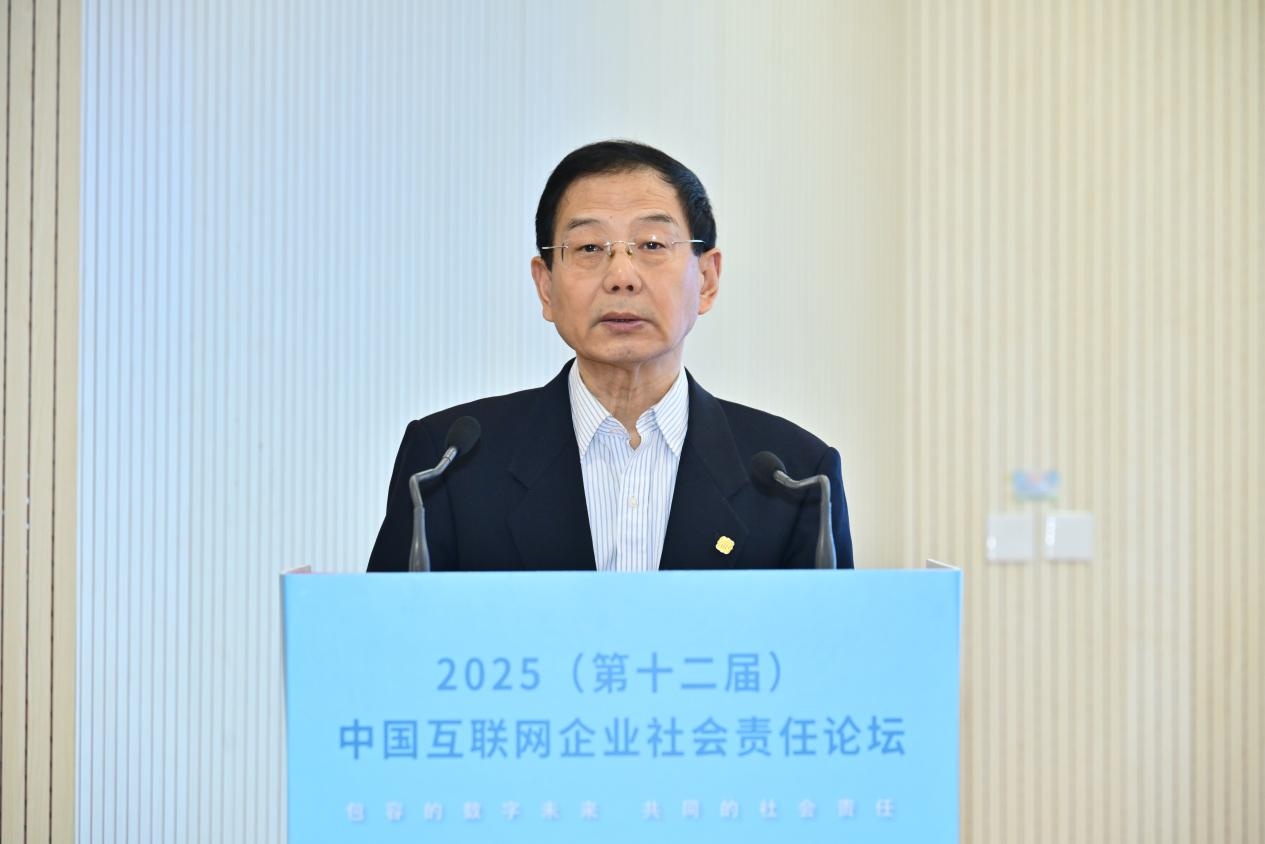
2025(第十二届)中国互联网企业社会责任论坛在京举办
Yang Guang Wang· 2026-01-13 02:43
Core Viewpoint - The 2025 China Internet Enterprises Social Responsibility Forum emphasizes the theme of "Inclusive Digital Future, Shared Social Responsibility," aiming to explore new methods for social responsibility in the digital era and promote healthy development in the internet industry [1]. Group 1: Forum Overview - The forum was organized by the China Internet Association and included various stakeholders such as government officials, industry leaders, and experts from organizations like Alibaba, Meituan, and Tencent [2]. - The forum featured speeches and discussions on the importance of social responsibility in the internet sector, highlighting the need for collaboration and innovation [2][4]. Group 2: Key Speeches and Recommendations - Huang Chengqing, a key speaker, outlined four recommendations for the internet industry: integrating technology for good, fostering partnerships for ecological prosperity, embedding green development into operations, and promoting open dialogue to address challenges [4]. - Lv Shiming emphasized the significance of building an accessible environment as a marker of national and social civilization, highlighting the legal framework supporting 85 million disabled individuals and 310 million elderly people in China [5]. Group 3: Reports and Initiatives - Zhao Xinxin presented the "Sustainable Information Disclosure Development Report (2025)," indicating that the overall quality of information disclosure in the internet and communication sectors is improving, with significant advancements in quantitative data disclosure and substantive issue analysis [6]. - The "China Internet Elderly Assistance and Disability Support Intelligent Application Common Technology Service Platform" was launched to address the needs of 130 million elderly individuals living alone and 30 million individuals with severe disabilities [7][11]. Group 4: Collaborative Efforts and Future Plans - The China Internet Association, along with other organizations, initiated a recruitment plan for partners in the intelligent application ecosystem, focusing on collaboration among government, enterprises, social organizations, and research institutions [8]. - The forum also announced the "Digital Temperature" series of promotional activities aimed at showcasing the internet industry's social responsibility practices through case studies [12]. Group 5: Trends and Future Directions - A report on the "Top Ten Trends in Internet Industry Sustainable Development" was released, highlighting the integration of environmental, social, and governance (ESG) factors into business operations and the role of artificial intelligence in reshaping industry responsibilities [11]. - The forum concluded with a roundtable discussion on "Technology for Good and Business Practice," emphasizing the importance of sharing experiences and best practices in fulfilling social responsibilities [14].
为儿童手表立规,只是守卫成长的第一步
经济观察报· 2026-01-08 14:18
Core Viewpoint - The recent approval of the mandatory national standard "Safety Technical Requirements for Children's Watches" marks a significant regulatory step for the children's smartwatch industry, aiming to break the closed social ecosystem and reshape market dynamics [2][3]. Group 1: Regulatory Changes - The new standard requires that products allow the exchange of phone numbers and nicknames between different brands, which is expected to dismantle the existing brand loyalty that has forced parents to choose devices based on peer usage rather than functionality [2][3]. - The introduction of this standard reflects a policy commitment to prevent excessive commercial influence on children's social environments, indicating a shift towards prioritizing basic functionalities like communication and positioning in product offerings [3]. Group 2: Market Dynamics - The children's smartwatch market is projected to reach a penetration rate of approximately 35% by 2025, with nearly half of urban children expected to own such devices, highlighting the deep integration of this technology into children's growth [3]. - As social barriers between different brands are removed, parents will regain the ability to choose products based on their merits rather than social pressures, leading to a more competitive market focused on core functionalities [3]. Group 3: Social Implications - The article emphasizes that the issue of children being drawn to virtual social interactions is not solely the fault of smartwatches; it calls for a broader societal reflection on why digital interactions can be more appealing than real-life connections [4][5]. - The shift towards digital communication has resulted in a decline in traditional play experiences, with children spending less time engaging in physical activities with peers, which raises concerns about the loss of a "playful childhood" [5]. Group 4: Future Considerations - The new regulations are just the beginning; a collective societal effort is needed to preserve the valuable aspects of childhood that are not tied to technology or consumerism, emphasizing the importance of providing children with time and space for real-world interactions [5].

为儿童手表立规,只是守卫成长的第一步
Jing Ji Guan Cha Wang· 2026-01-08 11:45
Core Viewpoint - The newly approved mandatory national standard for children's smartwatches, effective from January 1, 2027, aims to break the social barriers between different brands, potentially reshaping the market and industry landscape [1][2]. Group 1: Industry Changes - The new standard mandates that products must allow the exchange of phone numbers and nicknames between different brand devices, addressing the long-standing issue of social isolation among children using different brands [1]. - The children's smartwatch market is projected to reach a penetration rate of approximately 35% by 2025, indicating that one in three children will own such devices, with urban children nearing a 50% ownership rate [2]. - The introduction of the national standard signals a regulatory starting point to prevent excessive commercial influence on children's social environments [2]. Group 2: Consumer Behavior - With the removal of social barriers, parents will no longer feel pressured by concerns about their children being isolated, allowing them to focus on the fundamental functions of communication and positioning when choosing devices [2]. - The current experience of basic functions like positioning is still lacking, as some devices only show the child's location without providing the parent's relative position, highlighting the need for improvement in core functionalities [2]. Group 3: Societal Implications - The regulation of the children's smartwatch industry is just the first step in addressing broader issues related to children's engagement with virtual social environments, which may overshadow real-life interactions [3]. - The appeal of certain brands as "social currency" among children stems from a product development perspective that prioritizes children's needs, suggesting a need for a more child-centric approach in product design [3]. - The rise of digital interactions has led to a decline in traditional play experiences, emphasizing the importance of balancing technology with opportunities for real-world engagement [4]. Group 4: Future Considerations - The new standard sets a baseline for the industry, but further societal efforts are required to protect the valuable aspects of childhood that are not tied to technology or consumerism [4]. - It is essential to provide children with sufficient time, space, and freedom to play, fostering a connection with the real world amidst the digital landscape [4].