美丽乡村建设

Search documents
盘锦市大洼区入选国家首批美丽乡村先行区名单
Liao Ning Ri Bao· 2026-01-23 01:01
Core Viewpoint - The Ministry of Ecology and Environment has released the first batch of beautiful countryside pilot areas, with 23 counties (cities, districts) selected, including Dawa District of Panjin City, which has become a benchmark for beautiful countryside construction [1] Group 1: Selection Criteria - The first batch of beautiful countryside pilot areas is categorized into three core features: those emphasizing rural ecological functions, those focusing on urban-rural integration, and those highlighting agricultural production functions [1] - Dawa District is classified under the category that emphasizes agricultural production functions [1] Group 2: Development Achievements - Dawa District serves as a base for integrated breeding and propagation of Northeast japonica rice and is a core area for intensive rice production [1] - The district has adopted the "Ten Million Project" experience, following a unique development path characterized by "ecological foundation, industrial empowerment, and quality of life improvement" [1] - The area has successfully improved and utilized saline-alkali land, establishing 838,000 acres of high-standard farmland [1] Group 3: Technological Advancements - The introduction of "smart greenhouses" and "digital farms" has significantly advanced agricultural modernization through technological innovation [1] - The brand value and market influence of local specialty agricultural products such as "Panjin rice," "Panjin river crabs," and "Panjin alkaline persimmons" continue to rise [1] Group 4: Ecological Governance - Ecological governance efforts have led to efficient disposal of rural household waste and sewage, significantly enhancing the resource utilization level of agricultural waste [1] - The district has achieved the elimination of all black and odorous water bodies, resulting in a more vibrant rural ecological environment [1] - The outcomes of beautiful countryside construction are tangibly benefiting the local population, contributing to a livable and prosperous Dawa District [1]
惠州龙门入选第一批美丽乡村先行区
Nan Fang Ri Bao Wang Luo Ban· 2026-01-22 08:10
1月21日,生态环境部公布第一批美丽乡村先行区名单,全国23个县(市、区)入选。其中,惠州龙门 榜上有名,也是全省唯一入选该名单的地区。 第一批美丽乡村先行区名单中,有破解山区乡村建设难题,协调生态保护与民生发展的10个重点体现农 村生态功能的涉农县(市、区);也有统筹城乡发展,扭转二元结构,摸索"生态保护+特色产业"的7个 重点体现城乡融合发展的涉农县(市、区);还有保障生态底色、实现产业兴农的6个重点体现农业生 产功能的涉农县(市、区)。此次龙门被纳入重点体现农业生产功能的涉农县(市、区)。 美丽乡村建设是一项系统性工程,涵盖生态、产业、民生、文化等多个维度。近年来,龙门协同推进生 态环境保护与县域高质量发展,持续探索生态优势向发展优势转化。一方面,坚持推进农业现代化,打 造农业全产业链条,培育特色优势产业。探索"生态+产业"发展路径,推动农文旅深度融合,县内的丝 苗米和三黄胡须鸡两大省级现代农业产业园成为当地推进三产融合发展的新样本。另一方面,依托红色 文化和生态资源,打造集研学、康养、乡村旅游于一体的示范带,推动村级集体经济由"单点发 展"向"联村共建"转变。同时,通过"企业+合作社+基地+农户"等模 ...
青岛市崂山区入选全国首批美丽乡村先行区
Xin Hua Wang· 2026-01-22 03:47
Core Insights - The Ministry of Ecology and Environment has released the first batch of beautiful countryside pilot areas, with 23 counties (cities, districts) selected, including Qingdao's Laoshan District as the only representative from Shandong Province [1][2] - Laoshan District emphasizes ecological foundations and has implemented high-standard rural revitalization projects, contributing to a comprehensive improvement in beautiful countryside initiatives [1] Group 1: Beautiful Countryside Pilot Areas - The first batch of 23 beautiful countryside pilot areas has been announced, focusing on clean and tidy villages, effective sewage and waste management, and the elimination of black and odorous water bodies [2] - By 2027, China aims to support around 100 counties (cities, districts) in developing beautiful countryside pilot areas, with a target for the proportion of fully built beautiful countryside to reach 40% [2] Group 2: Laoshan District Initiatives - Laoshan District has invested a total of 1.46 billion yuan from 2019 to 2025 for rural living environment improvement, constructing over 1,600 kilometers of sewage pipelines and 42 sewage treatment plants [1] - The district has maintained a 100% excellent water quality rate in coastal waters and a 100% compliance rate for water quality in source areas and major surface water sections for several years [1] - The district is also focused on ecological value transformation, implementing projects to enhance rural appearance and preserve traditional village styles while promoting agricultural brand development through local products [1]
全国首批美丽乡村先行区发布 山东一地入选
Da Zhong Ri Bao· 2026-01-22 01:18
Group 1 - The Ministry of Ecology and Environment has released the first batch of beautiful rural pilot areas, with 23 counties (cities, districts) selected, including Laoshan District in Qingdao as the only representative from Shandong [2][3] - Laoshan District focuses on ecological foundations, implementing scientific land planning and high-standard rural revitalization demonstration areas, with a total financial investment of 1.46 billion yuan from 2019 to 2025 for rural living environment improvement [2] - The district has constructed over 1,600 kilometers of sewage pipelines and 42 sewage treatment plants, achieving comprehensive governance of rural domestic sewage [2] Group 2 - The first batch of beautiful rural pilot areas adheres to the "Ten Thousand Projects" experience, meeting basic conditions such as clean and tidy villages, effective sewage and waste management, and the elimination of black and odorous water bodies [3] - By 2027, the country aims to support around 100 counties (cities, districts) in building beautiful rural pilot areas, with a goal of achieving a 40% completion rate for beautiful rural areas [3] - Laoshan District is also promoting the transformation of ecological value through projects that enhance rural appearance and protect traditional village styles, while integrating industries to boost agricultural branding and value [2][3]
惠州龙门入选!生态环境部公布第一批美丽乡村先行区名单
Nan Fang Nong Cun Bao· 2026-01-21 10:36
惠州龙门入选! 生态环境部公布 第一批美丽乡村 先行区名单_南 方+_南方plus 1月21日,生态 环境部公布第一 批美丽乡村先行 区名单,广东省 惠州市龙门县入 选,被列为"重 点体现农业生产 功能的涉农县 (市、区)" 。 全国共有23个县 (市、区)入选 该名单,包括10 个"重点体现农 村生态功能的涉 农县(市、 区)" 、7个"重 点体现城乡融合 发展的涉农县 (市、区)" , 以及6个"重点体 现农业生产功能 展、"绿水青 山"转化为"金山 银山"等方面, 具有适合各地学 习借鉴的特色经 的涉农县(市、 区)" 。 惠州龙门入选第一批美丽乡村先行区名单 据生态环境部土 壤生态环境司司 长赵世新介绍, 这23个美丽乡村 先行区,深入学 习运用"千万工 程"经验,符合 山清水美等基本 条件,也就是村 庄干净整洁,污 水垃圾得到有效 治理,黑臭水体 基本消除。同时 在生态环境治 理、农业绿色发 验做法。 据了解,生态环 境部、农业农村 部等九部门已于 2025年1月14日 联合印发《美丽 乡村建设实施方 案》,为推进相 关工作制定了明 确的路线图。该 方案明确提出, 到2027年前,将 分类选取100 ...


直通部委|住建部:今年将着力稳定房地产市场 能源局:电动汽车充电设施突破2000万个
Xin Lang Cai Jing· 2026-01-21 10:20
生态环境部:第一批23个美丽乡村先行区名单公布 生态环境部1月21日公布第一批美丽乡村先行区名单,浙江安吉等23个县(市、区)入选。首批名单公 布,有破解山区乡村建设难题,协调生态保护与民生发展的10个重点体现农村生态功能的涉农县(市、 区);也有统筹城乡发展,扭转二元结构,摸索"生态保护+特色产业"的7个重点体现城乡融合发展的涉 农县(市、区);还有保障生态底色、实现产业兴农的6个重点体现农业生产功能的涉农县(市、 区)。2025年,我国农村生态环境质量不断改善,新增环境整治行政村2.4万余个,农村生活污水治理 率达到55%,较"十三五"末翻了一番多,全国5042个房前屋后较大面积农村黑臭水体基本消除,美丽乡 村整县建成比例达到20%,各美其美、美美与共的美丽乡村建设格局初步显现。到2027年,我国将重点 支持100个左右县开展美丽乡村先行区建设,梯次推进美丽乡村整县建成比例达到40%。 交通运输部:寒潮影响国省干线共有161个路段封闭 住建部:今年将着力稳定房地产市场,继续因城施策 据央视新闻1月21日消息,住房和城乡建设部部长倪虹接受采访时表示,今年将着力稳定房地产市场, 继续因城施策、精准施策,发挥好 ...
生态环境部发布第一批美丽乡村先行区名单
Zhong Guo Xin Wen Wang· 2026-01-21 07:29
河北省:承德市兴隆县 福建省:南平市武夷山市 江西省:宜春市靖安县 湖北省:襄阳市保康县 广西壮族自治区:桂林市阳朔县 海南省:五指山市 云南省:昭通市绥江县 西藏自治区:那曲市嘉黎县 生态环境部发布第一批美丽乡村先行区名单 中新网1月21日电 据生态环境部微信公众号消息,为贯彻落实《中共中央 国务院关于全面推进美丽中国 建设的意见》《关于建设美丽中国先行区的实施意见》《美丽乡村建设实施方案》,率先形成一批美丽 乡村建设标杆,在各省(自治区、直辖市)推荐名单的基础上,生态环境部组织选取浙江省湖州市安吉县 等23个县(市、区)为第一批美丽乡村先行区,现予发布。 第一批美丽乡村先行区名单(23个) 重点体现农村生态功能的涉农县(市、区) 浙江省:湖州市安吉县 陕西省:安康市石泉县 重点体现城乡融合发展的涉农县(市、区) 内蒙古自治区:呼和浩特市新城区 重点体现农业生产功能的涉农县(市、区) 江苏省:常州市溧阳市 安徽省:芜湖市湾沚区 山东省:青岛市崂山区 湖南省:湘潭市韶山市 重庆市:璧山区 四川省:成都市大邑县 辽宁省:盘锦市大洼区 河南省:周口市淮阳区 广东省:惠州市龙门县 贵州省:遵义市湄潭县 宁夏回族自治 ...
生态环境部公布第一批23个美丽乡村先行区名单
Yang Shi Wang· 2026-01-21 06:36
浙江省:湖州市安吉县 河北省:承德市兴隆县 福建省:南平市武夷山市 江西省:宜春市靖安县 湖北省:襄阳市保康县 广西壮族自治区:桂林市阳朔县 海南省:五指山市 云南省:昭通市绥江县 西藏自治区:那曲市嘉黎县 陕西省:安康市石泉县 内蒙古自治区:呼和浩特市新城区 江苏省:常州市溧阳市 安徽省:芜湖市湾沚区 山东省:青岛市崂山区 湖南省:湘潭市韶山市 重庆市:璧山区 四川省:成都市大邑县 辽宁省:盘锦市大洼区 河南省:周口市淮阳区 广东省:惠州市龙门县 贵州省:遵义市湄潭县 宁夏回族自治区:吴忠市利通区 央视网消息:据生态环境部微信公众号消息,为贯彻落实《中共中央 国务院关于全面推进美丽中 国建设的意见》《关于建设美丽中国先行区的实施意见》《美丽乡村建设实施方案》,率先形成一批美 丽乡村建设标杆,在各省(自治区、直辖市)推荐名单的基础上,生态环境部组织选取浙江省湖州市安 吉县等23个县(市、区)为第一批美丽乡村先行区,现予发布。 第一批美丽乡村先行区名单(23个) 重点体现农村生态功能的涉农县(市、区) 重点体现城乡融合发展的涉农县(市、区) 重点体现农业生产功能的涉农县(市、区) 新疆生产建设兵团:第一师七团 ...
低成本高颜值:这“花”是怎么“绣”出来的?
Xin Lang Cai Jing· 2026-01-16 23:10
1月7日,在宁德市寿宁县平溪镇溪底村新落成的"村播小院"茶亭里,村里老党员王吓叶与老邻居们围坐 喝茶,看着亲手改造得花团锦簇、整洁宽敞的院落,满心感慨:"以前谁家拆房的废料都往这儿堆,现 在倒成了咱们喝茶议事的好地方!" 就在一年多前,溪底村还是另一番光景:鸡鸭棚见缝插针,杂物沿街"霸占",河道旁荒草蔓生。转机, 始于2025年初村里那场"火药味"十足的群众恳谈会。 "村小学操场堆得下不去脚!""光拆不顶用,得帮大伙儿找地方安顿柴火!""钱从哪儿来?"……2025年 1月10日,村党群服务中心里,党员、村民代表你一言我一语,争论声几乎掀翻屋顶。村党支部书记魏 朝文和干部们埋头疾记,21条意见条条戳中痛点。 王吓叶没想到,自己带头钉下的一排排风车,竟能让村里的旧桥"火"出朋友圈;那些差点被当柴烧的旧 门板,经他们的手,成了村里最受欢迎的茶桌。 几轮"交锋"下来,思路渐渐清晰:成立党员先锋队、巾帼志愿队、银发贡献队,3支队伍打头阵,一齐 发力推进美丽乡村建设;关键是"就地取材、花小钱办大事";规则简单直接——干事,一起干;难题, 一起扛…… 热情爽朗的王吓叶第一个站了起来。他身后,12名老党员齐刷刷加入"党员先锋 ...
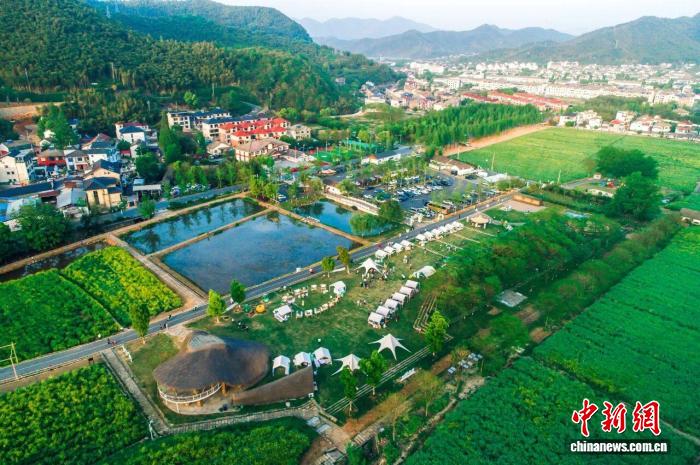
(乡村行·看振兴)浙江乡村观察:生态底色,何以浸润安吉美丽乡村?
Zhong Guo Xin Wen Wang· 2025-12-26 14:08
Core Viewpoint - Anji County in Zhejiang is recognized for its ecological initiatives and beautiful countryside development, which has led to its inclusion in the first batch of beautiful rural pilot areas by the Ministry of Ecology and Environment [1] Group 1: Ecological Initiatives - Anji County has established a collaborative governance system involving departments, towns, and villages to enhance ecological function protection and promote green development [1] - The ecological environment quality index (EQI) in Anji has consistently maintained a first-class status due to ongoing pollution prevention and environmental restoration efforts [4] Group 2: Beautiful Countryside Development - Anji County was the first in Zhejiang to achieve full coverage of beautiful countryside construction in 2016, with its guidelines becoming a national standard [1] - The county's beautiful countryside model has been recognized and adopted nationwide, showcasing its systematic approach to rural development [1] Group 3: Economic Transformation - Summer Sunshine Village has improved its water quality through an ecological protection compensation agreement, leading to a thriving tourism economy and the establishment of a 22 square kilometer core water source protection area [3] - Huangdu Village has transformed its tea industry by integrating ecological practices with tourism, resulting in a doubling of the added value of tea products and a projected collective income of over 15 million RMB in 2024, with 70% from ecological industries [5]