
盘锦大米

Search documents
“根在辽宁”全球辽宁人新春回乡联谊活动在沈阳举办
Xin Lang Cai Jing· 2026-02-12 14:22
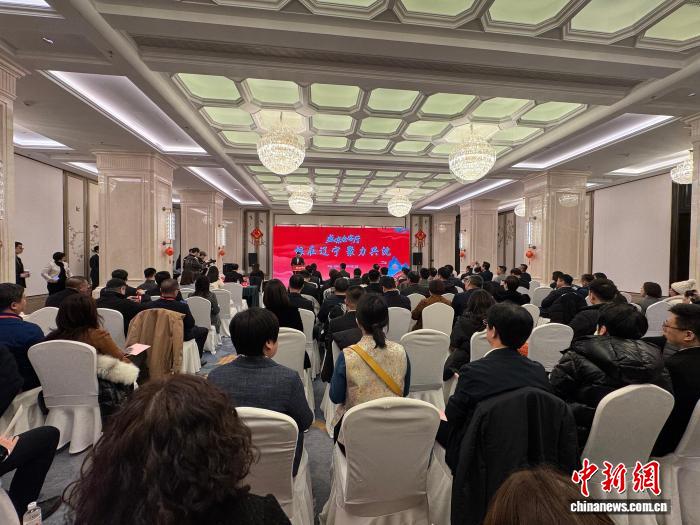
Group 1 - The event "Roots in Liaoning" gathered around 200 Liaoning natives from 38 countries and regions, focusing on themes of connection, return, and win-win cooperation [1][2] - Liaoning aims to leverage its rich industrial foundation, abundant scientific and educational resources, and unique open regional position to enhance its development, with a focus on cultivating new productive forces and optimizing the business environment by 2026 [2] - The event featured a themed exhibition showcasing local delicacies and geographical signature products, highlighting the development potential of Liaoning's characteristic industries [2] Group 2 - The event serves as a new starting point for consolidating global Liaoning resources, with plans to establish a regular communication mechanism and an online-offline contact platform to facilitate cooperation and project tracking [4] - Liaoning is committed to creating the best business environment to instill confidence in global Liaoning natives for returning to develop their hometown, ensuring that every Liaoning person becomes a participant, builder, and beneficiary of local revitalization [4]

力推更多优质粮走上百姓餐桌|粮食大事
Xin Lang Cai Jing· 2026-02-12 06:10
Core Viewpoint - The article discusses the structural imbalance in China's grain supply, highlighting the need for optimizing agricultural production and improving the quality of grain to meet the evolving consumer demand for high-quality food products [1][2]. Group 1: Current Situation - There is a mismatch between the supply of high-quality grain and the increasing consumer demand for nutritious and healthy food, leading to a situation where "good rice is hard to find" and "high-quality wheat is expensive" [1][2]. - The grain industry is currently characterized by a "heavyweight light quality" dependency, focusing more on quantity rather than quality, which results in many high-quality grains not reaching consumers effectively [2]. Group 2: Challenges in Production - High technical barriers, low planting returns, and poor supply-demand connections hinder the production of high-quality grain, causing farmers to be reluctant or unable to grow these crops [2]. - There is a need for agricultural social services to promote high-quality grain production, including training for farmers and improving market mechanisms to ensure better prices for quality grains [2]. Group 3: Improving Distribution - To ensure high-quality grain reaches consumers, it is essential to streamline the distribution process, including clear classification of grain quality and strict implementation of quality pricing policies [3]. - Embracing new sales channels such as e-commerce and community group buying can help shorten the distance from production to consumption, allowing local specialty grains to reach consumers more quickly [3]. Group 4: Role of Government - Local governments should create tailored industrial plans and enhance infrastructure to support high-quality grain production [4]. - Agricultural research departments need to focus on developing high-yield, nutritious, and resilient crop varieties while promoting key technologies for green production and quality testing [4]. - Strengthening market regulation and combating counterfeit products are crucial for maintaining brand reputation and market order, creating a favorable environment for the healthy development of high-quality grain [4].
中经评论:力推更多优质粮走上百姓餐桌
Jing Ji Ri Bao· 2026-02-11 23:57
Core Viewpoint - The structure of staple foods on Chinese consumers' tables is changing, with a growing demand for quality, nutrition, and health, necessitating improvements in the grain industry's quality and efficiency [1][2]. Group 1: Current Challenges in the Grain Industry - There is a structural imbalance in grain supply, with ordinary grains being surplus while high-quality grains are in short supply, leading to a mismatch between production and consumer demand [1][2]. - The grain industry is still reliant on a "heavyweight light quality" approach, focusing on yield rather than quality, resulting in a lack of high-value processed products that meet diverse consumer needs [2]. Group 2: Solutions for Quality Grain Production - To address the challenges in quality grain production, it is essential to promote agricultural social services and provide technical support to farmers, enabling them to improve their production capabilities [2]. - Enhancing market mechanisms for quality grains through order agriculture and brand development can motivate farmers to grow high-quality grains [2]. Group 3: Improving Grain Distribution and Consumer Access - The grain distribution system needs to be streamlined by clarifying quality grading standards and implementing strict quality-price policies to ensure high-quality grains reach consumers efficiently [3]. - Embracing new sales channels such as e-commerce and community group buying can shorten the supply chain from farm to table, ensuring that local high-quality grains are accessible to consumers nationwide [3]. Group 4: Role of Government and Infrastructure - Local governments should tailor industrial planning and strengthen infrastructure to support high-quality grain production [4]. - Agricultural research departments must focus on developing high-yield, nutritious, and resilient crop varieties while promoting key technologies for green production and quality testing [4]. - Strengthening market regulation and combating counterfeit products are crucial for maintaining brand integrity and market order, creating a favorable environment for the healthy development of quality grains [4].
新春走基层·忙年|南北年货的相遇——看东北新发地的年味“混搭”
Xin Hua Wang· 2026-02-10 07:33
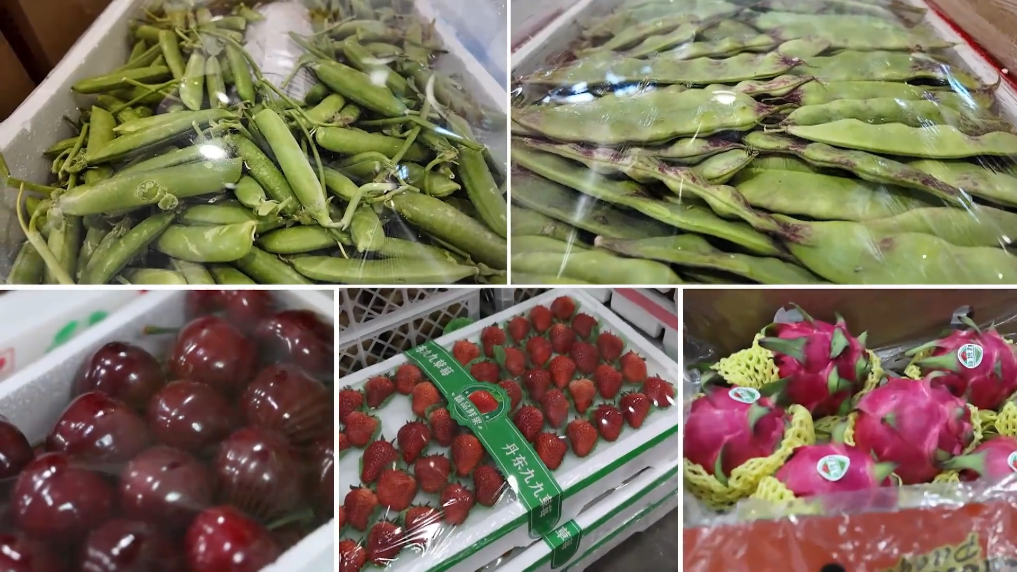
Group 1 - The Spring Festival consumer market is experiencing a surge in activity, with the Northeast New Fa Di Agricultural Product Supply Chain Center in Panjin, Liaoning Province facilitating the distribution of fresh fruits and vegetables from the south and local specialties to various regions across the country [1][3] - The supply chain center is a branch of Beijing's New Fa Di, offering a diverse range of seasonal goods that enhance the festive atmosphere [3] - Local vendors, such as Zhang Yan, report preparing for the holiday by stocking up on goods, with daily inventory levels reaching approximately 60,000 to 80,000 jin (30,000 to 40,000 kg) [3]
2026巾帼辽品汇第二次年货展销会成功举办
Sou Hu Cai Jing· 2026-02-10 01:21
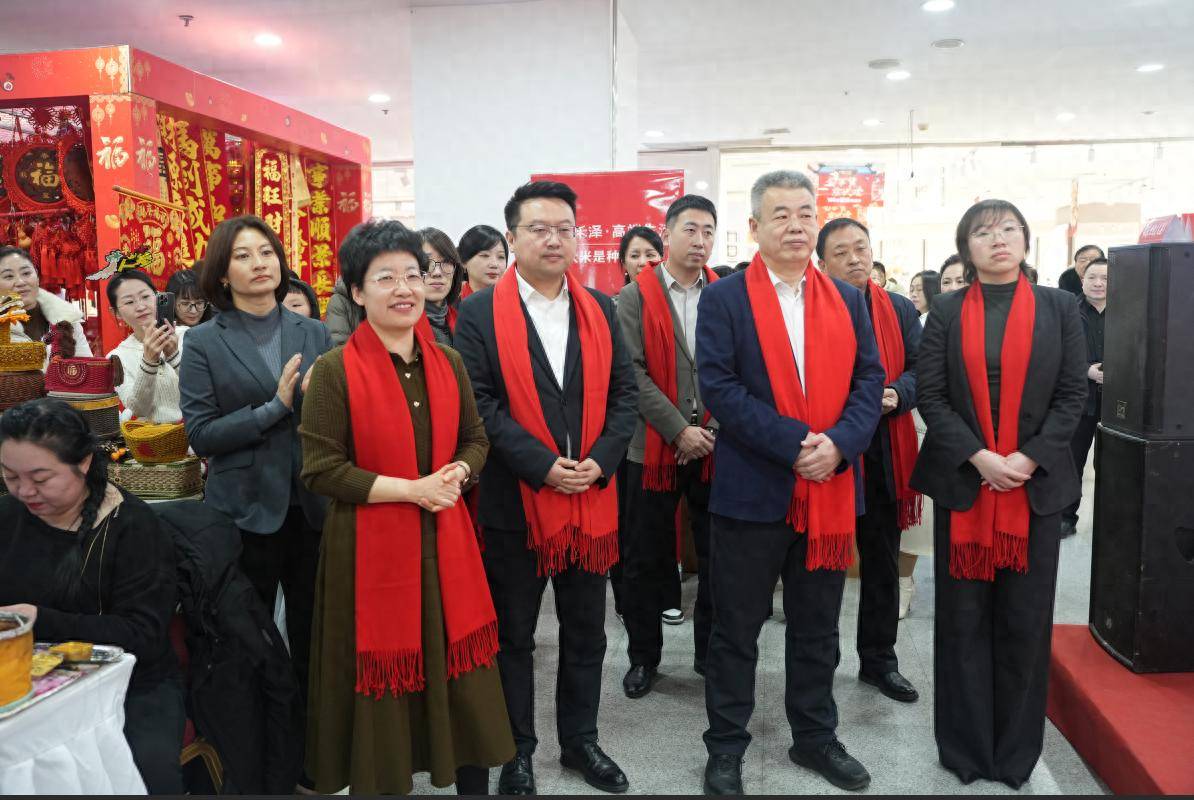
Group 1 - The event "Fanghua Yao Panjin: Good Goods Welcoming the New Year" was successfully held from February 7 to 8, 2026, as part of the "Liaoning 99 Consumption Season" initiative to stimulate market vitality and promote consumption upgrades [2][5] - The event was guided by various local government departments and organized by the Panjin Women Entrepreneurs Association and the Panjin Youth Entrepreneurs Association, with support from local businesses [5] - The exhibition featured five distinct themed areas, including a showcase of local agricultural products, non-material cultural heritage crafts, and health and lifestyle products, catering to diverse consumer needs [13][18] Group 2 - A multi-dimensional service model was established for the event, integrating offline experiences with online interactions and targeted connections, including tasting areas and live streaming sessions to promote products [23] - The event also included group purchasing services for enterprises and activities such as calligraphy for Spring Festival couplets, enhancing community engagement [30] - A significant aspect of the opening ceremony was the signing of a strategic cooperation agreement among local businesses, aimed at promoting agricultural products and fostering long-term collaboration in brand building [38]
盘锦市大洼区入选国家首批美丽乡村先行区名单
Liao Ning Ri Bao· 2026-01-23 01:01
Core Viewpoint - The Ministry of Ecology and Environment has released the first batch of beautiful countryside pilot areas, with 23 counties (cities, districts) selected, including Dawa District of Panjin City, which has become a benchmark for beautiful countryside construction [1] Group 1: Selection Criteria - The first batch of beautiful countryside pilot areas is categorized into three core features: those emphasizing rural ecological functions, those focusing on urban-rural integration, and those highlighting agricultural production functions [1] - Dawa District is classified under the category that emphasizes agricultural production functions [1] Group 2: Development Achievements - Dawa District serves as a base for integrated breeding and propagation of Northeast japonica rice and is a core area for intensive rice production [1] - The district has adopted the "Ten Million Project" experience, following a unique development path characterized by "ecological foundation, industrial empowerment, and quality of life improvement" [1] - The area has successfully improved and utilized saline-alkali land, establishing 838,000 acres of high-standard farmland [1] Group 3: Technological Advancements - The introduction of "smart greenhouses" and "digital farms" has significantly advanced agricultural modernization through technological innovation [1] - The brand value and market influence of local specialty agricultural products such as "Panjin rice," "Panjin river crabs," and "Panjin alkaline persimmons" continue to rise [1] Group 4: Ecological Governance - Ecological governance efforts have led to efficient disposal of rural household waste and sewage, significantly enhancing the resource utilization level of agricultural waste [1] - The district has achieved the elimination of all black and odorous water bodies, resulting in a more vibrant rural ecological environment [1] - The outcomes of beautiful countryside construction are tangibly benefiting the local population, contributing to a livable and prosperous Dawa District [1]
中国农产品区域公用品牌“实力”排行榜发布 五常大米登顶总榜
Xin Jing Bao· 2026-01-04 14:04
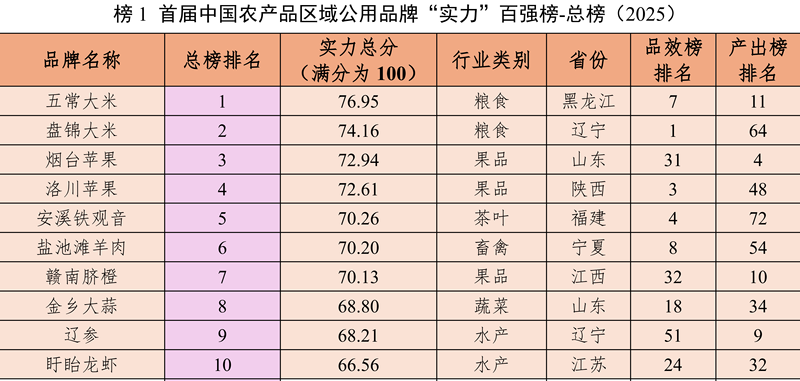
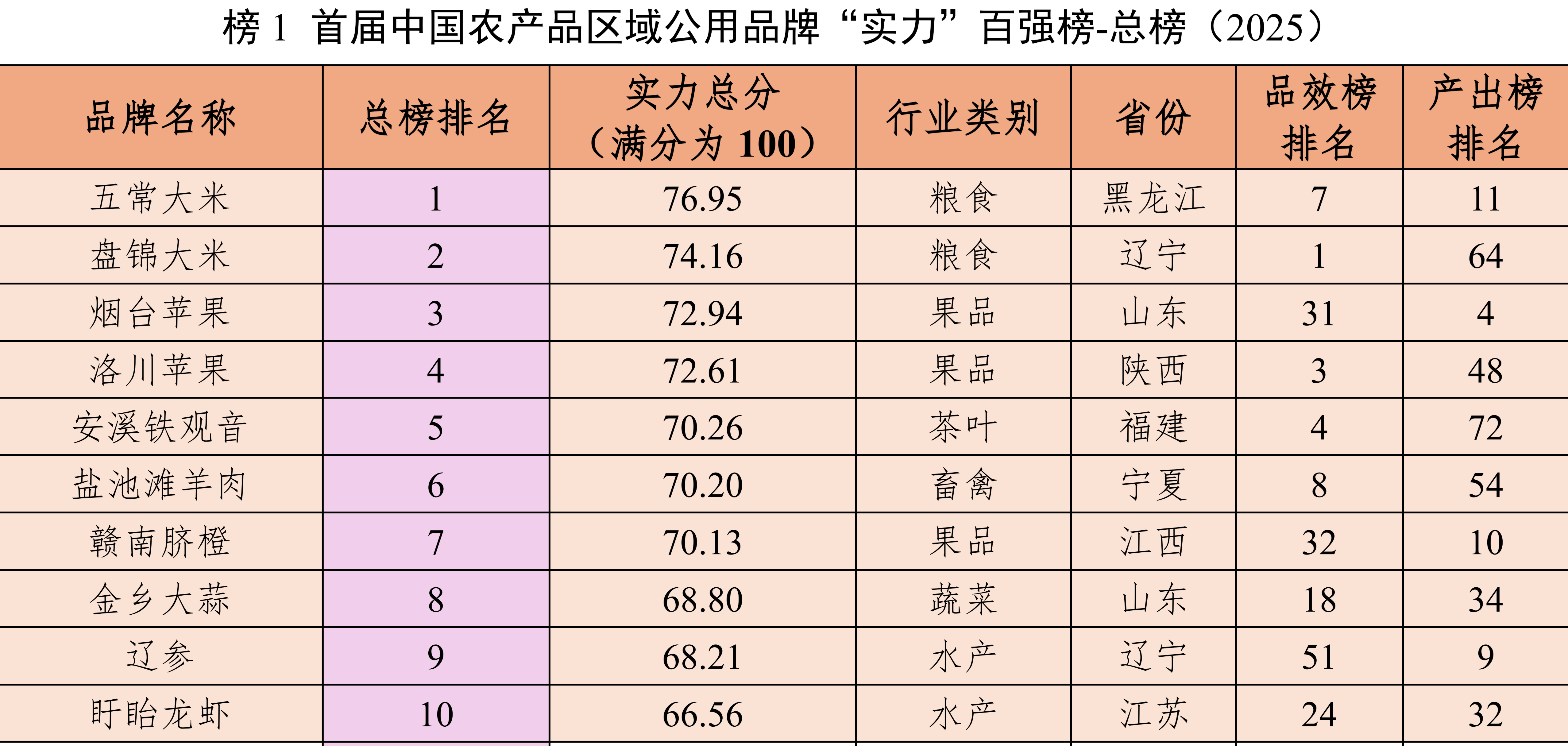
Core Insights - The "Strength Ranking of Regional Public Brands of Agricultural Products in China (2025)" was jointly developed by Jiangnan University and other research institutes, marking the first scientific construction of the strength profile of these brands [1] - The top three brands in the overall ranking are Wuchang Rice from Heilongjiang, Panjin Rice from Liaoning, and Yantai Apples from Shandong [2] Ranking Overview - The ranking includes a main list of the top 100 brands, two sub-lists for "Brand Effectiveness" and "Output Strength," and additional category-specific and regional rankings [1][2] - The main strength ranking features 24 fruit brands, with Yantai Apples, Luochuan Apples, and Gannan Navel Oranges leading the fruit category [2] Evaluation Criteria - The ranking is based on 539 regional public brands, utilizing advanced design, scientific indicators, and precise algorithms to measure brand strength and influence through "Brand Effectiveness" and "Output Strength" [2] - Research methods include Python, Octoparse, and various analytical techniques to ensure data accuracy and completeness [2] Sub-list Highlights - The "Brand Effectiveness" sub-list is topped by Panjin Rice, Hushan Dendrobium from Anhui, and Luochuan Apples from Shaanxi, with tea brands performing notably [3] - The "Output Strength" sub-list is led by Heihe Soybeans from Heilongjiang, followed by Keshan Beef from Inner Mongolia and Yanan Apples from Shaanxi, with grain brands making up nearly 20% of the list [3] Regional Distribution - Shandong, Henan, and Inner Mongolia each have 8 brands in the top 100, leading the regional representation [3] - The Beijing-Tianjin-Hebei region features notable brands such as Beijing Duck and Daxing Watermelon, while the Yangtze River Delta showcases brands like Chongming Rice and Xuzhou Lobster [3]

中国农产品区域公用品牌“实力”排行榜发布,五常大米登顶总榜
Bei Ke Cai Jing· 2026-01-04 12:12
Core Insights - The "Strength Ranking of Regional Public Brands of Agricultural Products in China (2025)" was jointly developed by Jiangnan University and other research institutes, highlighting the top agricultural brands in China [1][2] - The top three brands in the overall ranking are Wuchang Rice from Heilongjiang, Panjin Rice from Liaoning, and Yantai Apples from Shandong [1][2] Ranking Overview - The ranking includes a main list of the top 100 brands, two sub-lists for "Brand Effectiveness" and "Output," and additional category-specific and regional rankings [1][2] - The main list evaluates 539 agricultural brands based on two core dimensions: "Brand Effectiveness" (social media presence, sales reputation, national certification) and "Output" (production scale, revenue) [2] Sub-list Highlights - The "Brand Effectiveness" sub-list is led by Panjin Rice, Hushan Dendrobium from Anhui, and Luochuan Apples from Shaanxi, with tea brands performing notably [5] - The "Output" sub-list is topped by Heihe Soybeans from Heilongjiang, followed by Keshiketeng Beef from Inner Mongolia and Yan'an Apples from Shaanxi, with grain brands making up nearly 20% of the list [5] Regional Distribution - Shandong, Henan, and Inner Mongolia each have 8 brands in the top 100, making them the leading regions [5] - Gansu follows with 7 brands, while Jiangsu, Jiangxi, Shaanxi, and Xinjiang each have 5 brands represented [5] - In the Beijing-Tianjin-Hebei region, the top three brands in Beijing include Beijing Duck, Pinggu Peach, and Daxing Watermelon, while Tianjin features Jin Nan Rice, Yangjiabo Shrimp, and Shawo Radish [5]
“珍奇辽味”——2025东北亚美食文化交流周在盘锦启幕
Liao Ning Ri Bao· 2025-12-25 01:21
Core Viewpoint - The "Rare and Unique Flavors" event aims to promote Northeast Asian culinary culture and showcase the charm of Liaoning's food culture through a week-long series of activities focused on diverse flavors, local specialties, and intangible cultural heritage skills [1] Group 1: Event Overview - The event features three core exhibition areas and multiple unique segments, creating a platform for cultural exchange and innovation in culinary arts [1] - The Northeast Asian food exhibition area showcases local products such as Panjin rice, alkali persimmons, and milk thistle alongside international flavors like Russian chocolate and birch juice [1] - An interactive food exhibition area demonstrates the preparation techniques of Liaoning's intangible cultural heritage cuisine, allowing attendees to experience diverse culinary cultures [1] Group 2: Cultural and Economic Impact - The event includes the launch of a cultural stamp exhibition and an art exhibition featuring 59 frames of Liaoning's scenic spots and 36 selected artworks, highlighting the region's cultural heritage and characteristics [1] - By leveraging food as a medium, the event integrates culinary resources from Northeast Asia, supporting the development of the "Rare and Unique Flavors" public service brand and Liaoning cuisine brand [1] - The initiative aims to promote deep integration of "food + tourism + consumption," enhance Liaoning's international influence, and stimulate regional economic and trade cooperation, contributing to high-quality economic and social development in the province [1]
把水稻资源“吃干榨净”
Liao Ning Ri Bao· 2025-12-18 01:45
Group 1 - The core focus of Panjin City is on upgrading the entire industrial chain and maximizing the value of rice resources through innovative models [1] - Liaoning Fengzhijin Agricultural Technology Co., Ltd. operates an automated production line for rice oil, which efficiently processes rice bran into high-value products such as rice bran oil and rice bran wax [1] - Yihai Kerry Panjin Enterprise Group is developing a "rice circular economy" model, utilizing rice husks for power generation and producing activated carbon from rice husk ash [1] Group 2 - The Panjin rice industry has achieved significant results, with the total industrial chain output value expected to exceed 10.5 billion in 2024 [2] - The brand value of "Panjin Rice" reached 62.355 billion this year [2]
