
能源低碳转型

Search documents
供需缺口持续扩大机构看好中长期铜价表现
Zhong Guo Zheng Quan Bao· 2025-10-30 21:12
Core Viewpoint - The recent surge in copper prices is driven by a combination of macroeconomic factors, supply disruptions, and increasing demand, with both domestic and international copper prices reaching historical highs [1][2][3]. Price Trends - On October 29, London copper futures peaked at $11,120 per ton, marking a nearly 5% increase from the low of $10,591.5 per ton on October 20. On October 30, Shanghai copper futures reached a high of 89,270 yuan per ton, also a historical high, up over 5% from the low of 84,410 yuan per ton on October 20 [1][2]. Supply Disruptions - The copper market is experiencing supply tightness due to frequent accidents in global copper mines, particularly in Indonesia, leading to a downward revision of expected copper production increases [2][3]. The Grasberg copper mine in Indonesia is expected to reduce output, resulting in a projected increase of only 320,000 tons in copper concentrate production for 2025, significantly lower than consumption growth [3]. Demand Dynamics - The demand for copper is being driven by new applications, particularly in AI data centers, which are expected to grow at a compound annual growth rate of approximately 22% from 2023 to 2030. The copper intensity of these facilities is significantly higher than traditional ones, potentially leading to substantial increases in copper demand [4][6]. Market Sentiment - The market sentiment has been bolstered by improved geopolitical conditions, reduced international trade risks, and expectations of U.S. Federal Reserve interest rate cuts, which have collectively enhanced bullish sentiment in the copper market [2][4]. Long-term Outlook - The long-term outlook for copper prices remains positive, with expectations of a continued supply-demand gap due to constrained copper mine supply and robust demand from sectors such as renewable energy and electric vehicles. Analysts predict that copper consumption will maintain an annual growth rate of 800,000 tons in the coming years [5][6].
第六届新型电力系统国际论坛暨第二十一届中国南方电网国际技术论坛举办
中国能源报· 2025-10-30 13:50
Core Viewpoint - The forum focuses on building a new power system and accelerating the low-carbon transition in energy, emphasizing collaboration and sharing of development achievements among global energy stakeholders [1][4]. Group 1: Forum Overview - The sixth International Forum on New Power Systems and the 21st International Technology Forum of China Southern Power Grid was held in Boao, Hainan, with participation from energy authorities, industry associations, and experts [1][3]. - Keynote speeches were delivered by prominent figures including the General Manager of China Southern Power Grid, the Vice Governor of Hainan Province, and the Chief Economist of the National Energy Administration [3][4]. Group 2: Strategic Initiatives - China Southern Power Grid is committed to implementing the new energy security strategy, focusing on creating a greener energy supply system and a more robust energy market [4][6]. - The National Energy Administration plans to promote new power system construction through nine major actions to achieve breakthroughs and enhance the quality of the electricity sector [6]. Group 3: Technological Innovations - The forum highlighted the importance of distributed intelligent grids, which leverage digital and intelligent technologies to enhance flexibility and reliability in power systems, supporting the goal of 3.6 billion kilowatts of wind and solar capacity by 2035 [12]. - The significance of vanadium redox flow batteries was discussed, showcasing their advantages in managing renewable energy and reducing costs associated with load shedding and renewable energy waste [14]. Group 4: Regional Development Plans - The implementation plan for the construction of a new power system in Hainan was released, aiming to establish Hainan as a leading area for new power system development by 2025 and 2027 [18]. - The Southern Power Grid has achieved a leading position globally, with non-fossil energy accounting for 66% of installed capacity and 56% of generation in its operational area [16]. Group 5: Future Directions - The forum also introduced several white papers on the development of new power systems, digital transformation, and the establishment of a digital twin platform, indicating ongoing efforts to enhance the influence of the forum [20].

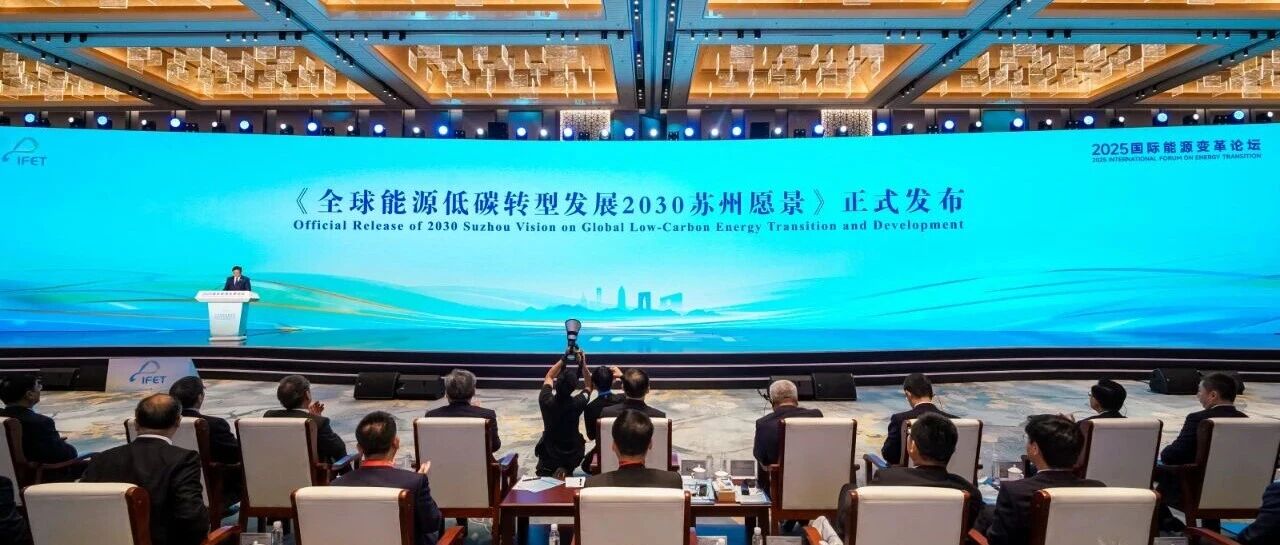
成果发布︱《全球能源低碳转型发展2030苏州愿景》 呼吁推动2030年全球新能源装机实现翻番目标
国家能源局· 2025-10-24 10:17
Core Viewpoint - The article emphasizes the need for global cooperation to double the installed capacity of renewable energy by 2030 compared to 2024, aiming to create a win-win model for energy green and low-carbon transition [1][10]. Group 1: Forum Overview - The International Energy Transformation Forum was co-hosted by the National Energy Administration of China, the International Renewable Energy Agency (IRENA), and the Jiangsu Provincial Government [3]. - The forum marks the 10th anniversary of the Paris Agreement and aims to unite global efforts to address energy transition challenges [3][4]. Group 2: Challenges and Cooperation Areas - The article acknowledges the significant progress in renewable energy over the past decade while addressing challenges such as climate change, widening development gaps, and rising protectionism [3][5]. - Six key areas for cooperation are proposed to enhance global energy governance: ensuring energy supply security, fostering innovation, developing low-carbon energy, improving energy accessibility, promoting multilateralism, and mobilizing global capital [5][6][7][8][9][10]. Group 3: Specific Goals and Initiatives - The vision includes a target to double the global installed capacity of renewable energy by 2030 compared to 2024 [1][10]. - It emphasizes the construction of new power systems and the integration of artificial intelligence to promote a greener and more sustainable energy future [1][10].
五年跨越:跟跑到领跑,新能源迈入主导能源关键期
2 1 Shi Ji Jing Ji Bao Dao· 2025-10-16 10:01
Core Insights - The article emphasizes the significant progress made in China's energy low-carbon transition during the "14th Five-Year Plan" period, highlighting the shift from being a follower to a leader in renewable energy [1][2][3] Group 1: Energy Transition Achievements - The "14th Five-Year Plan" is noted as the fastest period for green low-carbon transition, with a 18% cumulative reduction in CO2 emissions per unit of GDP [2] - By 2025, the share of non-fossil energy consumption is expected to reach around 20%, with non-fossil energy generation accounting for approximately 39% [2] - The renewable energy generation capacity has increased from 40% to about 60%, with annual additions of over 100 million kilowatts for wind and 200 million kilowatts for solar [2][4] Group 2: Future Outlook and Strategic Directions - The upcoming "15th Five-Year Plan" is seen as a critical period for the renewable energy sector to transition from being a "mainstay" to a "dominant" energy source, requiring a dual drive of technology and policy [1][5] - The need for a robust policy framework to support technological innovation is emphasized, including the establishment of carbon factor standards across the entire industry chain [5][6] - The integration of renewable energy with energy storage and smart grid technologies is crucial for enhancing system flexibility and reducing emissions from coal-fired power plants [8] Group 3: Industry Collaboration and Innovation - Companies are encouraged to adopt a collaborative approach to green transition, focusing on technological innovation and systemic solutions to drive industry-wide carbon reduction [5][6] - The importance of developing a unified national electricity market that promotes fair competition and innovation in renewable energy technologies is highlighted [7] - The potential for coal-fired power plants to evolve into energy storage centers is discussed, leveraging advancements in storage technologies and AI to enhance flexibility and reduce emissions [8]
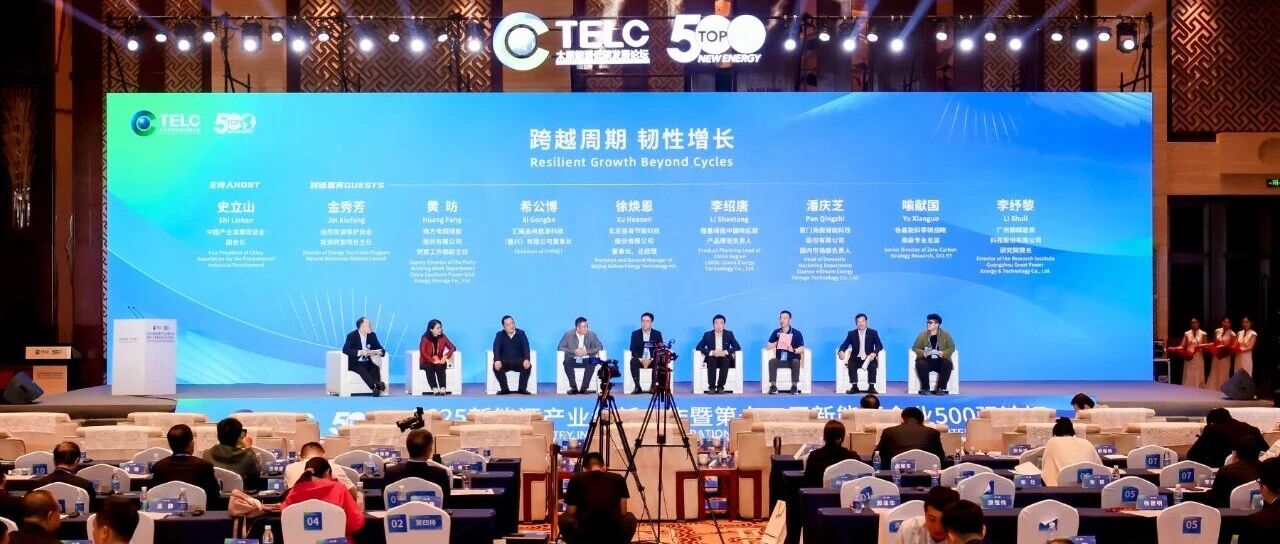
圆桌对话丨跨越周期,韧性增长
中国能源报· 2025-09-28 06:50
Core Viewpoint - The article discusses the challenges and opportunities in the renewable energy sector, emphasizing the need for technological and institutional innovation to overcome development bottlenecks and enhance competitiveness in the industry [5][7][24]. Group 1: Technological and Institutional Innovation - Technological innovation is crucial for addressing the challenges faced by the renewable energy sector, particularly in enhancing the utilization of renewable energy and integrating it into various applications [5][7]. - Institutional innovation is necessary to adapt the energy system to the decentralized nature of renewable energy, which requires reforms in the existing energy framework that is primarily based on fossil fuels [5][7]. - The shift from resource-oriented to market-oriented development in the renewable energy sector necessitates a focus on environmental sustainability and diverse customer needs [7][8]. Group 2: Market Dynamics and Challenges - As of July this year, China's renewable energy installed capacity has surpassed 2.1 billion kilowatts, with wind and solar power accounting for nearly 1.7 billion kilowatts, indicating significant growth potential despite existing challenges [7][8]. - The renewable energy industry is experiencing a mismatch between supply and demand, with resources concentrated in the western regions while consumption is primarily in the central and eastern regions [8][10]. - The introduction of market mechanisms for renewable energy may lead to price volatility and uncertainty in revenue, impacting profitability for energy generation companies and potentially causing price competition among manufacturers [8][10]. Group 3: Storage and Hydrogen Energy - The storage sector must address internal competition by focusing on rational planning and matching short-term and long-term storage needs, as the installed capacity of new storage is expected to reach 180 million kilowatts by 2027 [10][11]. - The hydrogen energy sector faces challenges in economic viability and market acceptance, with the current market share of hydrogen fuel cell vehicles expected to grow significantly by 2035, despite existing hurdles [15][16]. - Continuous innovation and cost reduction are essential for the hydrogen energy industry to thrive, with expectations of supportive policies emerging in the next five years [15][16]. Group 4: Differentiation and Competitive Strategies - Companies in the photovoltaic sector are encouraged to develop differentiated competitive advantages through innovation in products and services, as well as enhancing organizational and supply capabilities [13][19]. - The focus on high-efficiency solar products is critical, with leading companies achieving conversion efficiencies above 24%, which can significantly reduce costs and increase output [18][19]. - The storage industry must collaborate across the supply chain to ensure that product development aligns with actual market needs, avoiding the pitfalls of price wars and fostering a sustainable competitive environment [21][22]. Group 5: Zero-Carbon Initiatives - The development of zero-carbon parks is a strategic initiative to support the dual carbon goals, integrating various renewable technologies to create sustainable energy solutions [24][25]. - Companies are encouraged to leverage digital transformation and AI technologies to enhance energy management and operational efficiency in the renewable energy sector [24][25]. - The emphasis on scenario-based technological innovation is vital for addressing specific market demands and enhancing the overall quality and competitiveness of renewable energy products [27][28].




“电力市场建设助力高比例可再生能源发展——迈向低碳未来”学术研讨会在京举办
Xin Hua Cai Jing· 2025-09-22 09:25
Group 1 - The academic seminar focused on the construction of the electricity market and its role in promoting high proportions of renewable energy development towards a low-carbon future [1] - Key discussions included the need for scientific market mechanisms to incentivize various energy sources and ensure fair competition in the renewable energy sector [1][2] - Experts emphasized the importance of establishing a unified national electricity market system to address regional disparities and enhance trading flexibility [2] Group 2 - The report highlighted the overall progress of electricity market reform in China, including the framework of the market mechanism and the achievements in mid-to-long-term, spot, and ancillary service markets [2] - Recommendations for capacity mechanisms included a "three-step" strategy focusing on capacity compensation, pilot capacity markets, and exploring scarcity pricing in the long term [3] - In terms of price management, experts suggested differentiated pricing mechanisms based on capacity compensation and user load types to better align costs with actual service needs [3]
能源高质量发展专家谈丨积极安全有序发展核电,助力实现“双碳”目标
国家能源局· 2025-09-05 13:30
Core Viewpoint - The article emphasizes the importance of actively, safely, and orderly developing nuclear power in China to support the achievement of the "dual carbon" goals, highlighting significant historical achievements during the 14th Five-Year Plan period [3][4]. Group 1: Achievements in Nuclear Power Development - China's nuclear power safety performance ranks among the world's best, with no significant incidents reported, and an average operational index of 97.61 points, leading globally [4]. - The installed capacity of nuclear power has reached 125 million kilowatts, making China the world's largest nuclear power country, with 112 operational and approved units [4]. - New nuclear power plants have been constructed, providing heating to over 400,000 residents and supplying steam to industrial parks, showcasing the dual-use capability of nuclear energy [4]. Group 2: Technological Advancements - Significant improvements in nuclear technology have been made, with the successful commissioning of the Hualong One reactors and advancements in fourth-generation nuclear technology [5]. - The domestic nuclear equipment manufacturing capacity has increased, achieving a 90% localization rate for new projects, and the ability to construct over 40 nuclear units simultaneously [5]. Group 3: Supply Chain and Regulatory Framework - A comprehensive uranium supply security system has been established, including domestic production and overseas mining, ensuring the sustainability of nuclear power development [6]. - The regulatory framework for nuclear power has been enhanced, with new standards and management measures implemented to ensure quality and safety in nuclear projects [6]. Group 4: Future Directions and Strategic Importance - The global nuclear power sector is entering a new growth phase, with many countries recognizing nuclear energy as a key component of their energy strategies amid climate change concerns [8]. - Domestically, nuclear power is crucial for energy security, achieving carbon reduction goals, driving technological innovation, and stimulating economic growth through significant investments in related industries [9]. Group 5: Safety and Innovation Focus - Emphasis on maintaining the highest safety standards in nuclear power development, with a commitment to advanced technology and rigorous oversight [10]. - Continued investment in nuclear technology innovation, including the development of next-generation reactors and participation in international nuclear fusion projects [11].

国电南瑞: 国电南瑞2025年半年度报告
Zheng Quan Zhi Xing· 2025-08-27 09:59
Core Viewpoint - The report highlights the financial performance and strategic initiatives of NARI Technology Co., Ltd. for the first half of 2025, showcasing significant revenue growth and a focus on innovation in the energy and industrial control sectors [1][3]. Financial Performance - The company's consolidated net profit attributable to shareholders for the first half of 2025 was approximately RMB 2.95 billion, with an undistributed profit of about RMB 31.51 billion as of June 30, 2025 [1]. - Total revenue for the first half of 2025 reached approximately RMB 24.24 billion, representing a year-on-year increase of 19.54% [3]. - The total profit for the period was approximately RMB 3.55 billion, an increase of 8.08% compared to the previous year [3]. - The basic earnings per share increased by 9.26% to RMB 0.37 [4]. Business Overview - NARI Technology is a leading enterprise in the energy and industrial control sectors, focusing on intelligent energy solutions and automation technologies [5][6]. - The company provides a wide range of products and solutions across various industries, including energy, municipal utilities, and environmental protection, serving over 100 countries [5][6]. Strategic Initiatives - The company is committed to advancing its technological capabilities, focusing on areas such as smart grids, digital transformation, and low-carbon energy solutions [5][10]. - NARI Technology aims to enhance its core competitiveness by integrating cutting-edge technologies like artificial intelligence, edge computing, and digital twins into its operations [5][8]. - The company has established a comprehensive industrial layout, emphasizing the development of four major industry clusters: smart grid, energy internet, industrial internet, and low-carbon energy [5][10]. Market Expansion - In the first half of 2025, NARI Technology signed contracts worth approximately RMB 35.43 billion, marking a year-on-year increase of 23.46% [19]. - The company has successfully expanded its international business, with significant growth in markets such as Saudi Arabia and South America, and has secured contracts for major projects [19].

金风科技发布中期业绩,股东应占利润14.88亿元 同比增加7.26%
Zhi Tong Cai Jing· 2025-08-22 13:03
Group 1 - The company reported a revenue of RMB 28.494 billion for the six months ending June 30, 2025, representing a year-on-year increase of 41.46% [1] - The net profit attributable to shareholders was RMB 1.488 billion, an increase of 7.26% year-on-year, with earnings per share of RMB 0.34 [1] - Sales revenue from wind turbines and components reached RMB 21.852 billion, a year-on-year increase of 71.15%, accounting for 76.69% of total revenue [1] Group 2 - The company achieved an external sales capacity of 10,641.44 MW for the first half of 2025, reflecting a year-on-year growth of 106.60% [2] - The total external orders on hand amounted to 51,811.47 MW, a year-on-year increase of 45.58%, with overseas orders growing by 42.27% to 7,359.82 MW [2] - The company emphasizes quality and value, increasing investment in technological innovation and R&D to enhance product reliability and adaptability in the context of the accelerating low-carbon energy transition [2]

金风科技(02208)发布中期业绩,股东应占利润14.88亿元 同比增加7.26%
智通财经网· 2025-08-22 13:01
Core Viewpoint - The company, Goldwind Technology, reported significant growth in revenue and profit for the first half of 2025, driven by strong sales of wind turbine units and components, reflecting the accelerating trend towards larger wind turbine models in the industry [1][2] Group 1: Financial Performance - The company achieved a revenue of RMB 28.494 billion, representing a year-on-year increase of 41.46% [1] - The profit attributable to shareholders was RMB 1.488 billion, up 7.26% year-on-year, with earnings per share at RMB 0.34 [1] - Sales revenue from wind turbines and components reached RMB 21.852 billion, a year-on-year increase of 71.15%, accounting for 76.69% of total revenue [1] Group 2: Sales and Orders - The company reported external pending orders totaling 41,395.88 MW, with a year-on-year growth of 45.58% [2] - The breakdown of external orders includes 601.12 MW for units below 4 MW, 6,712.13 MW for units between 4 MW and 6 MW, and 34,082.63 MW for units 6 MW and above [2] - The company also has an additional internal order of 3,023.37 MW [2] Group 3: Industry Trends and Challenges - The wind power industry is experiencing large-scale development due to the global transition to low-carbon energy [2] - The increasing installed capacity of wind power presents structural challenges regarding the reliability of wind turbine units and the support capacity for new power systems [2] - The company emphasizes quality and value, investing in technological innovation and R&D to enhance product reliability and adaptability across various scenarios [2]