能源战

Search documents
普京遇大难,乌克兰一招破局,40万吨能源订单泡汤
Sou Hu Cai Jing· 2025-12-13 21:42
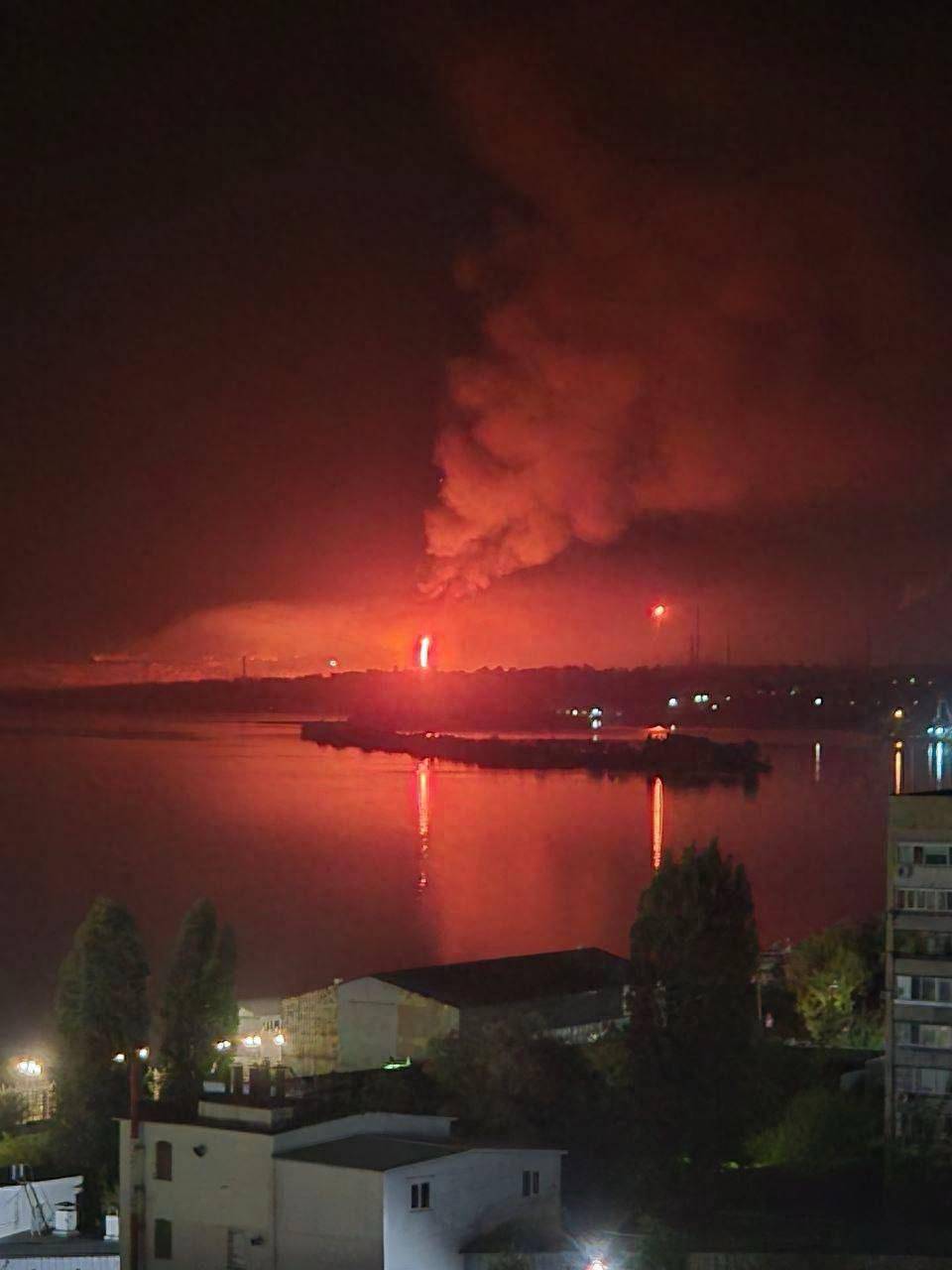
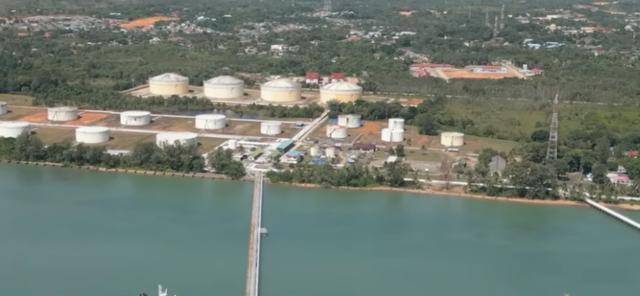
Core Viewpoint - The fire at the Tsimlyuk port represents a significant blow to Russia's financial resources, highlighting the economic warfare aspect of the ongoing conflict rather than just military engagements [1][18]. Group 1: Impact on Russian LNG Exports - Tsimlyuk port, a crucial year-round operational port for Russia, has been targeted, affecting its ability to export LNG, which is vital for its economy [3][5]. - Before the incident, Russia's LNG exports were stable at 28.4 million tons, with the EU continuing to purchase LNG despite sanctions, indicating a complex relationship between political statements and economic actions [3][10]. - The fire resulted in the destruction of 20 LNG storage tanks, which accounted for 70% of the total, leading to a significant reduction in operational capacity from 400,000 tons to half [7][9]. Group 2: Broader Strategic Implications - The attack on Tsimlyuk is part of a larger strategy by Ukraine to disrupt Russia's supply chain, targeting not just storage but also production and transportation facilities across multiple regions [9][10]. - The International Energy Agency (IEA) reported a 10% decline in Russian LNG exports to Europe in the first three quarters of 2025, with pipeline gas dropping by 45%, indicating a downward trend exacerbated by the Tsimlyuk incident [9][10]. - The U.S. has seen a 60% increase in LNG exports to Europe, capturing 60% of the EU's imports, showcasing a shift in geopolitical energy dynamics [12][14]. Group 3: Economic Consequences for Russia - The fire at Tsimlyuk port is expected to have severe repercussions on Russia's energy revenue, which had already declined by 7% in November, further straining military supplies and domestic resource distribution [12][14]. - The incident illustrates the vulnerability of Russia's economic structure, where energy resources are critical for funding military operations and maintaining domestic stability [14][16]. - The ongoing conflict emphasizes the importance of supply chain resilience and diversification in energy strategies, as reliance on single points of failure can lead to significant operational disruptions [16][18].

俄军一招“断电术”,乌克兰能源命脉岌岌可危!
Sou Hu Cai Jing· 2025-11-17 00:47
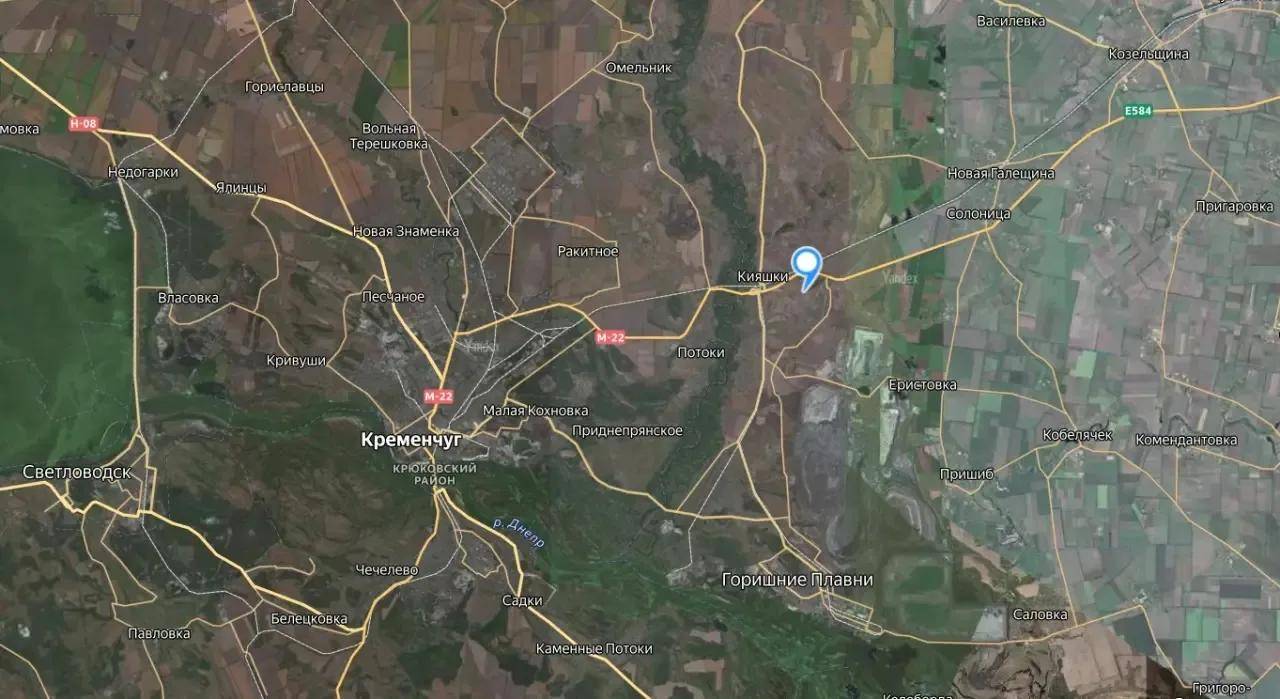
Core Insights - The recent escalation of the Russia-Ukraine conflict has led to a significant attack by Russian drones on a 330 kV substation near Kremenchuk, resulting in the destruction of the control room and severe damage to critical equipment [1] - The loss of a gas-insulated switchgear (GIS) system, of which only four exist in Ukraine, represents a catastrophic blow to the country's energy infrastructure, making immediate repairs impossible [1] - The attack has severed the connection between much of Ukraine's left bank and the national energy system, plunging the country into darkness [1] Summary by Sections Attack Details - Russian forces targeted a key substation, leading to the complete destruction of the control room and associated buildings [1] - The GIS system, crucial for energy distribution, was entirely damaged, with no immediate repair options available [1] Impact on Energy Infrastructure - The attack has disrupted the energy supply to a large portion of Ukraine, creating a critical situation for energy engineers [1] - Concerns are rising that the remaining three GIS systems could also be targeted in future attacks, indicating a strategic approach by Russian forces [1][2] Strategic Implications - Ukrainian experts had previously speculated that nuclear power plants might be targeted, but the current strategy focuses on incapacitating substations to achieve widespread power outages [2] - This tactic of "power outage" has proven to be an effective method for Russian forces, complicating Ukraine's defensive measures [2]
乌克兰与俄罗斯的能源博弈:沃罗涅日发电厂遭袭解析。
Sou Hu Cai Jing· 2025-11-15 05:17
Group 1 - The attack on the Voronezh power plant has disrupted the city's power and heating systems, highlighting the brutal nature of the ongoing energy war between Russia and Ukraine [1][3] - In the past 48 hours, both sides have engaged in unprecedented attacks on energy facilities, with Russia using hypersonic missiles and drones to target Ukrainian military and energy infrastructure [1][3] - Ukraine's counterattacks have also been significant, with strikes on Belgorod leading to power outages for 20,000 residents, indicating a tit-for-tat energy warfare strategy [3][5] Group 2 - The destruction of energy facilities has transformed them into military targets, as evidenced by Russia's strategy to cripple Ukraine's power supply, which has resulted in widespread blackouts [3][5] - The harsh winter conditions exacerbate the situation, with many families facing freezing temperatures and lack of basic amenities, illustrating the dire humanitarian impact of the conflict [5][6] - Ukraine has developed a resilient power system through distributed generation, which has become crucial for maintaining energy independence amid ongoing attacks [6][7] Group 3 - The Kremlin's approach to the conflict has shifted towards using civilian infrastructure as military targets, raising ethical concerns about the nature of warfare [3][6] - The ongoing conflict has led to a growing awareness among the Russian populace about the consequences of the war, as they experience the impacts of military actions on their own territory [6][7] - The situation reflects a broader historical context, drawing parallels to past appeasement policies and emphasizing the need for a strong response to aggression [6][7]
俄凌晨突然袭击乌克兰能源!美曾提供情报帮乌反击?关键内幕曝光
Sou Hu Cai Jing· 2025-10-23 17:20
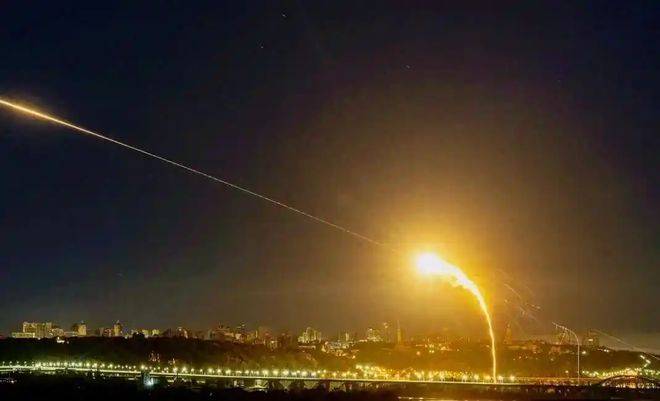
Core Points - The article discusses a recent large-scale missile attack by Russia on Ukraine, targeting energy infrastructure, which has led to widespread power outages and significant damage across multiple cities [1][3][14] - Ukrainian President Zelensky has called for more advanced air defense systems and sanctions against Russia, highlighting the urgency of the situation as the attacks aim to cripple Ukraine's energy supply during the winter [3][10][15] Group 1: Attack Details - The missile strikes occurred in the early hours, causing immediate power outages and significant disruptions in cities like Kyiv, Dnipro, and Odesa [1][3] - The attacks were characterized as a systematic effort to incapacitate Ukraine's energy infrastructure, with a focus on power plants and substations [5][9][14] - The Ukrainian energy company DTEK reported severe damage to energy facilities, indicating that restoration efforts would take considerable time [3][10] Group 2: Strategic Implications - The attacks are seen as part of a broader strategy by Russia to undermine Ukraine's energy capabilities, especially as winter approaches, which could lead to increased civilian hardship and potential unrest [9][12][14] - The conflict has evolved into an energy war, where both sides are targeting each other's energy resources to gain a strategic advantage [13][14] - The situation has created a pressing need for Ukraine to secure more military support from Western allies to counteract the ongoing attacks and restore its energy infrastructure [10][15]
俄军能源绞杀战:290亿吨铁矿威慑下的乌克兰大断电危机
Sou Hu Cai Jing· 2025-10-19 03:46
Group 1: Energy Crisis and Military Impact - The ongoing energy crisis in Ukraine is a result of Russia's targeted missile strikes on energy infrastructure, leading to nationwide emergency power outages and affecting over 10 million people [1][2] - Ukraine's electricity coverage has dropped by 53% compared to pre-war levels, reverting to a state reminiscent of the 1980s [3] - The military production in Ukraine has been severely impacted, with a 40% decrease in monthly artillery shell production due to power restrictions on military enterprises [7][9] Group 2: Strategic Implications of Resource Control - Russia's control over 29 billion tons of iron ore resources poses a significant threat to the global iron ore-dollar system, potentially destabilizing commodity pricing [7][12] - The iron ore reserves controlled by Russia account for 14% of the world's proven reserves, which could lead to a rapid depreciation of the Australian dollar [7] - The energy crisis is not just a military conflict but also a competition between the speed of power restoration and the frequency of missile strikes, highlighting the strategic importance of energy resources [13] Group 3: Limitations of Western Support - Western aid to Ukraine has not effectively changed the situation, with significant delays in the repair of critical power stations compared to the frequency of Russian attacks [10] - The cost of Western military support, such as the IRIS-T air defense systems, is significantly higher than the cost of Russian drones, which complicates the economic sustainability of Ukraine's defense efforts [11] Group 4: Future Challenges - The upcoming winter is expected to exacerbate Ukraine's energy shortfall, potentially increasing the gap to 30% [12] - The shift of Russian iron ore exports towards China may reshape global commodity pricing dynamics [12]
乌克兰能源遭炸黑?奶奶点蜡烛做饭,医院断氧,撑得住吗?
Sou Hu Cai Jing· 2025-10-05 01:46
Core Points - The article highlights the severe impact of Russian military attacks on Ukraine's energy infrastructure, particularly as winter approaches, leading to widespread power outages and humanitarian crises [1][3] - It emphasizes the strategic nature of these attacks, which are part of a planned "energy winter operation" by Russian forces, resulting in nearly 3,000 strikes on energy facilities since March, significantly more than in 2022 [3] Energy Infrastructure Impact - On October 3, Russian forces launched a coordinated attack involving 70 missiles and 200 drones, targeting key energy facilities, leaving over 100,000 households without power [1][3] - The ongoing attacks have led to the Ukrainian government implementing rolling blackouts, with power being supplied only for three hours a day in some areas [3] Humanitarian Consequences - The article describes the dire situation faced by civilians, including shortages of heating and electricity, with families resorting to candles and generators for basic needs [3] - Specific accounts illustrate the struggles of individuals, such as a grandmother sewing a coat for her grandson by candlelight and a hospital relying on diesel generators for critical care [3] Repair and Maintenance Challenges - Energy repair crews are overwhelmed, with reports indicating that they can only sustain repairs for about two weeks due to dwindling spare parts and equipment [3] - The article notes that despite international aid, including $700 million from the EU and $192 million from the UK, the speed of repairs cannot keep pace with the frequency of attacks [3] Broader Implications - The article argues that while Russia's energy warfare strategy is evident, it is crucial to consider the humanitarian impact on civilians, particularly vulnerable populations like children [3] - It concludes that the ongoing conflict not only disrupts energy supplies but also threatens the basic living conditions and safety of ordinary people in Ukraine [3]
欧洲最大核电站紧急停运,泽连斯基惊慌失措!断电一周难以忍受
Sou Hu Cai Jing· 2025-10-03 09:59
Core Points - The Zaporizhzhia Nuclear Power Plant, the largest in Europe, is currently disconnected from the power grid, marking the longest blackout since the onset of the Russia-Ukraine conflict [1][3] - Ukrainian President Zelensky described the situation as "critical," while the IAEA's Director General Grossi failed to restore power after urgent talks with Putin [3][5] Power Supply Disruption - The plant, which contributes approximately 20% of Ukraine's electricity, has been relying on emergency diesel generators since all reactors were shut down after being taken over by Russian forces in 2022 [3][5] - On September 23, the last external power line was severed due to artillery fire, leading to a complete power outage [3][5] - Ukraine's Energy Minister Hryshchuk accused Russian forces of being responsible for the power line damage, resulting in a blame game between the two sides [3][5] Nuclear Safety Concerns - The ongoing power outage poses significant risks to nuclear safety, as the plant's cooling systems require stable electricity to function [5][8] - As of September 30, the plant had been without external power for seven consecutive days, a record since the conflict began [5][6] - The IAEA has warned that the cooling systems' failure could lead to catastrophic consequences [9] Broader Energy Conflict - The energy conflict has escalated, with both sides targeting energy infrastructure to weaken each other's negotiating positions [9] - The shutdown of the Zaporizhzhia plant has severe implications for Ukraine's energy supply, which previously relied on it for 25% of its electricity [9] - The situation is exacerbated by the approaching winter, which may intensify the conflict and create a vicious cycle of power outages and artillery strikes [9]
无人机呼啸而过,俄炼油厂相继燃起火光,俄罗斯柴油出口跌冰点
Sou Hu Cai Jing· 2025-10-02 03:48
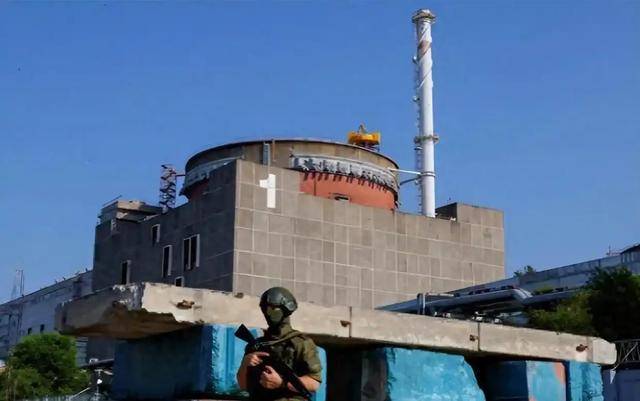
Core Viewpoint - The recent fuel crisis in Russia, characterized by long queues at gas stations and rising fuel prices, is primarily a result of Ukraine's drone attacks on key oil refining facilities, exposing vulnerabilities in Russia's energy infrastructure [1][3][5]. Group 1: Impact on Oil Refining Infrastructure - Over the past month, queues have reappeared at gas stations across Russia due to a sharp increase in fuel prices and the implementation of fuel purchase limits in several cities [1][5]. - Ukraine's drone strikes have targeted not only refineries but also oil storage facilities, pipelines, and critical pumping stations, significantly damaging Russia's refining capabilities [1][3][5]. - Out of 38 oil refineries in Russia, 16 have been damaged to varying degrees, with some completely shut down, leading to a substantial reduction in refining capacity [10][19]. Group 2: Fuel Supply and Market Response - The refining network has suffered severe damage, resulting in a nearly 20% decrease in daily refining output and a 10% drop in gasoline production [19][20]. - More than 300 gas stations have closed, and many remaining stations are implementing fuel rationing, limiting supply to 10 to 20 liters per vehicle [22][23]. - The situation is particularly dire in Crimea, where about half of the gas stations have ceased gasoline sales, leading to long queues and increased public anxiety [24][26]. Group 3: Price Fluctuations and Export Challenges - Average gasoline prices in Russia have surged by 40% to 50% this year, significantly increasing the cost of living for residents [27][28]. - Russia's diesel exports have plummeted, with daily refining capacity losses exceeding one million barrels, impacting global diesel supply [30][32]. - If the current trend continues, Russian diesel exports are projected to hit their lowest level since 2020 by September 2024, prompting countries that relied on Russian diesel to seek alternative sources [33][34]. Group 4: International Reactions and Future Outlook - The energy turmoil triggered by drone attacks is complicating the already intricate international landscape, with Russian officials acknowledging the severe challenges ahead for energy security and infrastructure repair [39][41]. - The U.S. and EU are taking steps to reduce reliance on Russian energy, with proposals for additional tariffs on countries importing Russian energy and plans to phase out Russian natural gas imports by the end of 2026 [43][44]. - Ukraine is ramping up its production of new long-range drones and plans to intensify attacks on Russian energy facilities, indicating a shift in the conflict dynamics [47][48].
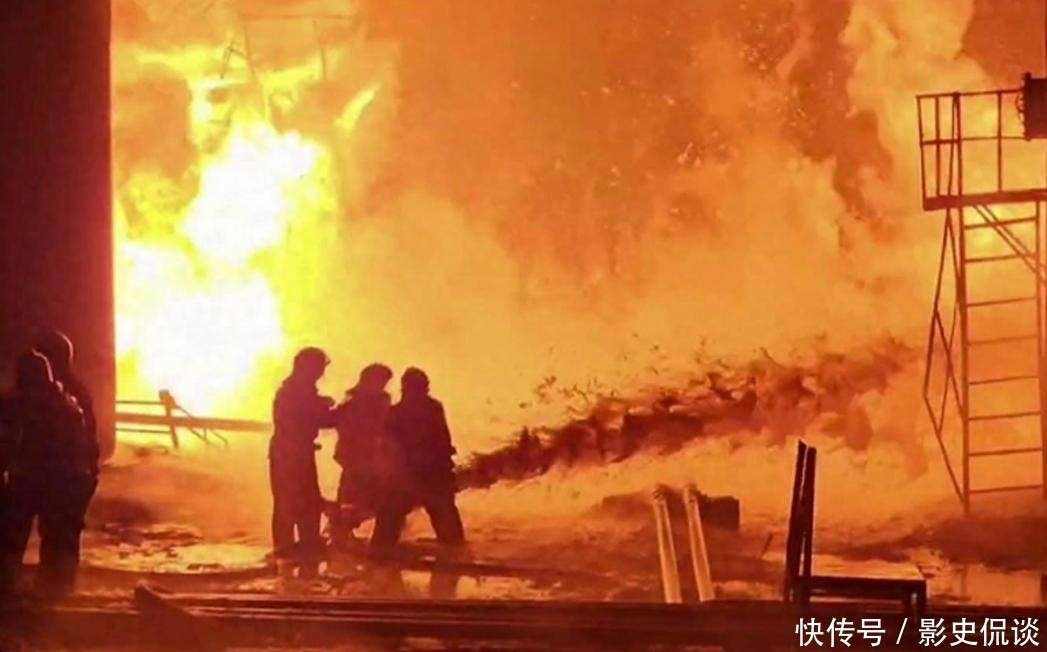
乌方“突袭”俄方输油设施,受害者竟是我们!全球能源市场危矣!
Sou Hu Cai Jing· 2025-09-22 08:22
Core Insights - Ukraine's military has conducted precise strikes on Russian energy facilities, targeting key oil pipeline infrastructure within Russia [1][3] - The attacks are part of Ukraine's strategy to undermine Russia's energy export capabilities, thereby exerting economic pressure [7][10] Group 1: Attack Details - The recent drone strikes focused on the Kuybyshev-Volga pipeline system, crucial for Russian oil exports, transporting significant volumes of crude oil to the Novorossiysk port for international markets [3] - Specific facilities damaged include the Zenzavatka pumping station in Volgograd region, the State Farm-2 pumping station in Samara region, and the Samara dispatch station in Prosveyet village [5] - Witnesses reported severe explosions and extensive smoke, leading to an immediate halt in oil operations at these facilities [5] Group 2: Broader Implications - These attacks are expected to have ripple effects on the global energy market, potentially causing fluctuations in international oil prices due to disruptions in Russian oil exports [9] - The situation has led to increased tension in the European energy market, prompting some countries to adjust their energy procurement strategies [9] - The ongoing conflict and these energy strikes may escalate the geopolitical situation, with growing calls for restraint from the international community [9][12] Group 3: Economic Impact - Ukrainian officials assert that these energy facilities are vital for funding Russia's military operations in Ukraine, as oil export revenues are used to support Russian military efforts [10] - The continuation of such strikes is aimed at weakening Russia's military capabilities by targeting its financial resources [10][12]
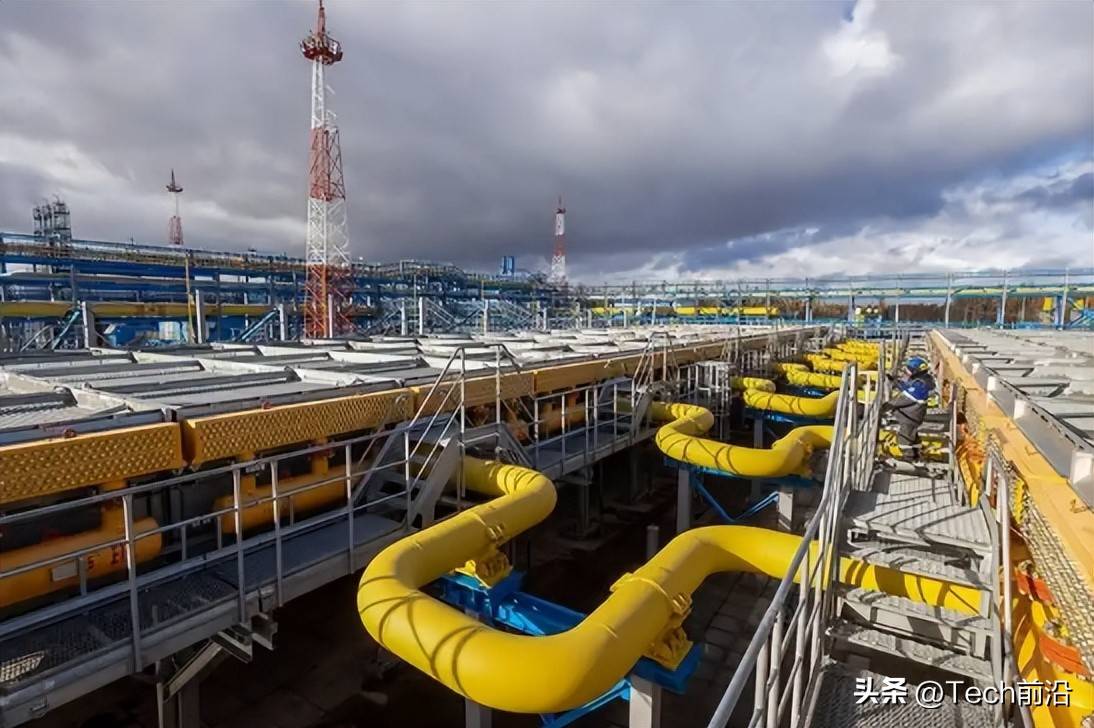
打中大动脉!乌军持续打击俄罗斯炼油厂,摧毁航空燃料生产大厂
Sou Hu Cai Jing· 2025-09-22 07:21
Group 1 - Ukrainian military has launched a new round of precise strikes on Russian energy facilities, significantly impacting the Russian refining industry [1] - The Saratov refinery, processing approximately 20,000 barrels of crude oil daily, was heavily targeted, accounting for over 2.5% of Russia's refining capacity [3] - The New Kuibyshevsk refinery, with an annual processing capacity of nearly 9 million tons, has been hit multiple times this year, serving as a crucial fuel supply for Russian military aircraft [4] Group 2 - The Samara dispatch station, a key oil export hub responsible for distributing millions of barrels of Urals crude oil daily, was also attacked, affecting the stability of Russian oil exports [6] - Ukrainian forces emphasize that all targeted facilities are integral to the Russian military's logistics system, aiming to weaken the opponent's war machine through sustained strikes on energy nodes [6] - Reports indicate that the energy conflict has entered a new phase, with potential for escalated attacks in the future [7]