过剩流动性

Search documents
中金:产业趋势与流动性助推牛市 港股市场长期受益
智通财经网· 2025-11-11 00:17
Core Viewpoint - The Chinese market in 2025 is expected to exceed expectations, characterized as a bull market driven by industry trends (AI), fundamental improvements, and liquidity narratives [1][2] Macroeconomic Environment - The concept of "excess liquidity" is driving the pursuit of "scarce assets," with liquidity remaining abundant but the credit cycle shifting to oscillation or even slowdown [2] - The recognition of "scarce assets" changes with the credit cycle, impacting the types of assets that attract investment [2][3] Liquidity and Scarcity - The current situation in China is characterized by a coexistence of deflation and localized inflation, with excess liquidity leading to significant asset price differentiation [3][4] - The key questions for future market judgments are whether the liquidity environment has been damaged and if scarce assets can expand to a broader range [3][4] Credit Cycle and Asset Expansion - The credit cycle is expected to oscillate and slow down, making it difficult for scarce return assets to expand significantly [5][6] - The government’s role in stimulating credit expansion is limited, and structural issues remain a challenge for long-term growth [6][7] Market Trends - The Hang Seng Index's dynamic valuation is currently at 11.4 times, indicating that the market is not "cheap" and future index space will require earnings recovery rather than relying solely on valuation expansion [8][9] - The overall earnings growth is projected to be modest, with a baseline scenario estimating a 3% growth in 2026 [9] Investment Strategy - The company suggests maintaining a moderate allocation to dividend assets to counterbalance the weak credit cycle expansion [10] - Focus on sectors that can still expand credit, such as AI technology, new energy, and innovative pharmaceuticals, while underweighting real estate and consumer goods [10][11]
中金2026年展望 | 港股:“牛市”的下一步
中金点睛· 2025-11-10 23:38
Core Viewpoint - The Chinese market in 2025 is characterized as a bull market driven by industry trends (AI), fundamental improvements, and liquidity narratives, with significant contributions from risk premiums and structural performance [2][17]. Group 1: Market Dynamics - The market's performance is influenced by excess liquidity chasing scarce return assets, leading to significant structural changes and asset rotation [25][26]. - The Hang Seng Index and Hang Seng Tech Index saw a 30% increase, primarily driven by risk premiums rather than earnings growth [17][18]. - Structural characteristics include significant contributions from a small number of stocks, with 15 stocks accounting for 70% of index gains, while many others underperformed [2][19]. Group 2: Liquidity Environment - The liquidity environment remains abundant, with macro, micro, and external liquidity factors contributing to the current state [28][30]. - Macro liquidity is characterized by low interest rates and a loose monetary policy, while micro liquidity reflects a lack of effective demand leading to capital stagnation [28][30]. - External liquidity is expected to remain loose in the first half of 2026, influenced by the Federal Reserve's interest rate policies and the ongoing "de-dollarization" narrative [34][35]. Group 3: Scarce Assets and Credit Cycle - The concept of "scarce assets" is determined by the credit cycle, with different phases affecting asset preferences, such as fixed-return assets during credit contraction and growth assets during recovery [3][36]. - The current credit cycle is expected to experience fluctuations, making it challenging for scarce return assets to expand broadly across the market [40][41]. - The government’s fiscal policies are limited in scope, with structural preferences affecting the ability to stimulate traditional demand sectors [45][46]. Group 4: Sector Outlook - Emerging demand sectors, particularly in technology and AI, are projected to maintain high growth, although expectations may be overly optimistic [41][42]. - Traditional demand sectors, such as real estate and consumer goods, are likely to weaken again after a brief recovery, primarily due to low income expectations and cost-return mismatches [43][44]. - Fiscal spending is expected to be limited but may shift structurally to support sectors with higher growth potential, such as technology and innovation [45][46].


英国央行执行董事本杰明:在特殊的货币刺激时期之外,银行也会有不囤积过剩流动性的动机。
news flash· 2025-07-16 13:13
Core Viewpoint - The Bank of England's executive director Benjamin emphasizes that banks have motivations beyond simply hoarding excess liquidity during periods of special monetary stimulus [1] Group 1 - The statement highlights the behavior of banks in response to monetary policy, indicating that they may not always choose to accumulate excess liquidity [1]
美银:过剩流动性推动各类资产上涨
news flash· 2025-07-07 12:52
Core Insights - Excess liquidity is driving the performance of various asset classes, including stocks and bonds [1] - Central banks' interest rate cuts have increased market liquidity, further boosting asset demand [1] - Strong investor demand is supporting the impressive performance of gold, European stocks, and certain sovereign bonds and credit assets as of the beginning of the second half of 2025 [1]

这阳光多明媚,而我在烂泥堆
Ge Long Hui· 2025-06-23 01:19
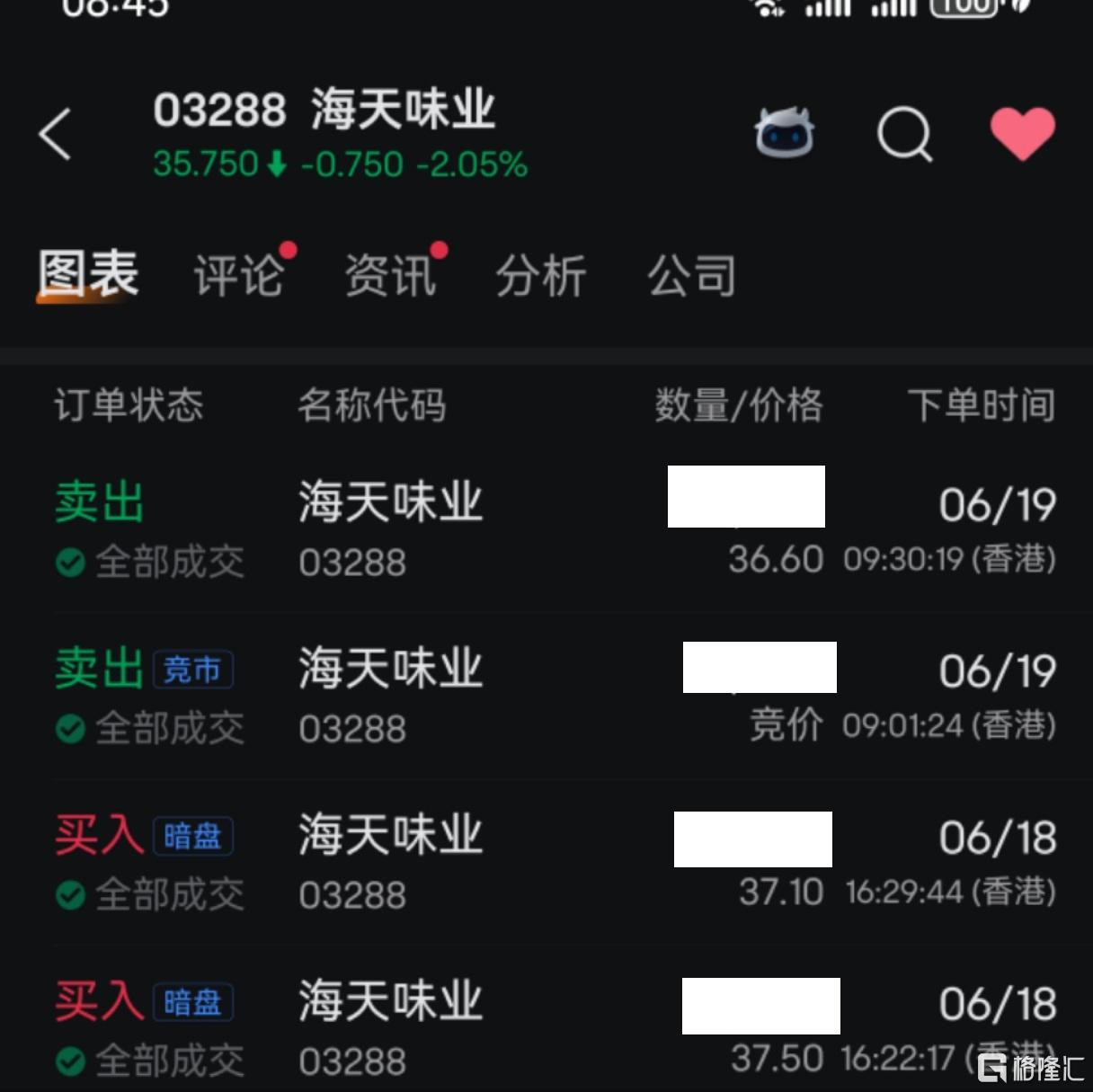
Group 1 - The market sentiment around Hai Tian Wei Ye has been volatile, with initial enthusiasm leading to a significant drop in stock price on the listing day, falling below the issue price [1][2] - The recent trend in the market shows that the perception of risk-free arbitrage in IPOs has shifted, with a high probability of losses being observed in recent offerings [2][3] - The performance of other companies like Hengrui Medicine and CATL has created a misleading expectation of easy profits from IPOs, contributing to the current market dynamics [2][6] Group 2 - The recent market downturn has affected various sectors, including new consumption and innovative pharmaceuticals, indicating a broader sentiment shift [6] - The liquidity in the Hong Kong market remains high, as evidenced by the drop in overnight Hibor rates, yet this has not translated into positive market performance for many stocks [6] - The focus on stocks that are currently declining is emphasized, suggesting a strategy to concentrate on potential recovery opportunities rather than chasing new IPOs [4][6]