
过境免签政策

Search documents
哈尔滨机场口岸:240小时过境免签满一年 免签入境旅客同比增285.3%
Zhong Guo Xin Wen Wang· 2025-12-17 08:17
Core Viewpoint - The implementation of the 240-hour visa-free transit policy at Harbin Taiping International Airport has significantly increased the number of international travelers, with a notable 285.3% year-on-year growth in visa-free entrants since the policy's launch [2]. Group 1: Policy Impact - The total number of inbound and outbound travelers at Harbin Taiping International Airport exceeded 600,000 in the past year, representing a 20.6% increase [2]. - Over 60,000 travelers entered China visa-free, marking a 285.3% increase compared to the previous year [2]. - The policy allows eligible travelers to stay in China for up to 240 hours while transiting to a third country, applicable at 60 open ports across 24 provinces [2]. Group 2: Economic and Cultural Effects - The visa-free policy has activated Harbin's tourism market and promoted international economic and cultural exchanges in Heilongjiang Province [2]. - During the 2025 Asian Winter Games, inbound travel orders to Harbin are expected to increase by over 210%, with many foreign athletes and business people utilizing the visa-free policy [2]. Group 3: Service Enhancements - To ensure the continued benefits of the visa-free policy, the Harbin border inspection station has improved services, including multilingual policy consultations and accommodation recommendations [3]. - Measures such as adding fast lanes and upgrading smart inspection equipment have significantly enhanced customs efficiency, with average processing times reduced to under 30 seconds [3].

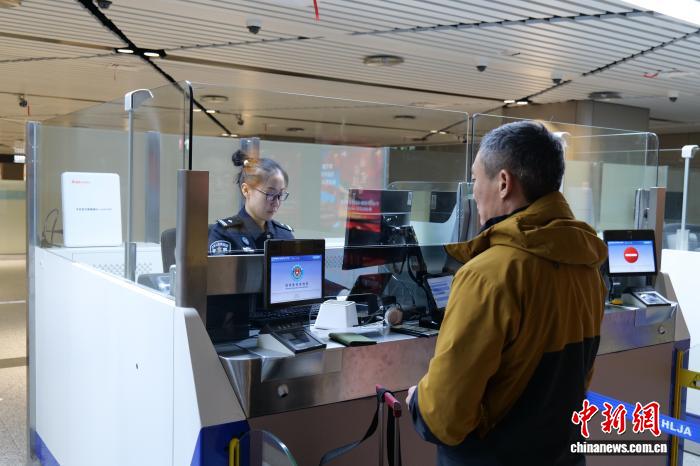
周年观察·体验感拉满、丝滑感升级 “免签红利+产品创新”成入境游消费增长主引擎
Yang Shi Wang· 2025-12-17 07:36
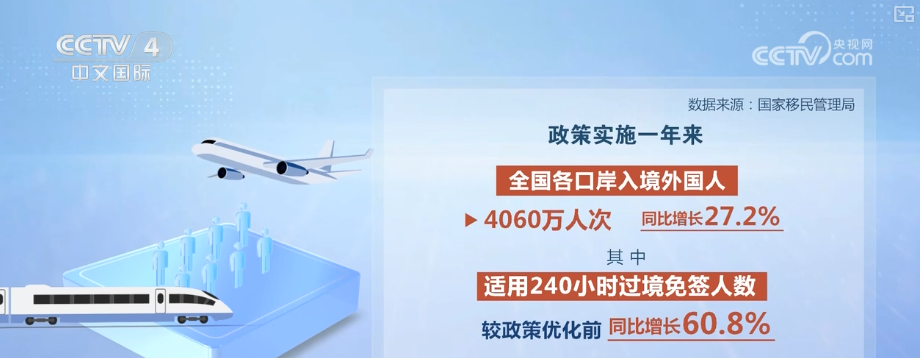
Core Insights - The implementation of the 240-hour visa-free transit policy in China has significantly increased foreign traveler inflow, with a notable rise in tourism and business activities [1][4][14] Group 1: Policy Implementation and Impact - The 240-hour visa-free transit policy officially took effect on December 17, 2024, covering 55 countries and involving 24 provinces and 65 open ports in China [1] - In the first year of the policy, the total number of foreign entrants across all ports reached 40.6 million, marking a year-on-year increase of 27.2% [4] - The number of travelers utilizing the 240-hour visa-free transit option increased by 60.8% compared to the period before the policy optimization [2][4] Group 2: Regional Performance - Major airports in Beijing, Shanghai, and Guangzhou have shown remarkable growth in foreign traveler numbers, with Beijing receiving over 3.4 million foreign visitors, 55% of whom benefited from the visa-free policy [7] - Shanghai welcomed 5.346 million foreign visitors, with 56% taking advantage of the visa-free transit [7] - Guangzhou's airport saw over 3.2 million foreign entrants, with more than 57% enjoying the visa-free convenience [7] Group 3: Tourism Growth and Trends - The overall inbound tourism has increased by 55% since the policy's implementation, with the highest proportion of visitors staying for 4 to 7 days [9] - First-tier cities and new first-tier cities rich in cultural and tourism resources are becoming key drivers of inbound tourism growth, leveraging the visa-free policy and product innovation [9] Group 4: Explosive Growth at Various Ports - Certain ports have experienced explosive growth in foreign entrants, with Xiamen seeing a more than threefold increase and Liaoning experiencing a 5.7-fold increase in foreign visitors [13] - Cities like Changsha and Zhangjiajie have reported foreign visitor numbers exceeding their total from the previous nine years [13] Group 5: Enhanced Services and Efficiency - Various ports are continuously innovating in customs efficiency and services, with major hubs like Beijing, Shanghai, and Guangzhou establishing dedicated channels and implementing "one-stop processing" and online reporting systems [19][21] - The introduction of electronic self-reporting terminals in Shanghai and improved multi-language services are part of the efforts to enhance traveler experience [19]
过境免签口岸扩容 国家移民局推10项创新举措
Bei Jing Shang Bao· 2025-11-03 16:17
Core Points - The National Immigration Administration of China has announced 10 innovative measures to support the expansion of open services for high-quality development, including the addition of five new ports in Guangdong for the 240-hour visa-free transit policy [1][2] - The total number of ports eligible for the 240-hour visa-free transit policy will increase from 60 to 65, effective from November 5 [1][2] - The policy allows citizens from 55 countries with valid international travel documents and confirmed itineraries to transit through any of the 65 open ports without a visa for up to 240 hours [1][2] Group 1 - The new ports added for the 240-hour visa-free transit include Guangzhou Pazhou Passenger Port, Hengqin, Hong Kong-Zhuhai-Macao Bridge, Zhongshan Port, and West Kowloon Station of the Guangzhou-Shenzhen-Hong Kong Express Rail Link [1] - The policy aims to enhance the convenience of inbound tourism and is expected to attract more foreign visitors [1][2] - The number of inbound tourists has shown significant growth, with the National Immigration Administration reporting a 12.9% year-on-year increase in the number of people checked in and out of the country in the third quarter, totaling 178 million [2] Group 2 - The National Immigration Administration has also expanded the scope of ports exempt from border inspection procedures for 24-hour direct transit, effective from November 5 [2] - Ten international airports, including Tianjin Binhai and Dalian Zhoushuizi, will implement measures allowing travelers with international connecting tickets to transit without border inspection [2] - The online filling of the foreigner entry card has been introduced, allowing foreign visitors to submit their entry information through various digital platforms before arriving in China [3] Group 3 - The online entry card filling initiative is seen as a digital service enhancement, making it easier for foreign tourists to declare their entry information [3] - Previously, tourists had to fill out the entry card on the flight or upon arrival, but the new measure streamlines the process, making it more convenient and environmentally friendly [3]
240小时过境免签政策扩容新增横琴等5个毗邻港澳口岸
Sou Hu Cai Jing· 2025-11-03 11:09
Core Points - The National Immigration Administration announced 10 innovative measures to support high-quality development through expanded openness [1] - Starting from November 5, five additional ports in Guangdong Province will be included in the 240-hour visa-free transit policy [1] - The total number of entry ports eligible for the 240-hour visa-free transit policy will increase from 60 to 65 [1] Summary by Category - **Policy Changes** - The new ports added to the visa-free transit policy include Guangzhou Pazhou Passenger Port, Hengqin, Hong Kong-Zhuhai-Macao Bridge, Zhongshan Port, and West Kowloon Station of the Guangzhou-Shenzhen-Hong Kong Express Rail Link [1] - Citizens from 55 eligible countries can enter China visa-free for up to 240 hours when transiting to a third country, provided they hold valid international travel documents and confirmed itineraries [1] - **Operational Details** - The visa-free entry is applicable at any of the 65 open ports across 24 provinces, autonomous regions, and municipalities [1] - During the 240-hour stay, activities such as tourism, business, visiting relatives, and family visits are permitted, while work, study, and news reporting require prior approval and a visa [1]
“China Travel”持续升温 “中国游”“中国购”成为新时尚
Yang Shi Wang· 2025-10-08 16:18
Core Viewpoint - The expansion of visa-free transit policies to 55 countries and the implementation of the "buy and refund" tax refund policy in China have led to an increase in foreign tourists, making "China travel" and "China shopping" a new trend [1] Group 1 - The visa-free transit policy has been extended to 55 countries, facilitating easier travel for foreigners to China [1] - The "buy and refund" tax refund policy is now fully promoted across the country, enhancing the shopping experience for international visitors [1] - The combination of these policies has resulted in a significant rise in the number of foreign tourists visiting China during the holiday season [1]
无人机、手机、潮玩……外国游客的“China Travel”购物清单更新了
Yang Shi Xin Wen Ke Hu Duan· 2025-10-08 04:05
Core Insights - The consumption market in China is thriving during the National Day and Mid-Autumn Festival holidays, with a significant influx of foreign tourists due to policies like visa exemptions and tax refunds [1][6] Group 1: Inbound Tourism Trends - The Black River border checkpoint saw a 38.46% year-on-year increase in inbound travelers during the first six days of the holiday [2] - Russian tourists are particularly drawn to the Black River area, enjoying local culture and cuisine [1][2] - In Chongqing, international tourists are attracted by the city's unique landscape and spicy cuisine, with a European tour group visiting multiple attractions [2][3] Group 2: Shopping Preferences of Foreign Tourists - Foreign tourists are increasingly interested in a variety of Chinese products, moving beyond traditional souvenirs to include trendy items like electronics and toys [4][5] - In Shanghai, shopping districts are actively promoting sales and special events to attract foreign shoppers, with many tourists taking advantage of tax refund services [4][5] Group 3: Tax Refund Policies and Their Impact - The introduction of streamlined tax refund services has made shopping more convenient for foreign tourists, with cities like Shanghai and Shenzhen implementing innovative solutions [5][6] - Guizhou and Jilin provinces have recently launched tax refund policies, enhancing the shopping experience for international visitors and increasing the appeal of local products [6][7]
“中国游”火热 “中国购”升温 中国魅力成为磁吸外国游客的密码
Yang Shi Wang· 2025-10-08 04:04
Core Viewpoint - The recent National Day and Mid-Autumn Festival holiday in China saw a significant increase in foreign tourist arrivals, driven by policies such as visa exemptions and tax refunds, leading to a booming consumption market [1][3][18]. Group 1: Foreign Tourist Arrivals - A trial visa exemption policy for Russian passport holders has led to a surge in foreign tourists, particularly in the border city of Heihe, with a 38.46% year-on-year increase in inbound travelers during the first six days of the holiday [3][5]. - The vibrant local markets, such as the early morning market in Heihe, have attracted many foreign visitors, showcasing a lively atmosphere with over 1,600 stalls [3][5]. Group 2: Tourist Experiences and Attractions - Cities like Chongqing have also seen a rise in international visitors, who are drawn to the unique landscape and local cuisine, such as spicy dishes [6]. - New initiatives, such as an upgraded English version of cultural tourism maps and bilingual volunteer service stations, have been introduced in Chongqing to enhance the experience for foreign tourists [8]. Group 3: Shopping Trends - The shopping habits of foreign tourists are evolving, with a shift from traditional souvenirs to trendy items like electronics and local brands, as seen in places like Shenzhen's Huaqiangbei [15]. - Major shopping districts in cities like Shanghai have launched promotional activities to attract foreign shoppers, resulting in a noticeable presence of tourists carrying shopping bags [13]. Group 4: Tax Refund Policies - The implementation of streamlined tax refund services has improved the shopping experience for foreign tourists, with cities like Shanghai introducing a paperless tax refund process [15][17]. - New tax refund policies are being rolled out in more regions, including Guizhou and Jilin, enhancing the convenience for foreign shoppers and contributing to increased international appeal [19][22][26]. - Guizhou has reported a significant increase in inbound travelers, with a 194% year-on-year growth in exit-entry personnel, supported by the introduction of tax refund services and international flight routes [24].
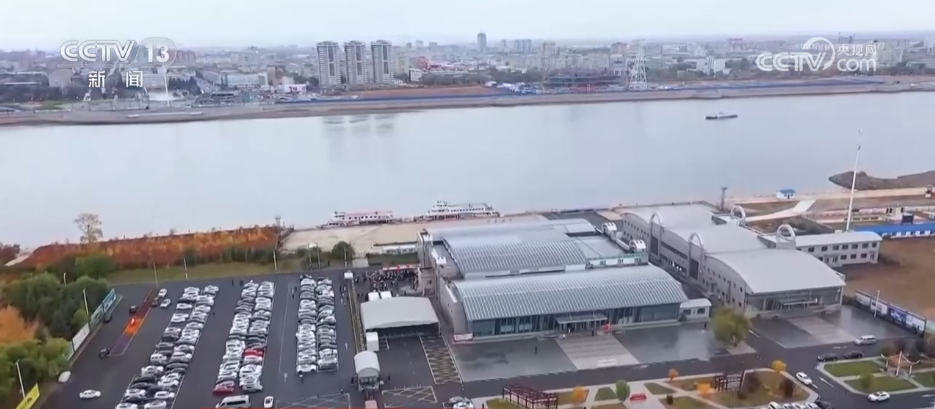
中国目的地·入境游简报010|入境客源国新画像解析
Xin Lang Cai Jing· 2025-09-19 03:57
Core Insights - The recovery of China's inbound tourism market has shown significant momentum in 2025, with a notable increase in foreign visitors and the expansion of visa-free policies [1][2][16] Group 1: Market Recovery and Visitor Trends - In the first half of 2025, a total of 38.05 million foreign visitors were recorded, marking a 30.2% year-on-year increase, with visa-free entries reaching 13.64 million, up 53.9% [1][2] - The visitor source countries have diversified, with Southeast Asia leading the recovery, while Europe and the US lag behind, with visitor numbers only reaching about 30% of pre-pandemic levels [2][7] - The implementation of the 240-hour visa-free transit policy has significantly influenced the influx of visitors, with nearly 70% of inbound foreigners entering under this policy [2][16] Group 2: Regional Market Characteristics - Southeast Asia has emerged as the fastest recovering market, with countries like Thailand, Singapore, and Malaysia nearing or exceeding pre-pandemic visitor levels [10][12] - The recovery in the Japanese and South Korean markets is notable, with visitor numbers increasing by 130.7% and 58.5% respectively in Shanghai, although they have not yet returned to 2019 levels [4][6] - The European and American markets are characterized by slower recovery due to factors such as limited direct flights and increased travel costs, with visitor numbers still significantly below pre-pandemic figures [9][7] Group 3: Policy Impact and Future Outlook - The expansion of visa-free policies and the increase in entry ports have been crucial in driving the recovery of inbound tourism, with the number of visa-free countries increasing from 54 to 55 and entry ports rising to 60 [2][20] - The demand from emerging markets, particularly in the Middle East and Central Asia, is growing, supported by new visa policies and increased travel interest [13][15] - The evolving visitor demographics indicate a shift towards more diverse and high-spending tourists, with a growing interest in cultural experiences and short-term travel [16][12]

“中国游”“中国购”持续升温 旅行服务快速增长
Zheng Quan Ri Bao· 2025-08-06 16:06
Core Insights - China's service trade has shown strong growth in the first half of the year, particularly in travel services, which reached 1,080.29 billion yuan, a year-on-year increase of 12.3%, making it the largest sector in service trade [1] - Travel service exports have surged by 68.7%, marking it as the fastest-growing area within service trade [1] Group 1: Policy Impact - The growth in travel services is attributed to optimized policies such as departure tax refunds and transit visa exemptions, which have enhanced China's attractiveness as a tourist destination [1] - The expansion of China's visa-free "circle" has contributed to the rising popularity of "China tours" [2] Group 2: Visitor Statistics - In the first half of the year, the number of foreign visitors entering and exiting China reached 38.053 million, a year-on-year increase of 30.2%, with visa-free entrants totaling 13.64 million, up 53.9% [2] Group 3: Policy Measures - In April, the Ministry of Commerce and other departments issued measures to further optimize departure tax refund policies, including lowering the refund threshold to 200 yuan and promoting "immediate refund" services nationwide [2] - The number of departure tax refund stores exceeded 7,200, an increase of approximately 80% compared to the end of 2024 [2] Group 4: Regional Initiatives - Local governments are launching initiatives to enhance the travel service environment, such as Shanghai's plan to become a benchmark city for departure tax refunds by improving service quality and product variety [3] Group 5: Future Recommendations - To further enhance the competitiveness of China's travel services, recommendations include optimizing entry and exit policies, deepening cultural and tourism integration, and improving service quality through better training for industry professionals [3]
“十四五”时期过境免签政策适用国家扩展至55个
news flash· 2025-07-23 07:11
Core Viewpoint - The "14th Five-Year Plan" period sees the expansion of the visa-free transit policy to 55 countries, significantly increasing the number of foreign visitors to China in 2024 [1] Group 1 - The number of foreign visitors to China in 2024 is projected to reach 32.539 million, with 20.115 million expected to enter visa-free, representing year-on-year growth of 80.7% and 112.3% respectively [1]