
邮轮经济

Search documents
54个国际品牌纳入上海首发进口消费品检验便利“白名单”
Xin Lang Cai Jing· 2026-01-20 13:44
上海海关相关负责人表示,2026年,上海海关将进一步聚焦企业和消费者的实际关切,全力支持首发经 济、会展经济、邮轮经济、赛事经济、文创经济在沪集聚发展,充分释放消费潜力,持续提升上海国际 消费中心城市能级。(完) 中新社上海1月20日电 (记者 姜煜)据上海海关20日发布的统计数据,自2025年5月"白名单+差异化合格 评定"检验模式试点启动以来,已有34家跨国企业总部、54个国际知名品牌纳入首发"白名单"。 基于中国国际进口博览会的监管经验,上海海关首创"进博慧展"海关展会监管系统,实现展会数字化、 智能化、便利化监管,并逐步推广应用于海关上海关区所有国际展会,让展会集聚"流量",直接拉动城 市消费,并进一步吸引优质消费品来沪,激发上海会展之都的消费活力。 在中国海关总署支持下,上海海关与上海市商务委员会联合推出首发进口消费品检验便利化措施,在全 国首创"白名单+差异化合格评定"检验模式,为"首展、首秀、首店、首发"进口消费品提速增效。截至 2025年底,已有近1万批、3万款首发新品享受到该项便利化措施,总货值达2.5亿元人民币。 上海海关积极支持上海国际消费中心城市建设,助力消费扩容提质,释放更加强劲的消 ...
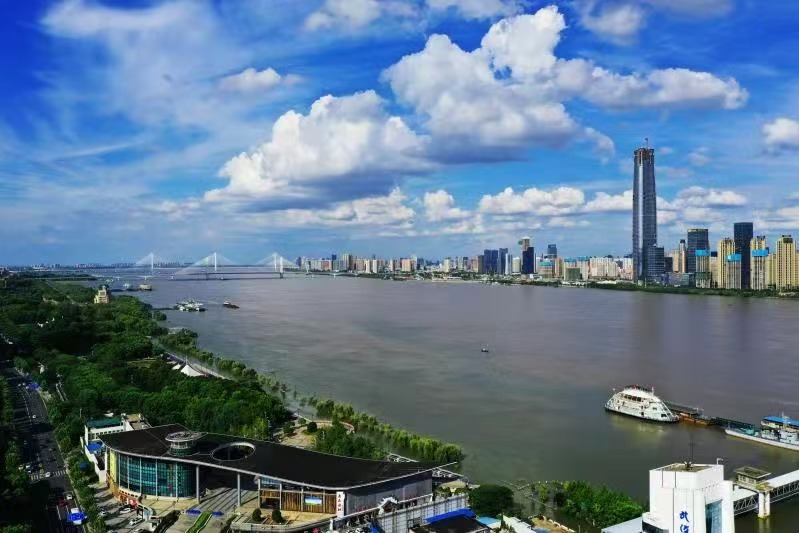
武汉谋建长江中游游轮母港 岳阳宜昌加入
Di Yi Cai Jing· 2026-01-08 06:44
Core Viewpoint - The Yangtze River cruise tourism industry is emerging as a new competitive sector for cities along the river, with Wuhan planning to establish a cruise mother port to enhance cultural resource integration and support the development of the Yangtze International Golden Tourism Belt [1][5]. Group 1: Economic and Cultural Significance - The cruise economy is seen as a solution to the challenges faced by the cultural and tourism industries along the Yangtze River, promoting the integration of cultural heritage and tourism resources [1]. - The Yangtze River basin connects three major cultural circles in China, with a rich array of historical and cultural heritage sites, yet suffers from fragmentation due to administrative divisions [2]. - The global cruise industry is experiencing growth, with passenger numbers expected to reach 35 million in 2024 and nearly 39.5 million by 2027, indicating a strong recovery post-pandemic [2]. Group 2: Development Opportunities - The shift in the cruise tourism market from coastal destinations to inland cultural routes presents new opportunities for the Yangtze River cruise industry [3]. - Wuhan's strategic location in the Yangtze River's transportation network positions it as a key hub for cruise tourism, facilitating connections with other major ports and enhancing the overall tourism experience [6][9]. - The establishment of a cruise mother port in Wuhan is expected to attract cruise lines from the Yangtze River Delta and Pearl River Delta, enhancing the region's cultural and tourism value [6]. Group 3: Infrastructure and Planning - The development of the cruise industry relies on robust infrastructure, including waterways, ports, and transportation networks, as well as the capacity of port cities to support cruise operations [3][4]. - Plans for the cruise mother port in Wuhan include the construction of various facilities such as passenger terminals, maintenance bases, and cultural theme hotels to create a comprehensive cruise economy cluster [7]. - Other cities like Yueyang and Yichang are also developing cruise mother ports, each with different focuses and levels of development, contributing to a collaborative regional tourism strategy [8][9].
武汉谋建长江中游游轮母港,岳阳宜昌加入
Di Yi Cai Jing· 2026-01-08 06:31
Core Viewpoint - The development of the Yangtze River cruise tourism industry is seen as a new opportunity for cities along the river to enhance cultural integration and economic growth, with Wuhan planning to establish a cruise mother port to support this initiative [1][6][10] Group 1: Economic and Cultural Integration - The Yangtze River cruise economy is viewed as a solution to the challenges faced by the cultural and tourism industries along the river, promoting the integration of cultural resources and enhancing the international tourism belt [1][4] - The Yangtze River basin connects three major cultural circles, and there are numerous historical and cultural heritage sites along the river, which are currently fragmented due to administrative divisions [2][4] - The cruise economy is expected to facilitate the transformation from "sightseeing tourism" to "cultural experience," linking various cultural heritages into a cohesive narrative [4][9] Group 2: Development of Cruise Infrastructure - Wuhan aims to build a cruise mother port, which will serve as a hub for cruise operations and enhance the tourism experience by providing diverse attractions [6][7] - The proposed mother port in Wuhan is strategically located to connect with other major ports and enhance the flow of cruise tourism along the Yangtze River [6][8] - Other cities like Yueyang and Yichang are also developing their cruise ports, but Wuhan's initiative is positioned to create a more extensive network and facilitate long-distance and cross-province cruise routes [8][10] Group 3: Collaborative Opportunities - The development of the cruise economy along the Yangtze River requires collaboration among various cities to maximize advantages and avoid competition [9][10] - The establishment of long-distance and short-distance cruise routes, along with joint ticketing systems, is proposed to enhance visitor flow and create a unified tourism experience [9][10] - The focus on regional cooperation aims to leverage each city's unique resources to build a competitive regional tourism brand [10]

广州首条东南亚长航线邮轮游启航 大湾区邮轮市场开启新一年出游热潮
Yang Guang Wang· 2026-01-08 02:19
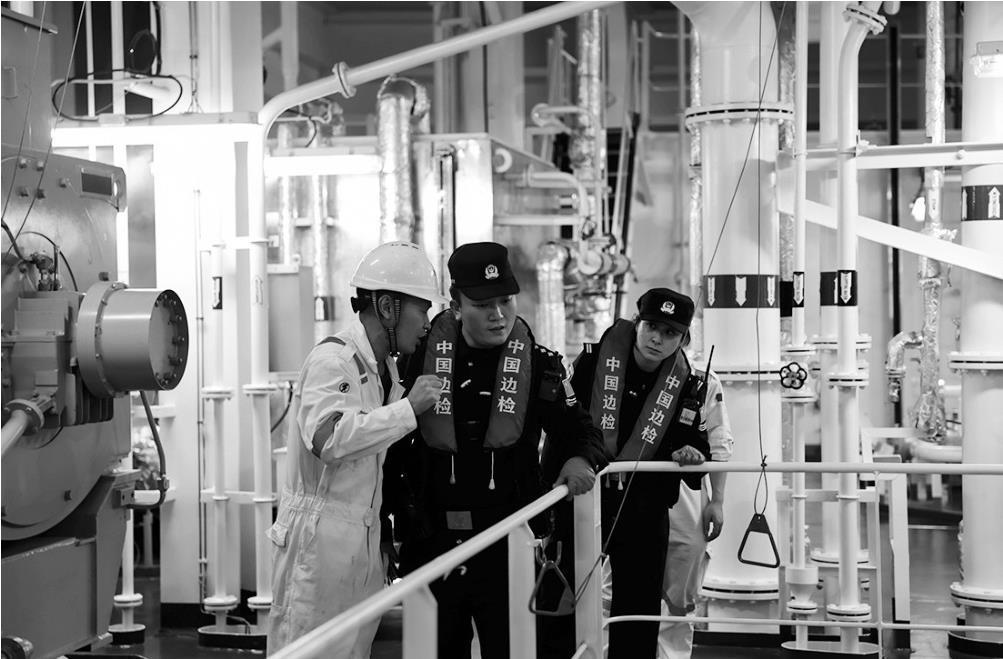
Group 1 - The "Aida Mediterranean" cruise ship, operated by the Chinese cruise brand Aida Cruises, embarked on a 9-day, 8-night journey to Southeast Asia, marking the start of a new travel season in the Guangdong-Hong Kong-Macao Greater Bay Area [1] - The cruise itinerary includes visits to Vietnam, Malaysia, and Brunei, catering to diverse cultural experiences and scenic beauty [1] - The first sailing of the Southeast Asia long cruise had a passenger capacity exceeding 2,200, nearly at full capacity, with a mix of elderly travelers, family groups, and working professionals taking advantage of vacation time [1] Group 2 - The South China Sea Border Inspection Station has implemented innovative services such as "facial recognition passage" and "QR code entry," reducing the personal clearance time for cruise passengers from 90 seconds to as little as 5 seconds [2] - The second domestically produced large cruise ship, "Aida Huacheng," has achieved over 90% overall engineering progress and is scheduled to launch international routes from Guangzhou Nansha by the end of 2026, further enriching the cruise product offerings in the Greater Bay Area [3]
打造北纬39度“国门名片” 当好向北开放“排头兵”
Xin Lang Cai Jing· 2026-01-06 23:41
Core Viewpoint - The Dalian Entry-Exit Border Inspection Station is enhancing its services and efficiency to support local economic development and facilitate international travel, particularly through innovative measures in customs clearance and immigration management [1][2]. Group 1: Customs and Immigration Innovations - The Dalian border inspection station has implemented a "one ship, one policy" approach to customize clearance plans for cruise ships, significantly reducing average clearance time to under 10 seconds [2][3]. - The introduction of self-service terminals for foreign visitors and simplified inspection processes has improved the efficiency of cruise ship operations, attracting more international tourists [2][3]. Group 2: Economic Impact and Growth - The Dalian border inspection station has welcomed 17 international cruise ships, processing over 60,000 travelers, marking a year-on-year increase of 22.6% [3]. - The "Tide Before" customs guarantee model has been introduced to optimize ship clearance based on tidal schedules, reducing delays and associated costs for shipping companies [4][5]. Group 3: Seafood Import and Export Services - The Dalian border inspection station has facilitated the arrival of 220 frozen fish vessels, handling a total of 70,000 tons of frozen fish with an estimated value of approximately 7 billion [6]. - The station has also implemented expedited services for live seafood exports, achieving a 30% increase in value, surpassing 26 million this year [6].
上海立法促进邮轮经济发展 首试首设首创多项保障政策
Jie Fang Ri Bao· 2026-01-04 01:41
Core Viewpoint - Shanghai is actively developing a first-class cruise port, becoming a benchmark for the cruise industry in China through various innovative policies and regulations aimed at enhancing the cruise economy [1] Group 1: Legislative Developments - The Shanghai Municipal People's Congress has passed the "Regulations on Promoting the Development of the Cruise Economy," which will take effect on March 1, 2026, providing a legal framework for the cruise economy [1] - The regulations emphasize the importance of cruise tourism as a key driver for the cruise economy, encouraging cruise companies to develop international cruise routes and multi-homeport operations to attract more foreign tourists [2] Group 2: Product and Service Innovation - The regulations aim to diversify cruise tourism products, enhancing competitiveness and extending the consumption chain by supporting the development of "cruise + exhibition" and "cruise + wellness" tourism products [2] - Efforts will be made to enrich the supply of cruise products, focusing on new routes and projects that enhance passenger stay and consumption, including non-destination sea tours and multi-point docking for foreign-flagged cruise ships [3] Group 3: Port and Customs Enhancements - The regulations outline measures to improve the cruise port and customs service capabilities, including optimizing customs processes and enhancing the service environment for cruise operations [4] - There will be a focus on implementing advanced port entry and exit guarantees, improving infrastructure, and supporting the use of green fuels and new technologies in port operations [4] Group 4: Employment and Talent Development - The cruise economy is expected to create significant employment opportunities, with one cruise potentially impacting thousands of jobs across its supply chain [5] - The regulations emphasize the importance of talent development in the cruise industry, encouraging educational institutions to establish relevant programs and training bases to meet industry needs [5]
上海为邮轮经济立法,发展入境游,下更大功夫激发消费潜能
Di Yi Cai Jing· 2025-12-31 09:25
Core Viewpoint - Shanghai has established itself as a leading cruise tourism hub in China, holding over 60% of the national market share, and is set to implement new regulations to further enhance its cruise economy by March 2026 [1][2]. Group 1: Regulatory Developments - The newly passed regulations aim to strengthen policy innovation and market cultivation for cruise tourism, encouraging the development of inbound cruise tourism and multi-homeport operations [2]. - The regulations will facilitate the development of international cruise routes and promote the exploration of non-destination sea cruise routes [2]. Group 2: Economic Impact - From 2006 to 2025, Shanghai is expected to receive over 3,500 cruise ships and more than 18 million tourists, solidifying its position as Asia's top and the world's fourth-largest cruise homeport [2]. - The cruise economy is recognized as a vibrant and potential-rich sector within modern services, with a long industrial chain and broad impact [4]. Group 3: Infrastructure and Service Enhancements - The regulations emphasize the need to improve port quality and enhance the service environment at cruise ports, including implementing advanced entry and exit measures for cruise ships [4]. - There is a focus on optimizing customs processes and enhancing the overall service capabilities at ports to improve the experience for cruise passengers [4]. Group 4: Talent Development - The cruise industry requires a skilled workforce, prompting the need for targeted talent cultivation that aligns with long-term planning and industry demands [5]. - The regulations call for strengthening talent training and recruitment in the cruise sector, encouraging educational institutions to establish relevant programs and training bases [6].
上海立法促进邮轮经济发展 多措并举、多元创新
Zhong Guo Xin Wen Wang· 2025-12-30 11:49
Core Viewpoint - Shanghai has passed regulations to promote the cruise economy, establishing a framework for development and implementation of supporting policies, effective from March 1, 2026 [1][2]. Group 1: Regulatory Framework - The newly passed regulations provide a basic framework for the development of the cruise economy in Shanghai, facilitating the formulation and implementation of related supporting systems [1]. - The regulations emphasize innovation in cruise tourism policies and market cultivation, including the establishment of a demonstration zone for cruise tourism development and the exploration of trial cruise routes without specific destinations [1][2]. Group 2: Economic Impact and Market Growth - The cruise economy is recognized as a vibrant and potential-rich sector within modern services, with Shanghai receiving over 3,500 cruise ships and more than 18 million tourists from 2006 to 2025, accounting for over 60% of the national cruise market share [2]. - Shanghai is the first and only designated cruise tourism development demonstration zone in China, having pioneered various policies such as standardized port services and cruise ticket systems [2]. Group 3: Industry Development and Infrastructure - The regulations aim to enhance the competitiveness of the entire cruise industry chain by promoting the integration of port and city development, improving the service environment at cruise ports, and implementing preferential measures for cruise companies [1][3]. - Shanghai plans to improve its port quality and develop themed cruise tourism resorts, while also enhancing various facilitation measures for customs, communication, and payment systems to improve the overall experience for cruise visitors [3]. Group 4: Future Directions - The city will focus on stimulating consumer potential by expanding cruise product offerings and developing new routes and projects that enhance visitor engagement and spending [2][3]. - Continuous tracking and evaluation of the implementation of the regulations will be conducted, with a focus on addressing challenges in the cruise sector and fostering institutional innovation [3].
听取4项法规草案审议报告 市人大常委会会议昨起召开
Jie Fang Ri Bao· 2025-12-30 01:53
Group 1 - The Shanghai Municipal People's Congress held its 26th meeting to review four legislative drafts, including the "Regulations on the Development of Offshore Bond Business in the Free Trade Zone of Pudong New District" [1] - The revised draft of the offshore bond regulations aims to clarify the working mechanism and business rules, promoting a healthy and orderly development of the offshore bond market, which will support the construction of Shanghai as an international financial center [1] - The draft regulations for promoting the cruise economy focus on innovative institutional supply to address challenges in the entire cruise economic chain, enhancing the city's cruise industry and aiming to establish a regional cruise economic center with global resource allocation capabilities [1] Group 2 - The revised draft of the Historical and Cultural Famous Towns Protection Regulations emphasizes the overall protection of historical and cultural towns, aligning with the central urban work conference and providing legal support for the continuity of urban historical context and revitalization of town development [1] - The draft of the Industry Association and Chamber of Commerce Regulations is the first local legislation in the country to coordinate the management, autonomous operation, and reform of industry associations and chambers of commerce, which is significant for promoting industry progress and serving social governance [1]
厦门口岸2025年出入境旅客量突破600万人次
Zhong Guo Xin Wen Wang· 2025-12-27 13:24
此外,厦门邮轮口岸今年来累计接待国际邮轮43航次,接待出入境旅客近12万人次,分别同比增长超 95%和40%,单日最高出入境客流量突破8000人次,持续激活邮轮经济发展活力,邮轮经济成为厦门文 旅消费的新增长点。(完) (文章来源:中国新闻网) 中新网厦门12月27日电 (吴冠标)厦门边检总站高崎边检站27日披露,截至当天19时,厦门口岸今年出入 境旅客量突破600万人次,同比增长近20%,创历史新高。 数据显示,2025年厦门口岸出入境外籍旅客数量已超110万人次,同比增长超13%。其中,近38万人次 享受各类免签政策,同比增长近35%,马来西亚、新加坡、韩国等国家的入境旅客位居前列。 ...