高得房率

Search documents
“好房子”不等于高得房率 回归品质方为正道
Zheng Quan Shi Bao· 2025-08-28 00:26
Core Viewpoint - The concept of a "good house" is being misinterpreted by consumers who equate it with high usable area ratios, leading to misleading marketing practices by developers [1][2]. Group 1: Usable Area Ratio Issues - Some new housing projects are marketing "usable area ratios" exceeding 100%, with reports of ratios reaching as high as 130% in certain cities [1]. - The usable area ratio is defined as the ratio of the usable area to the total building area, and typically should not exceed 100% due to shared public areas [1]. - The emergence of "new regulation products" with high usable area ratios has been noted, particularly in cities like Guangzhou and Shenzhen, indicating consumer preference for these products [1]. Group 2: Quality Over Quantity - A true "good house" should focus on product design, construction quality, community services, green energy efficiency, and supporting services rather than just high usable area ratios [2]. - The implementation of the "Residential Project Standards" in May aims to enhance safety, comfort, and sustainability in housing projects, emphasizing the importance of quality over mere area metrics [2]. - Local governments are encouraged to align with these standards to accelerate the development of quality housing projects, which is the original intent of the "good house" policy [2].
时报观察 “好房子”不等于高得房率 回归品质方为正道
Zheng Quan Shi Bao· 2025-08-27 17:52
Group 1 - The term "good house" has gained significant attention in the real estate sector this year, with some new housing projects misleadingly including non-buildable areas in the calculation of usable space, leading to claims of "usable rates exceeding 100%" [1] - In some cities, the usable rate has reportedly reached as high as 130%, which is unusual as the typical usable rate should not exceed 100% due to shared areas [1] - Research indicates that new products with high usable rates have seen high sales rates in cities like Guangzhou and Shenzhen, reflecting buyer preference for these offerings, although this has led to questionable practices among some developers [1] Group 2 - A "good house" should focus on product design, construction quality, community services, green energy efficiency, and supporting services rather than just high usable space [2] - The implementation of the "Residential Project Standards" in May aims to enhance safety, comfort, and sustainability in housing projects, emphasizing the importance of quality and planning [2] - Local governments are encouraged to develop their own implementation versions of these standards to accelerate the progress of "good house" construction [2]
得房率超过120%的新房要成为“绝唱”?
Mei Ri Jing Ji Xin Wen· 2025-08-22 01:35
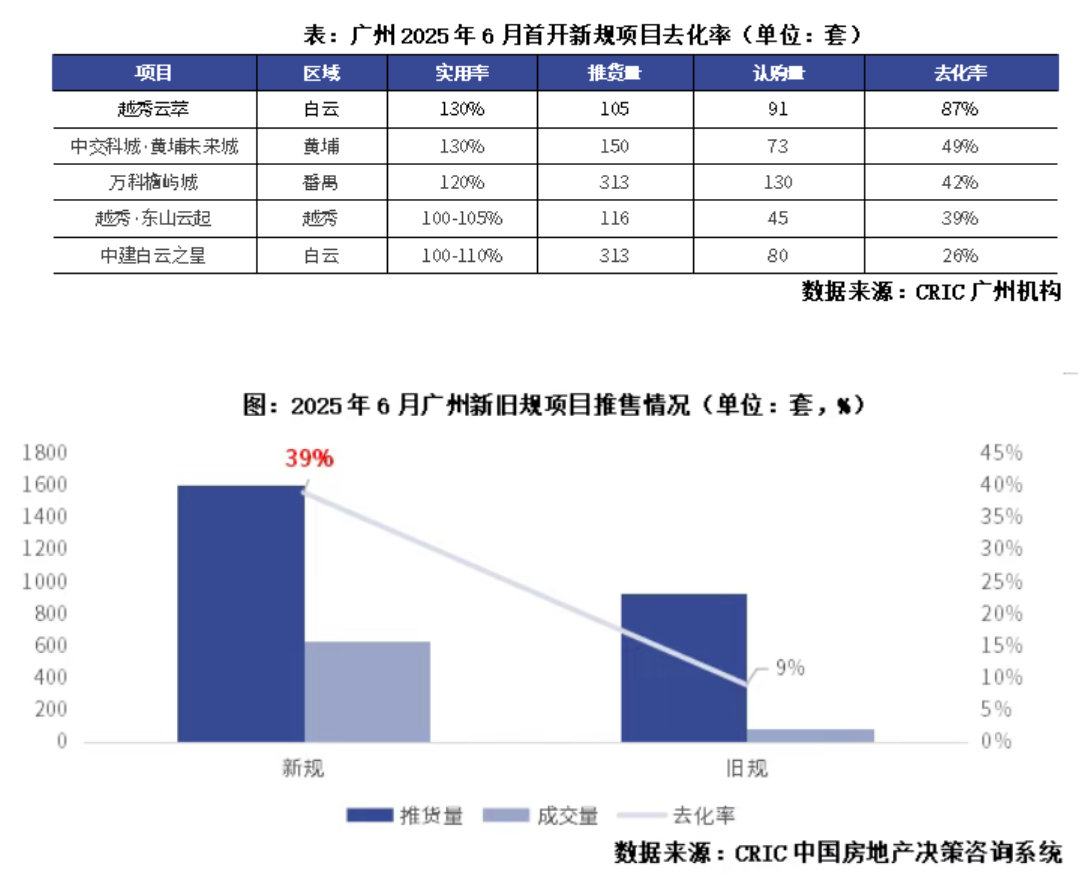
Core Viewpoint - Guangzhou is set to implement new regulations for residential project approvals to combat "area cheating" practices, specifically targeting design irregularities such as recessed bay windows and unauthorized modifications to flower beds [1][2]. Regulatory Changes - The new regulations will require projects without a valid construction planning permit to adhere to stricter standards, while previously approved projects can continue with their original plans [1]. - The approval process for project submissions has become more stringent, ensuring compliance with design norms, which is expected to limit the previously common high usable area rates of 120% to 130% [1][6]. Market Impact - The trend of high usable area rates in Guangzhou has led to a competitive market where developers have engaged in "area cheating" tactics, such as disguising structural elements to evade area calculations [6]. - Recent data indicates that new projects under the revised regulations have shown a higher absorption rate compared to older projects, with a 30 percentage point increase in overall sales performance [5]. Developer Behavior - Developers are reportedly adjusting their designs in response to the new regulations, with some projects reducing the number of floors or eliminating certain features to comply with the stricter standards [9]. - The tightening of regulations is expected to decrease developers' enthusiasm for acquiring land and may lead to a more cautious approach in project planning [9]. Market Dynamics - The high usable area projects have negatively impacted the existing housing market, with many older properties experiencing a decline in sales due to competition from new developments [7]. - Notable examples include significant price drops in older properties following the launch of new high usable area projects, indicating a shift in buyer preferences [7].

120%超高得房率将成“绝唱”?
Mei Ri Jing Ji Xin Wen· 2025-08-19 13:33
Core Viewpoint - The Guangzhou government is set to implement new regulations aimed at curbing "area theft" in residential construction, which may lead to the end of new homes with over 120% efficiency rates [2][3]. Regulatory Changes - New regulations will target design practices such as recessed windows and unauthorized modifications to flower beds, requiring projects to adhere to stricter building standards [2]. - Although there are no direct restrictions on efficiency rates yet, the approval process for project submissions has become more stringent, making it difficult to achieve previous high efficiency rates of 120%-130% [2][5]. Market Dynamics - The trend of high efficiency rates in Guangzhou emerged after the implementation of the "Guangzhou Building Engineering Floor Area Ratio Calculation Method" in November 2023, which allowed for increased balcony area and deeper recessed windows [5]. - The competition for high efficiency rates has led to questionable practices among developers, such as disguising structural elements to evade area calculations, which raises safety concerns [7]. Impact on Housing Market - High efficiency rate projects have negatively impacted the existing new and second-hand housing markets, with some developers facing challenges due to new regulations [9]. - As of August 19, over 140,000 second-hand homes were listed in Guangzhou, with a significant portion being older properties with lower efficiency rates [8]. - New projects under the revised regulations have shown strong market performance, with some achieving over 70% sales rates shortly after launch [9]. Developer Behavior - Developers are adjusting their designs in response to stricter regulations, with some reducing building heights and eliminating certain features to comply with new standards [11]. - The tightening of regulations may lead to decreased enthusiasm among developers for acquiring land and launching new projects, as indicated by industry analysts [11].
新盘抢滩 得房率成2025年沈阳楼市破局关键
Sou Hu Cai Jing· 2025-07-15 04:30
Core Viewpoint - The real estate market in Shenyang is experiencing a strong recovery in 2025, driven by the introduction of high-efficiency housing with high usable area ratios, which has become a significant trend among leading property developers [1][7]. Market Activation - Multiple new residential projects have been launched across Shenyang in the first half of 2025, including notable developments such as润启·和平里, 万科·雲樾, and 招商·璀璨映澜, indicating a revitalization of the market [3][5]. - Existing popular projects are also accelerating their new offerings, contributing to a previously absent active supply side in the market [3]. Demand Evidence - The demand side is reflected in the strong sales performance of new projects, with 招商·璀璨映澜 achieving sales of 1.6 billion and 华润中寰悦府 maintaining a leading position in sales rankings for nine consecutive months [5][11]. - The introduction of high-efficiency housing has effectively activated improvement demand among buyers, marking a significant transformation in the real estate market [7]. Product Upgrade - The concept of high usable area ratios in housing is likened to technological upgrades in electronic products, where consumers are willing to pay for tangible improvements in living space and efficiency [9][11]. - The shift from traditional high public area ratios (approximately 25% in 2021) to high usable area ratios in new products allows buyers to maximize their living space, enhancing the value perception of their investments [17]. Comparative Analysis - A direct comparison between 2021 and 2025 housing products shows that the new high usable area ratio units offer significantly larger usable spaces, with living room widths increasing from 4 meters to 5.5 meters, providing a more spacious living experience [18][19]. - The increase in bedroom sizes and overall comfort levels further emphasizes the advantages of high usable area ratio products, which are crucial for driving market interest and sales in 2025 [19]. Market Transformation - The 2025 Shenyang real estate market is characterized by a product revolution that breaks the previous market stagnation, highlighting the importance of high-quality housing in the ongoing market restructuring [19].




有城市或叫停超高得房率房子,什么信号?卷到极致终被反噬
Sou Hu Cai Jing· 2025-07-10 23:29
Core Viewpoint - The real estate market is experiencing significant changes due to increasing scrutiny on high usable area ratios and potential new regulations aimed at curbing excessive design practices that favor developers over buyers [3][4][5][6]. Group 1: Market Dynamics - Many cities are witnessing a trend where developers claim high usable area ratios, often exceeding 100%, which has raised concerns about the validity of such claims [1][3]. - A recent document in Guangzhou is expected to address the issue of "high gifting" and "super high usable area ratios," indicating a shift towards more regulated practices in the housing market [3][4]. - The introduction of new regulations in Chengdu aims to standardize construction practices, particularly regarding the allowable discrepancies in usable area measurements [4][5]. Group 2: Developer Practices - Developers have been employing tactics such as "stealing area" through design loopholes, including the use of balconies and bay windows to inflate usable space, which raises safety and fairness concerns [4][5]. - The competitive landscape is becoming increasingly challenging for developers who have not yet launched their projects, as those with more favorable designs and lower land acquisition costs may dominate the market [5][6]. Group 3: Consumer Implications - Buyers are advised to be cautious about potential safety, legal, and property rights issues that may arise from purchasing properties with inflated usable area claims [7]. - The concept of a "good house" is evolving, with an emphasis on space efficiency and functionality rather than merely high usable area ratios, as highlighted by national guidelines set for 2025 [6][7].