黄金租赁

Search documents
金饰每克租金最高50元,多家租赁平台停摆
21世纪经济报道· 2026-01-22 14:40
Core Viewpoint - The article discusses the rising trend of gold leasing and the popularity of renting gold jewelry among young consumers, despite the overall market still facing challenges and not being fully developed [1][4][14]. Market Overview - As of January 22, gold prices remain high, with London gold above $4,800 and local brands like Chow Tai Fook and Chow Sang Sang nearing 1,500 RMB per gram, reflecting a nearly 50% increase compared to mid-2025 [1][4]. - The gold jewelry leasing business has not yet formed a significant scale, with limited availability of rental services in key markets like Shui Bei [6][7]. Consumer Behavior - Young consumers aged 18 to 34 contribute over one-third of gold jewelry sales, indicating a shift in consumer demographics towards the "Z generation" [13]. - The rental model is perceived as a service similar to renting wedding dresses, rather than a direct alternative to purchasing gold [9][14]. Industry Challenges - The gold leasing market is still immature, facing issues such as the risk of damage to jewelry during rental, which can lead to customer complaints [14]. - Legal risks exist, as businesses must ensure their operating licenses explicitly include "gold and silver jewelry leasing" to avoid regulatory issues [14]. Company Insights - Companies like Rent Pearl Hero and Luxury Enjoy have emerged in the gold leasing space, but some have shifted focus away from leasing to other business models, such as gold recycling [10][14]. - Rent Pearl Hero operates primarily online, with a small physical presence, and offers rental prices ranging from 20 to 50 RMB per gram for a seven-day period [9][10].


紫金矿业集团股份有限公司 关于2026年度套期保值业务的公告
Sou Hu Cai Jing· 2026-01-15 14:27
Group 1: Hedging Business Overview - The purpose of the hedging business is to mitigate the adverse effects of commodity price fluctuations on the company's operations and to enhance risk management capabilities [2][3] - The hedging scale includes a maximum exposure limit for smelting and trading enterprises, with specific percentages for copper and zinc at 25%, and gold and silver at 50% [2] - The company will utilize its own funds for hedging activities, without involving raised funds [4] Group 2: Transaction Details - The types of hedging transactions include commodity hedging and foreign exchange hedging, utilizing various financial instruments such as forwards, swaps, options, and interest rate swaps [5] - Transactions will occur on domestic exchanges like the Shanghai Stock Exchange and Shenzhen Stock Exchange, as well as through reputable financial institutions for over-the-counter transactions [6] Group 3: Implementation and Authorization - The implementation of the hedging business will be managed by the company and its subsidiaries, with a validity period of 12 months from the board's approval [7][8] - The board approved the hedging business at a meeting on January 14, 2026, authorizing the financial committee to manage the hedging activities [9] Group 4: Impact on the Company - The hedging activities are deemed necessary and feasible to effectively avoid the impact of price fluctuations on the company's performance, aligning with the interests of the company and its shareholders [16]

部分商家“免税”销售,深圳水贝黄金租赁走热
第一财经· 2026-01-15 11:45
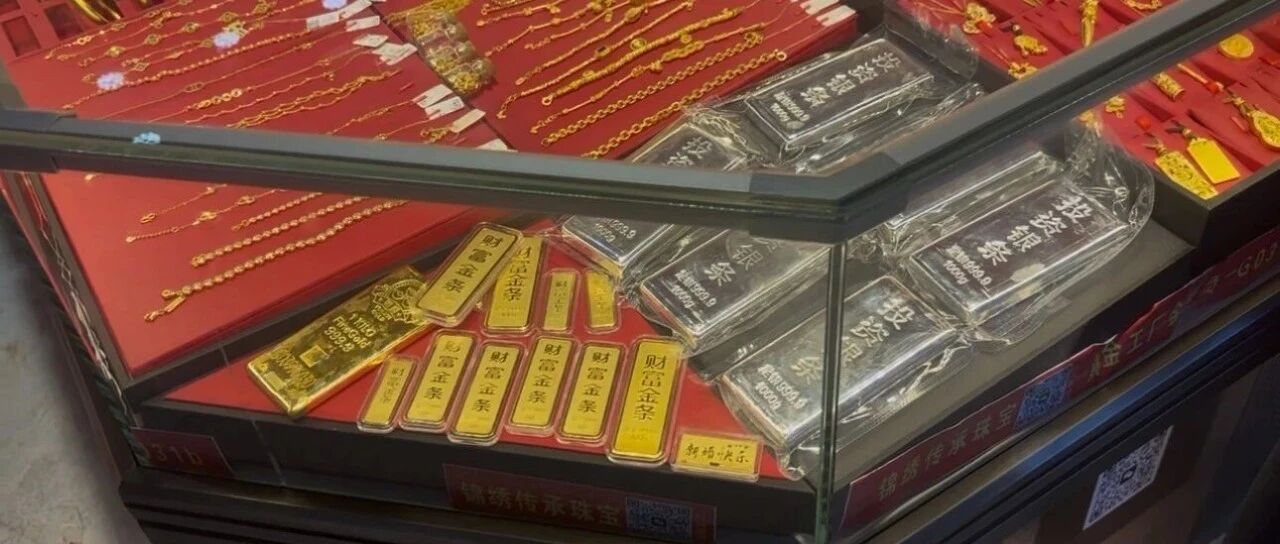
Core Viewpoint - The rapid increase in international gold prices, surpassing $4,600, has significantly impacted the Shenzhen Shui Bei gold market, leading to operational pressures for merchants due to reduced consumer demand and new tax regulations [3][4]. Group 1: Market Dynamics - The Shui Bei market, once known for its price advantages, is now facing challenges from high gold prices and compliance with tax regulations, prompting a shift towards a new operational model based on trust and informal transactions [3][4]. - A unified pricing system has been implemented in the market, merging the previously distinct prices for "investment gold" and "jewelry gold" into a single "gold" price, reflecting a restructuring of the pricing mechanism due to tax reforms [4][7]. - Merchants report that the new unified price corresponds to the previous "jewelry gold" price, making it difficult for investment-focused consumers to find price advantages through public channels [7][9]. Group 2: Consumer Behavior and New Trends - The market has seen a rise in gold wedding jewelry rental services, catering to budget-sensitive younger consumers, with bookings extending into February 2026 [14][16]. - Investment silver bars have gained popularity as an alternative, with merchants increasingly displaying them prominently, indicating a shift in consumer interest from gold to silver [17][18]. - The current market environment has led to a decrease in retail profits, with some merchants reporting a revenue decline of 20-30% despite rising gold prices, prompting them to explore new business models [15][10].
闲置金条“生利息”,金价高企、波动性加剧催旺黄金租赁
Sou Hu Cai Jing· 2025-11-19 03:04
Core Insights - Gold prices have risen over 50% this year, potentially marking the strongest annual increase since 1979, but volatility has also increased as gold experiences sell-offs alongside risk assets like U.S. stocks and Bitcoin [1] - The correlation between gold futures and the S&P 500 has turned positive since October, indicating a synchronized movement in their prices [1] - The rise in gold prices has led to increased interest in gold leasing, with wealthy individual investors and family offices looking to rent out their idle gold bars for interest income [1][3] Gold Leasing Market - SafeGold, a company based in Mumbai, has seen its leasing volume increase from $2 million to $40 million since the beginning of the year, indicating a significant shift in market dynamics [3] - Gold leasing allows investors to rent out their gold holdings to businesses, earning interest paid in gold rather than cash, which is similar to a loan structure [3] - The appeal of gold leasing lies in its ability to provide returns to investors while allowing businesses to access gold without the risk of price fluctuations [4] Industry Demand and Trends - Demand for gold leasing among jewelry manufacturers has doubled in the past four months, as they seek alternative financing methods due to rising gold prices [5] - High-net-worth investors are increasingly looking for ways to generate income from their gold holdings, with some earning around 3.8% returns through leasing [5] - The traditional players in gold leasing have been central banks and large bullion banks, but now high-net-worth individuals and family offices are entering the market [5] Risks and Considerations - Gold leasing carries counterparty and operational risks that are not present with simple gold ownership, as there is a risk of borrower default [6] - The World Gold Council has highlighted the importance of assessing the creditworthiness of borrowing entities before engaging in gold leasing [6] - Despite the use of technology and security measures to mitigate risks, experts warn that it is impossible to eliminate all risks associated with gold leasing [6]
闲置金条“生利息” ,金价高企、波动性加剧催旺黄金租赁
Di Yi Cai Jing· 2025-11-18 16:33
Core Viewpoint - Gold prices have surged over 50% this year, potentially marking the strongest annual increase since 1979, but increased volatility has made short-term predictions challenging [1] Group 1: Market Dynamics - The correlation between gold futures and the S&P 500 index has turned positive since October, indicating a synchronized movement between gold and risk assets like U.S. stocks and Bitcoin [1] - Gold leasing has gained traction as investors seek to generate returns from their idle gold bars, with SafeGold reporting an increase in leasing volume from $2 million to $40 million since the beginning of the year [2] Group 2: Gold Leasing Business - Gold leasing allows investors to rent out their gold holdings to businesses, earning interest paid in gold rather than cash, which appeals to both investors and jewelers [2][3] - SafeGold offers guaranteed leasing rates of 2% for secured leases and 4% for unsecured leases, down from earlier rates of 3% and 5% [3] Group 3: Industry Insights - Industry experts highlight that gold leasing provides a way for jewelers to obtain necessary gold while mitigating price volatility risks, as they can return the same amount of gold rather than cash [3][4] - High-net-worth individuals and family offices are increasingly participating in gold leasing, a shift from traditional players like central banks and large bullion banks [4] Group 4: Risks and Considerations - Despite the benefits, gold leasing carries counterparty and operational risks, including the potential for borrower default [5] - Companies in the gold leasing space are implementing measures such as insurance and real-time inventory tracking to mitigate risks, but complete risk elimination is not feasible [5]
闲置金条“生利息”,金价走高催旺黄金租赁
Di Yi Cai Jing Zi Xun· 2025-11-18 13:59
Core Viewpoint - Gold prices have surged over 50% this year, potentially marking the strongest annual increase since 1979, but increased volatility has made short-term predictions challenging [2] Group 1: Gold Price Trends - Gold futures have shown a rolling 21-day correlation of 0.22 with the S&P 500, indicating a shift to positive correlation since October [2] - The recent volatility in gold prices has led to a simultaneous sell-off alongside risk assets like U.S. stocks and Bitcoin [2] Group 2: Gold Leasing Market - SafeGold, a company based in Mumbai, has seen its leasing volume increase from $2 million to $40 million since the beginning of the year, indicating a growing interest in gold leasing among wealthy investors [3] - Gold leasing allows investors to rent out their gold holdings to businesses, earning interest paid in gold rather than cash, which is similar to a loan structure [3][4] - The appeal of gold leasing lies in its ability to provide returns for investors who plan to hold gold while allowing businesses to access necessary gold without the risk of price fluctuations [4] Group 3: Returns and Risks in Gold Leasing - SafeGold offers guaranteed leasing rates of 2% for secured leases and 4% for unsecured leases, down from earlier rates of 3% and 5% [4] - The demand for gold leasing among jewelry industry clients has doubled in the past four months, as businesses seek alternative financing methods amid rising gold prices [4][5] - Wealthy investors are increasingly looking for ways to generate returns on their gold holdings while maintaining long-term ownership [5] Group 4: Risks Associated with Gold Leasing - Gold leasing carries counterparty and operational risks that are not present with simple gold ownership, including the risk of borrower default [6] - Companies involved in gold leasing are implementing measures such as insurance, audits, and RFID technology to mitigate risks of theft and fraud [6]
闲置金条“生利息”,金价走高催旺黄金租赁
第一财经· 2025-11-18 12:48
Core Viewpoint - Gold prices have surged over 50% this year, potentially marking the strongest annual increase since 1979, but increased volatility has made short-term predictions challenging [3] Group 1: Gold Price Trends - The correlation between gold futures and the S&P 500 index has turned positive since October, indicating that gold and U.S. equities are moving in sync [3] - The volatility in gold prices has led to a rise in gold leasing as investors seek to generate returns from their holdings [3][4] Group 2: Gold Leasing Market - SafeGold, a company based in Mumbai, has seen its leasing volume increase from $2 million to $40 million since the beginning of the year, indicating a growing interest among high-net-worth individuals [5] - Gold leasing allows investors to rent out their gold holdings to businesses, earning interest in gold rather than cash, which is similar to a loan structure [5][6] Group 3: Benefits and Risks of Gold Leasing - The appeal of gold leasing lies in its ability to provide returns to investors while allowing businesses to access gold without the risks associated with price fluctuations [6][7] - SafeGold offers guaranteed leasing rates of 2% for secured leases and 4% for unsecured leases, although these rates were higher earlier in the year [6] - Industry experts note that gold leasing can mitigate the risks associated with traditional bank loans, especially for jewelers who need to adapt their financing methods due to rising gold prices [6][7] Group 4: Participation and Market Dynamics - Traditionally, central banks and large bullion banks have been the main participants in gold leasing, but high-net-worth individuals and family offices are increasingly engaging in this market [8] - The global debt levels and currency devaluation concerns have led to a surge in gold accumulation by central banks, further driving interest in gold leasing as a means to generate income [7] Group 5: Risks Associated with Gold Leasing - Despite its advantages, gold leasing carries counterparty and operational risks, including the potential for borrower default [10] - The World Gold Council emphasizes the importance of assessing the creditworthiness of borrowing entities before engaging in gold leasing [10] - Companies involved in gold leasing are implementing measures such as insurance and real-time inventory tracking to mitigate risks, but complete risk elimination is not feasible [10]
闲置金条"生利息" ,金价高企、波动性加剧催旺黄金租赁
Di Yi Cai Jing Zi Xun· 2025-11-18 11:37
Core Viewpoint - Gold prices have surged over 50% this year, potentially marking the strongest annual increase since 1979, but increased volatility has made short-term predictions challenging [1] Group 1: Gold Price and Market Dynamics - The correlation between gold futures and the S&P 500 index has turned positive since October, indicating a synchronized movement between gold and risk assets like stocks and Bitcoin [1] - Gold leasing has gained traction as investors seek to generate returns from their idle gold bars, breaking the zero-yield characteristic of physical gold [1][3] Group 2: Gold Leasing Business - SafeGold, a company based in Mumbai, has seen its leasing volume increase from $2 million to $40 million since the beginning of the year, reflecting a growing interest among high-net-worth individuals [3] - Gold leasing allows investors to earn interest in gold rather than cash, with current guaranteed rates at 2% for secured leases and 4% for unsecured leases [4] Group 3: Industry Perspectives - Industry experts highlight that gold leasing provides a way for jewelers and manufacturers to obtain necessary gold while mitigating price volatility risks [4][5] - High-net-worth individuals and family offices are increasingly participating in gold leasing, traditionally dominated by central banks and large bullion banks [5] Group 4: Risks and Considerations - Despite the appeal of gold leasing, there are inherent risks such as counterparty risk and operational risk, which are not present in simple gold ownership [6] - Companies in the gold leasing space are implementing measures like insurance and real-time inventory tracking to mitigate risks, but complete risk elimination is not feasible [6]
周大生(002867):自营+电商增长领先,产品供给及门店质量优化
Shenwan Hongyuan Securities· 2025-10-31 13:14
Investment Rating - The investment rating for the company is "Buy" (maintained) [2][7] Core Insights - The company reported a total revenue of 6.77 billion yuan for the first three quarters of 2025, a year-on-year decline of 37.35%, while the net profit attributable to the parent company was 882 million yuan, an increase of 3.13% year-on-year [7] - The company is optimizing its product supply and enhancing store quality, with a focus on lightweight, personalized, and cost-effective products, leading to rapid growth in self-operated and e-commerce channels [7] - The company is experiencing a slowdown in store closures, with a total of 4,675 stores as of Q3 2025, a net decrease of 43 stores, indicating improved channel quality [7] - The gross profit margin has been maintained due to rising gold prices and product structure optimization, with Q3 2025 gross margin at 28.5%, up 1.0 percentage points year-on-year [7] Financial Data and Profit Forecast - The total revenue forecast for 2025 is 11.6 billion yuan, with a year-on-year decline of 16.5%, and a net profit forecast of 1.115 billion yuan, reflecting a growth of 10.4% year-on-year [6][8] - The earnings per share (EPS) for 2025 is projected to be 1.03 yuan, with a price-to-earnings (PE) ratio of 13 [6][8] - The company expects to maintain a net profit of 1.203 billion yuan in 2026 and 1.274 billion yuan in 2027, corresponding to PE ratios of 12 [6][8]
黄金克价直逼千元大关 :有人怕踏空彻夜“守涨” 有人不跟风“租金”结婚|封面深镜
Sou Hu Cai Jing· 2025-10-17 07:29
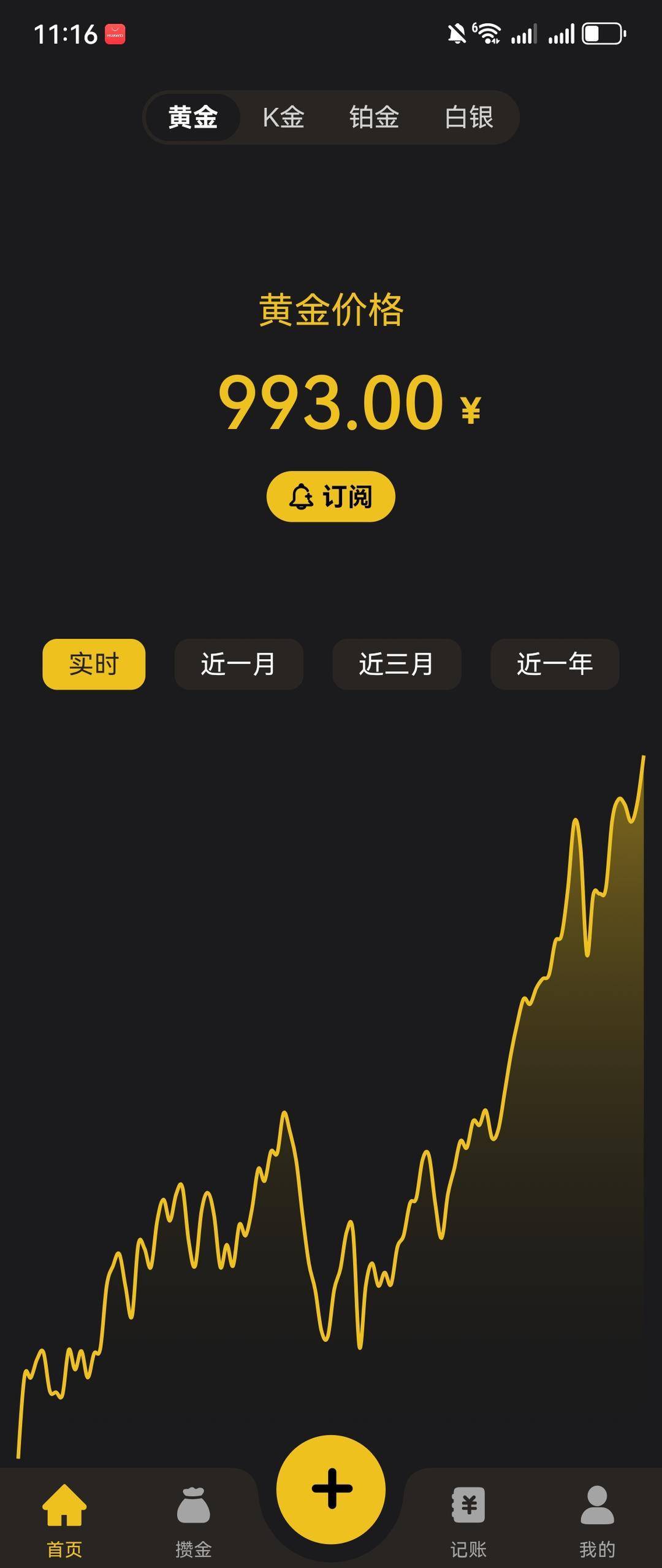
Core Viewpoint - The recent surge in gold prices, nearing 1000 yuan per gram, has created a frenzy among investors, leading to sleepless nights and heightened market activity [1][4][15]. Group 1: Market Dynamics - Gold prices experienced a dramatic increase, rising from 956.97 yuan per gram on October 16 to a peak of 992 yuan per gram by October 17, marking a rise of over 30 yuan in less than 10 hours [8][10]. - The current gold price trend is attributed to multiple factors, including expectations of interest rate cuts by the Federal Reserve, a weakening dollar, and increased geopolitical tensions, which have collectively fueled demand for gold as a safe-haven asset [15][21]. Group 2: Investor Sentiment - Many investors are experiencing anxiety and sleeplessness due to the rapid price fluctuations, with some expressing a fear of missing out on potential gains while others are hesitant to buy at high prices [10][11][14]. - The phenomenon of "collective insomnia" among investors reflects a broader emotional response to the volatile market, with individuals feeling compelled to monitor prices continuously [4][8]. Group 3: Consumer Behavior - The surge in gold prices has led to increased foot traffic in gold shops, with customers looking to buy or sell gold, resulting in a significant rise in customer inquiries and transactions [11]. - A new trend among younger consumers is the rental of gold jewelry for weddings, allowing them to enjoy the aesthetic without the financial burden of purchasing at inflated prices [16][20].