
CVC

Search documents
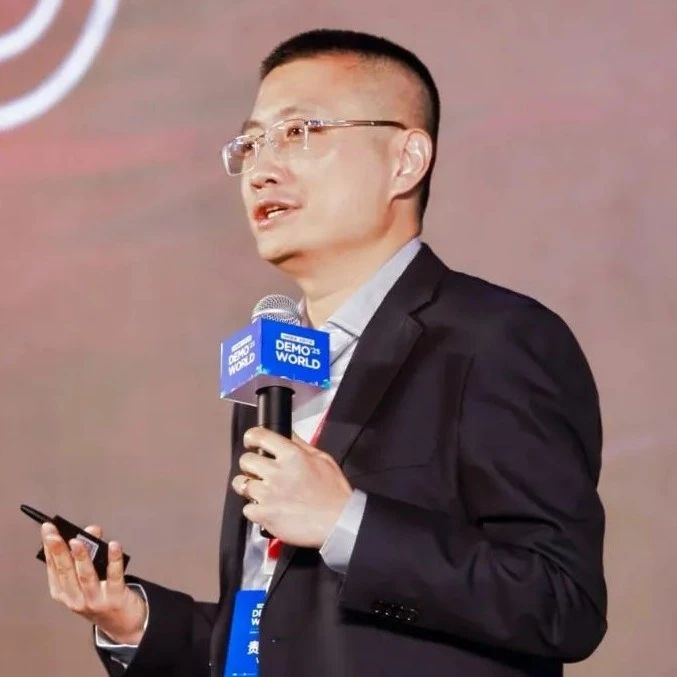
联想王光熙:CVC是突破“创新者窘境”的关键途径
创业邦· 2025-07-09 03:05
Core Insights - The emergence of silicon-based intelligence is creating numerous new opportunities, with expectations for significant developments in spatial intelligence models and embodied intelligence in the next two to three years, and the potential for AGI to transform various industries over the next decade [1][5][6] - The world has entered an era of super technological engineering, where rapid technological innovation is expected to bring disruptive changes, necessitating continuous adaptation and learning within the industry [1][9] - Corporate Venture Capital (CVC) has become a core competitive advantage for large tech companies, facilitating the alignment of investment activities with corporate ecosystems and addressing the "innovator's dilemma" [1][13][14] Group 1: Trends and Opportunities - The current focus is on the explosive growth of silicon-based intelligence, which is seen as a major variable in the investment landscape, with a strong emphasis on AI and related technologies [3][5] - The next five years are anticipated to witness dynamic changes in the silicon brain sector, with significant advancements expected in AI applications and human-machine collaboration [5][6] - The importance of foundational infrastructure, including computing power and energy, is highlighted as critical for the evolution of AI technologies [6] Group 2: Investment Strategy - Lenovo Capital has been dedicated to early-stage technology investments since its inception in 2016, aiming to expand the intersection between its existing business and investment activities [4][14] - The investment strategy includes a focus on the entire IT and TMT industry, seeking to identify promising early-stage tech startups while fostering innovation within the corporate ecosystem [4][5] - The company has invested in over 200 firms, with a significant portion recognized as specialized and innovative, indicating a strong commitment to nurturing new productive forces in technology [14][15] Group 3: Ecosystem Collaboration - The company emphasizes the value of interaction between young entrepreneurs and corporate executives, fostering an environment for innovative ideas and strategic transformations [1][15] - Various ecosystem initiatives, such as the "Star Plan," "Light Plan," and "Fire Seed Plan," have been established to support startups through funding, R&D collaboration, and product development [15][16] - Successful case studies, such as the collaboration with Titan Technology, demonstrate the potential for cross-industry innovation and the transformation of startups into key suppliers [16][17] Group 4: Future Outlook - The CVC model is increasingly recognized as a vital component of corporate strategy, with expectations for continued growth and influence in the tech investment landscape [18] - The integration of CVC into corporate ecosystems is projected to enhance the ability to identify and support technological innovations, contributing to the overall advancement of the industry [18]


13万亿巨头,杀入CVC
3 6 Ke· 2025-07-05 02:33
Core Insights - Meta's CEO Mark Zuckerberg is experiencing frustration as the company struggles to keep pace with competitors in the AI space, particularly in light of its underwhelming performance in the metaverse and AR/VR sectors [1][2] - Despite Meta's strong financial performance and stock price nearing historical highs, there is growing anxiety about the company's future direction and competitiveness in AI [1][2] Group 1: Management Changes and Strategies - Zuckerberg has taken a hands-on approach to AI management, reallocating resources from foundational AI research to the GenAI team to enhance the performance of LLaMA [2] - The restructuring includes demoting the head of the GenAI team and splitting it into two groups, reflecting Zuckerberg's intense pressure to deliver results [2] - Meta's lack of a dedicated Corporate Venture Capital (CVC) team has prompted Zuckerberg to consider establishing one to better compete in the AI landscape [4][7] Group 2: Talent Acquisition Challenges - Meta is facing significant talent retention issues, with reports of AI engineers leaving for competitors like OpenAI and Anthropic, often with offers exceeding $2 million [6] - Zuckerberg's ambitious "superintelligence unit" plan aims to recruit top industry talent, offering salaries that could reach nine figures [6][7] - The difficulty in attracting talent is compounded by the competitive landscape, where even substantial financial incentives have not been enough to secure top candidates [10][12] Group 3: Investment and Acquisition Strategies - Meta's acquisition of Scale AI for $14.8 billion is part of a broader strategy to bolster its AI capabilities and leadership [6][12] - The company is also investing in Daniel Gross's venture fund, NFDG, to gain access to top talent and expertise in AI [7][8] - The overall investment landscape in AI is becoming increasingly competitive, with a significant drop in the number of new AI startups and rising costs for quality acquisitions [11][12]

合肥400亿产业巨头,下场搞CVC
投中网· 2025-07-04 09:07
Core Viewpoint - Hefei is intensifying its efforts in the semiconductor sector with the establishment of the "Hefei Jinghui Chuangxin Investment Fund," which has a scale of 300 million RMB, backed by three publicly listed companies in the semiconductor industry [4][10]. Group 1: Fund Establishment and Structure - The "Hefei Jinghui Chuangxin Investment Fund" was jointly established by three companies: Jinghe Integrated Circuit, Huicheng Co., and Guanggang Gas, with a total market capitalization of approximately 60 billion RMB [4][5]. - Jinghe Integrated Circuit contributed 200 million RMB, while Huicheng Co. and Guanggang Gas each contributed 50 million RMB [5]. - The fund is managed by "Hefei Jinghe Huixin," a private equity investment institution formed by a partnership between Jinghe Integrated Circuit and Huicheng Co. [4][8]. Group 2: Industry Context and Trends - The establishment of this fund reflects a growing trend of corporate venture capital (CVC) in the primary market, indicating that industry giants are increasingly participating in equity investment [6][11]. - Hefei's industrial ecosystem is evolving, with local industry leaders like Changxin Storage and Chery Automobile becoming key players in the investment landscape [4][12]. - The fund's creation is part of a broader initiative by Anhui province to promote investment in emerging industries, including artificial intelligence, new energy vehicles, and semiconductors [12][13]. Group 3: Company Profiles - Jinghe Integrated Circuit is the third-largest wafer foundry in China and the largest in Hefei, achieving a revenue increase from 230 million RMB in 2018 to over 10 billion RMB in 2022, culminating in a 40 billion RMB valuation upon its IPO in 2023 [7][8]. - Huicheng Co. specializes in advanced packaging for display driver chips and became the first domestic company to achieve mass production of 12-inch wafer gold bump packaging [8][10]. - Guanggang Gas is the largest supplier of high-purity electronic gases in China, holding a 15.3% market share in the electronic gas sector as of 2024 [10][11]. Group 4: Investment Strategy and Impact - The fund aims to leverage the expertise and resources of its founding companies to identify and invest in promising startups within the semiconductor industry [10][12]. - The establishment of this fund is indicative of a strategic shift in Anhui's investment landscape, where local industry leaders are expected to play a significant role in nurturing and supporting the growth of the regional startup ecosystem [12][14].

从百济神州暴跌10%,看清特朗普“降药价”剧本
阿尔法工场研究院· 2025-05-12 12:47
Group 1 - Trump's announcement to reduce prescription drug prices by 30%-80% is seen as a political maneuver ahead of the midterm elections, lacking specific implementation details [2][3][8] - The pharmaceutical and healthcare industry in the U.S. has seen lobbying expenditures rise significantly, reaching $370 million in 2023, indicating strong political influence [5] - The high drug prices in the U.S. serve as a valuation anchor for Chinese companies entering the U.S. market, exemplified by the significant drop in the stock price of BeiGene following Trump's announcement [6][8] Group 2 - The U.S. healthcare system is characterized by a complex interplay of interests among pharmaceutical companies, insurance groups, hospitals, and physicians, making substantial reforms challenging [12][14] - The American Medical Association (AMA) plays a crucial role in maintaining high medical service prices, while insurance companies often transfer cost pressures to the middle class [11][12] - The U.S. market's profitability is driven by high drug prices, with top pharmaceutical companies generating substantial cash flow from their operations, particularly in the U.S. [25][27][28] Group 3 - The U.S. federal budget allocates a significant portion to healthcare, with Medicare spending projected to reach $1.66 trillion in 2024, highlighting the financial interdependence between government spending and healthcare costs [30][28] - The demand for U.S. Treasury bonds is influenced by the country's healthcare expenditures, with foreign investors and the Federal Reserve being key players in the bond market [33][34] - The sustainability of the current high-cost healthcare model is questioned amid rising national debt and potential challenges to the dollar's dominance, yet the pursuit of better health remains a constant driver for innovation [35][34]

6亿天使基金启航,解码硬科技CVC的进阶之道
投中网· 2025-04-27 06:35
将投中网设为"星标⭐",第一时间收获最新推送 在本次举办的"长飞天使基金"发布会上,长飞基金管理合伙人、总经理刘斌首次系统披露了这家产业资本五年来的 CVC 进阶路径,从"产业协 同"向"生态赋能"的价值跃迁。作为全球光纤龙头长飞集团旗下 CVC 平台,长飞基金凭借独特的"战略定力 + 创新魄力"模式,已跻身投中 2024 年度 中国最具成长潜力私募股权投资机构十强。 长飞基金的CVC进阶之路,是战略定力与创新魄力的结合,更是对中国硬科技崛起的坚定回应。 来源丨 投中网 4 月 24 日,由全球光通信龙头企业长飞光纤光缆股份有限公司( 简称:"长飞光纤"或"长飞集团",股票代码: 601869.SH , 06869.HK )旗下长 飞基金主导设立的湖北省长飞天使创业投资基金合伙企业(有限合伙)(简称"长飞天使基金"),正式对外发布并启动投资运营。 (长飞天使基金合伙人代表共同点亮发布仪式) 该基金总规模达 6 亿元人民币,由长飞基金联合楚天凤鸣、长三角(嘉兴)母基金、武汉产业基金、武鄂协同基金、光谷合伙人基金,及产业方长飞光 纤、博创科技共同出资设立。基金将瞄准多元化硬科技领域,重点关注具备技术壁垒的早期项目 ...

一级市场投资人,谁过得更惨?
Hu Xiu· 2025-04-21 13:34
Group 1: Dollar Funds - Some dollar fund investors are still pursuing overseas strategies despite a challenging environment, actively seeking opportunities in Southeast Asia [2] - The most pressing issue for dollar fund investors is explaining local investment concepts, such as "招商返投," to foreign partners during fundraising [3] - Many dollar fund investors are facing salary cuts and have recently incurred losses in tech stocks, leading them to invest in U.S. Treasury bonds [5] Group 2: Angel Funds - Most angel investors are either looking for jobs or are on their way to find work [6] - The primary concern for angel investors is the performance of their funds, particularly the DPI (Distributions to Paid-In capital) of funds established in 2014 [7] - Last year's trend of angel investors aggressively seeking professors in university labs has shifted to a focus on recovering funds from those professors this year [8] Group 3: RMB Funds - The new critical questions for RMB funds have shifted from market size and valuation to whether investments can be returned and the nature of the buyback entities [10] - The current strategy for funds involves a dual focus on buybacks and attracting investments [11] - Private equity (PE) investors are increasingly transitioning to mergers and acquisitions and private placements [12] Group 4: Venture Capital (VC) Investors - VC investors have taken on the role of debt collectors, closely monitoring founders for buybacks [13] - The performance of portfolio companies has become a contentious issue, with those not pursuing Hong Kong listings facing criticism [14] Group 5: Corporate Venture Capital (CVC) - There is skepticism regarding the professionalism of CVC management teams, which often consist of individuals with varied and questionable backgrounds [20] - The challenges faced by investment teams include pressure from executives to pursue projects based on personal recommendations rather than thorough due diligence [22] Group 6: State-Owned Enterprises (SOEs) - The investment profession is characterized by long-term accountability, as decisions made can lead to lifelong scrutiny [23] - Employees in investment roles often face low salaries and are required to co-invest in projects, leading to financial losses [25] - There is a culture of mandatory co-investment, which can result in conflicts with regulatory bodies if profits are made [27]