
硅基智能

Search documents
我们不想做岸上的观众|锦秋Lab
锦秋集· 2026-03-04 09:02
Core Viewpoint - Jinqiu Lab aims to be at the forefront of innovation, focusing on the transition from carbon-based to silicon-based intelligence, and providing essential resources for entrepreneurs to navigate this paradigm shift [12][14][18]. Group 1: Purpose and Vision - Jinqiu Lab was established to address the challenges and opportunities presented by significant technological shifts, particularly in the fields of superconductivity and nuclear fusion [12][10]. - The founder, Zhong Zhaoyang, expresses a desire to not miss out on transformative opportunities, emphasizing the importance of being actively involved in the evolving landscape of technology [9][11]. Group 2: Approach and Offerings - Jinqiu Lab offers a unique "plug-and-play" model for joint entrepreneurship, equipping innovators with critical resources to facilitate their journey from concept to reality [14][15]. - The lab provides on-site scientists and entrepreneurs to support projects, allowing them to focus on their core competencies while navigating the complexities of commercialization [15][16]. Group 3: Inspirational Context - The narrative draws parallels between the struggles of scientists in the field of nuclear fusion and the entrepreneurial journey, highlighting the need for perseverance and collaboration in the face of uncertainty [8][10][18]. - The founder references the E-J Power Law in superconductivity, suggesting that collective effort can lead to significant breakthroughs, reinforcing the lab's commitment to fostering innovation [17].

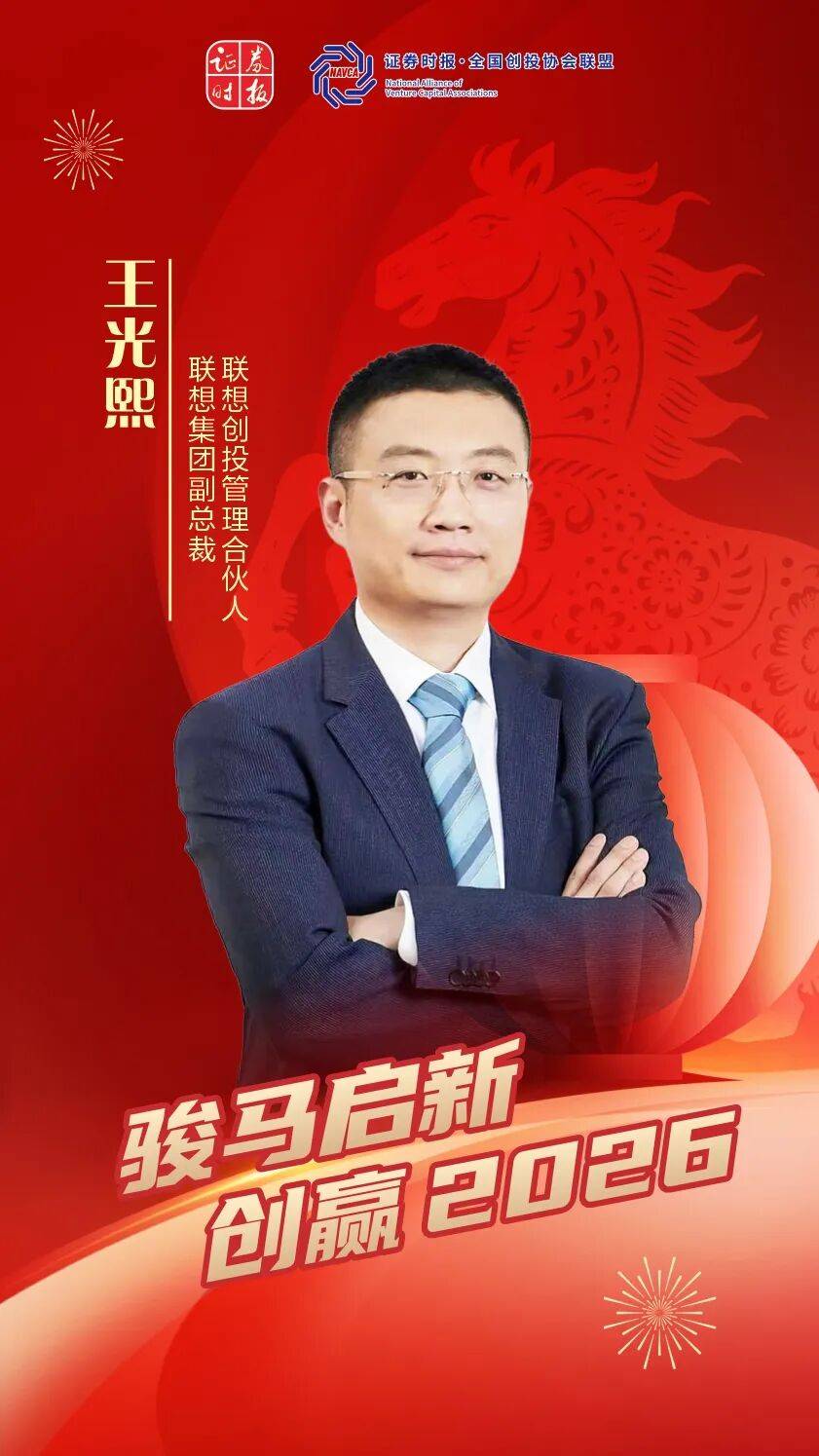
联想创投王光熙:2026年投资更趋理性,“硅基智能”仍是长期主线丨创投贺新春
Sou Hu Cai Jing· 2026-02-17 12:30
Core Insights - Despite macroeconomic challenges, Lenovo Venture Capital has maintained a clear strategic focus, achieving significant investment milestones in 2025 [3] - The company invested in over 40 new enterprises and facilitated nearly 100 portfolio companies in securing new rounds of financing, with total investment transactions exceeding 60, 80% of which were directed towards sectors closely related to the "silicon-based ecosystem" [3] - The total number of portfolio companies has surpassed 300, with 25 successfully going public, including leading firms like CATL, Cambricon, and Haiguang Information, each valued over 500 billion [3] Industry Outlook - The industry faces a gap between technological ideals and commercial realities, particularly in fields like embodied intelligence, where establishing scalable business models is a key challenge [3] - High-quality vertical data is expected to become a core barrier for industrial AI, with China's complete industrial chain and rich scenarios providing unique advantages for incubating breakthrough technologies [3] Future Investment Strategy - Looking ahead to 2026, investments are expected to become more rational, with "silicon-based intelligence" remaining a long-term focus [4] - The company plans to deepen its investment in three main areas: the evolution of AI towards "system intelligence," focusing on intelligent agents and AI-native hardware; the commercialization of machine intelligence, leveraging the benefits of autonomous driving technology; and forward-looking investments in disruptive computing architectures such as integrated storage and computing and RISC-V [4]



深度解析马斯克最新访谈:无法忍受平庸带来的“慢性折磨”
Sou Hu Cai Jing· 2026-02-11 13:15
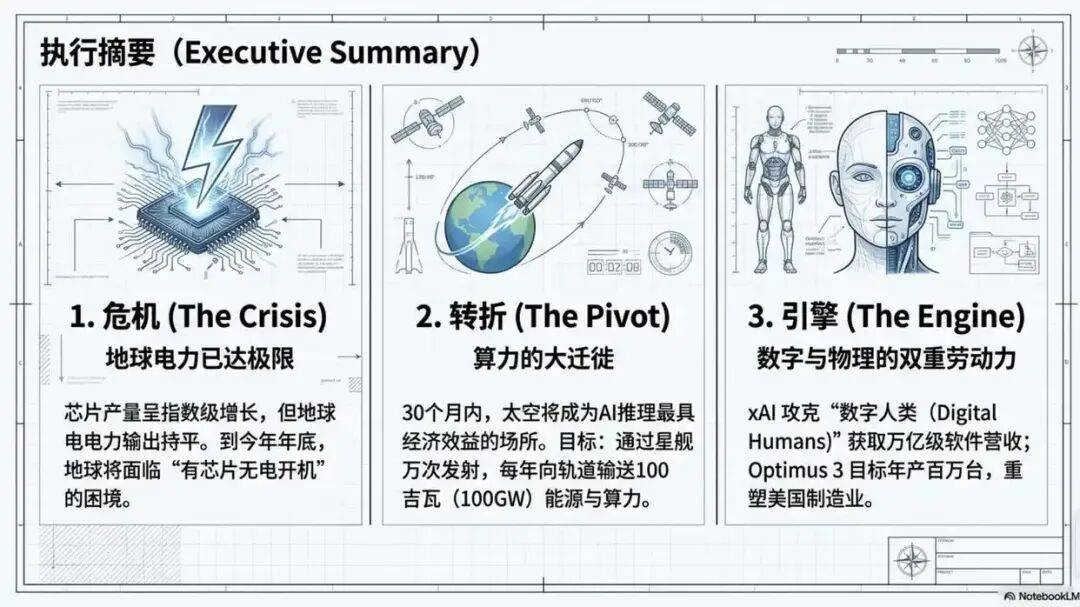
Group 1: Management Philosophy - Musk's management style is characterized by a sense of urgency and a high pain threshold, focusing on addressing acute pain rather than chronic bottlenecks in organizations [4][6][7] - He emphasizes "constraint analysis" to identify and eliminate inefficiencies, directly engaging with engineers to resolve issues without lengthy presentations [7][8] Group 2: AI and Human Intelligence - Musk predicts that within five years, AI intelligence will surpass the total human intelligence, potentially reducing human intelligence's share in the universe to less than 1% [8][10] - He argues that AI will not eliminate humanity but may find value in human irrationality and creativity, which are rare variables in the universe [10][11] Group 3: US-China Manufacturing Competition - Musk expresses a high regard for Chinese manufacturing capabilities, warning that without breakthrough innovations, the US risks losing dominance in the industrial chain [12][14] - He notes that China's electricity output is three times that of the US, indicating a significant gap in industrial capacity and manufacturing scale [14][15] - Musk highlights the US's loss of foundational smelting capabilities, relying on China for processing rare earth materials [15][16] Group 4: AI Infrastructure Challenges - Musk identifies a "hardware wall" for AI development, primarily due to limitations in electricity supply and the slow expansion of ground power plants [21][22] - He proposes a "space AI data center" plan to overcome these challenges, leveraging the efficiency of solar energy in space, which can be five times more effective than on Earth [23][25] Group 5: xAI and Digital Human Simulation - Musk outlines xAI's strategy focusing on Digital Human Simulation, aiming to create AI that can operate like a human by the end of 2026 [26][28] - He plans to bypass complex API integrations by enabling AI to learn to interact directly with screens and software [29] Group 6: Robotics and Recursive Manufacturing - The development of the Optimus humanoid robot is seen as a transformative force in labor dynamics, with a focus on creating dexterous hands for complex tasks [31][32] - Musk envisions a recursive manufacturing model where robots produce other robots, leading to exponential increases in productivity [33][34] Group 7: Future Outlook - Musk's vision intertwines various technological advancements, suggesting that the future will be shaped by the convergence of rocket capabilities, chip performance, robotic labor, and space energy [35]

豪赌AI医疗,全球第一药企与全球第一科技巨头达成合作
Tai Mei Ti A P P· 2026-01-13 11:20
Core Viewpoint - The strategic partnership between Eli Lilly, a leading pharmaceutical company, and Nvidia, a top technology giant, marks a significant shift in the pharmaceutical industry, focusing on AI-driven drug development and manufacturing processes [1][14]. Group 1: Partnership Details - Eli Lilly and Nvidia will invest $1 billion over five years to establish a joint innovation lab in the San Francisco Bay Area [1]. - The lab will not only serve as a computing center but will also aim to completely restructure the drug development process using AI [2]. - The partnership will utilize Nvidia's latest AI chip architecture, Vera Rubin, which is designed for high-precision scientific calculations essential for drug development [2][3]. Group 2: Technological Integration - The collaboration will integrate hardware and software, with Nvidia's BioNeMo platform and Eli Lilly's TuneLab platform combining to enhance drug discovery [3][4]. - BioNeMo will function as a generative AI platform for biology, capable of generating new protein structures, while Eli Lilly will contribute its extensive historical experimental data [3][4]. - The partnership aims to address the data and model gap in AI healthcare, leveraging federated learning technology [4]. Group 3: Manufacturing Innovations - The collaboration extends to manufacturing, with plans to create a "digital twin" of Eli Lilly's production line using Nvidia's Omniverse platform [5]. - This digital twin will simulate production processes to optimize supply chain efficiency, potentially leading to significant revenue increases for high-demand products [5]. Group 4: Industry Context and Implications - Eli Lilly's decision to partner with Nvidia reflects a strategic move to overcome the challenges of traditional drug development, which is often time-consuming and costly [6][7]. - The partnership signifies a shift from a "Discovery" to a "Design" paradigm in drug development, allowing for targeted molecular design rather than random screening [7][8]. - The collaboration is expected to accelerate industry changes, prompting other major pharmaceutical companies to seek similar technological partnerships [16][18]. Group 5: Future Outlook - The partnership is seen as a potential turning point in AI-driven pharmaceutical development, creating a new model of collaboration between top pharmaceutical and technology companies [15][16]. - The competition in the pharmaceutical industry is likely to intensify as companies race to secure technological alliances, with AI becoming a critical component of drug development [19][20].


投资人把脉2026:AI、具身智能、生物制造,或出现百亿美金超级独角兽 | 界面预言家⑥
Xin Lang Cai Jing· 2025-12-31 03:06
Core Insights - The global confidence in Chinese technological innovation is significantly recovering, with a focus on AI, robotics, and other advanced technologies [3][4][19] - Investment sentiment is shifting towards a more concentrated focus on specific sectors, particularly AI, embodied intelligence, semiconductors, and smart hardware [1][6][14] - Investors are increasingly recognizing the importance of underlying technological capabilities and sustainability in business models, moving beyond traditional narratives [1][2][13] Investment Trends - The primary investment themes for 2025 are AI, embodied intelligence, and semiconductors, with a notable increase in valuations for quality projects [5][6][14] - The investment landscape is evolving, with a shift from "picking ripe fruit" to "growing fruit trees," emphasizing early-stage involvement and nurturing projects from inception [18][19] - The market is witnessing a structural change, with more international investors focusing on Chinese assets due to renewed confidence in innovation [4][19] Sector-Specific Developments - The embodied intelligence sector is seen as a pathway to Artificial General Intelligence (AGI), with ongoing exploration in various approaches to achieve this goal [9][10][34] - The AI sector is transitioning from foundational models to application layers, with a growing emphasis on commercial viability and customer retention [23][24] - The integration of AI with physical world applications is expected to drive significant advancements in manufacturing and logistics [32][33] Market Dynamics - The exit environment for investments has improved, particularly with the recovery of the Hong Kong stock market, providing viable exit channels for innovative companies [12][19] - The investment community is increasingly required to possess deep industry knowledge and technical understanding to make informed decisions [13][31] - The focus on sustainable and innovative business models is becoming critical as the market matures and competition intensifies [25][34] Future Outlook - The anticipated trends for 2026 include a continued focus on AI applications, embodied intelligence, and biomanufacturing, with expectations of significant economic impact [20][21][28] - The investment strategy will likely prioritize projects that demonstrate a combination of technology, industry relevance, and global scalability [32][34] - The Chinese market is expected to see a diversification of outbound investment strategies, with a focus on brand and technology exportation [35][36][37]
创投行业回暖信号明确!顶级机构看好这些投资机会
Zheng Quan Shi Bao Wang· 2025-12-05 02:43
Core Insights - The Chinese venture capital industry is experiencing a significant recovery in 2025, supported by both industry data and firsthand accounts from leading investors [1][2] - The resurgence is closely linked to the explosion of artificial intelligence (AI) and improvements in the exit environment, which have boosted investor confidence [2] - There is a growing interest from international capital in the Chinese market, with major financial institutions recognizing the investment opportunities in China's technology sector [2][3] Industry Trends - Investment speed has increased by 20%-30% compared to 2024, with firms like Sequoia China expecting to invest in over 100 companies this year [1] - The biotechnology sector has seen stock prices of listed companies rise by 5 to 10 times, indicating a favorable exit environment for investors [2] - A new development cycle is anticipated from 2026 to 2028, which could be a "golden three years" for the venture capital industry [2] Investment Focus - Top-tier institutions are focusing on investment opportunities in technology and medical innovation, particularly in AI applications and the globalization of China's pharmaceutical innovation capabilities [3] - The rapid iteration of physical hardware and manufacturing capabilities in the silicon-based intelligence sector presents significant long-term investment opportunities [4] Market Risks - Investors are aware of potential risks, particularly the uncertainties in the secondary market, which could impact the stability needed for long-term investments [4] - There are concerns about non-market pricing in the Hong Kong stock market affecting valuations in the primary market, necessitating caution among investors [4] AI Sector Insights - There is a high level of enthusiasm for the AI sector among entrepreneurs and investors, although debates about potential bubbles persist [5] - Long-term opportunities exist in AI and related fields, but short-term bubbles are acknowledged in various sectors [5][6] - The need for consensus on long-term investment strategies is emphasized, as short-term profit pursuits could conflict with the nature of long-cycle investments [6]
创投行业回暖信号明确 顶级机构共话机遇与风险
Zheng Quan Shi Bao· 2025-12-04 17:44
Core Insights - The Chinese venture capital industry is experiencing a significant recovery in 2025, supported by both industry data and firsthand accounts from leading investors [1][2] - The resurgence is closely linked to the explosion of artificial intelligence (AI) and improvements in the exit environment, which have boosted investor confidence [2] - Major investment firms are increasing their investment pace and amounts, with predictions of a "golden three years" for the venture capital sector from 2026 to 2028 [2] Investment Trends - Sequoia China reported a 20%-30% increase in investment speed compared to 2024, with expectations to exceed 100 investments this year [1] - Top firms are focusing on technology and medical innovation, particularly in AI applications and the globalization of China's pharmaceutical capabilities [3] Market Dynamics - There is a growing interest from international capital in the Chinese market, with firms like Goldman Sachs and Morgan Stanley recognizing abundant investment opportunities in China's tech sector [2] - The enhancement of China's innovation capabilities and the globalization of industries are contributing to this increased interest [3] Sector Opportunities - Investment opportunities are concentrated in AI and medical innovation, with a focus on research and commercialization in innovative drugs and medical devices [3] - The semiconductor and intelligent hardware sectors are highlighted as areas of significant value, with China's manufacturing advantages supporting global market expansion [4] Risk Awareness - Investors are aware of potential risks, particularly the uncertainties in the secondary market, which could impact long-term investment strategies [4] - Concerns about non-market-based pricing in the Hong Kong stock market could lead to valuation misconceptions in the primary market [4] AI Market Sentiment - There is a high level of enthusiasm for AI among entrepreneurs and investors, but debates about potential bubbles in the sector persist [5] - Long-term opportunities in AI and life sciences are recognized, although short-term bubbles may exist in certain areas [5][6] - The rapid iteration of AI models necessitates ongoing reflection within the tech community to enhance industrial efficiency [6]
一群人,投出三个5000亿
投资界· 2025-11-10 02:38
Core Insights - Lenovo Capital has achieved significant success in the past nine years, investing in over 300 technology companies, with 21 of them successfully going public and nurturing more than 50 unicorns [2][6] - The firm has notably invested in three of the five A-share listed companies with a market value exceeding 500 billion, namely CATL, Cambricon, and Haiguang Information [2][6] Investment Strategy - Lenovo Capital has focused on the AI sector, with 90% of its investments in 2023 related to the AI revolution, particularly in the Agent domain, which is seen as a potential source for the next generation of major companies [9][10] - The firm follows an "80/20" investment principle, dedicating 80% of its resources to core technology and 20% to emerging fields with high potential [12][13] Notable Investments - The investment in Haiguang Information has proven fruitful, with its stock price rising over 7 times since its IPO, reaching a market cap of over 600 billion [5][6] - Lenovo Capital's early investment in CATL, initially perceived as expensive, has resulted in a current market valuation of 1.8 trillion [6][7] - The firm has also invested in Cambricon, which has seen its market cap peak at 600 billion, despite initial skepticism regarding its financial performance [6][7] Market Trends - The demand for computing power is expected to increase significantly, with projections indicating a hundredfold growth in the next decade across various applications, including autonomous driving and robotics [5][11] - The emergence of intelligent agents is anticipated to create a vast market opportunity, potentially surpassing the scale of the mobile internet [10][11] Collaboration and Ecosystem - Lenovo Capital has strengthened its collaboration with Lenovo Group, with various departments actively seeking partnerships to leverage investment opportunities [12][13] - The firm has developed a comprehensive support system for startups, including initiatives like the "Star Plan" and "Light Plan," aimed at fostering innovation and collaboration [12][14] Future Outlook - The company aims to continue its focus on AI and related technologies, with a belief that the next five years will see rapid advancements in silicon-based intelligence and related applications [16][17] - Lenovo Capital envisions itself as a long-term player in the investment landscape, aspiring to evolve alongside Lenovo Group into a century-old enterprise [17][18]

联想创投宋春雨:软硬一体、“双重智能”是AGI的核心路径
Sou Hu Wang· 2025-11-09 05:44
Core Insights - The core viewpoint presented by Song Chunyu emphasizes that silicon-based intelligence is becoming a key driving force for global change, with the integration of AI hardware and software shifting from mere performance enhancement to systemic and ecological reconstruction [1][2] - The concept of "dual intelligence," which combines digital world intelligent agents with physical world embodied intelligence, is seen as a necessary path towards achieving Artificial General Intelligence (AGI) [1][2] Industry Developments - The AI industry has experienced explosive changes over the past year, with advancements in computing power evolving from single GPU optimizations to new infrastructure like "AI factories," and Nvidia's Blackwell entering full-scale production [2] - The "Gateway to the Stars" project has reached a scale of over 400,000 GPUs, while OpenAI has launched GPT-5 and initiated a billion-dollar IPO, with Chinese companies like DeepSeek, Qianwen, and Doubao rapidly catching up [2] - Embodied intelligence has emerged as a new trend, with global financing for related startups reaching $10.3 billion in 2025, and domestic primary market financing in China exceeding 20 billion yuan in the first half of the year, far surpassing the total for the previous year [2] Company Strategy - Lenovo Capital has invested in over 100 companies in the AI sector over the past decade, covering the entire AI stack from intelligent agents to embodied intelligence, witnessing China's transition from technology follower to system innovator [2] - Song Chunyu asserts that "integrated hardware and software, along with dual intelligence," is the core path to AGI, which will create new platform-level opportunities and drive the emergence of new silicon-based intelligent entities [2] - The company emphasizes that AI also entails social responsibility, advocating for enhanced cross-sector collaboration, ethical governance, and the promotion of "human-centered intelligence" to ensure that AI serves as a partner for human progress rather than a replacement [2]
做联想集团“科技瞭望塔”, 联想创投如何赋能初创企业?
2 1 Shi Ji Jing Ji Bao Dao· 2025-07-23 05:52
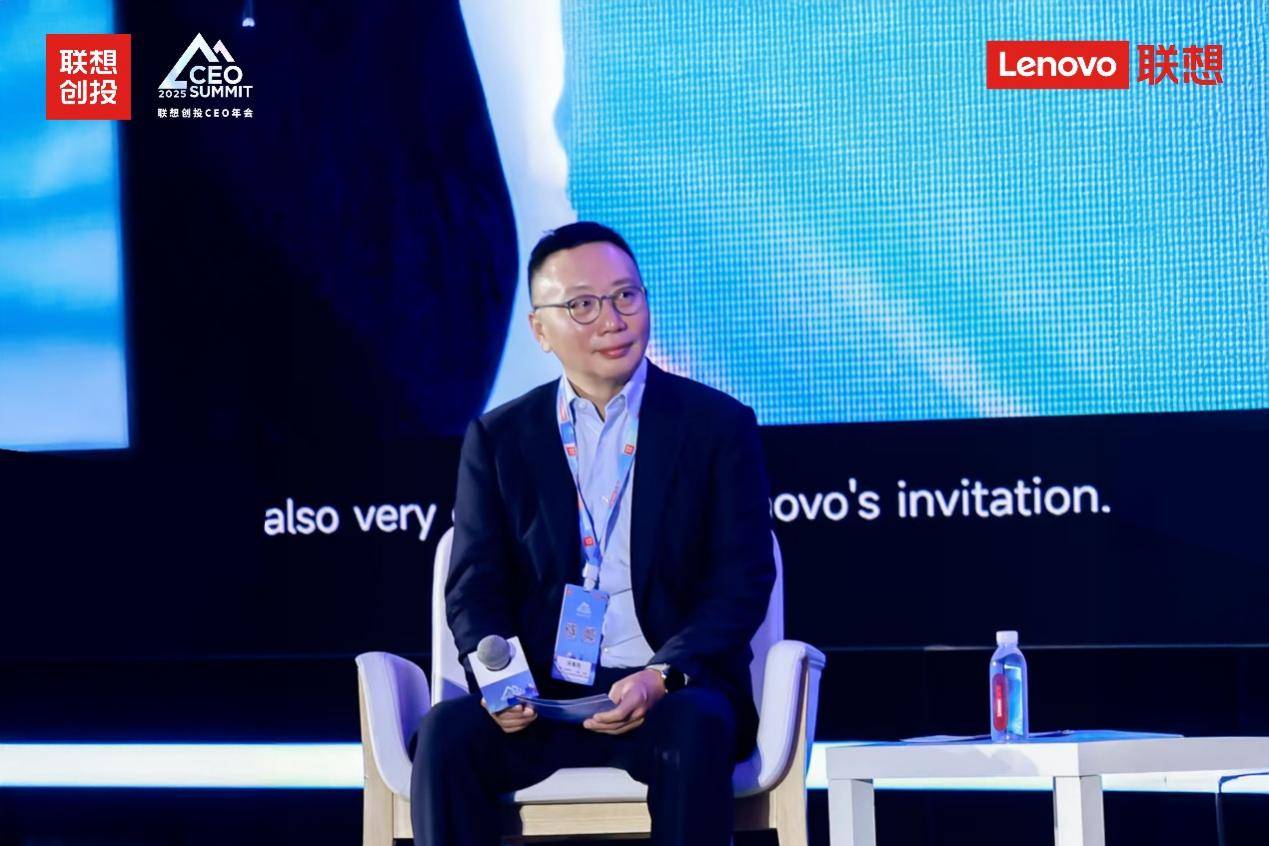
Core Insights - The event "Silicon Evolution, Coexistence of All Things" showcased Lenovo's investment achievements in AI over the past decade, highlighting the rapid evolution of silicon-based intelligence and its integration with human creativity [1][2] - Lenovo Capital's support for the "Hybrid AI Strategy" was evident, with nearly 30 invested companies collaborating with Lenovo Group, integrating cutting-edge technology into practical applications [2][4] - The commercialization of embodied intelligence is at a critical turning point, with significant advancements expected in various sectors, particularly in complex industrial environments like automotive manufacturing starting in 2025 [2][3] Investment and Ecosystem Development - Lenovo Capital has invested in over 280 tech companies in nine years, with 20 achieving successful IPOs and over 50 unicorns in niche markets [4] - The company has identified three major advantages in China's development of embodied intelligence: rich application scenarios, innovative core components, and vast overseas market potential [3][4] - Lenovo Capital's "Star Plan," "Bright Plan," and "Spark Plan" form a comprehensive support system for startups, enhancing collaboration across the entire value chain [5] Technological Advancements - The focus on disruptive computing architectures includes advancements in integrated computing, quantum computing, RISC-V, and brain-like computing technologies [5] - The emergence of digital employees and robots is expected to enhance human-machine collaboration, driving the evolution of the AI ecosystem [5] - The development of a comprehensive transportation blueprint explores innovations in autonomous driving and low-altitude economies, contributing to a future integrated transportation network [5]
