价值投资

Search documents
中泰资管新董事长将到任,首位非投资出身的掌舵人
Xin Lang Cai Jing· 2026-01-27 11:26
Group 1 - The core point of the article is the significant personnel change at Zhongtai Asset Management, with Huang Wenqing stepping down as chairman and being succeeded by Jiang Tianfang, who is currently the executive director and head of the investment banking committee at Zhongtai Securities [1][2] - Huang Wenqing has been in charge since June 2020, and during his tenure, the public fund scale of Zhongtai Asset Management grew from 10.6 billion to 39.5 billion by the end of Q4 2025 [4] - Jiang Tianfang has a background in investment banking, having worked at CITIC Securities and Qi Lu Securities before joining Zhongtai Securities, where he was promoted to executive director and head of the investment banking committee [2][5] Group 2 - Under Huang Wenqing's leadership, Zhongtai Asset Management adopted a long-term investment philosophy, shifting the company’s ideology from "risk creates value" to "a good friend on the investment journey," emphasizing client interests and brand building [4][5] - Despite the growth in public fund scale, Zhongtai Asset Management's actively managed scale decreased from 146.9 billion at the end of 2020 to 105.7 billion in mid-2025 [5] - The company has established a strong presence in active equity management, with a diverse team of fund managers, indicating a strategic focus on maintaining its core competencies while expanding its product lines [6]

转股抛压短期集中释放 理性看待旭辉债务重组后的真实价值
Zhi Tong Cai Jing· 2026-01-27 09:12
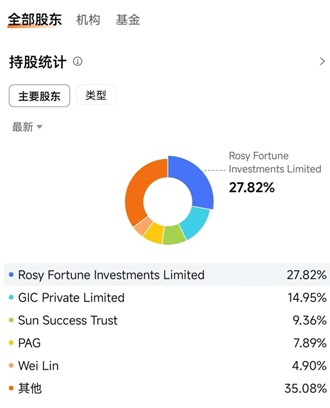
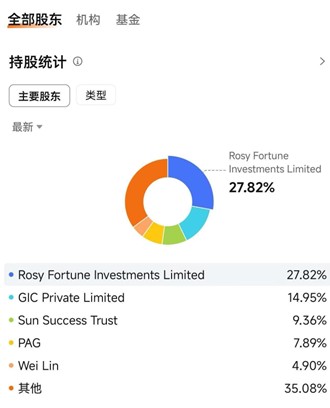
当前房地产行业正经历深刻的结构性调整,债务重组已成为检验出险房企生存能力与经营韧性的关键指 标。2025年底,旭辉控股(00884)宣布完成境内外债务重组,预计削减约430亿元债务,并将存量债务结 构由"短期高息"转向"长期低息",标志着公司正稳步走出流动性危机的严峻阶段。 在重组方案逐步落地过程中,前期化债过程中形成的强制可转债(MCB)陆续进入转股与流通阶段,带来 阶段性股份供给增加。近期市场成交明显放量,股价出现阶段性波动。然而从债务重组的内在逻辑看, 这一过程属于市场化化债中的常见阶段性现象,并未动摇旭辉长期向好的发展根基。 转股抛压带来短期波动,实为债务重组落地的必经阶段 从资产价值角度评估,即便考虑转股带来的股本扩张,在债务重组带来的净资产大幅增厚效应下,每股 净资产仍有望维持在接近1港元的水平,这为公司内在价值和估值提供了扎实的安全边际。相比之下, 当前旭辉股价不足0.1港元,对应预期市净率不到0.1倍,不仅明显低于内房行业平均水平,也大幅偏离 公司自身历史估值区间,已进入罕见的低估状态,由于"短期超卖"带来的长期投资价值已然凸显。 随着MCB转股带来的阶段性抛压逐步消化,以及重组后业务修复与经 ...

转股抛压短期集中释放 理性看待旭辉(00884)债务重组后的真实价值
智通财经网· 2026-01-27 09:03
智通财经APP获悉,当前房地产行业正经历深刻的结构性调整,债务重组已成为检验出险房企生存能力 与经营韧性的关键指标。2025年底,旭辉控股(00884)宣布完成境内外债务重组,预计削减约430亿元债 务,并将存量债务结构由"短期高息"转向"长期低息",标志着公司正稳步走出流动性危机的严峻阶段。 在重组方案逐步落地过程中,前期化债过程中形成的强制可转债(MCB)陆续进入转股与流通阶段,带来 阶段性股份供给增加。近期市场成交明显放量,股价出现阶段性波动。然而从债务重组的内在逻辑看, 这一过程属于市场化化债中的常见阶段性现象,并未动摇旭辉长期向好的发展根基。 转股抛压带来短期波动,实为债务重组落地的必经阶段 从交易层面分析,旭辉股价波动的直接原因来自于MCB转股后的阶段性供给增加,短期内股本扩张速 度超过市场消化能力,对股价形成压力。但这并非旭辉特有情况,而是行业通过市场化手段实现实质性 债务重组的普遍路径。观察同类案例可见,房企借助债转股等工具压降债务规模,往往伴随阶段性股本 稀释及部分机构因流动性等因素的抛售行为。尽管短期内对股价造成扰动,但这一"短期阵痛"换来的却 是资产负债表的系统性修复,是企业实现"轻装上 ...
博时市场点评1月27日:两市探底回升,成交出现缩量
Xin Lang Cai Jing· 2026-01-27 08:49
Market Overview - The three major indices in the A-share market rebounded after hitting a low, with total trading volume decreasing to less than 3 trillion yuan compared to the previous day [1][7] - The electronic sector led the gains among the Shenwan first-level industries [1] Economic Policy and Financial Stability - The People's Bank of China (PBOC) held a macro-prudential work meeting, emphasizing the need for proactive assessment of systemic financial risks and maintaining overall market stability as a key policy goal for the year [1][7] - The Ministry of Commerce announced plans to significantly develop service trade and implement policies to expand inbound consumption, aligning with earlier fiscal measures to stimulate domestic demand [1] Industrial Profit Trends - In December, profits of large-scale industrial enterprises turned from a 13.1% decline in November to a 5.3% increase, marking an 18.4 percentage point recovery [2][8] - For 2025, total profits of large-scale industrial enterprises reached 73,982 billion yuan, a 0.6% increase from the previous year, with manufacturing growing by 5.0% [2][8] Offshore RMB Market Development - The PBOC announced plans to support the development of the offshore RMB market in Hong Kong, increasing the funding arrangement scale from 100 billion yuan to 200 billion yuan [2][9] - This move is expected to enhance Hong Kong's role as a global offshore RMB business hub, attracting more international investors to hold and use RMB assets [9] Capital Market Opening - The China Securities Regulatory Commission (CSRC) announced the addition of 14 new futures and options products for domestic specific varieties, allowing participation from foreign traders [9] - This initiative is seen as a significant step towards deeper and higher-level institutional opening of the capital market, enhancing the depth and pricing power of the domestic futures market [9] Market Performance - As of January 27, the Shanghai Composite Index closed at 4,139.90 points, up 0.18%, while the Shenzhen Component Index and the ChiNext Index also saw slight increases [10][11] - The electronic, communication, and defense industries showed notable gains, while coal, agriculture, and steel sectors experienced declines [11] Trading Volume and Margin Data - The market's trading volume was recorded at 29,217.07 billion yuan, a decrease from the previous trading day, while the margin financing balance rose to 27,254.40 billion yuan [12]
李蓓:中证2000及小微盘股、部分估值驱动的科技成长股已严重高估,面临较大调整压力
Xin Lang Cai Jing· 2026-01-27 08:31
Core Viewpoint - The equity market is expected to experience a structured market rather than a systemic bull market, with significant differentiation among sectors and stocks [1] Group 1: Market Outlook - The current core indices such as the CSI 300 and Hang Seng Index are undervalued, while the CSI 2000 and small-cap stocks (with PE ratios over 150 or those reporting losses) are severely overvalued [1] - There is a potential for significant adjustment pressure on interest-sensitive assets as inflation rises and interest rates increase in the future [1] Group 2: Historical Comparison - A reoccurrence of extreme differentiation similar to the 2016-2017 market is anticipated, where the CSI 300 rose by 20% while the CSI 2000 fell by 20% [1] - Core cyclical blue-chip stocks are expected to outperform significantly compared to the previous period [1] Group 3: Investment Strategy - Current levels of interest rates, asset scarcity, and under-allocation in equities are greater than in the past, which may elevate blue-chip valuations [1] - Value investing is expected to return as non-standard assets gradually disappear [1] Group 4: Market Trends - Wealth market hotspots are concentrated in quantitative strategies, all-weather strategies, and overseas assets, indicating that many investors may miss the opportunity for core asset revaluation [1]
溢价60%“抄底”彪马:安踏122亿元豪赌,耐克、阿迪迎来最强中国对手
Mei Ri Jing Ji Xin Wen· 2026-01-27 07:42
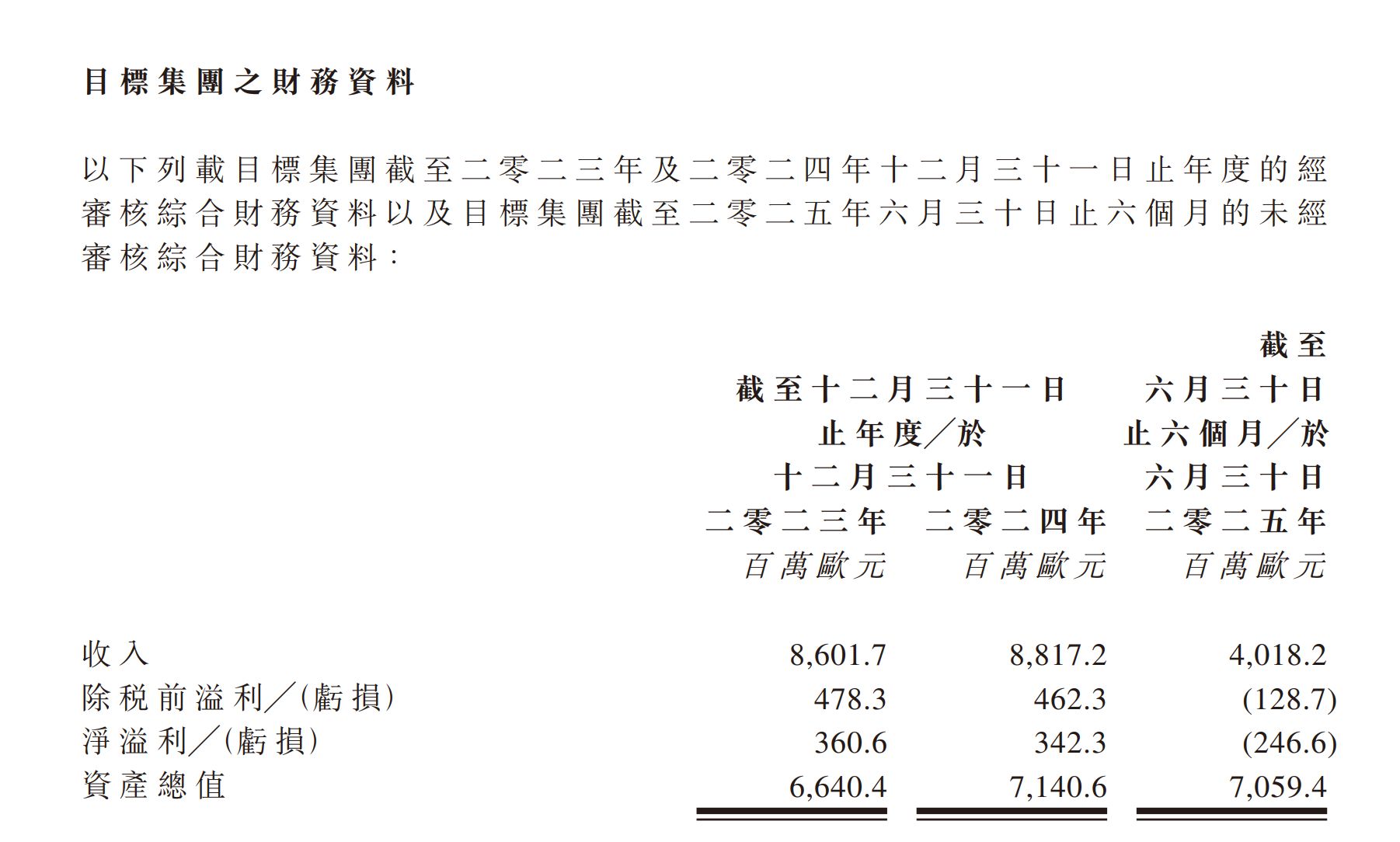
Core Viewpoint - Anta Sports, China's largest sports brand, has announced an agreement to acquire a 29.06% stake in Puma for approximately €1.5 billion (around RMB 12.28 billion), positioning itself to become Puma's largest shareholder amid Puma's financial struggles [1][2][4]. Group 1: Acquisition Details - The acquisition price is set at €35 per share, totaling about €1.5 billion for approximately 43.01 million shares of Puma [4][5]. - Anta plans to fund the acquisition entirely through internal resources, including operational funds [5]. - The deal comes at a time when Puma is facing significant financial challenges, with projected net losses of approximately €247 million in the first half of 2025 [6]. Group 2: Market Context and Strategic Implications - Anta's acquisition is seen as a bold move, especially given the current global consumption slowdown and Puma's declining performance [2][3]. - Industry analysts suggest that the success of the acquisition will depend on Anta's ability to integrate Puma's brand into its multi-brand strategy and leverage synergies across various sports categories [2][18]. - The acquisition is viewed as a "value investment" for Anta, which aims to enhance its global competitiveness against giants like Nike and Adidas [12][18]. Group 3: Financial and Operational Considerations - Puma's recent financial performance shows a decline, with net profits of €360 million and €340 million expected in 2023 and 2024, respectively, before a sharp downturn in 2025 [6]. - The acquisition price reflects a 60% premium over Puma's market price prior to the announcement, indicating a strategic buy during a period of undervaluation [11]. - Anta's entry into Puma is expected to enhance its product offerings and market presence, particularly in football and fashion segments, which are crucial for its growth strategy [12][18]. Group 4: Regulatory and Future Outlook - The transaction is subject to regulatory approvals, including antitrust clearance and approval from Anta's shareholders, with an expected completion by the end of 2026 [16]. - Anta has committed to voting in favor of the acquisition at its shareholder meeting, securing internal support for the deal [17]. - Post-acquisition, there are expectations regarding potential adjustments in Puma's pricing strategy and market positioning, particularly in relation to Anta's existing brands [15][18].

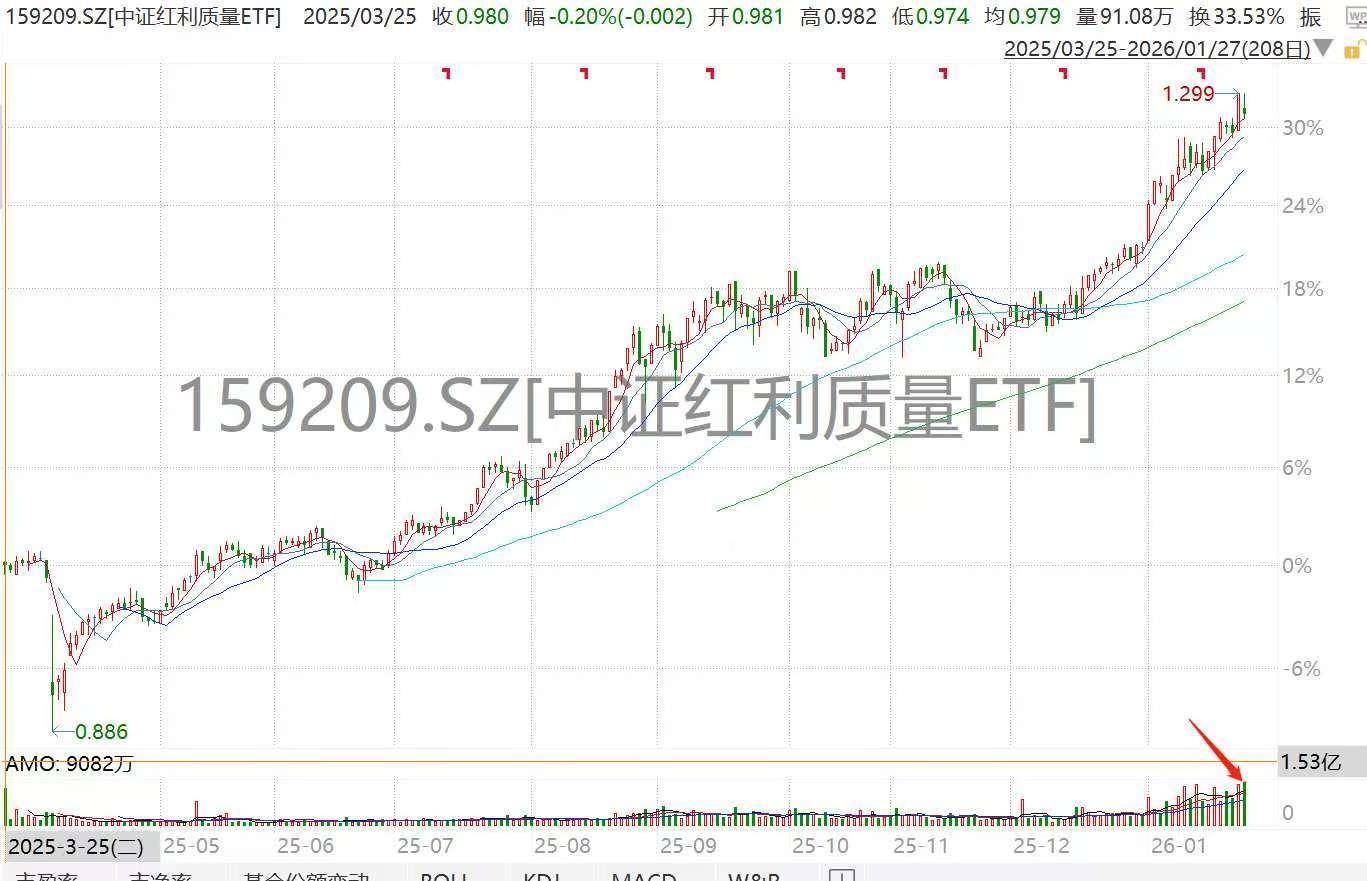
成交破1亿创历史新高!“重仓有色”的中证红利质量ETF(159209)盘中揽金近5000万再创阶段新高
Sou Hu Cai Jing· 2026-01-27 07:03
Group 1 - The core idea of the China Securities Dividend Quality ETF (159209) is to track the CSI All Share Dividend Quality Index, which selects 50 listed companies with stable dividends, high dividend yields, and sustainable profitability to reflect the overall performance of companies with strong dividend and profitability characteristics [1] - The ETF distinguishes itself from traditional high-dividend funds by not including bank stocks in its current holdings and having a heavy allocation in the non-ferrous metals sector [1] - The ETF employs a "dividend + quality" dual-factor screening mechanism to identify high-quality companies with both "low valuation" and "high quality," aligning with Warren Buffett's value investment philosophy of investing in excellent companies at reasonable prices [1] Group 2 - As of January 27, the dividend sector experienced an overall adjustment, with the China Securities Dividend Quality ETF (159209) declining by 1.23% and achieving a trading volume exceeding 100 million, marking a historical high [2] - The ETF's intraday revenue reached nearly 50 million, setting a new peak for the current phase [2]
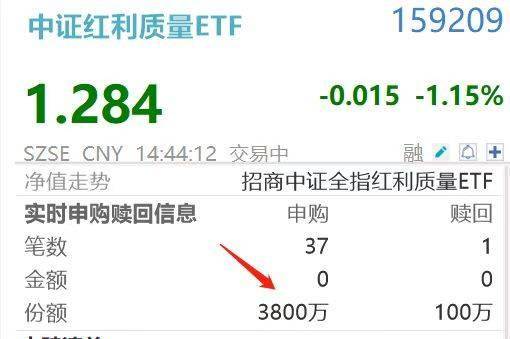
不含银行,重仓有色!两市唯一的中证红利质量ETF(159209)盘中获近5000万大单增仓
Sou Hu Cai Jing· 2026-01-27 07:03
Group 1 - The core point of the article highlights the adjustment in the dividend sector, with the China Securities Dividend Quality ETF (159209) experiencing a decline of 1.46% as of 14:41, despite a net inflow of approximately 48 million yuan during the trading session [1][3] Group 2 - The China Securities Dividend Quality ETF (159209) tracks the CSI All Share Dividend Quality Index, which selects 50 stocks with stable dividends, high dividend yields, and strong earnings sustainability, reflecting the overall performance of companies with strong dividend and profitability characteristics [3] - Unlike traditional high-dividend strategies, the current holdings of the ETF do not include bank stocks and are heavily weighted in the non-ferrous metals sector [3] - The ETF employs a "dividend + quality" dual-factor screening mechanism to identify high-quality companies with both "undervalued" and "high-quality" characteristics, aligning with Warren Buffett's value investment philosophy of investing in excellent companies at reasonable prices [3] - In terms of product design, the ETF features a cost structure of "0.15% + 0.05%", which is the lowest in the market, providing a significant cost advantage for long-term holders [3] - The dividend distribution model uses a monthly assessment mechanism, which better meets investors' cash flow needs and enhances the holding experience [3]
这一次,段永平错了吗?
Sou Hu Cai Jing· 2026-01-27 06:08
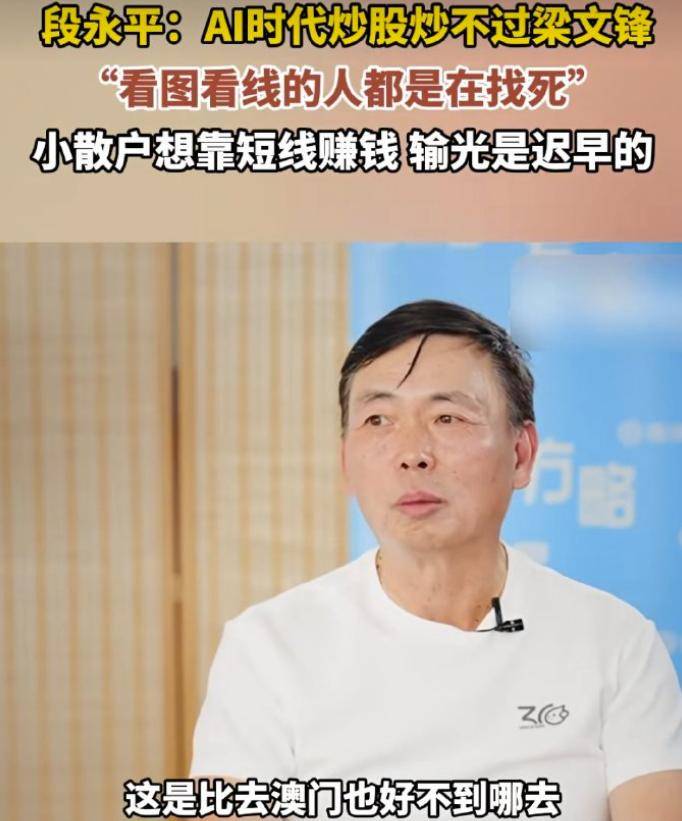
股市风云变幻,众生百态尽显。近日,贵州茅台股价与火热的市场行情背道而驰,形成鲜明对比,引发不 少争议。有人开始质疑价值投资,甚至嘲讽投资大佬段永平。然而,这种简单粗暴的情绪化反应,恰恰暴 露了投资的短视与浮躁。 让我们试着站在段永平的角度思考。拥有超过1800亿人民币身家的他,早已实现了财富自由。对于他来 说,投资早已不是为了快速致富,而是为了财富的保值增值,追求的是长期的确定性,而非短期的高收 益。正如俗话所说,"慢就是快",稳健才是王道。 更何况,贵州茅台在新掌门陈华的带领下,正积极进行渠道改革,展现出新的增长潜力。对于段永平来 说,此时的茅台更像是一支兼具进攻性的价值股,如同当年200多元的腾讯,极具吸引力。 然而,对于手中只有几万元的散户来说,茅台可能并不是一个理想的选择。一方面,资金量太小,难以配 置较多的茅台股票;另一方面,即使茅台未来翻倍,也难以改变他们的财务状况。他们更渴望的是一夜暴 富的机会,追求的是短期的高收益率,因此往往会选择风险更高的投资标的。 投资策略的选择,取决于投资者的自身情况和风险偏好。对于段永平来说,高确定性远比高收益更重要; 而对于追求快速致富的散户来说,高收益率才是他们的 ...

持续把简单的事做对!“超级投资者”沃尔特·施洛斯的一生
聪明投资者· 2026-01-27 03:34
沃尔特 ·施洛斯是美国最杰出的价值投资者之一,他被同门师兄、好友沃伦·巴菲特称为"超级投资者"。 1934年,施洛斯在华尔街找到了第一份工作——跑单员。他曾师从价值投资开山鼻祖本杰明·格雷厄姆, 1946年开始为老师工作,直到1955年自立门户,成立沃尔特 J· 施洛斯合伙人公司 。 巴菲特曾这样评价他:"沃尔特知道如何识别那些售价远低于其价值的证券,这就是他所做的一切。他持有 的股票数量比我多得多,而且对企业的内在本质远没有我感兴趣。 我似乎对沃尔特没什么影响力,这正是 他的优点之一。 " 沃尔特 ·施洛斯说, "我们就是买便宜的股票,没别的。" "好生意我们也喜欢,不过我们不愿意花那么多钱买。问题是这个'好'究竟有多好呢?我可能会出错。干这行 能学会什么是谦卑,因为自己犯过错。" 在自己合伙公司的投资生涯中,施洛斯基本保持满仓运作,一般持股在 60-100只左右。他只关注买入超值 的股票,不太在意股市怎么走。 施洛斯终其一生的各种低调,生平细节并不多,感谢 J ason(微信公众号"标记X")挖掘了这个宝藏资料。 The Memoirs of Walter J. Schloss: A Personal a ...