
捡烟蒂投资法

Search documents
巴菲特“隐退”
21世纪经济报道· 2025-11-12 01:08
Core Viewpoint - Warren Buffett, at 95 years old, announced his retirement from writing Berkshire Hathaway's annual reports and speaking at shareholder meetings, marking the end of an era for the company and value investing [1][3]. Group 1: Berkshire Hathaway's Performance - From 1964 to 2024, Berkshire Hathaway achieved a total return of 5,502,284%, significantly outperforming the S&P 500's return of 39,054% during the same period [1]. - The annualized compound return for Berkshire from 1965 to 2024 is 19.9%, compared to the S&P 500's 10.4% [1]. Group 2: Buffett and Munger's Partnership - Buffett credited Charlie Munger, his long-time partner, for their mutual success, highlighting Munger's influence on his investment strategies [3][5]. - Munger's approach emphasized quality over merely seeking cheap stocks, which revitalized the value investing philosophy [5]. Group 3: Transition and Future Challenges - Buffett announced his retirement as CEO, with Greg Abel set to take over, while Buffett will remain as chairman [7][9]. - Following the announcement, Berkshire's stock price fell over 10% from its historical high, despite strong quarterly earnings [7][8]. - Berkshire's cash reserves reached a record $381.7 billion, with no stock buybacks in 2025's first nine months [7][8]. Group 4: Investment Strategy Evolution - Buffett's investment strategy has evolved through three stages: 1. "Cigar butt" investing during the industrial era, focusing on undervalued companies [11]. 2. Transitioning to investing in companies with strong intangible assets, such as Coca-Cola [12]. 3. Capitalizing on network effects in the new economy, exemplified by his investment in Apple [13]. - Despite his retirement, Buffett plans to continue working at the office and may still contribute to the company [13].


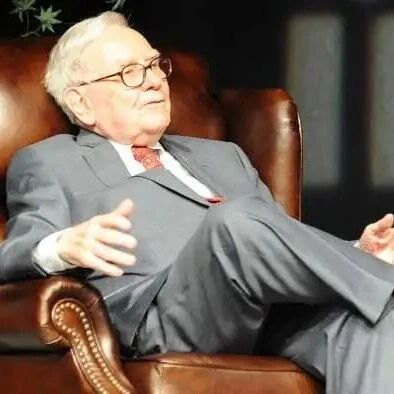
巴菲特“隐退”
2 1 Shi Ji Jing Ji Bao Dao· 2025-11-11 13:20
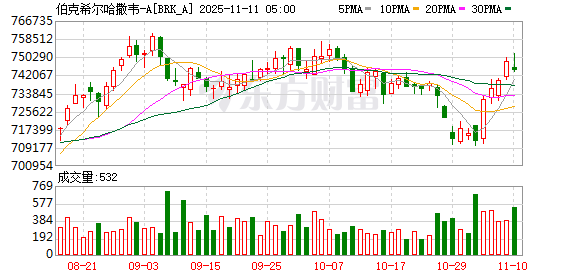
Core Viewpoint - Warren Buffett, at 95 years old, announced his retirement from writing Berkshire Hathaway's annual reports and speaking at shareholder meetings, marking the end of an era for the company and value investing [2][3]. Group 1: Company Performance - From 1964 to 2024, Berkshire Hathaway achieved an astonishing total return of 5,502,284%, compared to the S&P 500's return of 39,054% during the same period [2]. - The annualized compound return for Berkshire from 1965 to 2024 is 19.9%, significantly higher than the S&P 500's 10.4% [2]. - In Q3, Berkshire's operating profit surged to $13.49 billion, a 34% increase year-over-year, while net profit reached $30.8 billion, up 17% [7]. Group 2: Leadership Transition - Buffett will continue as chairman but will step down as CEO, paving the way for Greg Abel to take over the role at the end of the year [8]. - Buffett praised Abel as an outstanding manager and communicator, indicating that his management style will be more effective for Berkshire's subsidiaries [8]. Group 3: Investment Strategy - Buffett's investment philosophy has evolved over the decades, moving from "cigar butt" investing to focusing on high-quality companies, influenced significantly by Charlie Munger [5][11]. - Berkshire's top five holdings accounted for 66% and 71% of its total equity investments as of September 30, 2025, and December 31, 2024, respectively, with major stakes in American Express, Apple, Bank of America, Coca-Cola, and Chevron [8]. Group 4: Market Conditions - Berkshire has not repurchased any stock since the announcement of Buffett's retirement, and its cash reserves reached a record $381.7 billion by the end of Q3 [7]. - The company has been net selling stocks for 12 consecutive quarters, raising over $6 billion in cash through stock sales in Q3 alone [7]. - The valuation of U.S. stocks has reached historical highs, prompting Buffett to sell stocks as he perceives them to be overvalued [7].
没有芒格的股东大会,推荐一本书怀念他丨CV荐书
投中网· 2025-05-11 02:12
Core Insights - The article highlights the profound partnership between Warren Buffett and Charlie Munger, emphasizing their shared values and mutual respect, which have contributed to Berkshire Hathaway's remarkable investment success over the past half-century with a compound annual growth rate of nearly 20% [2][6]. Summary by Sections - **Berkshire Hathaway's Annual Meeting**: The annual meeting held on May 3 in Omaha marked Buffett's 60th year with the company, where he reflected on various topics and announced Greg Abel as the future CEO [2]. - **Munger's Influence**: Buffett credited Munger as a crucial partner, stating that without him, he would be much poorer. Munger is described as the "architect" of their success, while Buffett sees himself as the "general contractor" [2][6]. - **Growth of Shareholder Participation**: The attendance at the annual meetings has grown significantly from just 6-8 attendees in 1970 to over 11,000 by 1999, showcasing the increasing interest in Berkshire Hathaway [5][6]. - **Q&A Sessions**: The meetings typically feature a brief discussion of company business followed by extensive Q&A sessions lasting up to 6 hours, where Munger often plays a critical role in challenging conventional thinking [6][9]. - **Munger's Perspective on Partnership**: Munger emphasizes the importance of being able to play different roles in a partnership, advocating for the need to learn from others and adapt to various situations [8][10]. - **Investment Philosophy**: Munger has influenced Buffett to move beyond Benjamin Graham's value investing principles, focusing on the intrinsic value of companies rather than just their price. Munger believes in paying a fair price for quality businesses [11][12]. - **Caution Towards Technology Investments**: Munger's past experiences in the technology sector have led him to be cautious about investing in that area, preferring to focus on businesses with proven value [14][16]. - **Munger's Life Principles**: Munger's approach to life and investing is guided by principles of hard work, living within one's means, and maintaining emotional control, which he learned from his grandfather [16].
【有本好书送给你】芒格传:百年纪念版
重阳投资· 2025-05-08 06:36
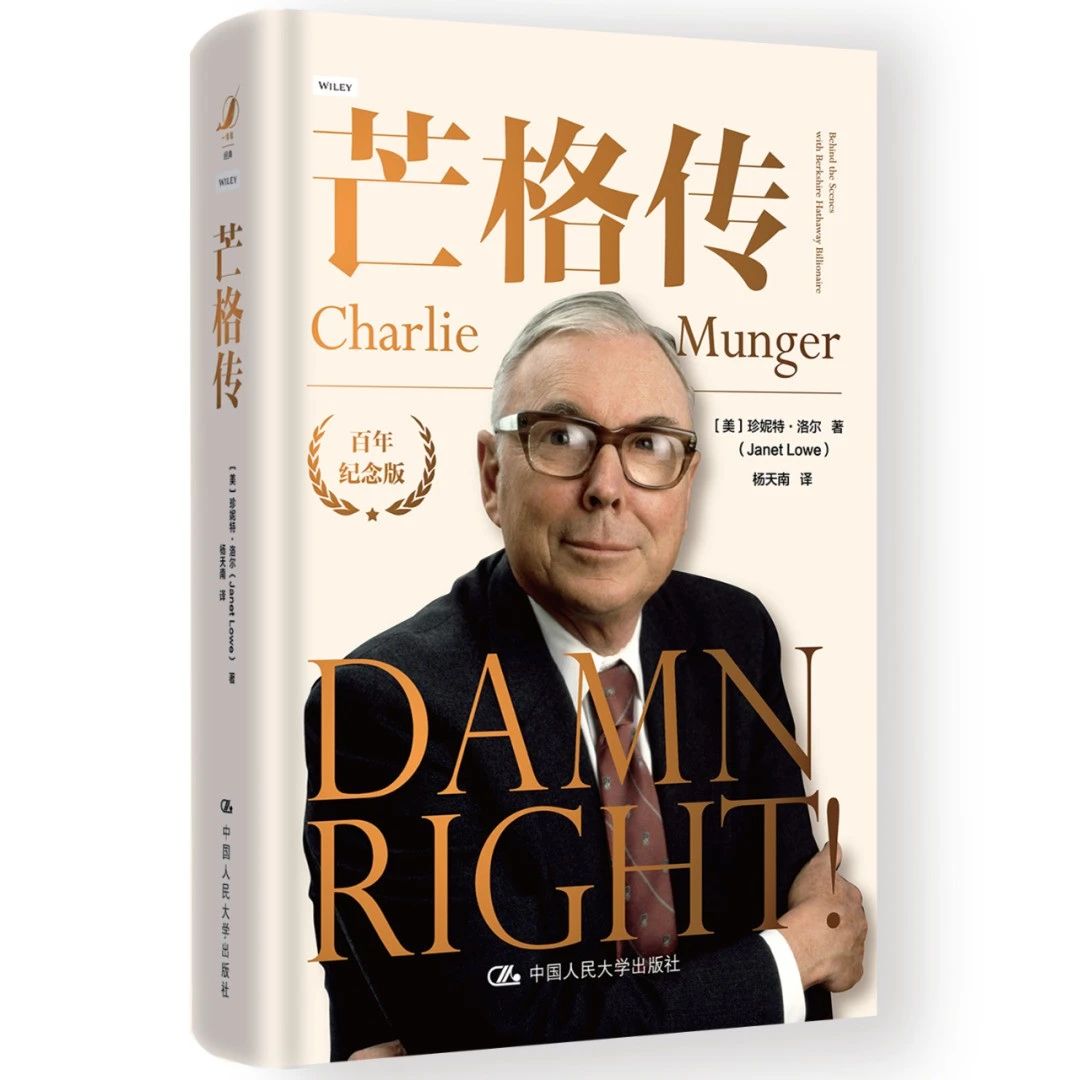
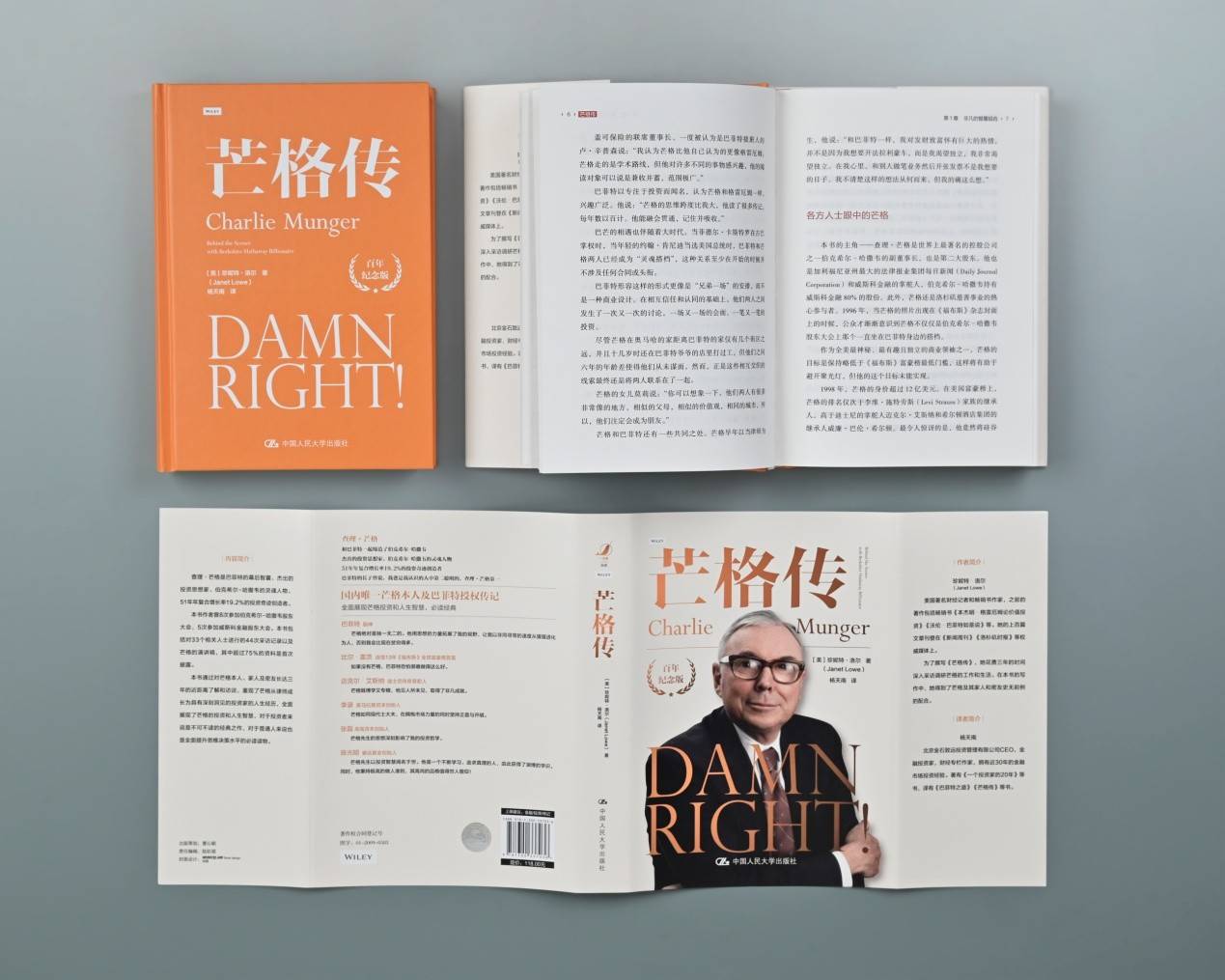
Core Viewpoint - The article emphasizes the importance of reading and continuous learning as a pathway to personal and professional growth, inspired by the wisdom of Charlie Munger and Warren Buffett [2][3][7]. Group 1: Book Recommendations and Themes - The article introduces the 283rd issue featuring "The Biography of Munger (Centennial Edition)" by Janet Lowe, highlighting Munger's influence on investment philosophy [10][12]. - An interactive discussion theme is proposed, encouraging readers to share how Munger has impacted their lives, with a submission window from May 8, 2024, to May 14, 2025 [12]. Group 2: Berkshire Hathaway's Shareholder Meeting - The annual Berkshire Hathaway shareholder meeting took place on May 3, 2025, marking the 60th anniversary of Buffett's acquisition of the company and his 60th participation in the event [13]. - Buffett paid tribute to Munger, stating that without him, Berkshire would not be what it is today, and referred to Munger as the "architect" of their success [13][14]. - The meeting has grown from a handful of attendees in 1970 to over 11,000 by 1999, showcasing the increasing interest in Berkshire Hathaway [18]. Group 3: Munger and Buffett's Partnership - Munger is described as a perfect partner for Buffett, sharing similar values and providing critical insights that have significantly contributed to Berkshire's success [19][22]. - Munger's ability to analyze and evaluate business transactions quickly and accurately is highlighted, with Buffett acknowledging Munger's role in their investment successes [22]. - The duo's relationship is characterized by mutual respect and a blend of humor, which helps them navigate challenges in the investment landscape [20][23]. Group 4: Munger's Investment Philosophy - Munger's views on investment extend beyond traditional methods, emphasizing the importance of understanding intrinsic value rather than just price [25][26]. - He critiques Graham's investment strategies, advocating for a focus on high-quality businesses rather than merely seeking bargains [25][28]. - Munger's cautious approach to the technology sector stems from past experiences, leading him to prioritize businesses with proven stability and long-term potential [30].

2025巴菲特股东大会:巴菲特深情缅怀芒格,宣布将在年底卸任CEO
Sou Hu Cai Jing· 2025-05-06 06:19
Core Insights - The annual shareholder meeting of Berkshire Hathaway was held in Omaha, marking the 60th anniversary of Warren Buffett's acquisition of the company and his 60th participation in the event. Buffett announced that Greg Abel will succeed him as CEO by the end of the year [1][3]. Group 1: Buffett and Munger's Partnership - Buffett paid tribute to Charlie Munger, stating that "without Charlie, there would be no Berkshire today," and described Munger as the "architect" of their success [1][3]. - The partnership between Buffett and Munger has resulted in a remarkable compound annual growth rate of nearly 20% over more than half a century [3]. - Munger's influence helped Buffett expand his investment approach beyond Benjamin Graham's teachings, emphasizing the importance of quality over price in investments [14][12]. Group 2: Growth of Shareholder Meeting - The number of attendees at the shareholder meeting has grown significantly, from just 6-8 people in 1970 to over 11,000 by 1999 [6][7]. - Buffett enjoys the increasing participation of shareholders and the lively discussions that take place during the meeting, which often includes a lengthy Q&A session lasting up to 6 hours [7][6]. Group 3: Munger's Investment Philosophy - Munger emphasizes the importance of understanding intrinsic value rather than just price, advocating for a cautious approach to investing [12][14]. - He believes that a successful partnership requires the ability to play different roles, whether as a leader or a follower, and that collaboration can enhance decision-making [9][10]. - Munger's legal background provided valuable insights into business operations, allowing for quicker and more accurate assessments of investment opportunities [9][10]. Group 4: Personal Insights and Experiences - Munger's early experiences in business, including a challenging investment in a transformer company, shaped his investment philosophy and approach to risk [16][18]. - He learned the importance of focusing on quality businesses and avoiding the pitfalls of the technology sector after facing difficulties in that area [18][16]. - Munger's principles of hard work, frugality, and emotional control have guided his investment decisions and personal life [18][19].
人物|巴菲特老矣,价值投资尚能饭否?
2 1 Shi Ji Jing Ji Bao Dao· 2025-05-05 01:21
Core Insights - Warren Buffett, the legendary value investor, is set to retire by the end of this year, marking the end of an era for Berkshire Hathaway [1][6][12] - Buffett's recent stock sell-offs and cash reserves indicate a cautious approach amidst market volatility, with Berkshire holding a record $347.7 billion in cash and equivalents [3][4][9] - Buffett emphasizes the importance of adapting to market changes and not being swayed by emotional reactions to market fluctuations [9][10] Group 1: Retirement Announcement - Buffett's retirement announcement at the shareholder meeting surprised many, including his successor Greg Abel, who will take over decision-making authority [6][7] - Buffett has expressed confidence in Abel's management style, which is more hands-on compared to his own [7][8] - The transition is expected to maintain Berkshire's investment philosophy, with Abel prepared to deploy the company's substantial cash reserves when opportunities arise [7][8] Group 2: Investment Strategy - Buffett's investment strategy has evolved over decades, transitioning from tangible assets to intangible assets and now focusing on companies with network effects, exemplified by his investment in Apple [10][11] - Despite recent stock sales, Buffett's preference remains for owning good businesses rather than holding cash equivalents [9][10] - The significant reduction in Berkshire's holdings in major stocks like Apple and American Bank reflects a strategic response to high valuations in the market [8][9] Group 3: Market Perspective - Buffett has criticized the use of tariffs as a trade weapon, suggesting it disrupts global markets and is a significant error [3][4] - He remains unfazed by recent market volatility, comparing it to historical downturns that did not fundamentally affect Berkshire's operations [3][4] - The company has been net selling stocks for ten consecutive quarters, indicating a strategic repositioning in response to market conditions [3][4]
伯克希尔60年:详解巴菲特投资三阶段背后的商业逻辑︱巴菲特股东会前瞻
和讯· 2025-05-01 08:09
Core Viewpoint - Warren Buffett continues to demonstrate his investment prowess, achieving a record cash holding of $334.2 billion by the end of 2024, up from $325.2 billion at the end of the third quarter [2] - The significant cash increase is attributed to operational cash flow and a reduction in stock holdings, particularly a 67% decrease in Apple shares, from 905 million to 300 million [2] - Buffett's investment strategy is often misunderstood as strictly buy-and-hold; however, he exhibits flexibility and adaptability in response to market conditions [2] Group 1: Investment Strategy Evolution - Buffett's investment philosophy has evolved through three distinct phases, reflecting changes in industry trends and business models [3] - The first phase, "cigar butt" investing, focused on buying undervalued companies with significant tangible assets during the Great Depression [4][5] - The second phase marked a shift towards investing in companies with strong brands and intangible assets, exemplified by the successful investment in See's Candies [7][10] - The third phase involves capitalizing on network effects and exponential growth in new economy companies, highlighted by Buffett's investment in Apple [13][18] Group 2: Key Investments - The investment in See's Candies in 1972 was pivotal, showcasing the transition from tangible to intangible asset investment, yielding an impressive internal rate of return of 32% [8][10] - Buffett's investment in Coca-Cola began in 1988, where he recognized the brand's long-term value despite paying a premium based on traditional valuation metrics [9][10] - The investment in Apple, initiated in 2016, was based on its strong market position and brand loyalty, leading to over $100 billion in investment gains by 2022 [13][16] Group 3: Market Dynamics - The shift from tangible to intangible assets reflects broader economic changes, with companies increasingly investing in intellectual property rather than physical assets [11][12] - The emergence of network effects in the new economy allows companies like Apple to maintain competitive advantages and achieve sustained growth [17][18] - Buffett's ability to adapt his investment approach to these evolving market conditions underscores the importance of continuous learning and flexibility in investment strategies [19]